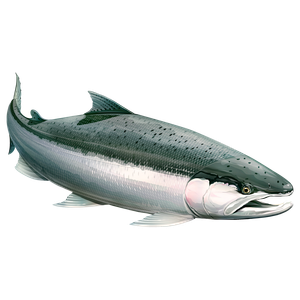
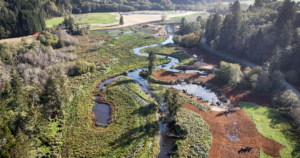
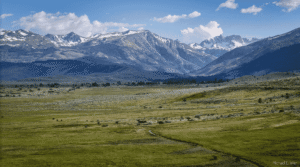
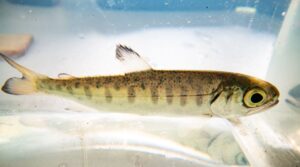
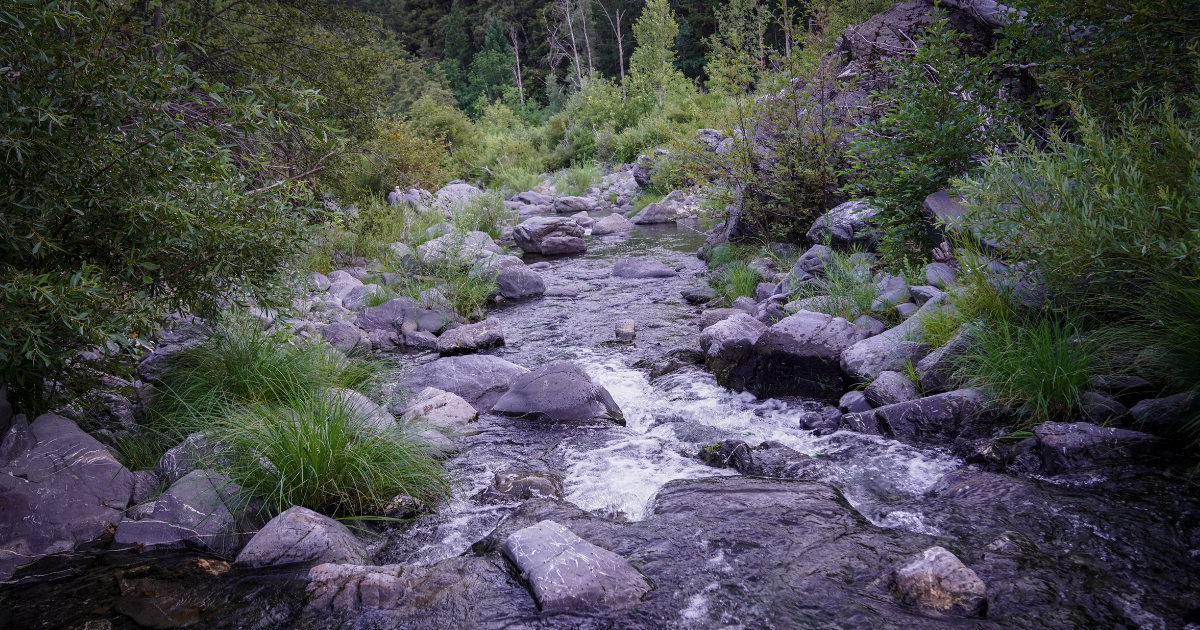
Today marks a defining moment for California’s third-largest watershed, the Eel River, as Pacific Gas and Electric (PG&E) officially submitted its License Surrender Application and Decommissioning Plan for the Potter Valley Hydroelectric Project to the Federal Energy Regulatory Commission (FERC). This filing launches the formal process to remove Scott and Cape Horn dams which will benefit salmon and steelhead recovery in the Eel—and includes provisions for a modern, reliable water supply for the Russian River.
An Agreement Grounded in Collaboration:
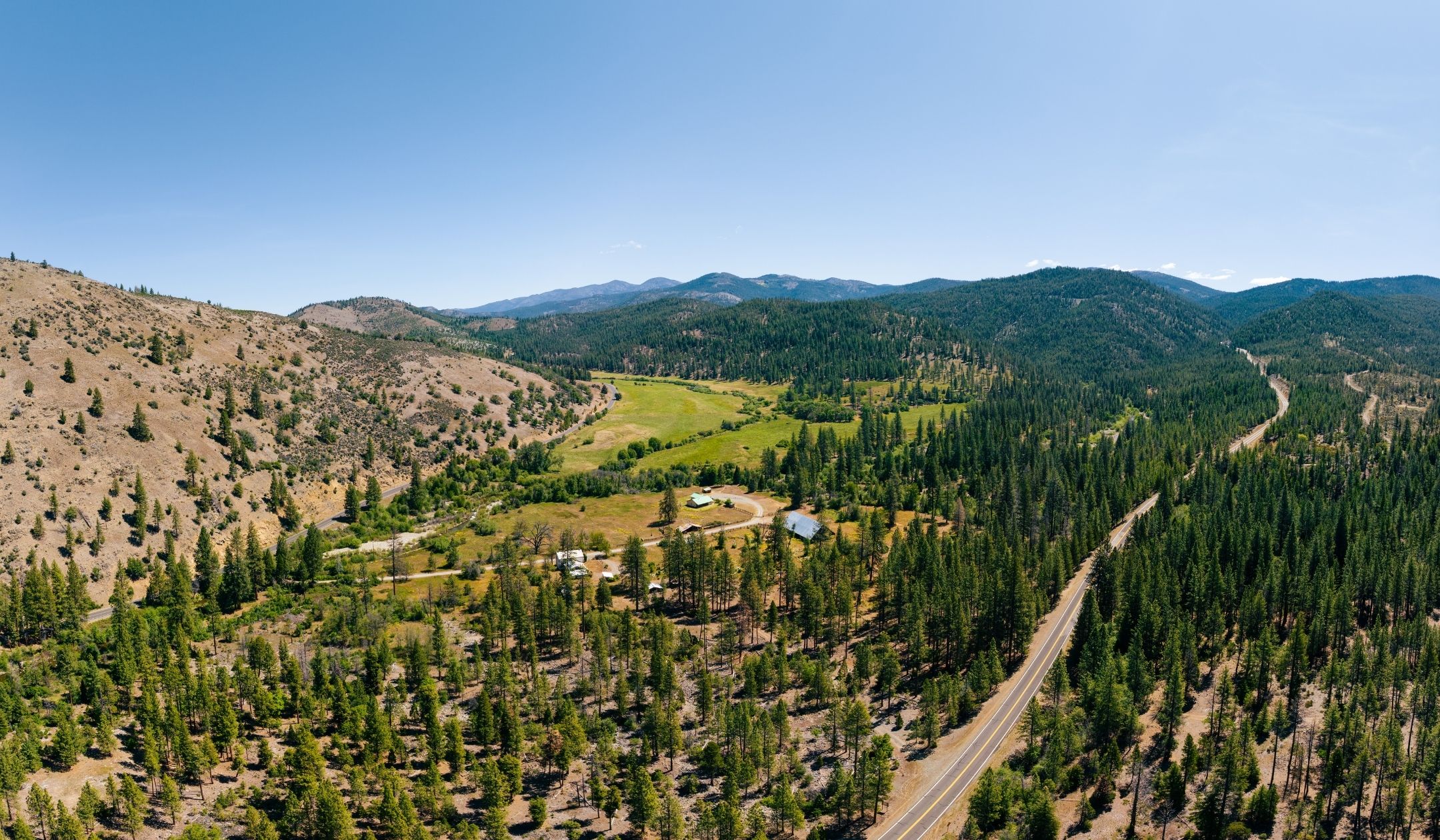
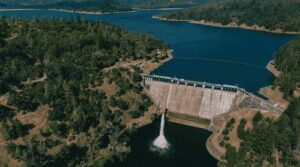
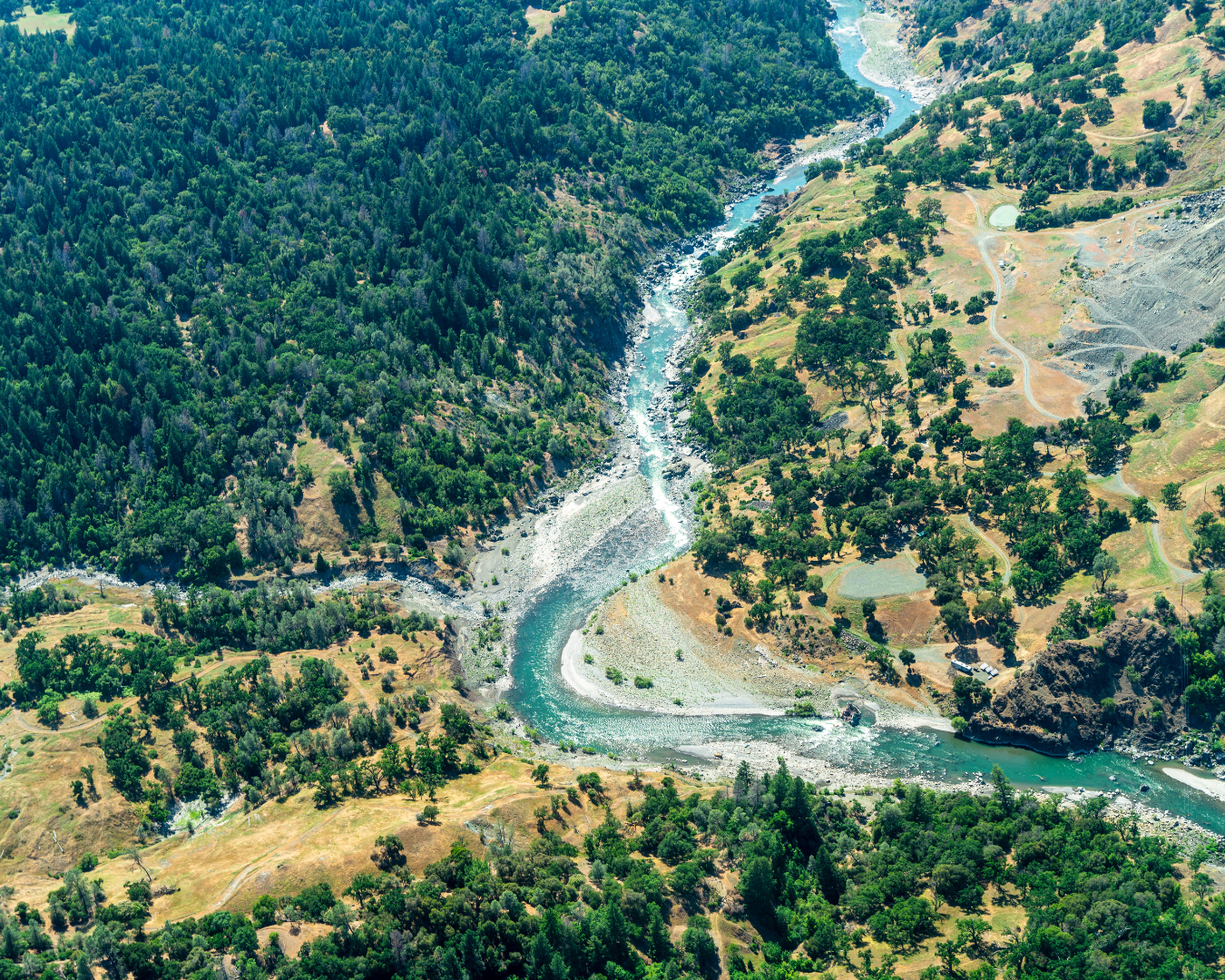
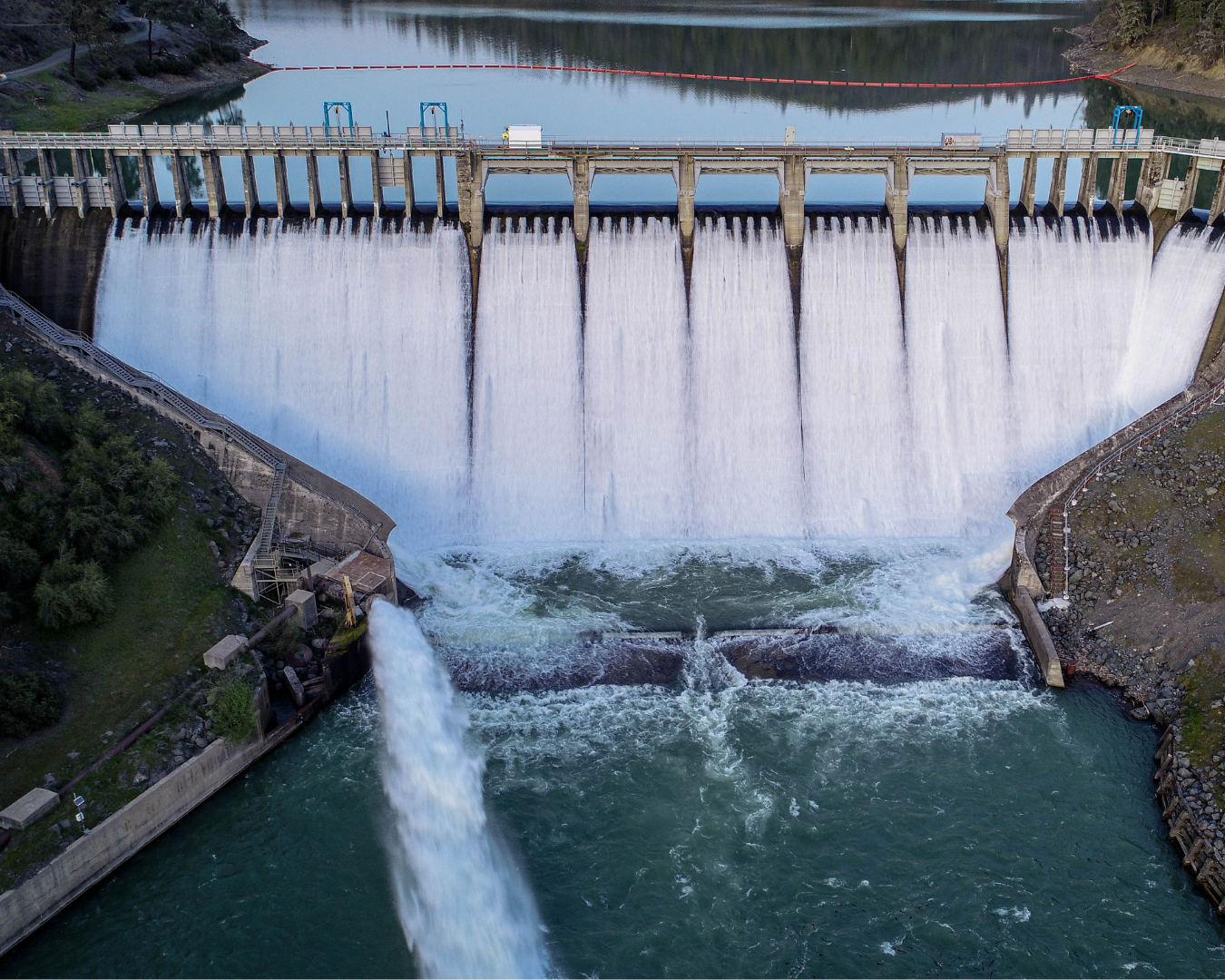
In 2019, PG&E announced it would not renew its federal license to operate the Potter Valley Project. The Project is comprised of two dams, Scott and Cape Horn which block access to a 300sq/mi area in the Eel River headwaters, and a diversion tunnel which takes Eel River water and moves it to the Russian River.
PG&E is removing the dams because they are no longer economically viable for customers. In fact, economics are the most common reason dams are removed in the US and in this case, PG&E has said removal is best for their customers. The facility has not produced electricity since 2021.
When PG&E announced its decision, it created uncertainty in the region for both people and fish; because of the importance of the Eel River to salmon and steelhead, and because of the supplemental water moved to the Russian River. Rather than allowing this challenge to divide the region, an unprecedented coalition formed.
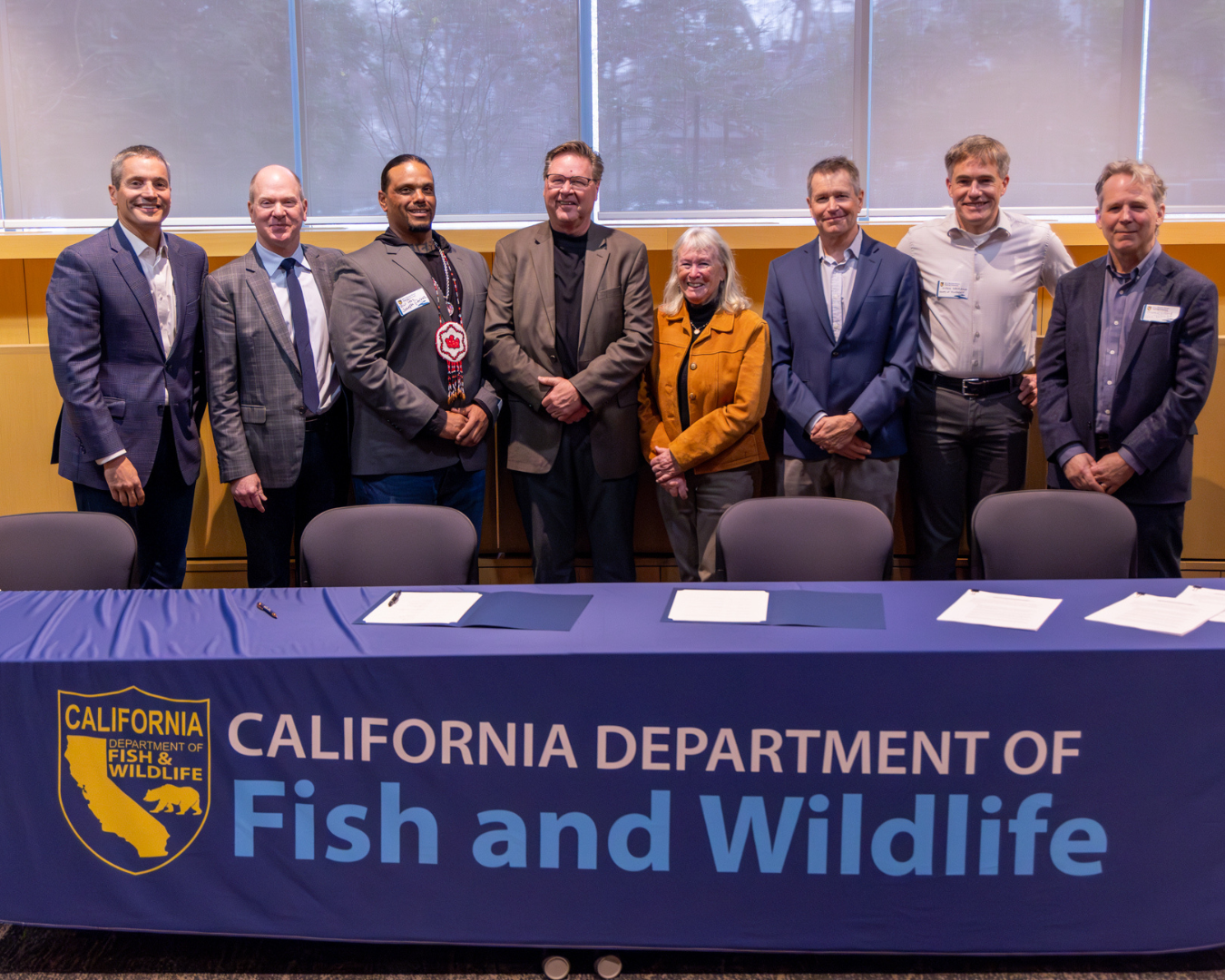
The Round Valley Indian Tribes, California Trout, Sonoma Water, Mendocino County, Humboldt County, Trout Unlimited, and the California Department of Fish and Wildlife united behind a shared vision: restore the Eel River while securing a reliable water future for the Russian River Basin.
“PG&E’s license surrender filing marks a historic step toward reconnecting the upper Eel River with the Pacific Ocean for the first time in over a century,” said Curtis Knight, Executive Director of California Trout. “This moment is the result of years of dedicated work by Tribes, local communities, and conservation groups to restore salmon runs while maintaining a secure water future for the region.”
The Path Forward
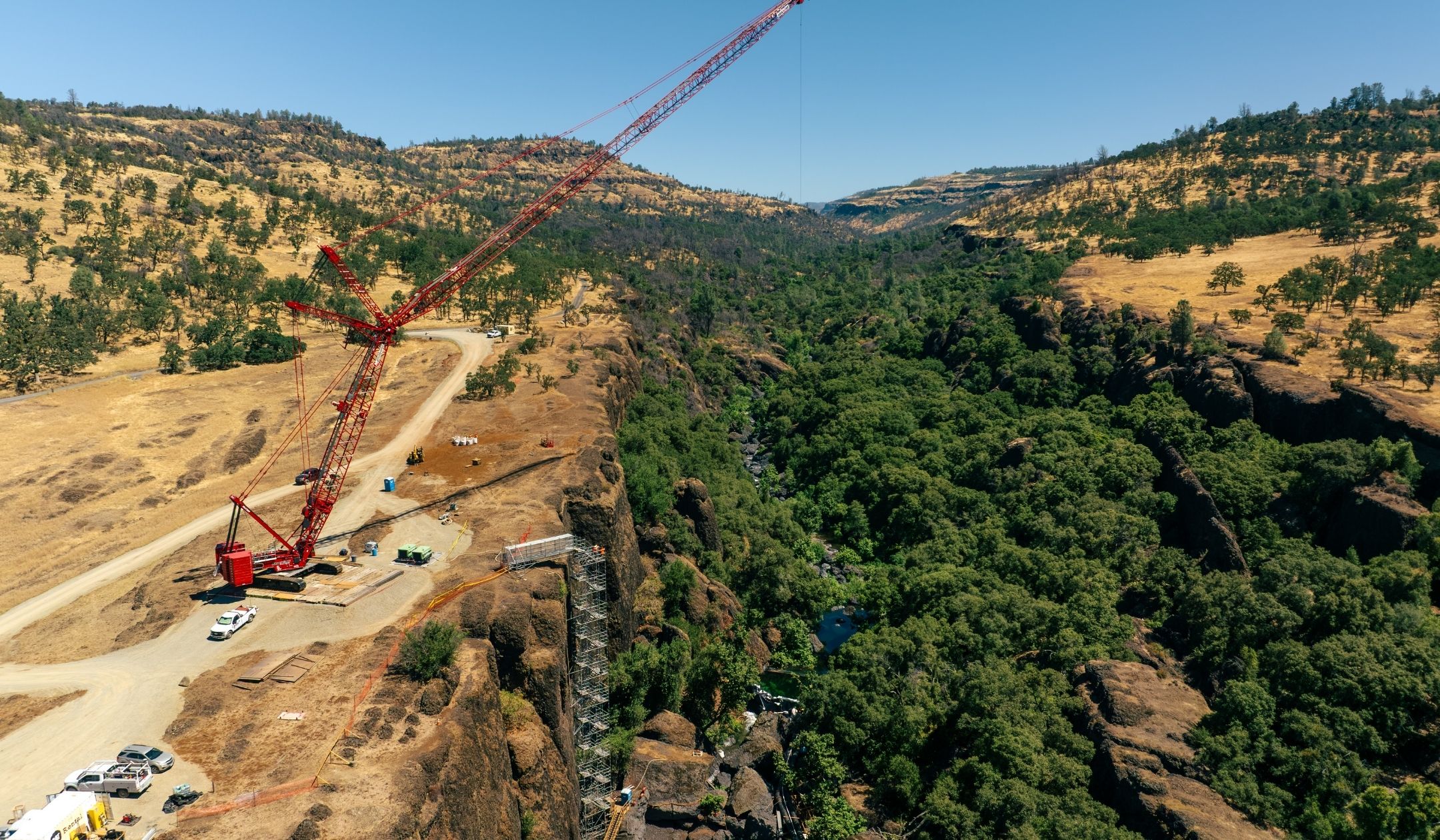
With today’s filing, the comprehensive federal and state regulatory review process officially begins. PG&E’s surrender application includes the removal of both century-old dams and outlines how the newly formed Eel-Russian Project Authority (ERPA) will develop a modern diversion facility concurrent with PG&E’s dam removal. This innovative approach intends to move some of PG&Es existing infrastructure into local hands for future operation and maintains seasonal water transfers to Lake Mendocino where it can be released to communities in Mendocino, Sonoma, and Marin counties.
PG&E’s License Surrender process will include multiple opportunities for public input, ensuring full transparency as this historic project moves forward. While PG&E works on dam removal, the Eel-Russian Project Authority (ERPA) will focus on a new diversion facility designed not to impede migration of important Eel River fish. Salmon, steelhead, and lamprey will be able to access their ancestral spawning grounds for the first time in over a century. Strict diversion rules will protect flows in the Eel River and support the overall health of the river.
Learn more about the surrender application from PG&E here.
Why This Matters
For Communities: Aging dams threaten more than fish. Dam removal supports cultural revitalization for California Tribes, who will regain access to traditional food sources and sacred lands. The Project is estimated to support over 1,000 jobs and significant regional economic activity. And, the concurrent water supply project will secure long-term water reliability through modern infrastructure.
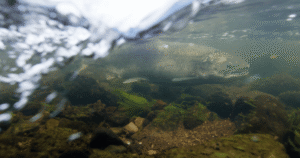
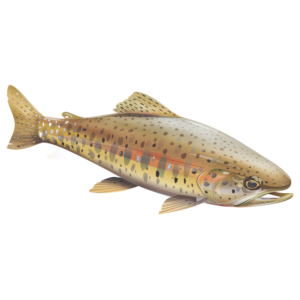
For Salmon Recovery: No single action would benefit Eel River salmon and steelhead more than removing these dams. The upper watershed contains some of the best spawning habitat in the entire basin—cold, pristine waters protected within Mendocino National Forest that have remained largely untouched for decades.
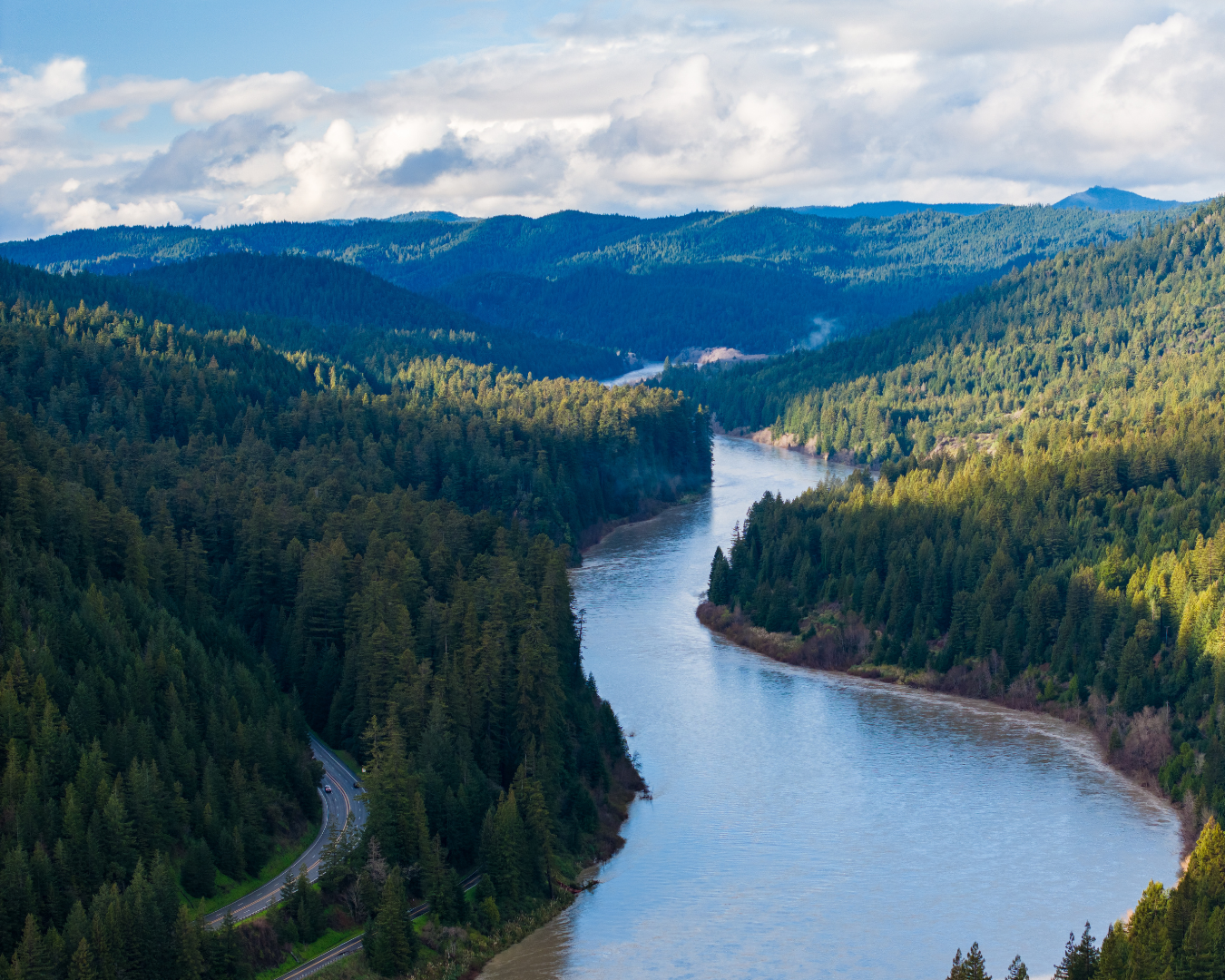
For California: The Eel River will become the state’s longest free-flowing river, creating a cornerstone for North Coast salmon recovery that will benefit the entire region’s ecological and economic resilience amidst intensifying drought conditions.
Building Trust and Finding Solutions
The Potter Valley Project has existed for over 100 years, and while the dams no longer generate power and have become costly liabilities, the surrounding communities have built their way of life around the Project’s existence. This reality means that any solution will ripple across numerous stakeholders—making collaboration essential, not optional.
Years of patient relationship-building made today possible. Water managers, tribal leaders, conservationists, and county officials invested countless hours in difficult conversations, building trust among groups that don’t typically work together. The result is a breakthrough agreement that transforms regional uncertainty into a shared opportunity benefitting people, fish, and entire ecosystems.
“Dam removal in this case doesn’t mean losing water—it means building smarter systems that work better for fish and people,” said Charlie Schneider, CalTrout’s Lost Coast Project Manager. “The Water Diversion Agreement shows what’s possible when Tribes, counties, and nonprofits come together to craft a durable solution. We’re proud to be part of this groundbreaking effort, but there is a lot of work to come, including ensuring that the needed restoration takes place around the reservoirs as PG&E decommissions its dams.”
Our focus on the Eel River estuary emphasizes our holistic approach to conservation – we must ensure each link in the watershed is functional and capable of supporting our ecosystems. Learn more about our work to strengthen each link HERE.
How Can You Get Involved?
Join PG&E’s public meeting to hear about next steps and opportunities for public involvement. The meeting will be held virtually on August 11 from 3-5pm. Click HERE to access the meeting link.