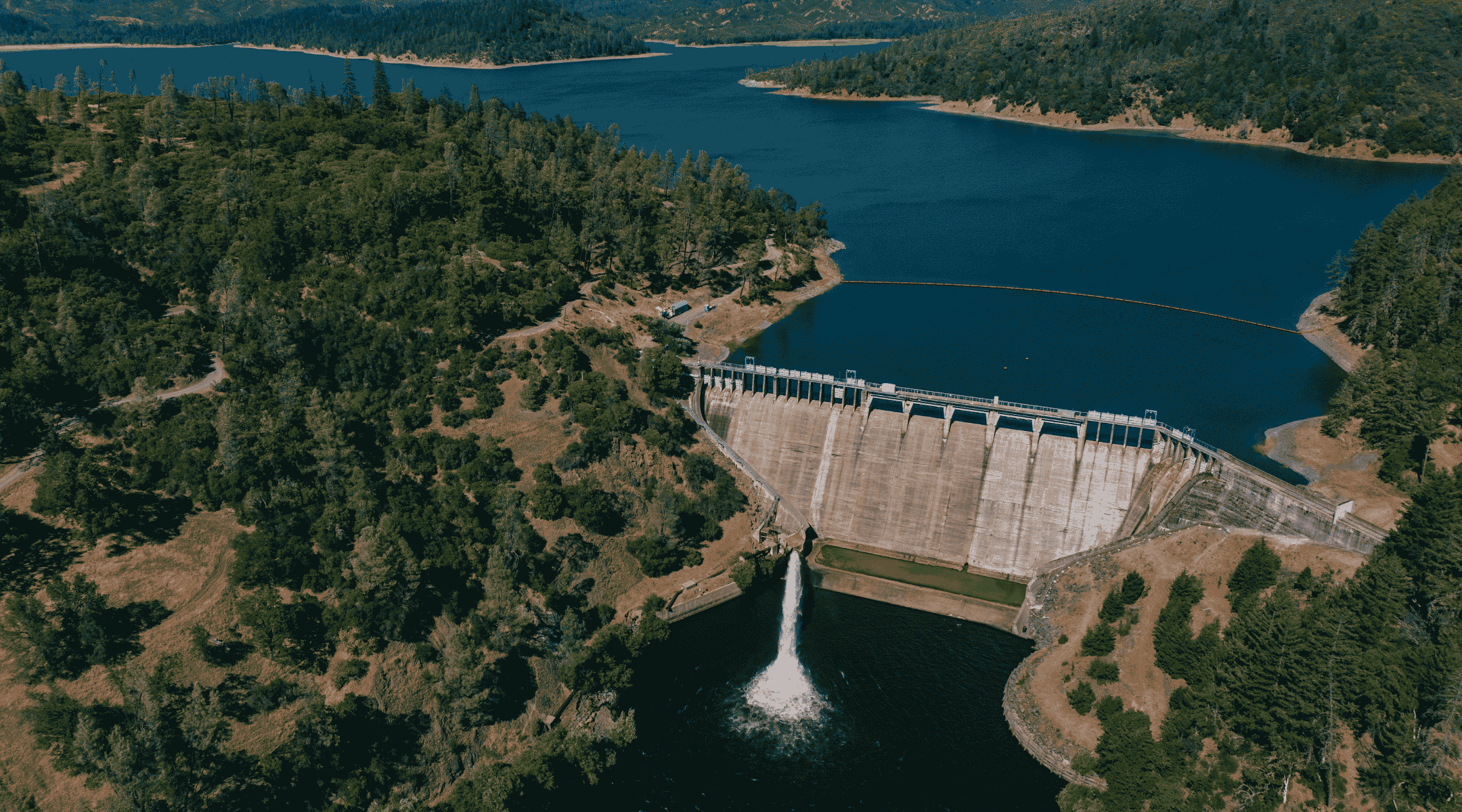
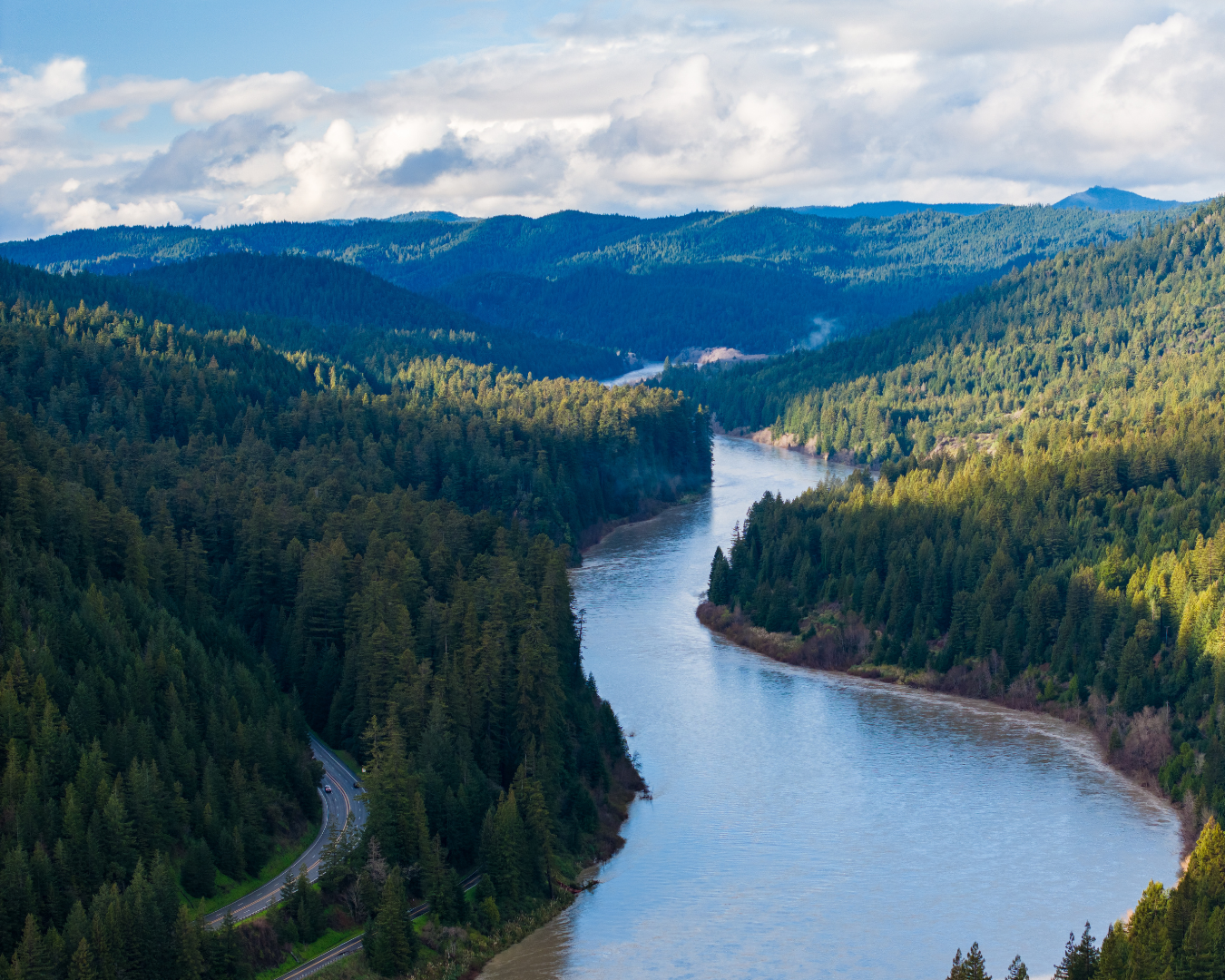
Since CalTrout’s inception over 50 years ago, we have been working to recover the incredible Eel River on California’s rugged North Coast. Last week, the Federal Energy Regulatory Commission (FERC) opened a 30-day public comment period for PG&E’s License Surrender Application for the Potter Valley Hydroelectric Project. This is a once-in-a-generation opportunity to reconnect hundreds of miles of high-quality cold-water habitat for salmon and steelhead – and we need your voice to help make it happen as soon as possible and to make sure PG&E helps restore the Eel River as they decommission their facilities.
Make Your Voice Heard: Submit Your Comment by November 30
Today, you have an important opportunity to make your voice heard. The FERC open comment period is an important step in the dam removal process and a rare opportunity for the public to speak directly to FERC staff. You don’t need any special knowledge to advocate for a free-flowing Eel River and restored fisheries. FERC needs to hear from all of us – from you! Let them know why you care about a restored Eel River, your concerns about the process, and above all, the need for dam removal to happen as soon as possible and for restoration to happen along with it.
Instructions for filing comments with FERC
- Navigate to FERC Online and follow on screen instructions.
- Check your email for your eComment link.
- Draft your comments in a Word or text file, so you can copy and paste them into the text box on FERC Online.
- Search for docket number (P-77-332) and select the blue + symbol.
- Enter your comments in the text box and select “Send Comment”.
Consider including the following points in your comment letter:
- PG&E is removing the Eel River dams because they no longer generate electricity and have been uneconomical for several years, resulting in wasted money and resources.
- Removing these dams and restoring the Project area is in the public interest and is the best outcome for Eel River communities and PG&E ratepayers.
- The dams need to be removed as soon as possible to reduce costs to PG&E ratepayers, restore the Eel River ecosystem, and allow for fish passage.
- The removal of these dams and restoration of the Project site is critical for the recovery of salmon runs in the Eel River. A healthy Eel River fishery is important for Tribal, commercial, and recreational anglers.
- The non-project use portion of the application is broadly supported by local water managers as a compromise that resolves longstanding regional tensions over water.
If you have particular expertise or interest in a specific area, you may have a unique opportunity to provide comments that FERC won’t get elsewhere. The more specific, factual material in the record, the better.
Dam Removal is an Essential Part of a Thriving Eel River Watershed
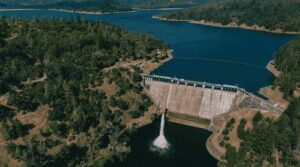
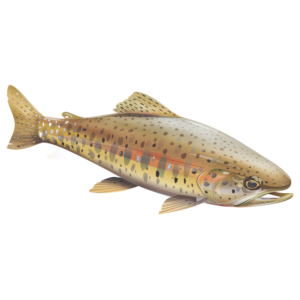
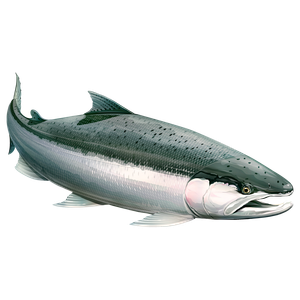
The removal of Scott and Cape Horn dams represents a crucial milestone in CalTrout’s efforts to restore this incredible river. These aging structures have blocked the headwaters of California’s third-largest river for over a century. Their removal will reconnect native salmon and steelhead with nearly 300 miles of pristine cold-water habitat – making the Eel California’s longest free-flowing river.
While CalTrout is focused on restoration efforts across the Eel River watershed, PG&E’s dam removal project alone will support Tribal communities in reclaiming cultural practices and traditional fisheries, create over 1,000 jobs, generate an estimated $278 million in regional economic benefits, and improve water supply reliability and public safety.
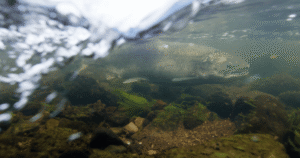
Dam removal needs to be coupled with comprehensive restoration, not just at the reservoir and dam sites, but other key areas of the watershed. The Eel River once supported annual runs of up to a million salmon and steelhead – its restoration represents one of California’s best opportunities to revive these incredible runs.
Comprehensive Restoration of the Eel River Watershed
CalTrout and our partners in the Eel River Forum – including over 22 public agencies, Tribes, and conservation organizations – are working together to implement restoration throughout the watershed through the Eel River Watershed Restoration & Conservation Program. Dam removal is just one piece of CalTrout’s approach to revitalize the watershed and surrounding communities. We’re working through the entire system from source to sea, ensuring each link in the watershed is functional and capable of supporting our ecosystems:
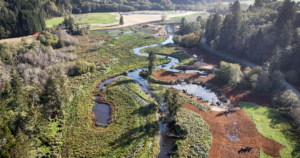
- In the Eel River estuary, we’re restoring 950 acres of tidal marsh to ensure juvenile salmon have healthy rearing habitat.
- In the South Fork Eel River, we’re implementing large-scale restoration and monitoring to address invasive pikeminnow and support native fish populations.
- In key tributaries, like Cedar Creek and Woodman Creek, we’ve removed barriers to allow access to cold water habitat.
- Through political advocacy, we’re seeking Outstanding National Resource Water (ONRW) designations to protect its exceptional water quality and habitat for salmonids in Cedar and Elder Creeks, providing long-term protections.
With your voice added to this critical comment period, we can help ensure that FERC moves forward with a plan that prioritizes the health of the Eel River, its native fish, and the communities that depend on this incredible resource.