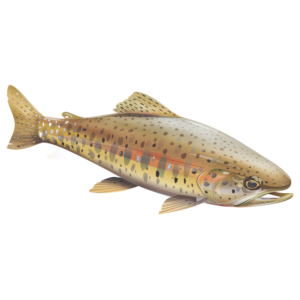
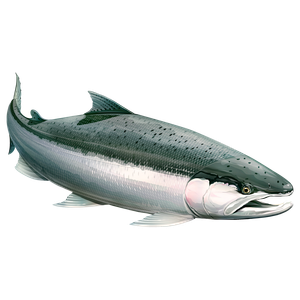
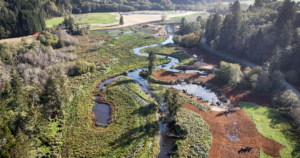
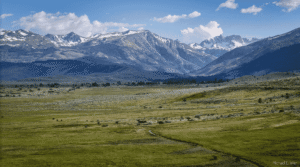
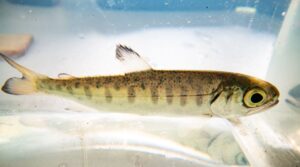
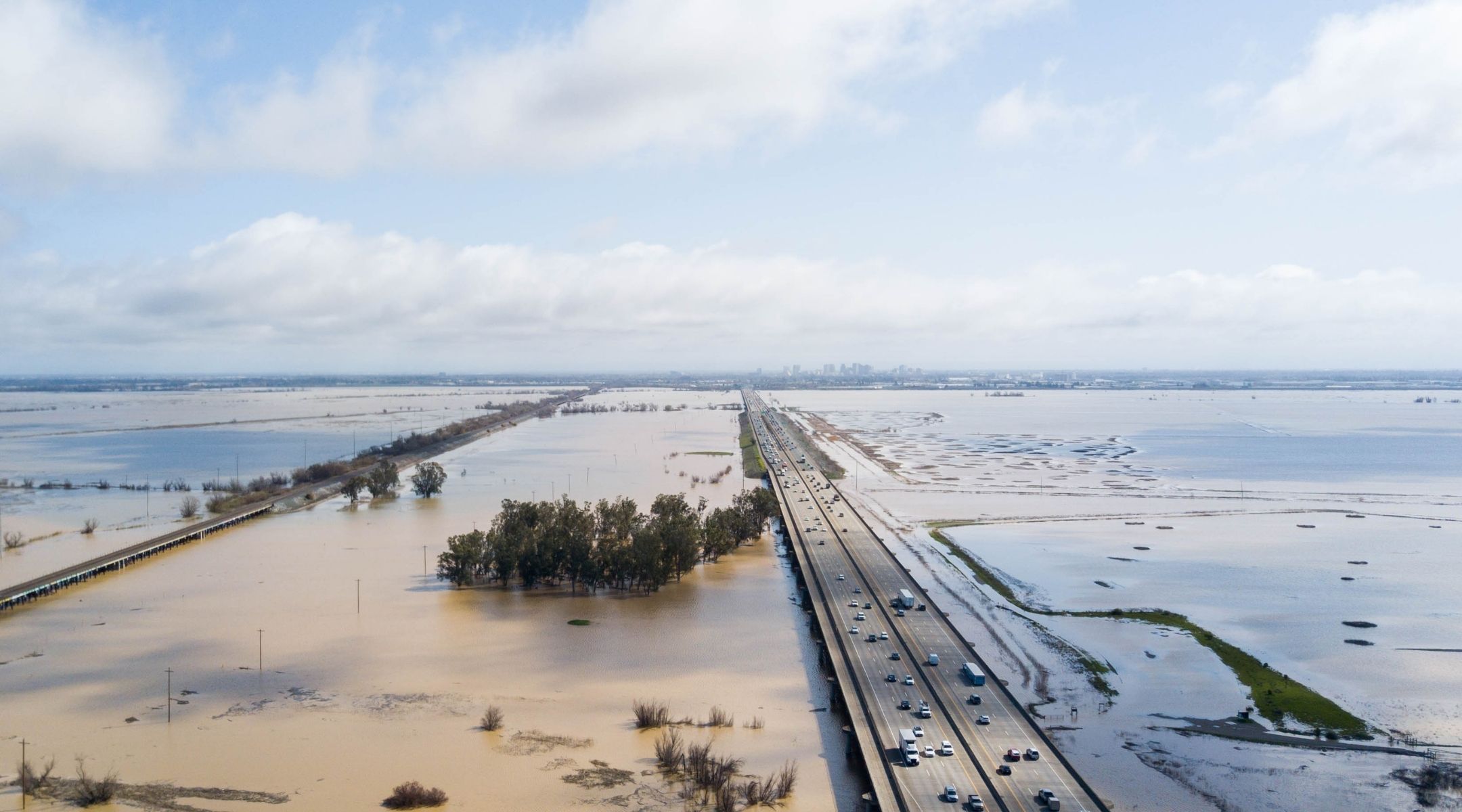
They say that those who don’t know history are doomed to repeat it. While initially used in the context of politics, this quote holds true, as well, for the restoration of California’s rivers and the recovery of the fish populations that depend on them. After nearly two centuries of dramatic alteration to the landscapes through which California’s rivers run, nearly 2/3 of the state’s 132 native fish populations are in steep decline.(1) We stand to lose 45% of our remaining native salmon and trout in the next 50 years unless current trends change sufficiently to halt the decline.(2) If we want things to turn out differently, we must look back at our history and learn.
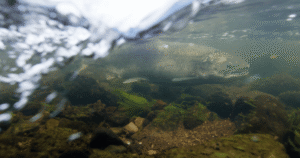
Despite California’s diverse landscape and its large number of species and populations, there is a single common recovery goal that applies to all of them: each native fish must be able to recognize the river in which it evolved and the patterns of biological and physical conditions to which it is adapted. This is as true for a cottonwood, a bank swallow, or a giant garter snake as it is for a salmon. All native life is shaped over evolutionary timeframes, by the unique sequences of natural process such as flood, fire, drought, and competition that make a landscape home. When we as humans interrupt these natural processes, we can knock the whole system out of order. By disrupting the natural patterns, human disturbance can alter conditions to the point where a native species’ keys no longer fit into the lock of its native habitat. And when a native species can no longer access the resources it needs to for any one of its lifestages to graduate to the next, well that’s the beginning of the end. That is when a species begins its slide toward extinction. But restore the sequence of these patterns, and we can give our native species a fighting chance to recognize their home place and unlock the resources they need to once again thrive.
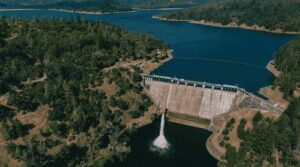
Getting to that point requires understanding what went wrong. Altering river patterns – building dams that interrupt spawning runs, or thousands of miles of levees which shift the seasonality, magnitude, frequency, and duration of flooding for instance – changes the rules of survival. Human infrastructure and land-use continue to alter the natural landscape patterns that create and maintain the biological and physical conditions to which life is adapted. Life in any particular region is shaped to the specific patterns of that area. Life in the Sacramento Valley is shaped by the specific seasonal patterns of fire and flood, drought and deluge that are unique to this place. The Sacramento Valley is not just a home for salmon – it makes them, shaping every one of their instincts and adaptations.
The consequences of these changes are stark. When a native species’ evolutionary adaptations, honed by millennia of natural selection to the specific patterns of this place, no longer unlock the resources of its home watershed needed to complete its life cycle, it begins its journey towards extinction. Inadvertently, we have built rivers that favor carp and bluegill, fish species that are not native to the region.
So, what can we do to recover native fish populations after their landscapes have already been drastically altered? Thankfully the solution is not actually very complicated: we must rebuild rivers our salmon can recognize…
This is where Historical Ecology comes in. Historical Ecology involves “the development of accurate information about historical conditions and landscape change which can help identify the causes of current challenges and reveal previously unrecognized management options,” according to the San Francisco Estuary Institute. Historical ecologists are essentially ecologic sleuths using science and all sorts of clues to stitch together a picture of what the landscape looked like and how it functioned prior to European settlement. This is important because if we have a rough idea of how things once were and how systems functioned, then we can approximate those patterns today through management. In doing so, we can give our native wildlife a world that they not only recognize but one in which they can thrive.
We cannot go back and return to a bygone area before human industrialization, nor do we propose that as a solution. But we can use the past to guide our future. Instead of managing human infrastructure like dams, levees, and roads in ways that interrupt natural processes, we can create a future based on natural systems and patterns that benefit communities, fish, and entire ecosystems. We must look back in order to move forward. Historical Ecology gives us some idea of what habitats we are trying to restore, what landforms we are trying to replicate, what natural patterns we are attempting to approximate and the ecological, hydrological, and biological relationships we hope to mimic so that California’s salmon can once again recognize and thrive in California’s rivers.
The Sacramento is a valley shaped by water
A river is not simply a thin blue line of water separated from the land by steep-sided banks. It is so much more than that. It is the sum of the interactions between water and the landscape through which it flows, from ridgetop to river mouth and from valley wall to valley wall. At the heart of the Sacramento Valley runs the Sacramento River, California’s largest watershed, serving as a vital resource for both human communities and natural ecosystems.
Lying between the northern Sierra Nevada, southern Cascade, and North Coast ranges of California, the Valley is fed by a vast network of rivers and sloughs, which drain into the Sacramento River, through the Delta and San Francisco Bay, and ultimately out to the Pacific Ocean. Today, the Sacramento Valley is a productive agricultural region reliant upon the fertile soils built up by the historical flows of the Sacramento River. Centuries of modification, however, have placed intense pressures on native ecosystems, and the fish and wildlife species they support.
Reconciling our knowledge of nature with our management of it
Over the last several decades, CalTrout has been in the vanguard of a growing movement to restore aspects of river and flood basin connectivity in ways that approximate the natural patterns at landscape-scale. These nature-based solutions are process based, meaning that they work with natural process like fire and flooding regimes, grazing, sedimentation, native plant communities, etc. These are the processes that create the patterns of biological and physical condition that we call habitat.
CalTrout was a founding partner of the Floodplain Forward Coalition, a diverse coalition of conservation organizations, farmers, landowners, local governments, water suppliers and academic institutions, united around a shared vision: an ecologically functioning Sacramento Valley, rebuilt by integrating a working knowledge of natural processes into water and land management. With more than 35 member organizations, the Coalition has assembled a portfolio of fish and wildlife restoration projects across the full breadth of the Sacramento Valley – a collective effort aimed at rebuilding a river valley ecosystem capable of once again producing abundant annual runs of salmon.
The Sacramento Valley Historical Ecology Study
Underpinning all of this restoration work is the Sacramento Valley Historical Ecology Study, a multi-year collaborative effort spearheaded by the San Francisco Estuary Institute (SFEI) and CalTrout and supported by the more than 30 member organizations of the Floodplain Forward Coalition. The Study uses the historical landscape to understand the processes and functions that supported native plants and wildlife before major Euro-American modifications to the Valley – giving restoration efforts something real and specific to aim for, rather than a vague notion of “nature.”
As part of this study, the team developed an interactive, online StoryMap that brings this history to life. It weaves together preliminary habitat mapping, historical maps, photos, and narrative to show how the Valley’s landscape once functioned around 1850 – a time when Sacramento salmon were abundant before the levees and dams. It is a remarkable window into a landscape that shaped California’s salmon over millennia, and a powerful reminder of what we are working to approximate.
We can’t restore the Sacramento Valley to what it looked like before European settlement and nor would we want to – the farms, cities, roads, and water infrastructure are here to stay. But that was never really the point. The point is ecological function: managing what we have in ways that approximate the natural patterns native species evolved with. When that happens at sufficient scale, salmon and cottonwood and giant garter snakes can once again find what they need, when and where they need it. This is how we move conservation beyond simply staving off extinction to beginning the recovery of natural abundance. That is what ecological recovery looks like and that is what CalTrout it is working towards in the Sacramento Valley and beyond.
Footnotes:
- Fish Species of Special Concern 2015
- State of Salmonids II 2017