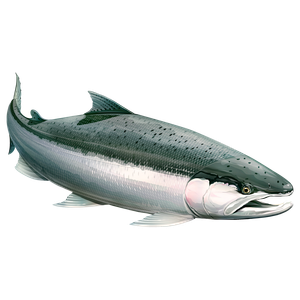
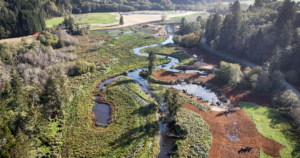
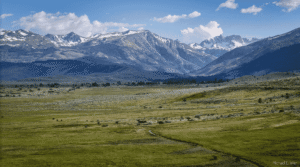
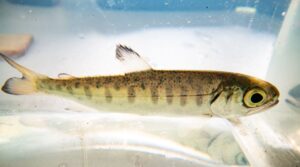
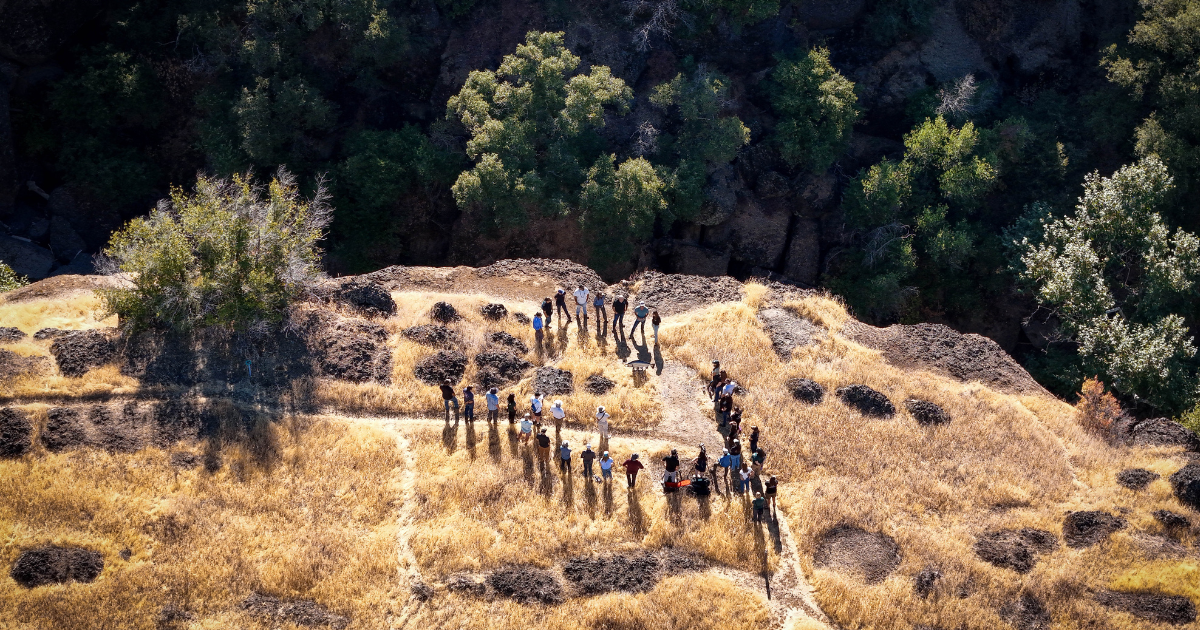
Chico, CA— California Trout (CalTrout), the Mechoopda Indian Tribe, the Big Chico Creek Ecological Reserve (BCCER), and the City of Chico, today announced the start of the instream phase of construction on the Iron Canyon Fish Passage Project on Ótakim Séwi (Big Chico Creek) in Upper Bidwell Park. In 1956, concrete and rebar fish ladder weirs were constructed through a rockfall barrier in Iron Canyon—a narrow bedrock gorge deep within Bidwell Park. The purpose was to help steelhead and spring-run Chinook salmon reach miles of critical cold-water spawning and holding habitat during low water years. Over time, this fish ladder has become nonfunctioning, causing steelhead and salmon to hold downstream where water temperatures are too warm for their survival. The Iron Canyon Fish Passage Project will remediate the barrier, restoring access to 8.5 additional miles of habitat and returning a piece of a watershed that has sustained people, wildlife, and ecosystems for thousands of years.
“This is the moment the project has been building toward,” said Holly Swan, CalTrout’s Mt. Lassen Regional Manager and project lead. “We’ve done the planning, built the partnerships, and now we get to do the work. Soon, fish that haven’t been able to move freely through this stretch of creek in decades will have a clear path upstream – and that changes everything for the health of this watershed and our community.”
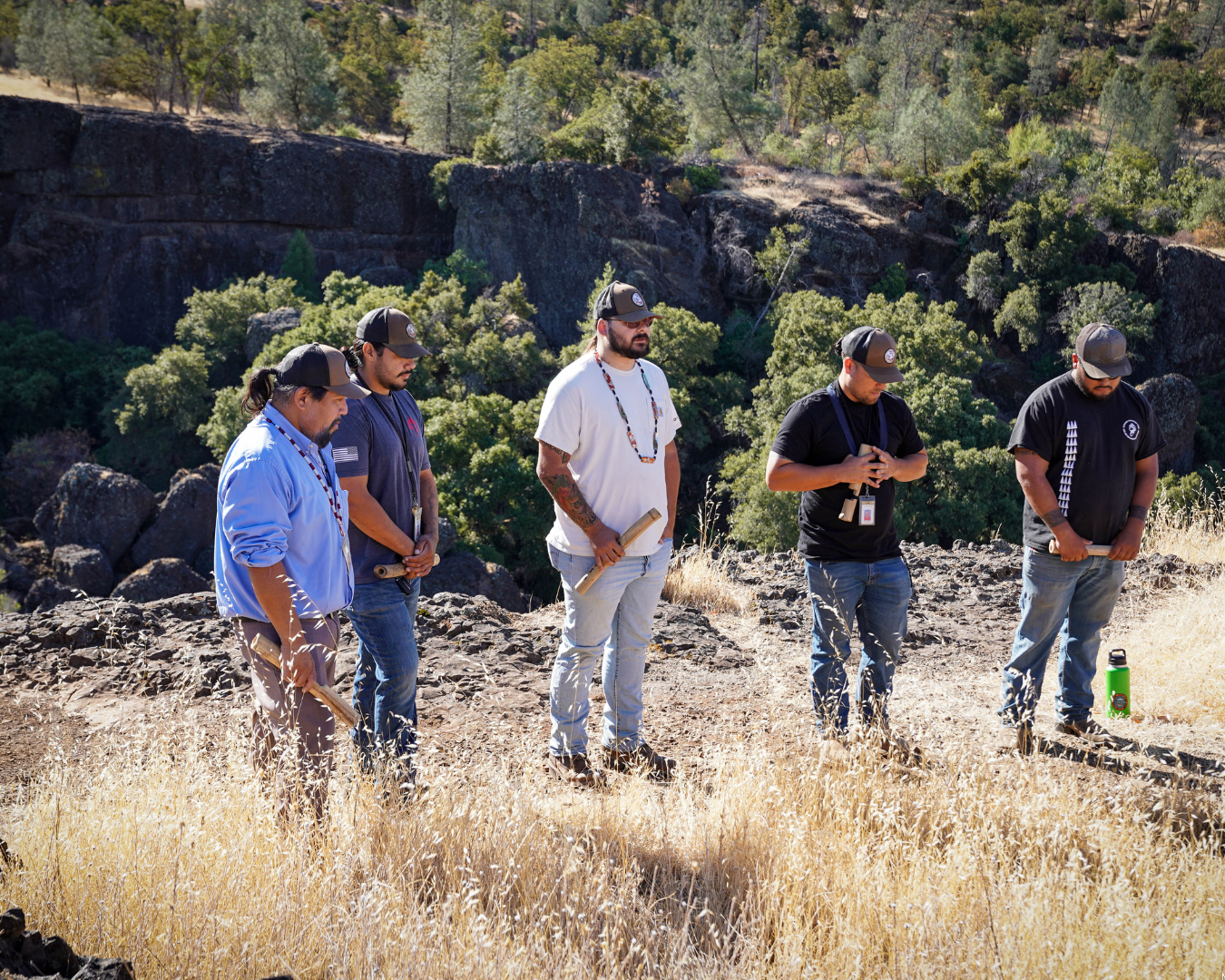
The project site is an ancestral subsistence fishing site for the Mechoopda people, who have occupied the Ótakim Séwi watershed since time immemorial. The Tribe has been involved since the project’s inception, and following construction, a Traditional Ecological Knowledge crew will revegetate the site with native plant species.
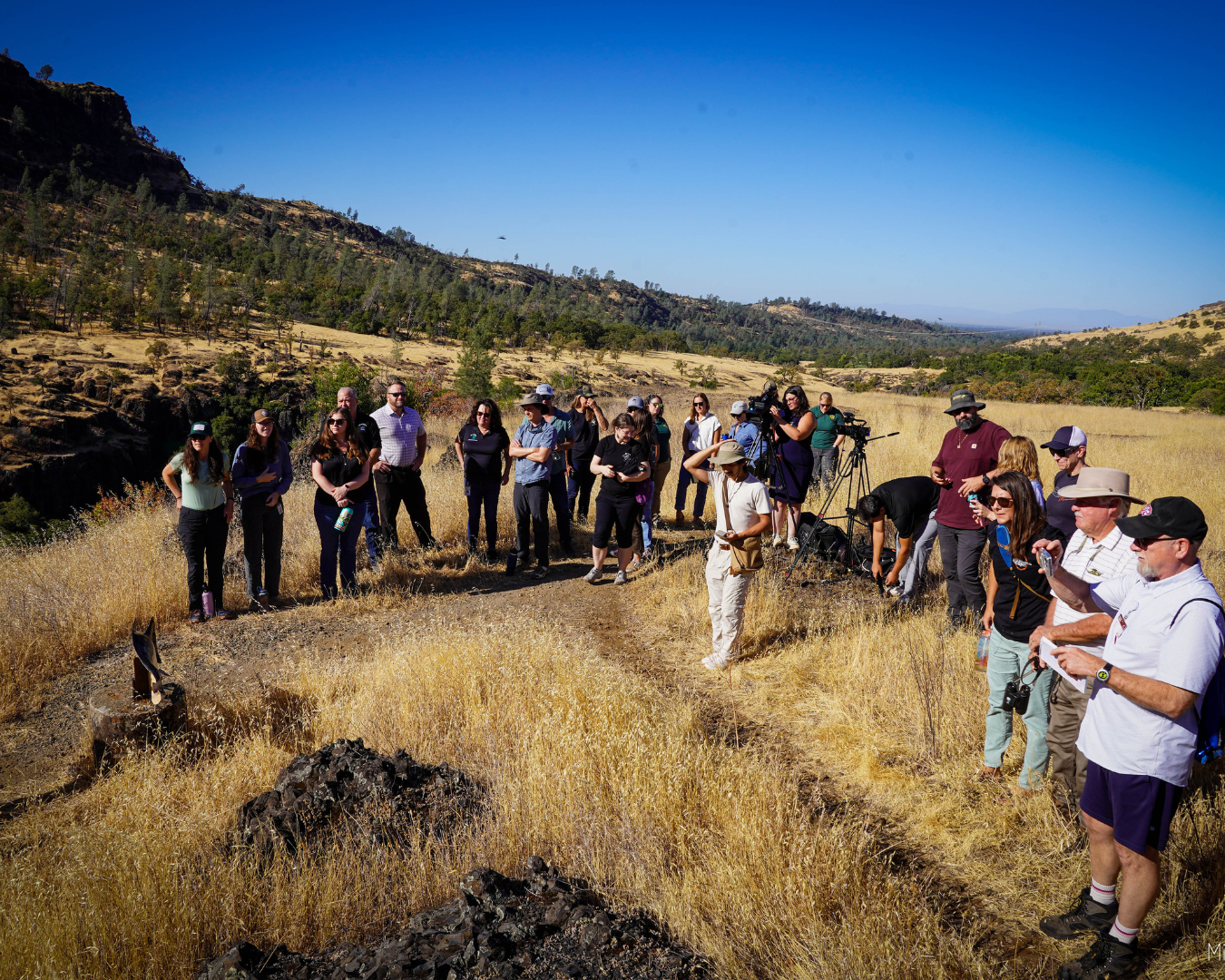
“Ótakim Séwi is a living part of who we are as Mechoopda people,” said Kyle McHenry, Tribal Historic Preservation Officer of the Mechoopda Indian Tribe. “For generations, this watershed fed our families and shaped our way of life. Seeing this barrier come down and the salmon find their way home again is something our community has waited a long time for.”
Beyond salmon and steelhead, the project will benefit Big Chico Creek’s broader native fish community, including California roach, hardhead, brook lamprey, riffle sculpin, Sacramento sucker, Sacramento pikeminnow, and Pacific lamprey – with ripple effects throughout the food web.
“When people think of salmon, they often think of a fish that belongs to the river. But salmon feed the whole landscape,” said Eli Goodsell, Executive Director of Chico State’s Big Chico Creek Ecological Reserve. “When we restore fish passage, we’re reactivating an entire ecological system that Bidwell Park and the communities around it depend on.”
Bidwell Park is a cornerstone of the community – an important third space where people congregate and engage with their environments and with each other from all different walks of life. Hundreds of thousands of people visit Bidwell Park each year, and more than 1,000 local students annually from Chico State, Butte Community College, and K–12 schools will be engaged in the restoration effort. The project will support more than 60 local jobs across engineering, construction, science, and education.
“Bidwell Park is the heart of this community, and Big Chico Creek is its backbone,” said Shane Romain, City of Chico Parks and Natural Resources Manager. “Restoring fish passage through Iron Canyon is a beautiful example of community partners coming together for the health of this watershed to the benefit of present and future generations.”
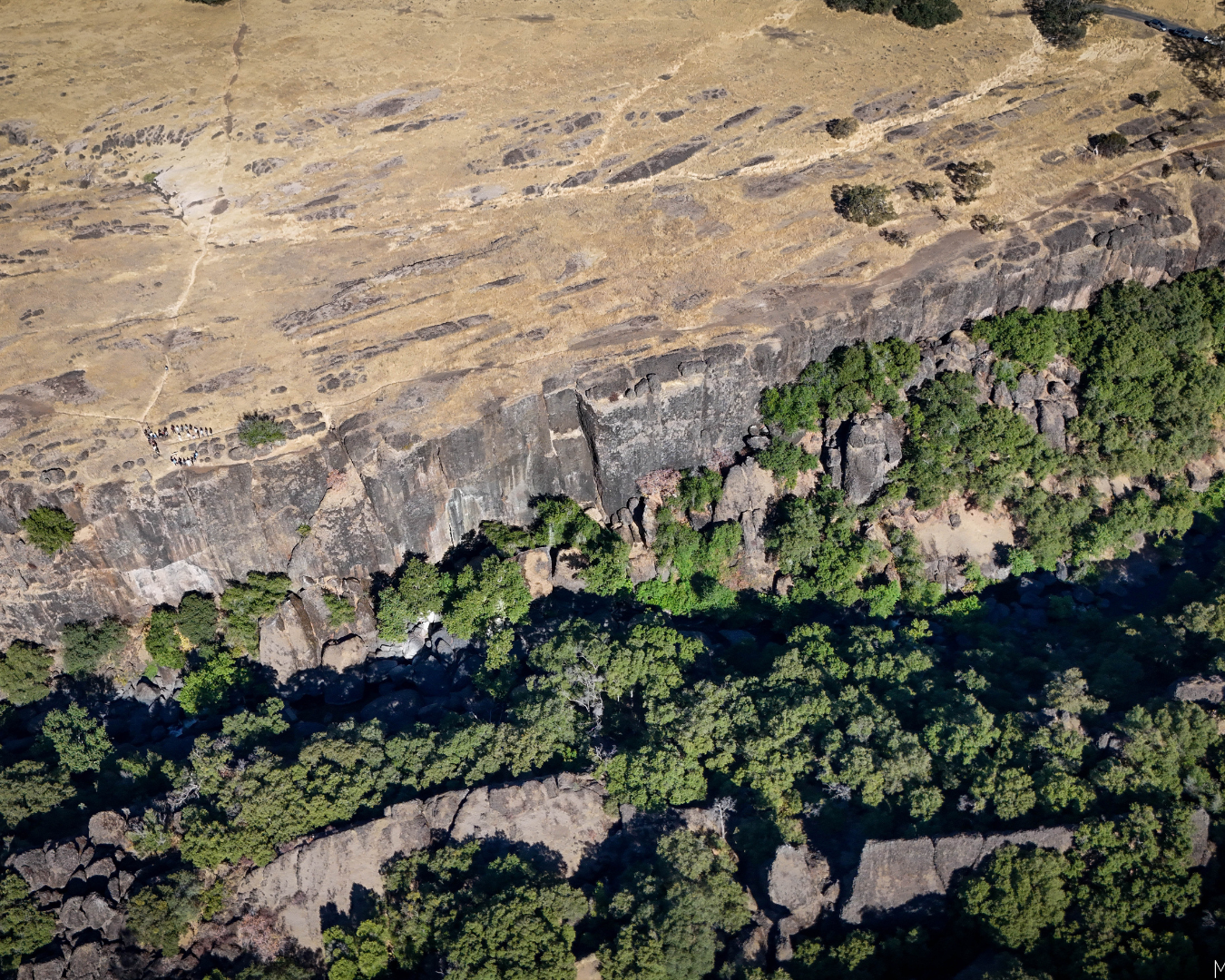
Construction begins this month with crews establishing a staging area on the bluff above Iron Canyon before moving into the stream channel, where the defunct fish ladder will be removed and pneumatic rock splitters will carefully break apart selected boulders, which are then craned out of the canyon and repositioned back into the stream. The result will be a cascading series of natural-looking pools and steps that fish can navigate on their own that are indistinguishable from the surrounding creek and require no future maintenance. The approach is modeled on CalTrout’s successful 2022 fish passage project at Eagle Canyon on nearby Battle Creek. Construction is expected to wrap up by latest 2027, but it may even be completed this year.
Visitors to Upper Bidwell Park near Iron Canyon should expect some noise and equipment activity throughout the summer. CalTrout and BCCER will be tabling in Upper Park twice a week to answer questions and share updates with the community.
Additionally, during construction Upper Park Road will be closed periodically during April and May 2026, to ensure public safety while the crane supports project construction. Once the specific road closure days are determined, the City of Chico will share these dates on its social media channels.
The Iron Canyon Fish Passage Project is listed as a priority in NOAA’s Recovery Plan, USFWS’ Restoration Plan, Bidwell Park’s Master Management Plan, and is on CDFW’s Fish Passage Priorities list. It is funded by NOAA Restoration Center’s Community-based Restoration Program.
For more information, visit the project webpage HERE.