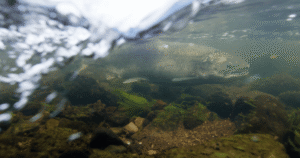
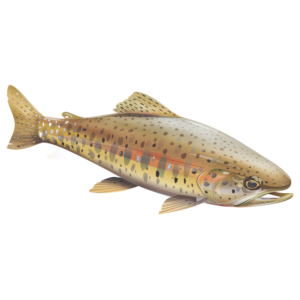
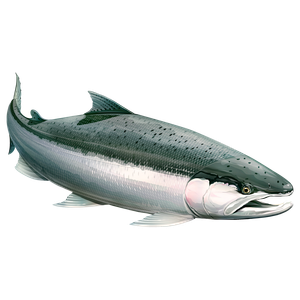
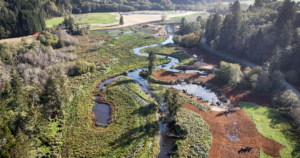
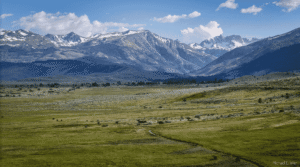
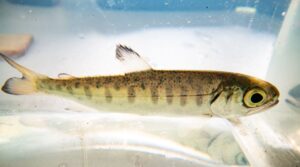
Southern California is home to steelhead and most people have no idea
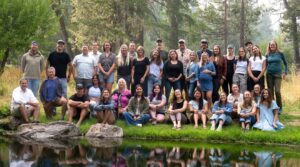
That’s the conversation CalTrout’s South Coast team members Russell Marlow, Judi Uthus, and Elizabeth Burns, have been starting all spring. Their jobs are most definitely not desk jobs. At CalTrout, we believe that the work of restoration must be woven together with engagement in our local communities. Over the past few months, our staff has showed up at more than 20+ events across Southern California – at breweries and natural history museums, on riverbanks and recreation center lawns, in university classrooms and next to the very creeks where these critically endangered fish swim – reaching thousands of people of all ages and backgrounds. Their message: wild spaces are extraordinary, and these spaces, and their willdife inhabitants, need us. For landscape-scale restoration to succeed, it takes all of us.
We Protect What We Love
Conservation doesn’t begin with data or policy. It begins with a feeling many of us know well. This might be the delight of watching a fish jump, the surprise of learning that something wild lives in a creek you’ve driven past a hundred times, or the pride of a first catch. Joy and wonder are the foundation of lifelong species protection because people protect what is important to them. Before they can love something, they have to know it exists, which is where CalTrout comes in.
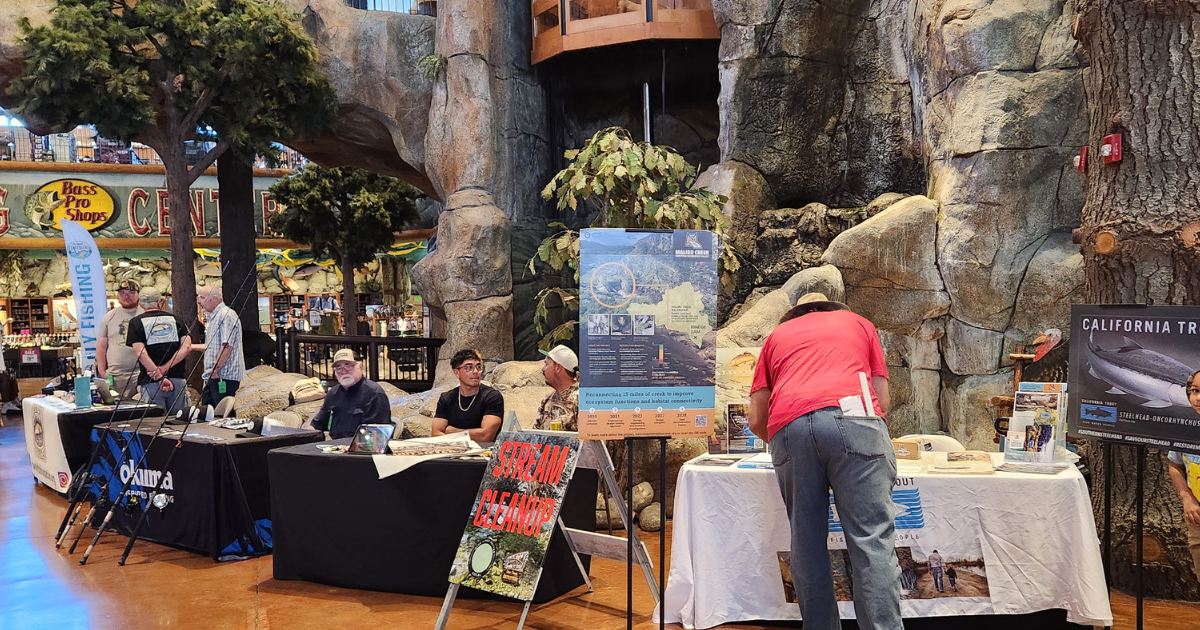
We’re showing up at local events and venues across the city to meet our neighbors where they are. This includes the Bass Pro Shop in Rancho Cucamonga to teach kids to fly fish and tabling at the LA Zoo’s Bloom festival on a busy spring weekend. When we invite people into the conversations and encourage questions, the responses are telling. Parents who grew up fly fishing loved sharing the sport with their children at Bass Pro Shop in the store’s outdoor pond. Volunteers across events ask questions that constantly keep us on our toes.
At the Ojai Valley Trail Restoration Days, volunteers would break from removing invasive plants to ask about steelhead and how their actions were impacting species conservation. This question rippled outward until a weeding break turned into a spontaneous group discussion drawing in five, six, seven people at a time. At the Tarzana Earth Day Celebration, neighborhood families showed up alongside student artists who had already channeled their environmental feelings into their work. The curiosity and love for natural spaces were already there; they just needed somewhere to land.
The Power of Rivers Running Through Cities
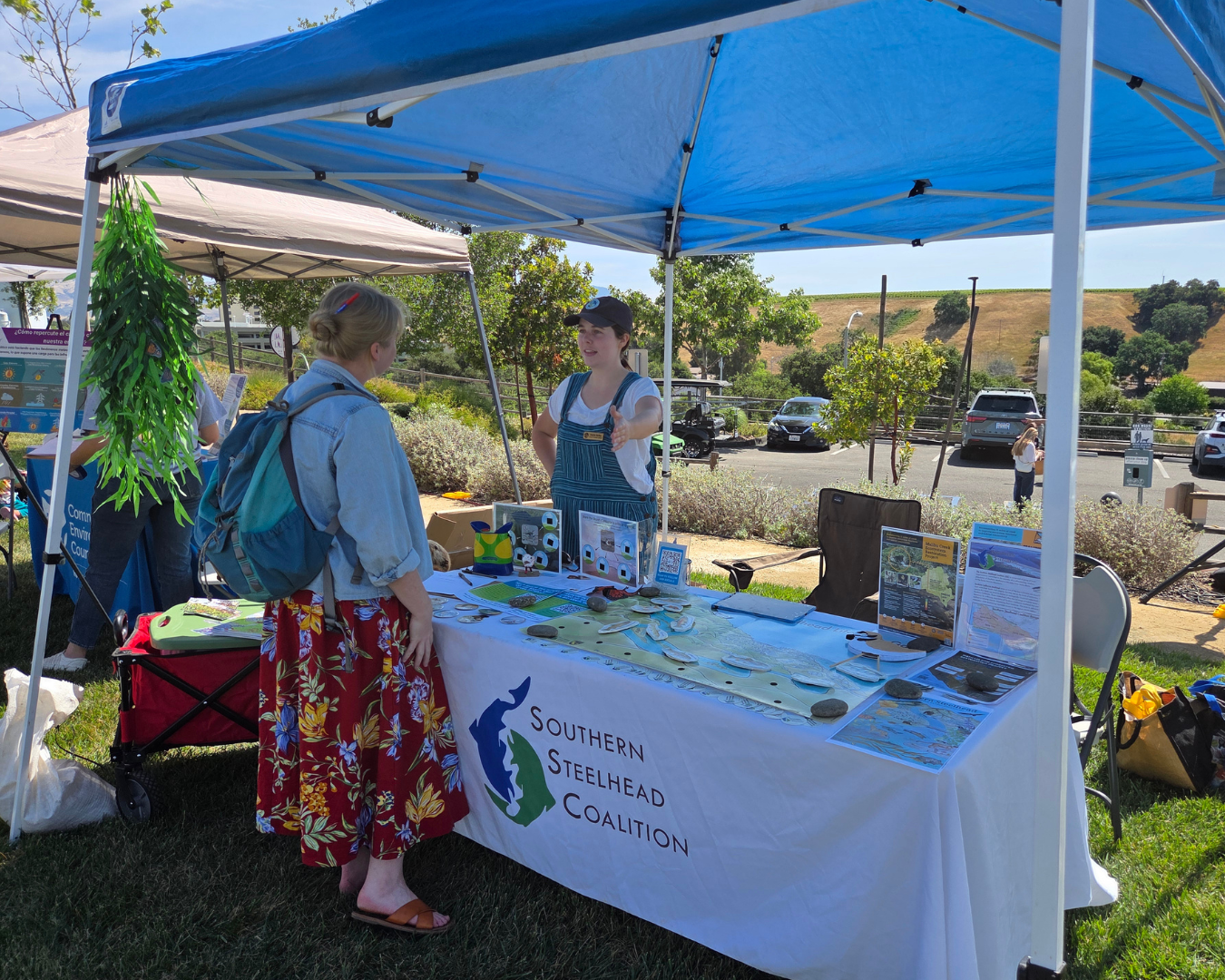
At the Santa Barbara Museum of Natural History’s free museum day, our table was positioned across from Mission Creek, where steelhead swim through to this day. We could even see it from where we stood. When anadromy is no longer abstract, and you can point to the exact water where it happens, it resonates with the listener in a new way. Museum staff gathered in small groups to play the Southern Steelhead Lifecycle Game, and families asked questions about the fishy neighbors they had only just discovered.
The same thing happened at the Santa Clara River Preserve, where high school students from the MERITO Foundation’s Santa Paula Wild! program got their hands dirty pulling invasive plants and testing the water quality of one of the last Southern steelhead strongholds in the state. Explaining migration at the spot where it happens is a lesson no classroom can replicate.

Every Room Invites a Different Conversation
Part of what made this season of events so rich was the range of spaces we entered. A craft brewery in Malibu hosted the California Wildlife Center’s Drink & Think series, and regulars came ready to dive into the Malibu Creek dam removal. An Earth Day gathering in Santa Ynez was hosted by the Chumash community, and we tabled alongside USFWS and Legacyworks. Conversations moved fluidly between steelhead, snowy plovers, monarch butterflies, and the restoration projects connecting them all. We spoke to film students at Emerson College’s LA campus, where 20 students were encouraged to tell the story of the Malibu Creek Ecosystem Restoration Project – a story about a river coming back to life in their own backyard.
Conservation requires a diverse community to thrive because each person with their unique background and interests brings different questions to the table. Each room asked something different of us as educators. In one room, we’re translating ecology into plain language for a first-grader. In another, we’re going deep on anadromous fish physiology with a biologist who wandered over from a neighboring booth. That range is what makes this work endlessly interesting and why showing up in so many different places matters.
After reflecting on the steady stream of events (pun intended!), our South Coast team landed on the same takeaway: Southern California communities thrive when wild spaces, native species, and rushing rivers thrive. Protecting the California we love is not just a job for scientists, it’s a job for all of us. California needs us now more than ever to show up at the community level and protect what we love. CalTrout’s role is to be that bridge, bringing all Californians into the conversation.

We’ll be at events throughout the spring and summer. Follow CalTrout on Instagram to stay up to date on where we’ll be next. For Malibu Creek specific events, check out the Malibu Creek Ecosystem Restoration Project event page. For Southern Steelhead Coalition events, check out the SSC website.
Next up: our Fish Water People Festival is coming to Southern California with screenings in Pasadena and San Diego in June. Buy your tickets here!