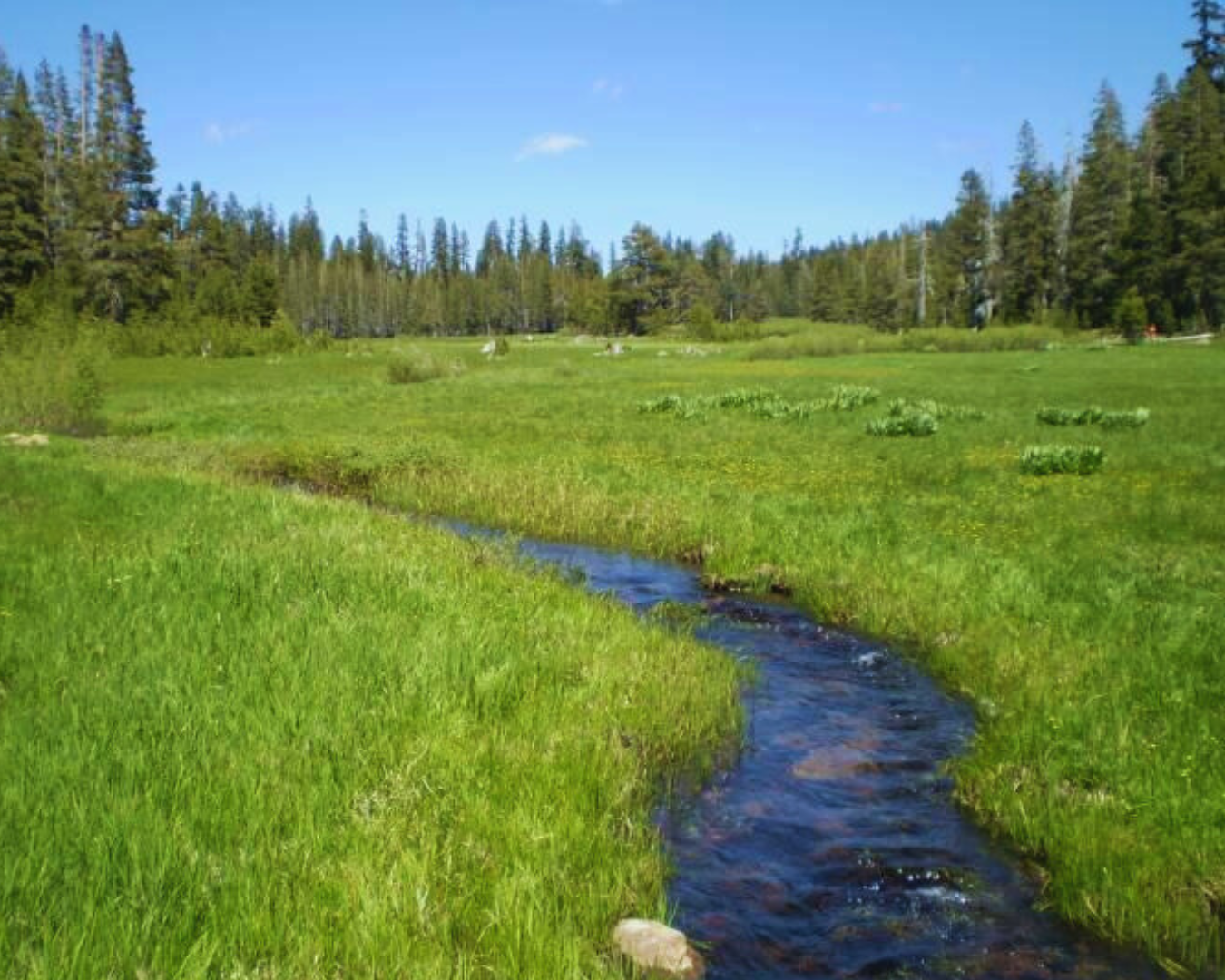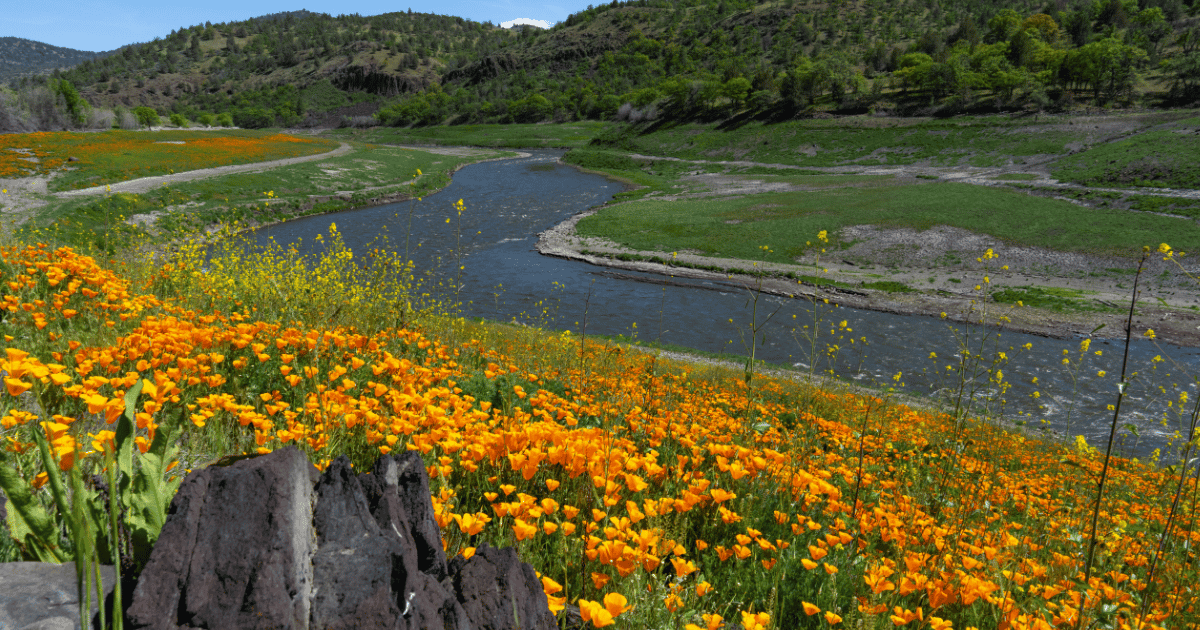
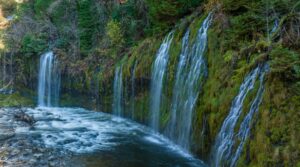
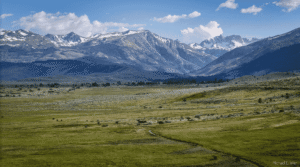
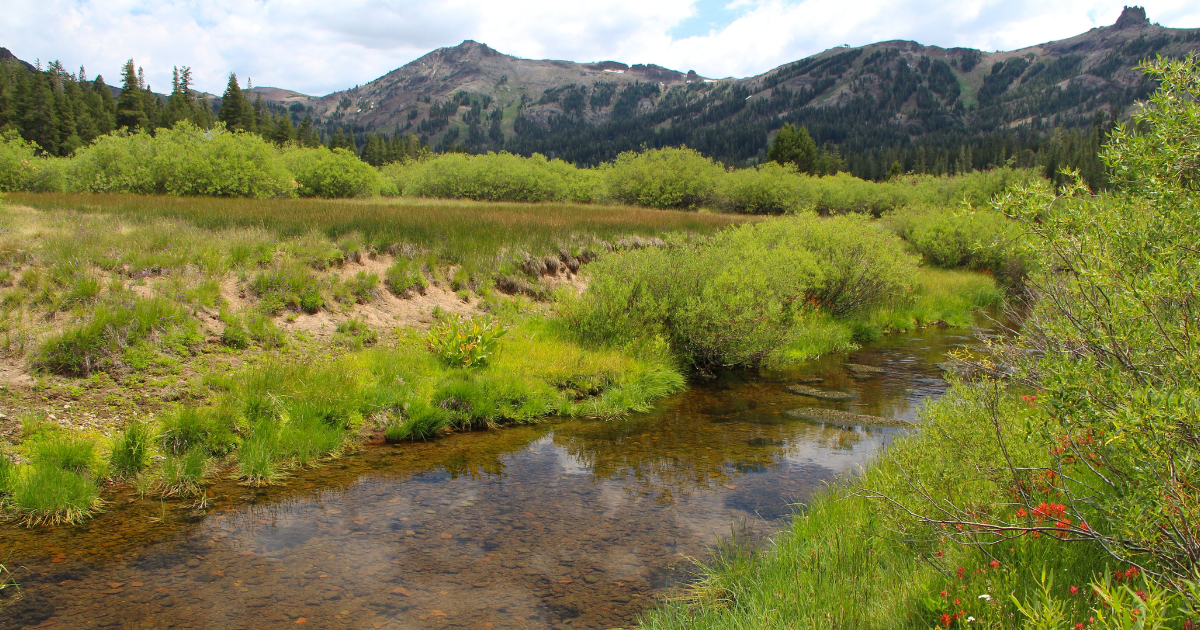
The Sierra Nevada is widely known as one of the most beautiful landscapes globally, attracting tourists from around the world. But these landscapes are far from merely aesthetic; their health is tied to the health of California communities and wildlife. Specifically, the Sierra Nevada meadows are a crucial carbon sink and water storage source in California, a key component of the state’s ability to withstand the impacts of climate change.
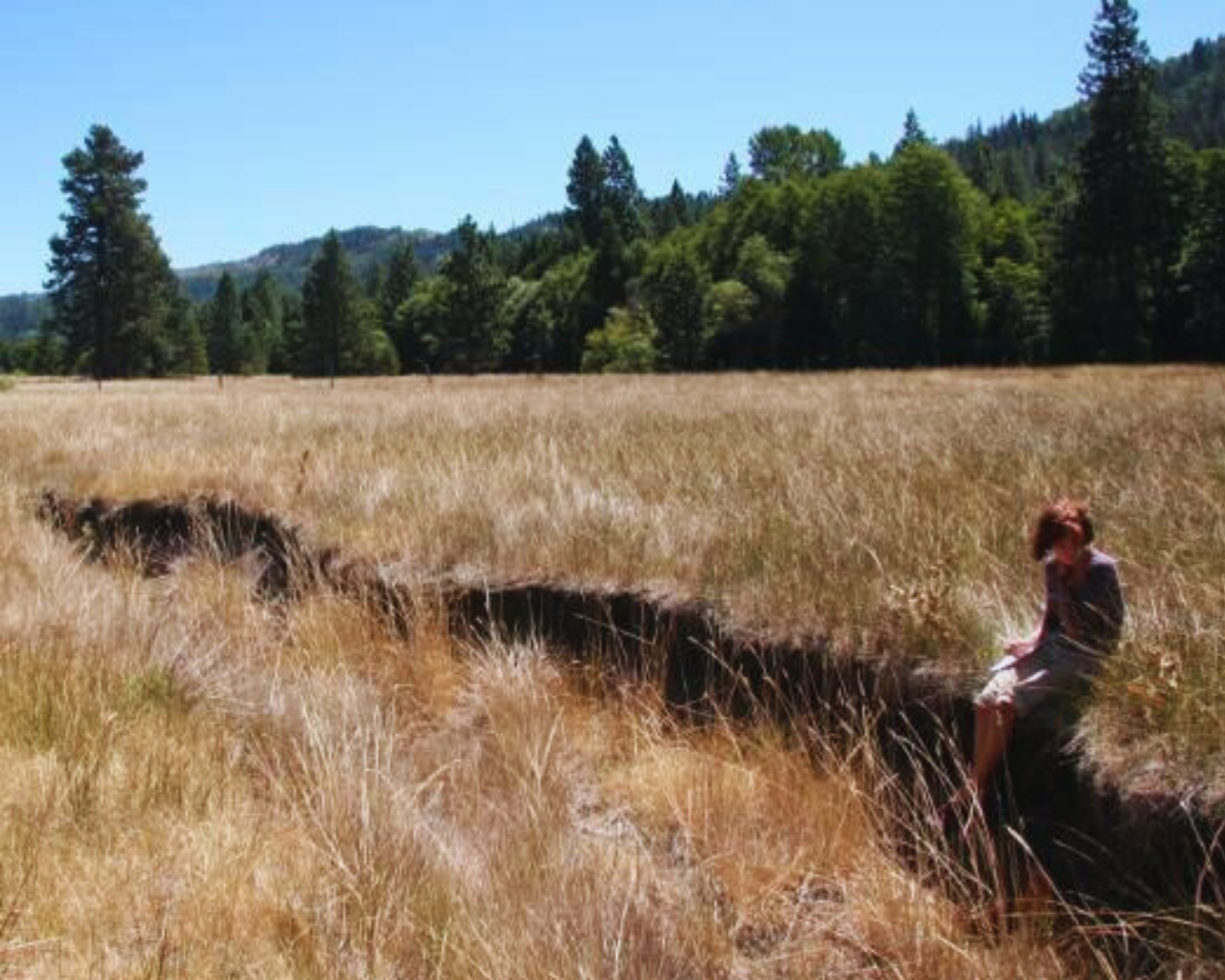
Today, however, about 70% of Sierra meadows are degraded, with diminished capacity to hold either water or carbon. Sierra Nevada headwaters supply roughly 60% of California’s domestic water from Northern California down to Southern California; every meadow we restore is an investment in that supply. At CalTrout, we’re part of a multi-year effort to restore key Sierra Nevada meadows, enhancing our ability to store carbon and water across the state and simultaneously providing a blueprint to quantify the benefits.
Why do meadows matter?
Meadows are natural water storage infrastructure. A healthy mountain meadow slows and stores water, releasing it gradually through dry months. When we restore a meadow, we slow and store water that would otherwise race downstream, extending flows through the dry months and recharging groundwater for the benefit of both fish and downstream communities. A healthy meadow can also absorb carbon, helping to mitigate impacts from climate change. Every restored meadow supports the health of fish, farms, cities, and people across the state.
Restoring the Glass Mountain Meadows
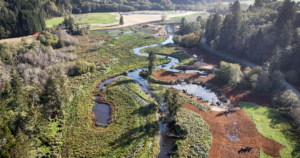
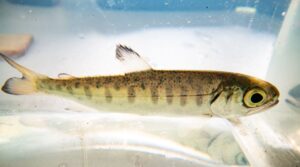
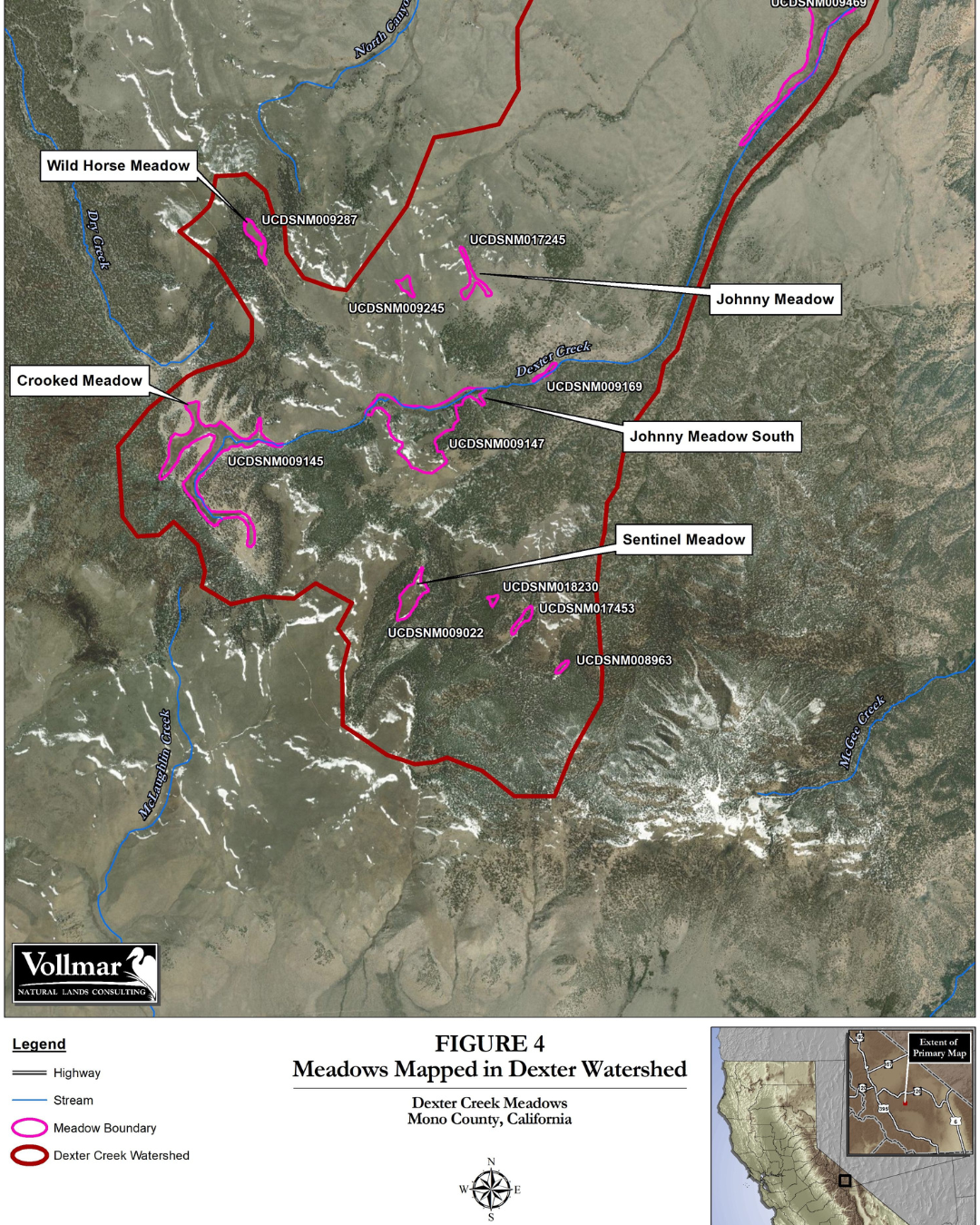
CalTrout’s Glass Mountain Meadows Restoration and Climate Action Initiative, launched in 2024, continues to advance restoration of function and resilience across a critical desert–forest transition zone in the Eastern Sierra. Located within the headwaters of the Glass Mountain watershed in Mono Basin, this project focuses on restoring over 300 acres of subalpine meadow systems and associated riparian, aspen, and stream habitats that have been significantly degraded by historic grazing, altered hydrology, wildfire impacts, and a changing climate. These meadows once supported robust populations of the now endangered Sierra Nevada yellow-legged frog and continue to provide essential downstream benefits to sensitive ecosystems, including the River Spring Lakes Ecological Reserve.
Restoration Progress: On-the-Ground Work Begins This Summer
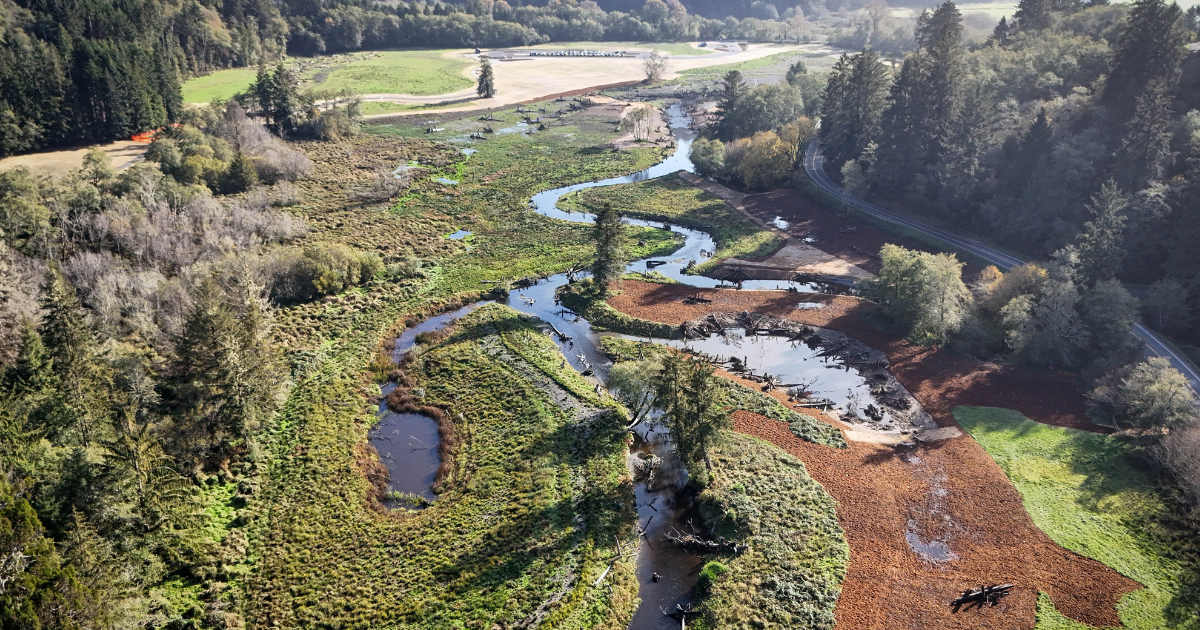
The project has successfully progressed through planning, partnership development, and 100% design on two of the seven most highly impacted meadow ecosystems and hydrologic resources for the Glass Mountain region and is now entering a pivotal transition toward implementation. Restoration treatments are being finalized with approximately 125 acres targeted for initial on-the-ground restoration beginning as early as summer 2026. Restoration efforts will include process-based hydrologic restoration, meadow re-wetting, stream channel reconnection, aspen enhancement, and forest thinning to improve watershed function, increase water storage, and enhance habitat complexity. Implementation readiness has been strengthened through extensive interdisciplinary coordination, permitting alignment, and development of monitoring frameworks to ensure measurable ecological outcomes.
Quantifying the Benefits of Meadow Restoration
A key advancement in this next phase is the development of a comprehensive carbon and economic benefits assessment, paired with an interactive web-based tool. This effort will quantify the multi-benefit outcomes of watershed restoration, including carbon sequestration, water yield, habitat improvement, and avoided climate impacts, while translating these ecological gains into economic value. By making these benefits measurable and accessible, the project aims to unlock new and sustained funding pathways, scale restoration impact, and provide a replicable model for climate-informed watershed restoration across California and the western United States.
This work is only possible through deep collaboration. The initiative brings together scientists, land managers, Tribal leaders, and restoration practitioners, including the Inyo National Forest, California Department of Fish and Wildlife, the Bishop Paiute Tribe, and partners from research institutions and private firms.
As the project moves toward implementation, it represents a critical opportunity to restore degraded headwater systems, recover sensitive species habitat, enhance carbon storage, and demonstrate the full value of watershed restoration as a natural climate solution.
Explore our meadow restoration work in person at our free field tour on June 5th, 2026! You’ll get to explore the lanscape with one of CalTrout’s project managers and experts on the project.