
CalTrout News
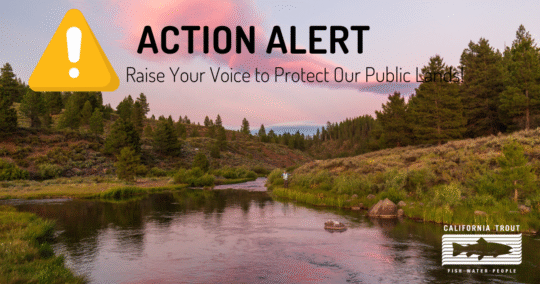
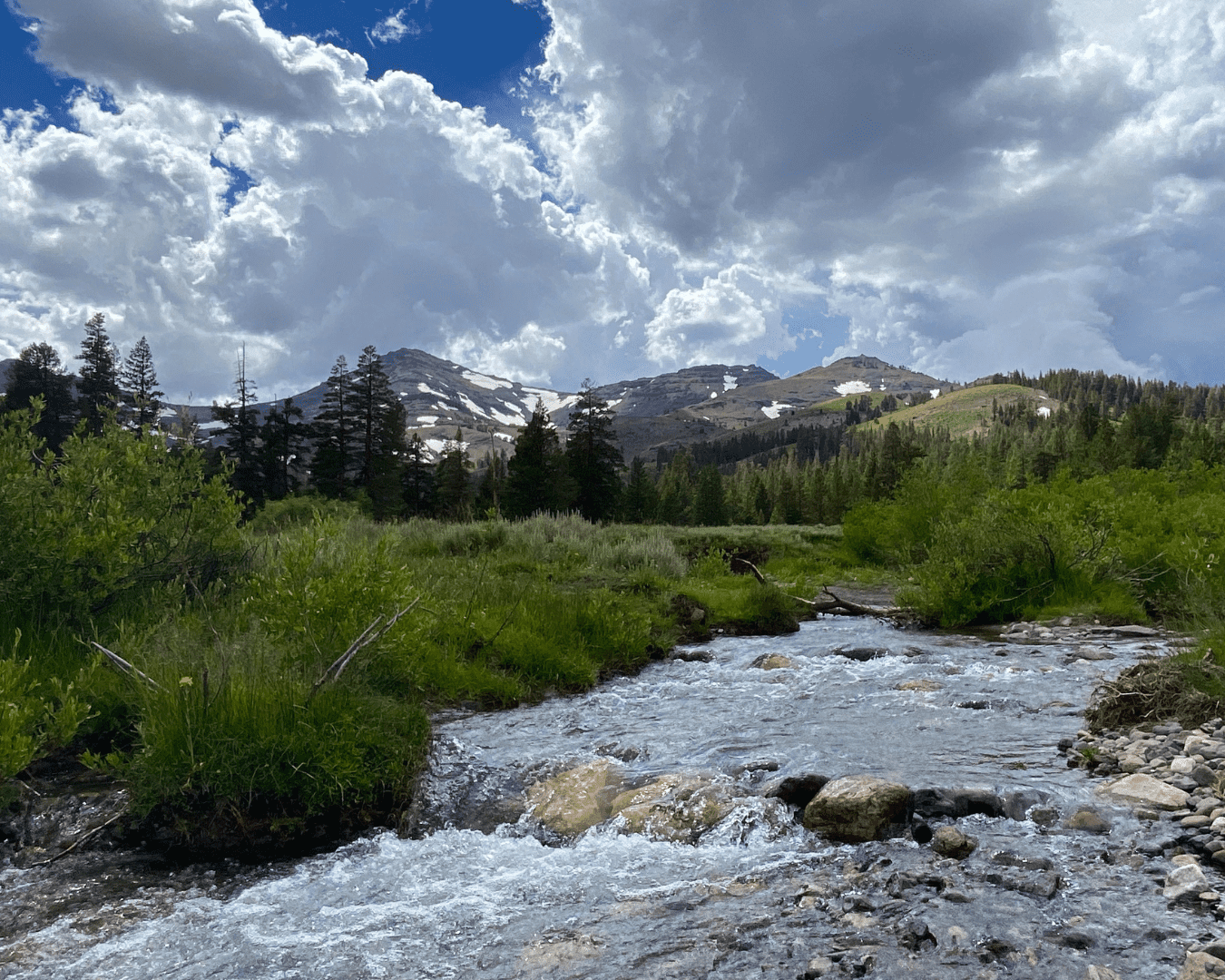
The federal government is trying to sell off our public lands, and we need your voice to stop this from happening. Many of California’s most special places are at risk of being privatized – leaving them open to large scale development, resource extraction, and degradation. On the chopping block: parts of the Lake Tahoe area, the Klamath River watershed, source water strongholds like the Fall, Pit, and McCloud River watersheds, the Lassen foothills, the Trinity River watershed, the Eel River watershed, and beyond. Public land protections are essential for our native fish species and also provide opportunities for recreating in the ways we all love – these are places to fish, float, hike, hunt, and so much more.
The fight for California's public lands has never been more urgent. Earlier this month, the Senate introduced a budget proposal that includes a massive sale of public lands across the West. The proposal specifically calls out California as one of 11 states where sell-off of up to 3.25 million acres of the state’s public lands would be mandated – that’s roughly the equivalent of 4.5 Yosemite National Parks!
This bill is currently under review in the Senate – making this moment a critical chance to take a stand and prevent the largest sell-off of public lands in modern history.
Why Public Lands Matter to Every Californian
Access to clean, cold water is an essential right for all Californians. Both California’s fish and people rely on our ability to preserve and protect the environment and the watersheds that flow through it. Currently, nearly half of all of California is protected as federal public lands. Our organization strives to protect and restore more of our land and waters. Access to public lands is at the very core of what we do. Without the ability to enjoy the outdoors – to fish, swim, and recreate in streams, lakes, reservoirs, and the surrounding landscapes – how can we inspire the next generation of conservationists? Selling off public lands would mean selling off critical water resources, hunting and fishing access, childhood memories, habitat for endangered species, and so much more.
What’s at Stake
This proposal would put California's extraordinary natural resources on the auction. Congress selling off millions of acres through a backroom process with no public input is a massive breach of public trust.
Our most critical waters are on the chopping block. From Rose Valley Lakes in Southern California to large sections of the Smith, Eel, Mad, Trinity, and Klamath rivers up north – the waterways that define California's landscape and sustain our native fish populations could be sold to the highest bidder.
Public lands should be in the hands of all of us. Selling off public lands is short-sighted and irreversible. Once they're sold, it would be extremely difficult for them to end up back in public ownership – fences go up, access disappears, and stewardship turns to development. Without warning, favorite camping spots, hunting grounds, or ecological preserves may be entirely inaccessible and unprotected.
The economic foundation of our communities is under threat. Outfitters, ranchers, small businesses, and entire local communities rely on public lands to sustain their livelihoods. The trillion-dollar outdoor recreation industry, which depends on public access for hunting, fishing, hiking, and camping, would be gutted. An attack on public lands is a direct attack on the people, jobs, and way of life they support.
Voices from Across California: CalTrout’s Regional Directors Weigh In
Our regional directors across the state understand firsthand what's at stake in their communities. Hear from them as to why we must keep public lands in public hands:
Darren Mierau, North Coast Regional Director: “Federal lands are owned by the public for many good reasons: they're most often places with extraordinary environmental, ecological, or recreational value. They are the places that are most special to our communities and to people from all walks of life. The idea of transferring these public lands into private ownership is directly counter to the public's interests, and would have significant consequences for our region's environment, economy, and way of life. Sale of federal lands in California's North Coast would be devastating to our local communities and the natural resources upon which this region depends, and would severely undermine our ongoing, successful conservation efforts.”
Damon Goodman, Mount Shasta-Klamath Regional Director: “Public lands are where our community comes alive – floating down rivers, casting lines for wild fish, and building memories in the places that nourish our spirits and connect us to the natural world. Northern California's Source Water Springs, protected by our public lands, are where our community finds clarity and connection – cool waters that nourish blue ribbon wild fisheries, provide water security for our communities, and ground us in something timeless and shared.”
Patrick Samuel, Bay Area Regional Director: “Protected public lands provide invaluable habitat for threatened species, but they are also the places where we go to relax, recreate, recharge, find inspiration, and build lasting memories. California is blessed with some of the highest biodiversity anywhere in North America, and is home to the most species of trout, salmon, and steelhead in the contiguous United States. These indicators of watershed health rely upon stewarded public lands throughout much of their range to complete their life cycles.
These public lands are not wilderness; they are not set aside in a box for viewing. They are working lands, “multi-use” lands, that balance recreation, natural resources, habitat provision, logging, hunting and fishing, public access, and active management of landscapes facing a changing climate. Sale of any of these lands to private interests removes opportunities for the myriad services these lands provide. In some cases, all of the historical habitat of a species, such as the California state fish, the California golden trout is entirely within a single National Forest or National Park on public lands that require ongoing maintenance and stewardship. The creation of National Parks has famously been called ‘America’s Best Idea.’ If creating these public spaces set aside for all Americans is our best contribution to the world, then surely selling them off to special interests for political gains would be our worst idea.”
Sandra Jacobson Ph.D, South Coast and Sierra Headwaters Regional Director: “Public lands are some of the last places where we can foster our connection to nature. The thought of them being sold off like cattle undermines the sense of decency and honor that we hold for these delicate ecosystems that have evolved without human intervention over millions of years. Development or privatization of public lands would be catastrophic to endangered Southern steelhead recovery. Millions of dollars have been invested in restoring historic steelhead runs, and CalTrout is leading construction projects to remove the last barriers to steelhead migration. If privatized, not only is steelhead access disrupted, but public safety is jeopardized through unpredictable flooding, lack of sediment transfer for erosion control and beach nourishment, and more.
Rose Valley Lakes specifically provides essential over-summering habitat for endangered Southern steelhead juveniles and vital headwater habitat for the Wild and Scenic Sespe Creek. Privatization will lead to increased development, erosion, and pollution, degrading water quality for communities and ecosystems downstream. There would also be notable fire risks to communities, as private ownership lacks the resources or incentives to manage fire hazards responsibly. Development or mismanagement could release stored carbon and undermine regional climate resilience. On top of all this, many public lands hold cultural, recreational, and spiritual significance for many, including Indigenous communities. Selling it could sever public access and disregard ongoing efforts for tribal co-management and ecological restoration.”
Jacob Katz Ph.D, Senior Scientist, Central Valley: “Our wild public lands and the wild rivers that run through them are among America's greatest treasures. Now the administration wants to sell off millions of acres of our national legacy to wealthy bidders for pennies on the dollar. It is up to us, NOW, to preserve our children's right to fish, hunt, hike and be inspired in the open horizons of our wild West. Please join the collective fight to vociferously defend the soul of the American West and our wild places and species.”
Redgie Collins, Legal and Policy Director: “Wild lands and public access to the places we fish, swim, and play with our friends, family, and children are what make California and the West so special. Here at CalTrout, we will always fight to preserve the spaces where we can safely and affordably wade into the rivers, streams, and lakes that inspire the next wave of California outdoor enthusiasts.”
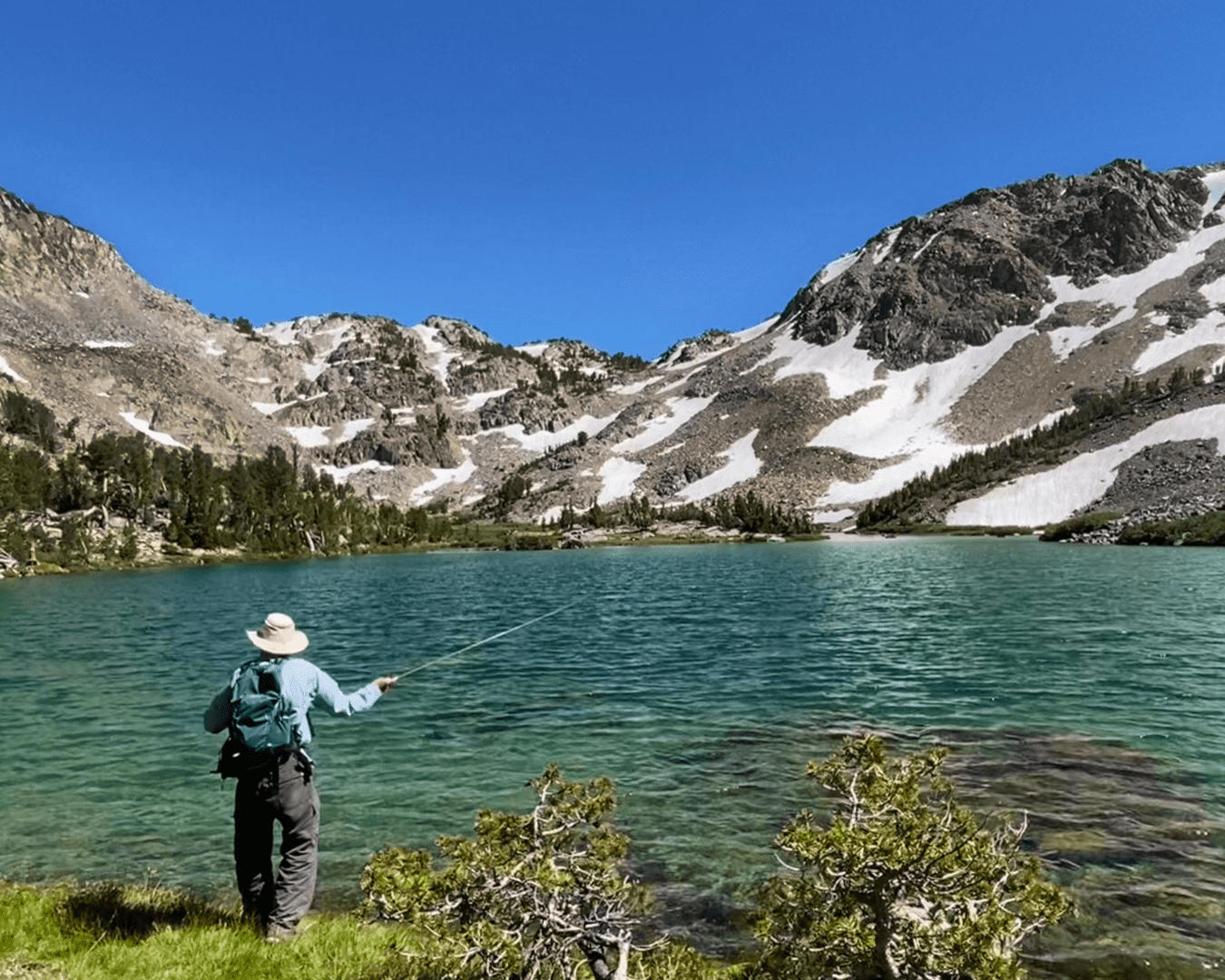
What You Can Do to Protect Public Lands
Americans overwhelmingly support protecting public lands, and House leadership previously responded to public outcry by rejecting similar sell-off provisions. We must do this again.
- Contact Your House Representatives NOW and tell them to push back hard against any Senate attempts to sell off the public lands that belong to all of us.
How to Contact Your Representative
- Find your representative by inserting your zip code HERE
- Click “contact” on your representatives’ website
- Either call or email (calling is more impactful!) your representative and use the talking points below to share a personal story about what public lands mean to you and why they must be protected (sharing photos is a great addition)
Talking Points:
- I urge you to push back hard against any Senate attempts to sell off the public lands that belong to all of us.
- Public lands are where our community comes alive—floating down rivers, casting lines for wild fish, and building memories in the places that nourish our spirits and connect us to the natural world.
- [share a personal story about your and your community's connections to public lands and why they matter to you]
Hear More from California Trout
Our organization strives to protect and restore more of our land and waters – a complete antithesis to the federal government’s current efforts. Access to public lands is at the very core of what we do. Without the ability to enjoy the outdoors – to fish, swim, and recreate in streams, lakes, reservoirs, and the surrounding landscapes – how can we inspire the next generation of conservationists? Selling off public lands would mean selling off critical water resources, hunting and fishing access, childhood memories, habitat for endangered species, and so much more.