
CalTrout News
Behind the Scenes of Big Springs Youth Days: Perspectives from Those who Brought the Event to Life
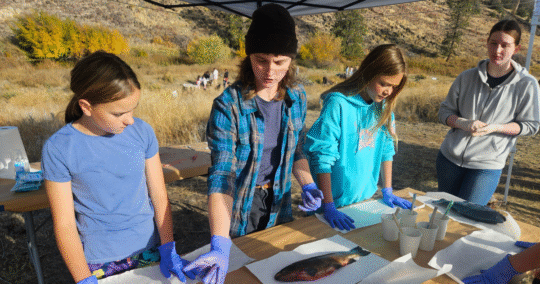
This fall, our community came together to share the wonder of Big Springs Creek in Mt. Shasta with the next generation of environmental stewards over several days. Big Springs Youth Days brought local students face-to-face with fall-run Chinook salmon returning to spawn in their local waterways – a remarkable sight that connects our region's ecological health to centuries of natural cycles. Through hands-on stations exploring salmon biology and stream ecology, young learners discovered how these incredible fish shape the world around them.
This event was truly a collaborative effort, made possible by passionate volunteers, dedicated educators, and community partners who generously shared their time and expertise. Below, hear from some of the people who brought this day to life as they reflect on what it means to inspire curiosity and conservation in local students.
Ada Fowler, CalTrout:
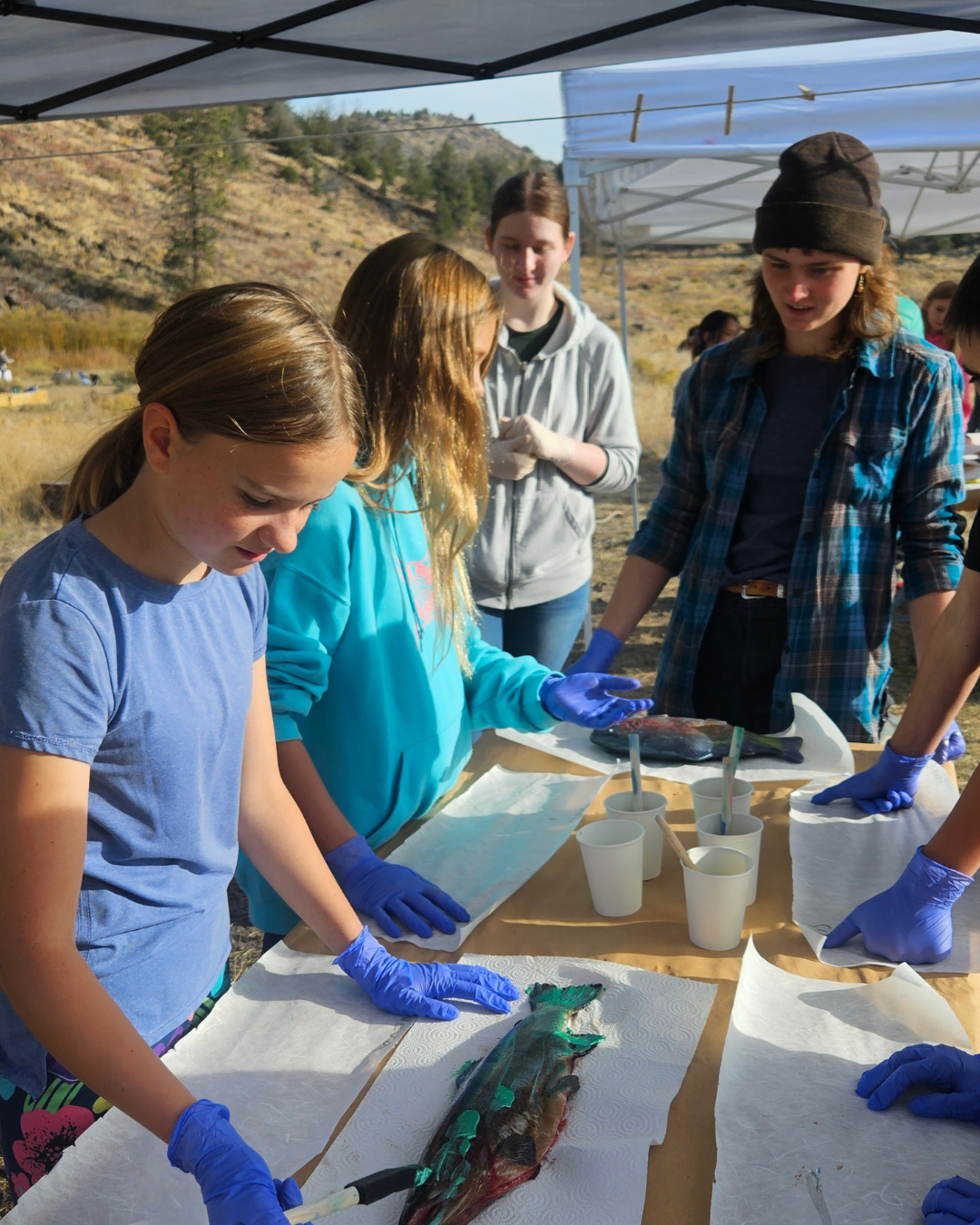
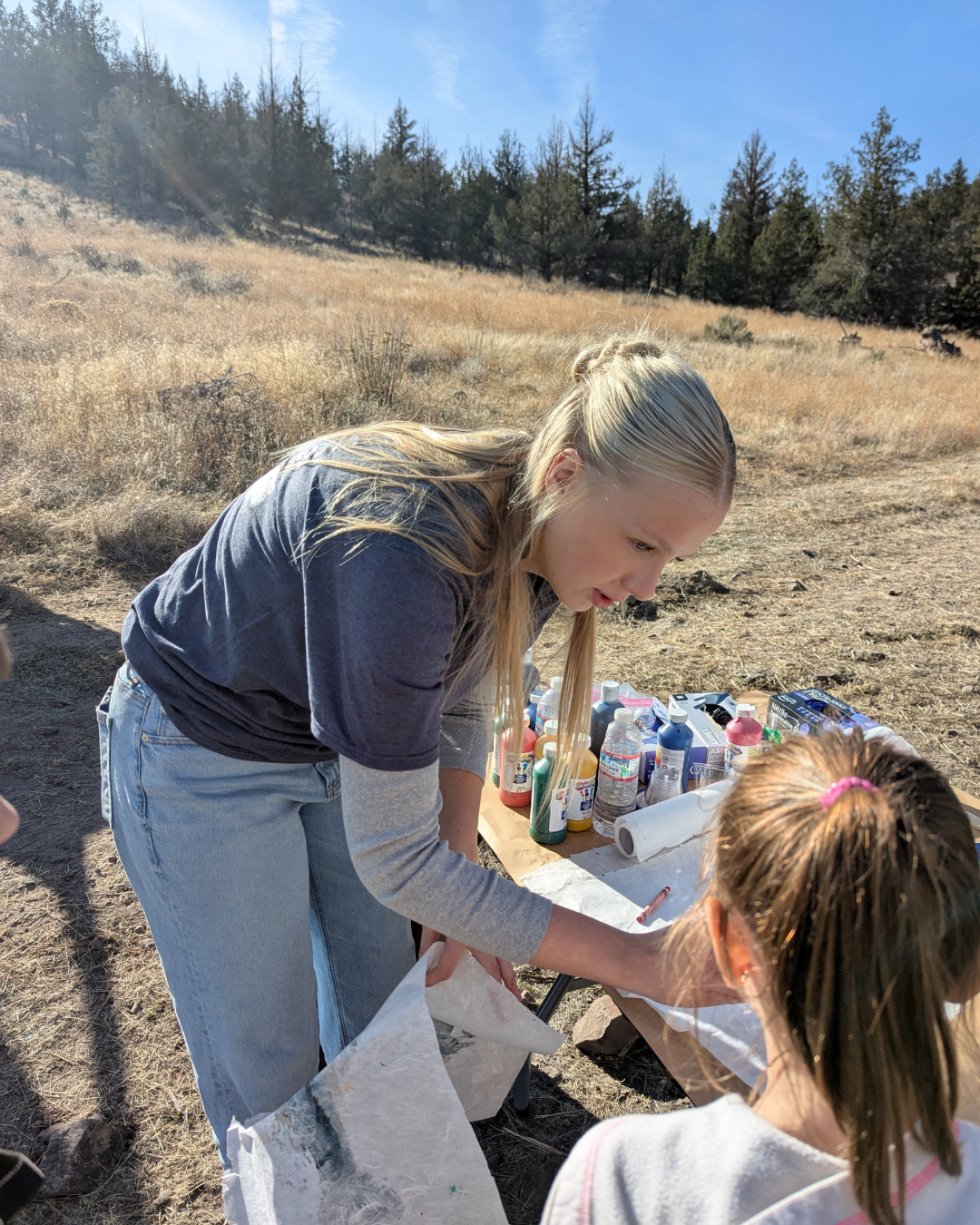
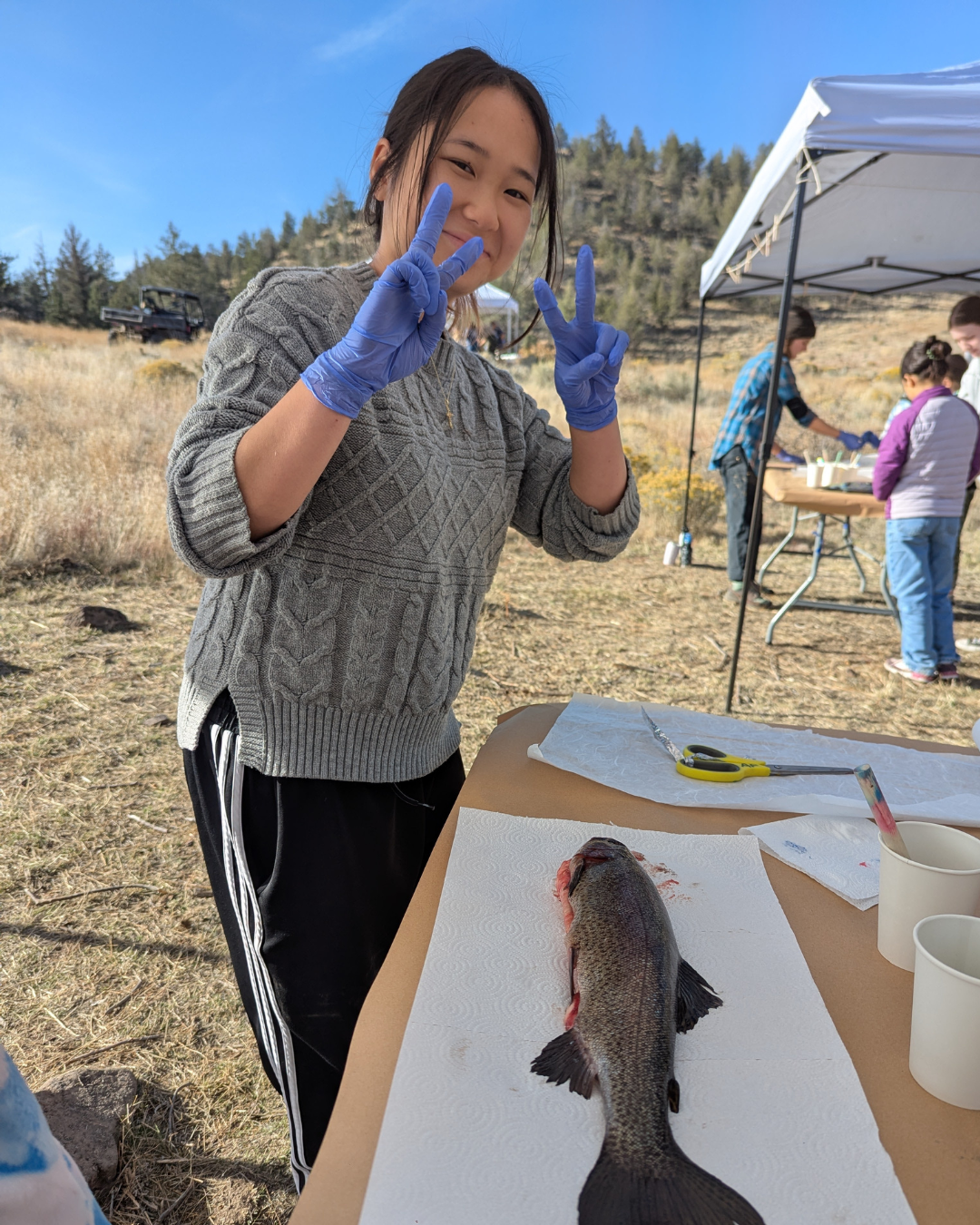
I'm Ada Fowler, CalTrout's Senior Project Manager in the Klamath/Shasta Region, and when CDFW and I were planning Big Springs Youth Day, we knew we wanted the kids to get their hands dirty...or in this case, fishy. During the event, I had the exciting role of dissecting fish with students, guiding them through the external and internal anatomy and the functions of various structures. After the dissection, we moved on to Gyotaku, a traditional Japanese style of fish printing where colored paints are applied directly to the fish, then thin mulberry paper is pressed onto it to create a beautiful image. Each student took home their own print as a souvenir and reminder of the day.
The mixture of art and science really seemed to captivate the students. Some were more fascinated by the "blood and guts" (and yes, the gonads), others by the artistry of fish printing, but most were drawn to both. During the dissection, a young boy pointed to the two milt sacs and said, "These are probably the lungs!" A girl beside him quickly corrected him: "Fish don't have lungs. Those are the sperm!"
Getting kids into the environment to learn about and care for what's around them is essential to our mission. The more we help the younger generation connect with the nature in their backyards, the more support we'll have for conservation in the future. Having 400 kids sitting at their dinner tables that evening, sharing their amazement about the unique ecosystem right outside their door — that may inspire their families to view these natural resources with the same pride and wonder. And that feels like a huge win for fish, water, and people.
Colton Dixon, Christy Wheatley, and Rachel Kayen, Karuk Tribe’s Fisheries Department:
Ayukii (hello) from the Karuk Tribe’s Fisheries Department! A few of us were able to participate at the Big Springs Youth Days. Our names are Colton Dixon, Christy Wheatley, and Rachel Kayen. At the Fish Dissection Station, we taught children about fish anatomy and gave them a hands-on experience to learn more about our fishy friends, like rainbow trout provided to us by the Mt. Shasta Fish Hatchery. To create a memento of the experience for the kids to take home, we used the Japanese fish printing technique, known as Gyotaku. This involves applying ink or paint to a fish and then pressing paper onto it to create a print, a method originally used by fishermen to record their catches before cameras existed. At least one child in every group would exclaim something like, "This is the best field trip I have ever had!" Events like this are so important because they help generate connection, understanding, and care. If we want the rising generations to be participants in the stewardship of California’s fish and their habitats, we have to help them know more. The more they know, the more they will care, and the more these fish and the places they live will be protected.
Sarah Schafer, Quartz Valley Indian Reservation:
I am Sarah Schaefer, Environmental Director for the Quartz Valley Indian Reservation. I am a big advocate of STEAM education, and we had a great time sharing how important macro-invertebrates are to ecosystems worldwide. Our station was shared with CDFW and featured live macro-invertebrates for close up viewing. I especially enjoyed watching students search for live invertebrates nearby our station. It is important that students can spend time outside and learning in the field, exploring their natural curiosity and learning that is exactly what scientists do!
Ben King, California Department of Fish and Wildlife (CDFW), other participating staff included Gabrielle Camba, Jason Carnahan, Desiree Hardin, Willis Hindle, Isobel Moore, Alma Nunez-Guttierez, Maiya Romero, and Rosemary Romero:
I’m Ben with California Department of Fish and Wildlife. At our [Rotary Screw Trap] station, kids got to learn what a day in the life of a fisheries biologist is like during juvenile trapping season. They learned the importance of recording good data, taking notes on environmental conditions, and the kinds of fish data we collect using these traps. They got to open up a rotary screw trap and scoop fish out using nets. They then learned how we count and identify fish, and were able to weigh and measure the fish, just like we do. In doing so, they got to experience how much fun it can be working in fisheries and learned why this data was important. Who doesn't like playing with some little fish (even fake ones)!
Marian Murphy-Shaw, Siskiyou Science Festival:
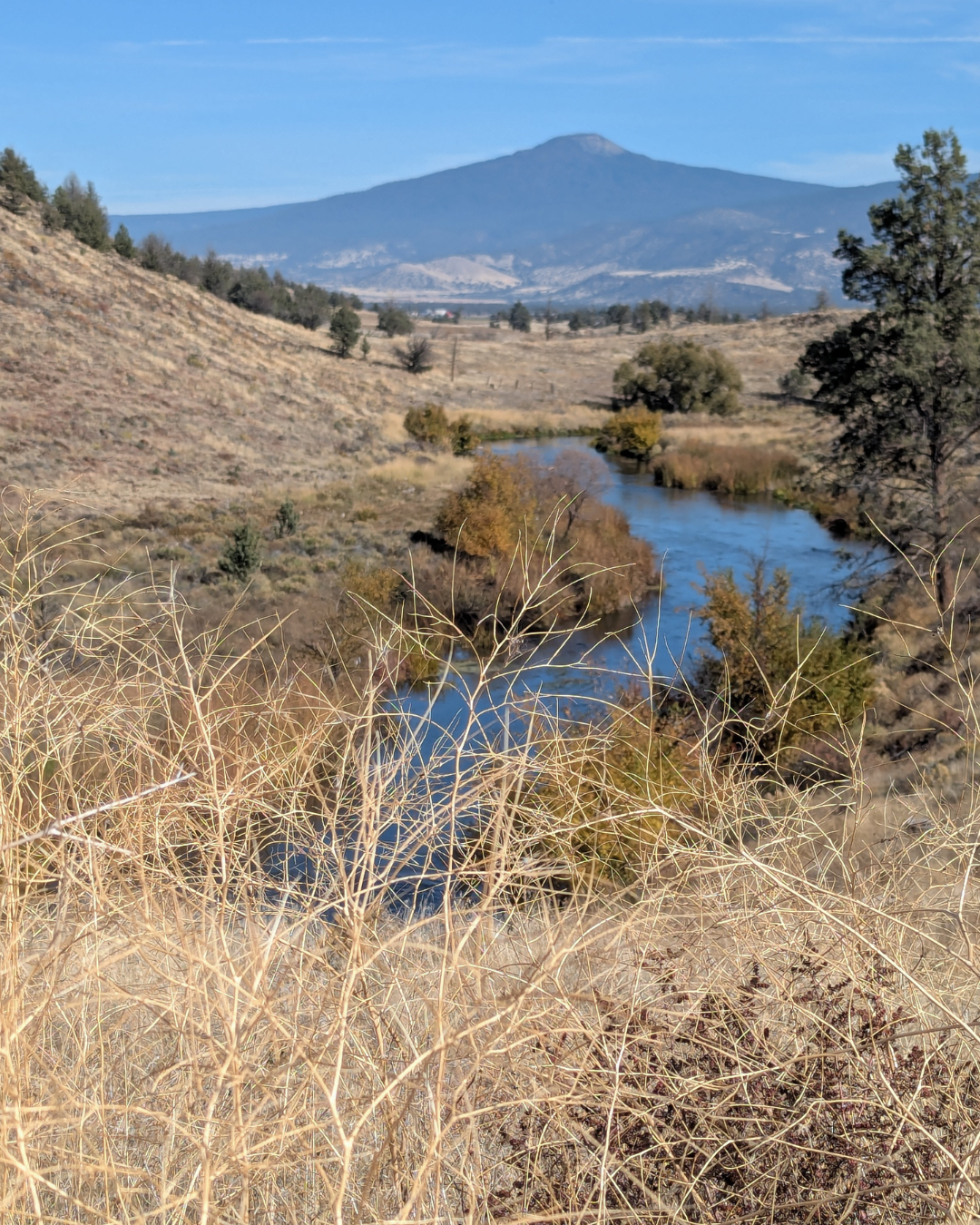
Marian Murphy-Shaw, a retired K-12 educator, and now Director of the Siskiyou Science Festival served as one of the facilitators for the Ecology station. Schools had the chance to sit right on the bank of the Shasta River and watch the Chinook salmon in action as they heard the story of their amazing life cycle from spawning to egg, alevin, fry and smolt, then into the Pacific Ocean and back again years later. The importance of returning to the same place they hatched, and their amazing ability to use their sense of smell to do so, were some of the highlights students were enthusiastic to recall as they navigated their own “salmon run” challenge course. Students also came away with the “fun fact” that recovery of this fall run is determined by only 3 in 7000 eggs - on average - ever reaching maturity.
Kayla Marie, Mount Shasta Bioregional Ecology Center:
Kayla Marie, UC Certified Naturalist and Community Education Coordinator for the Mount Shasta Bioregional Ecology Center, was the other facilitator at the Ecology station. In addition to learning about the salmon life cycle, students learned about where salmon fit into this ecosystem and the larger Web of Life and how everything is interconnected. We created a living food web together, with each student representing different biotic and abiotic elements of an ecosystem. We used yarn to represent connections between different critters, habitats, and elements, weaving a web. The biggest highlight was watching students come to the realization that if we take one species out of the web, everyone, not just the animal that eats that particular species or gets eaten by it, is affected by its loss. We are interdependent on salmon, fungus, plants, bats, and even mosquitoes!
Events like these which give students interdisciplinary, hands-on, direct experience with nature’s cycles help students appreciate and understand the incredible phenomena in the natural world. Not only that, but students got exposed to several different careers and interest paths and organizations that they can continue to explore. We are so grateful to have been a part of it!
Marc Froimovich, GrizzlyCorps, The Nature Conservancy:
Hi, my name is Marc Froimovich, and I’m serving as a GrizzlyCorps Fire and Forestry Fellow with The Nature Conservancy at Parks Creek Ranch. For Big Springs Youth Days, I led the Nature Journaling station, where students explored their surroundings through drawing, writing, and poetry, all while reflecting on what they saw, heard, smelled, touched, thought, felt, and imagined. A key takeaway for me was how naturally the students settled into quiet observation; many spent five to ten minutes in complete silence, fully immersed in the beauty and movement of the landscape. Events like these matter because they provide rare opportunities for outdoor learning, helping students slow down, connect with nature, and express their curiosity and creativity in ways that traditional classrooms often can’t.
Sophie de Groot, GrizzlyCorps, The Nature Conservancy:
My name is Sophie de Groot and I am working with The Nature Conservancy as their GrizzlyCorps Watershed Health and Sustainable Agriculture Fellow. This year at the Big Springs Youth Days, I worked alongside another GrizzlyCorps Fellow, Marc Froimovich, to host a Nature Journaling station. Here, we passed out notebooks and pencils to each of the students and asked them to participate in 5-10 minutes of completely silent nature journaling, and the results were incredible! Almost all of the kids came back, wishing they had more silent journaling time. Getting to watch these students quietly observing and enjoying the beauties of nature around them was a truly unforgettable experience. I will never forget their endlessly creative journal entries full of drawings, poems, haikus, comic books, and even song lyrics. Events like these matter so much for the youth, because it gives them the time, space, and resources to truly connect to the environment around them. Spending time outdoors and exploring creativity is crucial to everyone's well-being, and especially important for the development of young kids.
Rebekah Sluss, Siskiyou Union High School District:
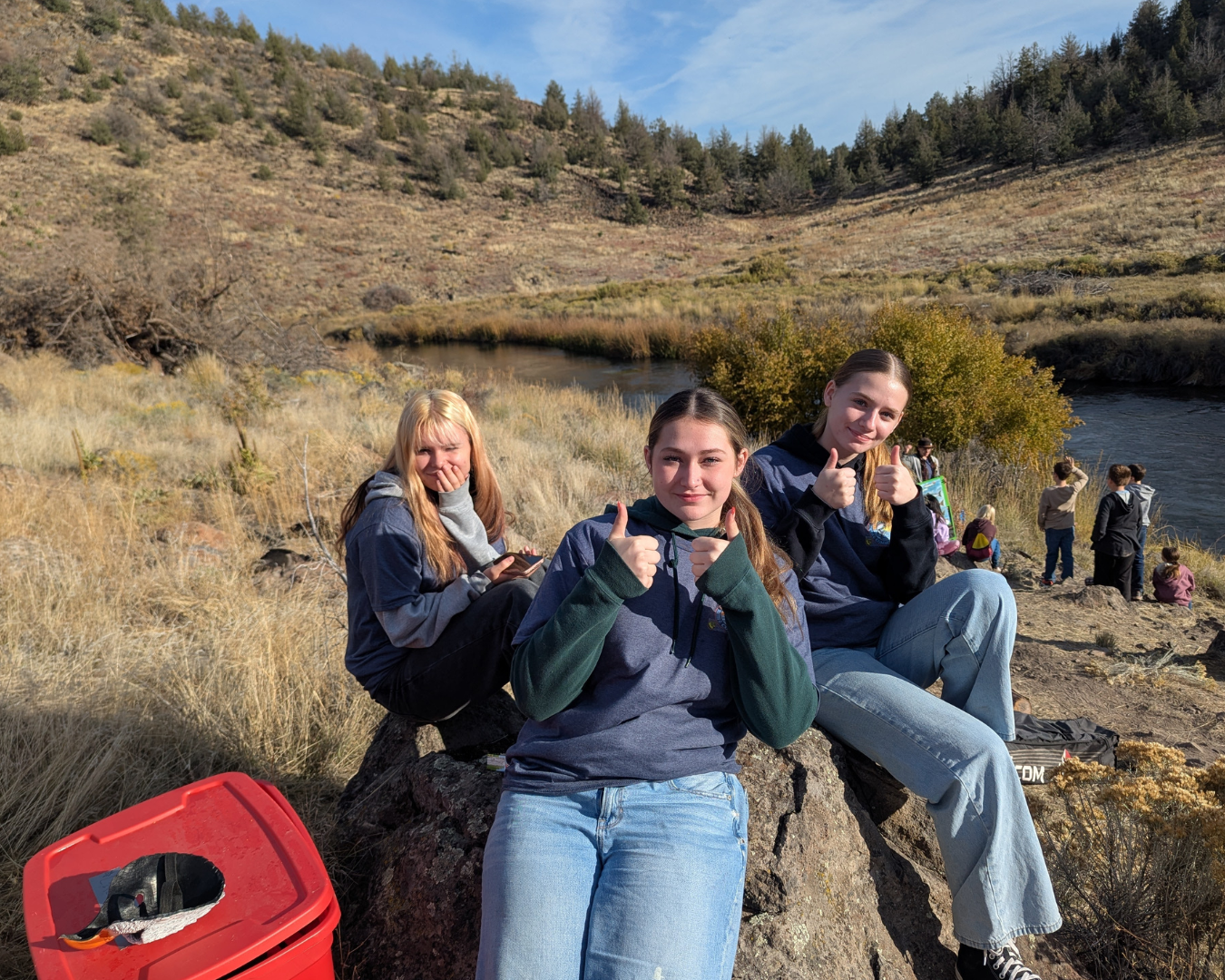
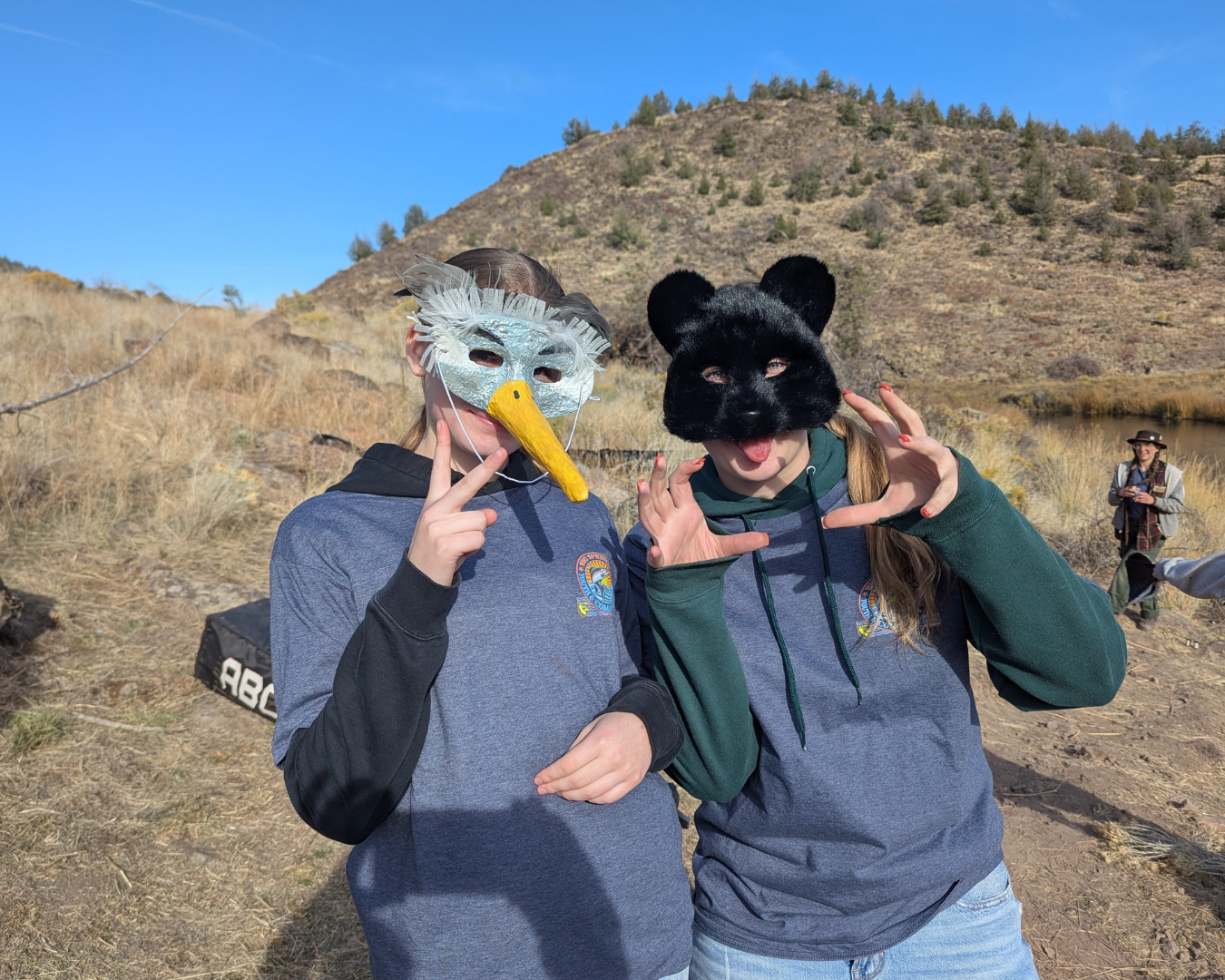
Hi! I am Rebekah Sluss, Weed High School Teacher, and I offered this opportunity first to my Environmental Science class, which is a 3rd year class. I also asked a few other students that I don't have this year but who I knew would be interested. All that participated thoroughly enjoyed the experience and hope to participate again next year. A couple of students that attended came into my classroom just now and here's what they said:
Junior Marianne Tafoya wanted to participate because she likes science and was interested in helping with fish dissections. Junior Sunshine Vang wanted to participate because she wanted to familiarize herself with fish internal organs and how they operated.
Big Springs Youth Days was a powerful reminder that conservation begins with connection. When hundreds of young people spend a day exploring salmon anatomy, searching for macroinvertebrates, and quietly journaling beside spawning grounds, they're developing an appreciation for nature that can’t be found in a textbook. Outreach and science go hand in hand to preserve our natural wonders – we need to foster curiosity, connection, and more than anything, love for the world around us.
Thank you to everyone who made this event possible. Your dedication to hands-on environmental education is planting seeds that will flourish into a future of nature lovers and environmental stewards.
Partner websites:
- California Department of Fish and Wildlife
- Karuk Tribe
- Quartz Valley Indian Reservation
- Siskiyou Science Festival Facebook Page
- Mount Shasta Bioregional Ecology Center
- The Nature Conservancy
- GrizzlyCorps
- Siskiyou Union High School District
- Scott River Watershed Council
More Exciting News from Mt. Shasta: Shasta River Habitat Improvement Project Completed This Fall
Autumn in Mt. Shasta was not only exciting because local students spent time learning about the incredible nature around them. We also completed the Shasta River Habitat Improvement Project, working along 26 miles of river to restore critical salmon habitat through partnerships with local landowners. Thanks to funding from California Department of Fish and Wildlife, we were on the ground with incredible partners restoring 40-50 acres of instream and riparian habitat.
This is just the beginning for restoration of the Shasta River. We have a suite of future work to restore the entire watershed and are actively seeking funding. Stay tuned for more updates and ways to get involved!