
CalTrout News
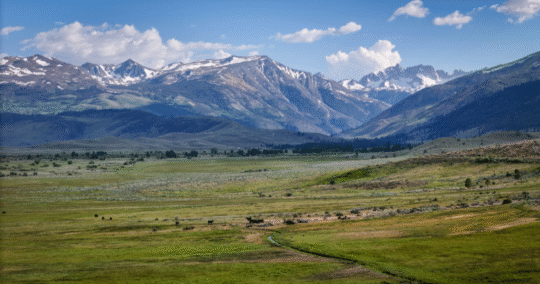
CalTrout has secured nearly $400,000 from the Sierra Meadows Partnership Grant Program, bringing us one step closer to implementing Phase 2 of restoration work at the ByDay Creek Ecological Reserve near Bridgeport, California. This funding allows us to repair a degraded mountain watershed in a high-impact area while supporting climate resilience, native wildlife, and partnership with Indigenous communities.
Why This Work Matters
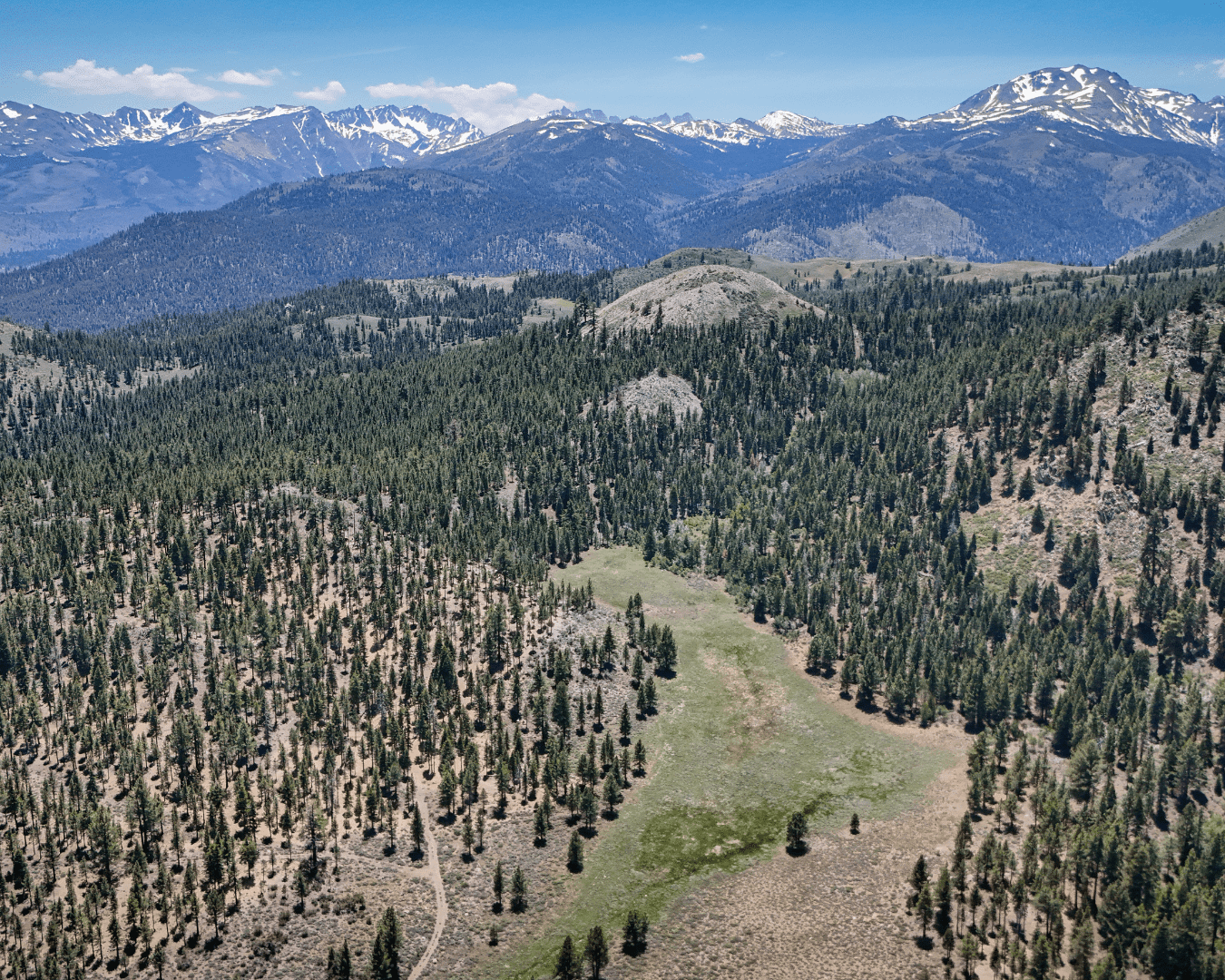
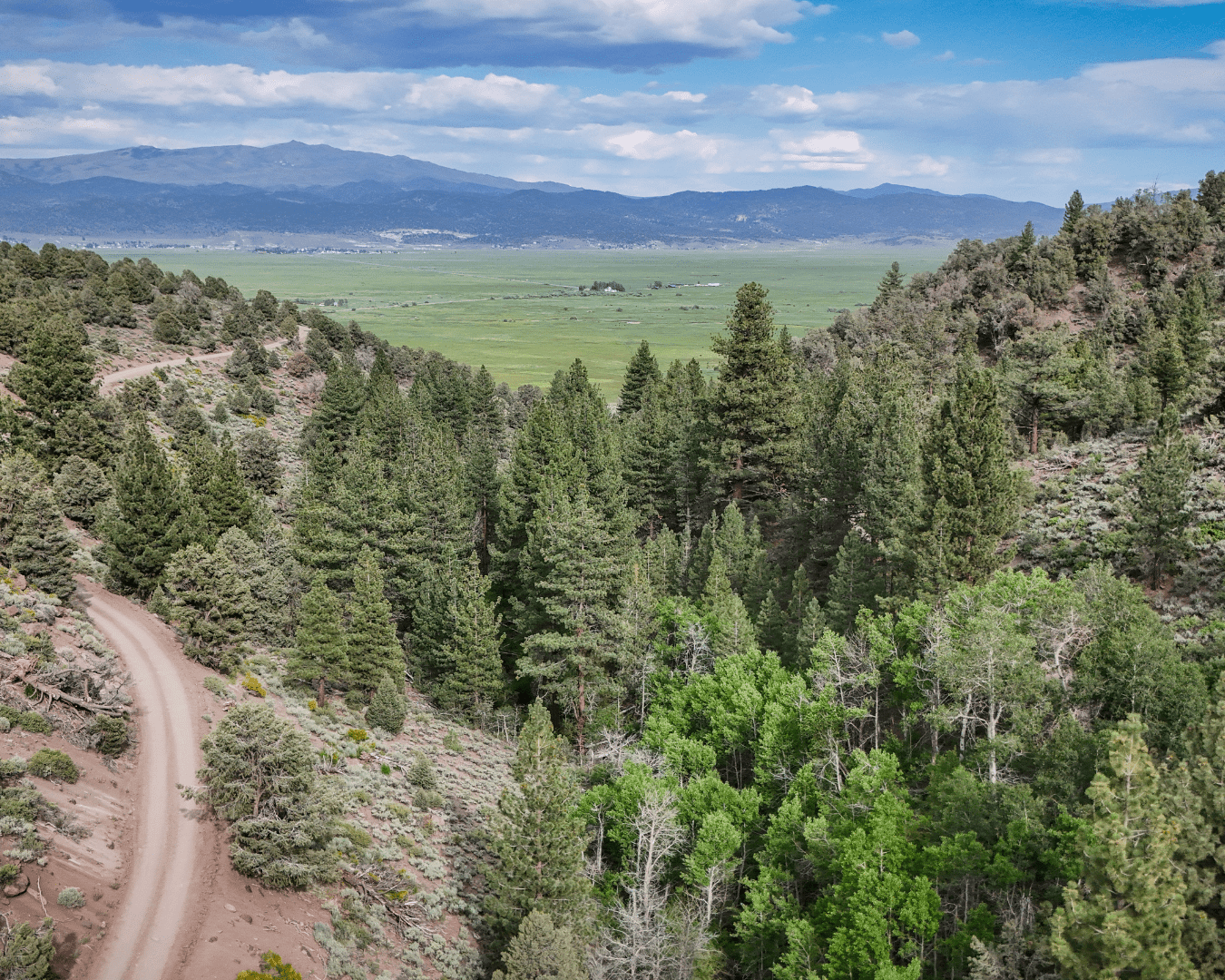
The 460-acre ByDay Creek Ecological Reserve sits in the Eastern Sierra headwaters, on the ancestral lands of the Mono, Nisenan, Paiute, and Shoshone peoples. Like more than 70% of Sierra Nevada meadows, this once-vibrant landscape has been deeply impacted by past land uses — grazing, logging, road development, and the elimination of beavers have disrupted the area's natural hydrology and ecosystems.
Today, the creek suffers from channel incision, meaning the stream has carved deeper into the landscape, disconnecting it from its floodplain and drying out adjacent wet meadows. Most of the original habitat for native Lahontan Cutthroat trout has been wiped out. The ByDay Creek restoration project offers a chance to protect the only remaining historic original habitat for Lahontan Cutthroat trout. This federally threatened species depends on cold, clean water to survive, making the restoration of this watershed both highly impactful and critical.
A Watershed-Scale Approach
Phase 2 of our restoration project takes a comprehensive, watershed-scale approach — addressing the creek, meadows, forests, and roads as an interconnected system. Today's environmental and social challenges don't exist in isolation, and neither can the solutions. By treating the entire landscape rather than individual components, we can achieve lasting results that isolated efforts simply can't deliver.
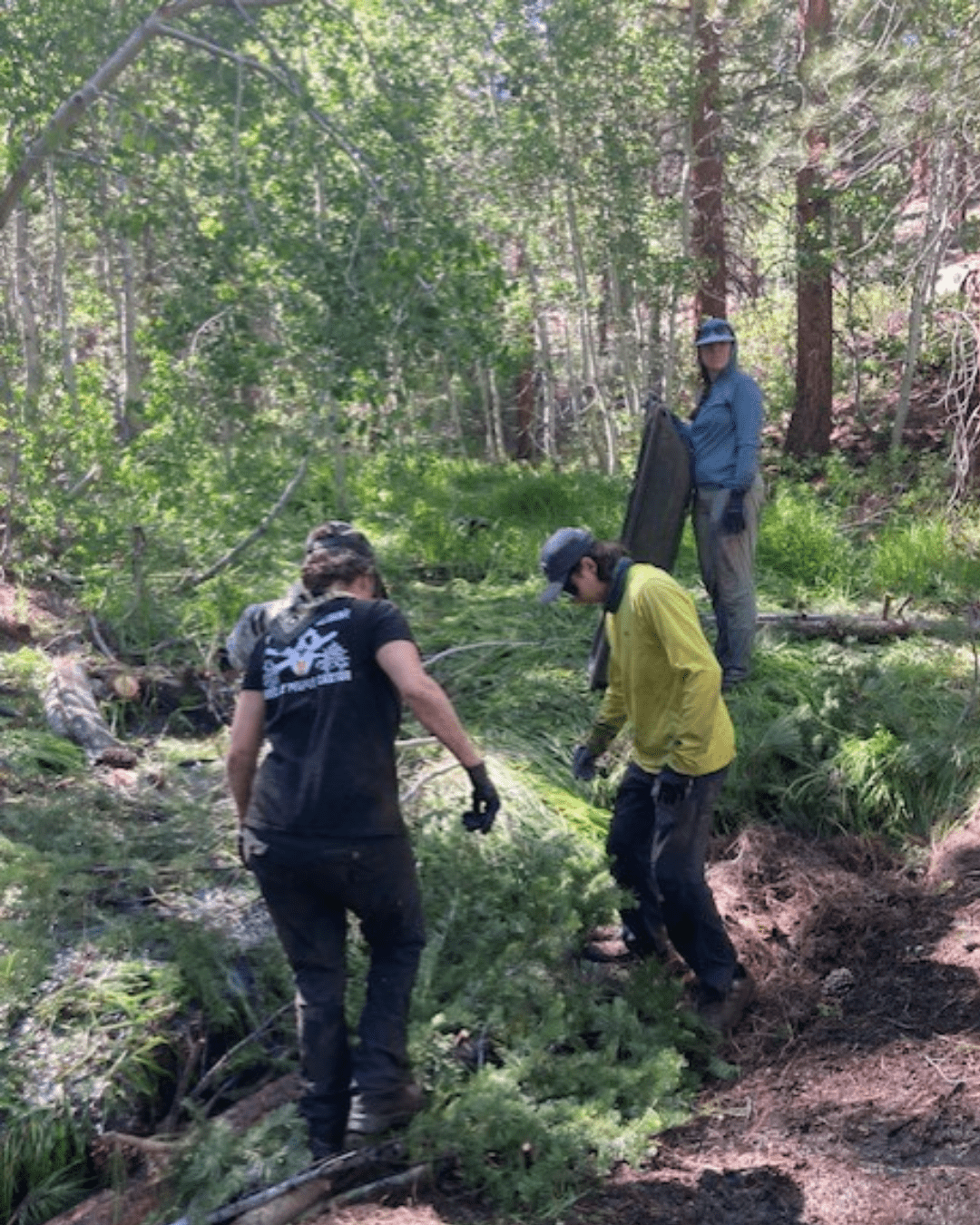
Our work will focus on repairing 1.34 miles of stream through nature-based solutions that work with, rather than against, natural processes:
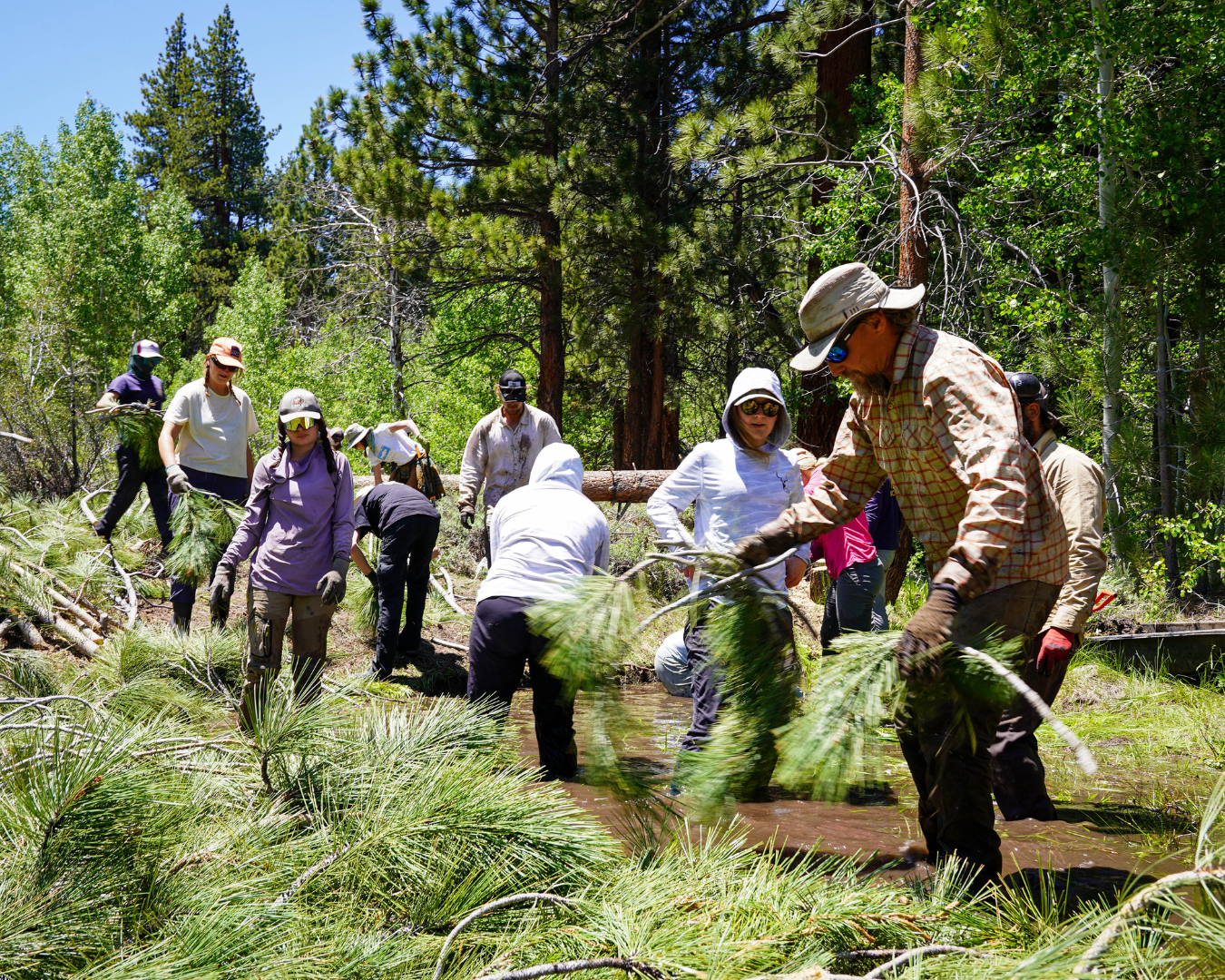
- Reconnecting Water and Land: We'll install over 150 beaver dam analogs (BDAs) and create side channels to slow water down, raise water tables, and help the creek reconnect with its floodplain. This approach mimics what beavers once did naturally in this landscape.
- Rebuilding Fish Habitat: By stabilizing erosion points and reducing sediment, we'll restore the cold-water pools that Lahontan Cutthroat Trout need to survive warming stream temperatures.
- Reviving Meadow and Forest Health: Selective thinning of encroaching conifers will help restore 16 acres of meadow and aspen groves, reducing wildfire risk while allowing these water-storing ecosystems to flourish as they once did.
- Fixing Roads: We'll retrofit forest roads to prevent erosion and keep sediment out of the creek — a simple but critical step for water quality.
Building Climate Resilience
This project directly addresses climate change by restoring the landscape's natural capacity to store water and carbon. Healthy meadows act like sponges, holding snowmelt longer into the dry season and providing critical late-season flows when streams are most stressed. By raising water tables and expanding wetland areas, we're helping this watershed become more resilient to drought and changing precipitation patterns.
The restored habitat will also prepare the landscape for beaver reintroduction in 2027. Once beavers return, they'll continue the maintenance work naturally, creating a self-sustaining system that supports biodiversity and water security for decades to come.
Partnership and Stewardship
This project is a collaborative effort with the California Department of Fish and Wildlife (CDFW), which manages the reserve, and is being developed in consultation with Tribal representatives to honor cultural values and explore co-stewardship opportunities. We're grateful to work alongside CDFW's Nick Buckmaster, Aaron Johnson, and their team, as well as restoration specialists Kevin Swift and Kate Lundquist.
The Sierra Meadows Partnership's support allows us to take a comprehensive approach that addresses not just stream health, but the interconnected needs of forests, meadows, wildlife, and communities.
This grant and the on-the-ground restoration it enables is made possible through individual donations. Your contributions help us leverage larger public investments like this Sierra Meadows Partnership grant. In fact, every dollar you donate to CalTrout is multiplied by six when we secure matching grants like these proving that every single dollar matters!