
CalTrout News
Stephen Fioretti is a native Californian who has supported CalTrout for over a decade. His passion for fishing, born at a young age, fueled his involvement in CalTrout. By supporting CalTrout, he hopes to preserve the California that has shaped him for all those that come after him including his children and their children!
By Stephen Fioretti, CalTrout Supporter and Angler
As a native Californian (I was born in San Francisco), my passion for fishing in our beautiful state was burnished at an early age. Even though my dad took me fishing only occasionally, my interest in it quickly blossomed into a bit of an obsession. Every time we would drive over a river or creek on a family trip, I’d lobby to get out of the car and fish (I was mostly ignored, or we would never have reached our destination!) Fishing has always been my happy place; walking along a river while fishing is meditative, it’s essentially my “church.” I can fish from dawn till dusk and never get bored. When I was younger, getting up at 6:30am for school was always a challenge…popping out of bed at first light for a fishing trip was, by contrast, consistently simple and joyous.
I remember fishing in Twain Harte Lake for sunfish and bluegill, using bread, cheese, or worms for bait. I recall fishing for trout on the Stanislaus River in nearby Strawberry, occasionally seeing the trout planting/hatchery truck dump fish in the river and following that truck around with my rod…was that cheating!? I fished in the nearby PG&E canal, wondering what lay beneath the dark waters. I went on a few trips with Dad and his buds to Burney, CA and as the only under 40-year-old, I often “outfished” all of them (back when quantity was overrated). A few of my dad’s friends on these trips were pranksters. I remember my dad’s scream when he found one of his friends had put a container of loose crickets in his bed! I also fondly remember a trip on a party boat outside the San Francisco Bay, where I caught both a 20-pound salmon and a 40-pound halibut on the same trip…those were rich fishing days (I sound like that guy who claimed to walk five miles, uphill to school…both ways, in the snow).
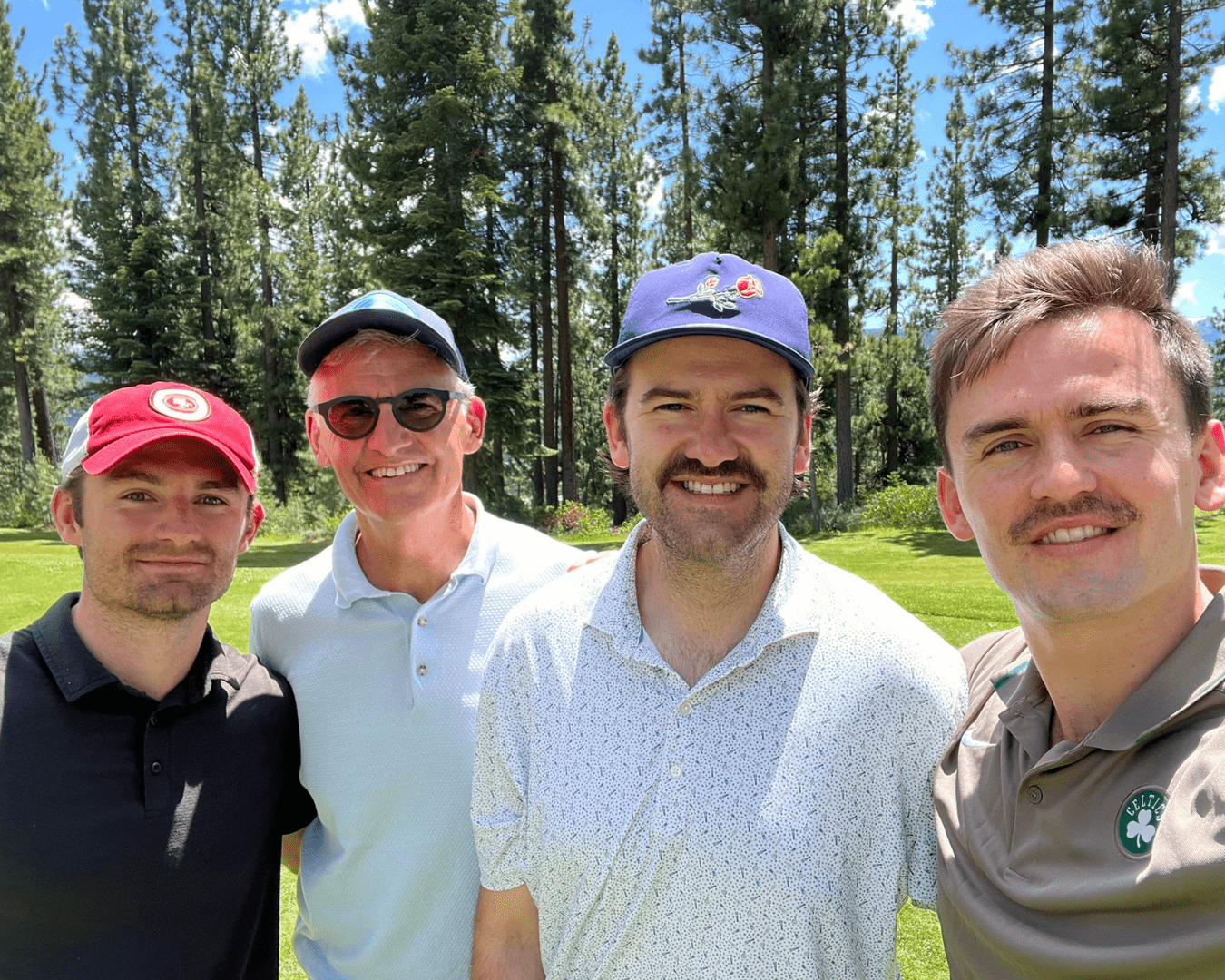
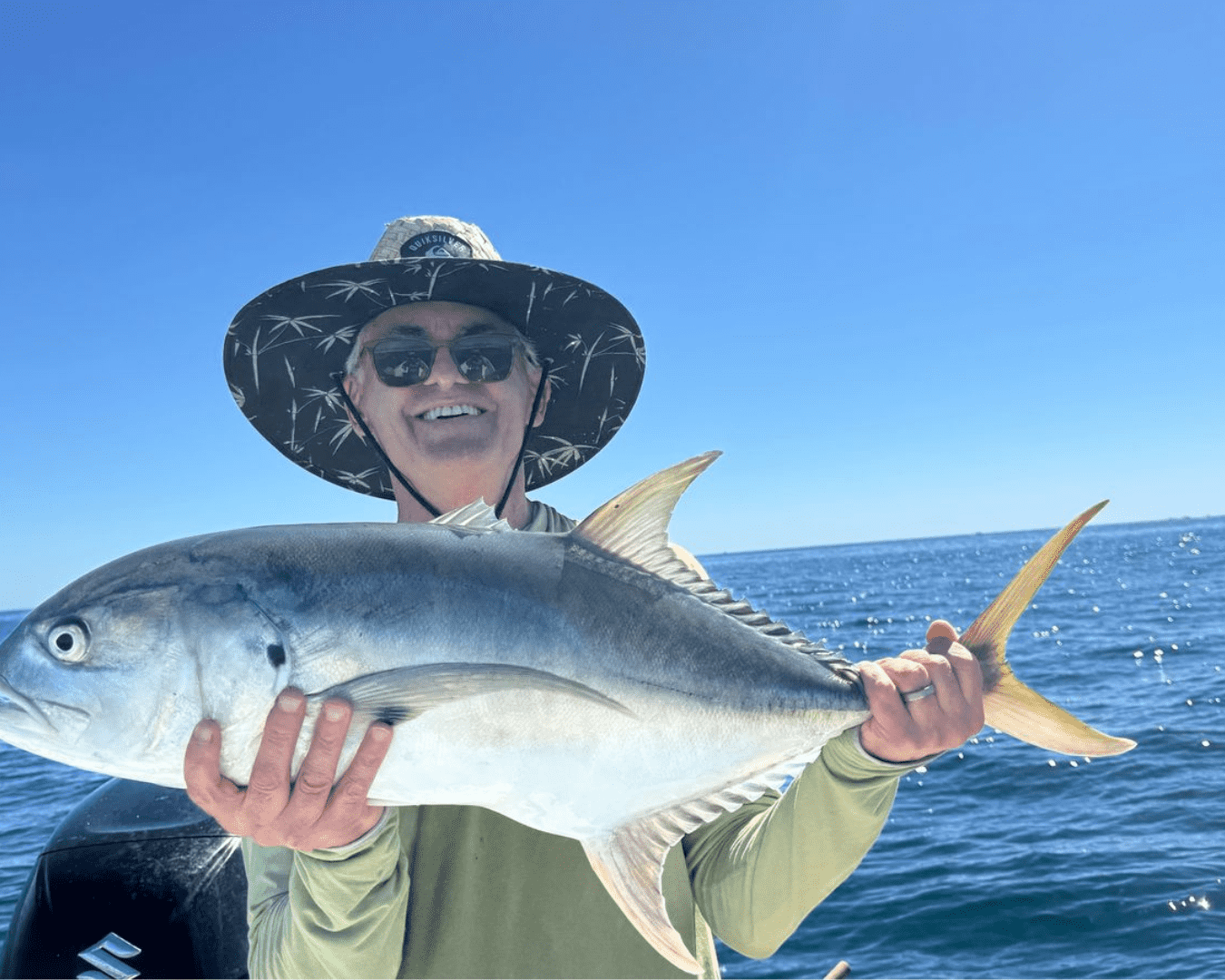
I switched to fly fishing in my early twenties, as it was more challenging, more skillful, and a fairer fight (certainly for the trout). I still have a lot to learn about fly fishing but have been fortunate to fish many rivers in California including the Fall River, Hat Creek, the McCloud, the Trinity, Battle Creek, and the Upper and Lower Sacramento rivers. I’ve ventured outside of California to fish in Oregon, Washington, Montana, Idaho, Baja California, and even Argentina. And there are many more trips on my bucket list!
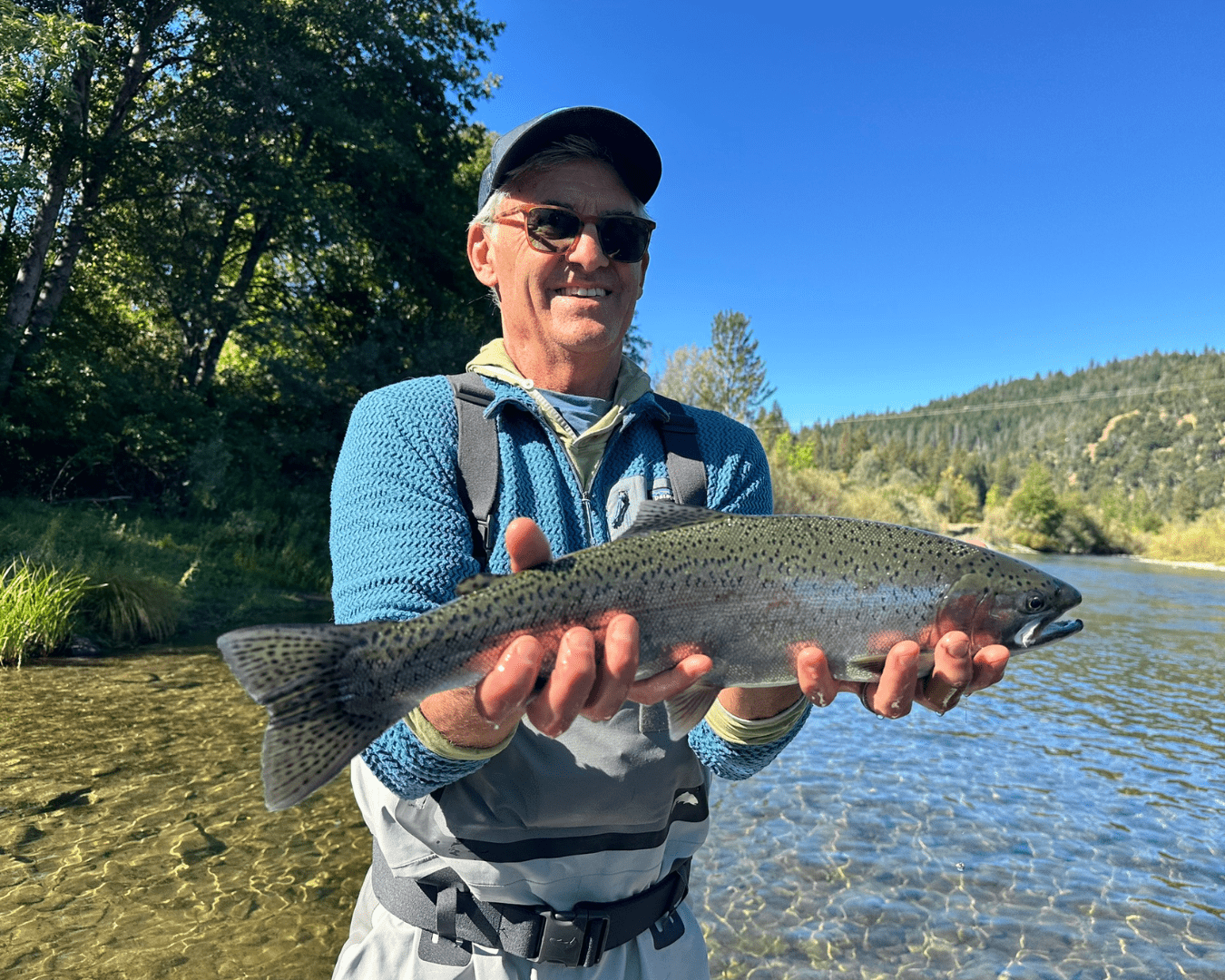
Last week I had a “successful” trip to fish for summer steelhead on the Trinity River, which reminded me that California is still home to vibrant fisheries. At the same time, our waterways and fish face a myriad of pressures, including rising temperatures, pollution, dams, over-harvesting, and conflicts over water use. Like many of us, I’m in awe of the journey salmon and steelhead make during their migration season. Despite all of the obstacles, they fight to survive and spawn. That’s why it is so exciting to see CalTrout play a vital role in revitalizing California’s waterways to recover native fish populations across the state.
The recent removal of four dams on the Klamath River made headlines across the country (and world) and was necessary to help heal a river that has long struggled due to human interference. The dam removal was a Tribal-led effort, but CalTrout played a crucial role in lobbying, collaborating, and working on the ground to make this happen! Seeing salmon immediately reappear on the upper stretches of the Klamath is truly a testament to the resilience of nature and the power of restoration. I’m excited to continue seeing and rooting for similar successes across other California rivers such as the Eel and the Elk. If we give these rivers a chance to heal, they will bounce back and provide their denizens with a shot at recovery too.
I discovered CalTrout’s vital and impactful work over a decade ago and have donated consistently, while continuing to look for other ways to support their mission. The organization is impactful, science-based, and collaborative. Their employees and supporters are clearly passionate about restoration and protecting California. I love their scientific approach to river health and restoration. I love the collaboration they prioritize with agencies, ranchers, farmers, Tribes, and more. If you haven't heard about their work with rice farmers in the Central Valley, I recommend you check it out! In the Sacramento Valley, CalTrout’s collaborative and science-driven work with rice farmers is extremely science-based and innovative. By collaborating with rice farmers, they are helping salmon access more food before they make their arduous journeys towards the ocean by flooding rice fields (bug habitat!). This is a perfect example of how science-based restoration can benefit people and fish.
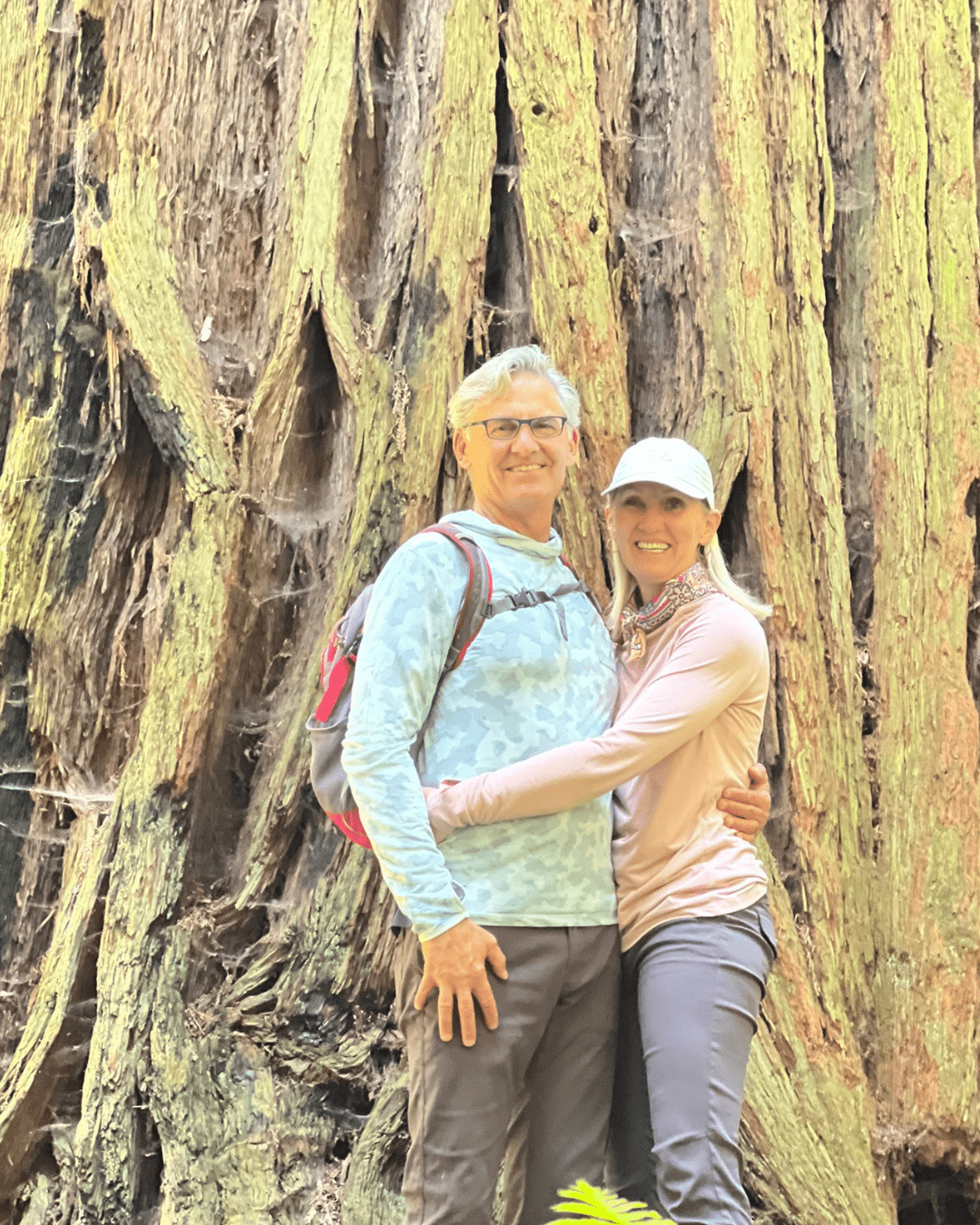
As a supporter, it is gratifying to know that my money is making a real difference. With CalTrout, I get to see the impacts across the state, from dam removal to habitat restoration and so much more. Because of the work they are doing, I trust that my children and their children will get to experience the same California that has shaped me. Thank you, CalTrout!
At its core, Stephen's story is one of connection; connection to fish, to water, and to the California we all love.
Join him in protecting that legacy. Your gift powers the science-driven conservation that keeps our rivers and traditions alive. Become a CalTrout member today.