
CalTrout News
Monitoring Confirms Baduwa’t Estuary (Mad River) Restoration Project Succeeds in Creating Critical Habitat for Threatened Species
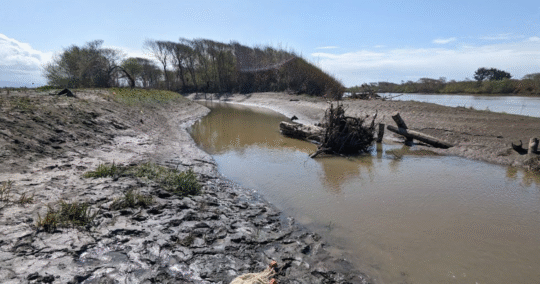
California Trout (CalTrout) announced today that the Baduwa't (Mad River) estuary restoration project has been successful in providing natural habitat to numerous threatened species, according to new monitoring data. The 9.3-acre project, designed by Northern Hydrology and Engineering, and completed in partnership with McKinleyville Community Services District in late 2022, transformed former wastewater percolation ponds into floodplain habitat that is now successfully supporting a thriving ecosystem.
"These monitoring results prove that strategic habitat restoration works," said Mary Burke, CalTrout’s North Coast Regional Manager. "The Baduwa't restoration project site is providing some of the only refugia habitat for fish to escape from high winter flows in the estuary. We were especially excited to learn that coho salmon have utilized the site every winter since construction."
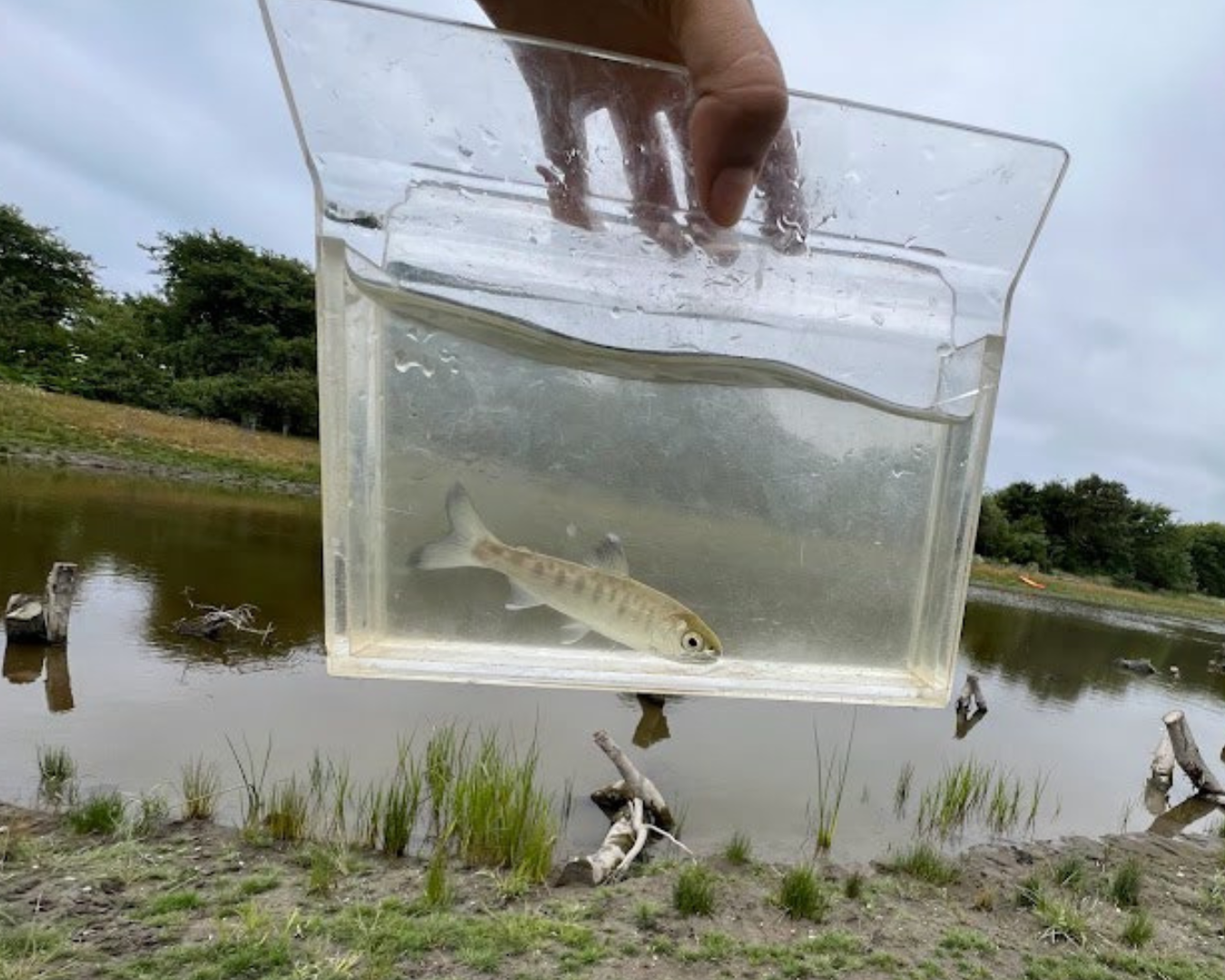
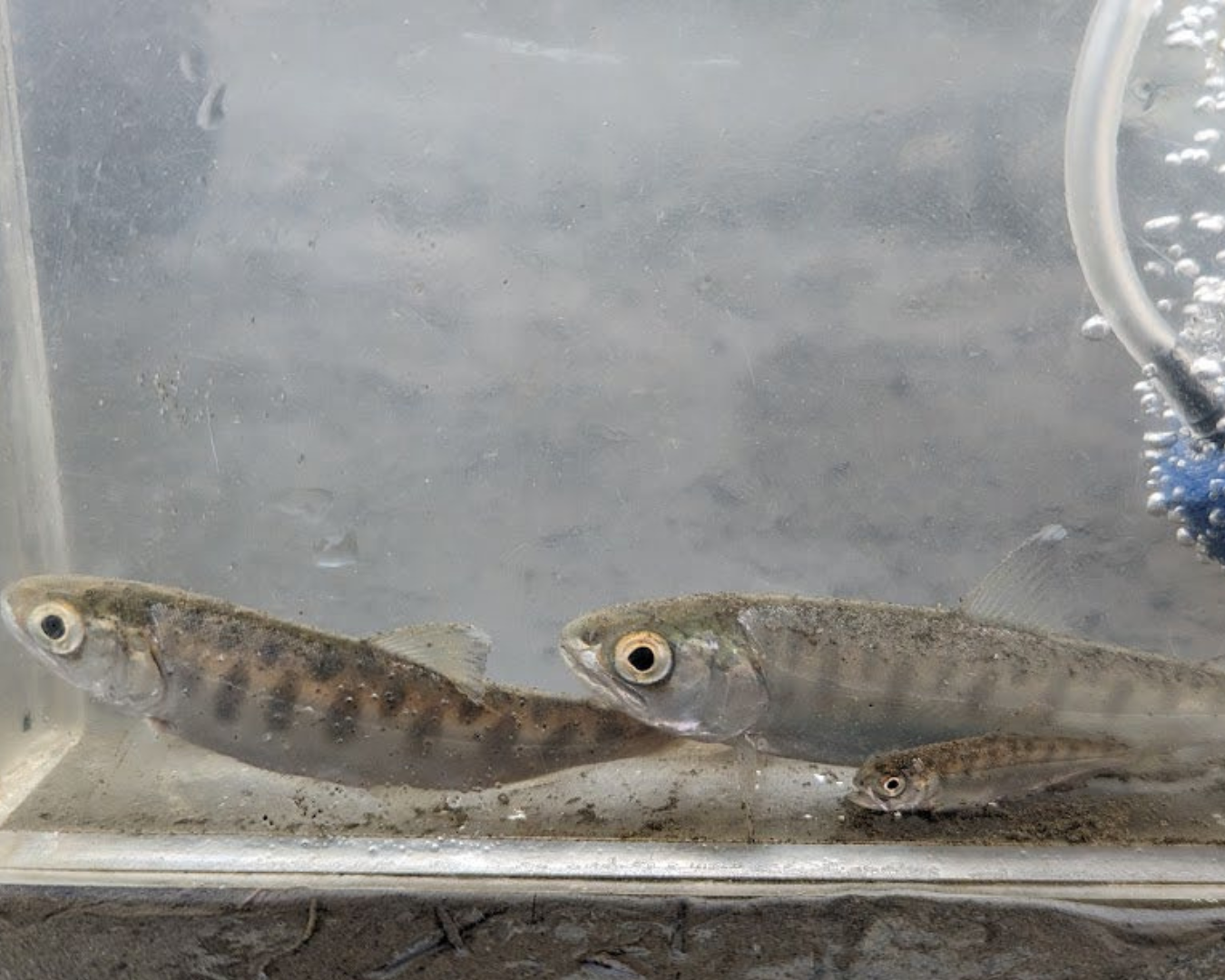
Post-restoration monitoring conducted by Dr. Darren Ward at California State Polytechnic University Humboldt reveals the site is functioning exactly as scientists hoped. CalTrout hired Ward's crew for post-project monitoring, building on a long-term partnership through which Ward brought students to sample the site regularly since before construction, allowing researchers to document the ecosystem change before and after restoration.
The monitoring shows Chinook and coho salmon have occupied the restored area every year since construction, with young salmon following their natural life cycle and pausing their journey to the ocean to eat and grow rapidly in the protected waters. Fish occupying the site have growth rates as fast or faster than similar restoration projects and significantly faster than fish remaining in their birth streams. Notably, coho fry younger than one year are about 20% longer than the ones outside the pond. The site supports juvenile salmonids with winter habitat and a critical stopover in their migration corridor, with increased numbers of smolts using the area during their spring ocean migration.
Throughout 25 sampling events from January 2023 to May 2025, researchers documented more than 15,500 individual fish representing 17 different species at the restoration site. The vast diversity of species included threatened Chinook and coho salmon, threatened steelhead trout, state species of special concern coastal cutthroat trout, and endangered tidewater goby.
"It has been an amazing opportunity to follow along with the CalTrou project from the initial planning stages to follow-up monitoring after implementation," said Dr. Darren Ward, Department of Fisheries Biology Professor at Cal Poly Humboldt. "CalTrout's funding for monitoring allowed me to hire a crew of students for field work, providing critical work experience as they start their careers."
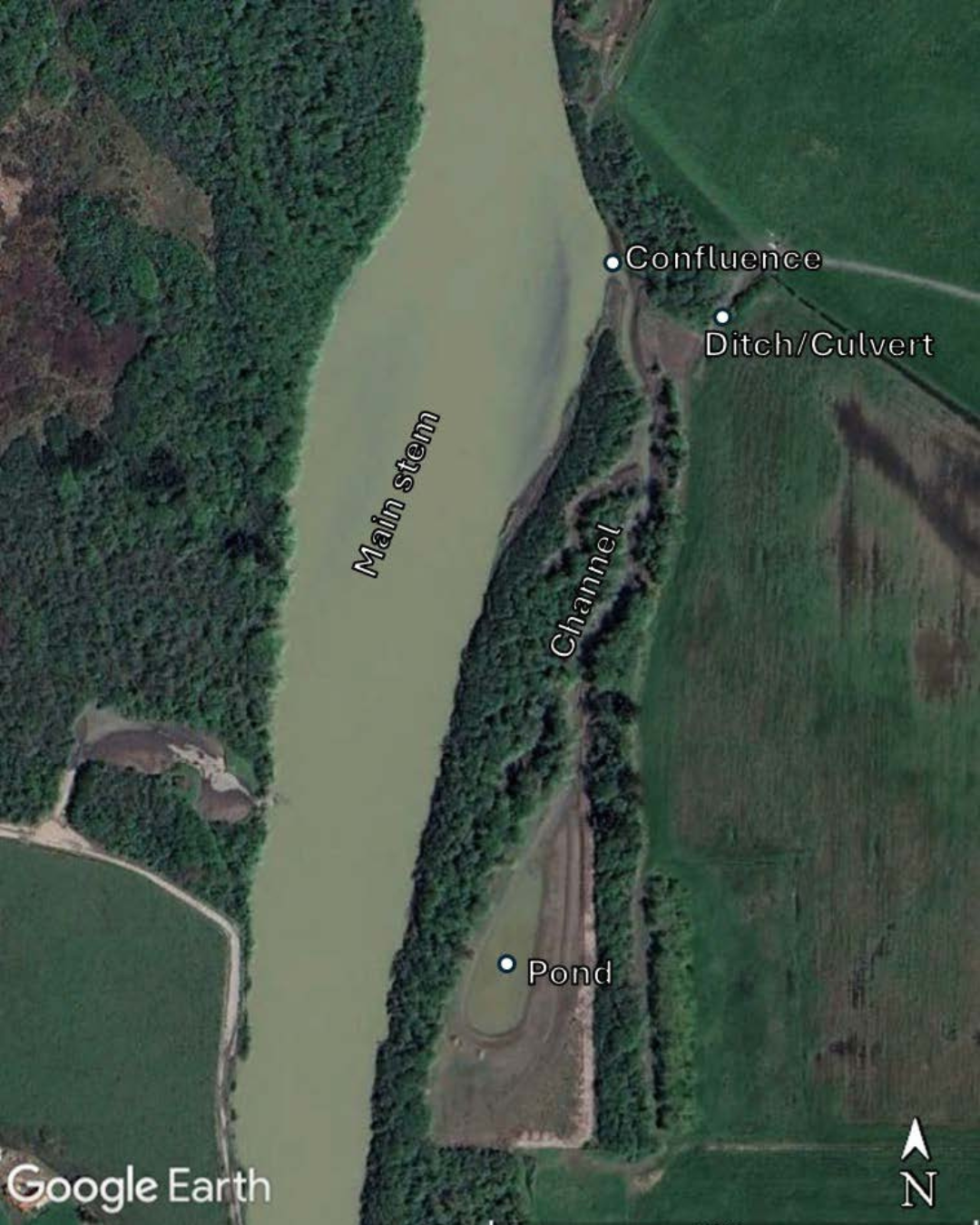
The success demonstrates that reconnecting rivers to their floodplains can rapidly restore ecosystem function, creating habitat that supports salmon, marine species like bay pipefish and starry flounder, and also serves as an introduction for the next generation of restorationists. For more information about the Baduwa't estuary restoration project and more of CalTrout’s restoration work on the North Coast, click HERE.