
CalTrout News
By Analise Rivero, Director of Policy
Last November, Californians passed Proposition (Prop) 4 – a $10 billion bond dedicated to climate and restoration work. With Prop 4, we have the chance to accelerate restoration and conservation efforts that will strengthen our ecosystems, protect our communities, and grow our economy. The legislature now has the opportunity to allocate Prop 4 funding for Fiscal Year 25–26 before the end of the 2025 legislative session, ensuring these benefits reach Californians quickly and equitably.
Why Prop 4 Matters
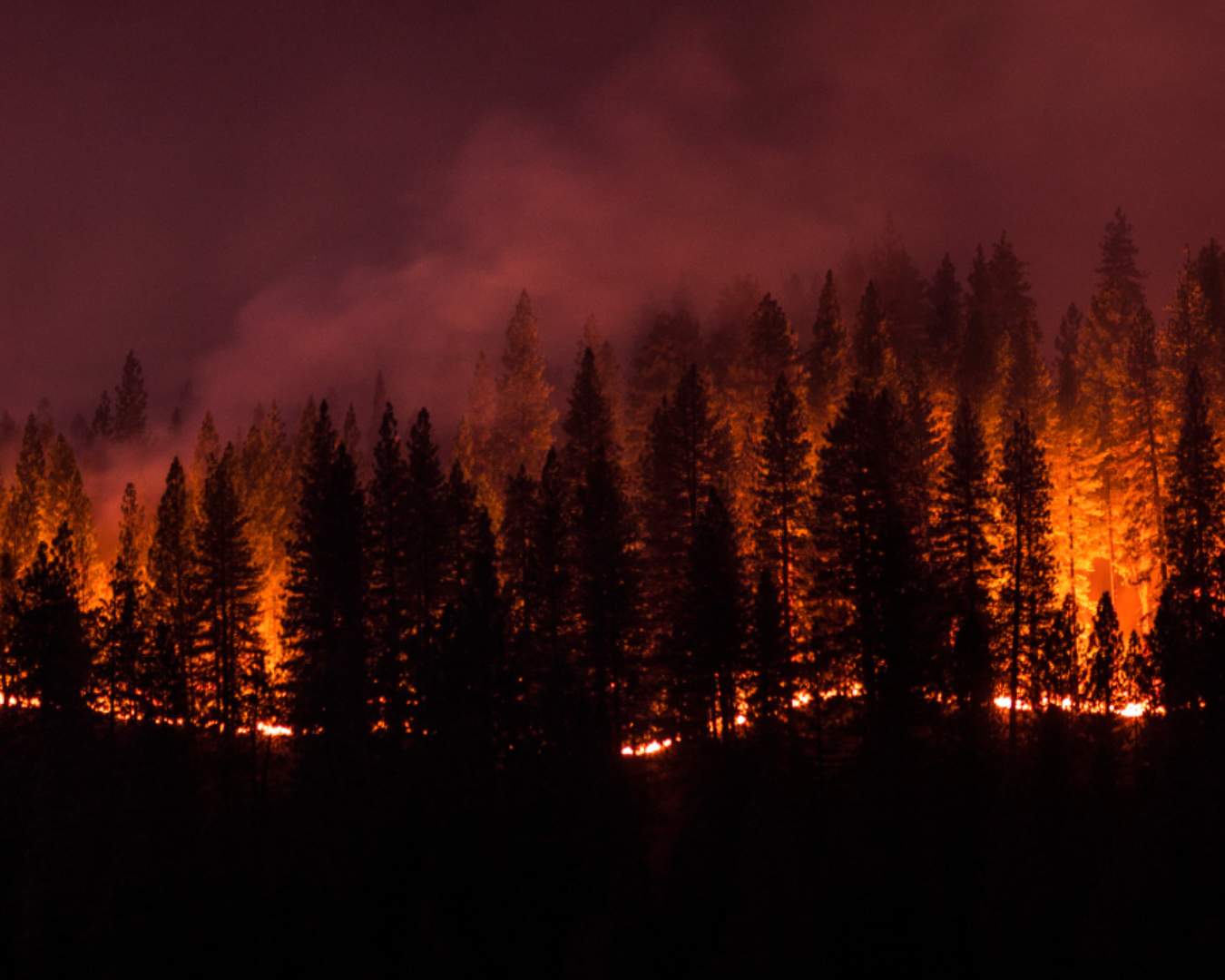
California faces pressing challenges: water scarcity, intensifying wildfires, declining fish populations, and stressed ecosystems. Prop 4 provides a direct path to address these issues by investing in water security, wildfire prevention, and habitat restoration. These investments safeguard our environment and create thousands of local jobs, both directly bolstering community well-being. Unlike prevalent misconceptions, we do not have to choose between investing in our environment or investing in our economy. The most sustainable environmental solutions drive direct economic improvement, it’s as simple as that.

Turning Ambition Into Action
California has numerous ambitious conservation and climate goals including 30 x 30 (conserving 30% of lands and waters by 2030) and the passage of AB 1757 (targets for natural carbon sequestration, and for nature-based climate solutions, that reduce greenhouse gas emissions for 2030, 2038, and 2045 to support state goals to achieve carbon neutrality and foster climate adaptation and resilience). Prop 4 is key to achieving this vision. Projects that will sequester carbon, restore floodplains, reconnect rivers to their watersheds, and revitalize fisheries are ready to launch. Local partners and Tribes have already developed plans and gathered support. With immediate funding, these projects are positioned to break ground this year.
These projects include work led by NGOs, Tribes, and local agencies — many of whom serve communities that are most impacted by climate change. By moving quickly, California can translate vision into action, protecting watersheds, creating jobs, and restoring ecosystems now.

Investing in People and Places
Every dollar invested in natural infrastructure creates ripple effects across California: stimulating job growth, boosting outdoor recreation, reducing long-term disaster costs, and improving public health. A U.S. Chamber of Commerce study showed that proactive resilience investments strengthen both economies and communities. Prop 4 is California’s chance to put that model into practice.
A Future Worth Investing In
Proposition 4 is a pathway to cleaner rivers, healthier fisheries, resilient landscapes, and stronger communities. By aligning investments with climate goals and ensuring equity in distribution, California can lead the way in climate resilience and ecological restoration. California made their voices heard loud and clear in November. Prop 4 passed with overwhelming support, but now we must encourage the legislature to get that money out the door. With Prop 4, California can show the nation how smart, strategic investments build a sustainable and prosperous future.
Call to Action for CA Legislature
- Support Prop 4 allocations with a clear, transparent expenditure plan for FY 25–26.
- Prioritize shovel-ready projects that deliver ecological, economic, and community benefits.
- Ensure equitable access by uplifting frontline communities and advancing community-led planning.
- Act now so work can begin this year, turning ideas into action.
The future we want — a resilient, vibrant California — is within our reach. With Prop 4 investments, we can turn those aspirations into real achievements, creating a healthier environment and a stronger economy for all of us in California.