
CalTrout News
The Women of CalTrout
Join us for the return of our profile series featuring remarkable women shaping the conservation landscape! Our Communications Manager, Claire Bergerson, sits down for conversations with women of the CalTrout ecosystem, including staff members, partners, board members, and more. CalTrout's ability to create impact across California is enhanced due to this wide network of women, spanning different fields and expertise - all of whom are committed to protecting the California they love. Follow along as these women share their journeys and perspectives, inspiring a new generation of women to challenge the status quo.

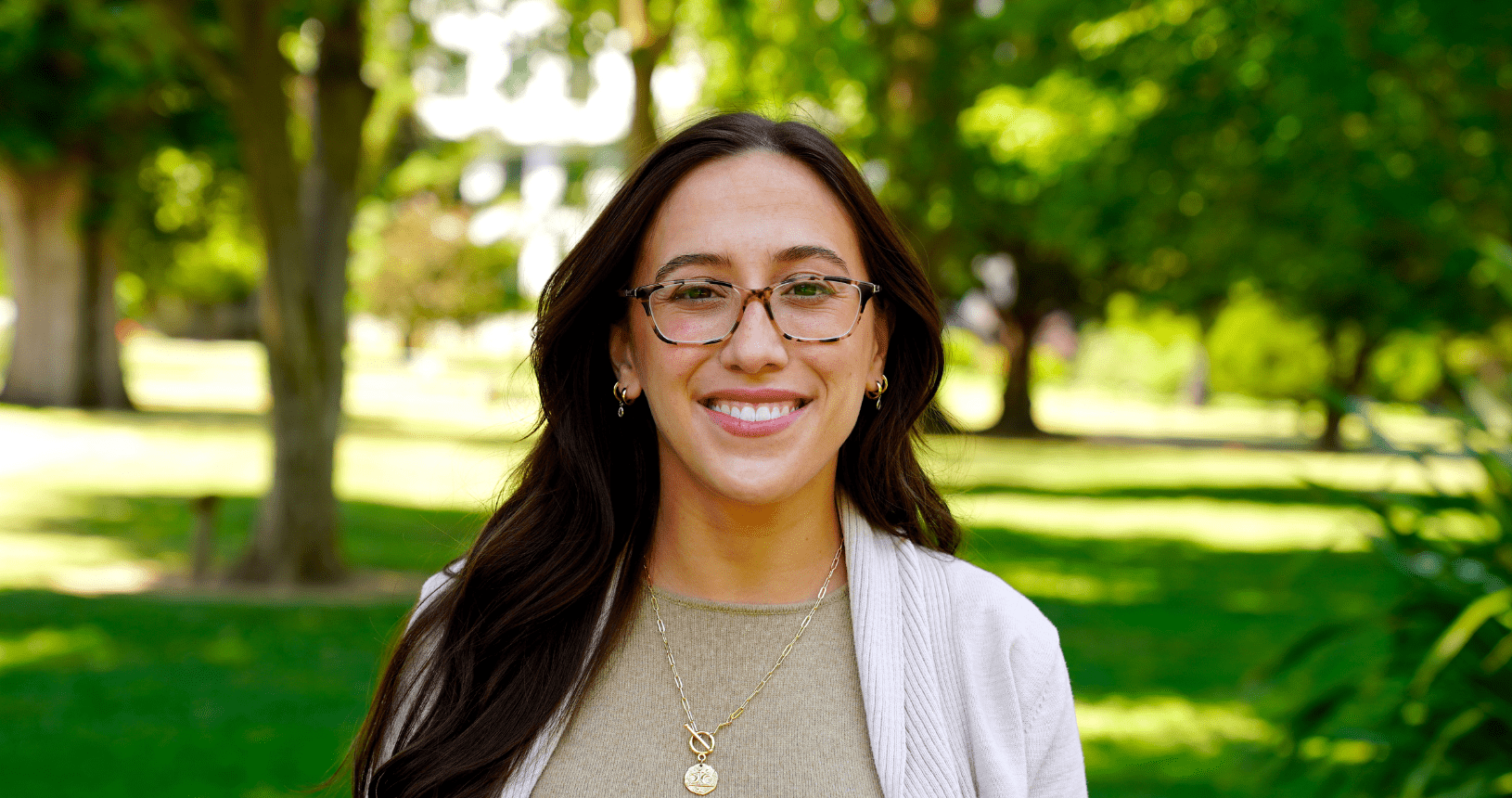
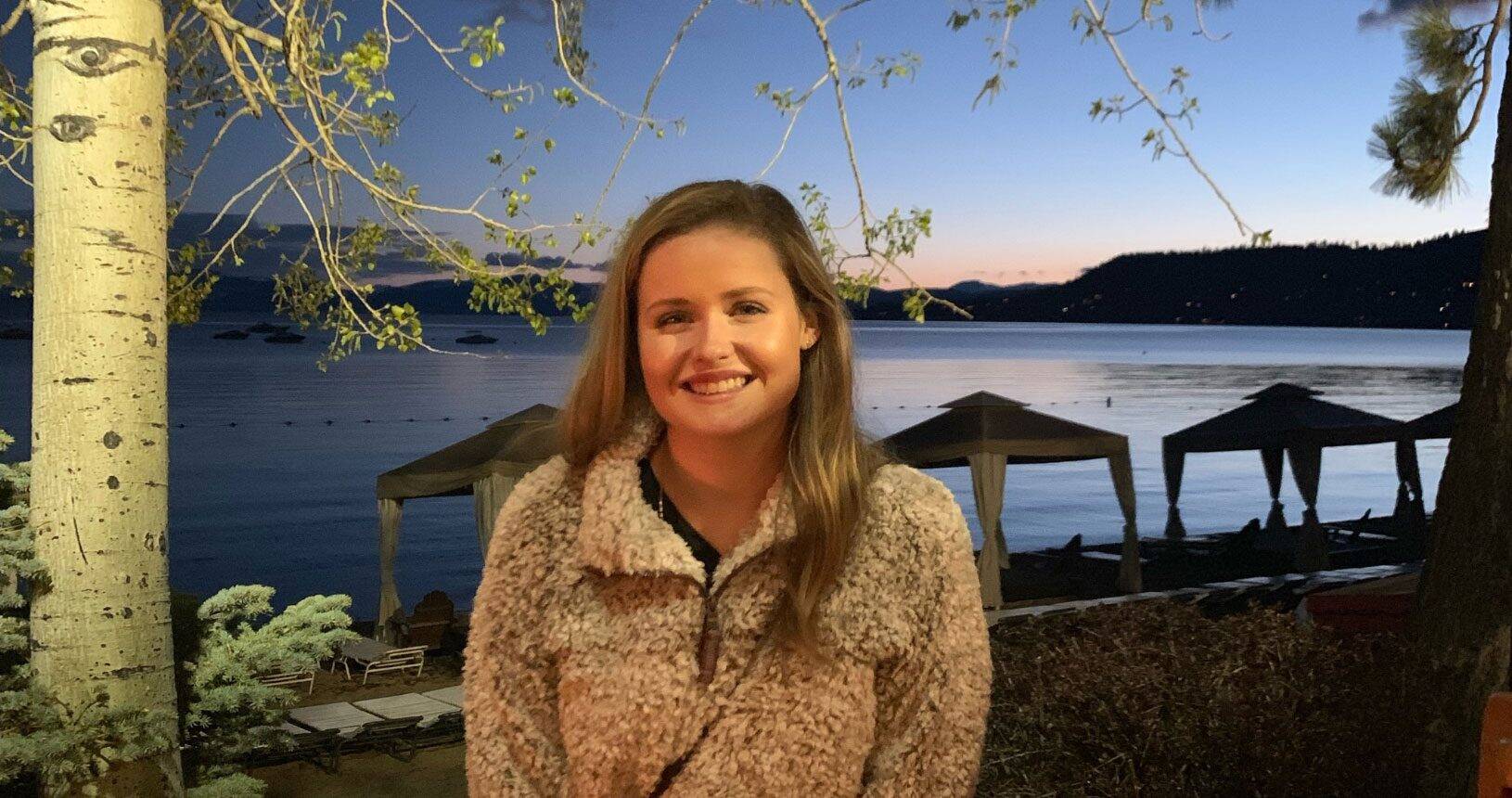
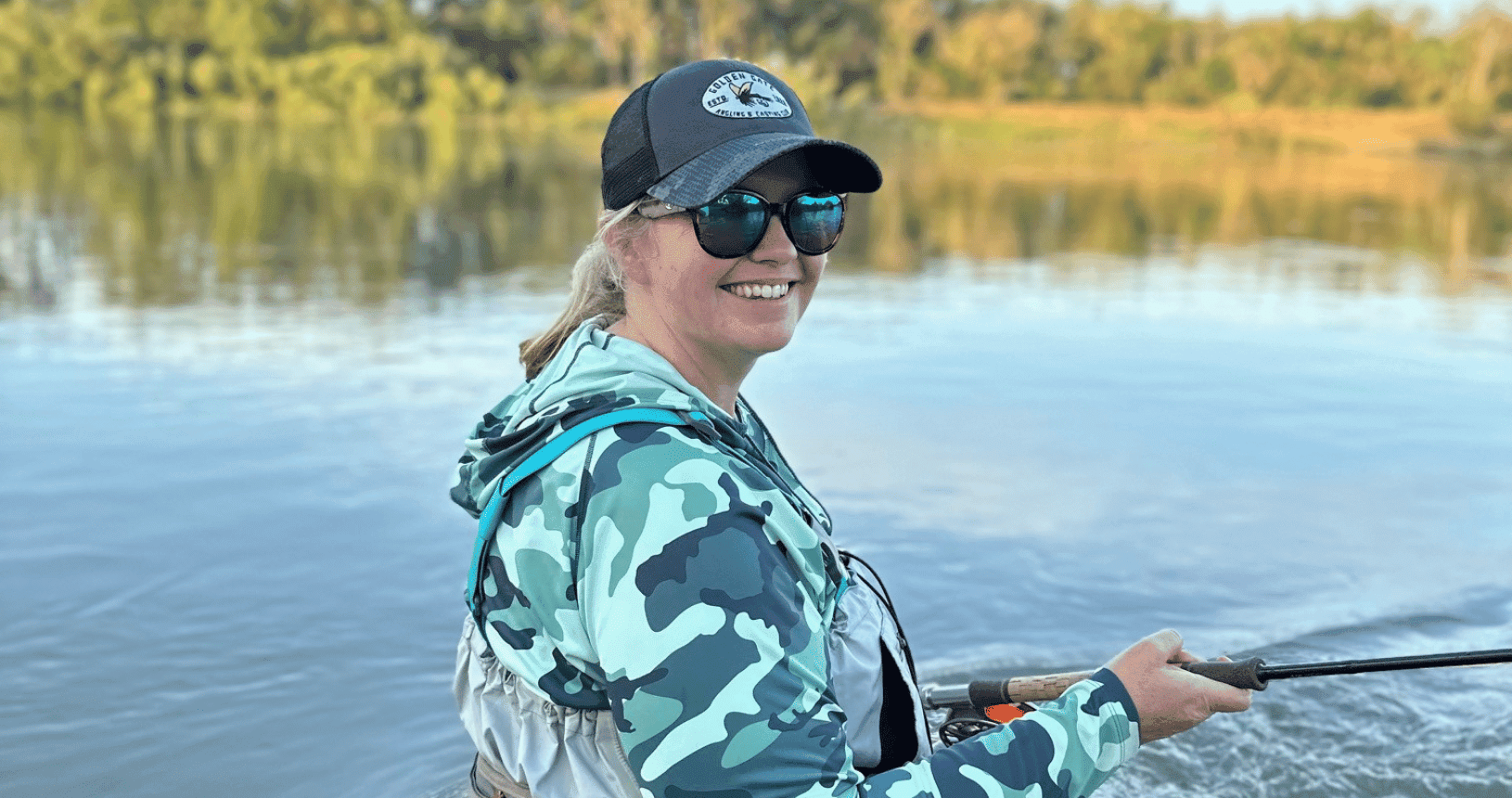
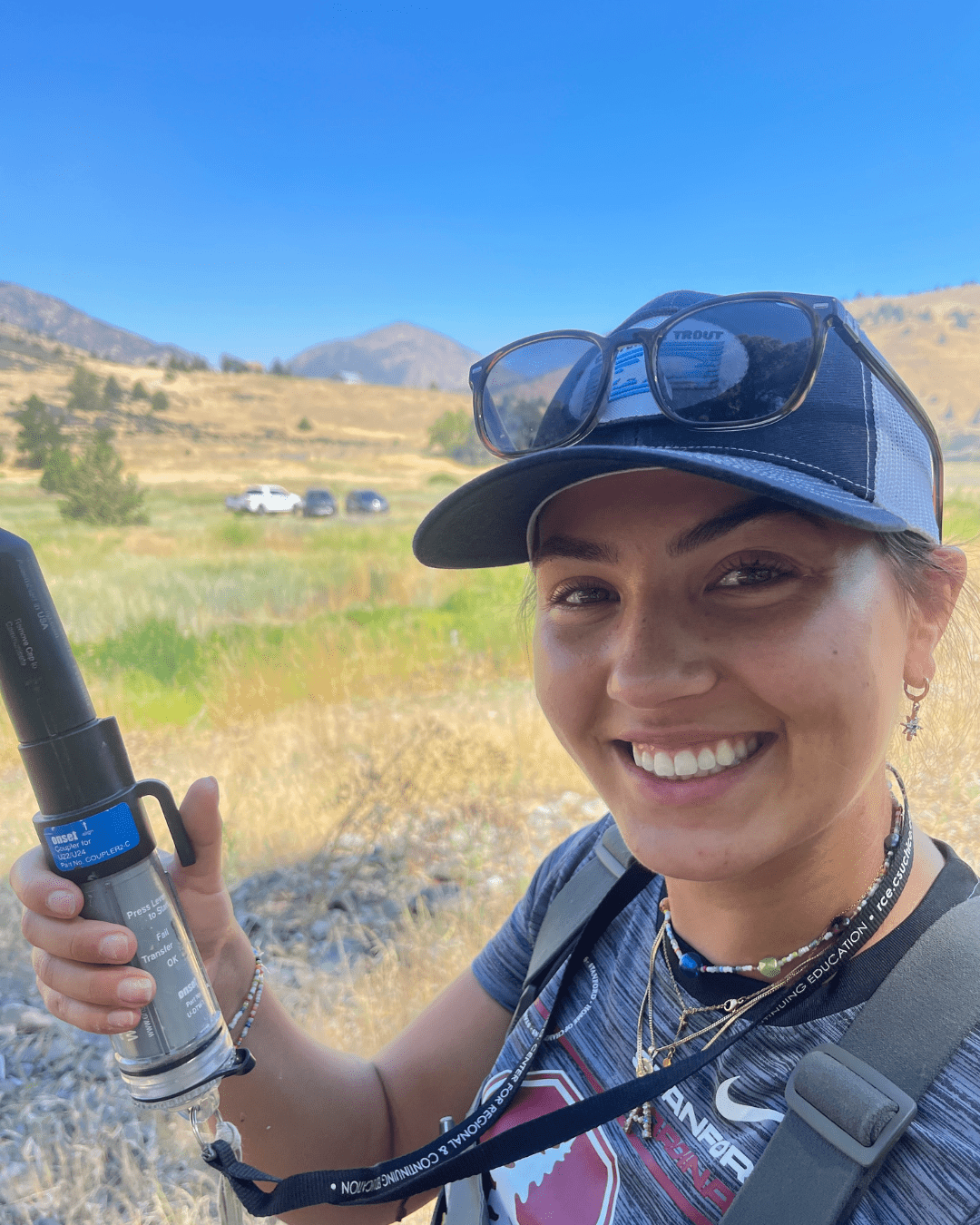
Anastazja Krostenko, CalTrout Mt. Shasta/Klamath Intern at Stanford University, and Claire Bergerson, Communications Manager
What inspired you to pursue an internship in conservation?
After four years studying environmental science at Stanford in classrooms and labs, I wanted to get my hands dirty with tangible, place-based restoration experience. Theory is important, but I was ready to jump from the classroom to the field.
In your role as CalTrout's Mt. Shasta intern from the Bill Lane Center at Stanford University, you are bridging the gap between science and communications. What have been a few of the most rewarding and challenging moments so far?
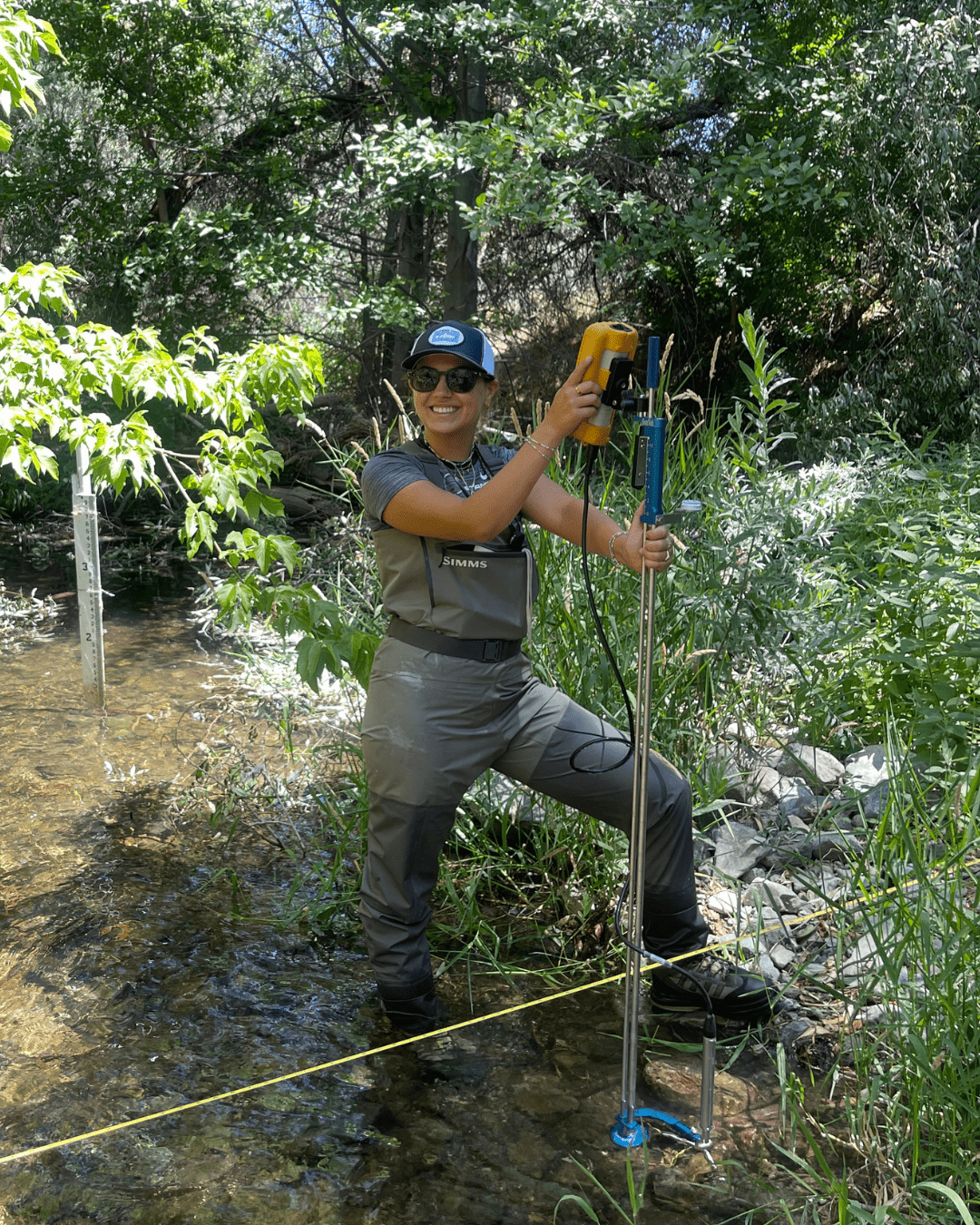
Spending a week on the South Fork Scott River relocating fish for restoration was amazing. I used seine nets in frigid water with a small team who I got really close with during the project. All of the manual labor was a bonding experience – literally holding and counting fish. I also created a video from the field talking about the project to support with CalTrout’s communication around the project. At the annual CalTrout staff retreat, team members told me they had seen the video and felt like it captured the magnitude and significance of our work. This feedback made the experience doubly rewarding.
One challenge was trying to translate the isotopic analysis findings from the Upper Sacramento Basin Source Waters Study to the general public. It is a deeply complex and nuanced project, and my role was to interface with scientists and translate all this complexity in a way that would be digestible for all audiences. It was a fun challenge, but a challenge nonetheless.
Why is CalTrout’s work important to you? Did your relationship with the work evolve at all throughout the course of your internship?
CalTrout’s tagline – fish, water, people – hits on exactly why the work matters to me. I’m not necessarily a “fishy” person, but I’ve always loved nature. I always knew I wanted to explore this love of nature, and belief that we all have a responsibility to steward and protect it. CalTrout is special because it accommodates technical biologists, environmental justice advocates, nature lovers, and everything in between.
Living in Mt. Shasta during my internship transformed my relationship to the work, especially because I had never been there before. Being on the project sites, feeling the water we were protecting on my feet – you just care more about things when you experience them. We're all embodied creatures.
How does environmental activism fit in with other aspects of your life, such as family or other commitments?
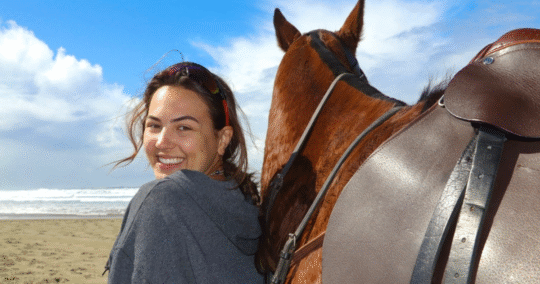
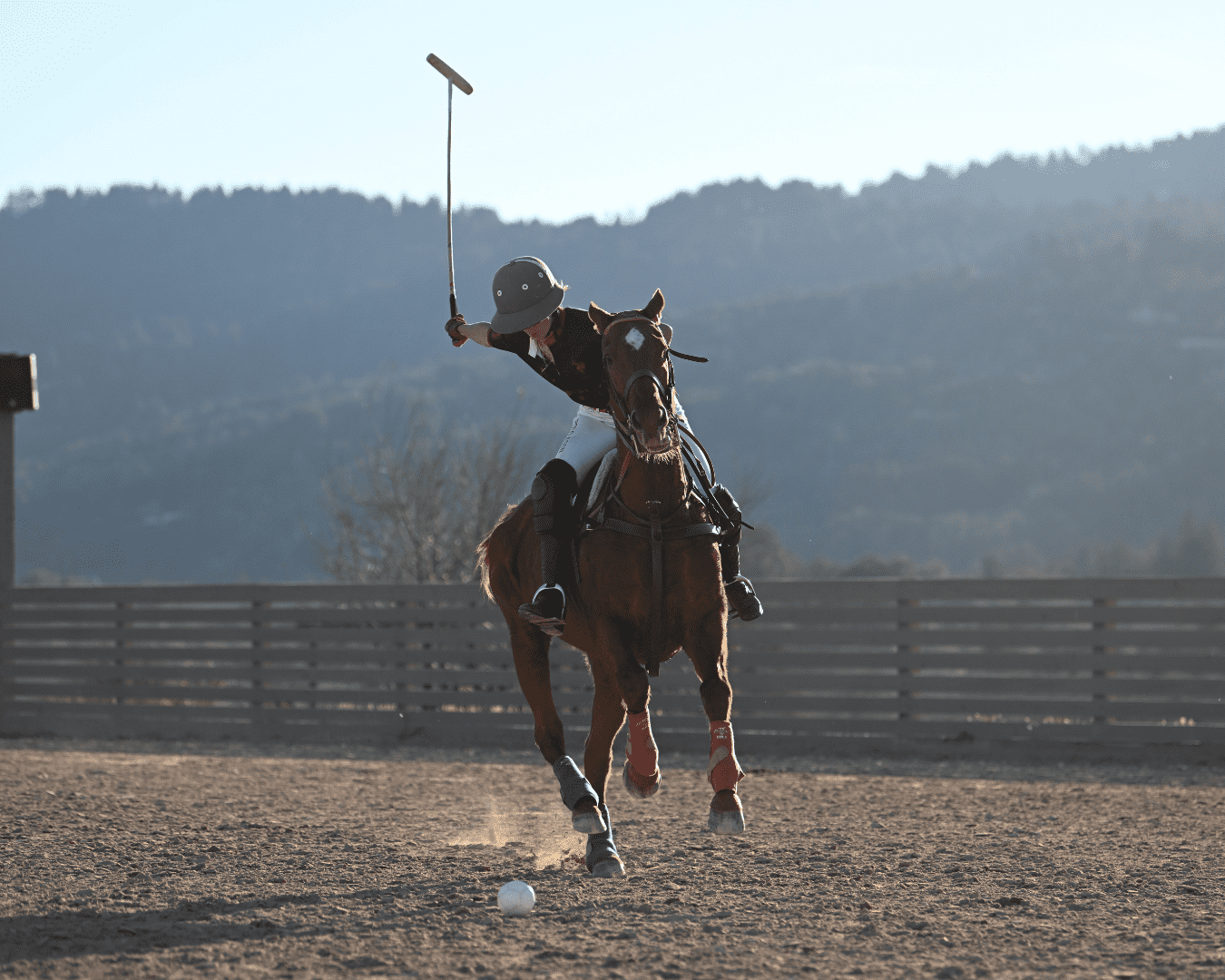
I have always been a big animal girl and grew up riding horses. At Stanford, we have a Polo Club anyone can join, and a huge part of this club is taking care of the horses – we have about 12-20 horses at any given time. They depend on us for everything. They need medicine, food, their hooves shaved – all of the things. While this can be a huge responsibility, I always return to the fact that this work is in service of another living being. I truly believe there is nothing more important than caring for another living creature, and that translates to my overall perspective of the environment and the innate value of stewardship.
What does it mean to you to be a woman in a traditionally male-dominated field?
All of us have biases that limit the types of questions we ask. Relegating science to one demographic means the types of questions asked are limited. It is not to say the questions are wrong, it just means they’re limited. Science needs people from all backgrounds, cultures, genders – science thrives on diversity. The more perspectives we have, the more questions that are asked, and the more we have chances of making progress in the field.
CalTrout is a predominately female organization. In what ways does this impact the overall culture and/or your experience as an intern?
CalTrout is full of women of all ages, which has taught me so much about being a woman in environmental science. Ada Fowler, CalTrout’s Mt. Shasta/Klamath Senior Project Manager, started her career when there was a thicker glass ceiling for women. It’s interesting to hear her perspective on how progress for women has been made, and which hurdles continue to persist. CalTrout’s Communication Team is composed of two women, Kara and Claire, that are closer to my age. Kara actually went through the same grad program I did several years ago. They have reminded me that I don’t have to have it all figured out. This CalTrout female community has been incredibly affirming and impactful during a such a transitional time in my life.
To celebrate the "history" part of Women's History Month—is there a woman from history that you find especially inspiring? Or perhaps a mentor from your own life?
Eleanor Ostrom’s work has inspired me and taught me a lot. She was one of the first people who refuted the idea that limited resources mean inevitable exploitation. She proved that collective organization and collaboration work. Similarly, Robin Wall Kimmerer, author of Braiding Sweetgrass, illustrates an alternative to the Western notion that all of Earth’s systems are in competition. Various studies and traditional ecological knowledge have shown that different parts of nature often work together, and new frameworks for understanding Earth’s systems are needed.
Lastly, shout out to my mom. She taught me that it is just as important to know what you don’t like to do as what you like to do.
What message would you share with younger women who hope to pursue a degree or career in conservation or environmental science?
You don't have to have it all figured out. I came to Stanford with no refined interests, besides a general desire to study environmental science, and everything else blossomed from there. There’s pressure for a clear path, but it’s enough to just be curious and explore your interests.
What are your plans after this internship? How has this experience shaped your career aspirations?
I’m currently working on a limited basis with CalTrout finishing up some work from my internship this summer. I’ll be graduating in June and applying for a host of full-time and fellowship positions. I feel like my education has given me such a breadth of knowledge and peaked so many interests and I’m excited to see what happens next.
Check out Anastazja's blog post about CalTrout's completed restoration project on the Scott River, which she worked on as an intern in the summer of 2025.