
CalTrout News
The Women of CalTrout
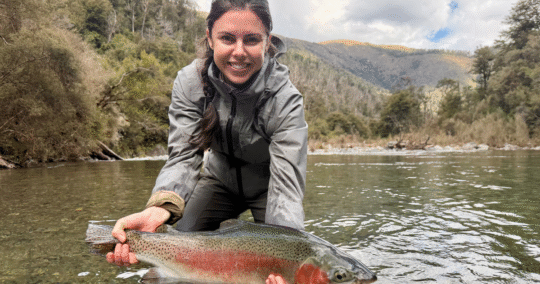
Join us for the return of our profile series featuring remarkable women shaping the conservation landscape! Our Communications Manager, Claire Bergerson, sits down for conversations with women of the CalTrout ecosystem, including staff members, partners, board members, and more. CalTrout's ability to create impact across California is enhanced due to this wide network of women, spanning different fields and expertise - all of whom are committed to protecting the California they love. Follow along as these women share their journeys and perspectives, inspiring a new generation of women to challenge the status quo.

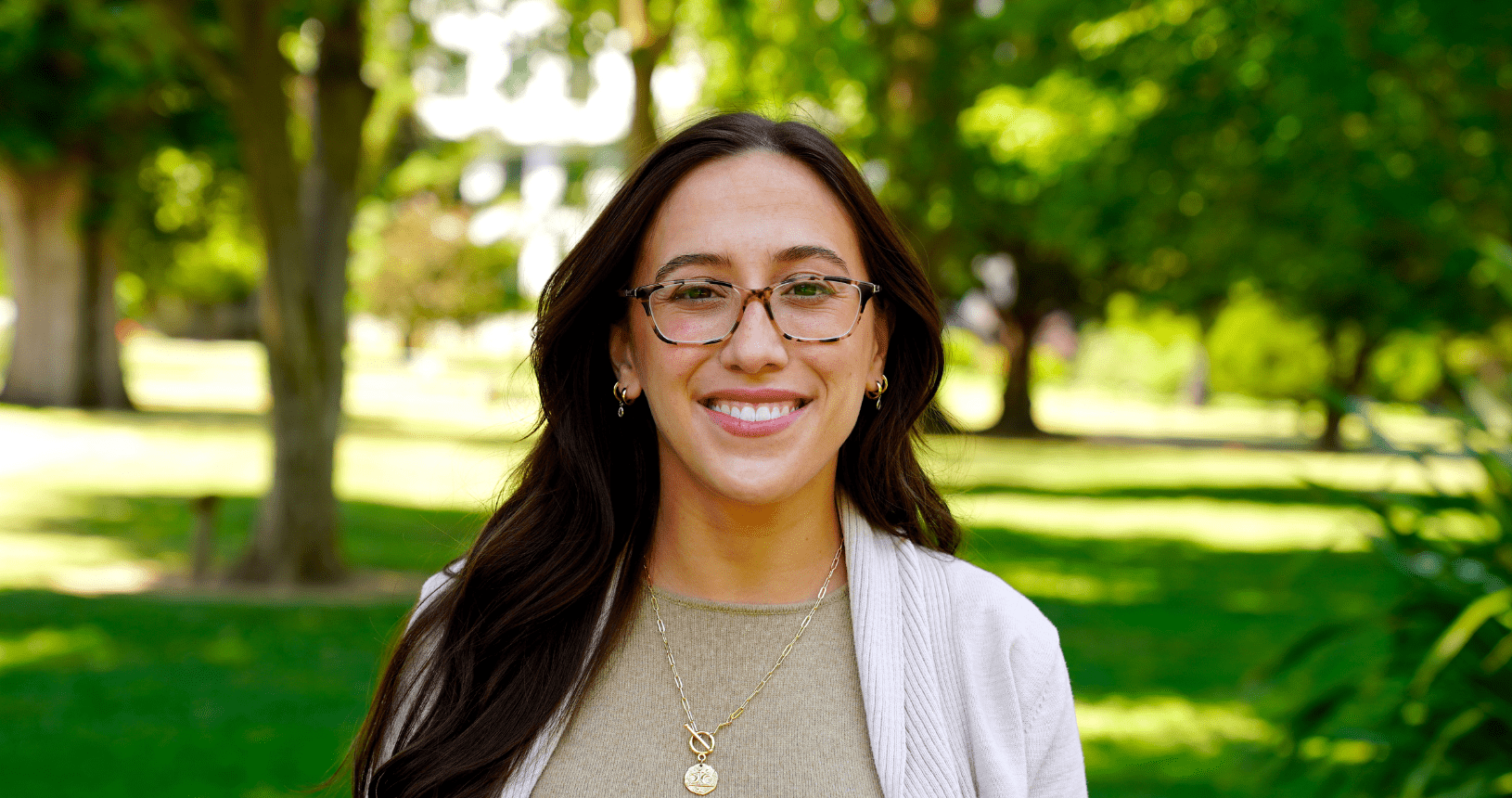
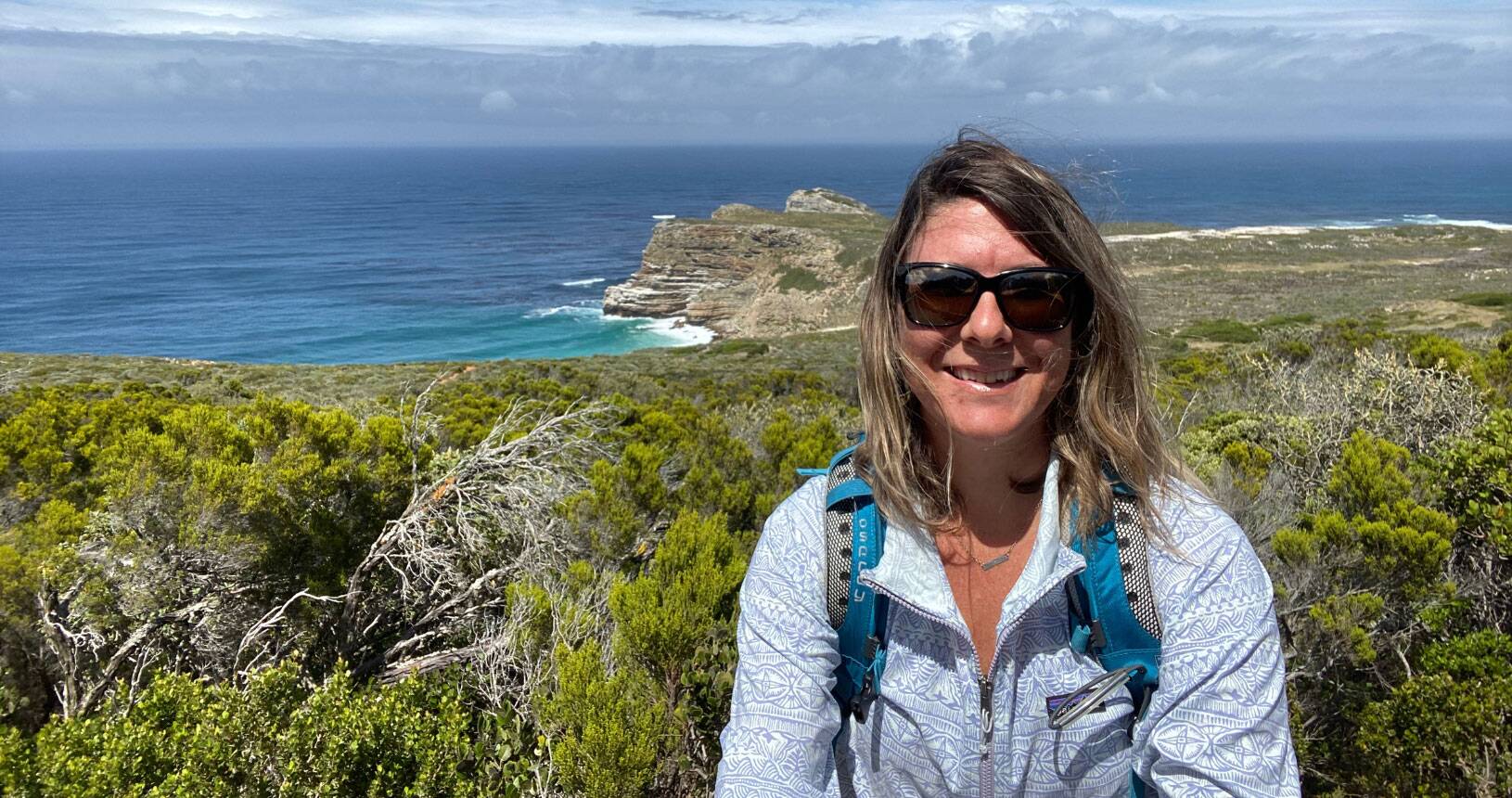
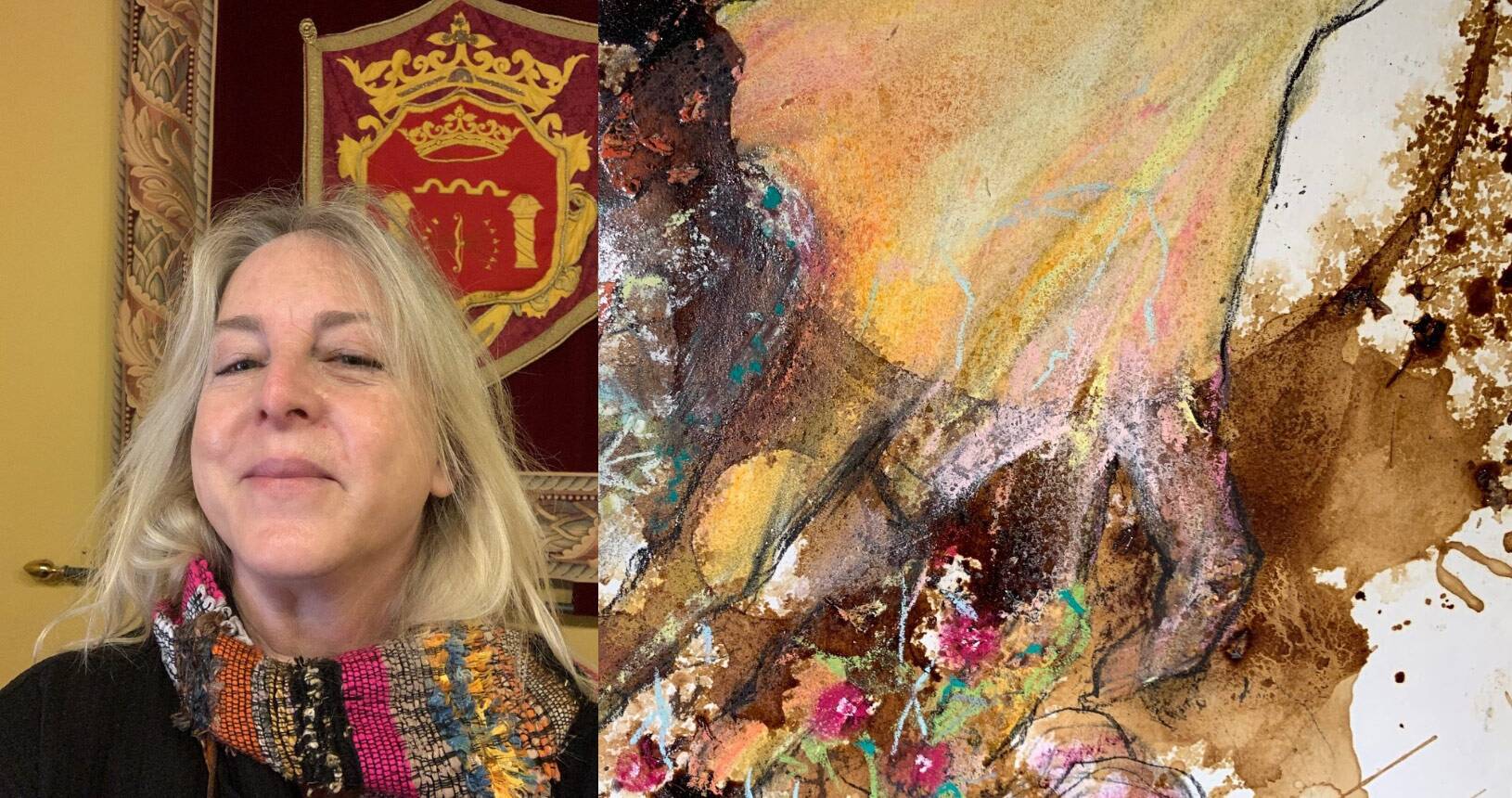
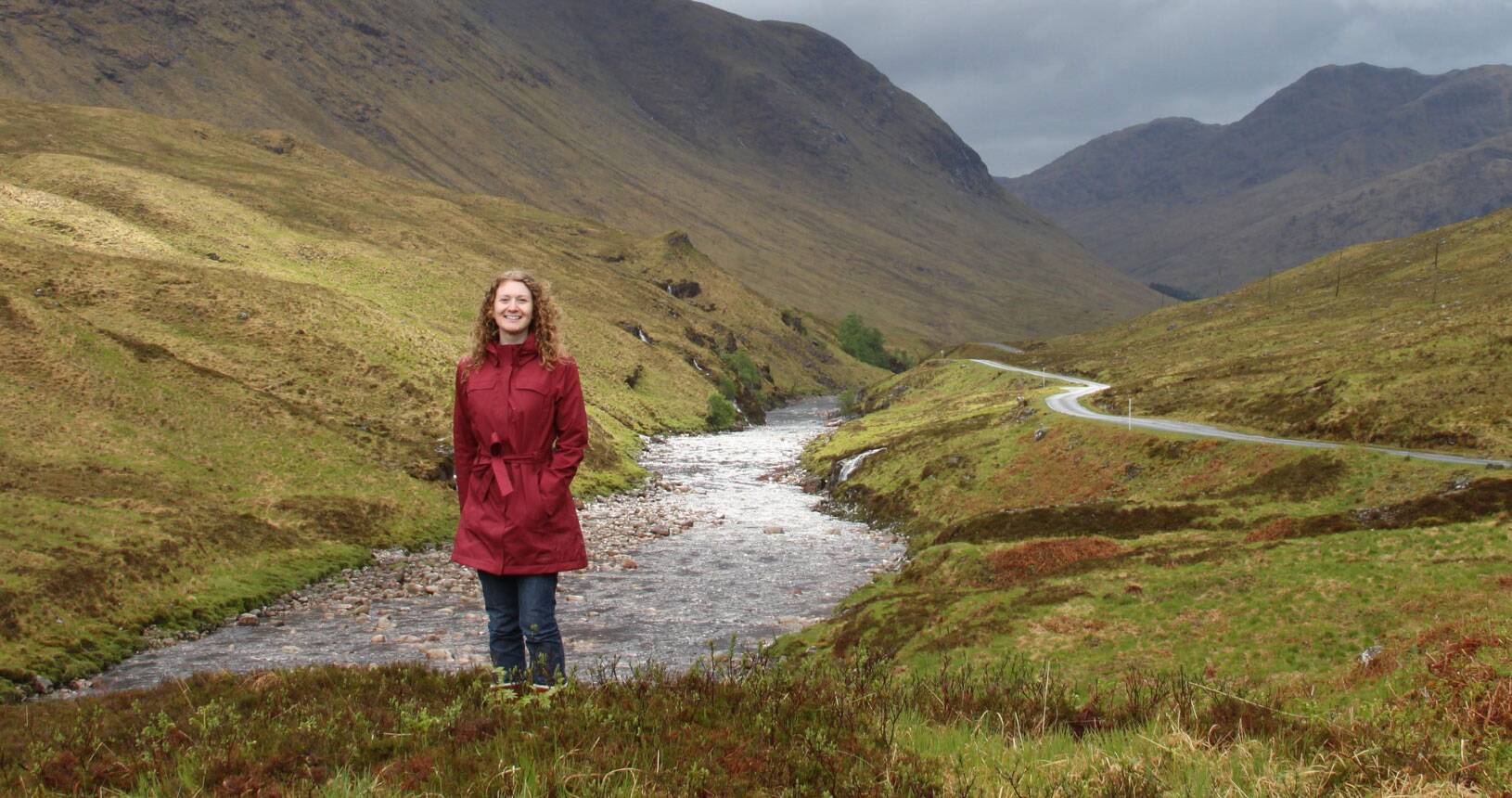
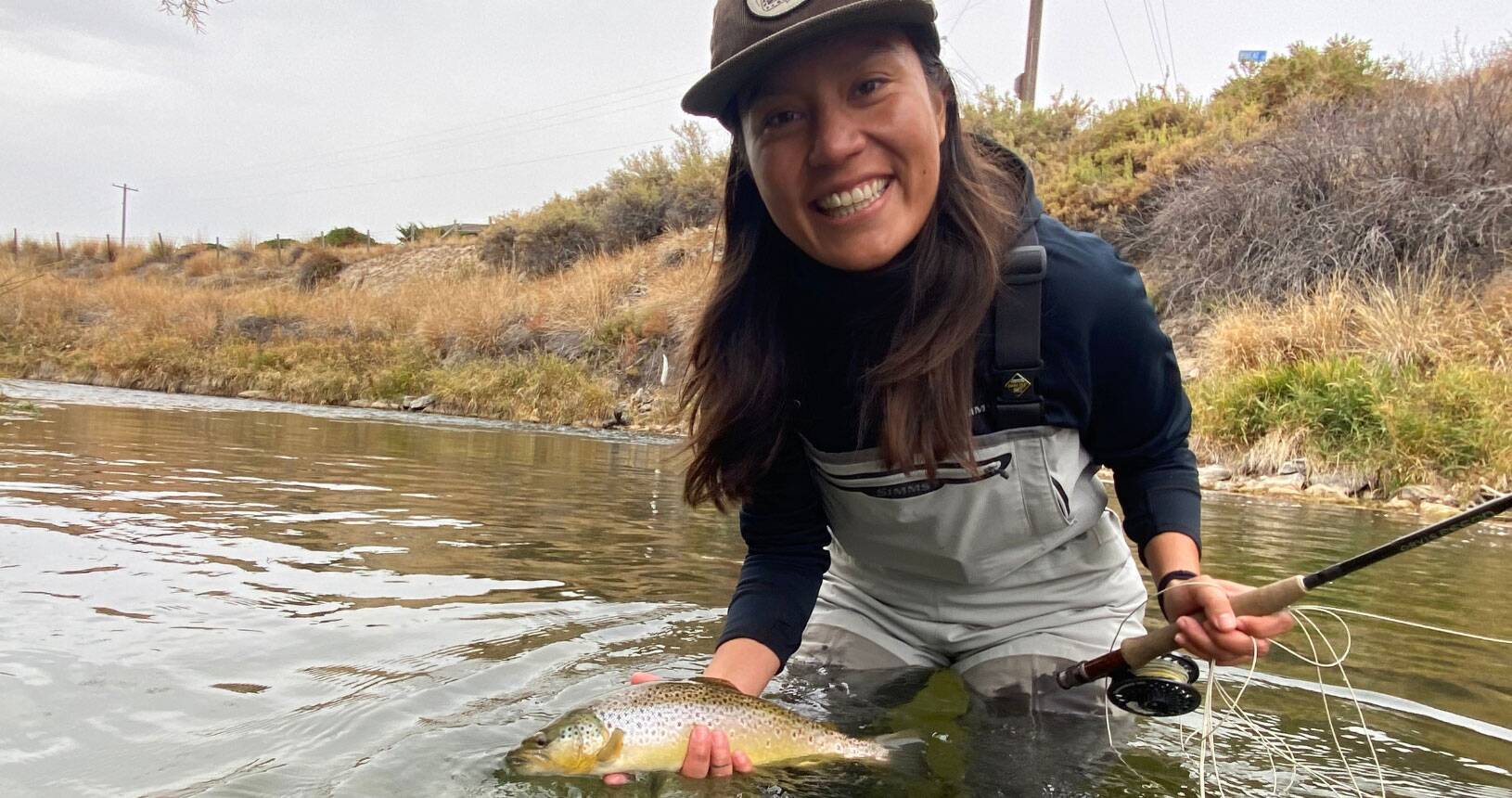
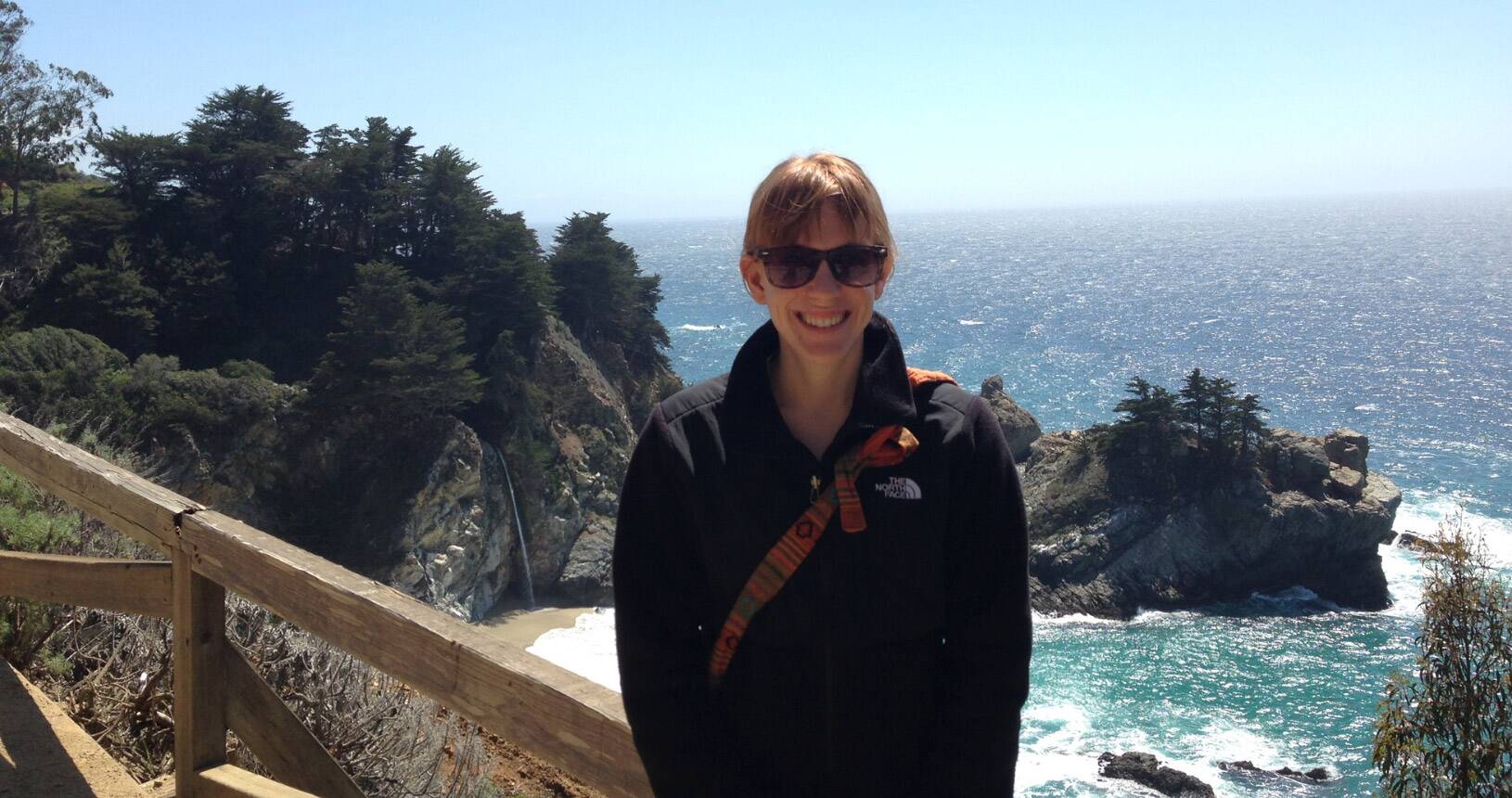
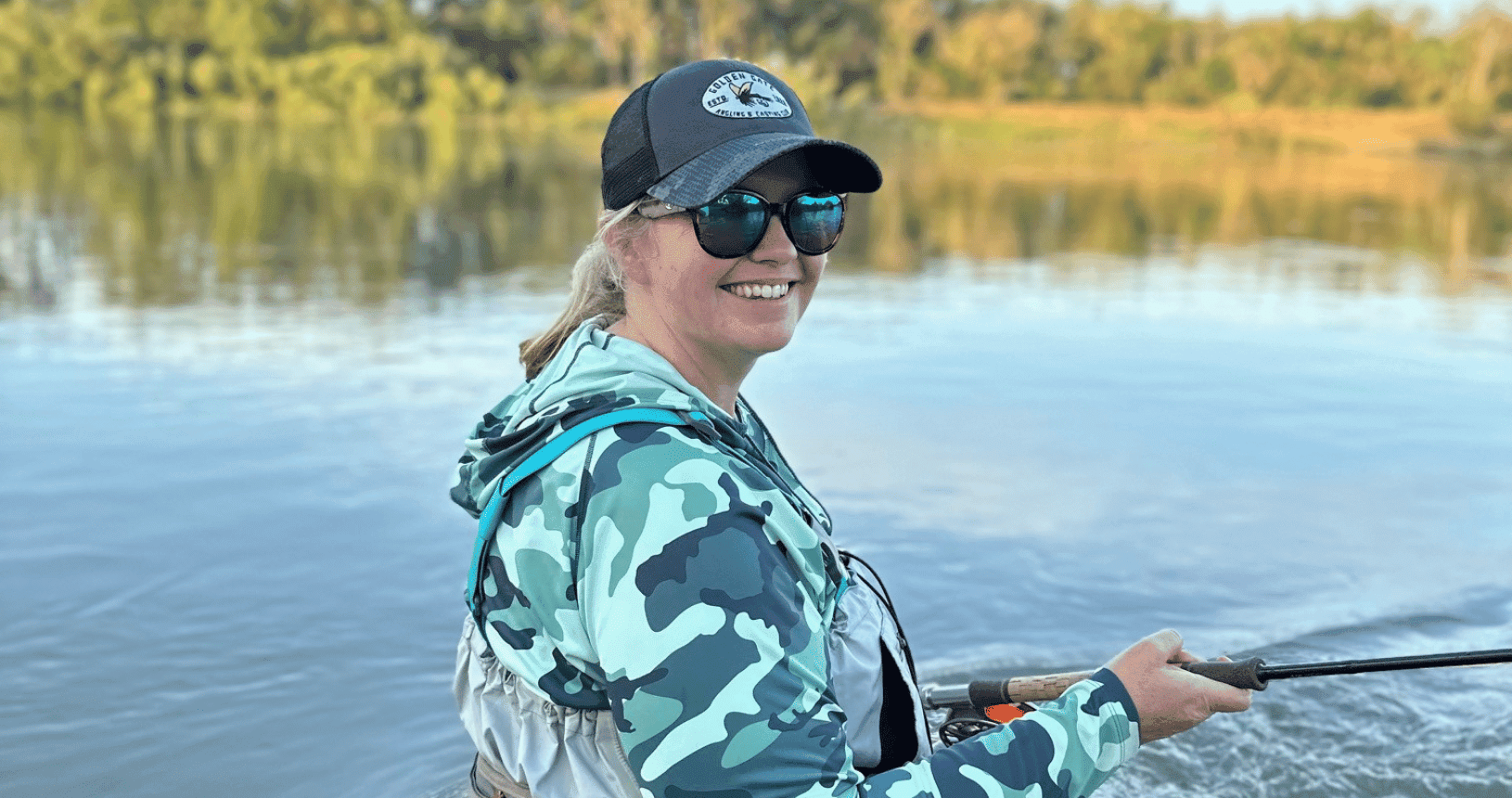
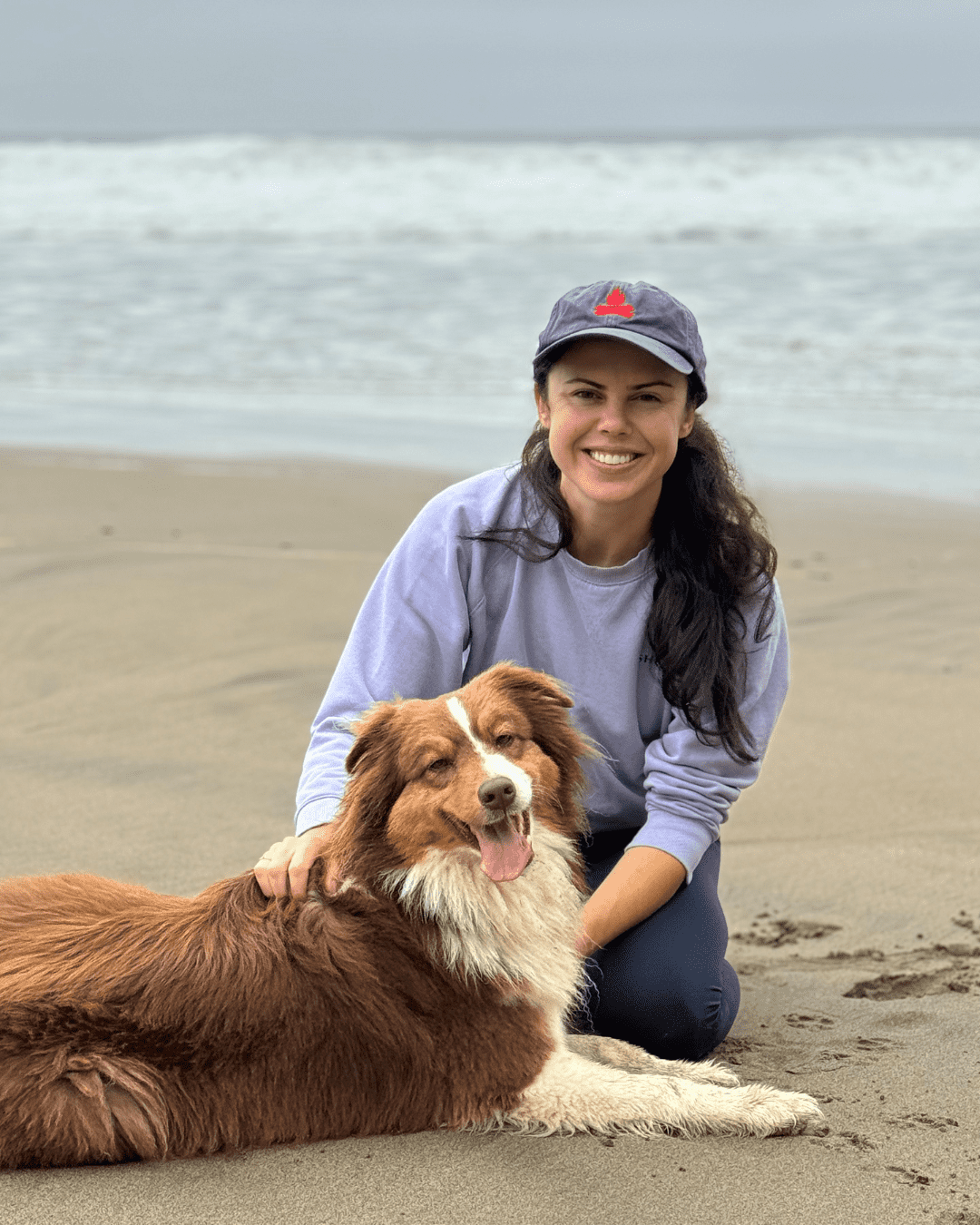
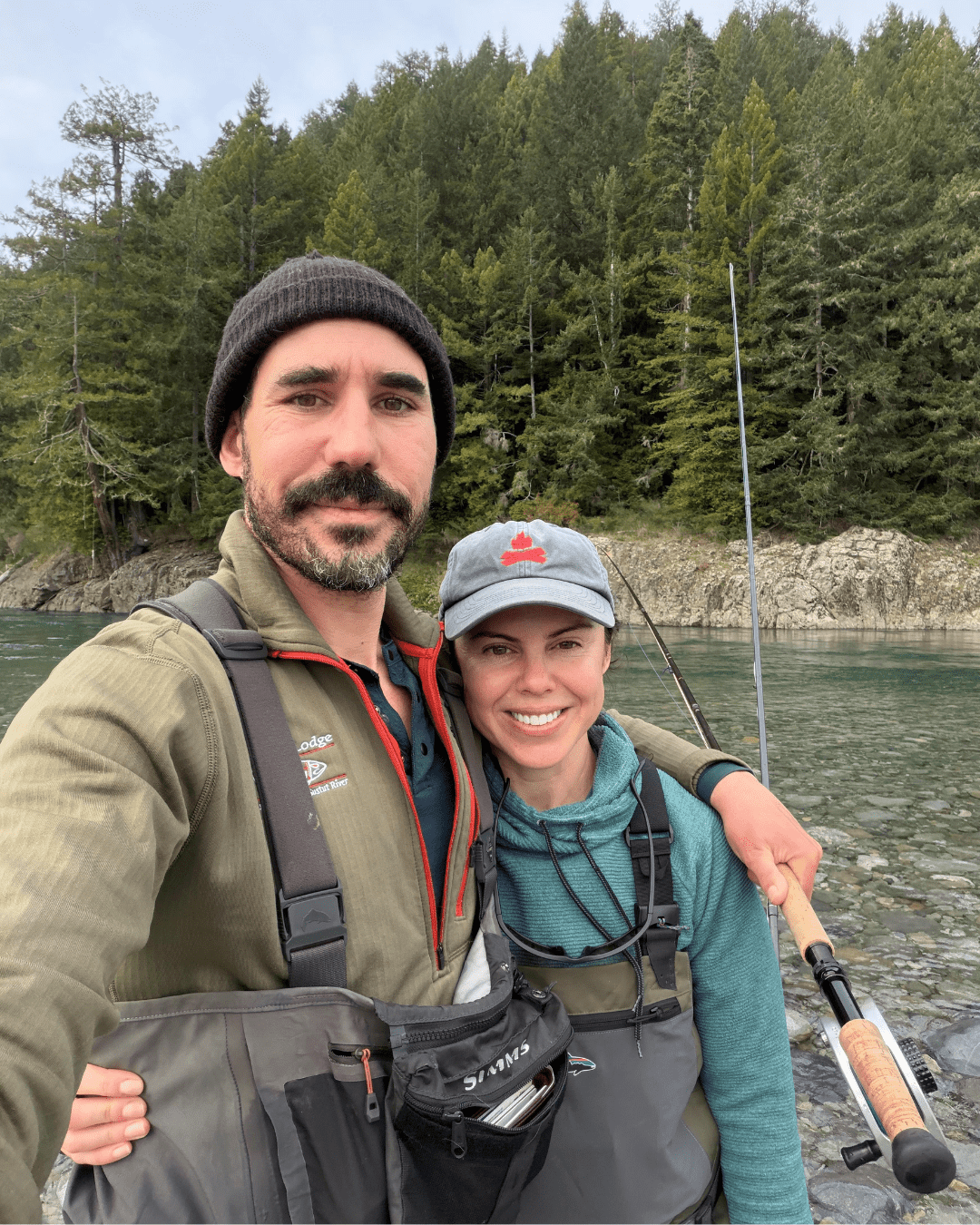
Julie Revel, CalTrout Donor, and Claire Bergerson, Communications Manager
Please share a bit about your background and what drew you to support conservation work in California.
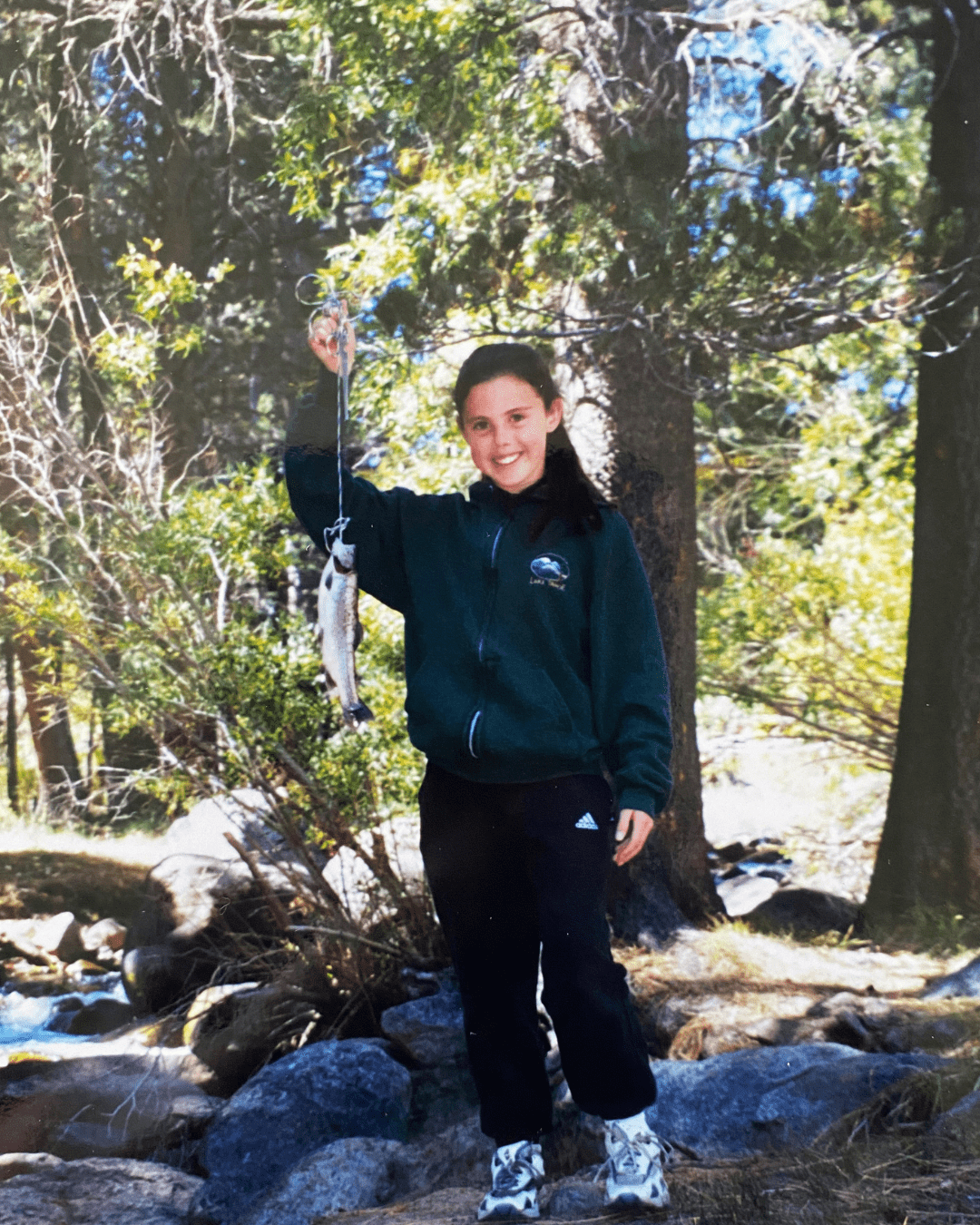
I grew up on the central coast of California, just south of San Luis Obispo. My family owned a pesticide-free vegetable farm – this was the early 90s before eating organic was popular. It was important to my parents that we understood where our food came from. We sold produce at farmers markets and tried to teach our customers that buying local and in-season matters. My parents really wanted my sister and I to see how California's natural resources interact with food production and water usage near urban areas. We also spent time camping, fishing, and backpacking in the Sierras.
I don’t work in conservation, but at a job early in my career I observed how difficult it is to use legal avenues to implement environmental protections. I’m continuously impressed by how much CalTrout gets done in DC and Sacramento.
What inspired you to become a donor to CalTrout? Was there a particular project, moment, or issue that resonated with you?
I was introduced to CalTrout when I met my husband, George Revel, who's on the board. He took me to several CalTrout events, and I was blown away by the scale of the organization’s impact. I remember feeling so inspired while listening to Curtis Knight speak about the Klamath River dams coming down after decades of work, and Claire Buchanan discuss barrier removal on Alameda Creek. The Nigiri Project on the Sacramento Valley floodplains particularly resonates with me because of how it marries agriculture, business, and conservation – CalTrout is creating real value for groups that were historically at odds. The results are helping farmers, fishermen, and natural waterways. It's so neat to see overhead shots of that project in action!
CalTrout works on everything from fish passage to meadow restoration to policy advocacy. Are there specific aspects of our work that you're most passionate about supporting?
I'm really impressed by the restoration on the Scott River. This is another example of how CalTrout builds relationships with local farmers and works towards a future that benefits everyone. The project is a microcosm of what's possible across California – balancing the needs of agriculture and conservation isn’t just possible, it’s necessary.
As a woman in the conservation space, what does it mean to you to invest in environmental causes? How does this fit with your other values and commitments?
I focus on voting for politicians who support environmentally-friendly legislation. I’m intentional about exercising my right to vote – everyone can pay attention to local, state, and federal elections. Judges – both elected and appointed by elected officials – have the power to implement policies that shape how environmentalism functions for long periods of time.
George and I are also mindful about the food we consume. We do our best to eat locally produced food, shop at farmers markets, and limit our consumption of meat. The water impact of producing and transporting certain foods is always in the back of my mind. We also do a fair amount of gardening and plant native California drought-tolerant plants in our yard. These things sound small, but I really believe they add up. We’re donors to CalTrout and Western Rivers Conservancy, who are doing large landscape-scale work, but we can all do smaller-scale work that aligns with our values.
CalTrout is a predominantly female organization. Does this influence your connection to our work or your decision to support us?
I love meeting women at CalTrout events talking about their projects, especially in the historically male-dominated outdoor space. I met Tracey Diaz early on and she's wildly inspiring. Through her magazine, California Fly Fisher, she promotes the conservation work and communicates what organizations like CalTrout are accomplishing. It is great to see more women engaged in the environmental fields, whether in science, engineering, legal negotiations, public communications or on the design side of these projects.
In honor of Women's History Month—is there a woman from history that you find especially inspiring? Or perhaps a mentor from your own life who has shaped your values around conservation and giving back?
The author Terry Tempest Williams is an inspiring writer that comes to mind. She has written many powerful, heartfelt books about how government policies have abused landscapes, and the role of women who try to heal the damage. A few of her books that stand out are Refuge, When Women Were Birds, and The Hour of Land.
Also, my parents made me very thoughtful about how we consume resources, and the link between our urban daily lives and the rural forests and watersheds that support us.
What message would you share with other women who are considering supporting conservation work, whether through donations, volunteering, or advocacy?
Just get out there and get your boots dirty! There are so many ways to get involved like hiking, fishing, donating, reading, attending lectures – you name it. And there are a lot of women already doing it. The CalTrout community is incredibly welcoming, with so many women serving on the board, organizing events, and leading projects. The opportunities are out there!
Bonus question: Do you have a favorite fish, river, or body of water in California?
The Smith River. George and I do the seven-hour drive from Marin to the Smith for that crystal blue water and mist curling down through the redwoods. It doesn’t matter how many times you go, it’s always magical. And if the fishing gods allow it, perhaps someday I'll even catch a steelhead.