
CalTrout News
The Women of CalTrout
Join us for the return of our profile series featuring remarkable women shaping the conservation landscape! Our Communications Manager, Claire Bergerson, sits down for conversations with women of the CalTrout ecosystem, including staff members, partners, board members, and more. CalTrout's ability to create impact across California is enhanced due to this wide network of women, spanning different fields and expertise - all of whom are committed to protecting the California they love. Follow along as these women share their journeys and perspectives, inspiring a new generation of women to challenge the status quo.
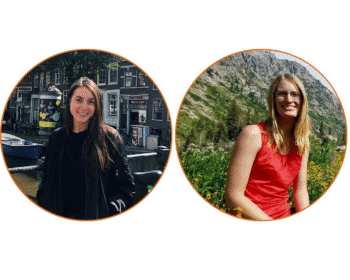
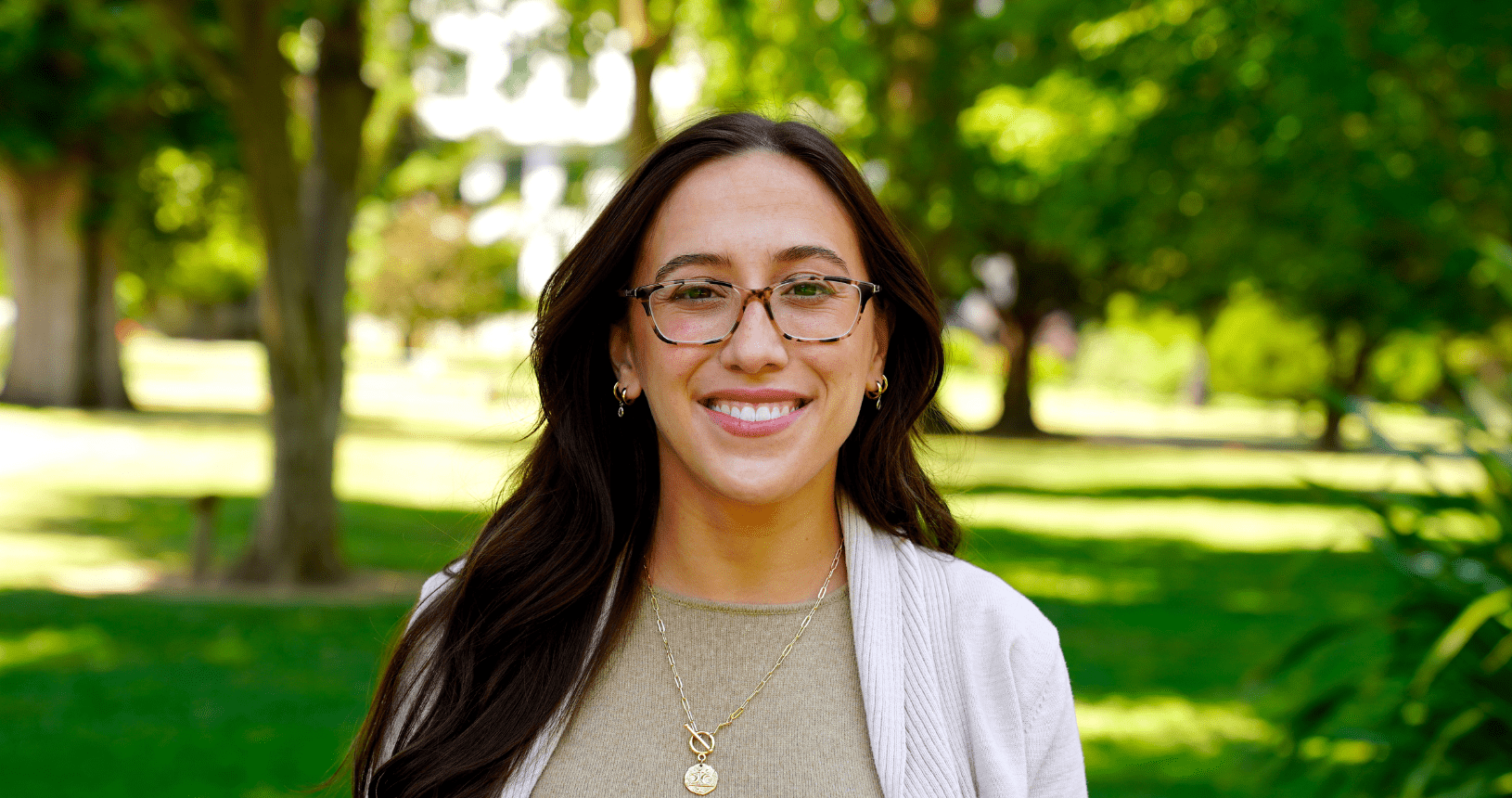
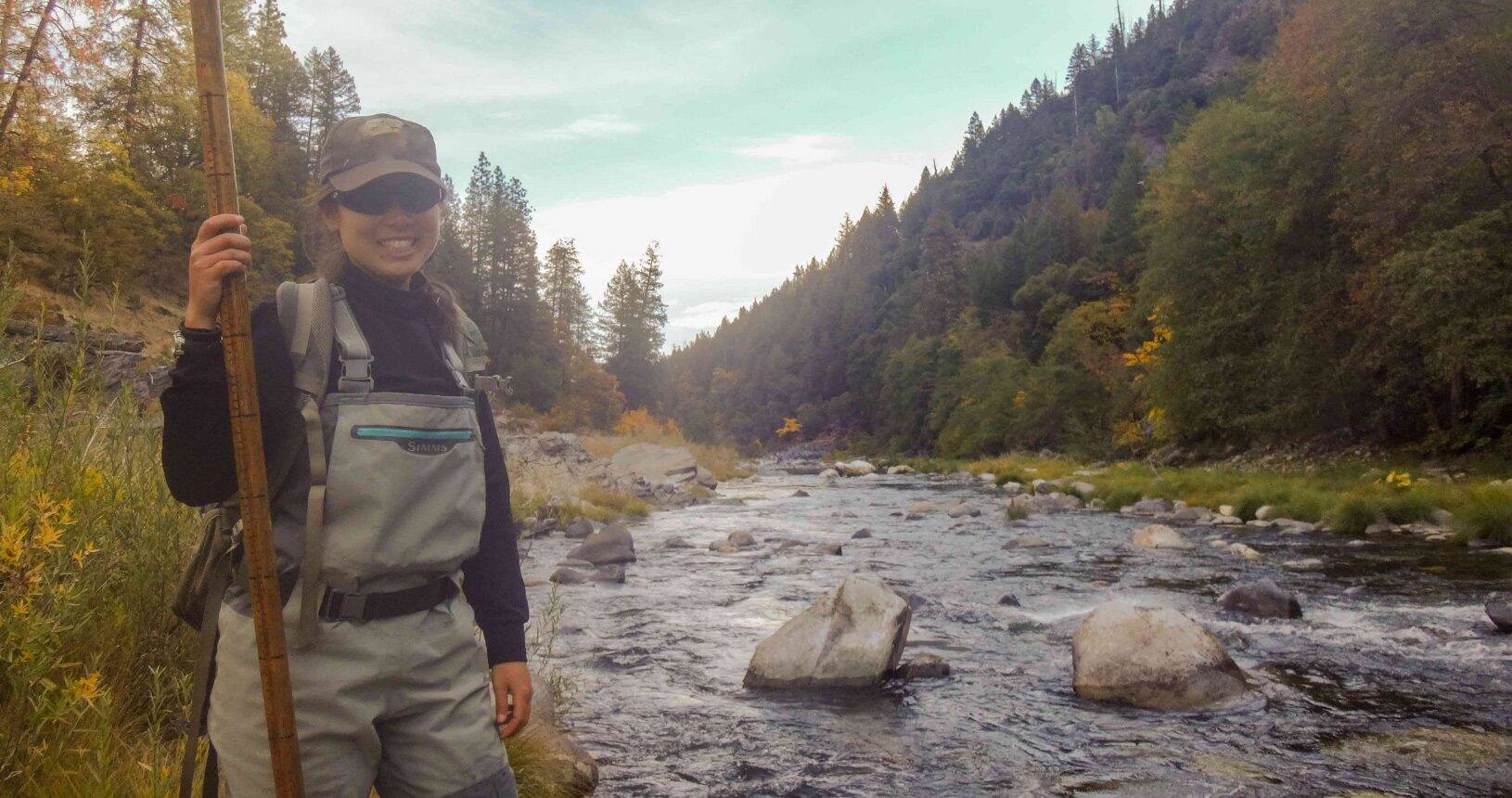
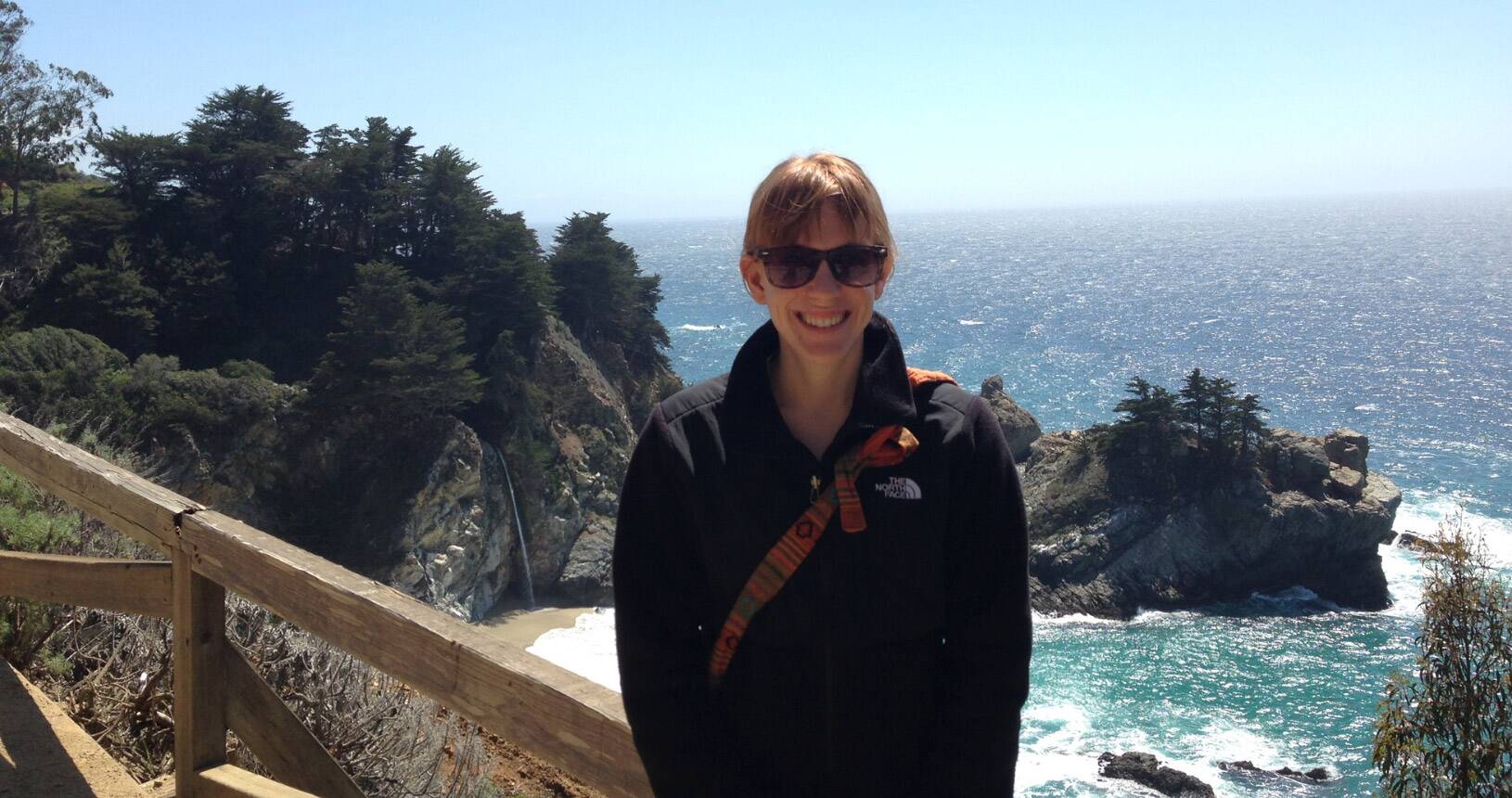
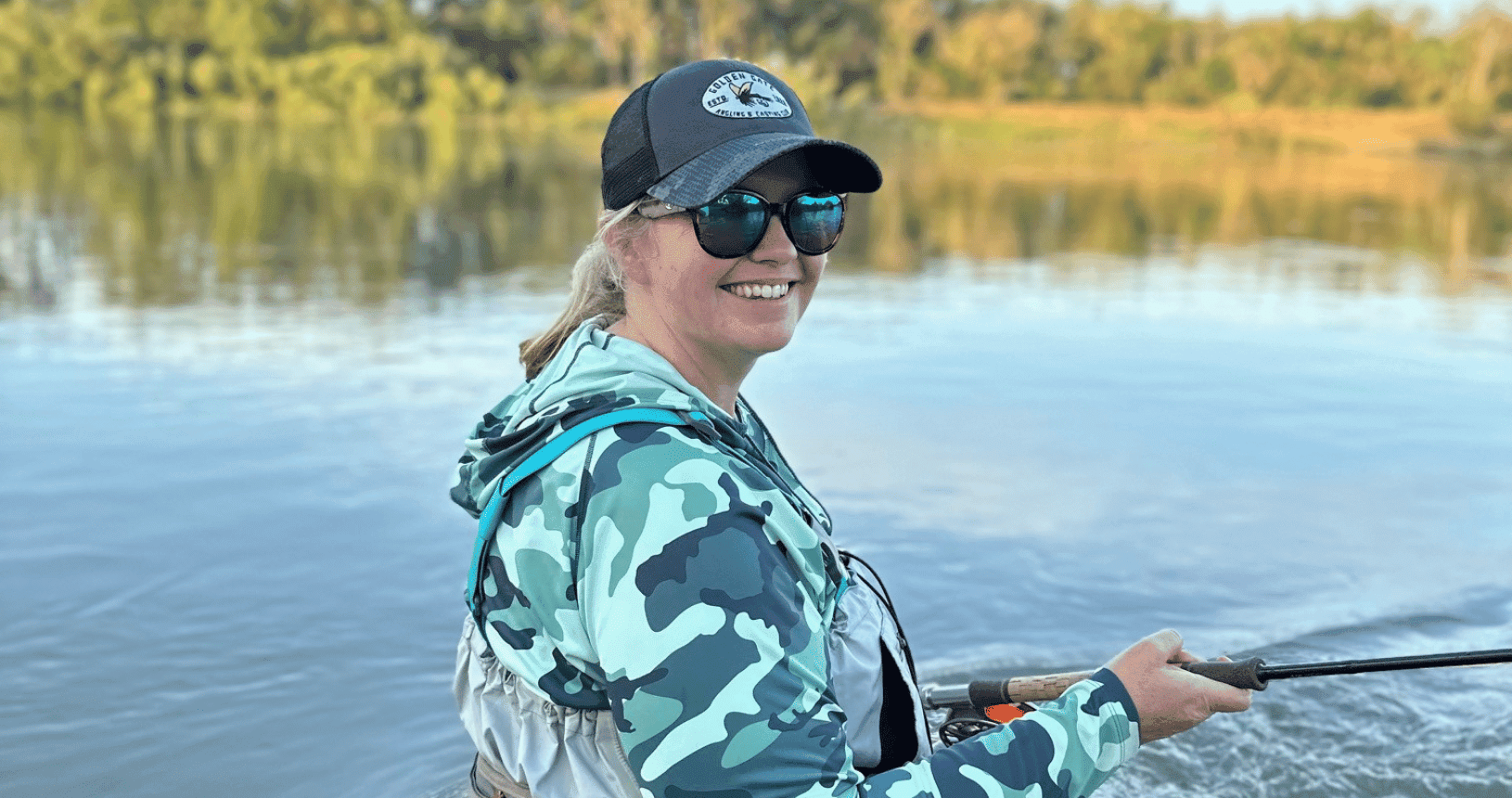
Katrina Harrison, Water Resources Engineer at Applied River Sciences, and Claire Bergerson, CalTrout's Communications Manager
Please share a bit about your background and what inspired you to pursue a career as a Water Resources Engineer at Applied River Sciences focused on conservation.
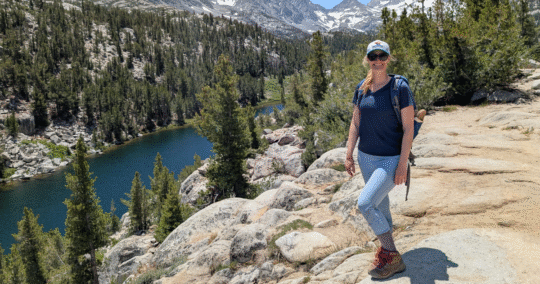
I grew up in suburban San Jose, but my family spent our weekends camping and hiking in the Santa Cruz mountains, biking along Los Gatos Creek, and our summers camping around the western United States. That developed my passion for the outdoors. I enjoy learning about the natural world, and the fluid motion of water fascinates me. Both my sister and I were good at math and science, and so my father (a mechanical engineer) encouraged both of us to pursue engineering. In college at UC Berkeley, I took a seminar class to help us decide what branch of engineering to pursue, and was inspired by a professor who studied natural water treatment systems. She was working in developing countries creating treatment wetlands. I loved the idea of engineers designing systems that can work for both people and the environment.
After graduation, I worked for the San Joaquin River Restoration Program for seven years before working on state-wide water management and fisheries issues in the Delta and then coming to Applied River Sciences. I enjoy the opportunity to work in a wide and interdisciplinary field and explore fisheries ecology, botany, and fluvial geomorphology in addition to the more traditional engineering and hydrology. Natural systems are never static, and this provides endless opportunities to learn and improve our science and methods.
I continue to be inspired by the work. One full-circle moment for me was this past summer, working on the Tuolumne River near La Grange and seeing hundreds of Spring-run Chinook salmon, strays from the San Joaquin River Restoration Program that I had worked on early in my career, spawning on gravels we designed and I oversaw the construction of in 2024. Even if natural systems do not react in the ways we predict, our work as restoration practitioners is helping these habitats and species continue to exist.
Check out Katrina's video of Spring-run Chinook, strays from the San Joaquin River Restoration Program she worked on:
Can you also share a bit about what Applied River Sciences does and how they partner with CalTrout across the state?
Formed in January 1995, Applied River Sciences (formerly McBain Associates) is a professional consulting corporation applying fluvial geomorphic and ecological research to river preservation, management, and restoration. We provide our clients with solutions to highly complex environmental problems in aquatic ecosystems using objective and clear science, in a timely and efficient manner. Our primary interests are:
- maintaining, or attaining, river ecosystem health in regulated rivers;
- assessing impacts of land use activities on stream ecosystems, and
- recommending management strategies that improve those ecosystems.
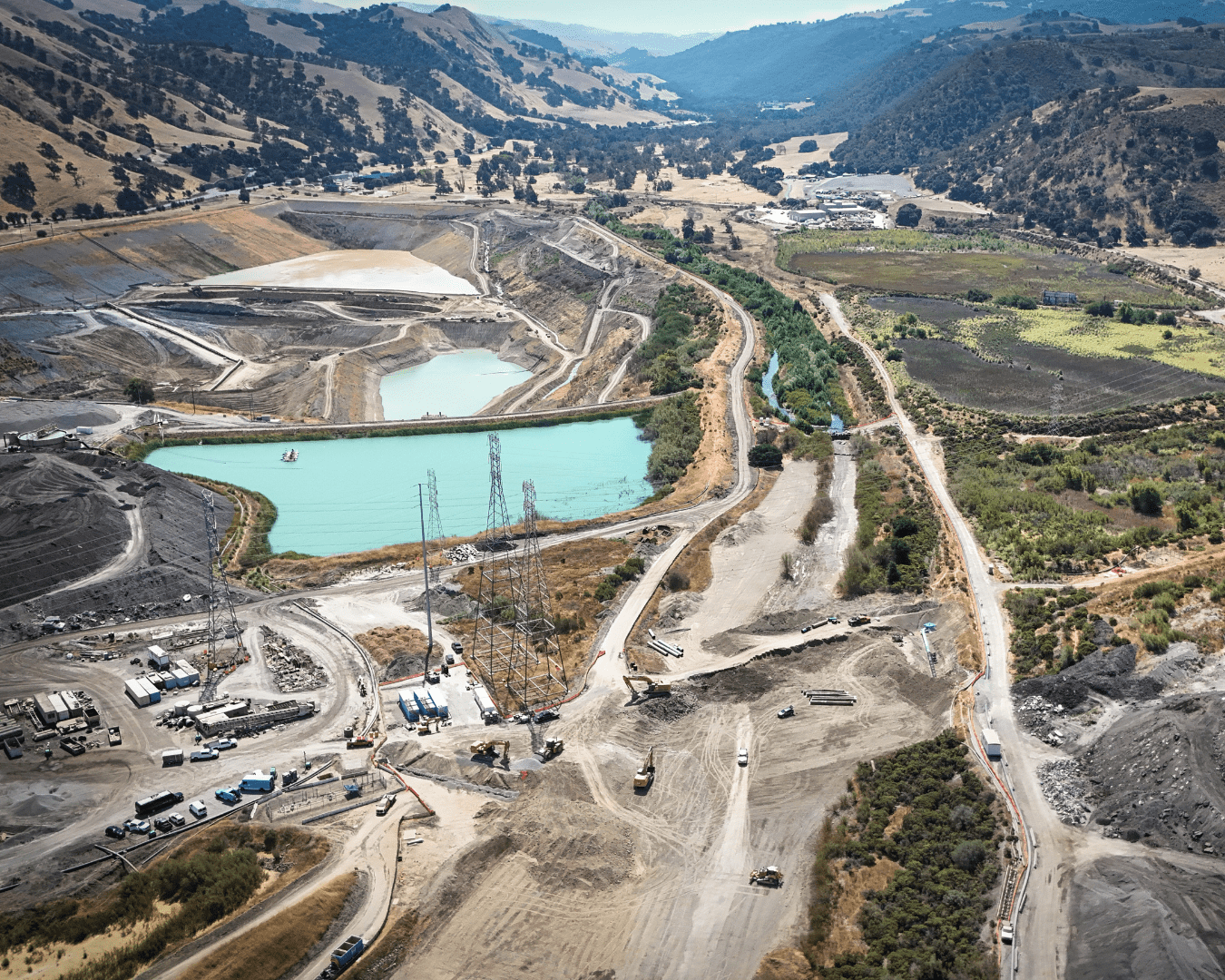
Our focus is on river restoration and instream flow studies in salmonid streams. As such, we commonly partner with CalTrout to design, permit, implement, and monitor river restoration projects. Recent partnerships include Ceder Creek fish hatchery removal project on a tributary to the South Fork Eel River, the Prairie Creek Floodplain Restoration Project, the Sunol Valley Fish Passage Project on Alameda Creek, and the Eel River Restoration and Conservation Plan.
As you mentioned, you and your team were crucial partners to CalTrout on the Sunol Valley Fish Passage Project. What drew you to this project, and what makes fish passage work meaningful to you?
Applied River Sciences has worked in the Alameda Creek watershed for 20 years and started designing this project in 2012, so we are thrilled it is finally implemented. A large part of this implementation success is due to CalTrout’s Claire Buchanan who managed the project and applied for and received funding.
We are opening spawning habitat all the way into Sunol Regional Wilderness, a beautiful area I didn't know existed growing up in the South Bay. This was one of the last significant barriers to steelhead accessing spawning habitat there, greatly expanding their habitat range and providing climate resiliency with broader temperature ranges. Now, after decades of work – we are seeing salmonids come back! If we can expand their habitat with enough diversity and complexity, I am hopeful these species can outlast the Anthropocene.
You worked closely with Claire Buchanan, CalTrout's Central Valley Regional Director, throughout the Sunol Valley project. What was it like collaborating with another woman leader on a project of this scale?
Claire is amazing – highly competent and organized. It was a pleasure to work with another woman who really understands the work and has the skills to manage a complex project. Claire listens, is confident, and knows how to build relationships and read details. She was an inspiration who encouraged her team to meet her example.
What does it mean to you to be a woman in this field that was historically dominated by white men? Have you seen the landscape shifting?
I am happy to say that at my company and across our clients and partners, I see more and even occasionally a majority women project managers, fisheries biologists, and botanists. I am excited to work with an increasingly diverse set of colleagues. However, engineering is still male-dominated. When I graduated in 2009, my civil and environmental engineering major was roughly half men and half women, but that's not what I've seen in the workplace. I've had opportunities to hire and mentor female restoration engineers who are doing great things, and I hope to continue to encourage more diverse people of all types in this rewarding field.
How does environmental activism and science fit in with other aspects of your life, such as family or other commitments?
I volunteer with the Sierra Club’s Inspiring Connections Outdoors program (ICO). We take underserved youth on hikes, snowboarding, skiing, kayaking, backpacking, snowshoeing, to the redwoods, to the beach, etc. On every beach and snow trip, there is someone who has never seen the ocean or the snow before. These kids are from foster care, domestic violence shelters, and food banks, along with first-generation college prep programs. I believe that one key aspect of our work is sharing the natural world with youth, so we can raise the next generation of environmental stewards. I want the places that inspire me to still be there so they can inspire teenagers in 100 years, and that requires people who are going to protect and care about them. Fish passage projects in urban areas may not be the most high-impact for fish, but they're worthwhile if they inspire 10 new environmental scientists because kids now have access to nature in their backyards.
To celebrate the "history" part of Women's History Month—is there a woman from history that you find especially inspiring? Or perhaps a mentor from your own life?
My mom inspired my love of the outdoors by taking me hiking and gave me a strong moral compass that guides my career. I try to do the right thing and admit my mistakes. She might not have taught me to be an engineer, but she taught me how to be a responsible human being.
What message would you share with younger women who hope to pursue a career in conservation, engineering, or river science?
My actionable advice would be to major in something concrete and specific. It is easier than branching out from general to specific. Also, expose yourself to opportunities to figure out what you are passionate about. There are roles for different types of people – from science communication to project management to engineering. Learn as much as you can and don't wait for someone to spoon-feed information. I hire people who demonstrate passion through extracurriculars and hobbies, rather than just people with the strongest technical skills. A lot of learning in this career happens in your own time. Be inquisitive!
Bonus questions:
1. Do you have a favorite fish/river/body of water in California?
I love Lake Winnemucca, below Round Top Peak near Carson Pass. I’ve been there in all seasons of the year, and one day, I snowshoed out onto it when it was frozen over and you could see fish swimming beneath the ice. Truly an amazing experience. But I also love every alpine lake and river I get to swim in.
2. If you were not a Water Resources Engineer, what job would you have?
In kindergarten, I wanted to be a writer. Maybe I would be a science writer, traveling the world finding people learning new things about nature or doing fascinating projects and writing their stories.