
CalTrout News
You Can’t Manage What You Don’t Measure: Reservoirs and California’s Climate Blind Spot

Climate change is the greatest threat to California’s cold-water fisheries. Rising air temperatures, shrinking snowpack, and more volatile hydrology are already warming rivers, changing flow patterns, and putting salmon and trout at risk. CalTrout’s SOS II report makes this clear: without urgent action to protect and restore cold-water habitats, many of California’s native salmonids face continued decline or extinction.
California is investing heavily in nature-based climate solutions that mitigate greenhouse gas emissions, the primary driver of climate change. The more we understand about the activities or infrastructure that emit high levels of greenhouse gases, the more effective our strategies will be at reducing them. Today, one major source of greenhouse gas emissions remains largely unaccounted for and unregulated, our reservoirs.
For decades, reservoirs have been treated as climate-neutral infrastructure in the public discourse. But science tells a different story. When rivers are dammed, organic material accumulates and decomposes underwater, producing methane, an extremely potent greenhouse gas. Across California, reservoir emissions are likely significant but are not currently measured or included in the state’s greenhouse gas inventory.
Recent analyses show California reservoirs emit millions of metric tons of greenhouse gas each year, on par with major industrial sources. Globally, reservoirs are now recognized as a meaningful source of greenhouse gases. To better understand and manage these emissions, CalTrout has joined a coalition of groups petitioning the California Air Resources Board to begin tracking and measuring greenhouse gas emissions from reservoirs — because you can’t manage what you don’t measure.
California has set ambitious targets to lead on climate policy, such as Governor Gavin Newsom’s Mandate to reduce methane emissions by 40% by 2030. But without accounting for emissions from reservoirs – one of the most important pieces of water infrastructure in the state – we are operating with an incomplete picture.
To fully protect our cold-water fisheries in a warming world, we need climate strategies that are grounded in science, transparent accounting, and inclusive of all major sources of emissions.
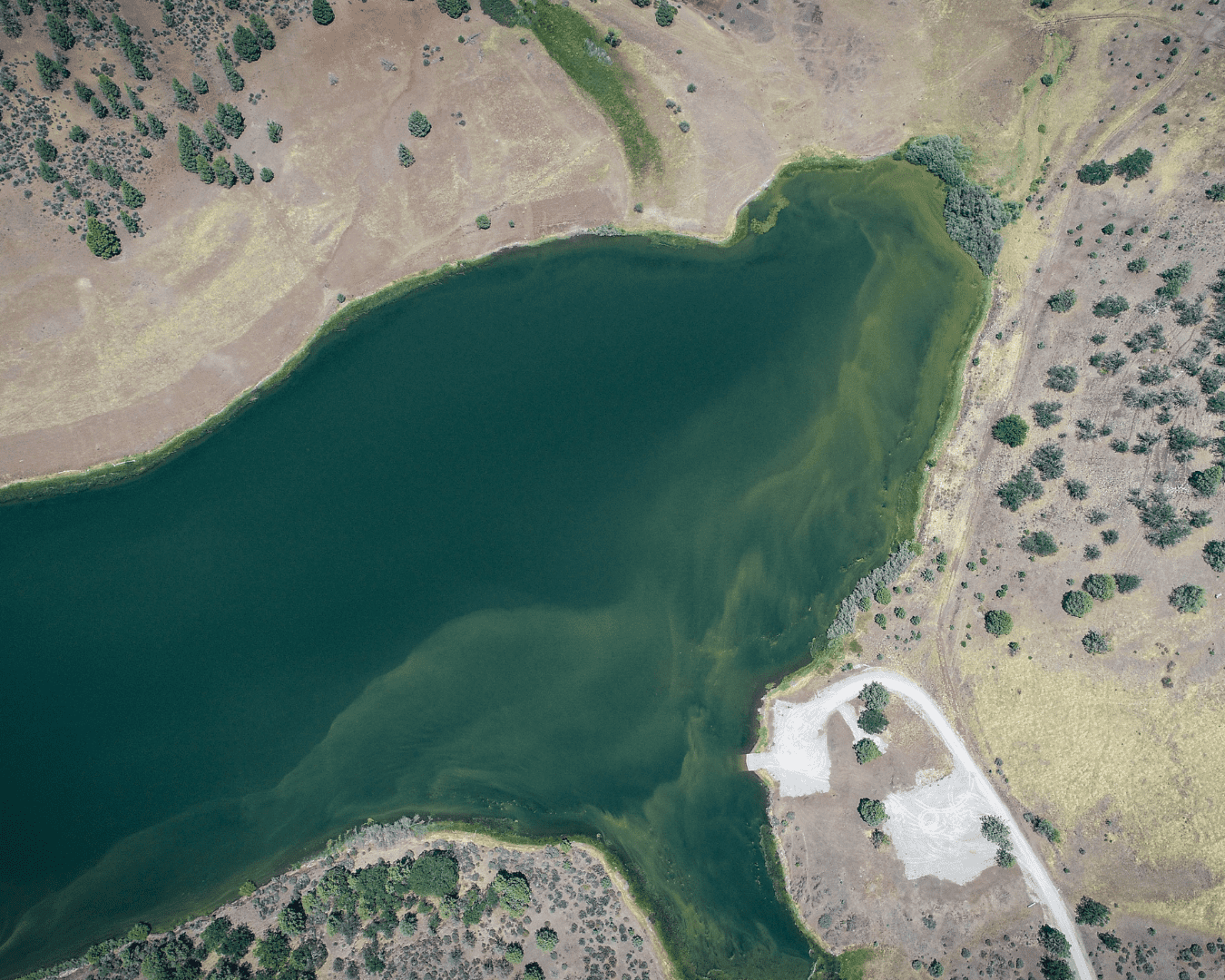
This work is not about eliminating reservoirs. It’s about understanding their full impacts, making better decisions about water management, and ensuring that California’s climate leadership reflects the whole system. Our best scientific understanding of the climate crisis continues to evolve, and if we are committed to reducing greenhouse gas emissions, we must ensure our tracking systems and benchmarks are also evolving.
Learn more about the CalTrout-supported petition filed with the California Air Resources Control Board (CARB) to add dams and reservoirs as reporting entities under California’s Regulation for the Mandatory Reporting of Greenhouse Gas Emission.
You can help join the fight against climate change! Sign the letter of support requesting that CARB require reservoir owners in California to count and report the greenhouse gas emissions they emit HERE.