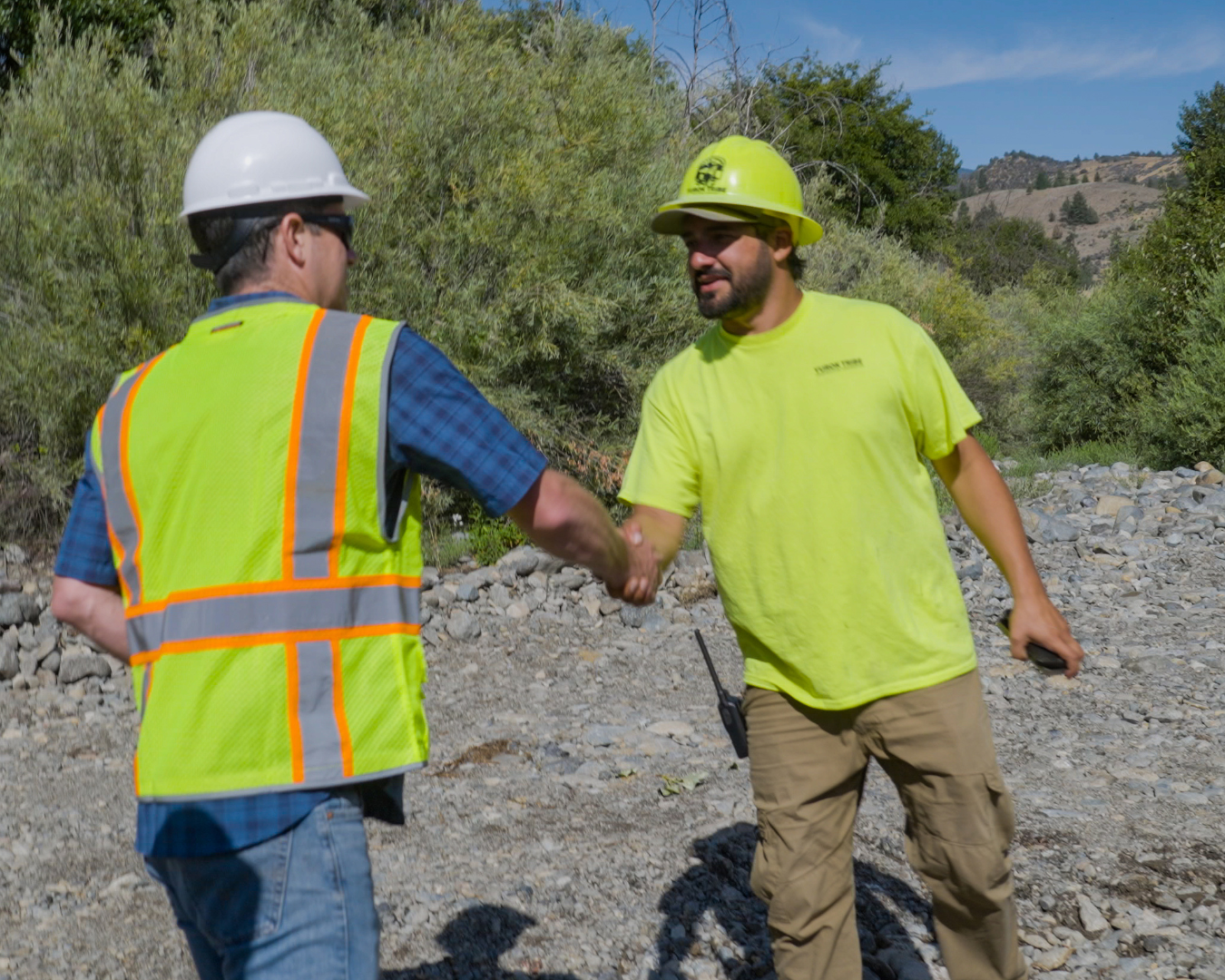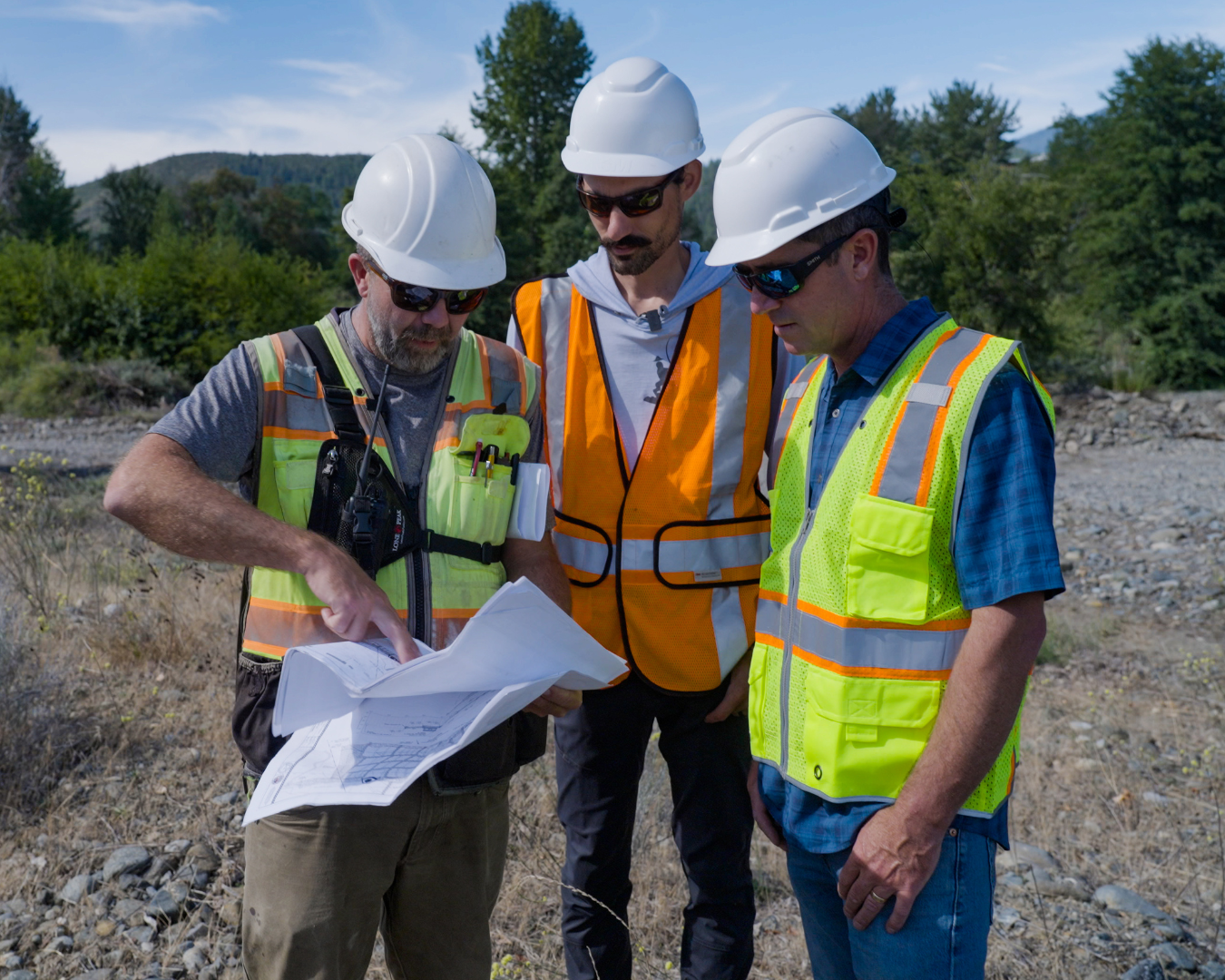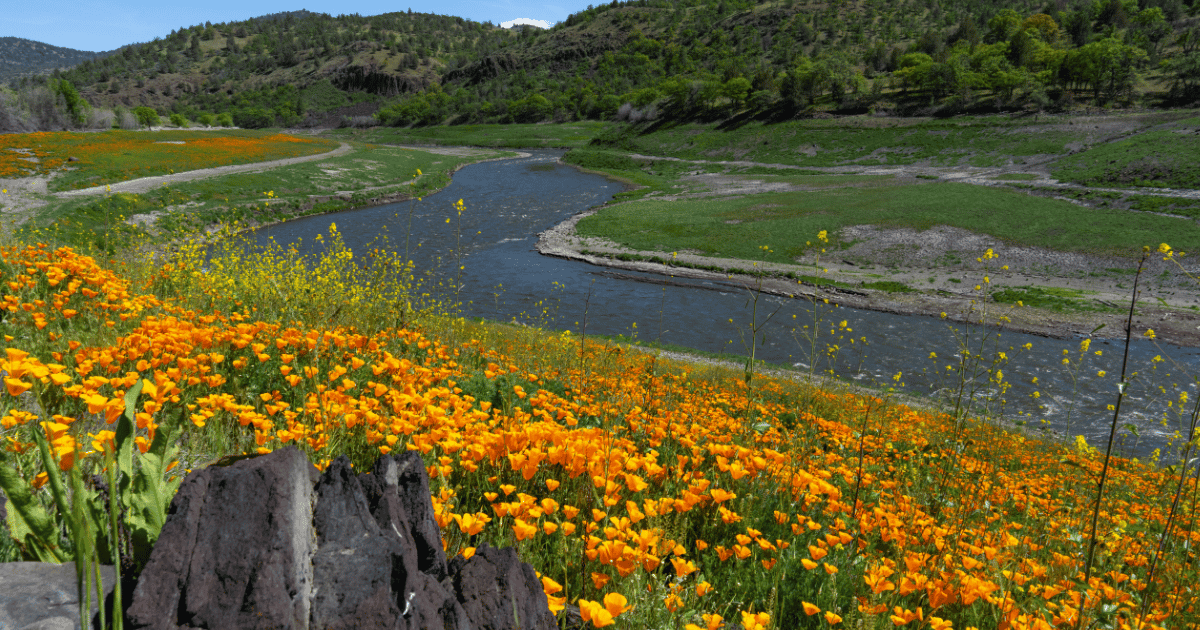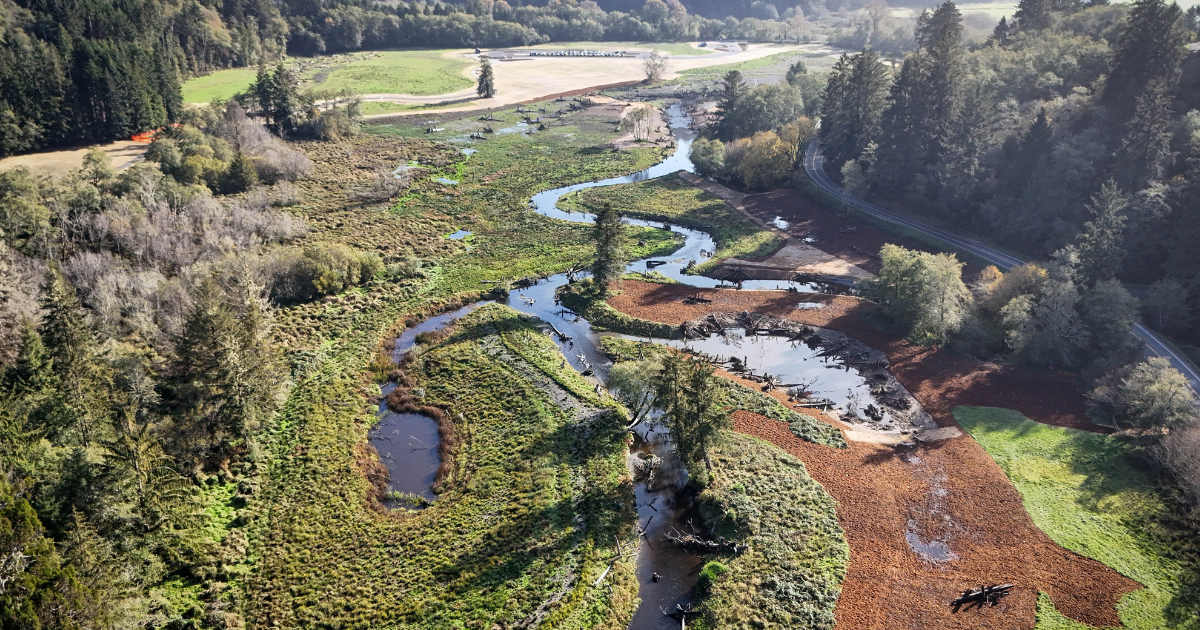
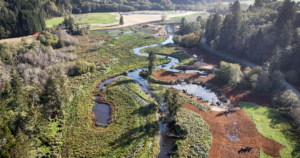
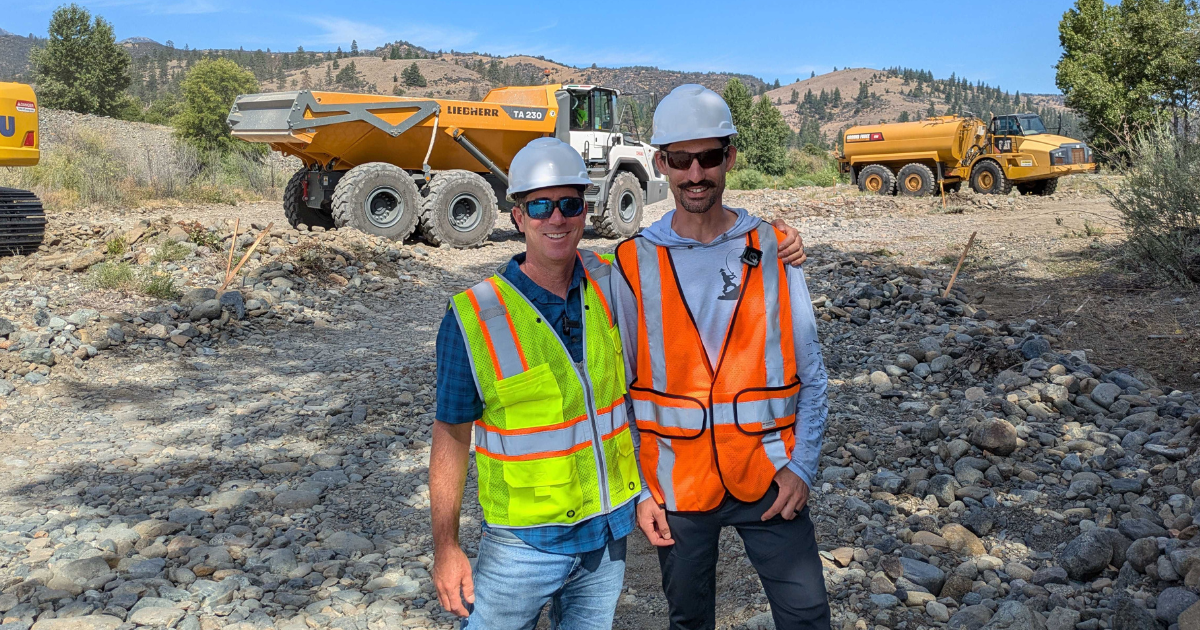
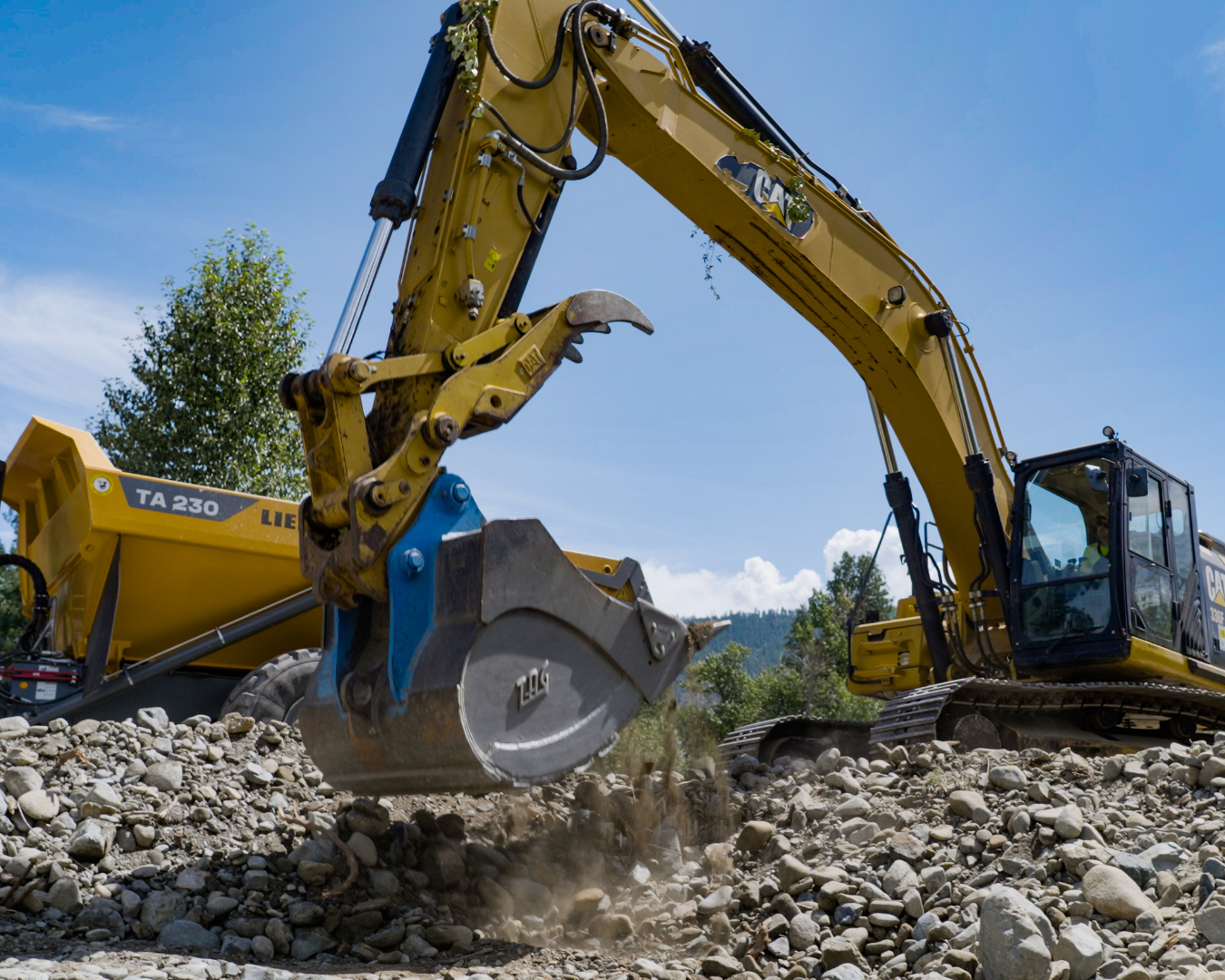
The Yurok Tribe, Farmers Ditch Company (FDC), and CalTrout kicked off construction today on a project that will restore degraded fish habitat, improve fish passage, and enhance river flows within a section of the Scott River, all while balancing agricultural needs. The Scott River is one of the largest and most significant tributaries of the Klamath River, and following dam removal on the Klamath, this project will help achieve recovery across the entire Klamath River watershed. The project, which is the culmination of an agreement between FDC, CalTrout, and the Yurok Tribe that was signed in June 2024, aims to improve the FDC point of diversion and to improve surface flows and fish habitat that connect the Sugar Creek coho salmon stronghold to cold water in the headwaters of the Scott River.
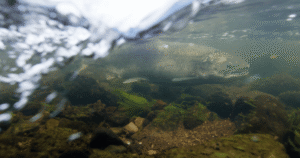
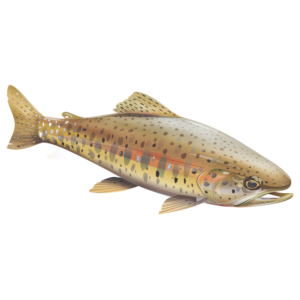
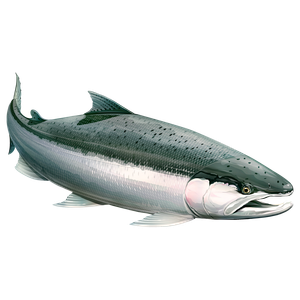
The Scott River is a crucial source of water for fish, farms, and ranches. The river also provides unique and highly productive habitat for a variety of fish including Chinook salmon, federally threatened coho salmon, steelhead, and Pacific lamprey, all of which the Tribes of the Klamath Basin depend on for sustenance and ceremony. The Scott River is one of the largest Klamath River tributaries and is the most productive coho salmon streams in not only the Klamath Basin, but all of California. The Scott River Valley includes over 30,000 acres of irrigated land that is primarily family-owned and operated. FDC is a primary surface water diversion in the Valley and provides water to over 1,000 acres of farmland adjacent to the Scott River. Fish numbers have declined on the Scott, due in large part to extended drought, legacy environmental damage leftover from the gold mining era, and disease outbreaks in the main-stem Klamath.
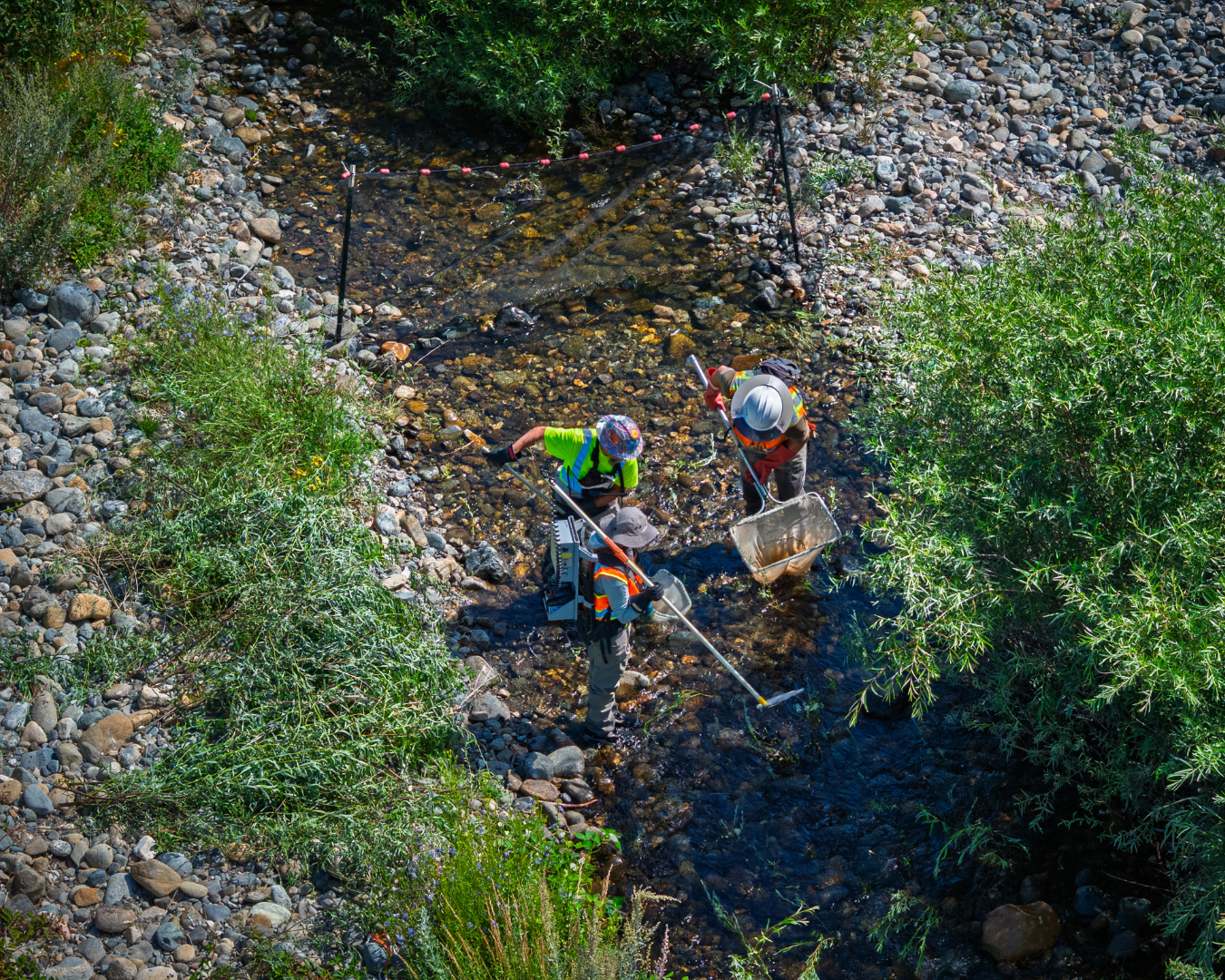
In the mid-1900s, a dredge used for mining operations left sprawling piles of rock in and along several miles of the Scott River near Callahan. The mine tailings restrict fish from accessing important upstream habitats and result in a dry streambed in the summer and fall, a critical time for juvenile salmon rearing and downstream migration and adult salmon migration into the headwaters. The restoration work will provide solutions that bring landscape-scale benefits for fish and working landscapes.
“The Yurok Tribe worked hard to build a bridge, based on trust and mutual respect, between local tribes, local farmers and residents, and CalTrout. Together, we are working to fix two of the biggest threats to salmon in the Scott River Valley by restoring fish habitat and modernizing water conveyance infrastructure. This mutually beneficial outcome could only be achieved through collaboration,” said Barry McCovey, the director of the Yurok Tribe Fisheries Department, which is overseeing project implementation.
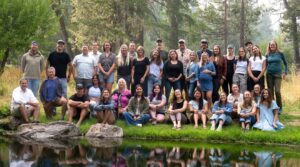
The project is led by the Yurok Tribe, and the Tribe is working cooperatively with FDC, CalTrout, the Karuk Tribe, the Scott River Water Trust, and other partners on the project. In June 2023, the Yurok Tribe, FDC, and CalTrout, signed a Memorandum of Understanding (MOU) committing to this collaborative work. The MOU formalized the organizations’ partnerships as they collectively strive towards landscape level solutions for all water users across the state – fish and people.
“I’m thrilled this project has broken ground—an important step towards restoring wild salmon in the Scott River, a vital tributary of the Klamath River,” said Damon Goodman, CalTrout Mt. Shasta/Klamath Regional Director. “I hope this effort serves as a model for the region, demonstrating the power of diverse interests coming together to deliver meaningful solutions that benefit us all.”
Funding for the projects comes from the California Department of Fish and Wildlife (CDFW) and the Wildlife Conservation Board. In 2024, California Governor Newsom announced the state’s Salmon Strategy, a comprehensive outline for salmon recovery across the state. This project was highlighted in the strategy as a key component necessary to achieve recovery.
Based on local landowner feedback, the project will relocate or modify FDC’s 155-year-old point of diversion and provide irrigation system improvements which will increase Scott River flows for juvenile and adult salmon while simultaneously improving water security for FDC.
“This project exemplifies what can be achieved through diverse partnerships of people who value the importance of community, from the headwaters of the Scott River to the Pacific Ocean,” said Jeff Fowle of the Farmers Ditch Company. “We all recognize the importance of having both agriculture and fisheries thrive for future generations, while also enhancing the environment and ensuring a sustainable, thriving and healthy community. We hope this project will set the precedent for how to collectively and cooperatively solve challenges.”
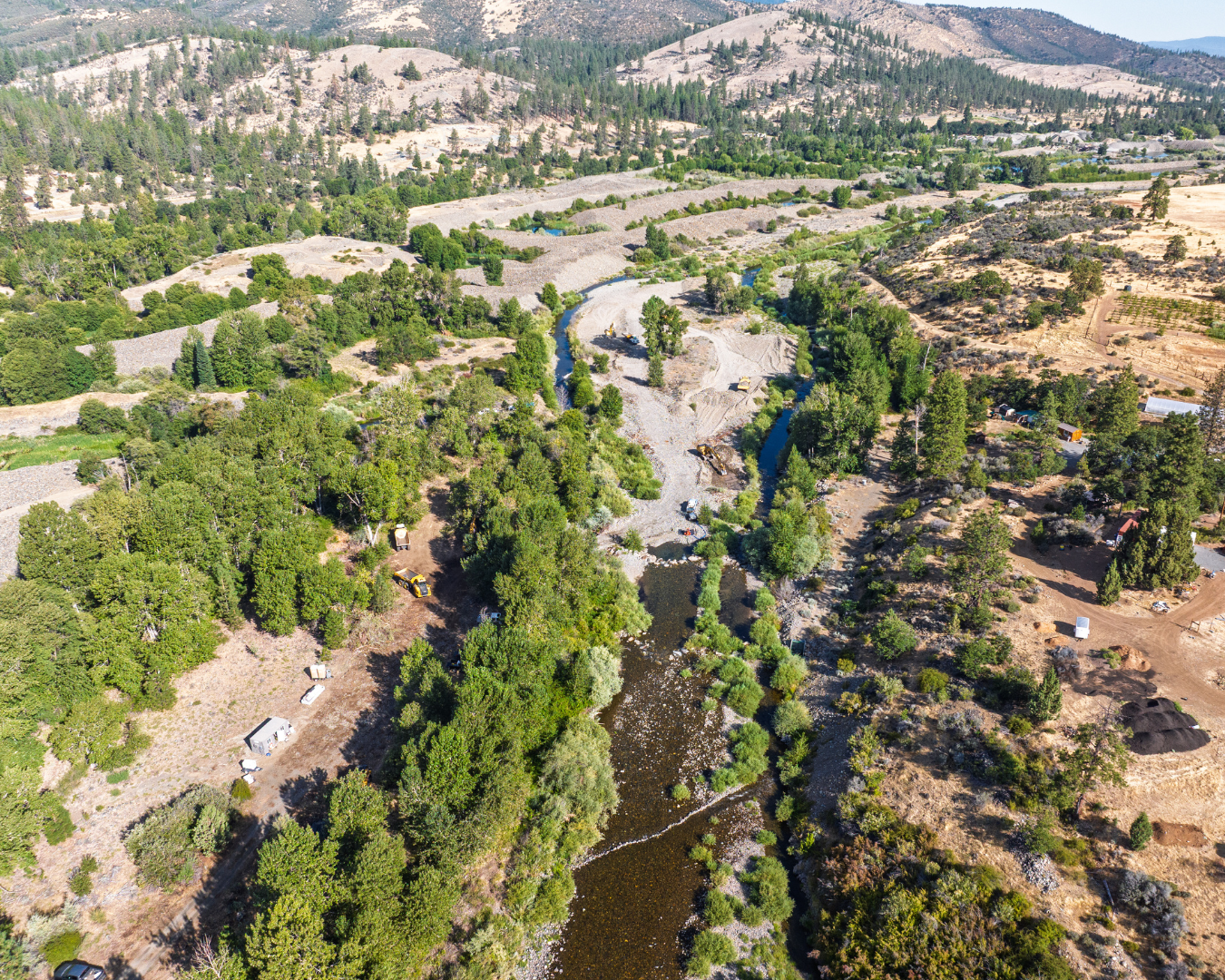
The habitat and water system improvements will complement ongoing efforts by the Yurok Tribe, CalTrout, the Scott River Watershed Council, and others to restore the Scott River.
For more information about the project, please visit https://caltrout.org/projects/scott-river-restoration-and-flow-enhancement-project