CALIFORNIA TROUT
Scott River Mainstem Restoration & Flow Enhancement Project
Project Facts
LOCATION
Scott River Mainstem
PROJECT STAGE
Active
EXPECTED COMPLETION DATE
2026 (Phase 1)
Project Goal
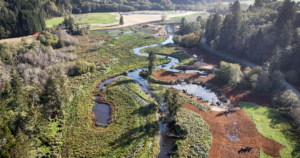
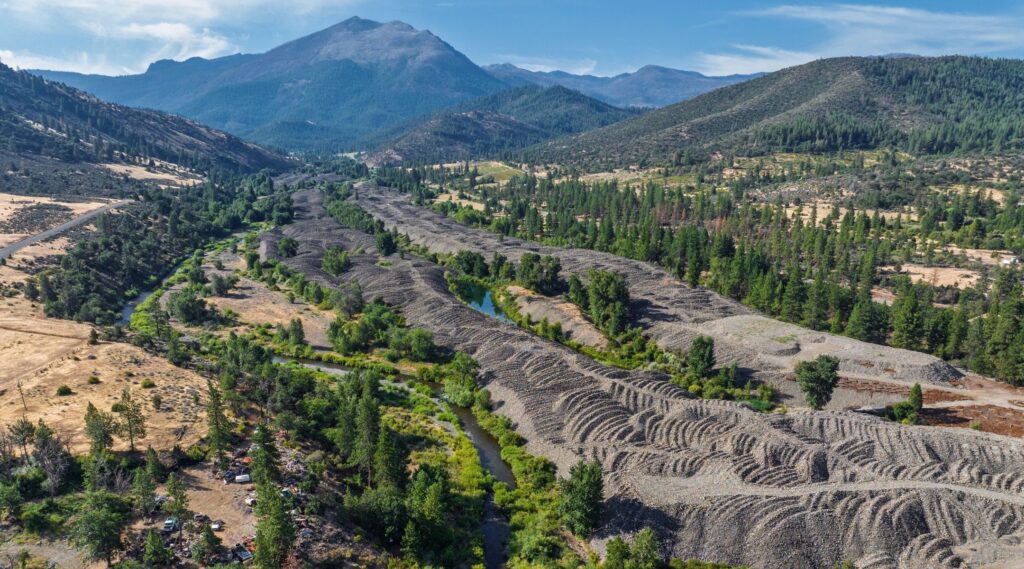
Restore stream habitat and secure reliable water flows on the Scott River near Callahan by repairing a flood-damaged diversion, modernizing irrigation infrastructure, and reconnecting fish passage to Sugar Creek, benefiting coho salmon, Chinook salmon, steelhead, and Pacific Lamprey while sustaining the working farms and ranches that share the watershed.
Project Summary
PROJECT FUNDERS AND PARTNERS
Project Funders
California Department of Fish and Wildlife (CDFW)
Wildlife Conservation Board
Project Partners
Yurok Tribe (project lead)
Karuk Tribe
Scott River Water Trust
Farmers Ditch Company
FISH AFFECTED
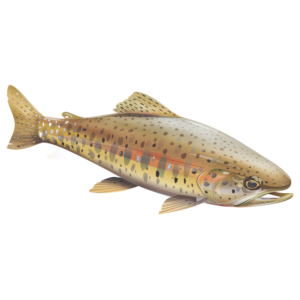
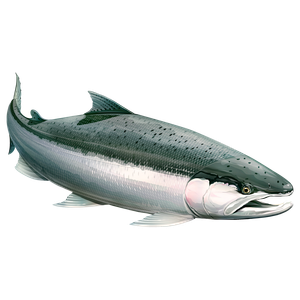
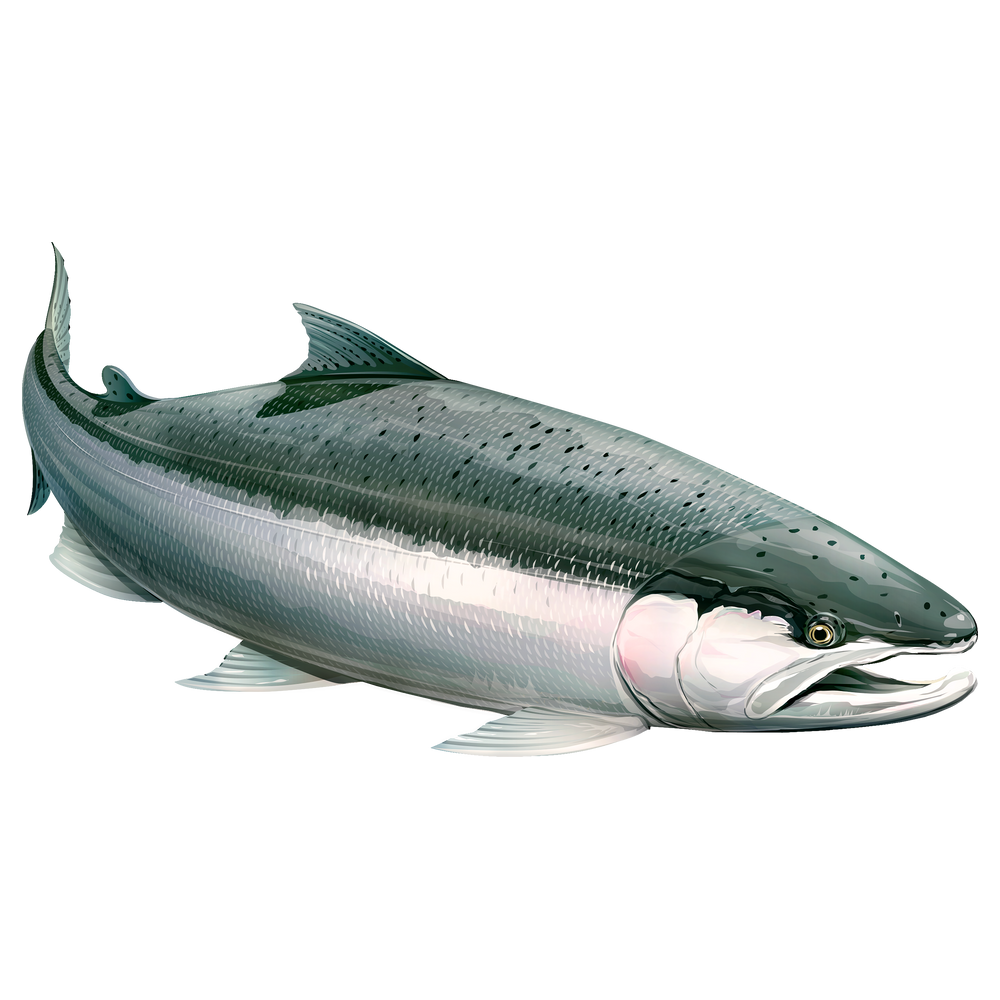
Species affected by this project.
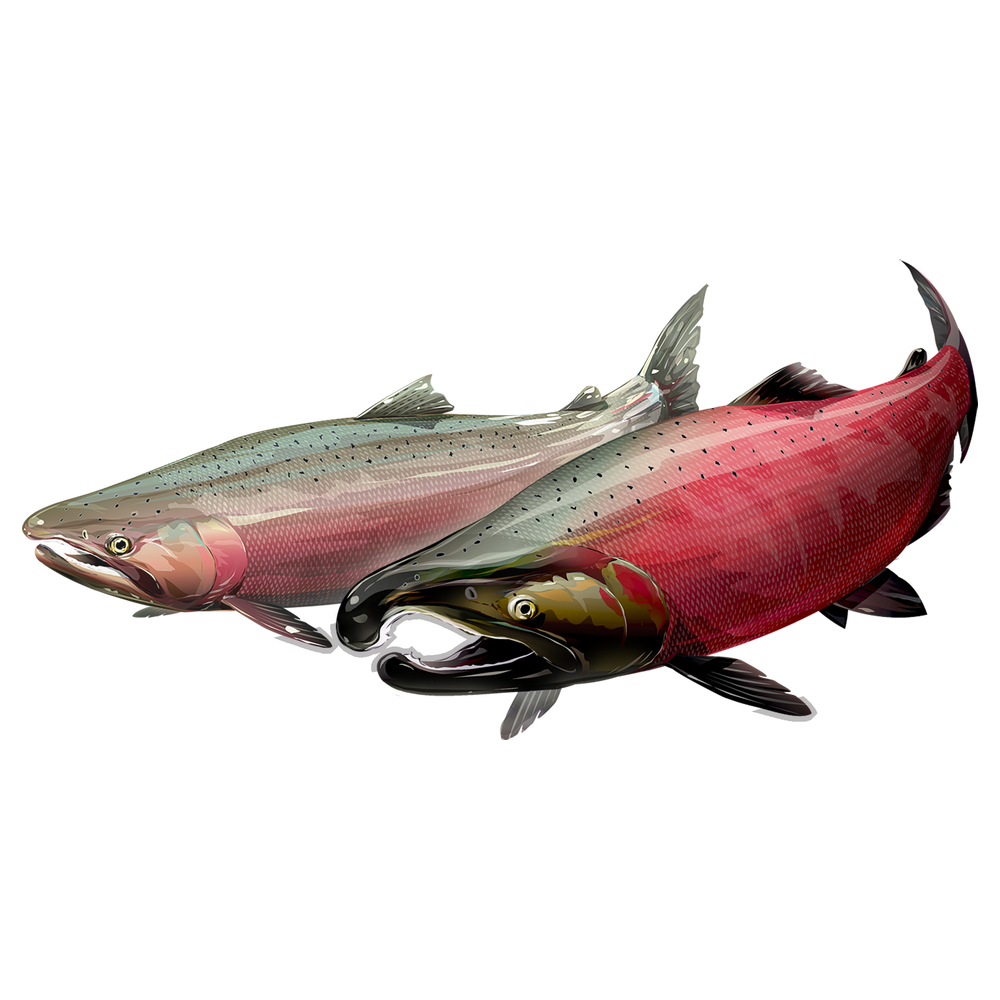
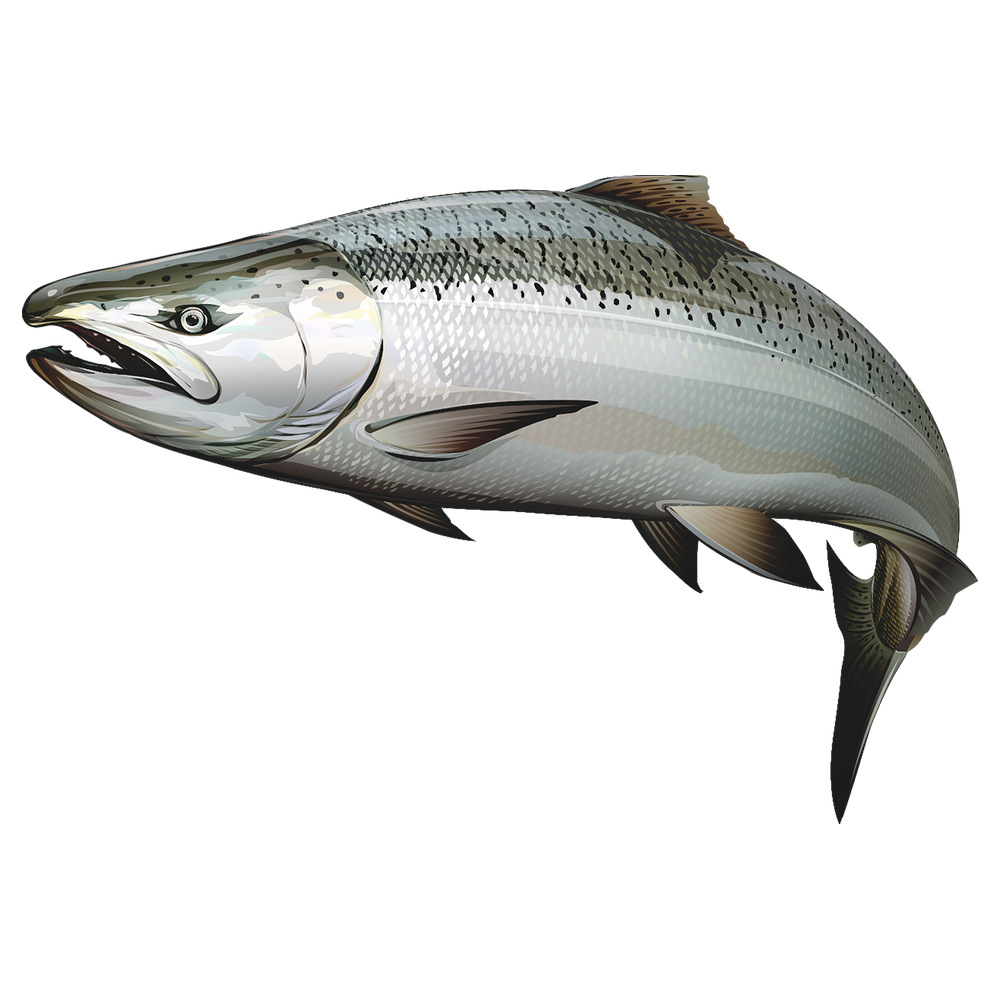
Outcomes
What this project will accomplish:
1,028
Acres of farmland served by the Farmers Ditch diversion this project repairs and modernizes
0.5
Mile reach of stream to be restored
4.5
Acres of floodplain to be reconnected
1,800
Foot conveyance ditch to be modernized
LATEST PROJECT STORIES
-
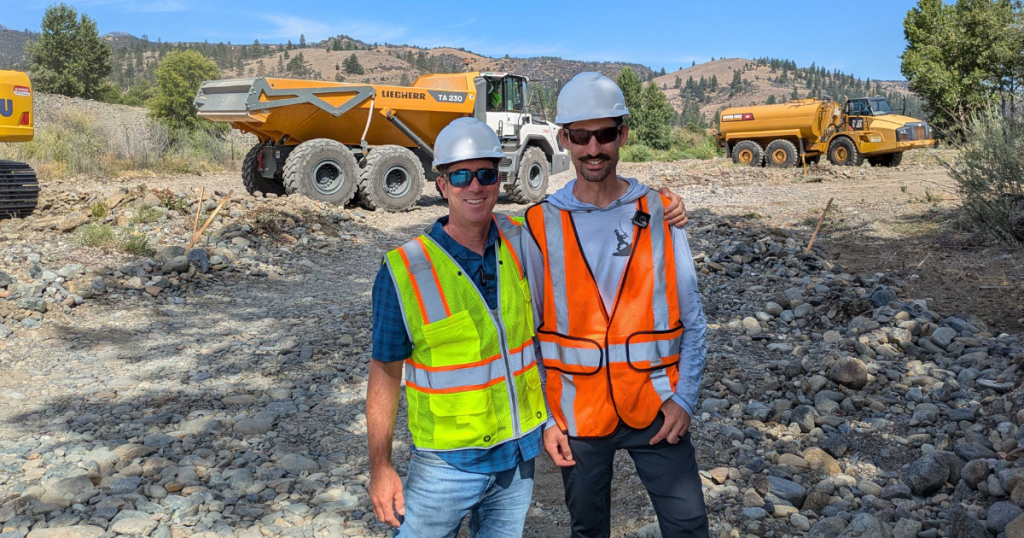
Yurok Tribe, Farmers Ditch Company, and California Trout Break Ground on Scott River Restoration Project
Read more →: Yurok Tribe, Farmers Ditch Company, and California Trout Break Ground on Scott River Restoration ProjectConstruction kicks off on a river restoration project that will restore degraded fish habitat, improve fish passage, and…
-
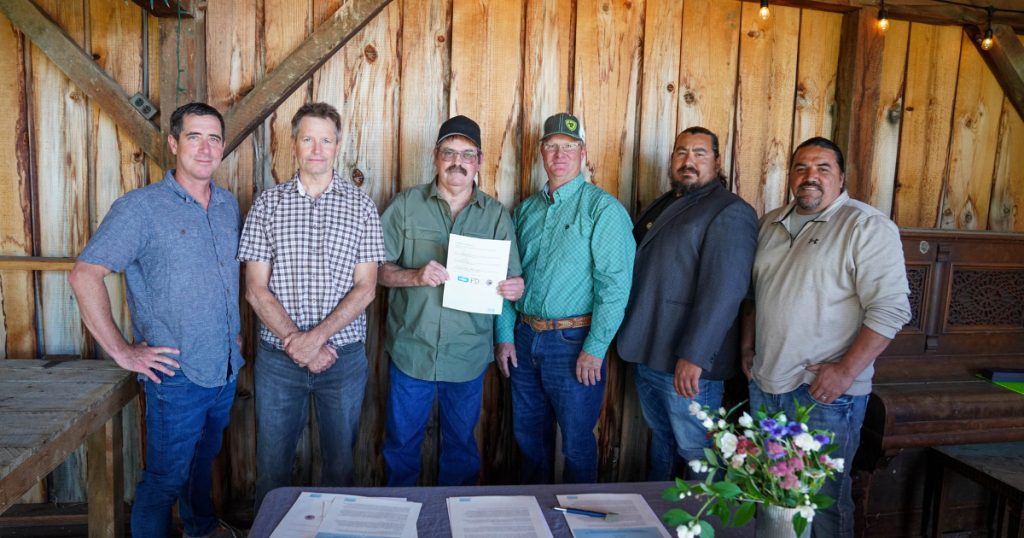
Scott River Restoration Project Brings Together CalTrout, Yurok Tribe, & Farmer’s Ditch Company
Read more →: Scott River Restoration Project Brings Together CalTrout, Yurok Tribe, & Farmer’s Ditch CompanyCalTrout, the Yurok Tribe, and Farmer’s Ditch Company gathered in the Scott River Valley to sign a Memorandum…
SIMILAR PROJECTS
Related projects in the region
-
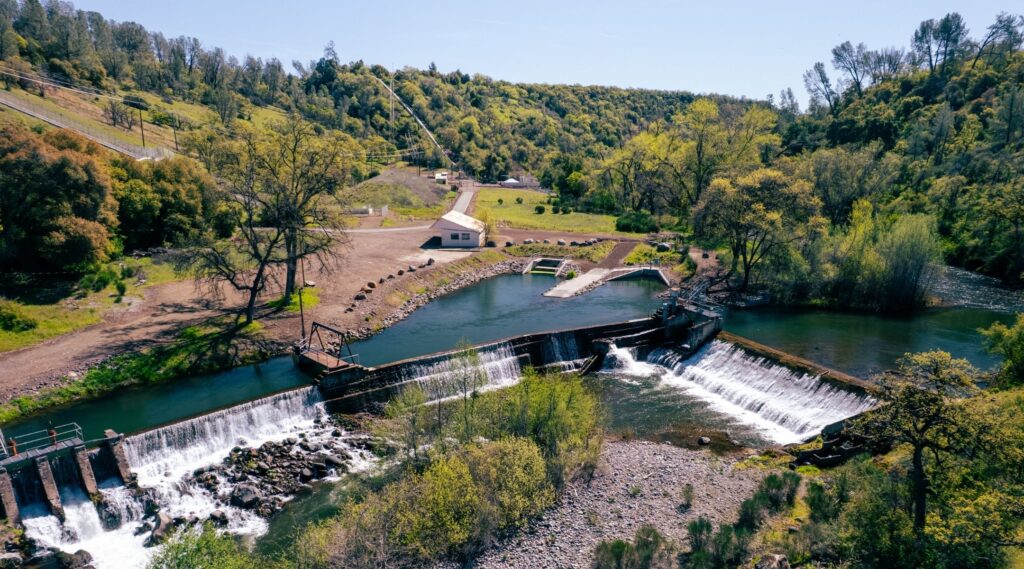
Battle Creek Dam Removal
Read more →: Battle Creek Dam RemovalRemoving eight remaining dams on Battle Creek would reconnect 48 miles of habitat for endangered Winter-run and Spring-run…
-
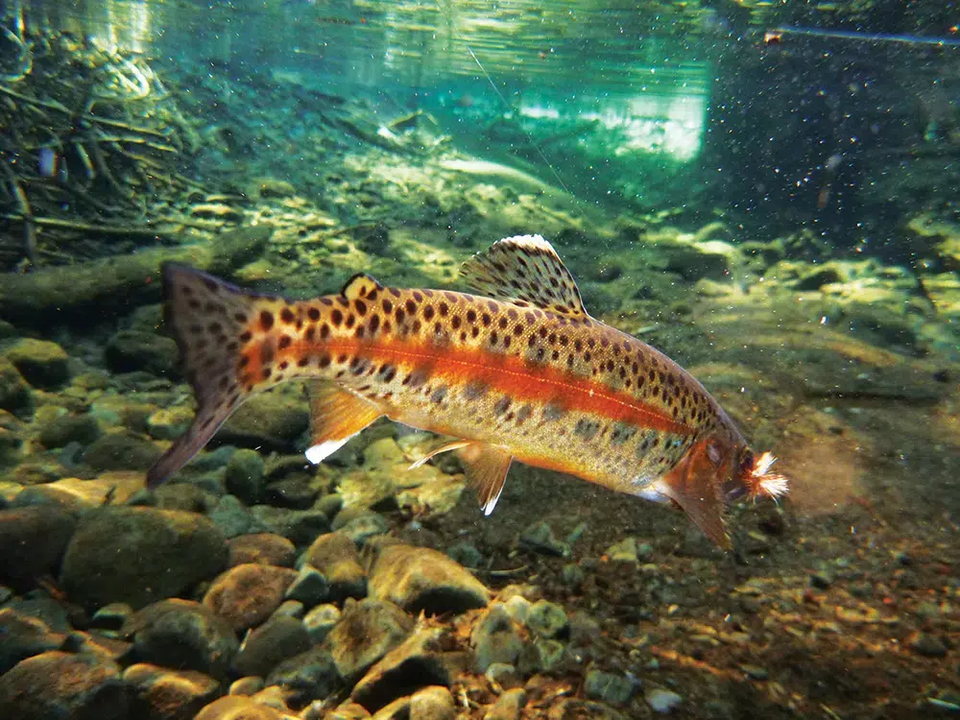
McCloud River Redband Trout Refuge Pool Enhancement
Read more →: McCloud River Redband Trout Refuge Pool EnhancementConstructed refuge pools on two McCloud River tributaries to help California’s only native Redband Trout survive drought.
-
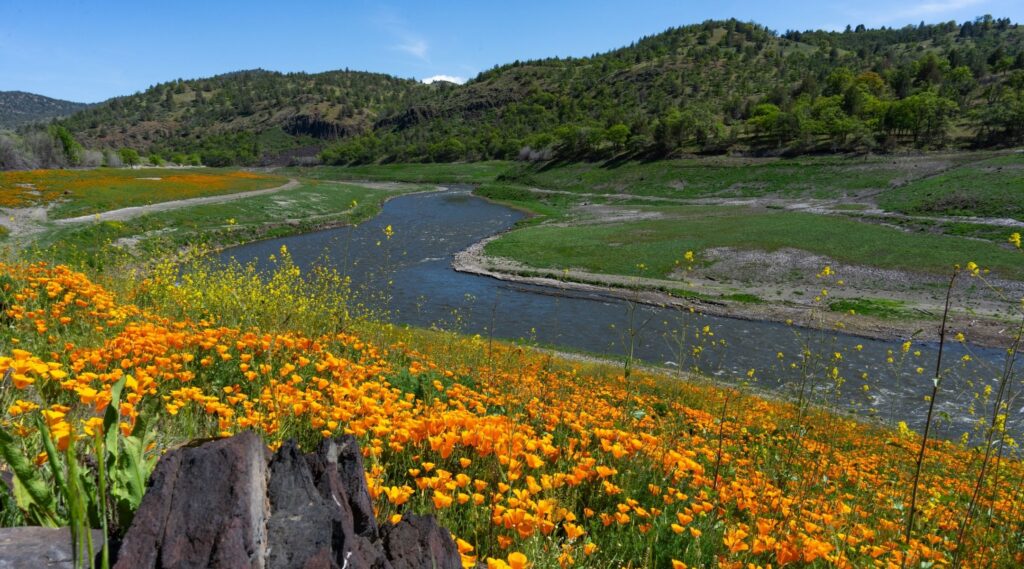
Klamath River Dam Removal
Read more →: Klamath River Dam RemovalRemoving four dams on the Klamath River to reopen more than 400 miles of historic salmon and steelhead…
SUPPORT our WORK
Support CalTrout’s work across California
From science and advocacy to reopening rivers and restoring streams, we rely on our donors as crucial partners in our work.