Partners Celebrate Multi-Benefit Fish Passage Project Entering Construction Phase on Big Chico Creek
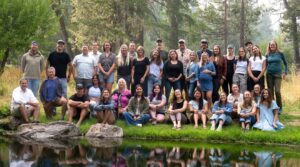
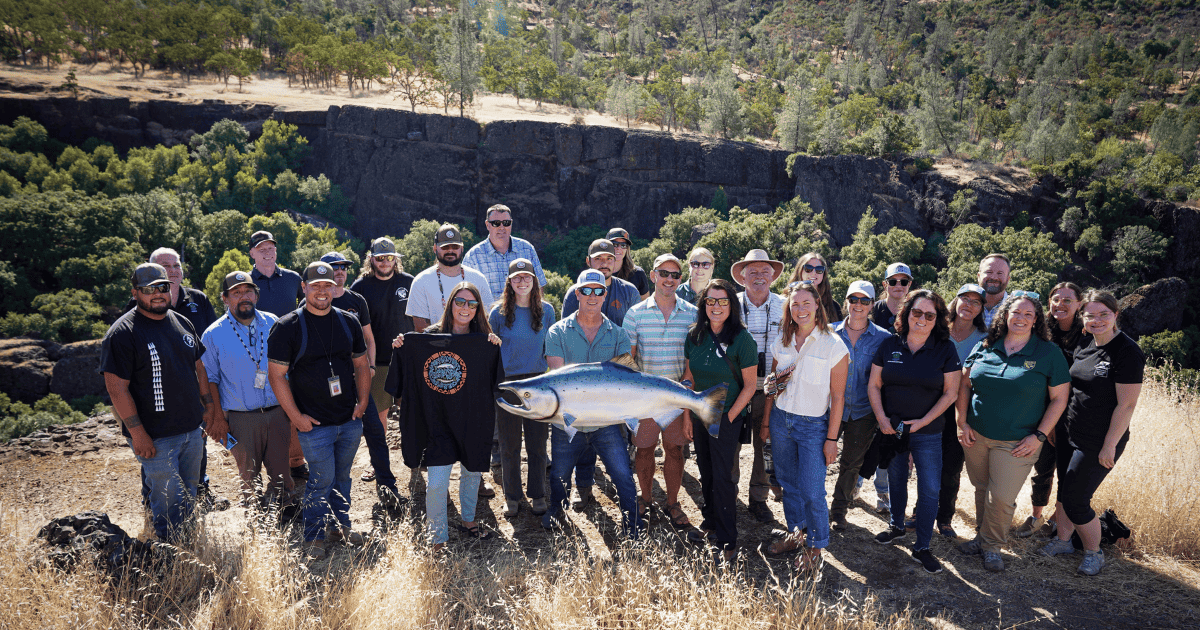
California Trout, the Mechoopda Indian Tribe, the Big Chico Creek Ecological Reserve, and the City of Chico celebrate the start of a fish passage project that will revitalize the watershed
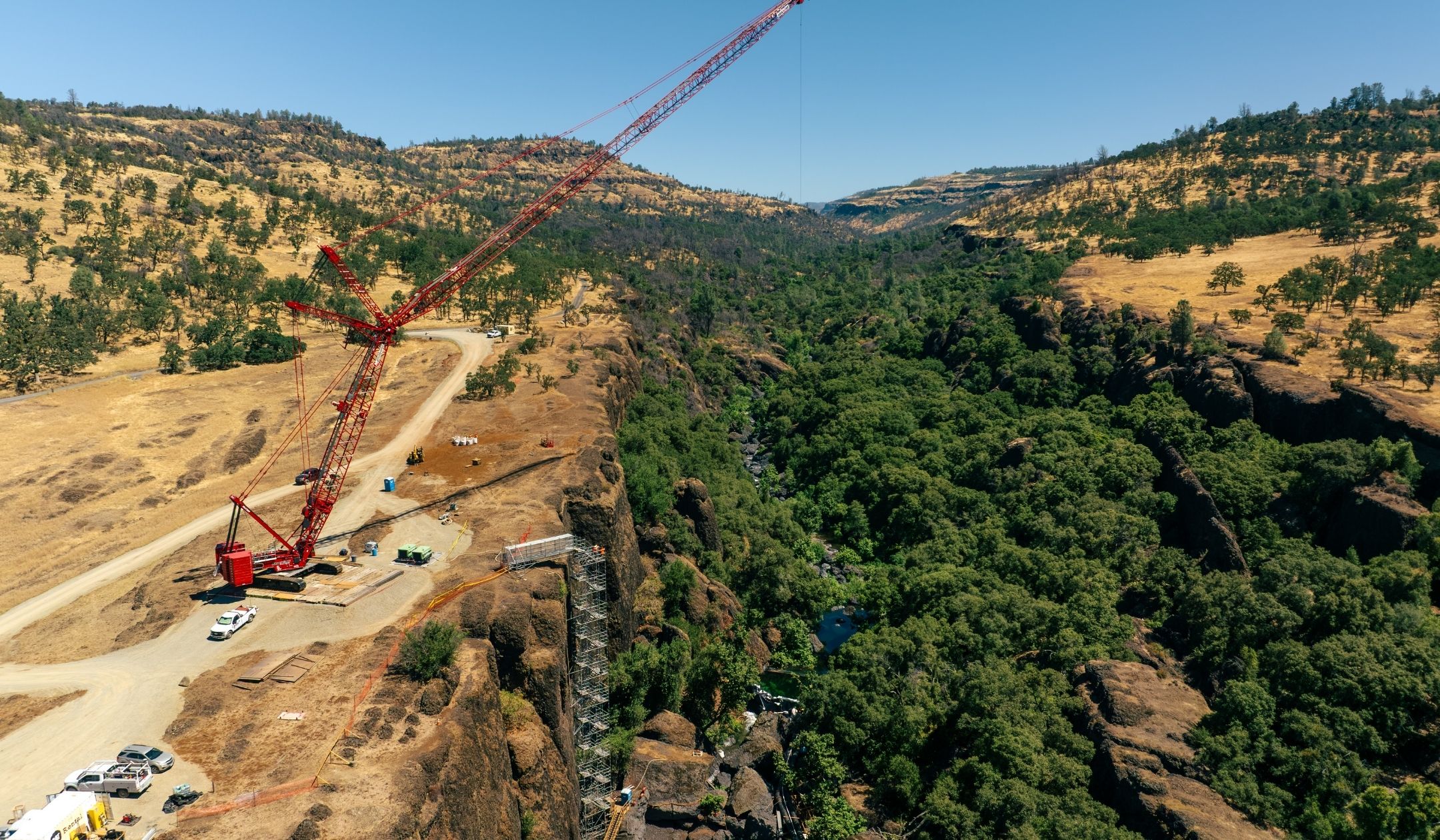
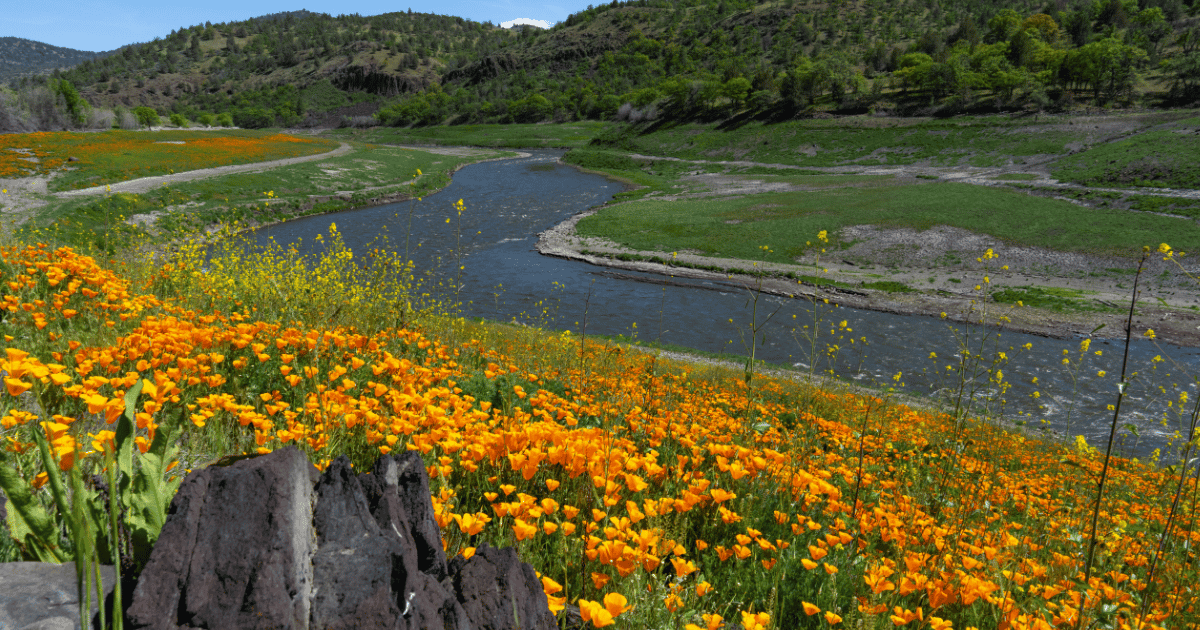
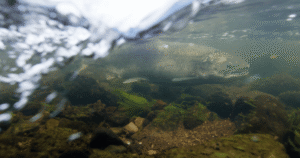
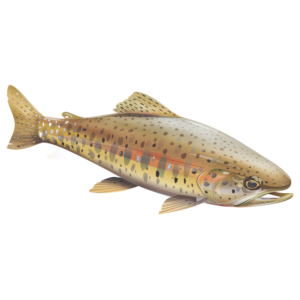
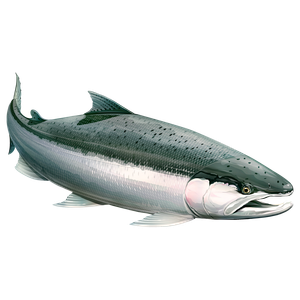
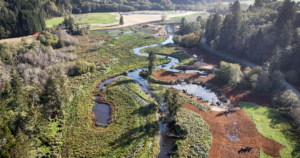
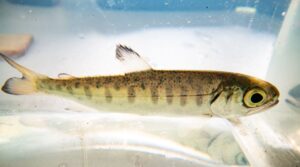
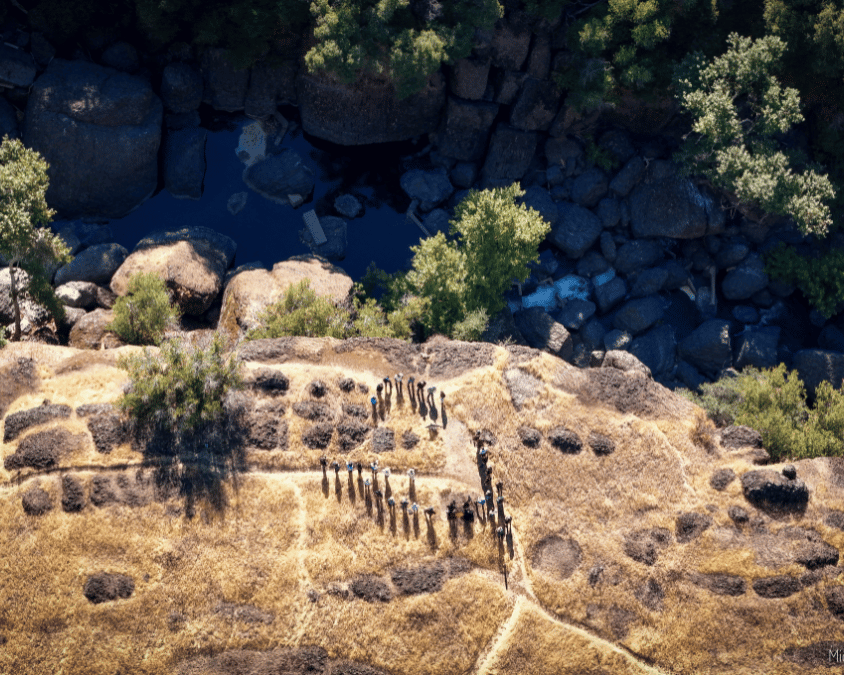
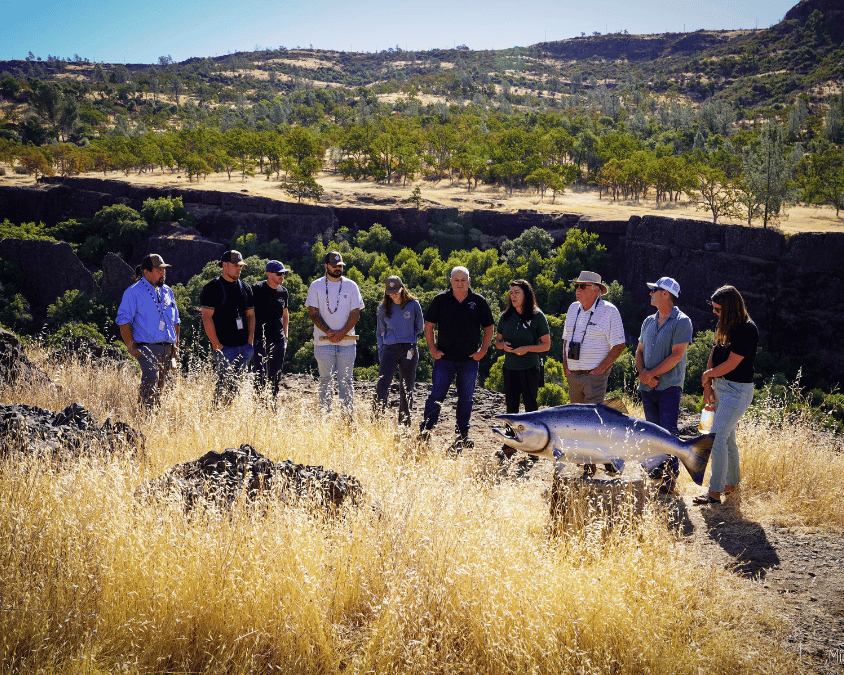
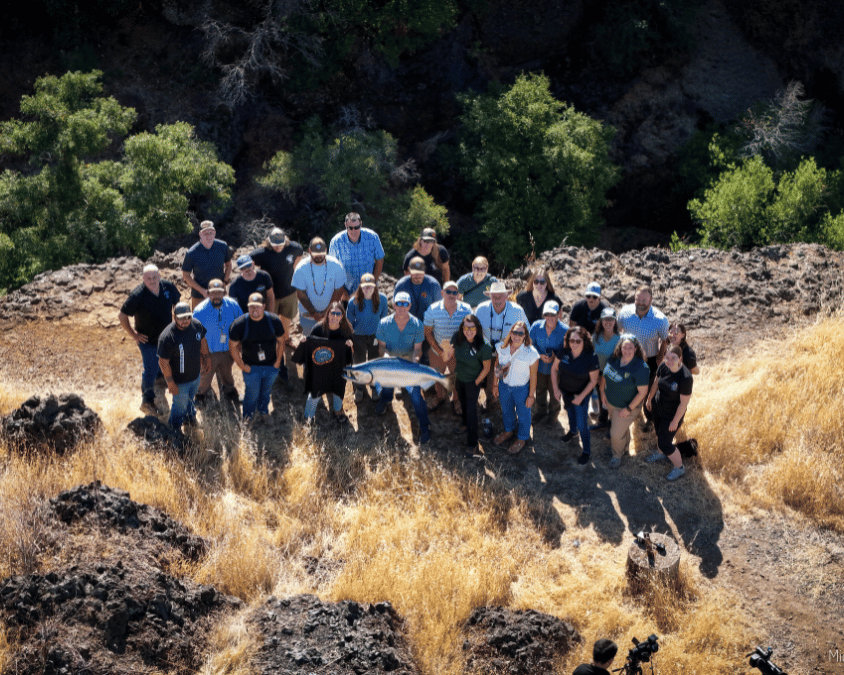
Chico, CA — On August 20, 2025, California Trout (CalTrout), the Mechoopda Indian Tribe, the Big Chico Creek Ecological Reserve, and the City of Chico celebrated the start of the construction phase of the Iron Canyon Fish Passage Project on Ótakim Séwi, or Big Chico Creek, in the City of Chico’s Upper Bidwell Park. The Iron Canyon Fish Passage Project will create a path for anadromous and other migratory native fish to travel upstream of Iron Canyon to Big Chico Creek Ecological Reserve and beyond, into critical cold-water holding and spawning habitats. Currently, fish migrations are blocked by a total upstream migration barrier located in a bedrock gorge called Iron Canyon. By 2027, threatened steelhead and spring-run Chinook salmon will have restored access to the entirety of their historical distribution in Big Chico Creek, resulting in an expected 8.5 additional miles of available habitat.
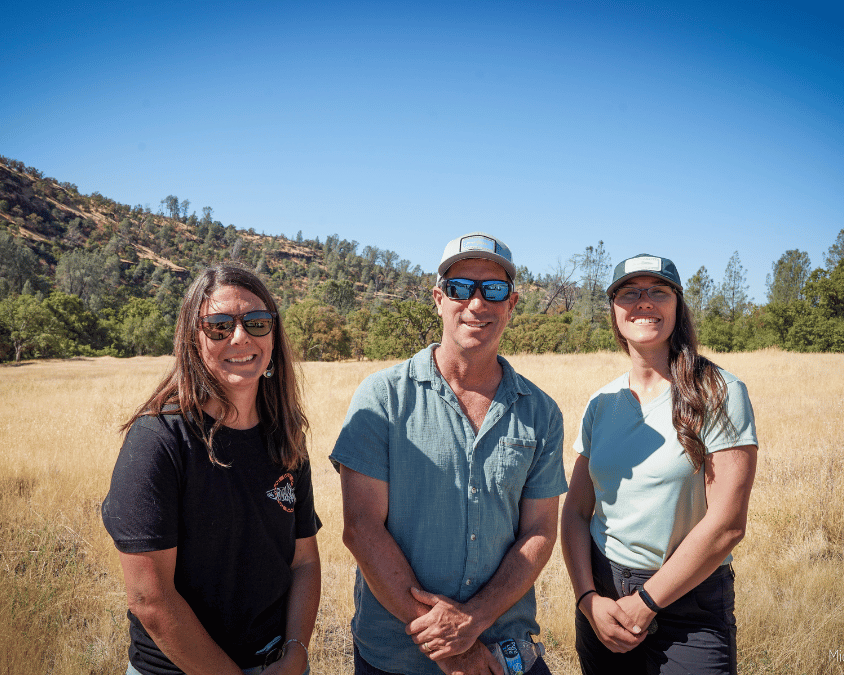
“When I heard CalTrout was taking on a fish passage project in Chico, I knew I had to be part of it,” said Holly Swan, Regional Manager for CalTrout’s Mt. Lassen region and project lead for the fish passage project. “As a Chico resident of more than twenty years, I am thrilled to be partnering with the Mechoopda Tribe, the City of Chico, and the Chico State Ecological Reserve on this project. But most of all, I am excited to see the cascading ecological effects these migratory fish will bring to the entire ecosystem in Bidwell Park, and in turn to all of the park’s users.”
CalTrout will restore fish passage by removing components of a non-functioning fishway and reconfiguring a rock fall. In place of the current barrier, the project will create a nature-like fishway – a fish ladder made of boulders. This will be accomplished by modifying the current existing configuration of boulders in the creek to create a series of “steps” and resting pools that fish can navigate through. With the resting pools, fish will even be able to take a break halfway through if they need. In addition, dilapidated concrete and rebar fish ladder weirs that were constructed in 1956 but no longer serve a purpose will be removed from the creek, resulting in a natural stream channel.
The project will also provide benefits for Big Chico Creek’s non-salmonid native fish community, taking an entire ecosystem-based approach to restoration. Native fishes, including California roach, hardhead, Kern brook lamprey, riffle sculpin, Sacramento sucker, Sacramento pikeminnow, and Pacific lamprey, that once thrived in Big Chico Creek will benefit from the project.
A similar fish passage project was led by CalTrout and completed in 2021 in a neighboring drainage at Eagle Canyon in Battle Creek, providing a successful model for this project. Unlike the original Iron Canyon fishway, which is dilapidated, this approach will not require future maintenance and is robust to sediment transport and high flow events. This project is listed as a priority in NOAA’s Recovery Plan, USFWS’ Restoration Plan, Bidwell Park’s Master Management Plan, and is on CDFW’s Fish Passage Priorities list.
“The City of Chico is elated about the fish passage project,” said Shane Romain, City of Chico Parks and Natural Resources Manager. “This work is critical to help restore populations of not only salmon but several other native fish species in the Big Chico Creek watershed. We are looking forward to working with all of the partners in this project to see it through to its successful completion.”
Beyond the benefits of restoring healthy fish populations in Chico, the project has and will continue to provide educational opportunities to students at Chico State University and Butte Community College, as well as K-12 students and the public. Hundreds of thousands of people visit Bidwell Park each year, enabling the project to reach a diverse and widespread audience. Educational opportunities provide insight into Traditional Ecological Knowledge practices, habitat restoration, and fish passage remedies. In addition, over 1,000 local students have and will be engaged in the restoration effort every year of the project, giving them a personal connection to Big Chico Creek and building a long-lasting conservation ethic. The project will fund more than 60 local jobs from a wide range of disciplines, from engineering, surveying, and construction to science and education.
“We view our role as developing the next generation of land stewards and conservationists in the Western United States,” said Eli Goodsell, Executive Director of Chico State University’s Big Chico Creek Ecological Reserve. “Everything we do at Big Chico Creek Ecological Reserve centers on the health of the watershed. For the health of the watershed and the landscape, we know we need to bring more native fish and salmon back into Big Chico Creek. A return of fish will in turn support our birds of prey and mammalian predators and will ultimately impact multiple aspects of the food web.”
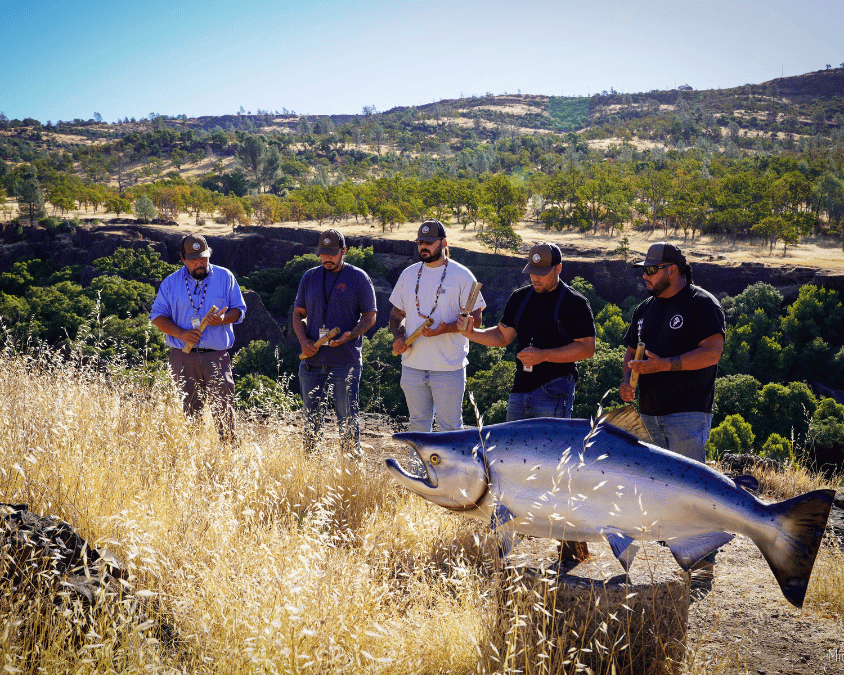
Since time immemorial, the Mechoopda people have occupied the Ótakim Séwi (Big Chico Creek) watershed, the Eskenim Séwi (Butte Creek) watershed, as well as both banks of the Séwote:m (Sacramento River) in what is now Butte and Glenn Counties. The project site is located on an ancestral subsistence fishing site for the Mechoopda Tribe, and the Tribe has been involved in the project since inception, providing perspective and knowledge throughout the process. After stream channel restoration work is complete, the Tribe will provide a Traditional Ecological Knowledge (TEK) crew to revegetate the project site with native plant species. The TEK crew holds deep knowledge of the landscape from thousands of years of direct contact with the land and knowledge, practices, and beliefs passed down through generations.
“The salmon have sustained our people for thousands of years, and they are the reason we are alive today,” said Kyle McHenry, Tribal Historic Preservation Officer of the Mechoopda Tribe. “They are a part of our DNA. Being able to see this project go through to help the salmon – and to see them thrive – is paramount for the Tribe.”
The project is funded by NOAA’s Community-based Restoration Program and USFWS’s National Fish Passage Program.
Learn more about the Iron Canyon Fish Passage Project here: https://caltrout.org/projects/iron-canyon-fish-passage-project-big-chico-creek.
*This project is funded by NOAA Restoration Center’s Community-based Restoration Program.