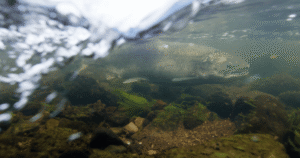
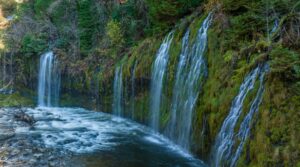
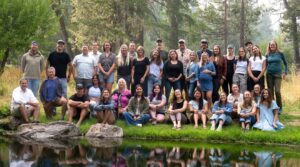
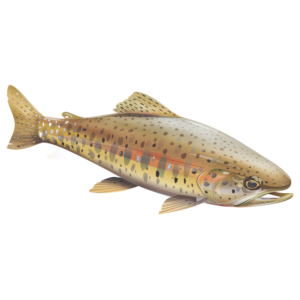
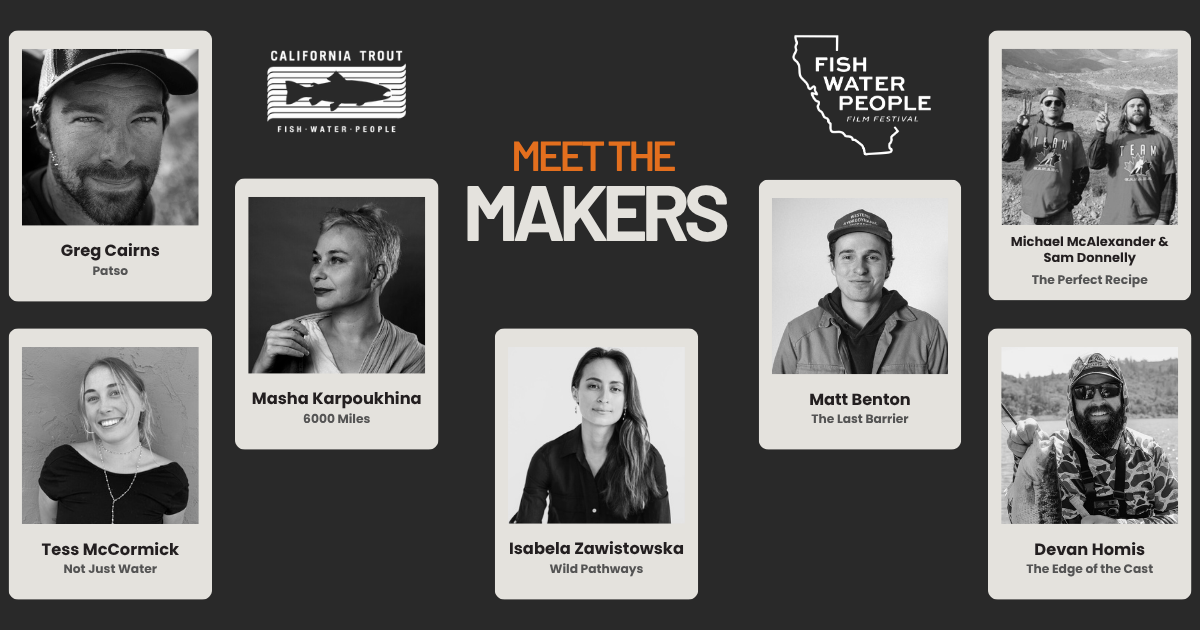
Every film in this year’s Fish Water People Film Festival began as a feeling, a moment on the water that inspired a story. The seven filmmakers in our lineup come from wildly different backgrounds, including a two-time Emmy winner who first picked up a fly rod five years ago, a self-taught angler-turned-cinematographer who still works another full time job, an award-winning documentarian who once asked a creek for permission to film, and more. And that’s the power of water – it’s able to impact all of us across walks of life. When water moved them, they captured that feeling, and they’re bringing it to the big screen for all of us to experience together this Spring.
Here’s a closer look at the makers behind the films — and why California’s rivers, coasts, and creeks keep calling them back.
On how water shapes the work
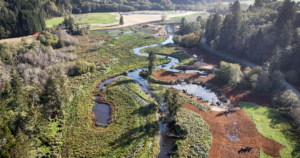
River backdrops have been prevalent in films since the dawn of movies. But for these filmmakers, the connection to water extends far beyond its aesthetic. Masha Karpoukhina, 6000 Miles filmmaker, describes a pivotal moment on Berkeley’s Strawberry Creek when a subject encouraged her to ask the water for permission before filming. “At that moment, the sun was dancing through the thick foliage on the banks,” she recalls. “I felt a gentle invitation, an opening to a more meaningful relationship with water.” That shift — from observer to participant — runs through her film’s urgent case for protecting California’s wild rivers.
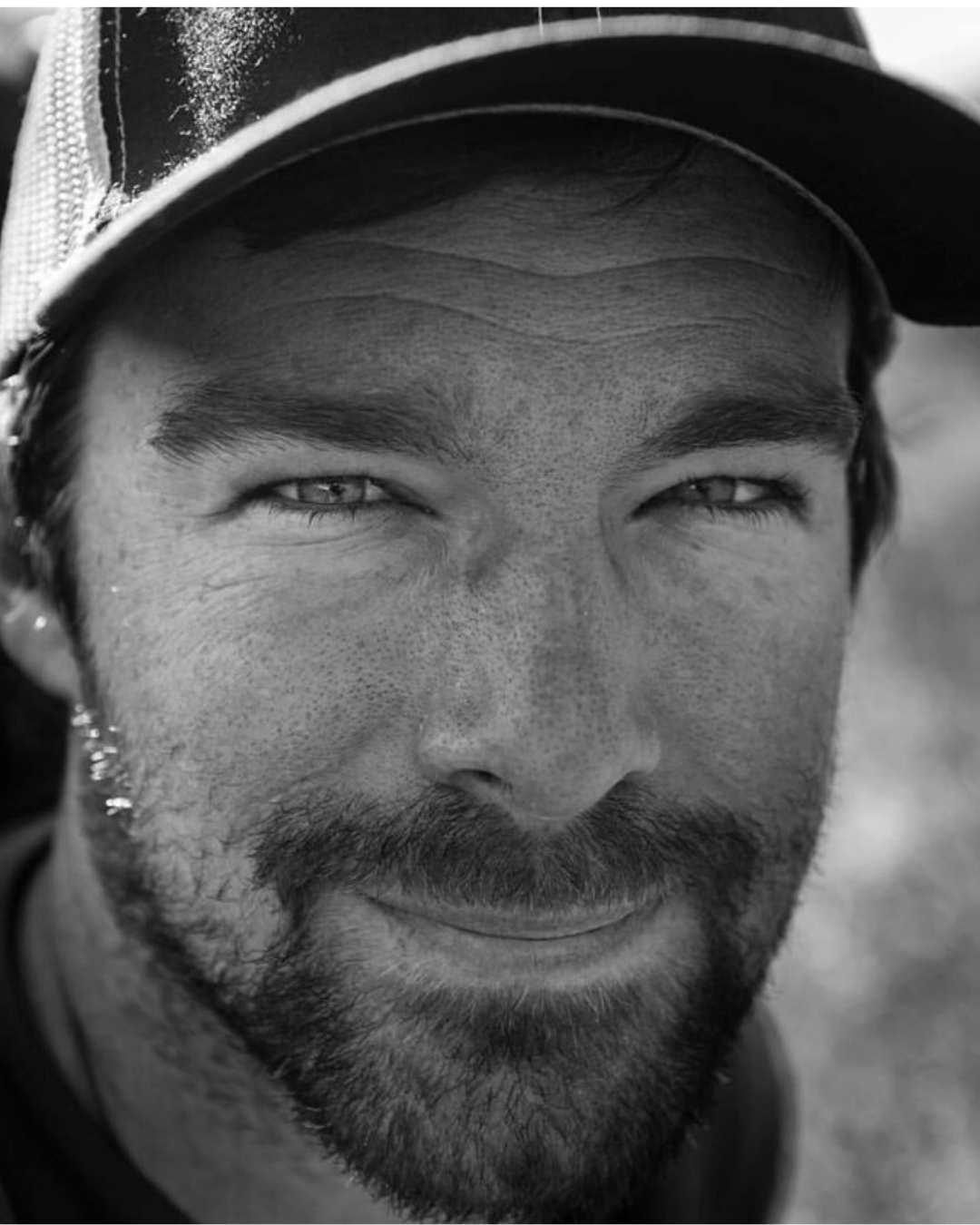
At CalTrout, we often remind you that our work is not just about the fish, highlighting how protecting our freshwater ecosystems is not just essential for healthy fish, but crucial for all of us. Greg Cairns, Patso filmmaker, echoes that sentiment: “Clean moving water makes me happy. It really is that simple. Being near moving water makes me happy and feel alive.”
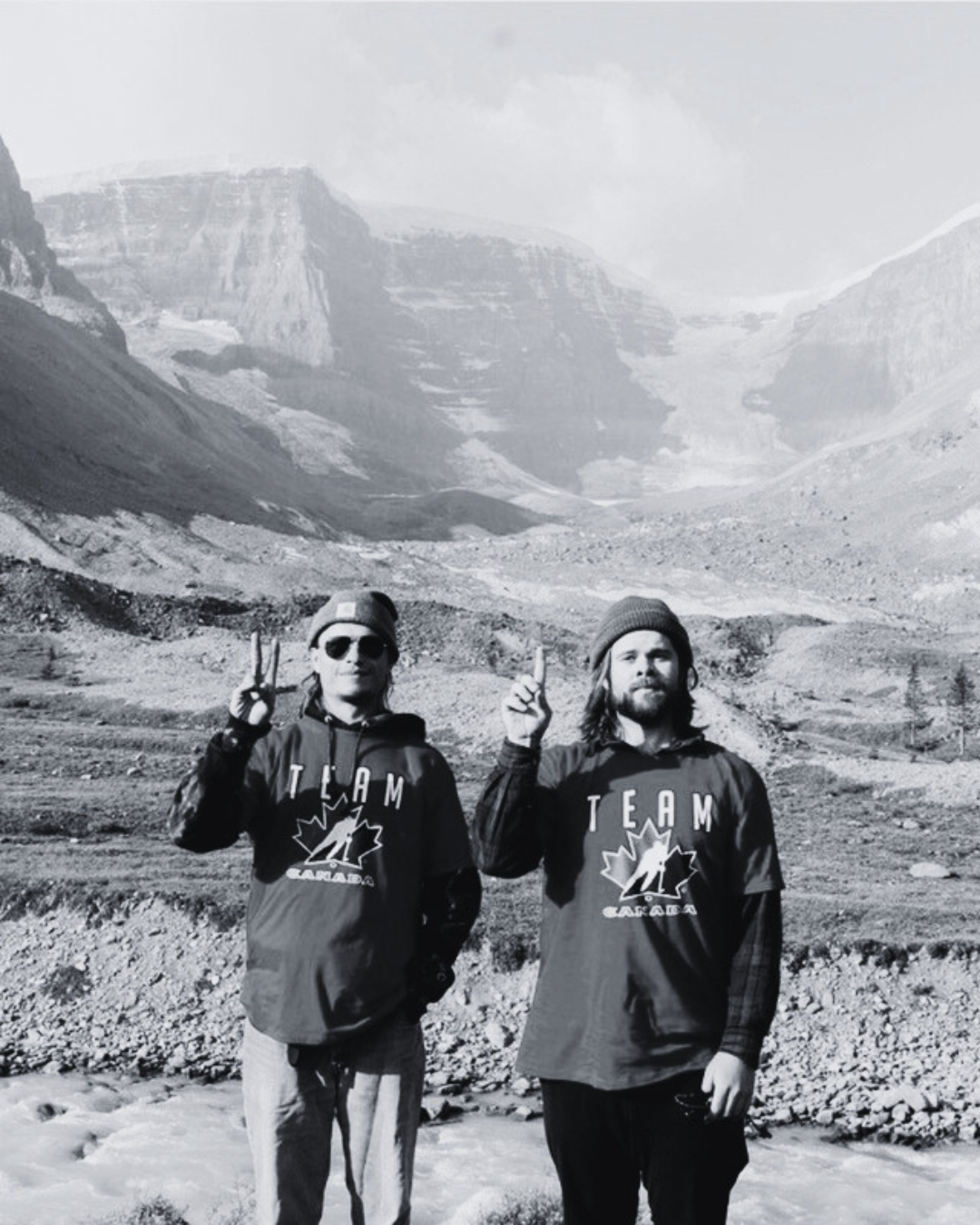
Michael McAlexander, co-director of The Perfect Recipe, puts it with equal simplicity: water started as a means to an end — that’s where the fish live. “But the longer I’ve spent around it, the harder it is to separate anything else from it. It’s not always peaceful, and I don’t think it’s supposed to be.” And for Devan Homis, filmmaker of The Edge of the Cast, it was a borrowed pair of waders on a New York trout stream that changed the course of his life and ultimately led him to create Fish the West Films. “I found a kind of peace I hadn’t felt in a long time,” he says. “It felt personal. Spiritual, even.”
For Matthew Benton, director of The Last Barrier, the connection runs even deeper than aesthetics or escape. “Watersheds are everything,” he says. “Everything exists within a watershed and is interconnected. If we live with a greater understanding of how elements intersect with one another, we will be more present with how we coexist with nature and other communities.” It’s a perspective shaped by his upbringing in California and a filmmaking practice rooted in telling deeply human stories.
What they want you to leave with
Ask our filmmakers what they hope audiences take away, and there is a pretty pointed conclusion — the best things in life don’t have to be complicated. McAlexander puts it best: “Much like good food, it comes down to a few simple things. Place, fish, and people. That is really all it takes to create something memorable.” Cairns echoes that from a different angle: “I hope people are encouraged to believe that community is good for us. That we don’t need to be professionals or do extreme things. Let’s just spend a bit more time outside together.” The same can be true for conservation. Masha Karpoukhina shares, “if we can protect water, we will protect absolutely everything else.”
Benton’s hope for audiences centers on that same local, human connection. “I wish for people to see themselves in our main character Jeff,” he says. “There are so many local issues that people can get involved in and make a meaningful impact. It really takes people to dive in locally to create meaningful impacts in our communities.” It’s a reminder that we all have a role to play — conservation starts with people choosing to show up for the places they love.
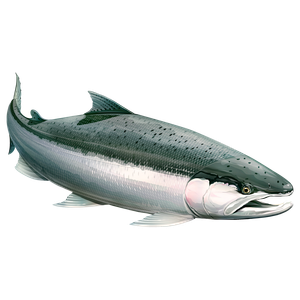
For Karpoukhina, the personal becomes globally significant. 6000 Miles centers on CalWild’s mission to protect California’s remaining Wild and Scenic rivers — and the Smith River’s status as the state’s only major waterway that has never been dammed puts the stakes in sharp relief. “Choking out our rivers leaves our ecosystems vulnerable to collapse,” she says, pointing to the salmon as a keystone that connects bears to redwoods, whales to humans.
You’ll have the chance to hear directly from many of these filmmakers at Q&As following each screening. Come with questions — and come ready to be reminded why California’s rivers are worth fighting for.
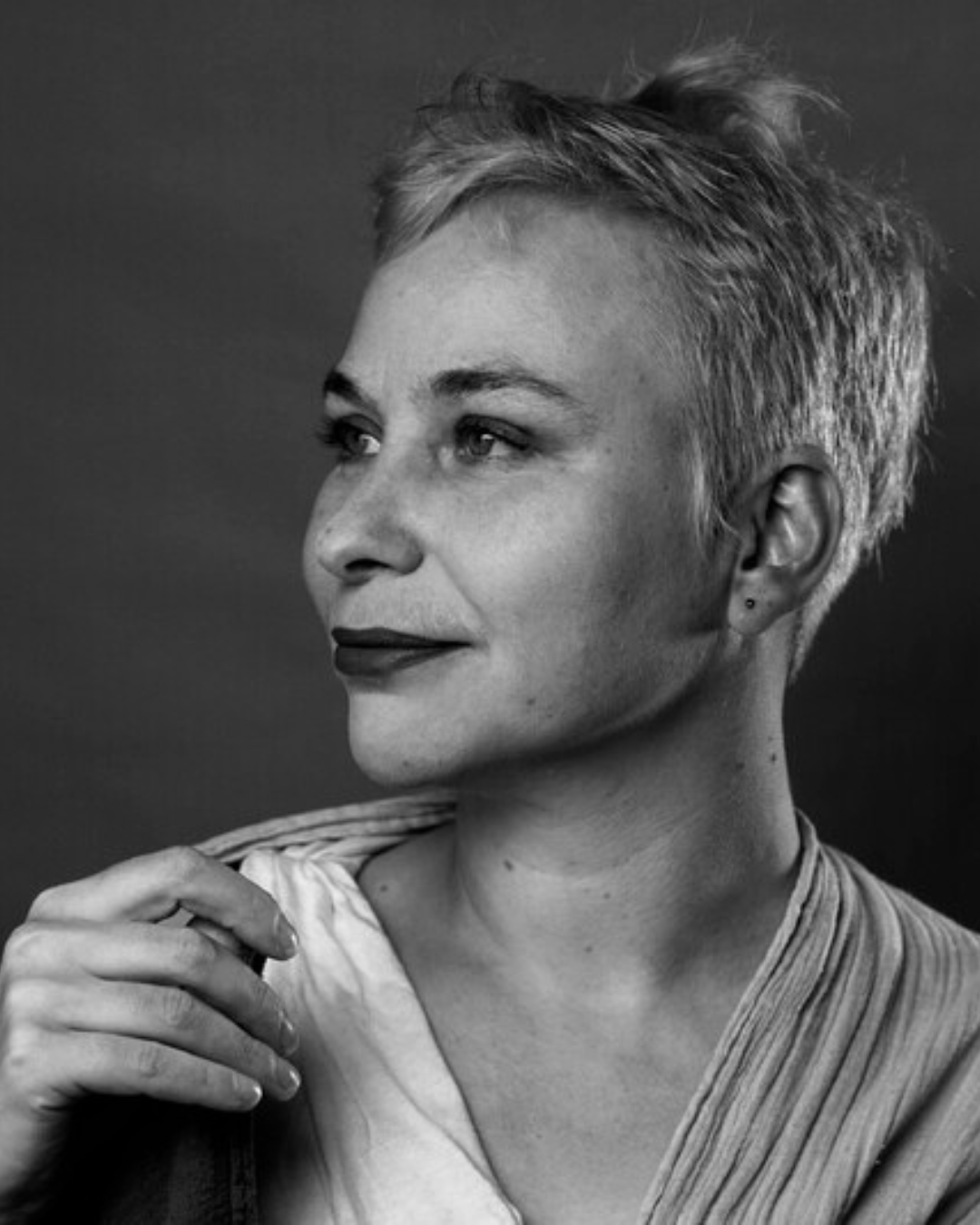
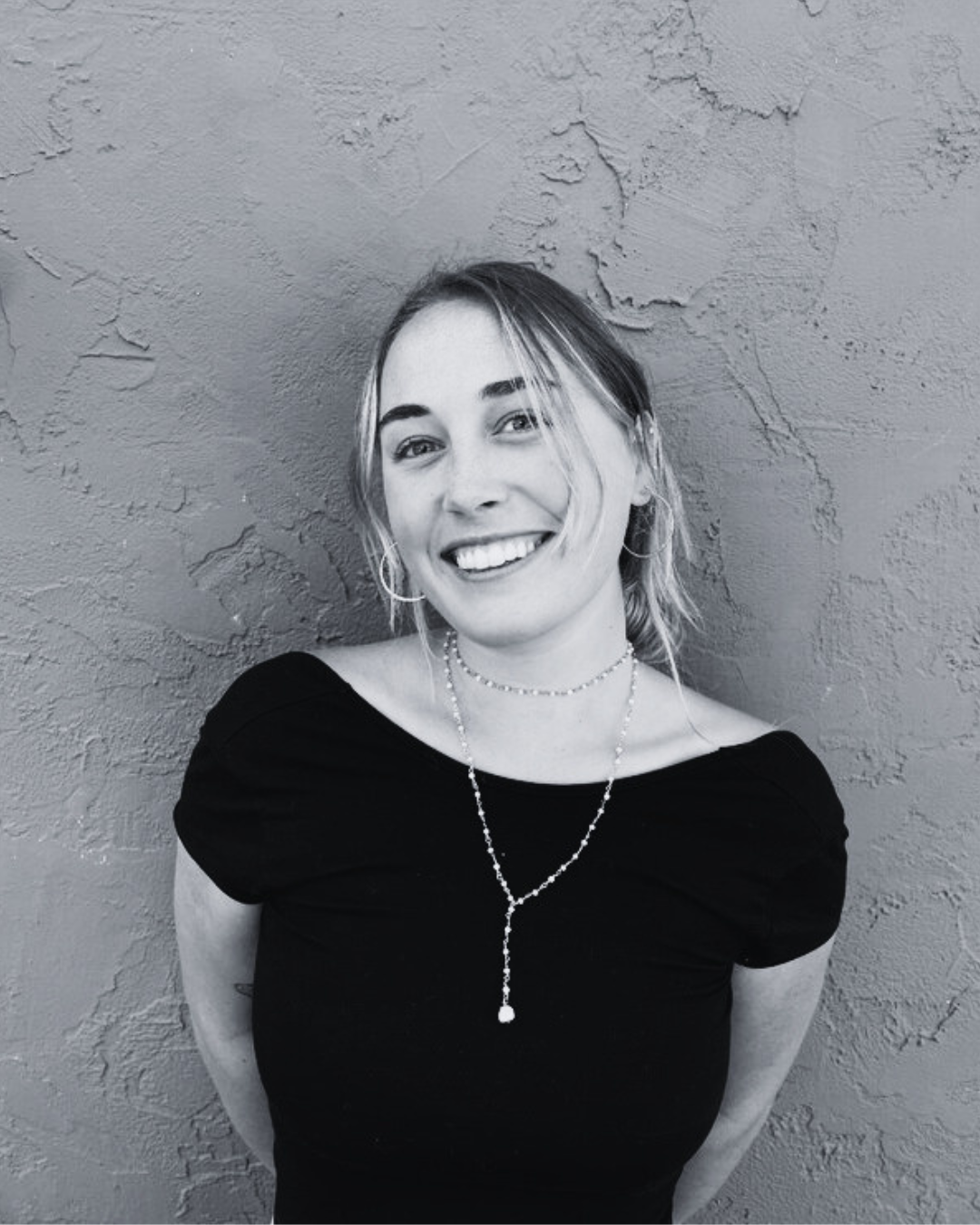
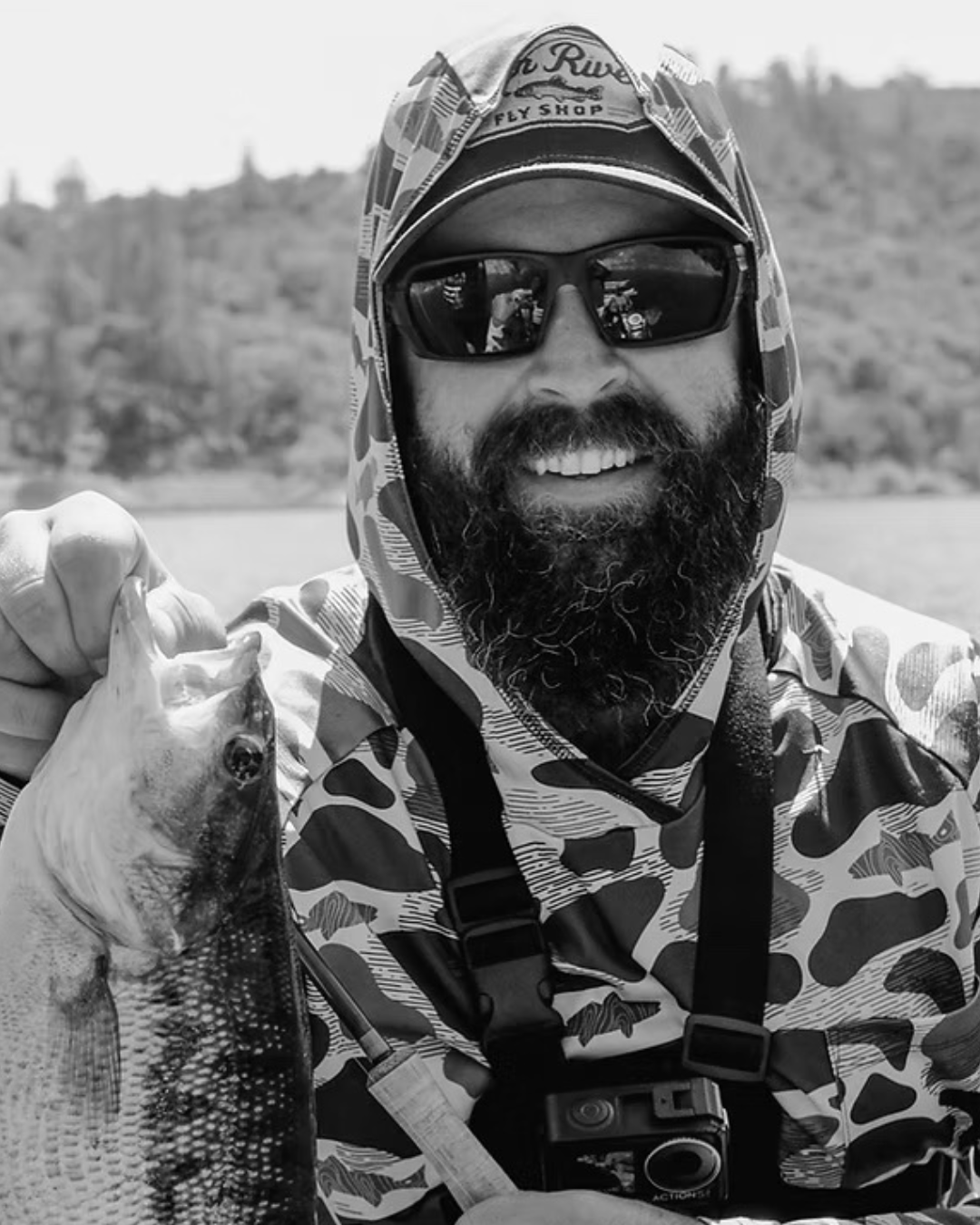
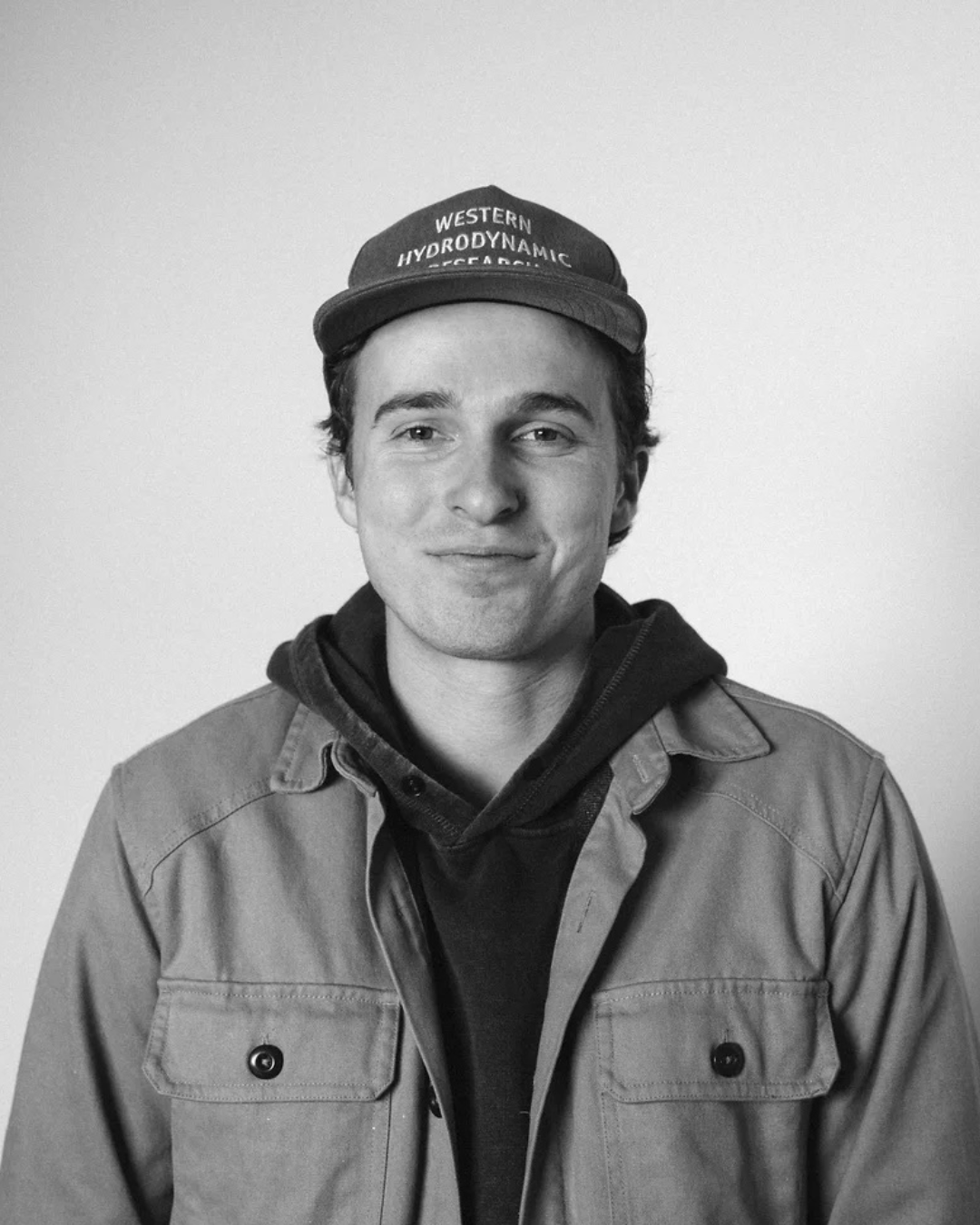
List of Films:
6000 Miles by CALWILD and COLORFOOL Films where Masha Karpoukhina is a Director, Producer, and Cinematographer) | Trailer
Masha is an independent, Emmy and Jackson Wild Award-winning filmmaker focusing on climate storytelling that helps us examine and redefine our relationship with more than the human world. Her flow state: Mount Shasta watersheds.
The Perfect Recipe by Michael McAlexander and Sam Donnelly aka FLY ALL SZN | Trailer
Michael is a self-taught filmmaker from the Midwest who still works full-time. He spent five years learning the craft of becoming a filmmaker through trial and error. His flow state: the remote Upper Kern River.
Patso by Greg Cairns | Trailer
Greg started as a Middle Fork of the Salmon River guide turned filmmaker in Bozeman, MT. He is currently editing a Grand Canyon film for OARS. His flow state: the South Fork of the American or the ocean.
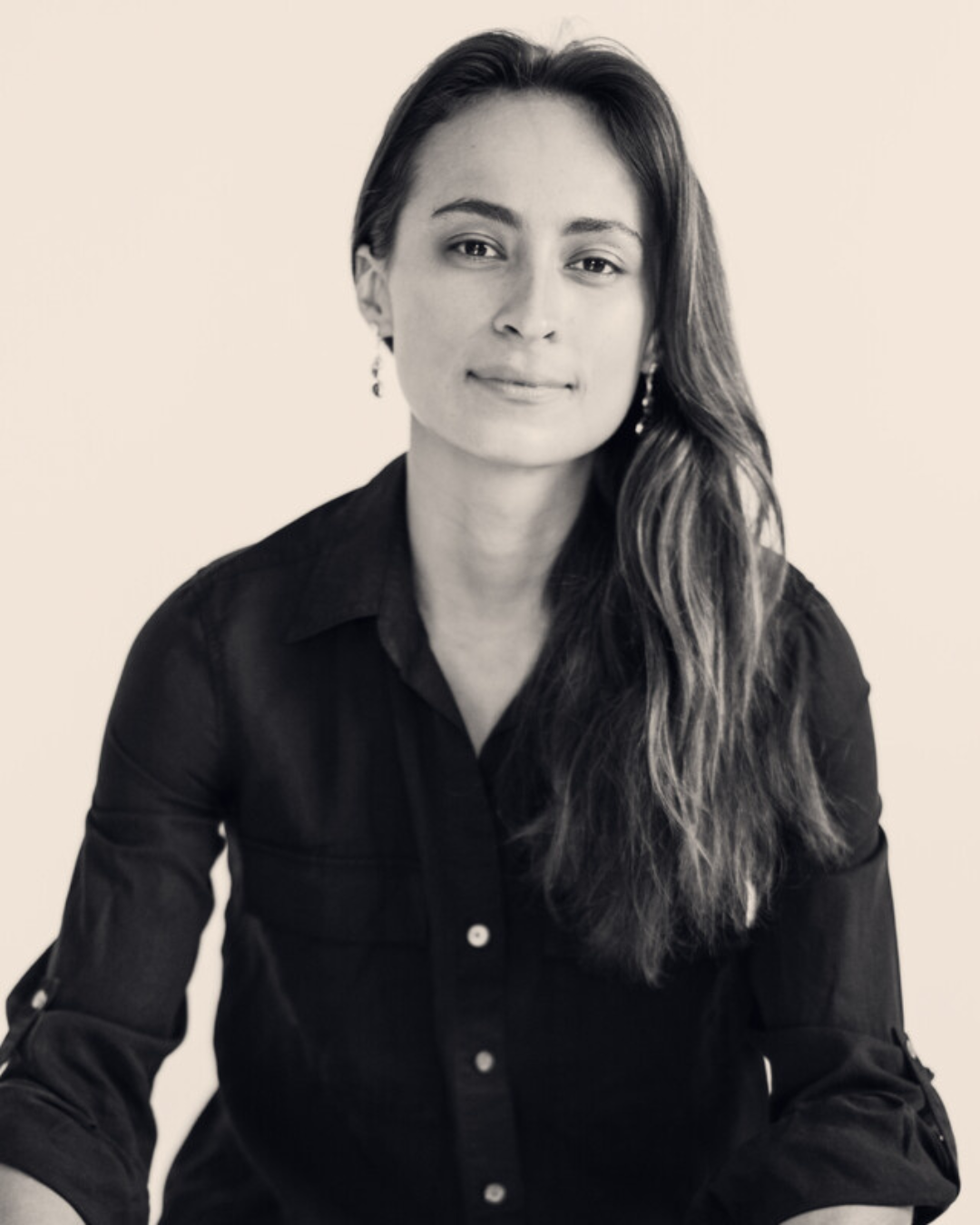
Wild Pathways by Isabela Zawistowska | Trailer
Isabela is a Mexican-American documentary filmmaker and cinematographer raised in Vancouver, BC. Her work explores the relationships between people and the landscapes they inhabit.
Not Just Water by Tess McCormick
Tess is a California-based director and underwater cinematographer. She holds a UCSB Aquatic Biology degree. Topside and below the surface, she advocates for environmental conservation through character-driven docs.
The Edge of the Cast by Devan Homis aka Fish the West Films | Trailer
Devan built his film career editing extreme sports documentaries, then walked away to stop building other people’s visions and start building his own based around what he loves: fly fishing. His flow state: the Kern River.
The Last Barrier by Matthew Benton
Matthew Benton is is a director, photographer and creative producer based in Los Angeles, California. His work has featured in many festivals across the country including the Mountainfilm Festival, Sebastopol Documentary Film Festival, Wild Coast Film Festival, and more. The Fish Water People Festival marks the a special preview of The Last Barrier, in advance of its world premiere.