Tell us a little about yourself including where you’re from, and how you ended up in the world of rivers and fly fishing.
I grew up in LA, but I first came to Trout Camp when I was 12 years old. That was it for me. I came up with my dad, got to know Craig [Ballenger], and just fell in love with the freedom of being on the rivers. I went to college in Colorado, fished and skied, and the day I graduated I moved out here to start guiding with Chuck and John, the previous owners of Wild Waters Fly Fishing. After working with them for five years, a year and a half ago they were ready to pass the business on — and here we are.
What drew you to a life outdoors, and were there any early experiences that shaped that path?
From an early age I just felt like I fit right in out here — the adventure, the community, the rivers. Twelve is a pretty perfect age to fall in love with a place like this. You’re old enough to really take it in, and it just sticks with you. Craig used to say I drank the Trout Camp Kool-Aid and didn’t look back. He wasn’t wrong.
You own Wild Waters Fly Fishing, a guide service covering Northern California and Southern Oregon. What are some of your favorite waters to guide on?
One of the things I love most about this career is the variety — I get to fish a lot of incredible wild places. If I have to break it down by season:
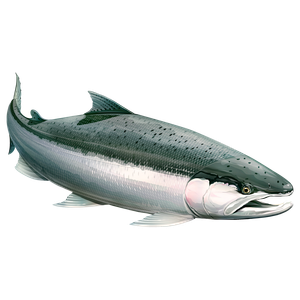
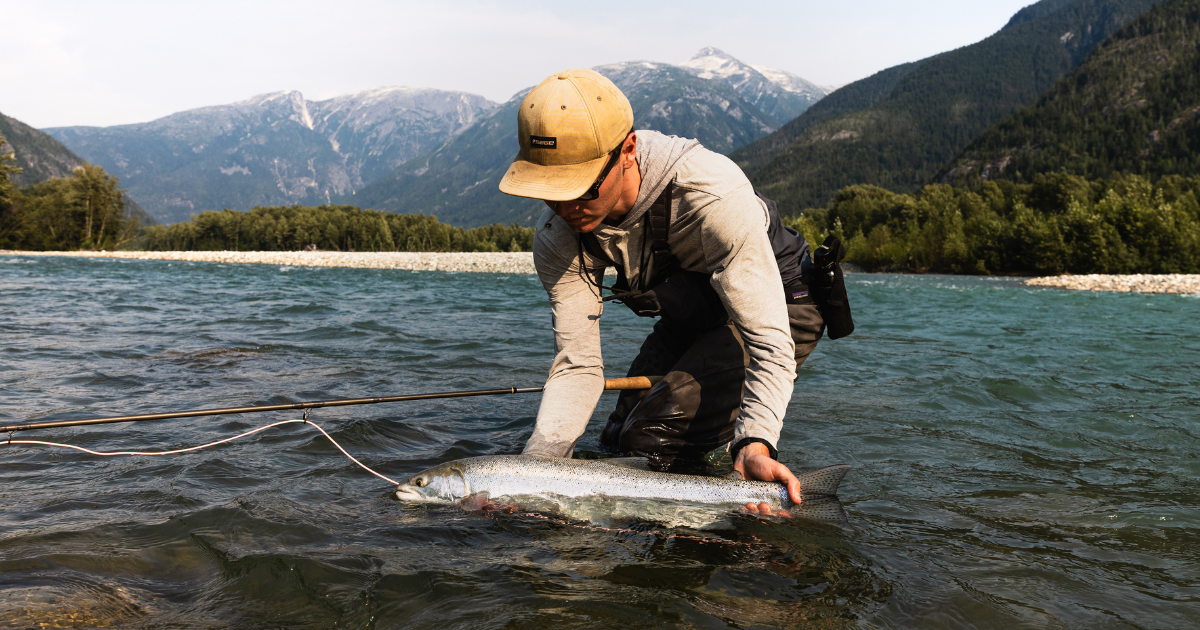
For winter steelhead, it’s the Smith River. It’s a really unique, challenging place and largely untouched by humans, and the gem of wild California steelhead fishing. It’s not an easy place to catch a fish, but that’s part of what makes it so special and rewarding.
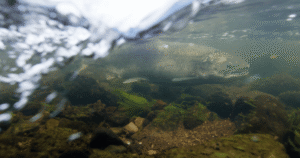
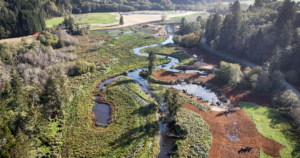
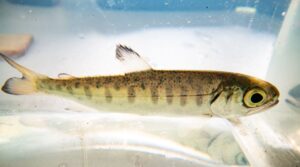
For fall and summer steelhead, the Klamath. You get so many types of fish, and it’s been incredible to watch that river transform over the last few years — to see the work that organizations like CalTrout and their partners are doing play out in real time. Getting to watch salmon and steelhead come back after dam removal is a pretty cool thing to witness.
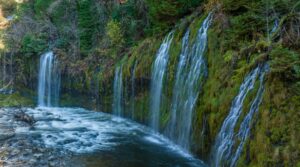
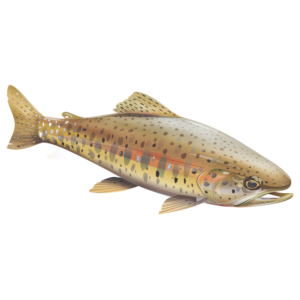
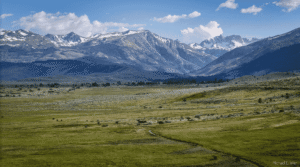
And for trout fishing, I’d have to say the McCloud. It’s such a wild, unique place. You can fish any technique you want and the river has so much to offer. Honestly it’s just a beautiful drive out there.
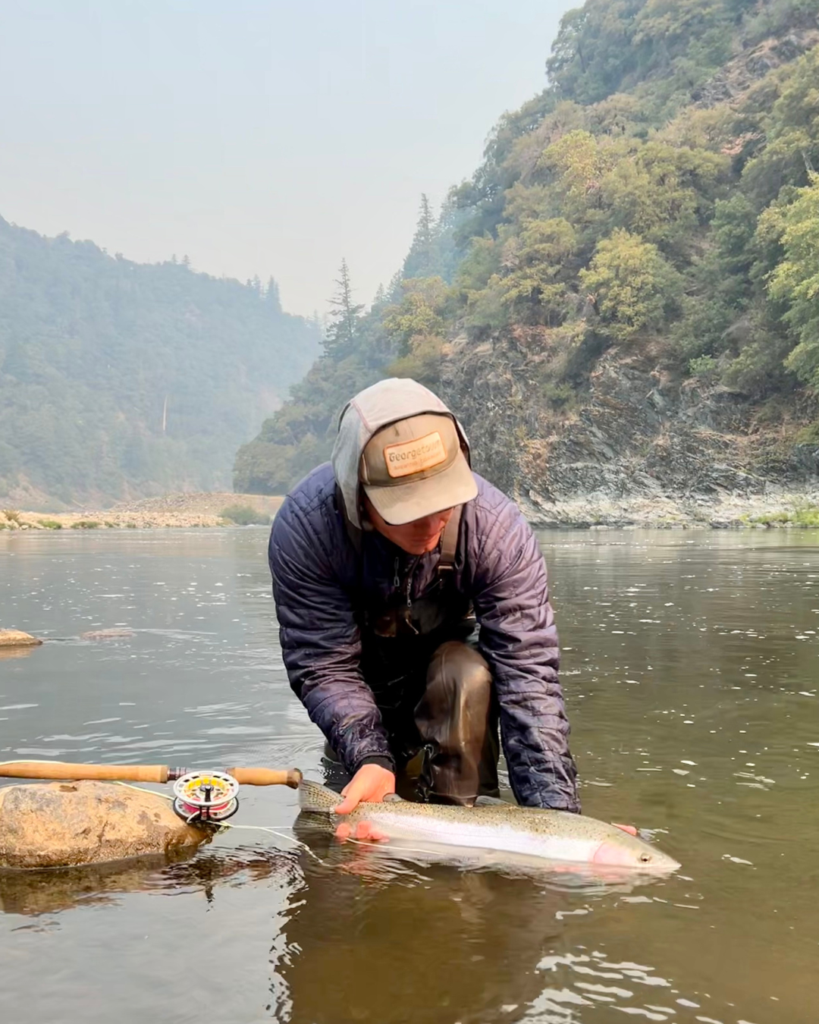
Klamath River
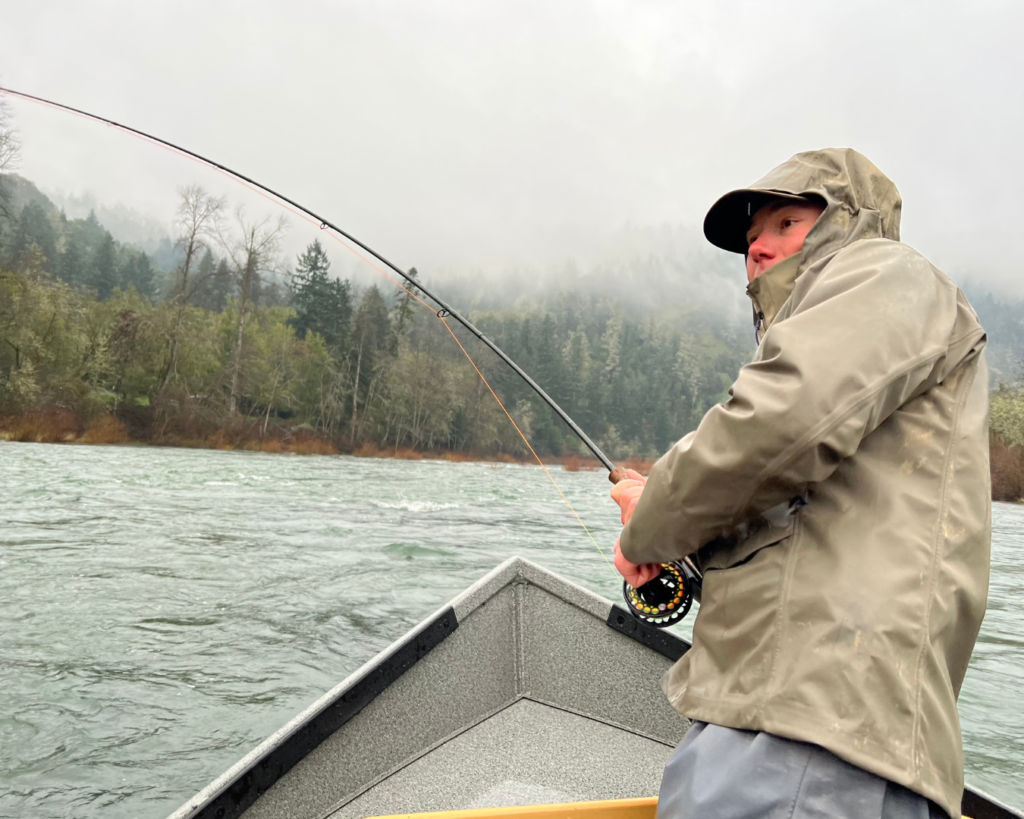
Southern Oregon Coast
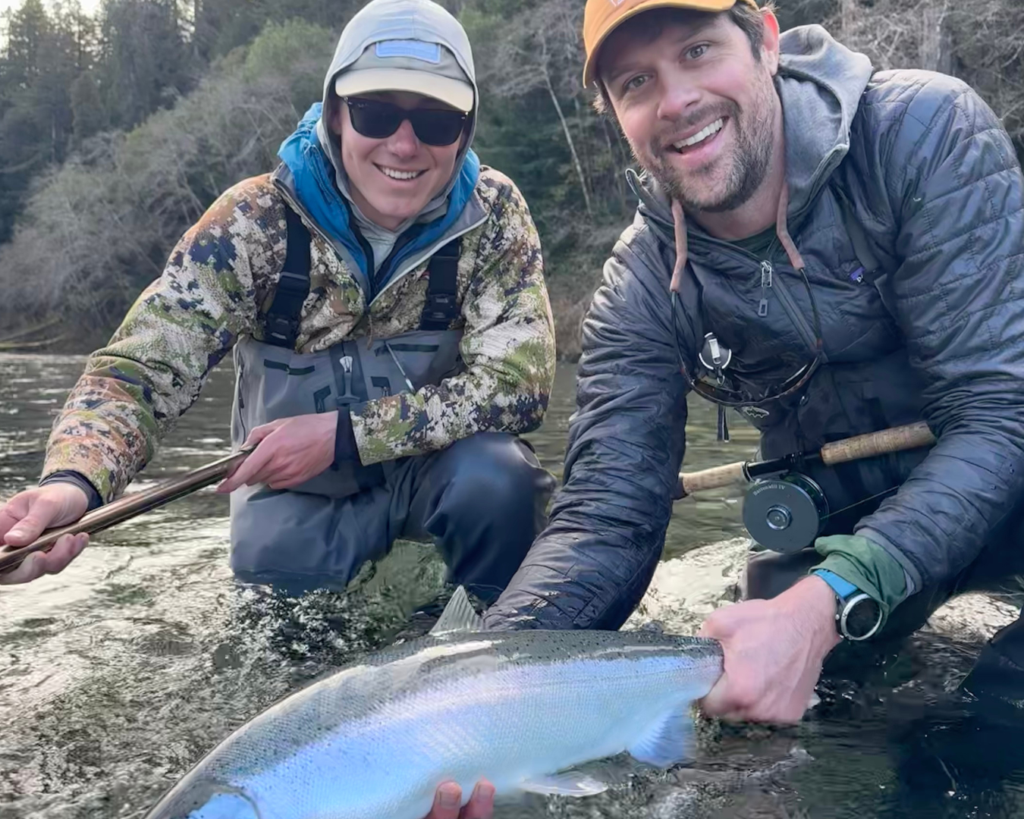
Smith River
How did you first come to know Trout Camp, and what was your impression?
My memories of the first few times are a little hazy since I was so young, but what I remember most is the feeling — the freedom of being somewhere new, sitting around the campfire with Craig. That feeling never left and it’s why I’m here today.
Craig Ballenger, Trout Camp’s original caretaker, meant so much to the CalTrout community. What does it mean to you to step into the role he held?
That’s a big question, and one that’s hard to answer. Craig was a really dear friend and mentor, and anyone who knew him knows he was a one-of-one person. I’m not going to fill his shoes — I don’t look at it that way. It’ll look different, but I’ve learned so much from him and I carry that with me.
The biggest thing Craig taught me was how to build community. He’d lived this incredible life — climbing and fishing all over the world, with an encyclopedic knowledge of this area and beyond. But what actually made him so good at connecting with people was that he took a real, genuine interest in every single person who came through camp. Everyone from the Governor of California to a bartender from a coastal town — he wanted to dig into their lives and learn everything he could. That’s what built the friendships and the community that made Trout Camp what it is. Anyone who’s sat around a campfire with Craig while he rambled on knows exactly that feeling. That’s what I’m looking to recreate.
“What makes Trout Camp most special is who ends up here. You get people who are passionate about fishing and conservation all together around a campfire — it creates this great opportunity for conversations that wouldn’t happen anywhere else. “
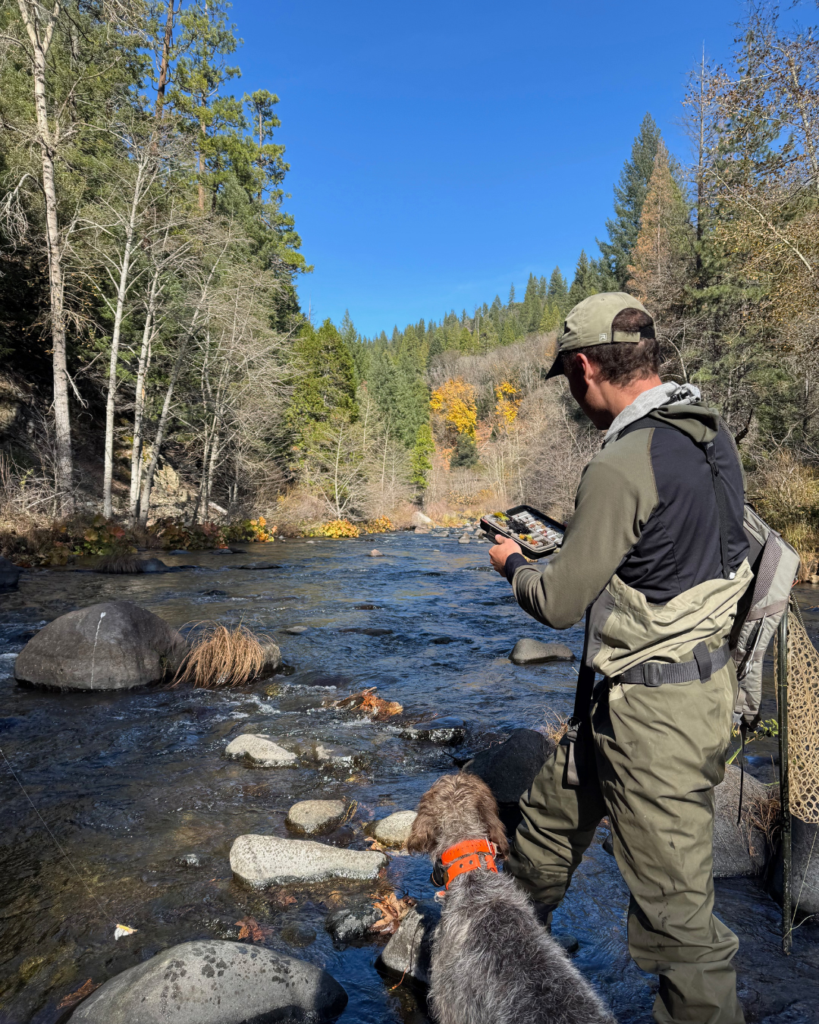
Trout Camp
For someone who has never visited, how would you describe the experience of being at Trout Camp?
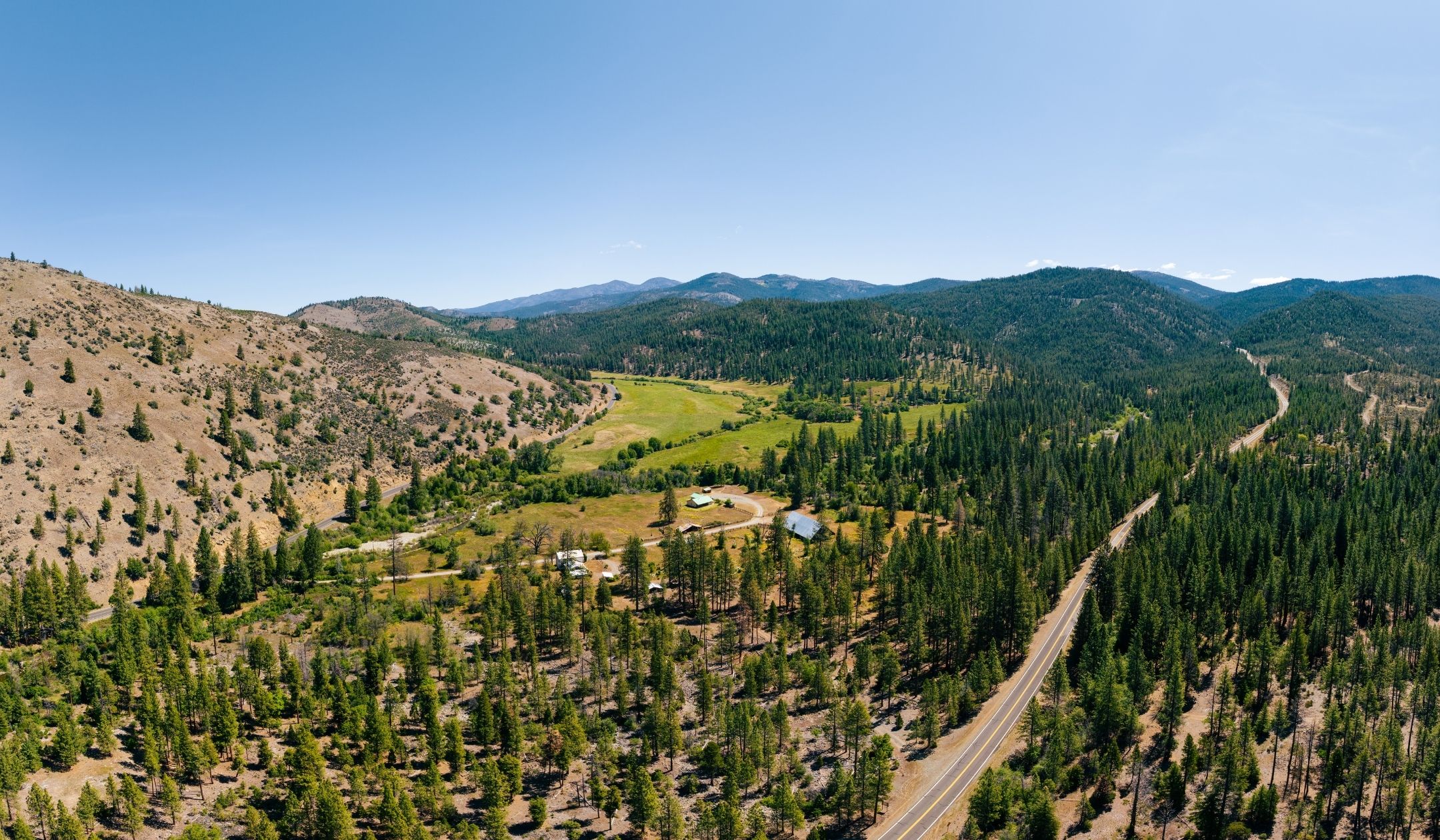
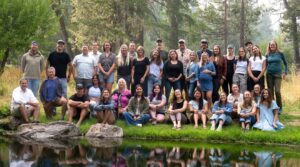
Grown-up sleepaway camp. Glamping at its finest, but simple. It’s meant to be comfortable without being fancy. We’ve got cabins, an outdoor kitchen, and an award-winning outdoor shower. Most importantly, we have awesome river access. Camp is only a short walk to the Upper Sacramento River, and there is beautiful hiking in every direction. We’re hidden in plain sight: a three-minute drive from I-5, but you’d never know it.
What makes it most special is who ends up here. You get people who are passionate about fishing and conservation all together around a campfire — it creates this great opportunity for conversations that wouldn’t happen anywhere else.
What time of year is your favorite at camp, and why?
I’d have to say June. The weather is usually the most temperate, and the stonefly hatch is awesome. Fall and October are great too, but you can get anything — 90 degrees one day and snow the next.
What do you hope guests take away from their time here?
More than anything, I just want people to have fun. But I also think recreation on these rivers is a gateway to conservation. If you go for a hike or drive through beautiful country, you can appreciate nature, but when you’re standing in a river, thinking about what the fish are eating, thinking about their whole life cycle, it forces you to think more deeply about these places and why they matter.
Fishing pulls you into the environment in a way that’s hard to replicate. You can’t walk away from a day on the water without feeling like you need to do more to protect it. I want people to connect to these rivers, see the work CalTrout is doing to restore them, and then come back to the campfire that night and keep that conversation going.
What does it mean to you to call this place home?
It’s been really special to get to introduce so many people to this place. It feels like a big responsibility because it’s the gateway to conservation. I’ve also gotten to meet people who have been coming here for 20 years, and there’s an honor in continuing their connection to this place and learning from them.
More broadly, as a guide, there’s just so much variety and opportunity out here. More fishing than you could do in a lifetime, endless exploration and adventure. It’s a pretty special thing to get to do every day.
“You can’t walk away from a day on the water without feeling like you need to do more to protect it. I want people to connect to these rivers, see the work CalTrout is doing to restore them, and then come back to the campfire that night and keep that conversation going.”
Experience Trout Camp for Yourself
Tucked into 38 acres of private land along the Upper Sacramento River, Trout Camp is an oasis steeped in rich legacy and natural wonder. Access to it is one of the most exciting benefits available to all Watershed Circle members.
CalTrout Giving Circles represent CalTrout’s community of individuals who make the science, the advocacy, and the on-the-ground restoration work possible across California.
If you’re moved by what Riley describes — the rushing rivers, the immersive landscape, the chance to walk side-by-side with fellow wild fish lovers — reach out to Molly Ancel, CalTrout’s Senior Development Manager at mancel@caltrout.org. She can help you learn more about what membership looks like and how you can become part of the community that keeps places like Trout Camp alive for the next generation to experience.