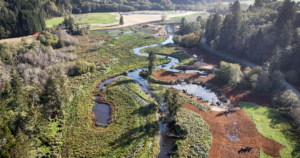
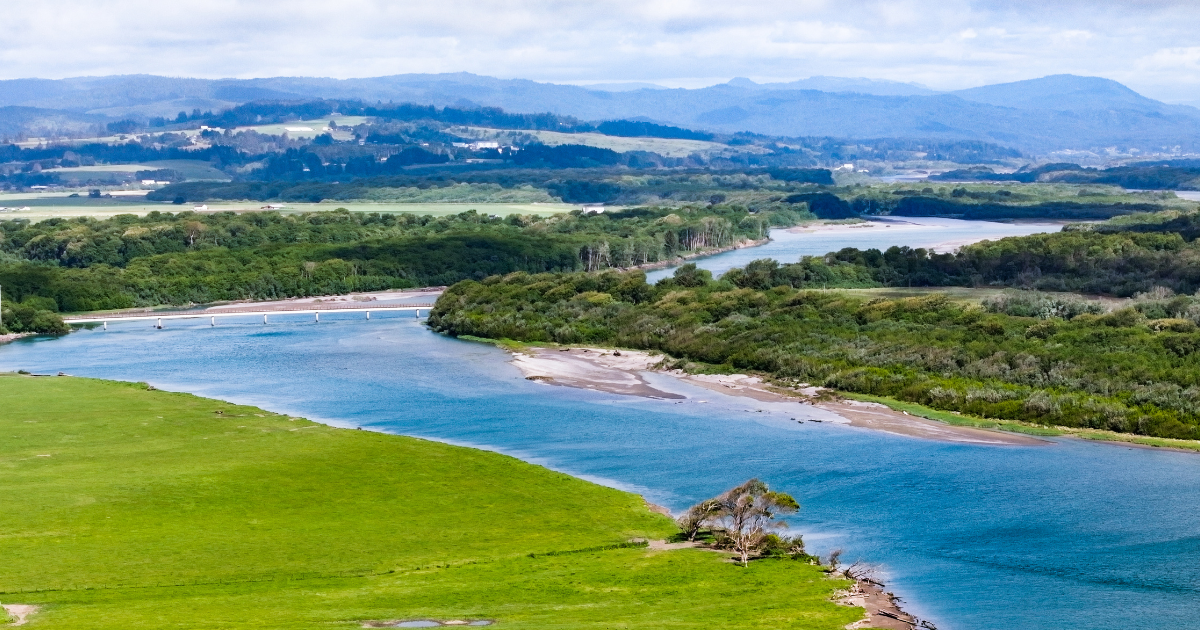
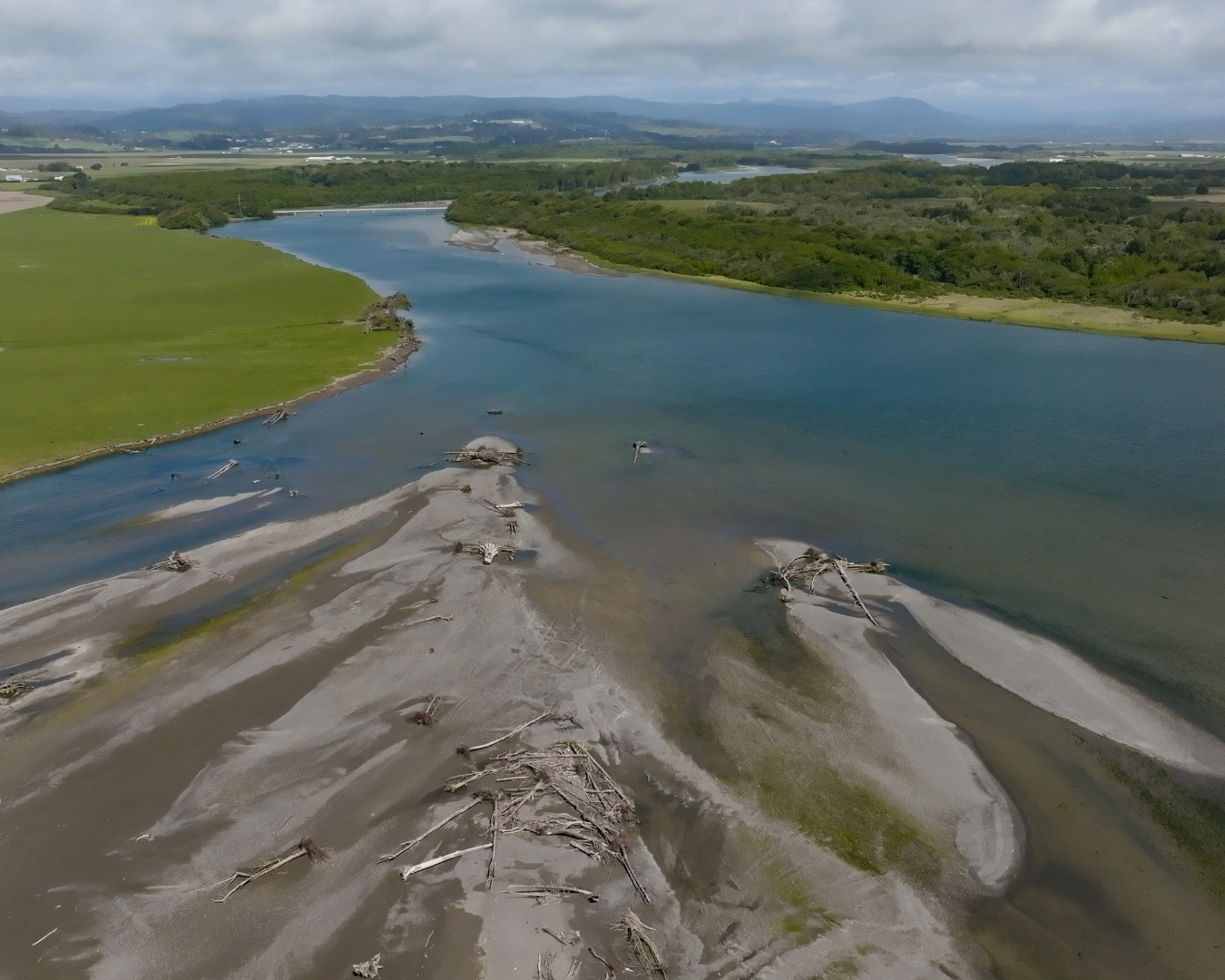
The Wildlife Conservation Board awarded California Trout a $4 million grant to advance restoration of the Cannibal Island Unit in the lower Eel River estuary. The 950-acre Cannibal Island Unit sits at the heart of the lower Eel River estuary, a stretch of coastline that once supported some of the most productive wetland habitat on California’s North Coast. Like much of the estuary, it was diked and drained over generations of agricultural use, cutting it off from the natural tidal flows that salmon, steelhead, and dozens of other species depend on.
This funding award advances both the California Salmon Strategy for a Hotter, Drier Future and Governor Gavin Newsom’s goal of conserving 30 percent of California’s lands and coastal waters by 2030 to protect biodiversity and help California adapt to the impacts of a changing climate.
Years in the Making
For years, CalTrout and our partners — including state and federal agencies and researchers from Cal Poly Humboldt and UC Berkeley — have been laying the scientific and logistical groundwork to restore this crucial component of the Eel River watershed. We’ve collected data, developed restoration plans, completed environmental review, and worked through the complex puzzle of designing a landscape that can support both thriving natural habitat and working agricultural lands. This grant, combined with prior investments from CDFW through California’s Proposition 1 and Proposition 68 programs and ongoing work supported by the State Coastal Conservancy, means we’re nearly ready to build.
“The Eel River estuary is one of California’s most important coastal ecosystems for native fish and local communities, and Cannibal Island sits right at its heart,” said Christine Davis, CalTrout North Coast Regional Manager. “With WCB’s investment, we can restore tidal flow, improve flood resilience, and rebuild the habitat juvenile salmon and steelhead need to recover.”
What Restoration Will Actually Look Like
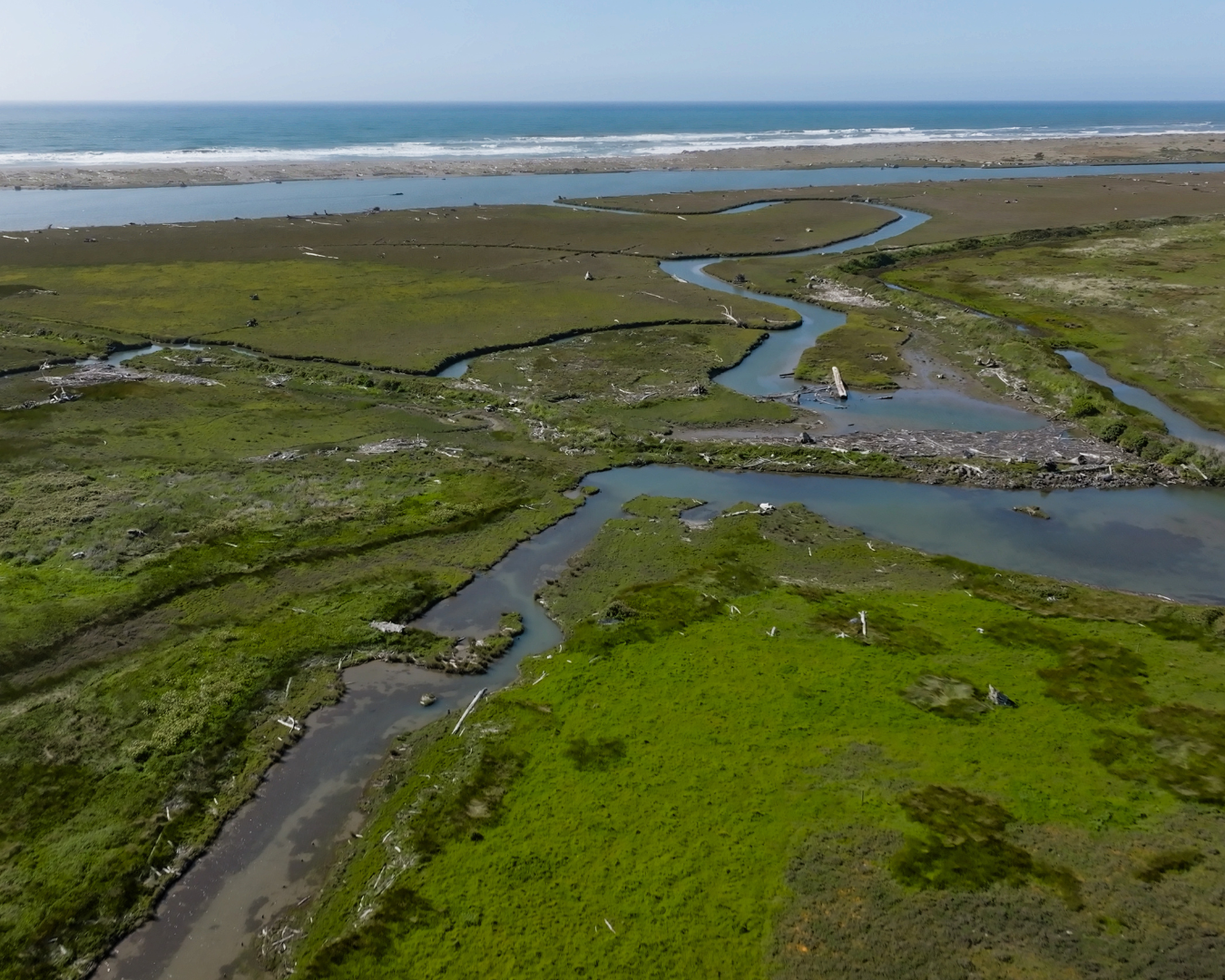
The core of this project is reconnecting Cannibal Island to natural tidal flows. Right now, the land is largely cut off from the estuary by dikes — a system that keeps it dry but also keeps it ecologically stagnant. By restoring tidal channels and estuarine wetlands, we can bring back the dynamic, nutrient-rich conditions that make estuaries so critical for fish and wildlife.
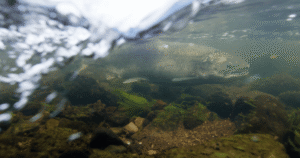
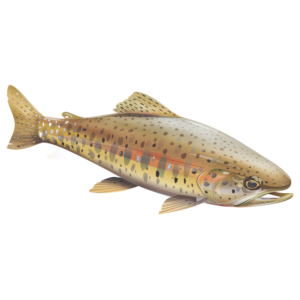
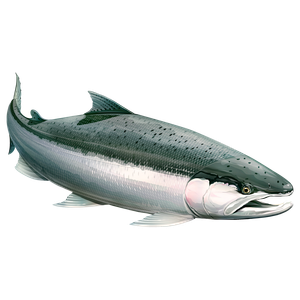
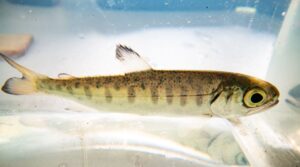
For coho salmon, a threatened species throughout the Eel River watershed, healthy estuary habitat is essential to recovery. Young coho use estuaries as nursery grounds, building up energy reserves before heading out to sea. Without that habitat, survival rates drop. The same is true for Chinook salmon and steelhead. And the benefits extend well beyond salmonids to Dungeness crab, tidewater goby, longfin smelt, green sturgeon, lamprey, and a range of sensitive native plant and animal species which all stand to gain from a healthier, more connected estuary.
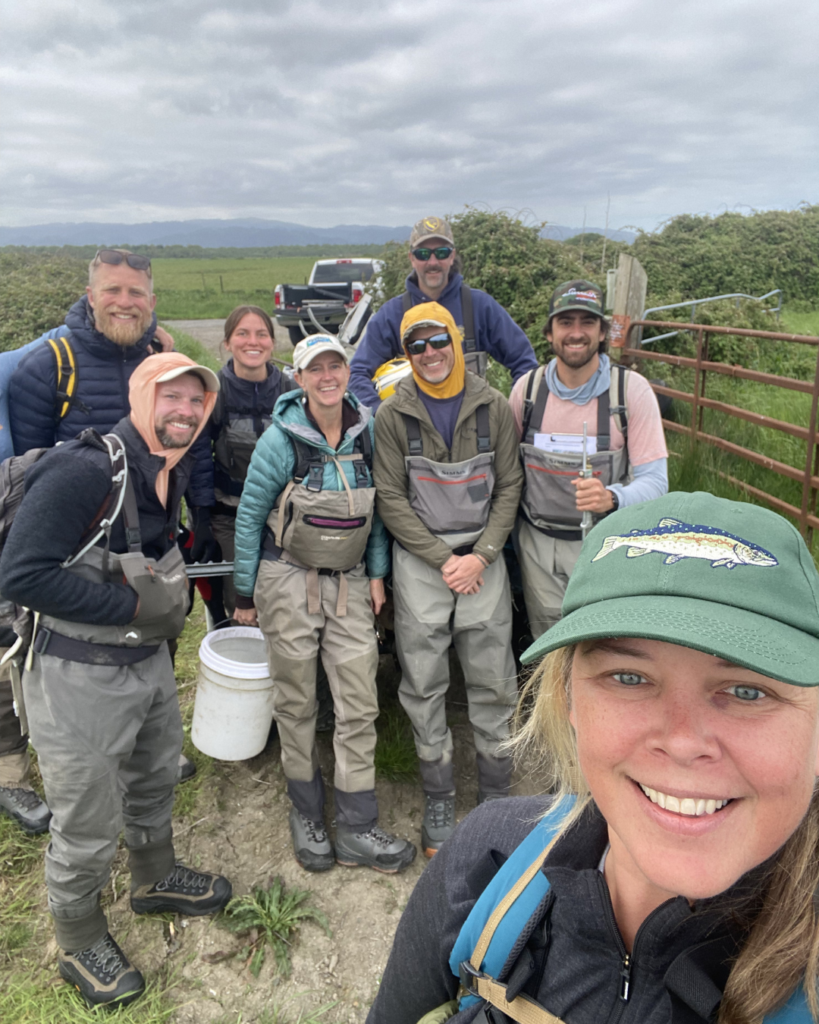
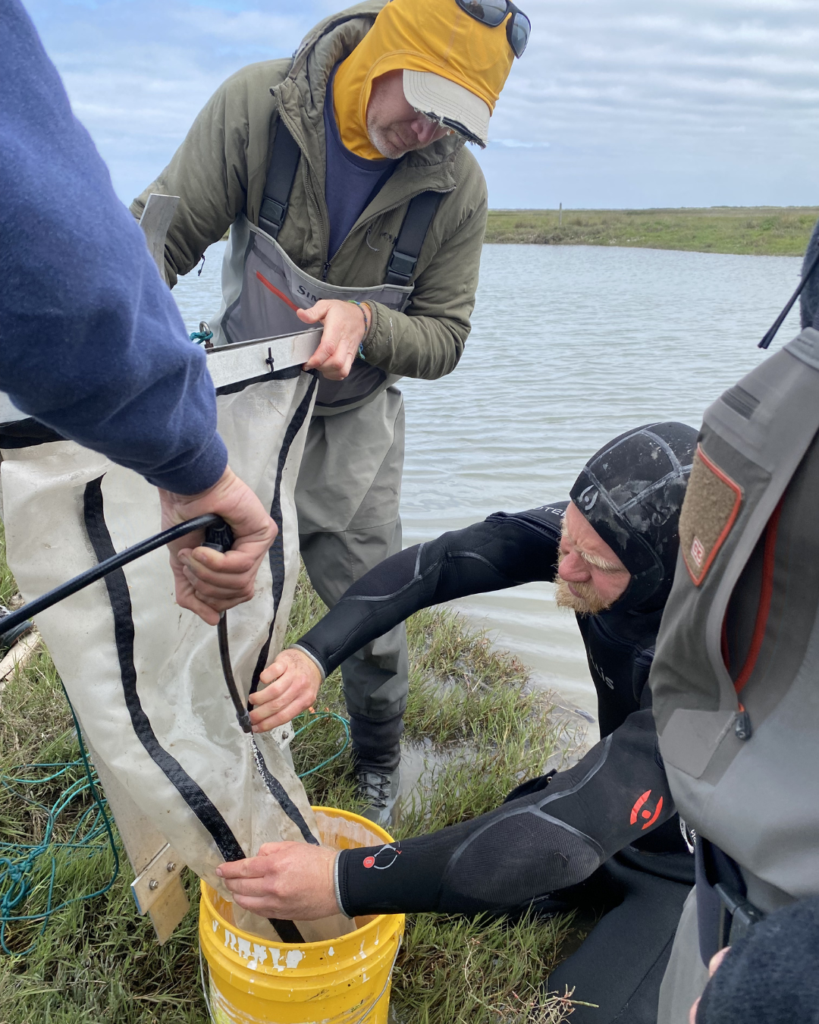
We’re also running a food web study in partnership with Cal Poly Humboldt and UC Berkeley to monitor fish food availability before and after restoration, providing us rigorous before-and-after data on how restoration may change the ecological baseline.
What‘s Next?
With this WCB investment, the project is moving into contracting for the first phase of construction, with work set to begin in June 2027. Final designs are being completed now. Additional funding will be essential to carry the project through all phases of construction and achieve full restoration. We’re committed to seeing this project through, from design to implementation to monitoring its success – restoration is about the long game!
Part of a Bigger Restoration Picture
Cannibal Island is one piece of CalTrout’s work to restore the Eel River watershed, guided through our science-based Eel River Watershed Restoration and Conservation Program, which takes a holistic, watershed-scale approach to recovery. Restoring the estuary is inseparable from work happening upstream — on tributaries, in riparian corridors, across the full sweep of the watershed that fish need to access during their lives. That connected vision will be the key to a durable, sustainable recovery of the Eel.
We’re grateful to the Wildlife Conservation Board for this investment, and to every partner, researcher, and funder who has made this moment possible.
Check out the article in the Times Standard covering this exciting project!