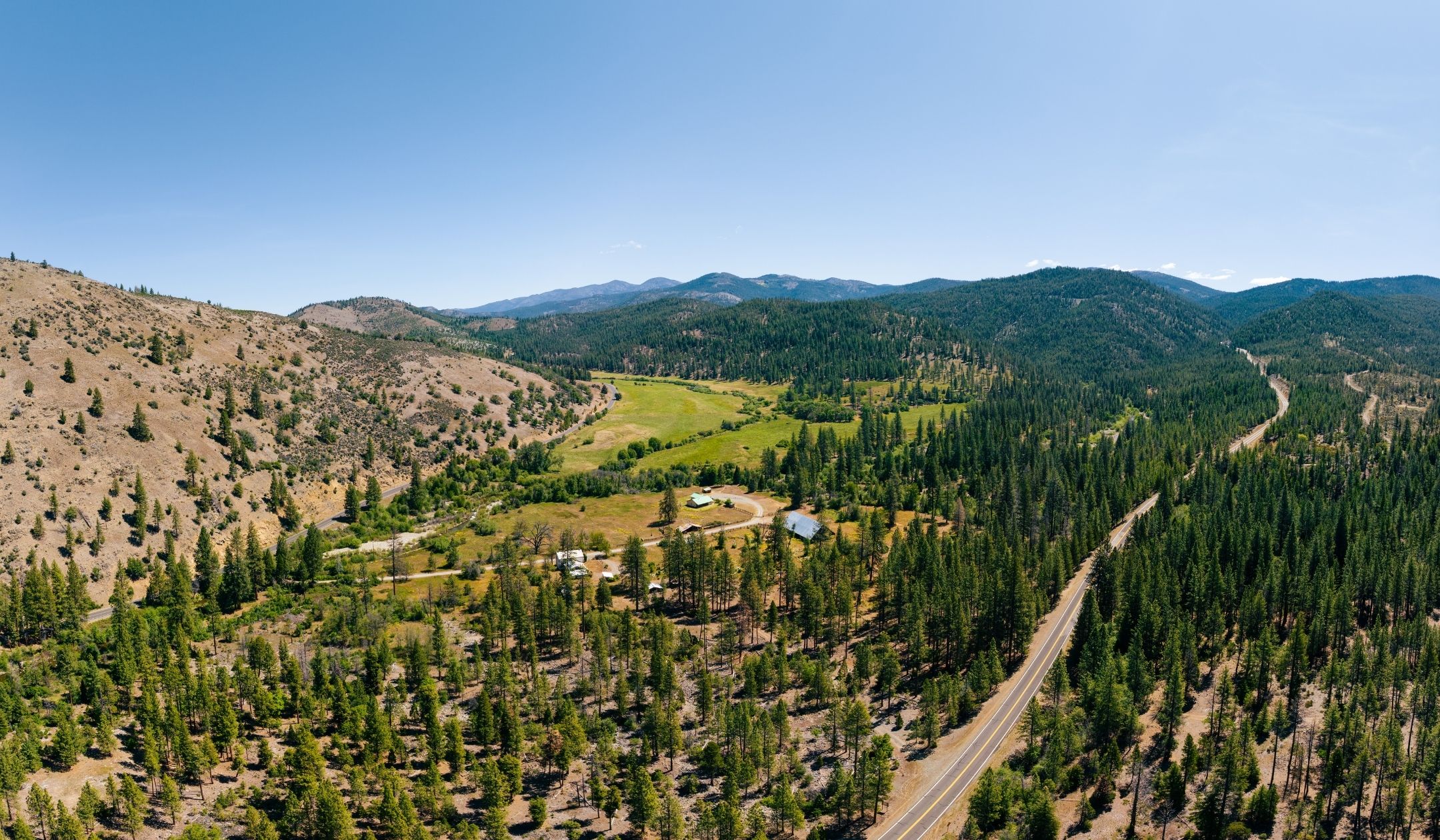
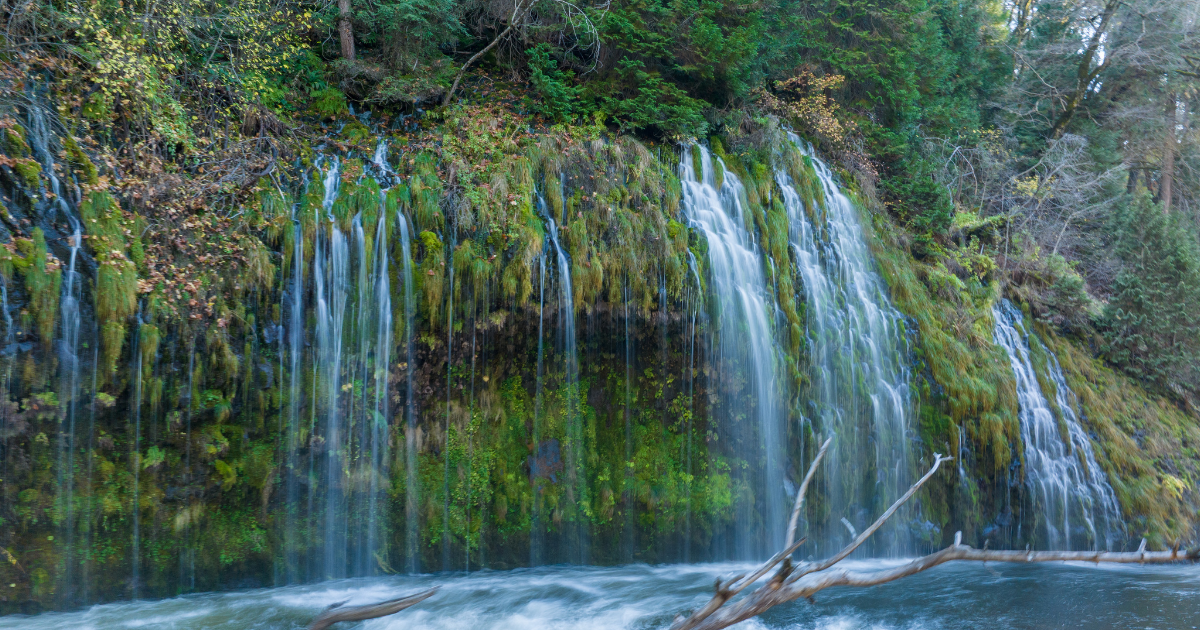
When you think about how California’s water travels, you might imagine the water cycle diagram many of us were shown in elementary school: evaporation, transpiration, condensation, precipitation. However, the reality is a bit more complicated, especially in California’s spring-fed systems, which are of critical importance for water security for both fish and people.
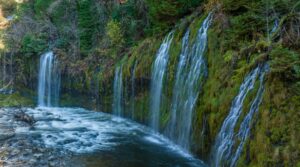
The cold, clear water flowing through the upper Sacramento Basin, fed by springs in the Shasta, McCloud, and Pit rivers region, is stored underground, sometimes for years or even decades, before it re-emerges as the cold water that sustains fish and summer baseflow through California’s droughts and dry seasons. However, relatively little is known about the spring waters and how they have been affected by recent drought and other climate change impacts. In 2023, CalTrout and our partners embarked on a three-year study to provide a scientifically based toolset to better understand, manage, and advance the protection of the cold, clean spring waters in the Upper Sacramento River Basin.
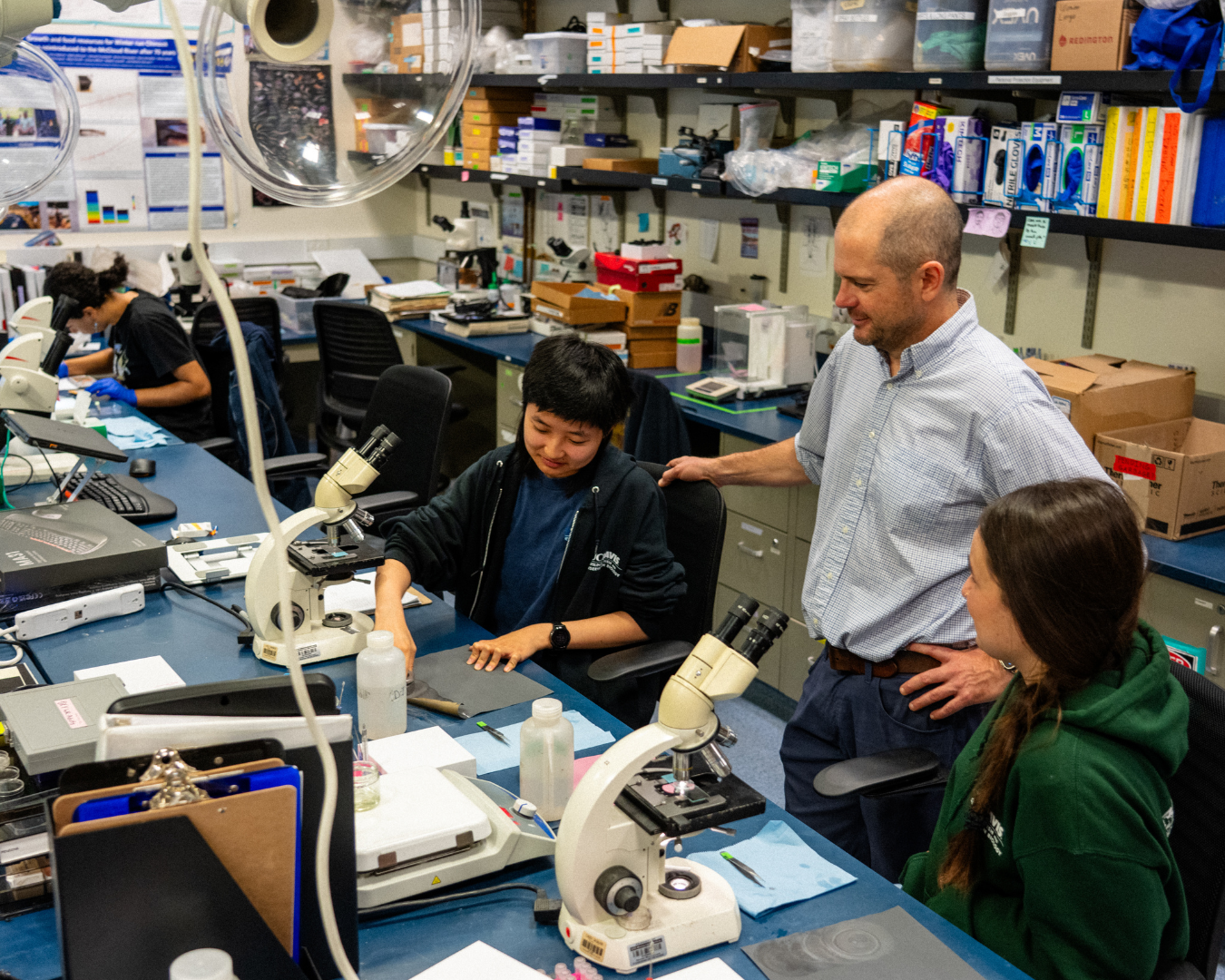
New research from CalTrout and our partners at UC Davis, Lawrence Livermore Lab, and Cal State East Bay is revealing how these spring systems actually work, and how resilient they may be as California’s climate changes. This work will help inform future policy and management decisions to further protect these vital springs in an increasingly variable climate.
Not all springs are created equal
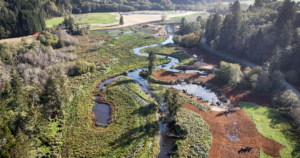
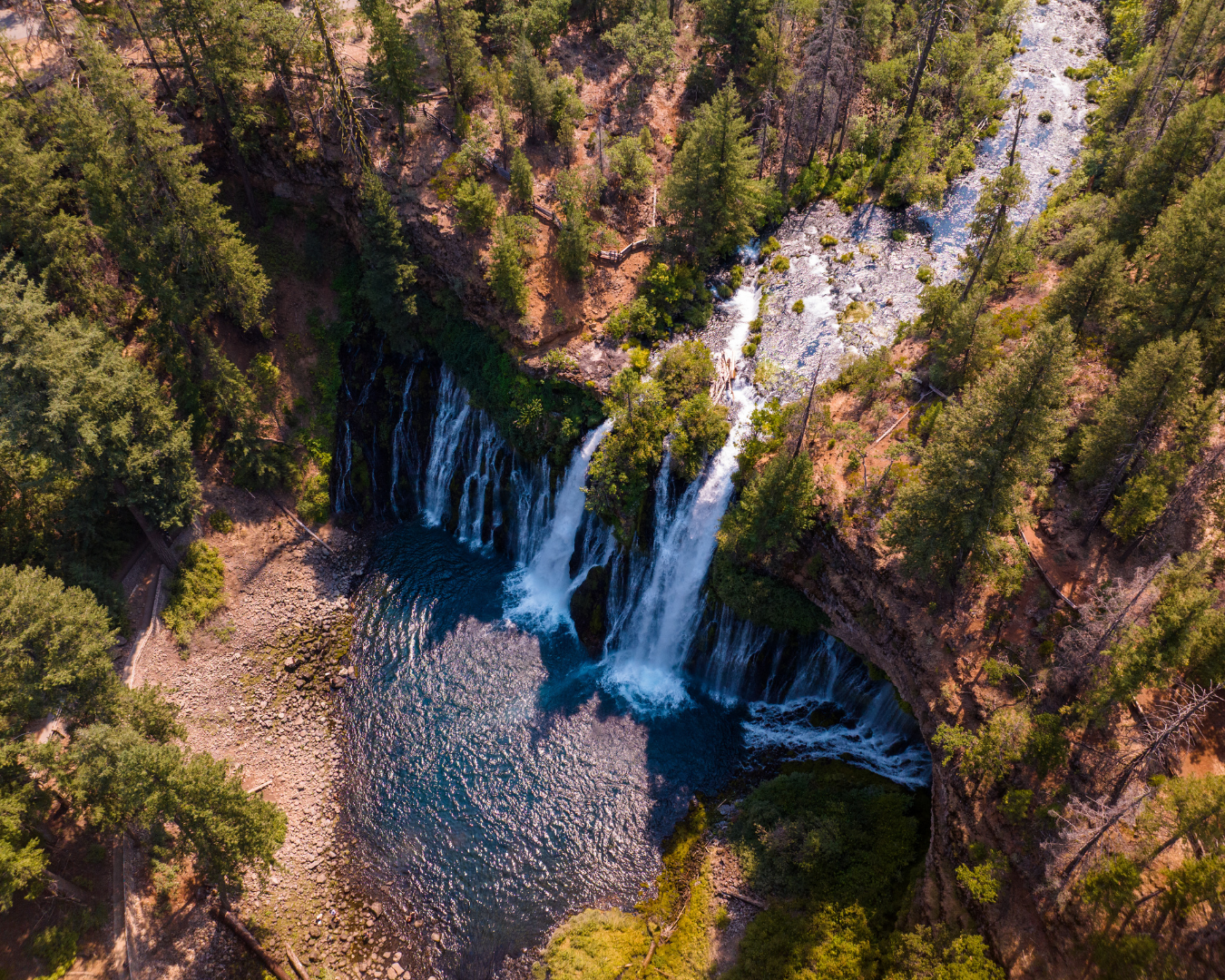
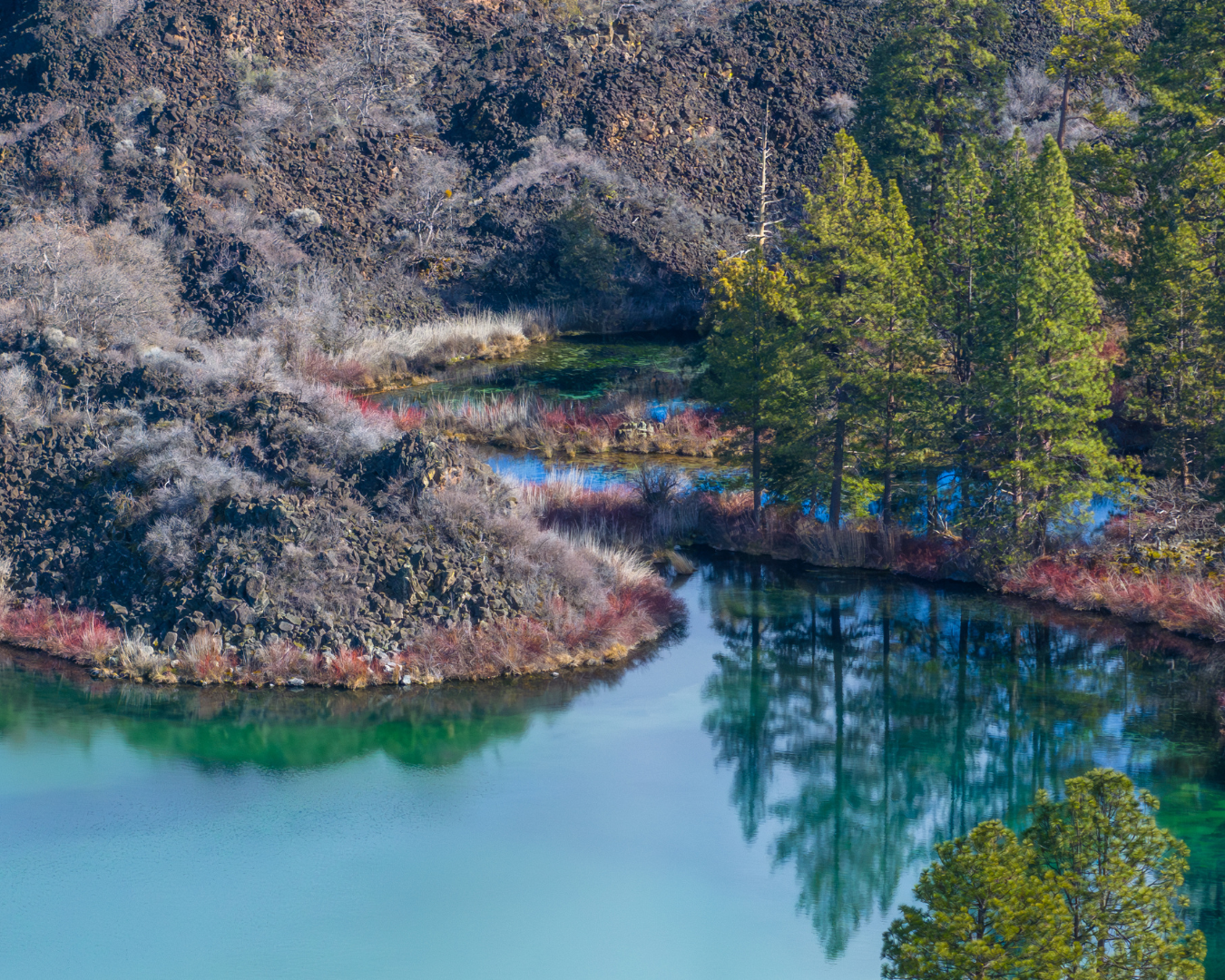
Springs vary widely in how quickly they respond to changes in recharge. Median transit times, the time from snowmelt infiltration to spring emergence, range from less than a year to more than 75 years. Springs dominated by younger water are likely more sensitive to shifts in snowpack and precipitation timing, while those fed by older groundwater are more buffered against year-to-year variability. This data gives managers a way to rank climate vulnerability: springs like the ones that feed into CalTrout’s Trout Camp property in Dunsmuir along the Upper Sacramento River fed by younger water may be more climate-vulnerable, while springs at Thousand Springs and Mount Shasta City Park fed by older water appear among the most resilient.
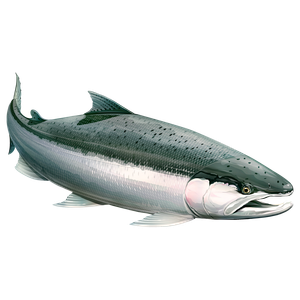
This scientific finding matters directly for fish — longer transit times and lower fractions of recent recharge are linked to stronger thermal buffering and more resilient cold-water habitat, especially during fall and dry-season baseflow periods that matter for cold water fish, like salmon and trout.
Hydrology shapes fish, not just habitat
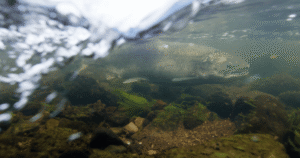
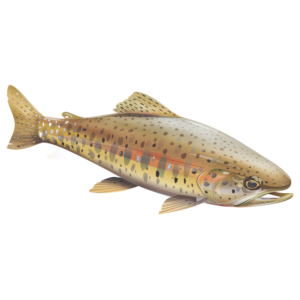
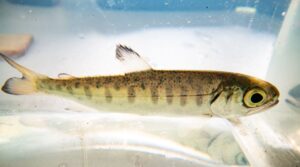
The research also shows that these hydrologic differences ripple all the way into fish biology. Rainbow trout in warmer, nutrient-rich volcanic springs grow dramatically faster than those in colder, less productive streams — up to 3.5 times larger in their first year of life. Differences in stream conditions also shift spawning and development timing by up to 74 days across streams.
Understanding our source waters, is essential to understanding the life histories of our native fish. We often think of life-history diversity for native fish being genetically fixed, but this data leads us to believe it may also be environmentally produced. Hydrology, temperature, and productivity can regulate the timing and pace of development in trout, generating distinct life-history pathways across the landscape. Protecting diverse habitats helps preserve diverse life histories.
How the science guides on-the-ground conservation
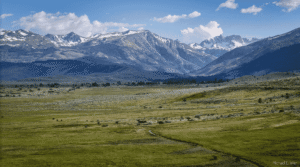
Cold-water resilience starts upslope. Protecting these fisheries means protecting not just river channels, but the recharge zones and high-elevation landscapes that supply those rivers. If snowpack declines and recharge timing shifts, even well-buffered springs could gradually lose their capacity to serve as climate refugia for cold-water fish. Conservation efforts must consider source waters, recharge landscapes, and the hydrologic processes that sustain spring-fed habitats.
The findings from this study are a first step toward understanding which systems are most at risk, and where conservation efforts can have the greatest impact.