
CalTrout News
The Women of CalTrout
Join us for the return of our profile series featuring remarkable women shaping the conservation landscape! Our Communications Manager, Claire Bergerson, sits down for conversations with women of the CalTrout ecosystem, including staff members, partners, board members, and more. CalTrout's ability to create impact across California is enhanced due to this wide network of women, spanning different fields and expertise - all of whom are committed to protecting the California they love. Follow along as these women share their journeys and perspectives, inspiring a new generation of women to challenge the status quo.

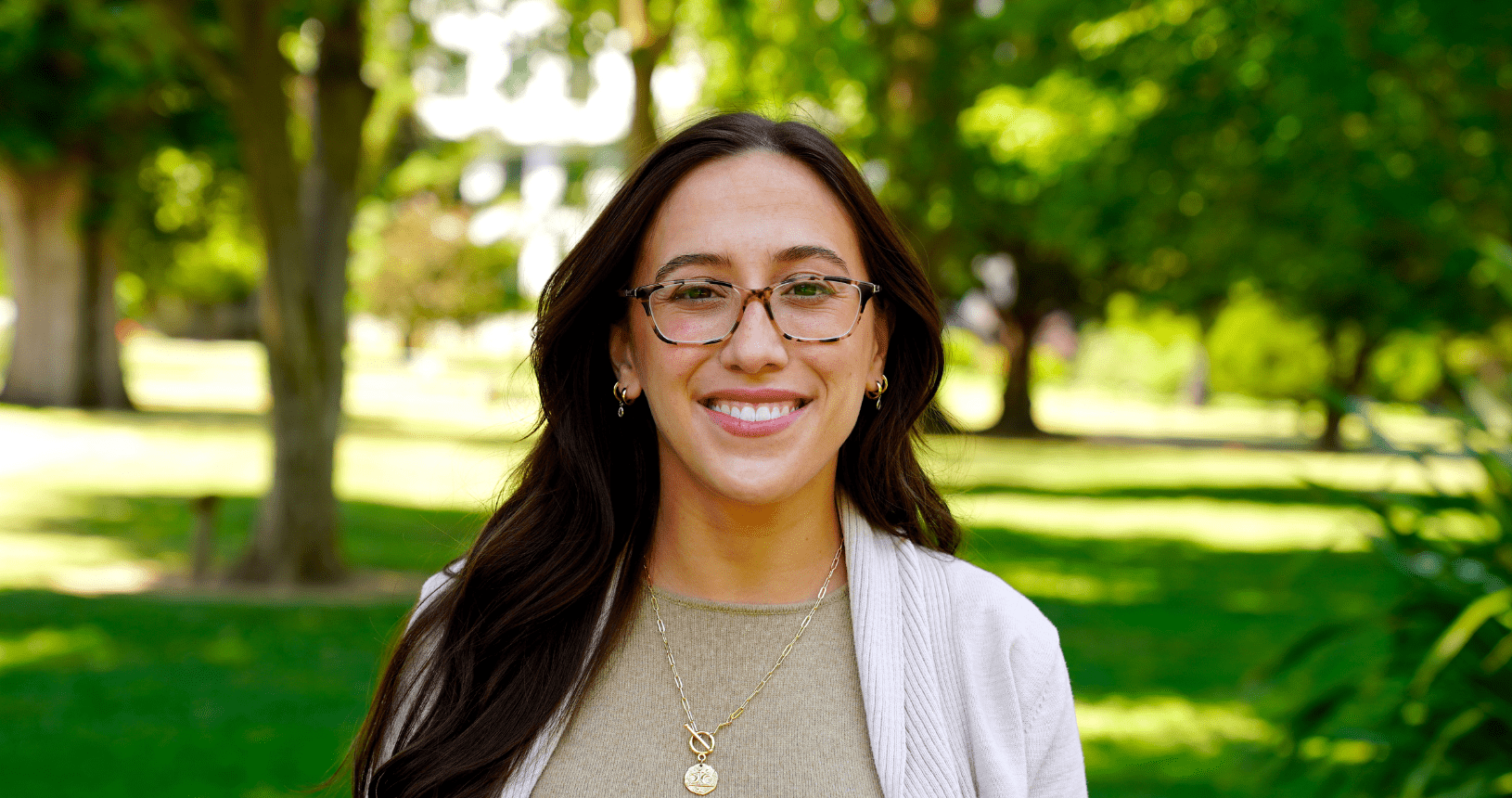
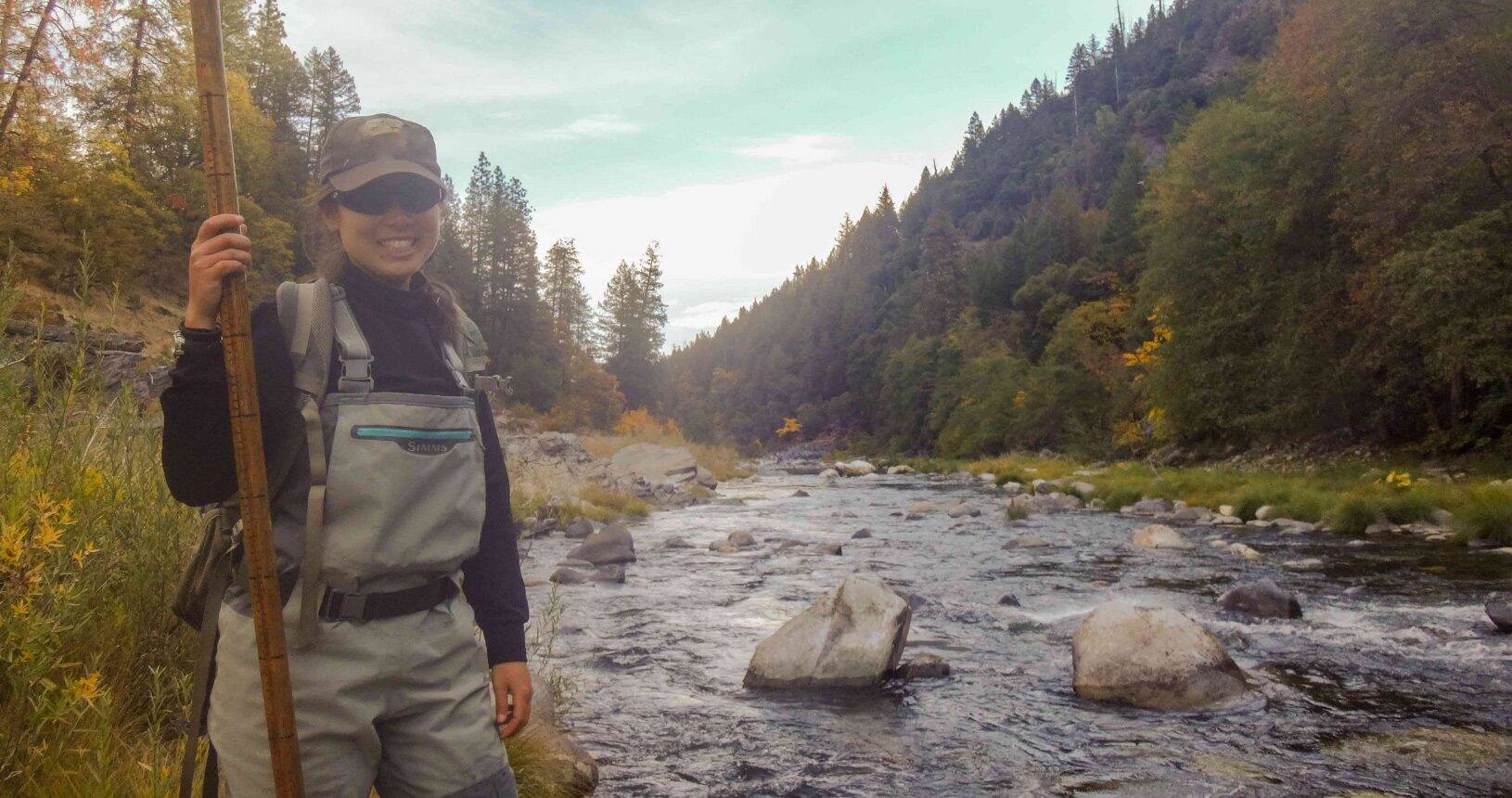
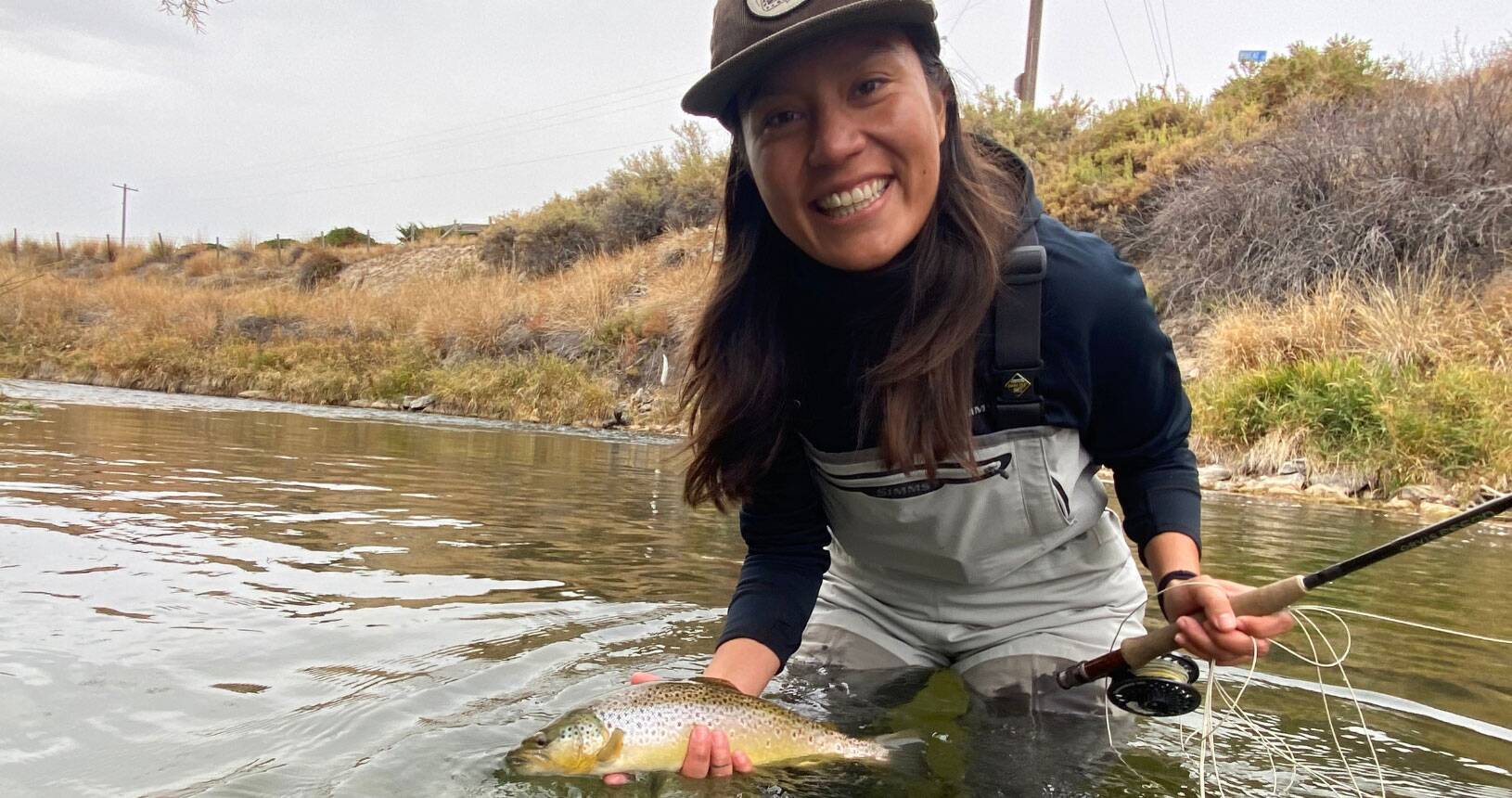
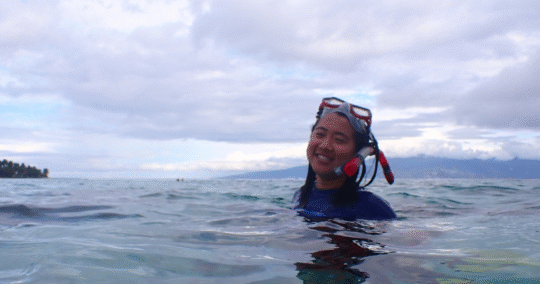
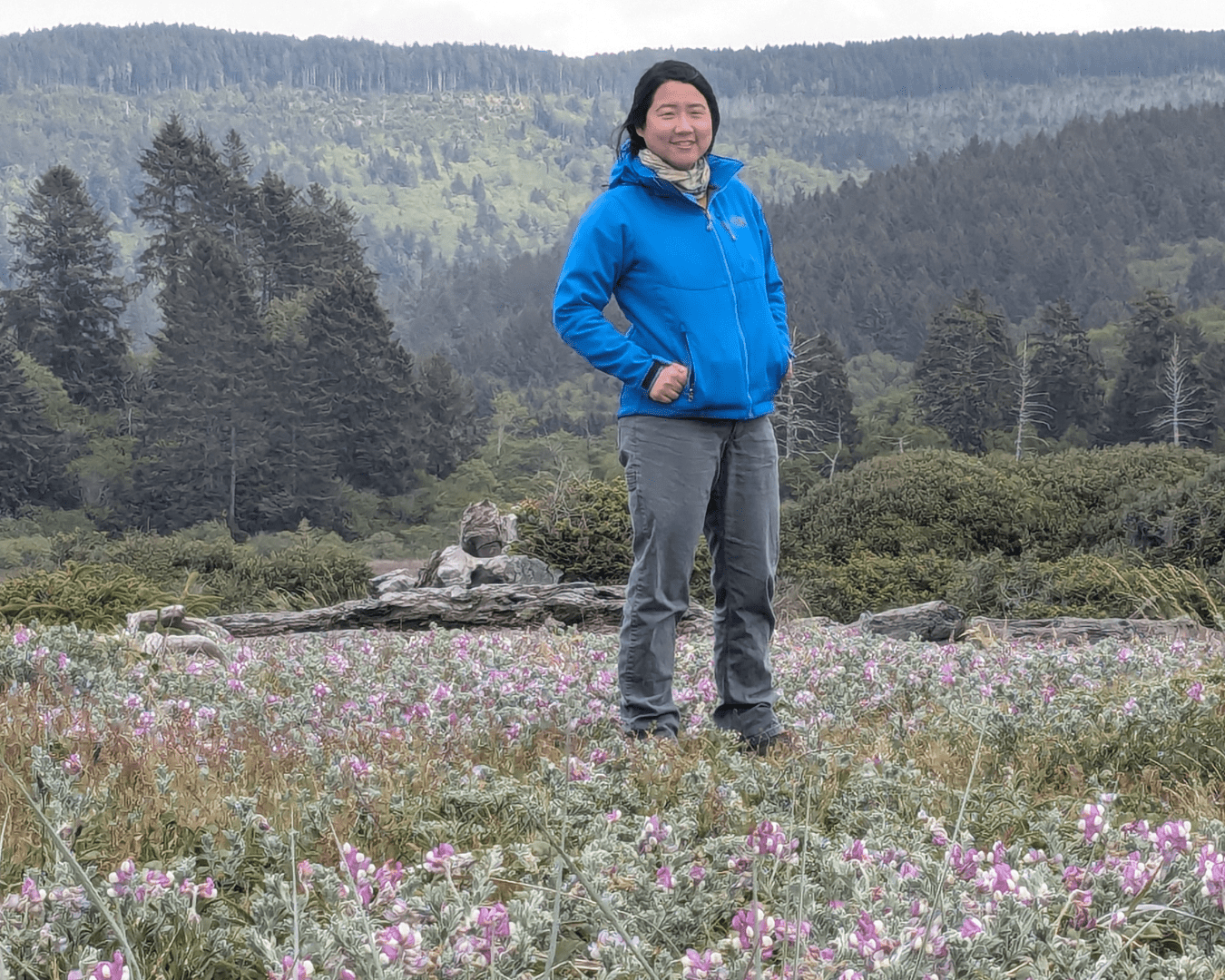
Emily Chen, CalTrout Research Scientist, and Claire Bergerson, Communications Manager
What inspired you to pursue a career in conservation at CalTrout?
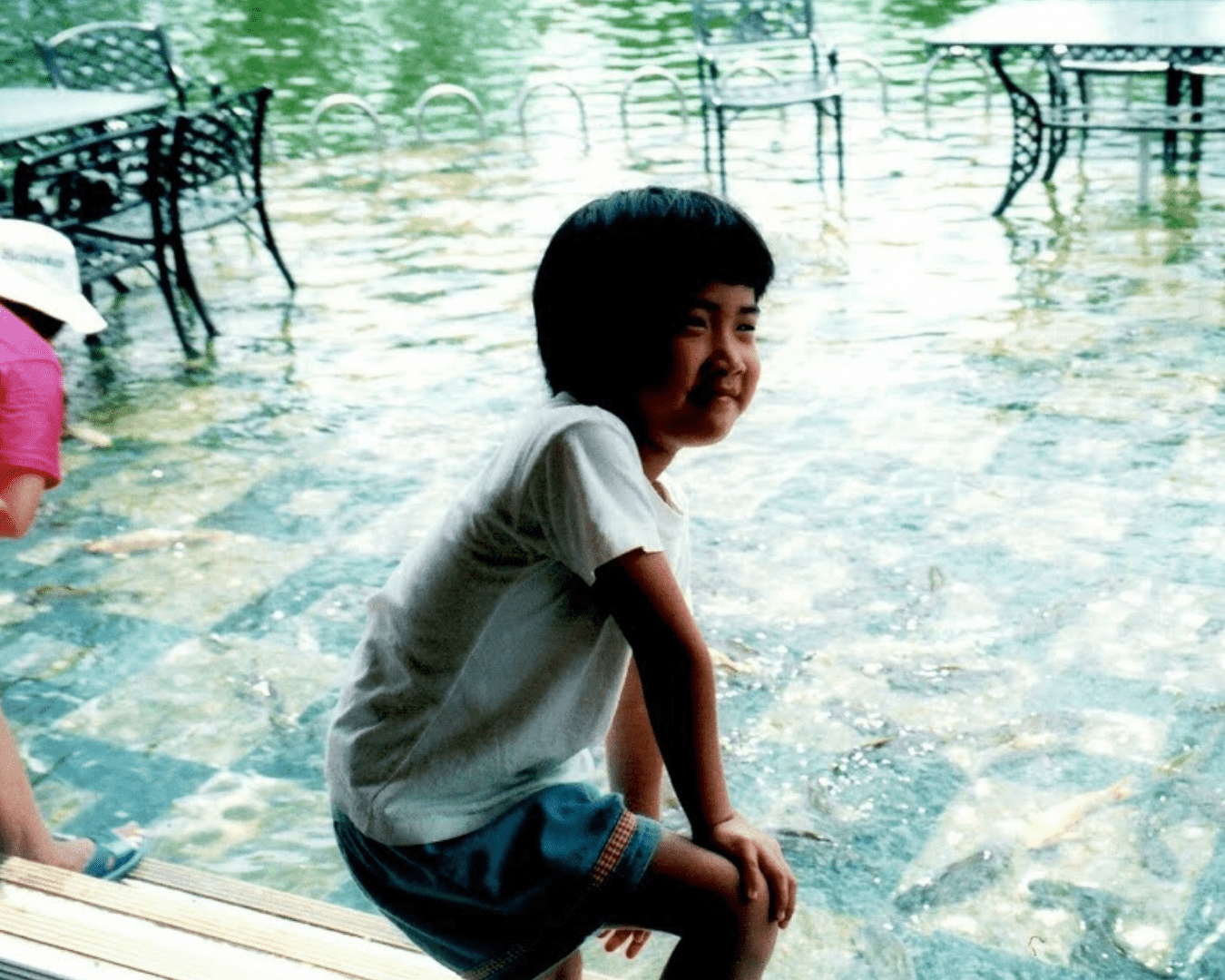
I've always been passionate about fish. *During our discussion, Emily pointed to several beautiful fish tanks behind her in her home office.* Since I was young, I have felt that these animals are important – they're diverse and have significant value to humans (food, culture, recreation). I wanted a career devoted to balancing their contributions to human society and sustaining these species in a human-centric world. Since I’ve lived all over California, I was especially drawn to CalTrout's regional focus and working in our backyards rather than distant places I've never been.
In your role, you are helping to build out CalTrout’s new Statewide Science Department. What drew you to this role?
My personal career mission aligns perfectly with CalTrout’s mission – we do what we do for the fish, the water, and to improve people’s lives. This position allows me to give undivided attention to that mission without balancing competing interests. Nonprofits like CalTrout can do novel and solution-oriented research that universities and agencies may not always have the ability to do. I'm excited to expand CalTrout’s role on salmon and trout science, management, and conservation in the state.
What does it mean to you to be a woman in this field that was historically dominated by white men?
It means reclaiming a space that previously women have occupied. In many cultures and across history, women were regarded as having a special connection and relationship with nature. For example, deities that represented the earth were often female, and then there’s the universal term “Mother Earth.” In Native American culture, women had key responsibilities in stewarding the land. In recent times, a lot of environmental conservation in California has been led by women, such as the formation of the East Bay Parks (Dr. Aurelia Reinhardt) and Save the Bay (Sylvia McLaughlin, Kay Kerr, Esther Gulick) in the Bay Area and Redwood National Park in Northern California (Lady Bird Johnson).
Once I learned this rich history, I realized we're reclaiming a space that Western culture has only recently excluded women from. Humans have had to interact with the environment since the dawn of our existence, so viewing “stewardship and natural resource management” as this new field dominated by white men ignores a very long, evolving, global history.
CalTrout is a predominantly female organization. In what ways does this impact the overall culture and/or your experience?
I work out of the North Coast office, which is full of really wonderful women who lift each other up. There is an atmosphere of support and mentorship, where all of the women advocate on behalf of all.
To celebrate the "history" part of Women's History Month — is there a woman from history that you find especially inspiring? Or perhaps a mentor from your own life?
Marjorie Latimer, an ichthyologist who identified a living coelacanth, a close relative to tetrapods (amphibians, mammals, reptiles, birds) that scientists thought was extinct. She was a South African curator who did not come from wealth and who hung out with fishers at fishing docks. One day, the fishers caught a weird fish and reached out, and she immediately recognized it to be a living fossil. The fish was decaying, it was Christmas, and she had to preserve the specimen for others to identify it. She took a taxi around town with this huge decaying fish looking for a place to hold the specimen and prevent decay, such as the town’s mortuary.
After being turned away, they eventually preserved the fish in newspaper and bedsheets soaked in formalin. It's an exciting, adventurous story about a female ichthyologist from a small South African museum responsible for a major evolutionary discovery. This was also during a time when many prominent ichthyologists supported eugenics, so it’s inspiring to hear about such an uplifting, women-driven feat that was also happening during that time.
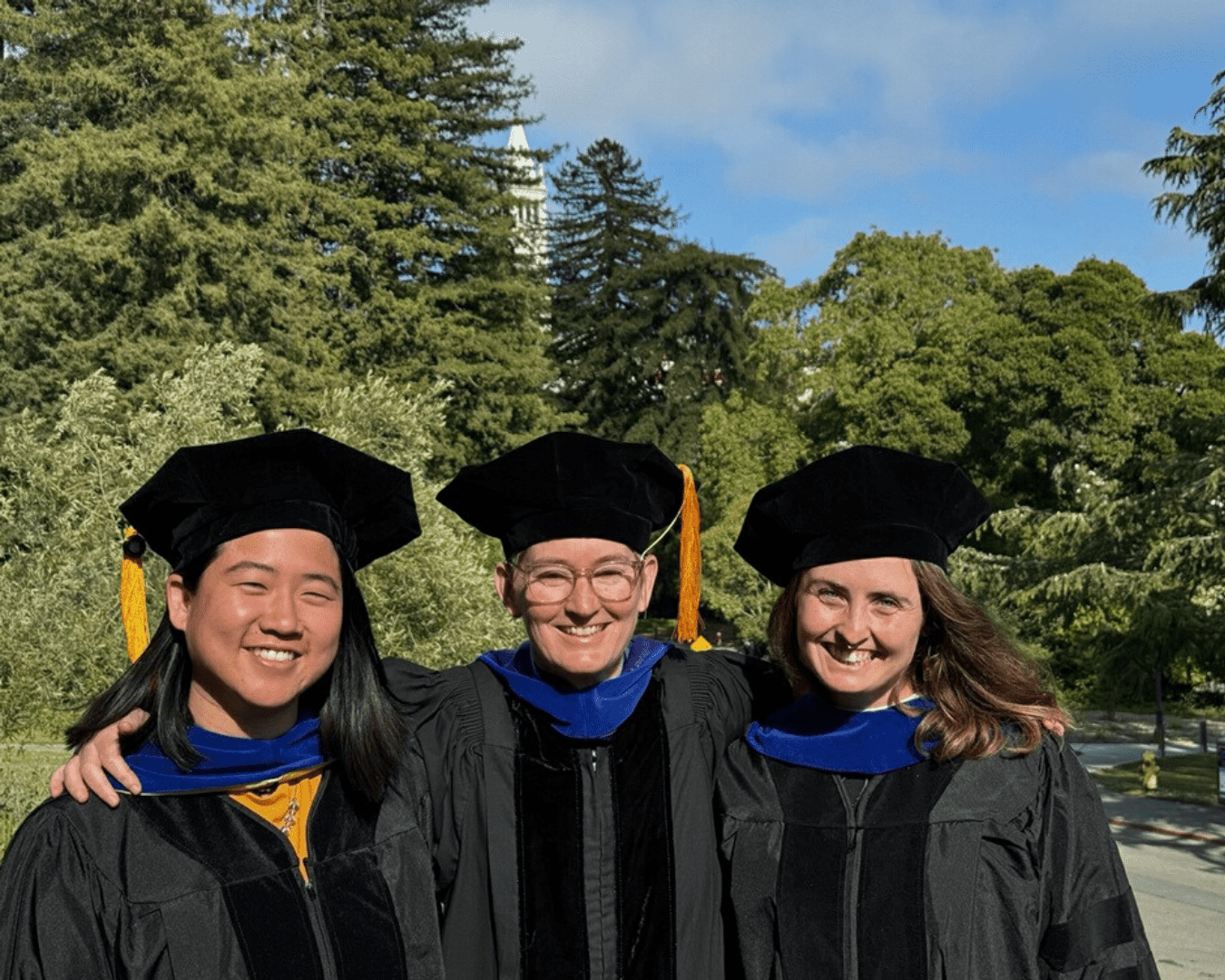
In my personal life, my PhD mentor Dr. Stephanie Carlson [also a CalTrout board member] and mentor Dr. Rachel Johnson are big role models for me. In addition to teaching me technical skills and shaping my ideas, these individuals, in their own way, taught me the importance of people in science and aimed to create research environments that were inclusive and welcoming to all. My female peers have also played an important role in my career as we support each other professionally, scientifically, and personally.
What message would you share with younger women who hope to pursue a career in conservation?
There are lots of barriers against women and other marginalized groups in conservation and natural resource management. This does not mean there is no space for them but rather the opposite. We are lacking and really need them. We need conservationists to come from all walks of life in order to solve society’s problems.
Bonus question: Do you have a favorite fish, river, and/or body of water in California?
My favorite fish in California is the garibaldi – that bright orange fish in kelp forests. And the Smith River. The only people whose favorite river isn't the Smith are people who haven't been there yet!
Learn more about CalTrout’s new statewide Science Program and the impact Emily is already helping to create across the state.