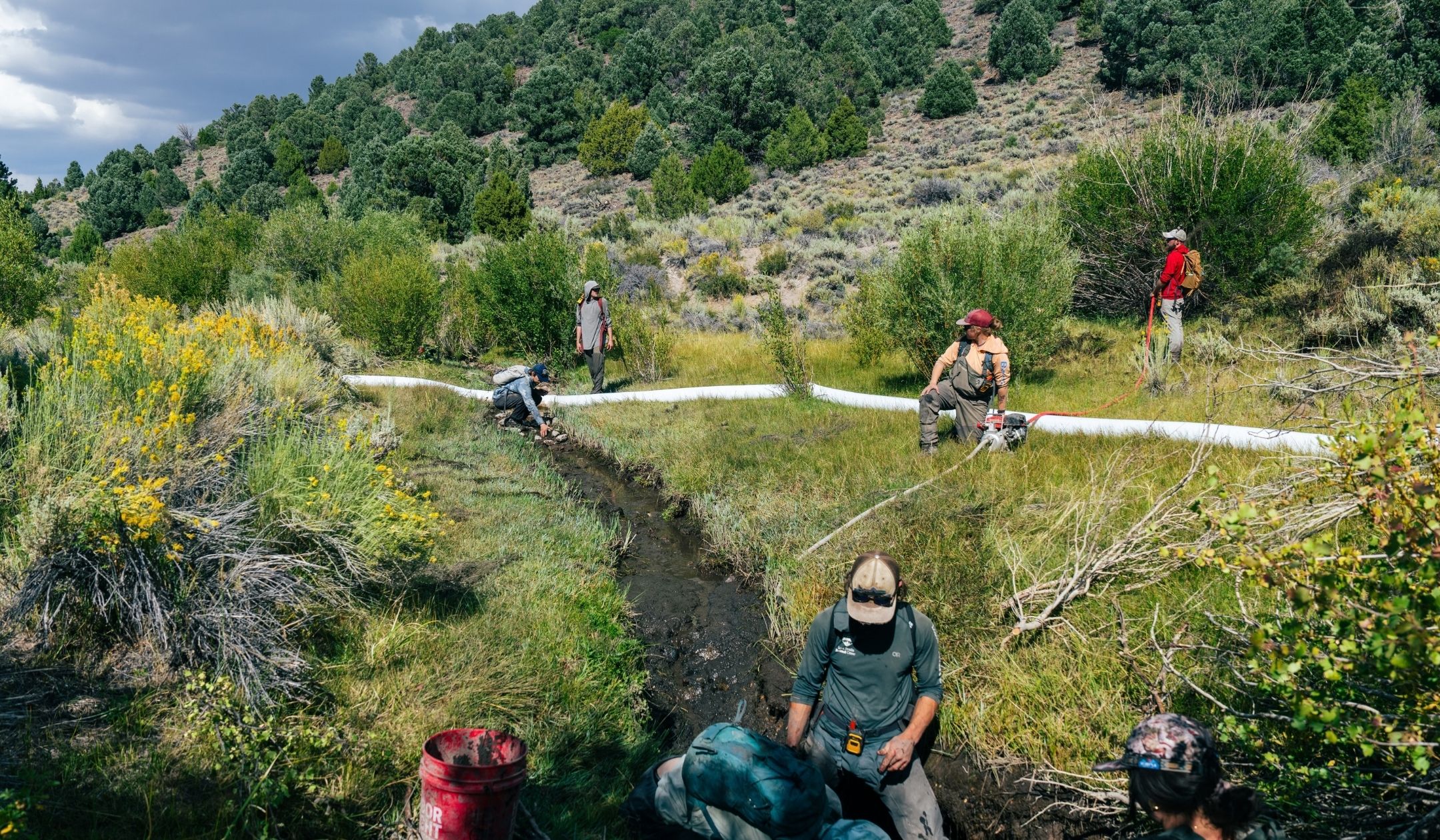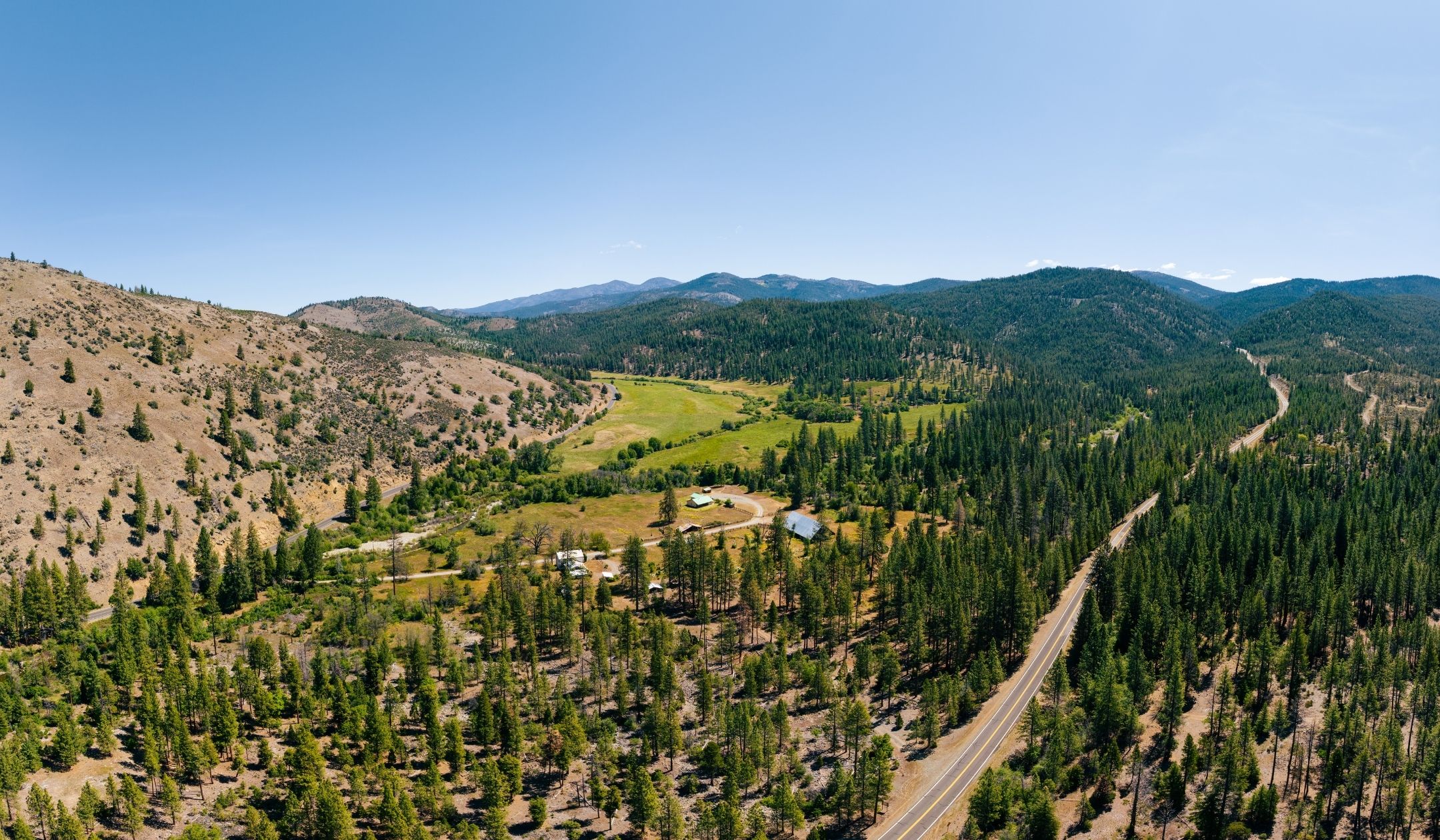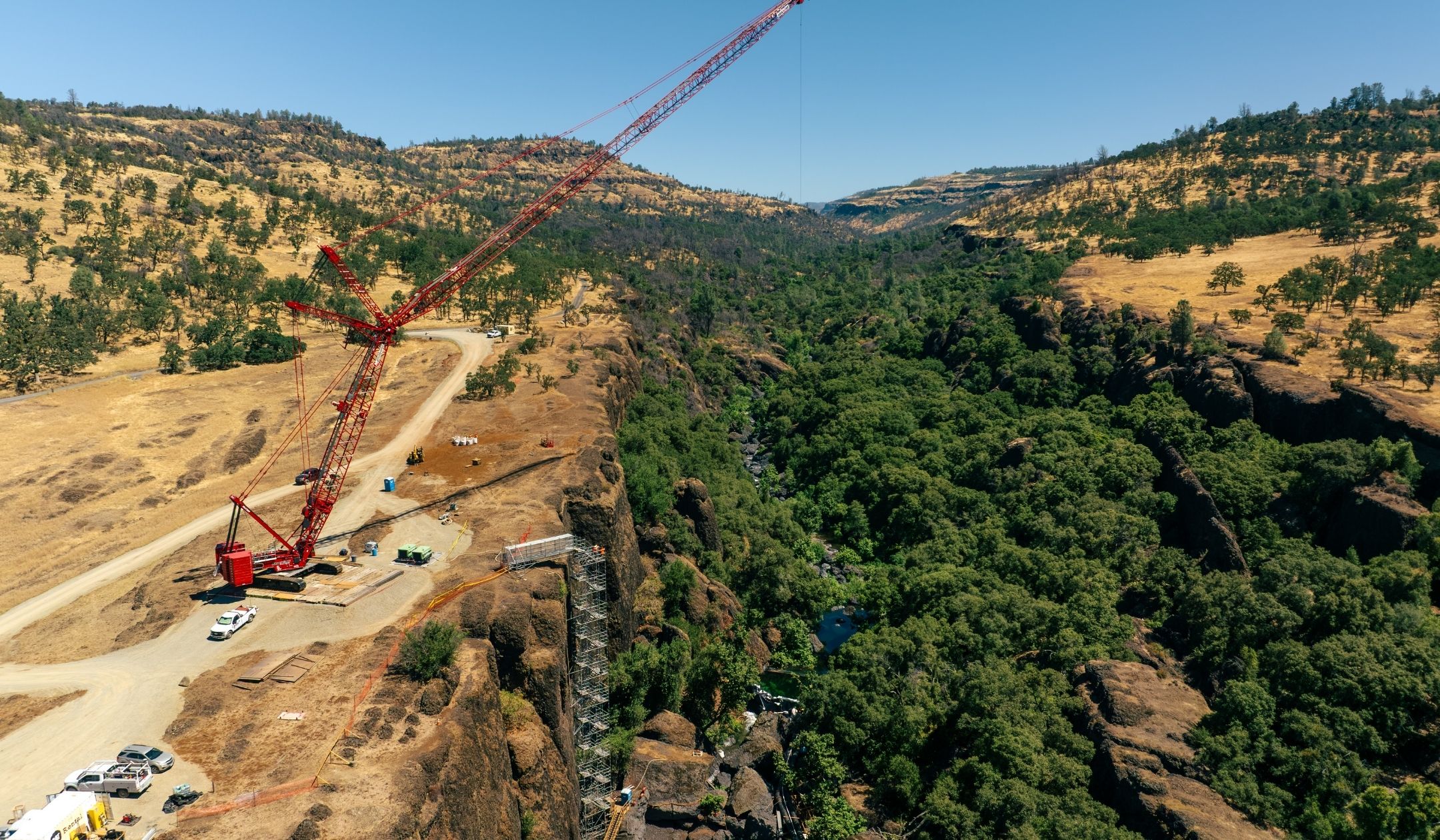

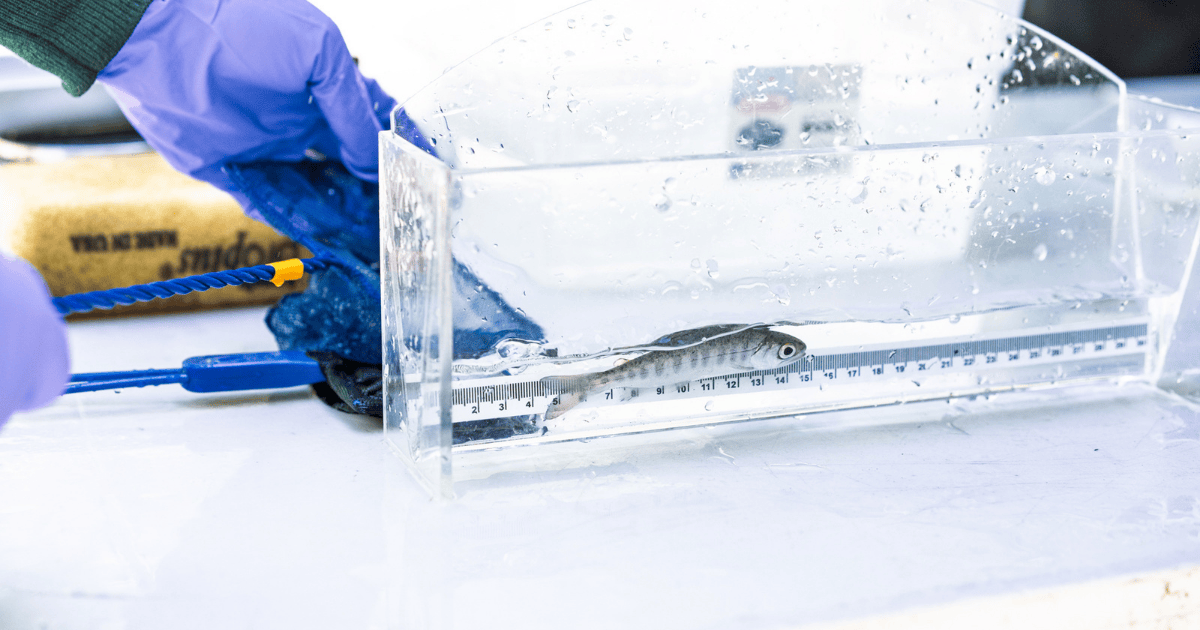
CalTrout is thrilled to announce that we have launched a new statewide Science Program. This initiative identified as a top priority in our Strategic Plan, demonstrates our enduring commitment to build our conservation, restoration, and policy work on a strong scientific foundation, a commitment that will fortify our mission to revitalize waters for resilient wild fish and a better California. CalTrout has a strong foundation of scientific monitoring and science-informed restoration work already in place across the state, and this new initiative will enable us to dedicate further resources to enhance our existing portfolio of projects.
The urgency of this new initiative cannot be overstated, as the threats to California’s treasured freshwater ecosystems and our iconic salmon, steelhead, and trout populations multiply and magnify, and as California’s natural resources experience unprecedented pressures from climate change, drought, habitat degradation, and competing demands from a growing population. In addition, as we witness our federal government’s environmental priorities shift, it is for crucial for CalTrout to maintain our focus on the science that is fundamental to our conservation work. This work isn’t just about the fish — it’s about healthy watersheds which sustain all Californians, both animal and human.
California has always been at the forefront of environmental issues, and as an established scientific and restoration leader in the state, CalTrout is ready to lead this charge with a science-backed portfolio of projects across California.
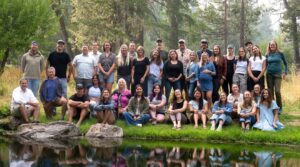
Our Science Team will lead the way as we lead with science
At CalTrout, we’re all about people, and this Science Program is no different. With the start of our new 2025-2026 fiscal year and the guidance of our Strategic Plan, CalTrout has re-positioned three long-serving Regional Directors – Darren Mierau, Patrick Samuel, and Dr. Jacob Katz into the new Science Program, and hired Dr. Emily Chen as CalTrout’s newest research scientist and quantitative ecologist.
Serving as our three new senior scientists, Jacob, Patrick, and Darren have been working together across CalTrout’s Central Valley, Bay Area, and North Coast regions for a combined 38 years!
Let’s introduce the Team:




New Opportunities for our Organization
Together, and with support from our organization and our broader community of scientists, our Science Team will focus on several key assignments, supplementing our existing portfolio of science work. Our first task will be to update CalTrout’s Status of our Salmonids (SOS) report. Initiated in 2008 and repeated in 2017, the SOS report is a rigorously researched assessment of all 32 of California’s salmon, trout, and steelhead species, resulting in peer-reviewed biological and ecological species accounts. The SOS report has become a bedrock commitment of CalTrout to guide our regional work and state policy initiatives, and SOS 3 will continue the legacy of a consistent baseline measure of each species’ conservation status over the past eighteen years.
The Science Team’s second key project will be to research and develop a next-generation of strategic plans for priority species, regions, or watersheds – Strategic Recovery Plans – to guide on-the-ground actions necessary to protect the most imperiled species and change the trajectory from extinction-prevention to population recovery. This work has already begun in many regions by CalTrout and by other organizations with whom we work closely – in the Klamath River, Butte Creek, Eel River, and Malibu Creek watersheds. These Strategic Recovery Plans aim to improve the efficacy of our programs by identifying areas with high recovery benefits and socio-economic outcomes and designing projects with measurable outcomes that advance our understanding of restoration science.
Finally, the Science Team will regularly communicate our findings to the rest of CalTrout, our partners, and the public to make science-informed actions happen on the ground, including:
- Rigorously assessing and monitoring fish populations statewide.
- Informing on-the-ground restoration efforts.
- Restoring life history diversity matched to the seasonal productivity of our streams, rivers, and estuaries.
- Advocating for science-based policies
And innovating! Whether that’s with new environmental DNA (eDNA) or parent-based genetic tagging (PBT) for assessing salmon populations, technological advances like SONAR cameras and image-recognition for fish counting, using stable isotopes extracted from a salmon’s eyeball lens to analyze chemical signatures and reconstruct diet and habitat history, we need all the tools available to get the job done. This includes innovating tools to protect water quality and to meet the perennial challenge of balancing environmental water with human consumptive demands.
Looking Ahead: A Call to Action
The success of our Science Program, like all of CalTrout’s work, depends on the unwavering support of our members. Your contributions directly empower us to invest in cutting-edge science, attract top talent, and implement effective conservation strategies. Private dollars help us unlock public funding, and scientific initiatives can be especially difficult to fund through public dollars. We encourage you to learn more about the work we’re undertaking and how our work is making a difference across the state. Stay tuned for future updates and opportunities to engage with CalTrout’s Science Program team.