
CalTrout News
The Women of CalTrout
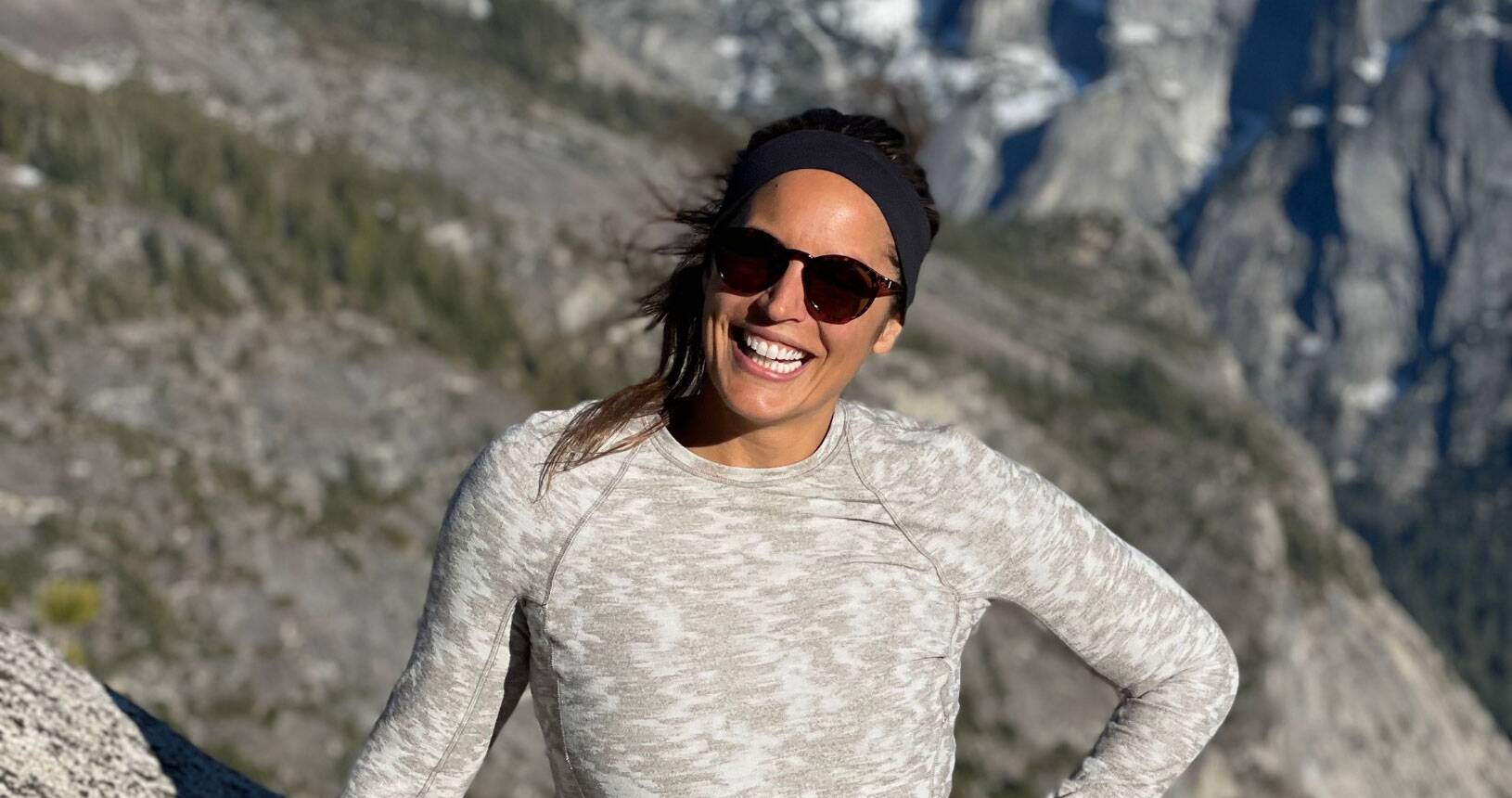
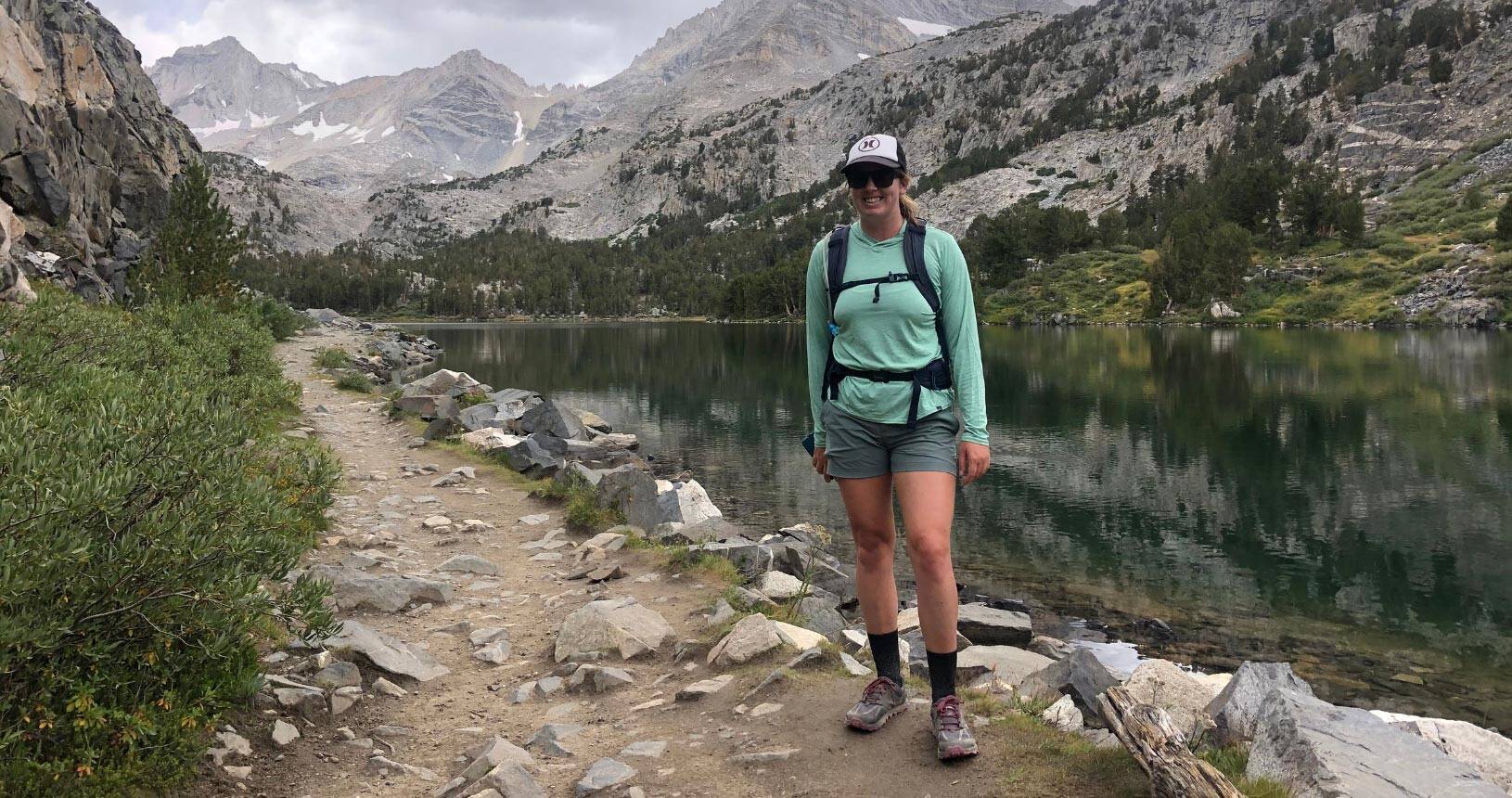
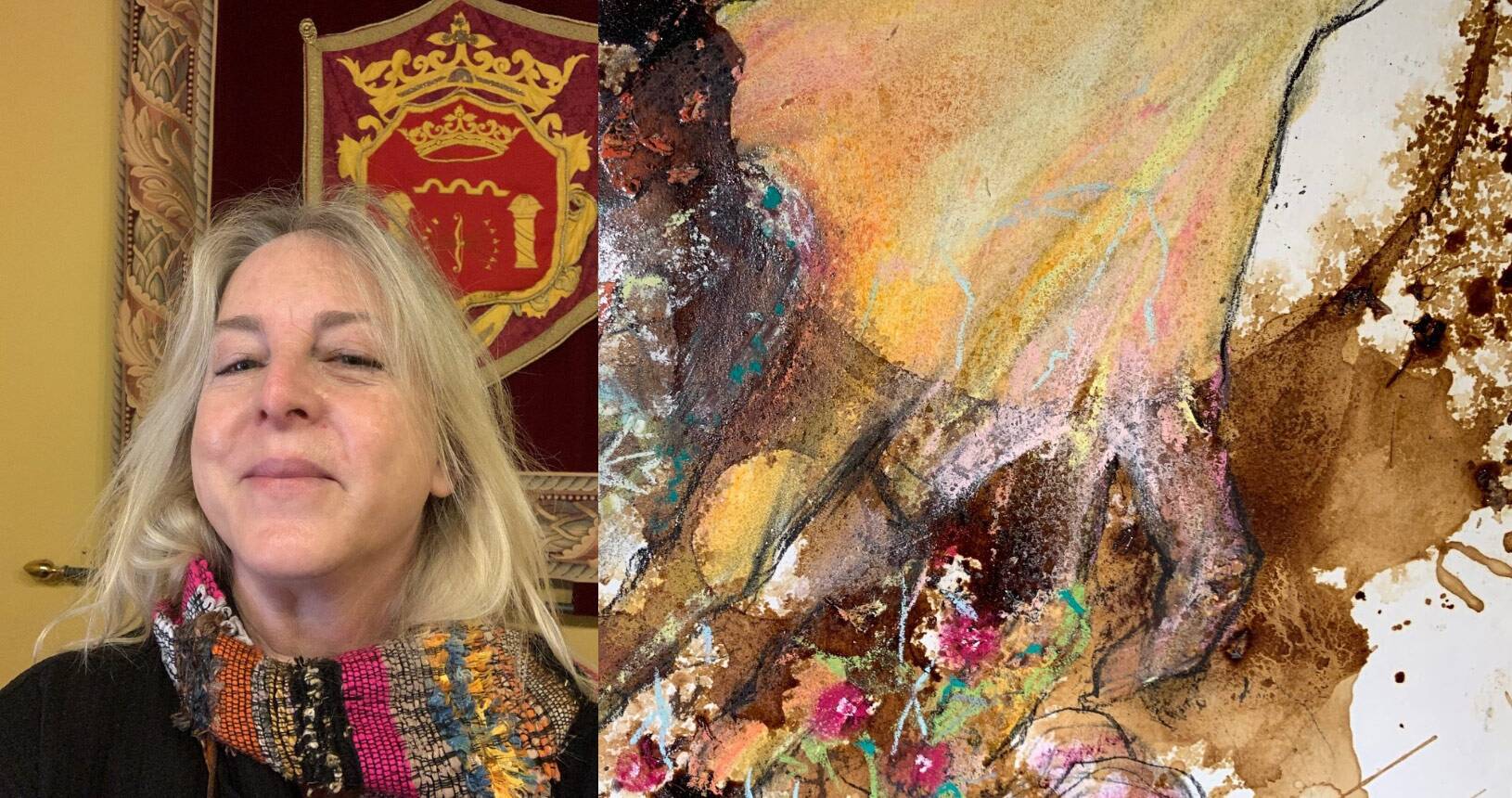
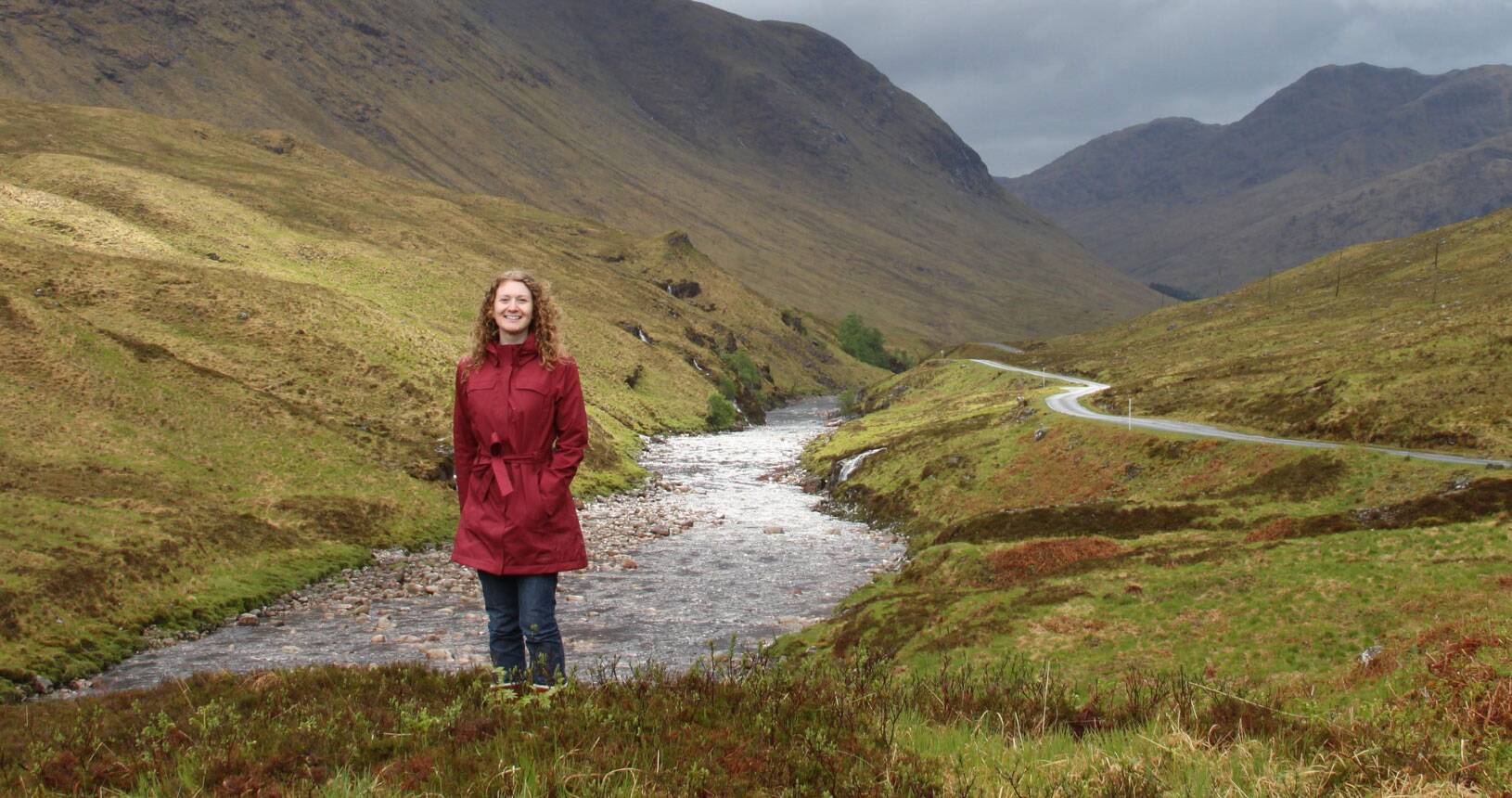
Join us for the return of our profile series featuring remarkable women shaping the conservation landscape! Our Communications Manager, Claire Bergerson, sits down for conversations with women of the CalTrout ecosystem, including staff members, partners, board members, and more. CalTrout's ability to create impact across California is enhanced due to this wide network of women, spanning different fields and expertise - all of whom are committed to protecting the California they love. Follow along as these women share their journeys and perspectives, inspiring a new generation of women to challenge the status quo.
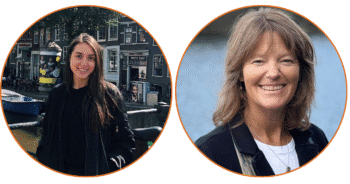
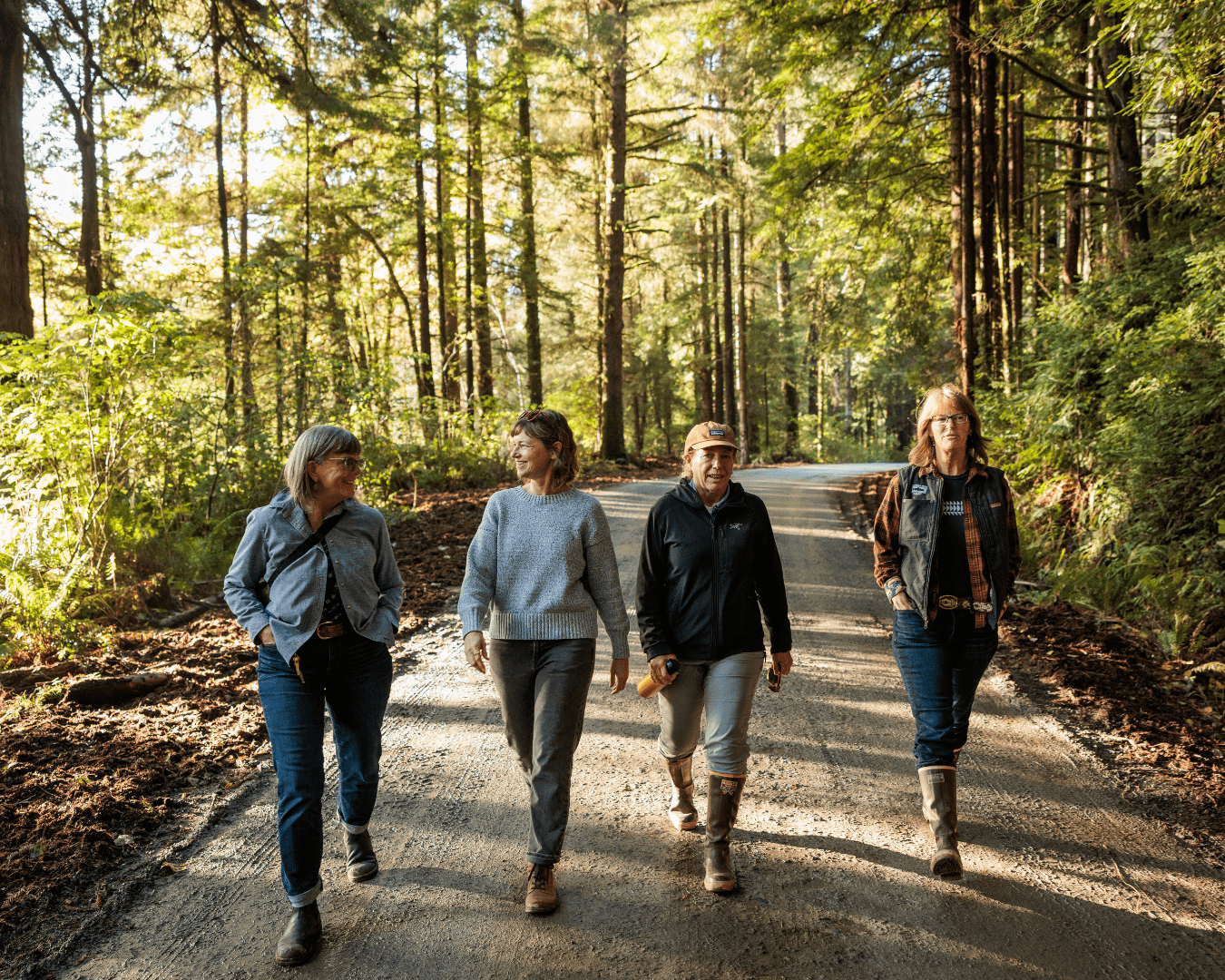
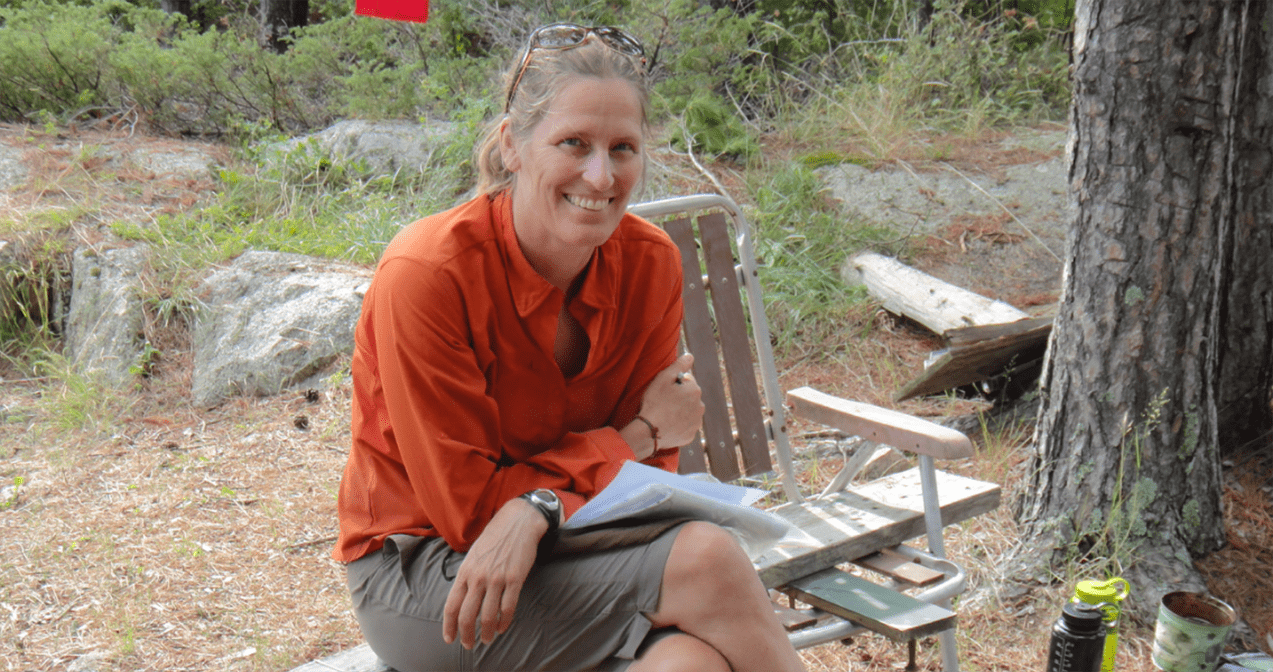
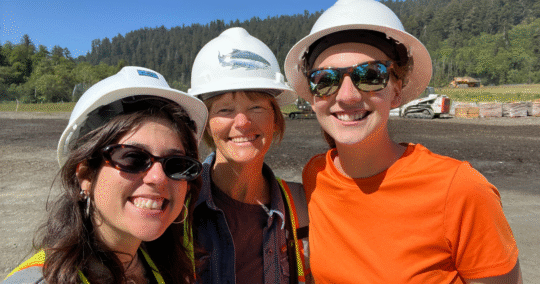
Mary Burke, CalTrout North Coast Regional Manager, and Claire Bergerson, Communications Manager
What inspired you to pursue a career in conservation/a career at CalTrout?
My favorite places have always been natural spaces connected to the California and Pacific Northwest coastline, and I knew I wanted to put my energy into ecological restoration. In my 20s and early 30s, I had several experiences that shaped my understanding and interest in conservation. In the late 1990s, I worked at an ecolodge in Peru that was created to support Indigenous people and their rights to their land. This inspiring model protected the landscape and the people’s way of life. Then, in 2003, I worked in Costa Rica where fences had been built around a national park and only scientists were allowed to enter. The stark difference in these experiences helped me understand that I wanted to work in conservation that centers people’s relationship and role as an integral part of the landscape.
In 2006, I entered a Master’s degree program at Cal Poly Humboldt, with an emphasis on international development technology. This coursework broadened my perspective of how conservation could be practiced. I learned about development projects that often failed when approached with a technical and scientific framework to identify problems and come up with solutions without first working to understand what the local people wanted for themselves and their land. This built my understanding of the need for holistic approaches to projects that integrate politics, economics, and meaningful community engagement.
How did this lead me to CalTrout? In 2013, I got connected to CalTrout through a friend to inquire about a job. When CalTrout’s North Coast Regional Director rolled out a map of the Eel River delta, the opportunities jumped out of the map, and it felt like a perfect fit to explore my interests.
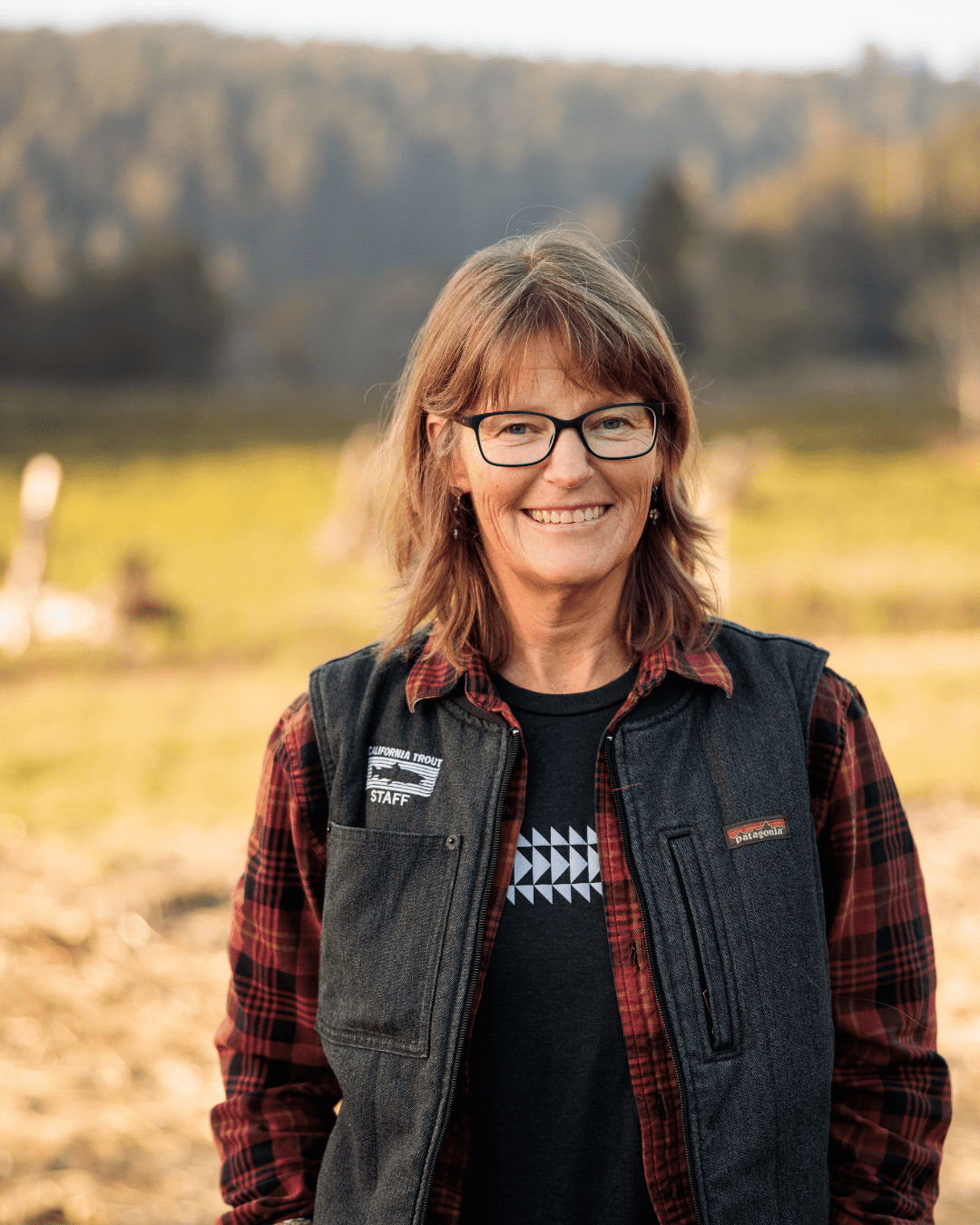
What is your favorite part of your job? Could you share with me some of the most rewarding moments of your work?
The connections fostered between people and the land, and among individuals themselves are the most rewarding. This is especially evident in the Prairie Creek Floodplain Restoration project at ‘O Rew where we were able to work side by side with the Yurok Tribe in restoration construction. Later this year, the restored site will transfer to the Yurok Tribe, and the land will once again be stewarded by the Yurok people.
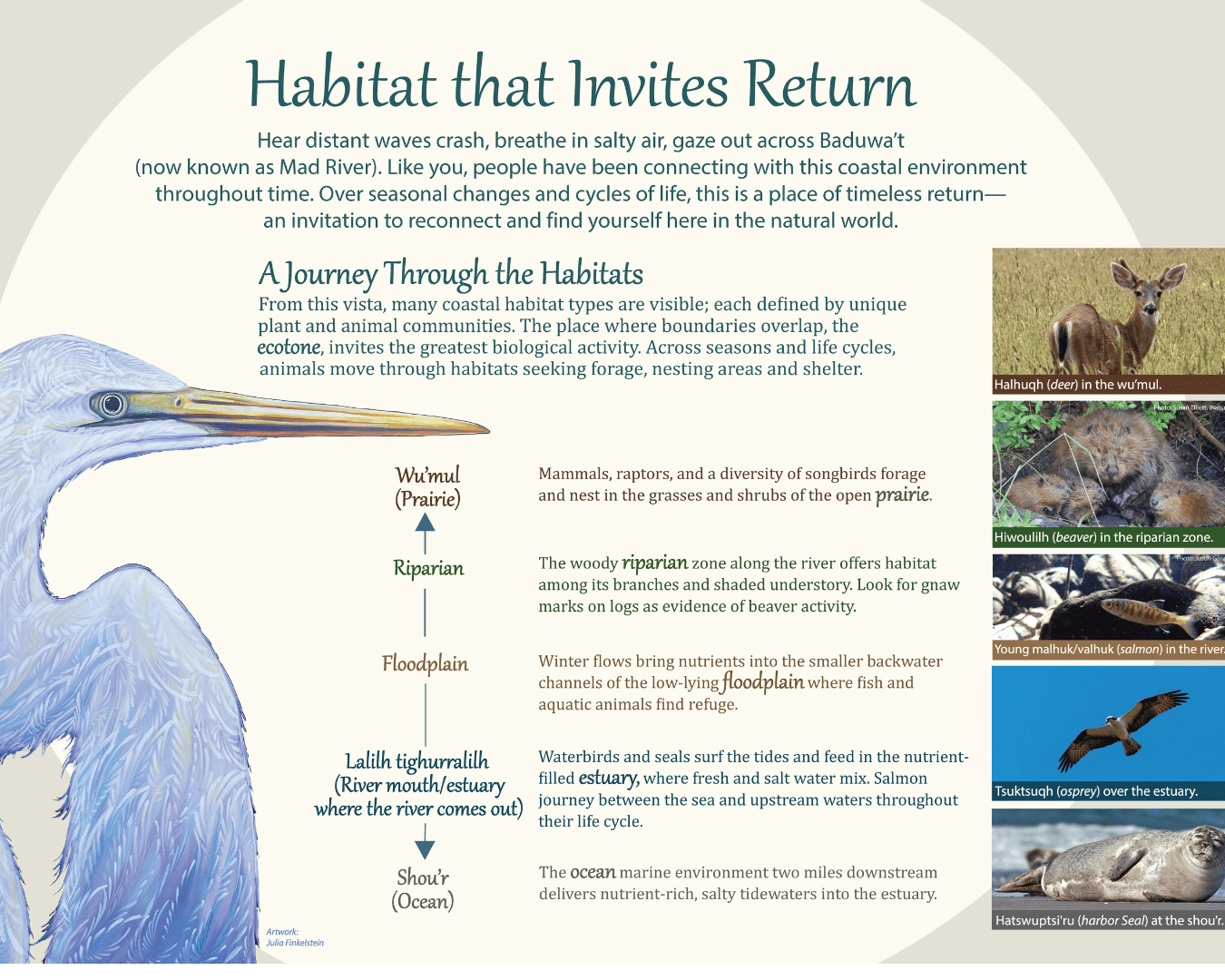
Additionally, as part of the Baduwa't Estuary Restoration project, I had the opportunity to collaborate with Alme Allen, a local Indigenous artist, on signage so that his art emerged from his relationship to this place. He ended up taking the interpretive signage project in an entirely new direction and the final project is just incredible!
How does environmental activism fit in with other aspects of your life, such as family or additional commitments?
My life and who I’ve become over the past 13 years is intertwined in my work and continues to shape my perspective. Engaging with Indigenous communities through various projects has been especially transformative. The work is about getting to understand our local ecology, and out here on the North Coast we are so close to the projects, and our project partners are our neighbors. The place is the work and is my life. My family walks through the project sites I get to help bring to life – there are very real intersections to all this.
What does it mean to you to be a woman in this field?
The field of conservation and fisheries restoration is in a period of transition. There’s a growing recognition of the importance of fostering an integrated approach to conservation, one that emphasizes building relationships and finding agreement around shared interests. Specifically, this type of leadership relies on cultivating one’s own emotional intelligence and listening skills. When we lead in this way, we can create the environment of trust that brings people together for collective action. Women are helping to drive this change. I’ve had a chance to work with many groups of people and can say that the times I have found myself in a team of women are the most generative, productive, fun, and supportive moments of my career.
To celebrate the "history" part of Women's History Month—is there a woman from history that you find especially inspiring? Or perhaps a mentor from your own life?
Georgia O’Keefe. As a water-lover and an artist, it is fitting that I find inspiration in a watercolor artist’s craft! Her art emphasized a fold in a flower, or the curves in a landscape to evoke an intimate curiosity as to what lay just beyond the margin. And now that I think about it, I guess I appreciate Georgia’s art because I tend to seek the margins of possibility as well.
What message would you share with younger women who hope to pursue a career in conservation?
Working in conservation is an opportunity to help shape our future. We are in a period of reinvention with so much to relearn and unlearn about our relationship with the planet and all living things. Look for opportunities to bring your inspiration to the field and use it to help chart the course for future generations.
Bonus question: do you have a favorite fish/river/body of water in California?
The Baduwa’t, my home river, and eulachon (also known as the candlefish). This fish is a unicorn, and I can’t wait to learn more about how our estuary projects might support its recovery here at the southern end of its range. Native people refer to eulachon as the salvation fish because in the spring when stores of food are low, the eulachon would come along full of good fat offering salvation after a long winter. They are also fundamentally estuarine species and so am I!