
 Last week we voiced our concern about a last minute addition of Sen. Dianne Feinstein and Rep. Kevin McCarthy’s nearly 90-page “rider” into the Water Resource Development Act (WRDA), also called the Water Infrastructure Improvements for the Nation Act (WIIN). While the WIIN Act took positive steps towards improving water infrastructure projects across the United States, the backroom deal introduced a separate controversial California water bill to the fast moving and popularly supported WIIN Act. The rider went on to pass in the Senate, despite a filibuster attempt by Sen. Barbara Boxer, and was signed into law last week by President Obama.
With the passage of the WIIN Act, we will soon see the effects of the controversial water infrastructure bill in action. For CalTrout this bill truly represents a mixed bag for drought relief in California:
Some of the positives:
- Provides nearly $558 million in drought relief for California.
- Provides support for desalination, water recycling, and water re-use projects.
- Includes the Lake Tahoe Restoration Act, which authorizes $415 million to improve water quality, restore critical habitat, fight the spread of invasive species, and other important ecological actions.
- Authorizes $170 million to address the drinking water crisis in Flint, Michigan.
Some of the negatives:
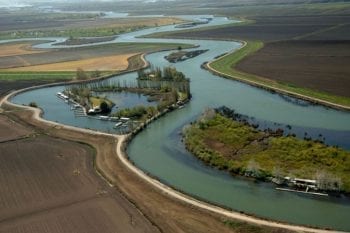
- Authorizes increased pumping from the Sacramento-San Joaquin Delta. Although the bill references the biological opinion that sets the maximum pumping rates for the diversions, the bill instructs state and federal water managers to “provide the maximum quantity of water supplies.” This essentially allows for the highest pumping limit stated on the biological opinion at all times, and during extreme weather events it authorizes pumping beyond that stated limit.
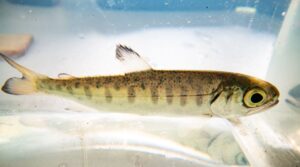
- Weakens the Endangered Species Act (ESA). This regulation is at odds with the intent of the seminal environmental protection for species in the United States. The bill’s authorization of increased water pumping could jeopardize a number of endangered species in the Delta, and calls into question whether the ESA can be circumvented by similar efforts in the future.
In signing the bill President Obama voiced a similar concern over the potential ESA protections. While lauding the water infrastructure projects that the bill authorizes, Obama stressed that the provisions relating to the increased pumping measures “require continued application and implementation of the Endangered Species Act, consistent with the close and cooperative work of federal agencies with the State of California to assure that state water quality standards are met.”
For a closer look at the WIIN Act and what it means for the ESA, read Wired Magazine’s post below where author Marley Walker states WIIN, “could also weaken the Endangered Species Act altogether, opening it to legal attacks from anyone who prioritizes resource extraction over the existence of thousands of currently listed critters.”
CalTrout will continue to monitor the WIIN Act’s effects on the California water picture going forward.
https://www.wired.com/2016/12/drought-busting-bill-congress-just-passed-might-screw-endangered-species-act/