One of California’s best climate solutions: healthy rivers.
Climate change is reshaping California through hotter temperatures, shrinking snowpack, larger wildfires, longer droughts, and more extreme floods. By restoring healthy watersheds, we’re helping rivers — and the people and wildlife that depend on them — adapt to a changing future.
Why THIS matters now
Climate change is transforming every watershed in California.
No threat has grown more urgent or more consequential to the health of California than climate change. California’s rivers evolved around predictable seasons of snowmelt, rainfall, and cool mountain temperatures. Today those patterns are changing. Snowpack is shrinking, rivers are warming, droughts are lasting longer, floods are becoming more intense, and catastrophic wildfires are reshaping entire watersheds faster than fish and people can adapt.
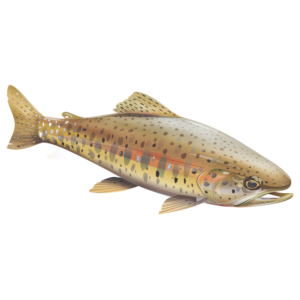
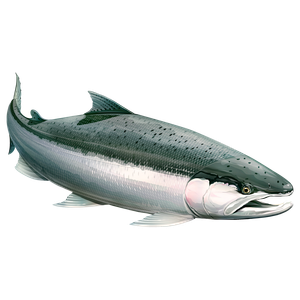
Salmon, steelhead, and trout are cold-water fish. They evolved alongside California’s snowmelt-fed rivers — timed to their seasonal rhythms, shaped by their flows. As the climate changes, those rivers are running warmer, flowing lower, and flooding more violently. The conditions these fish need to survive are becoming harder to find.
Vanishing Runs
CalTrout’s State of the Salmonids II report (2017) identified climate change as the most significant, overarching human-made threat to California’s salmonids — a critical or high threat for 87% of species.
87%
of California’s salmonid species face critical or high climate threat (SOS II)
50%
of the Sierra snowpack could be lost by 2100 under current trajectories
23 of 31
Native salmonids at risk of extinction by 2100
5x
increase in catastrophic wildfire acreage since 1990
Nature is California’s climate infrastructure
Restoring rivers helps communities withstand climate change impacts.
Climate resilience starts with healthy watersheds. Every restoration project strengthens California’s ability to withstand a changing climate.
01
Healthy Headwaters
Forests, meadows, and springs capture snowmelt, recharge groundwater, and keep rivers flowing through longer dry seasons.
02
Connected Rivers
Removing barriers to reopen rivers reconnects cold-water habitat, restores natural river processes, and helps fish move as climate conditions change.
03
Reconnected Floodplains
Floodplains store floodwaters, replenish groundwater, and reduce downstream flood impacts while creating productive habitat for wild fish.
04
Restored Estuaries
Estuaries buffer storm surge, improve water quality, support fisheries, and create space for coastal ecosystems to adapt to sea-level rise.
05
Climate Refugia
Some rivers and springs will remain cold enough to support wild fish even as temperatures rise. CalTrout studies, identifies, protects, and reconnects these climate refuges to give species the best chance to persist into the future.
Climate change is ongoing — sometimes our only option is to adapt
Adapting Together
Climate adaptation looks different across California. No single solution can address every climate challenge. That’s why we tailor restoration to each watershed.
Making room for rising seas
North Coast
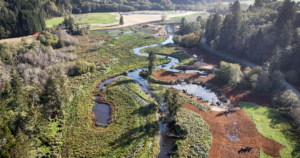
Through the Elk River managed retreat strategy, we’re partnering with willing landowners to restore tidal marshes that protect communities, improve water quality, and allow estuaries to migrate inland as sea levels rise.
Protecting species through disturbance
Southern California
As catastrophic wildfires become more frequent, we’re working with our partners to safeguard endangered Southern Steelhead by temporarily relocating genetically important fish while restoring the rivers they’ll return to. In 2026, a new facility at Edison High School in Orange County opened its doors to protect native rainbow trout of Southern steelhead lineage when future disturbances like this occur. The Edison Innovation Lab gives high school students an opportunity to learn aquaculture and environmental stewardship skills while also playing a huge role in recovering an iconic yet endangered Southern California species.
Keeping water in rivers
Statewide
Through water transactions, flow advocacy, drought response, and habitat restoration, we’re helping rivers remain resilient during California’s increasingly frequent dry years.
In their Words
“Salmon, steelhead, and trout are indicators of watershed health, and their fate is inseparable from the future of California itself.”
Darren Mierau/Director of Science, CalTrout
A Reason for Hope: Klamath River Recovery
When rivers recover, fish return.
In 2024, the removal of four dams on the Klamath River reopened hundreds of miles of historic salmon habitat. Soon after, CalTrout and our partners installed a monitoring station near the former Iron Gate Dam site to document the river’s recovery.
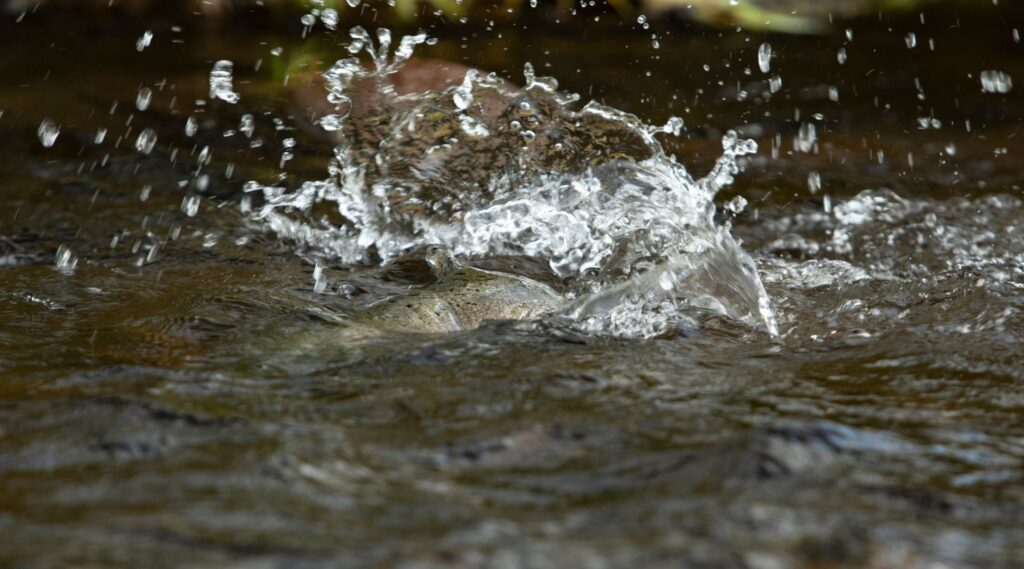
Within months, thousands of Chinook salmon were recorded migrating into habitat that had been inaccessible for more than a century. The Klamath demonstrates what’s possible when science, restoration, Tribal leadership, and long-term partnerships come together. Healthy rivers can recover — and wild fish can too.
Our work in action
Explore our work to restore watersheds for the benefit of all Californians
-
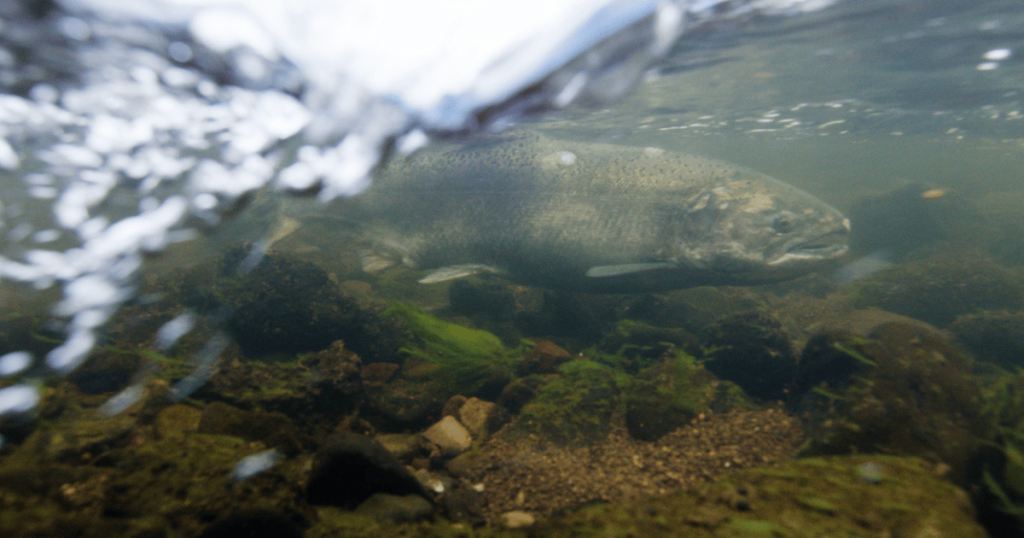
Klamath River Salmon & Steelhead Monitoring Program
Read more →: Klamath River Salmon & Steelhead Monitoring ProgramMonitoring how salmon and steelhead are reclaiming 400 miles of habitat reopened by the world’s largest dam removal…
-
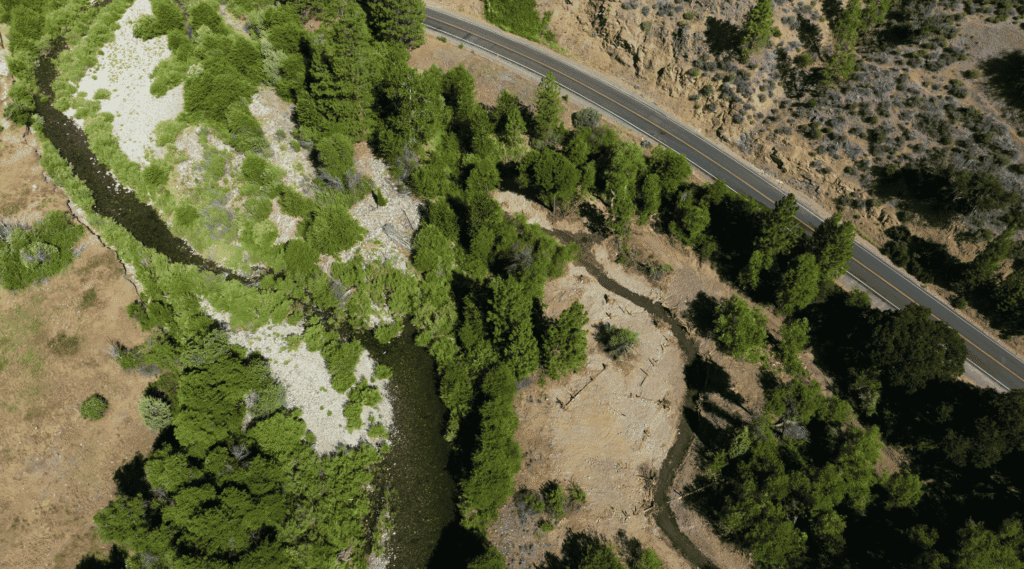
East Fork Scott River Restoration
Read more →: East Fork Scott River RestorationRestoring 6.7 miles of the East Fork Scott River and its tributaries to recover coho salmon, Chinook salmon,…
-
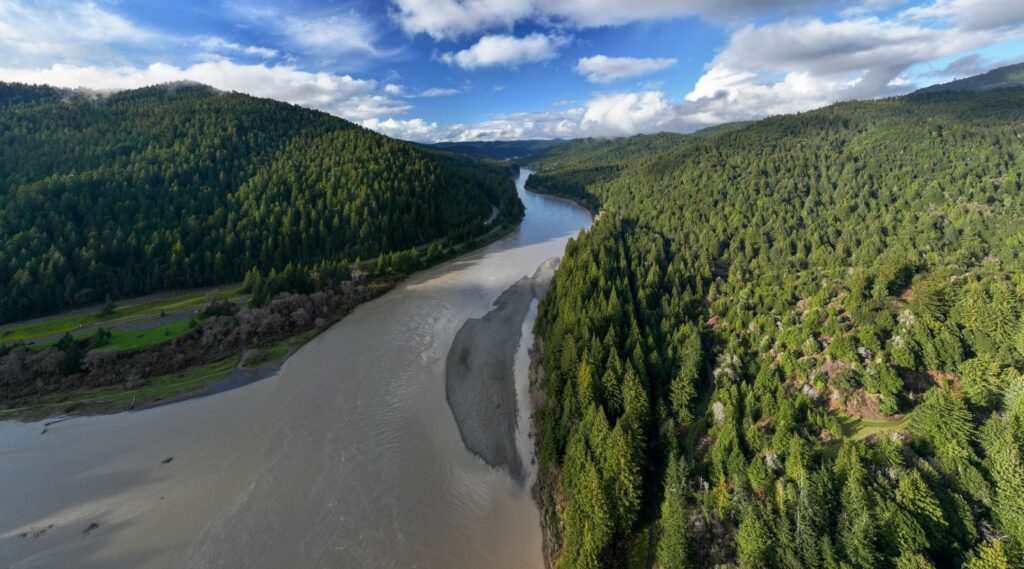
Eel River Watershed Restoration & Conservation Program
Read more →: Eel River Watershed Restoration & Conservation Program950-acre estuary restoration + the upcoming removal of Scott and Cape Horn dams.
-
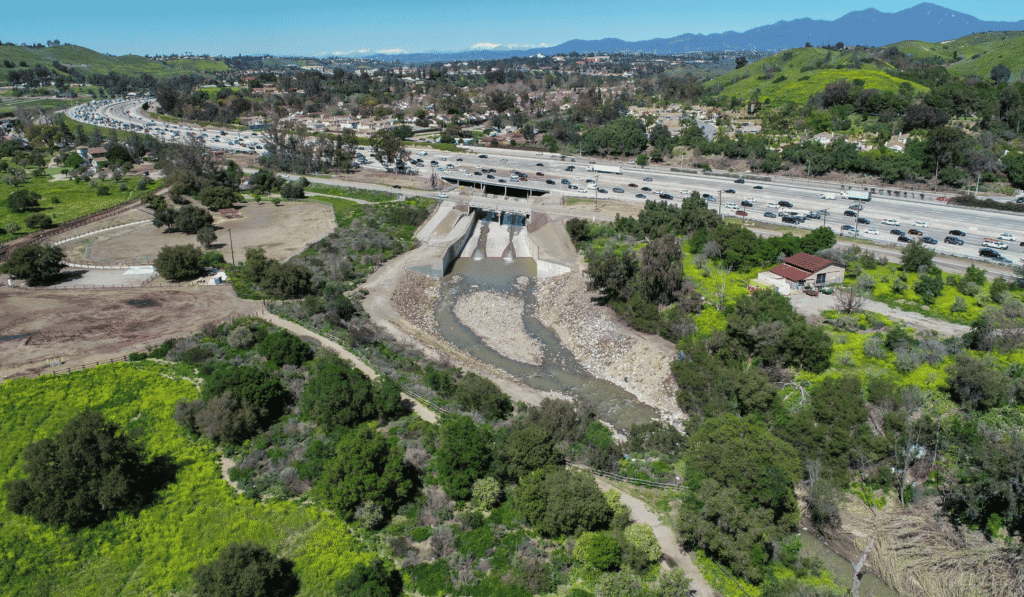
I-5/Trabuco Creek Fish Passage Project
Read more →: I-5/Trabuco Creek Fish Passage ProjectRemoving two urban fish passage barriers on Trabuco Creek to reconnect endangered steelhead to 15 miles of historic…
-
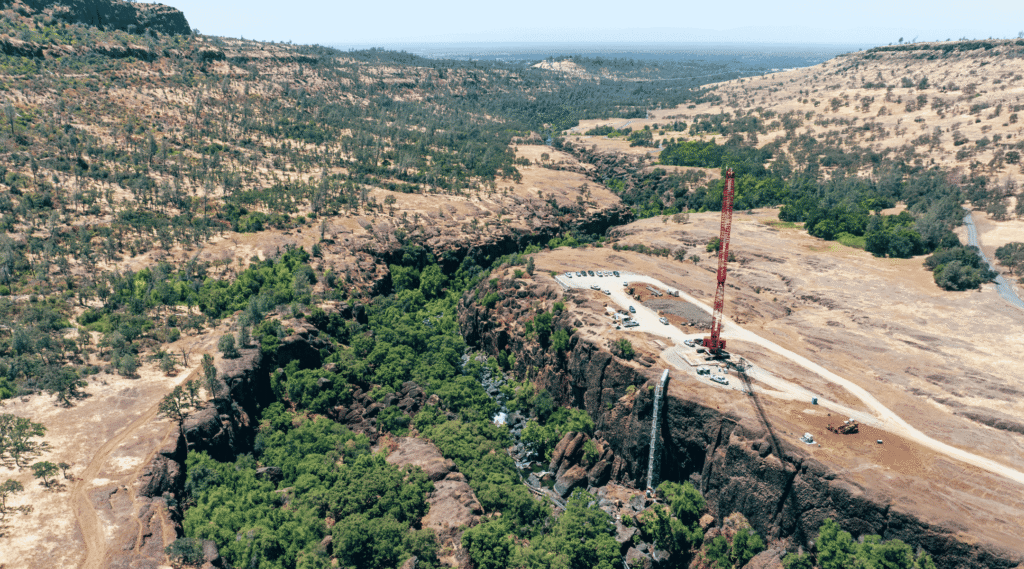
Iron Canyon Fish Passage Project, Big Chico Creek
Read more →: Iron Canyon Fish Passage Project, Big Chico CreekRestoring natural fish passage through Iron Canyon to reopen 8.5 miles of salmon and steelhead habitat on Big…
-
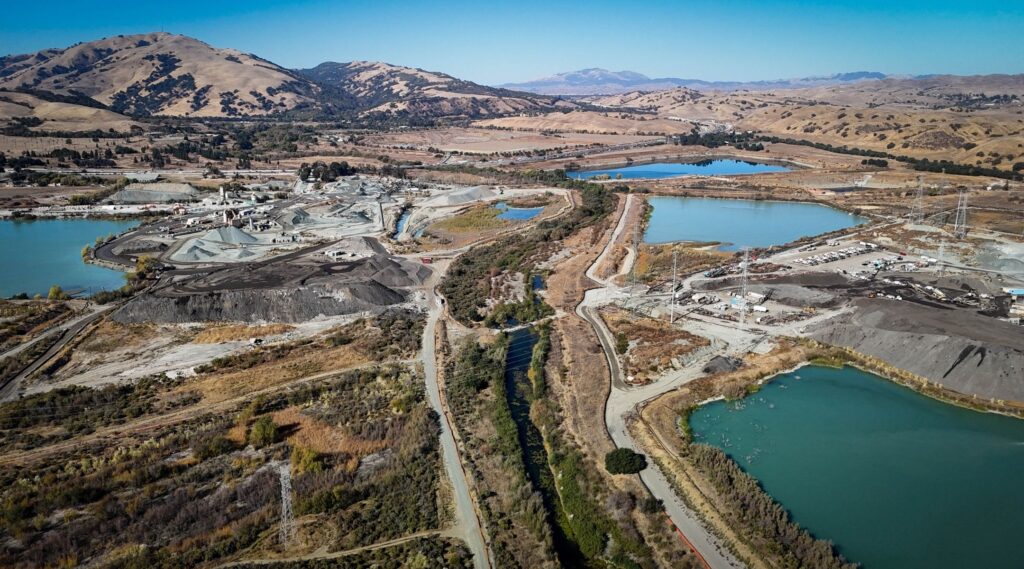
Sunol Valley Fish Passage Project, Alameda Creek
Read more →: Sunol Valley Fish Passage Project, Alameda CreekRelocating a gas pipeline to remove the last fish passage barrier on Alameda Creek and reopen 20+ miles…
-
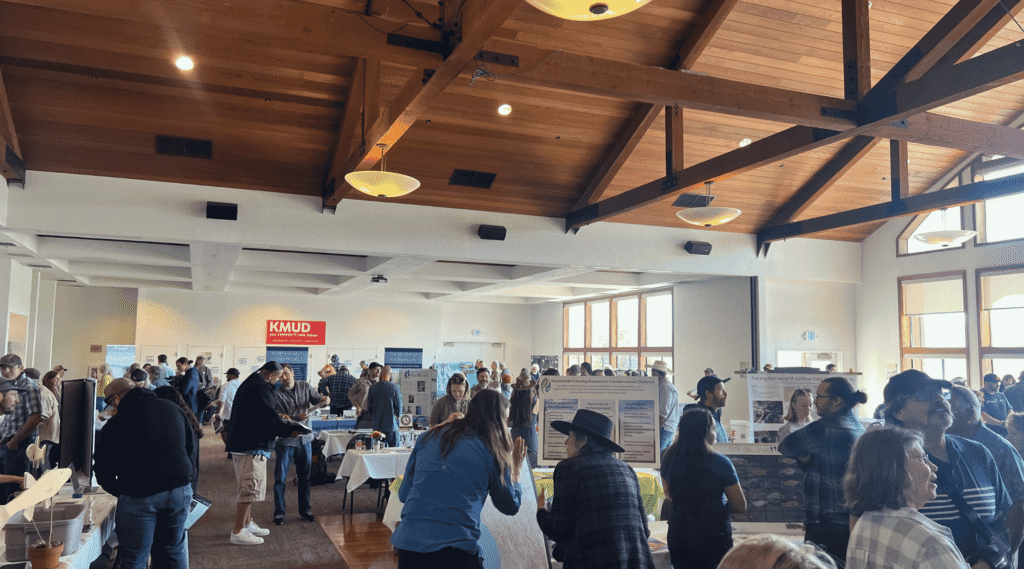
Eel River Forum
Read more →: Eel River ForumA 22-organization coalition is committed to the holistic restoration of the Eel River.
-
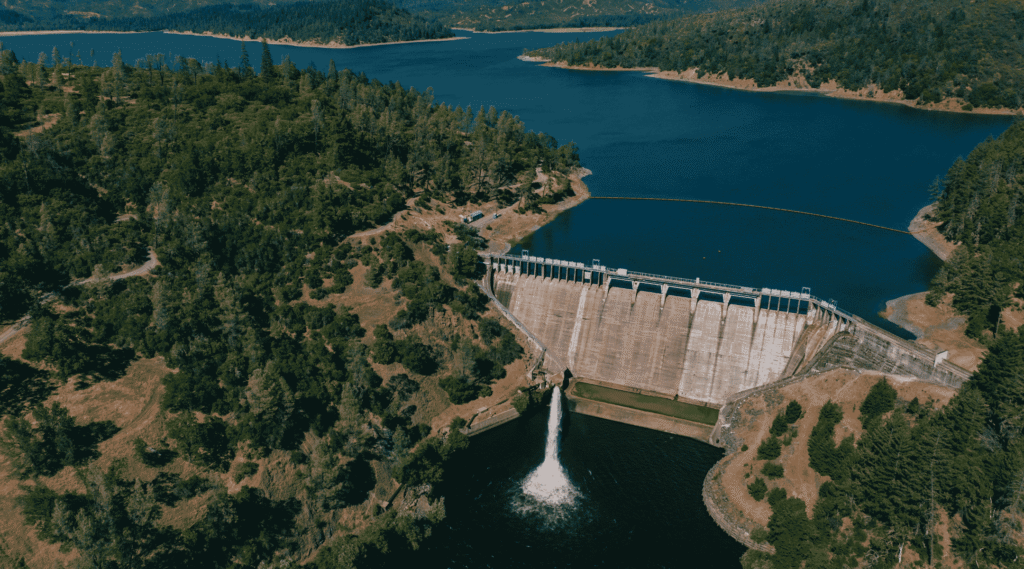
Eel River Dam Removal
Read more →: Eel River Dam RemovalRemoving two century-old dams to reconnect salmon and steelhead to nearly 300 miles of the Eel River’s cold-water…
-
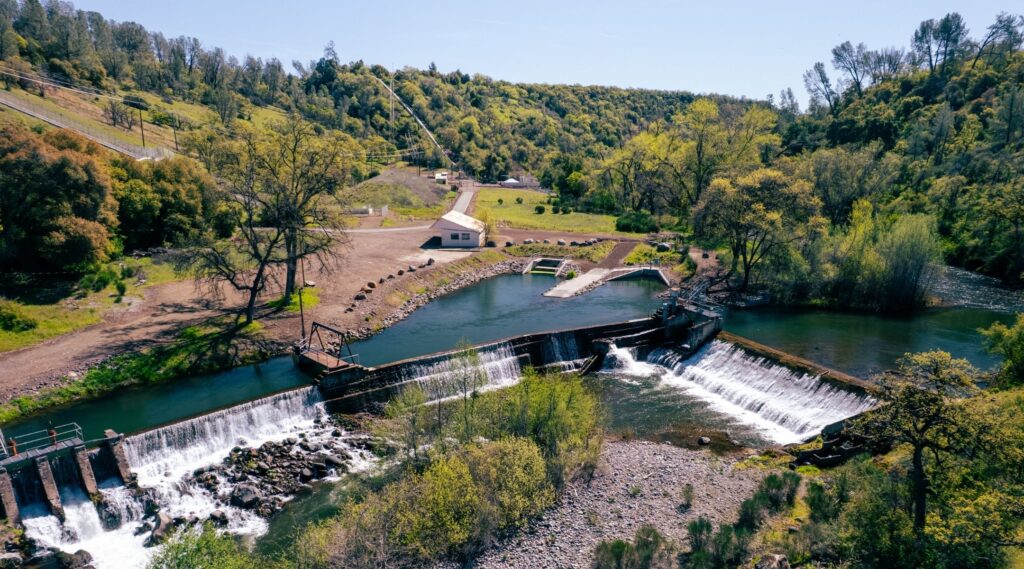
Battle Creek Dam Removal
Read more →: Battle Creek Dam RemovalRemoving eight remaining dams on Battle Creek would reconnect 48 miles of habitat for endangered Winter-run and Spring-run…
-
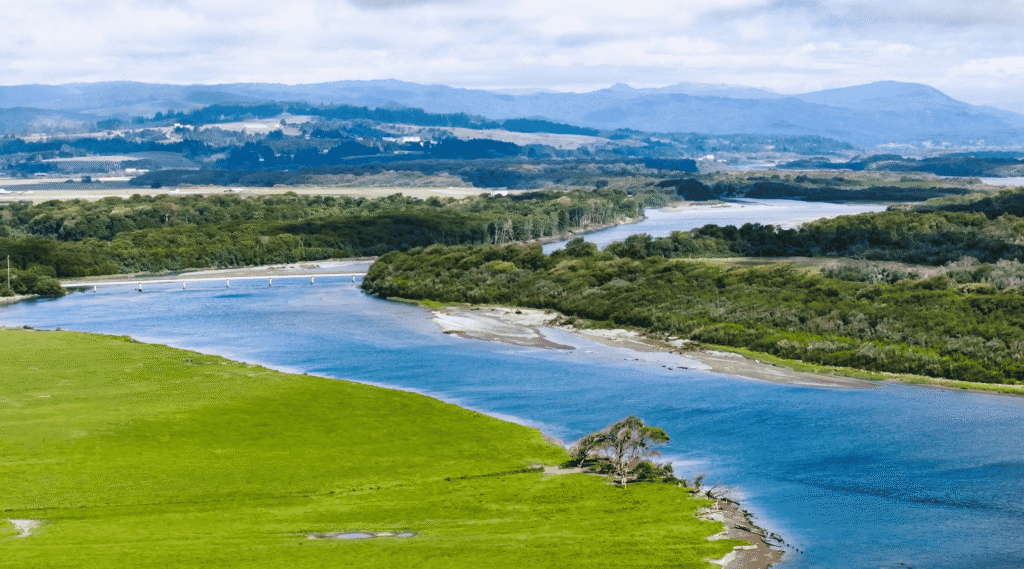
Cannibal Island, Eel River Estuary Restoration Project
Read more →: Cannibal Island, Eel River Estuary Restoration ProjectRestoring 950 acres of tidal marsh at the Eel River’s mouth to revive salmon habitat and buffer nearby…
-
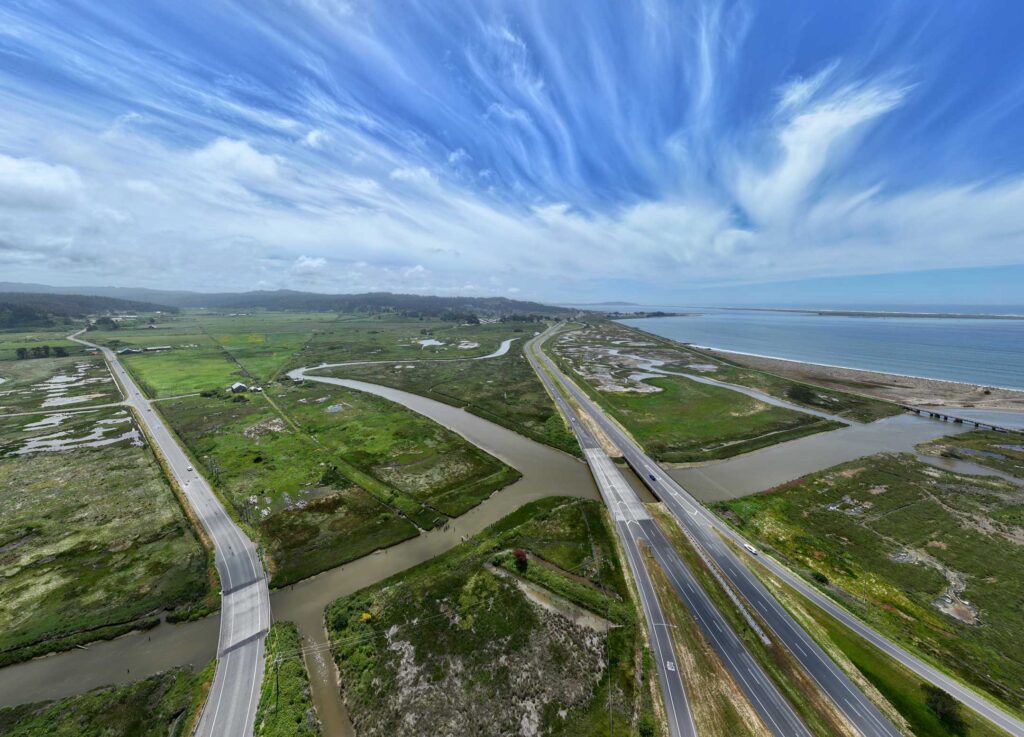
Elk River Recovery Program
Read more →: Elk River Recovery ProgramRestoring the Elk River’s watershed and estuary to revive salmon habitat, filter water naturally, and buffer nearby communities…
-
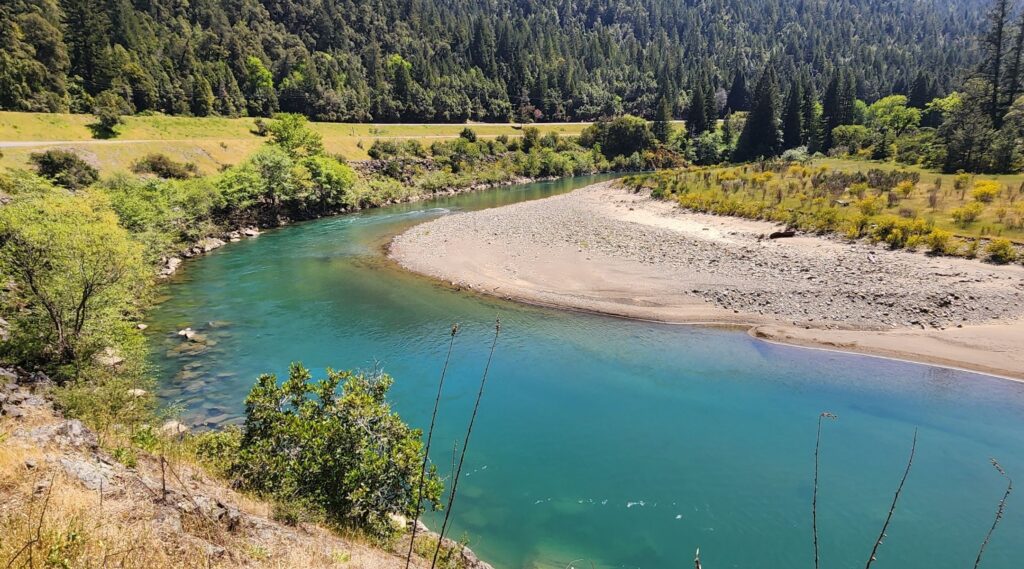
South Fork Eel River Science & Monitoring Program
Read more →: South Fork Eel River Science & Monitoring ProgramMonitoring juvenile salmon and steelhead on the South Fork Eel River to understand what’s working, and studying an…
-
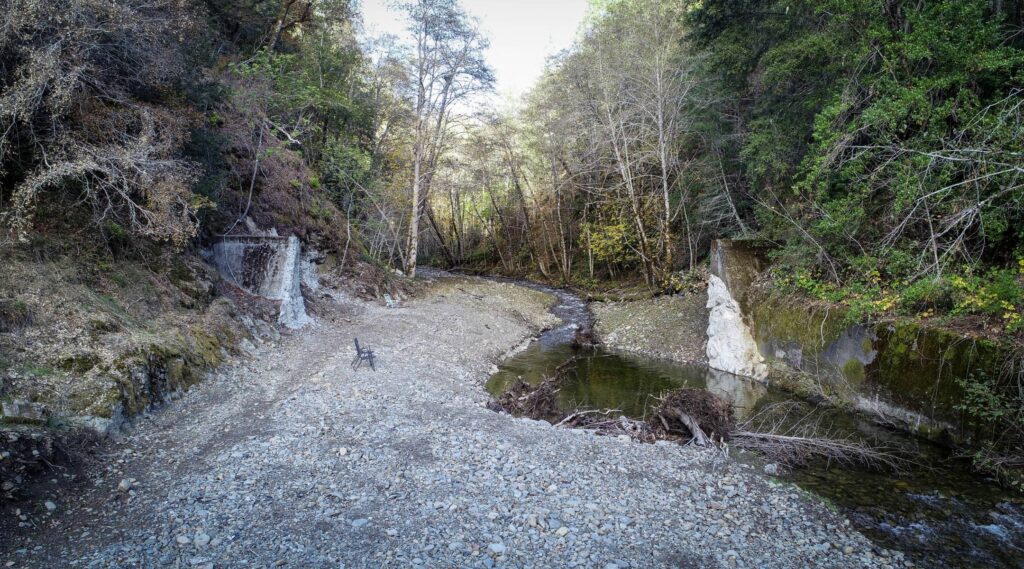
Cedar Creek Barrier Removal
Read more →: Cedar Creek Barrier RemovalRemoved a defunct 60-year-old dam on Cedar Creek reopening nine miles of habitat and cold-water refuge for salmon…
-
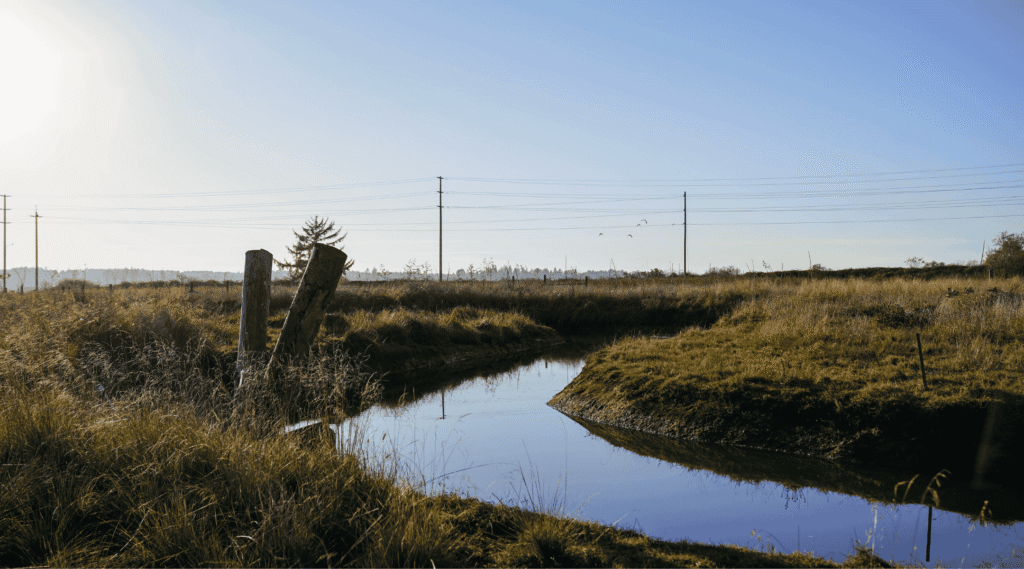
Cochran Creek Fish Passage and Channel Restoration
Read more →: Cochran Creek Fish Passage and Channel RestorationReplaced a century-old tidegate near Humboldt Bay reopened Cochran Creek’s estuary to coho salmon and steelhead — and…
-
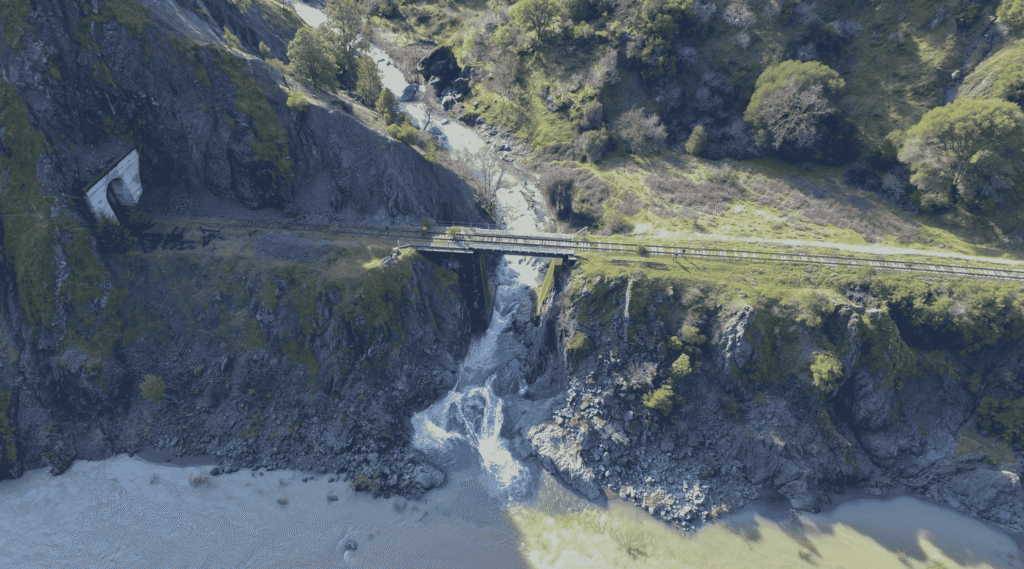
Woodman Creek Project
Read more →: Woodman Creek ProjectRemoved a century-old railroad barrier on Woodman Creek reopens up to 14 miles of habitat for steelhead, Chinook,…
-
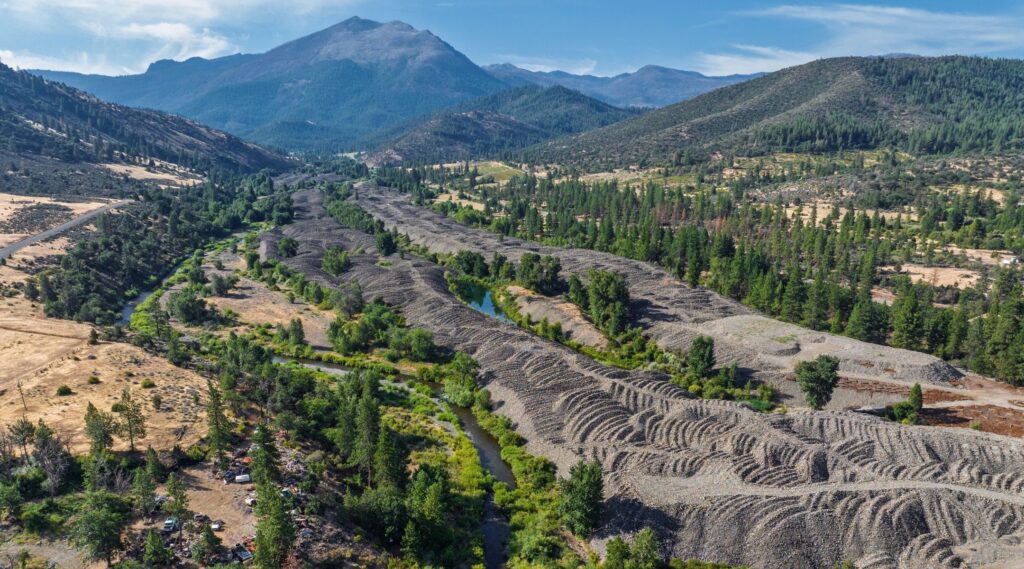
Scott River Mainstem Restoration & Flow Enhancement Project
Read more →: Scott River Mainstem Restoration & Flow Enhancement ProjectRestoring a flood-damaged diversion on the Scott River to improve fish passage and water reliability for farms and…
-
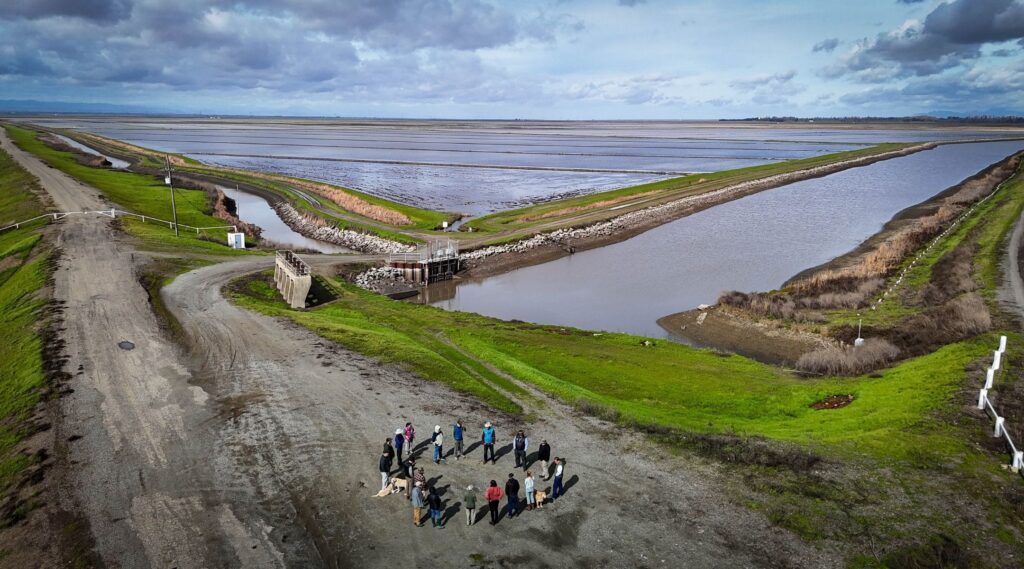
Central Valley Salmon Habitat Partnership
Read more →: Central Valley Salmon Habitat PartnershipThe Salmon Partnership drives science-based recovery of Central Valley Chinook salmon and steelhead, sustaining healthy runs for both…
-
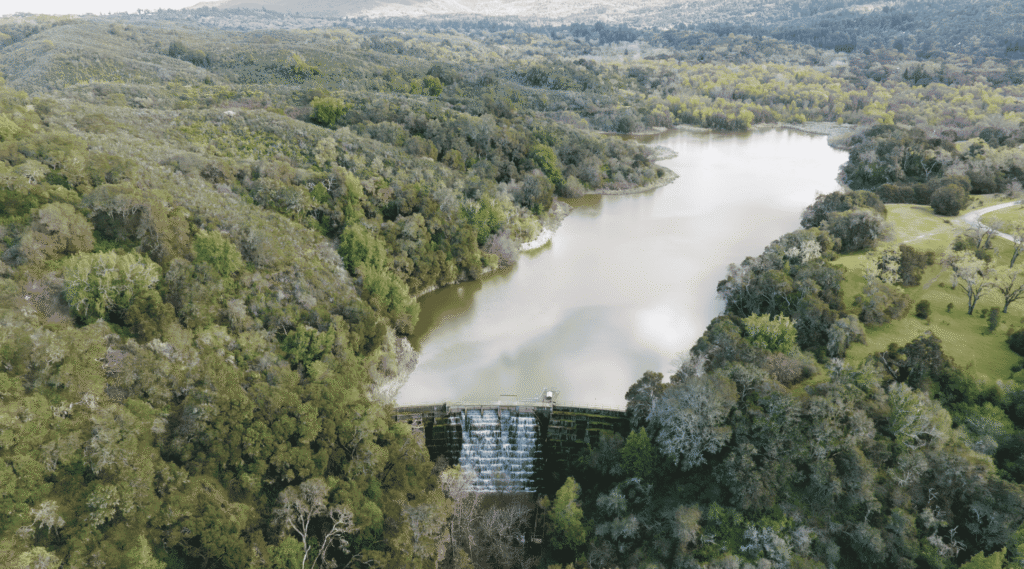
Searsville Dam Removal
Read more →: Searsville Dam RemovalWorking to remove a century-old, high-hazard dam blocking steelhead migration on San Francisquito Creek at Stanford University.
-
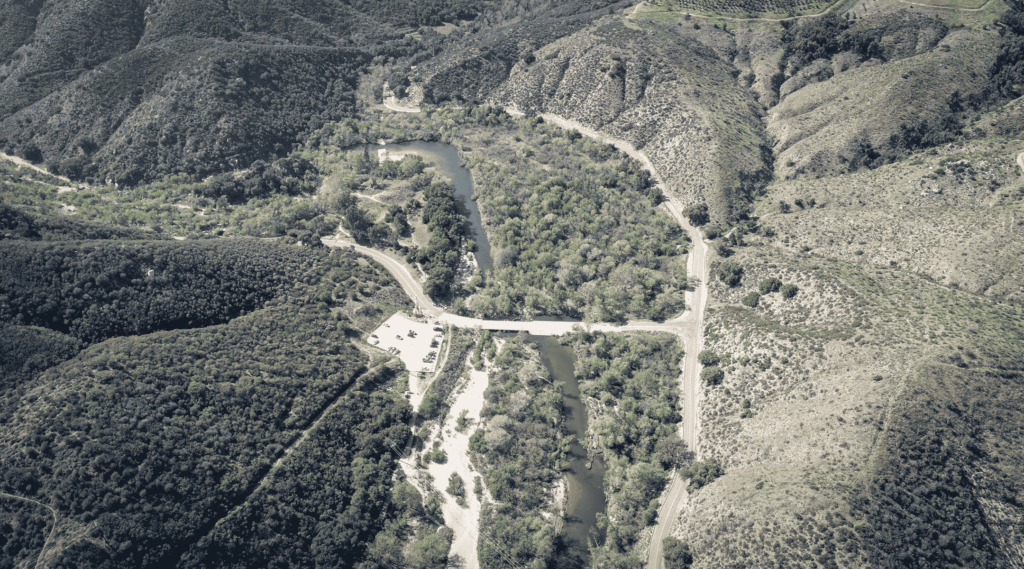
Santa Margarita River Bridge Replacement & Fish Passage Project
Read more →: Santa Margarita River Bridge Replacement & Fish Passage ProjectReplacing a bridge on the Santa Margarita River to reconnect steelhead to habitat and protect a busy crossing…
-
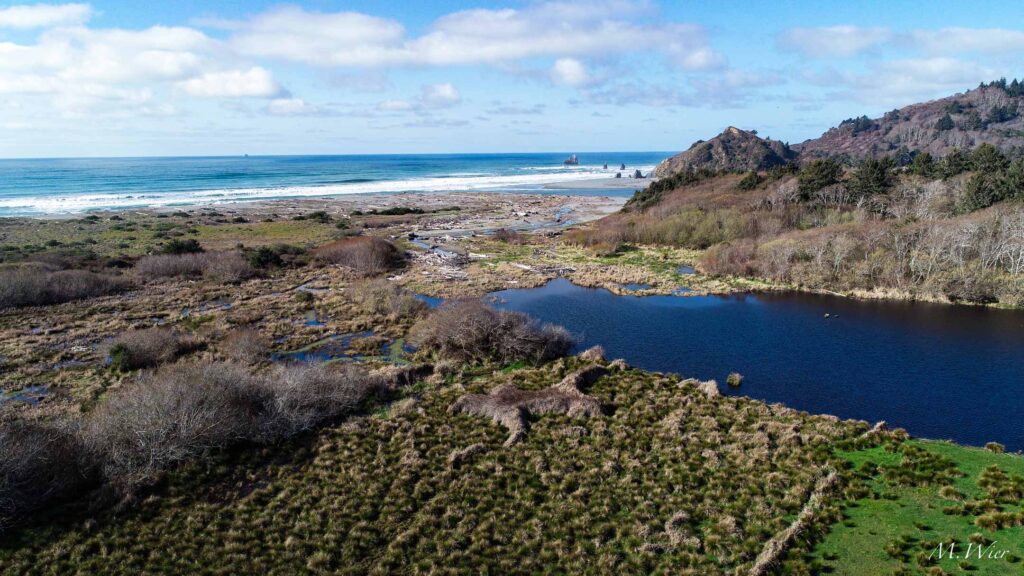
Redwood Creek Estuary Restoration
Read more →: Redwood Creek Estuary RestorationReconnecting Redwood Creek’s estuary to the sediment and floodplain processes it lost to a 1968 flood control project,…
-
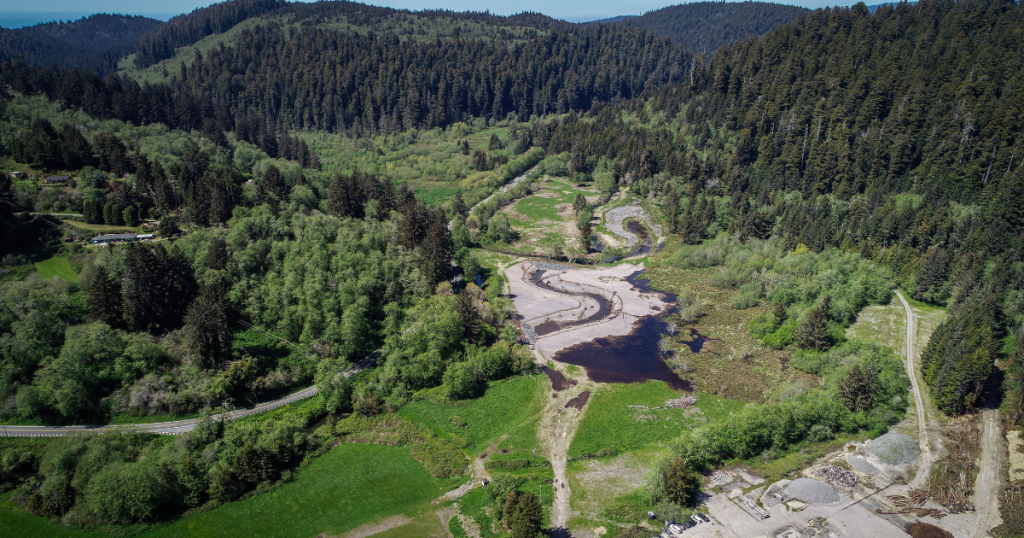
Prairie Creek Floodplain Restoration
Read more →: Prairie Creek Floodplain RestorationRestored 125 acres of floodplain habitat at Prairie Creek to give salmon and steelhead their last rearing grounds…
-
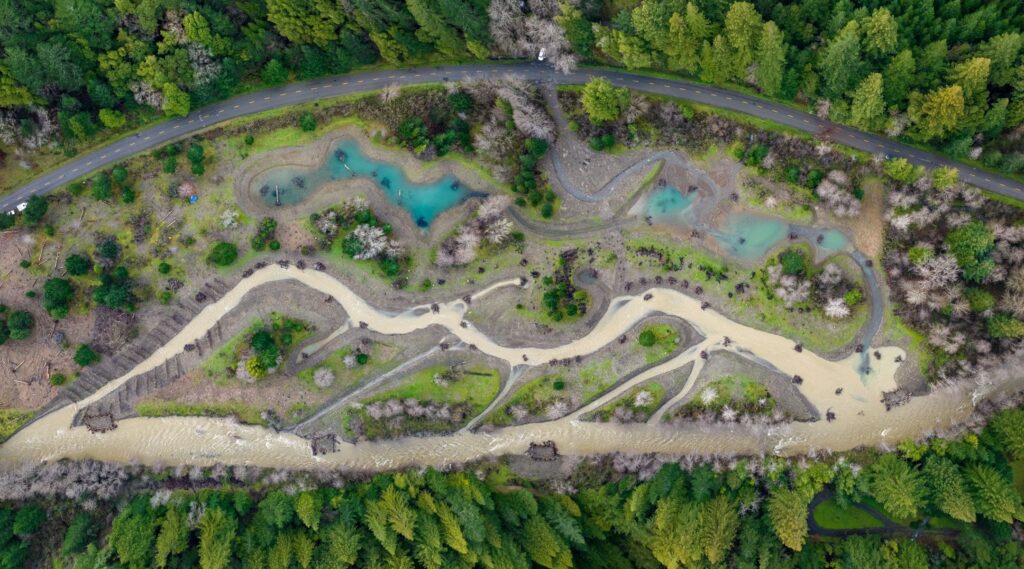
Bull Creek, Hamilton Reach Restoration Project
Read more →: Bull Creek, Hamilton Reach Restoration ProjectRebuilt lost pools, side channels, and shade along Bull Creek in Humboldt Redwoods State Park to give coho…
-
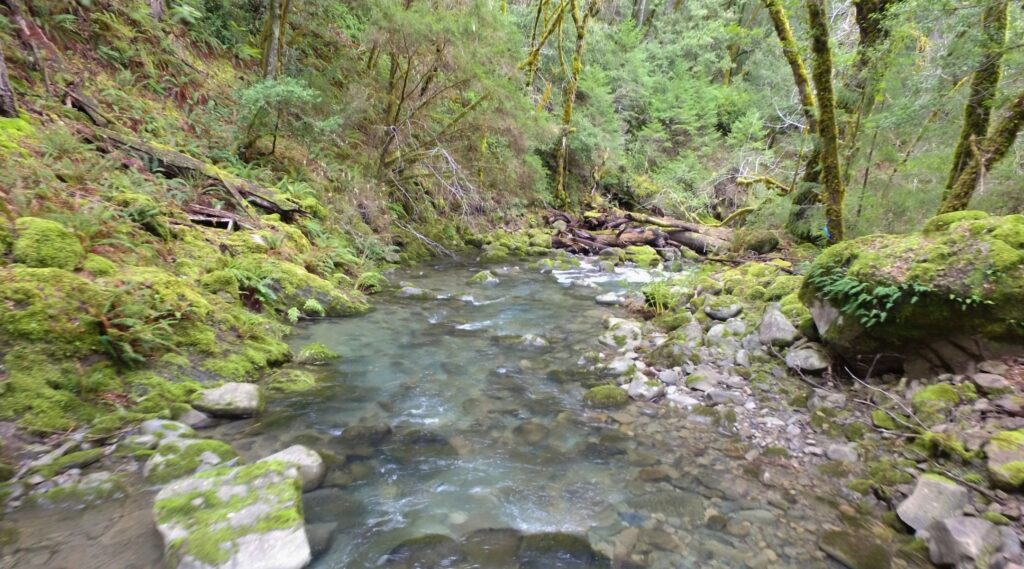
Cedar Creek and Elder Creek Legal Protection
Read more →: Cedar Creek and Elder Creek Legal ProtectionSeeking the Clean Water Act’s strongest protection for Cedar and Elder Creeks, cold-water refuges steelhead need to survive…
-
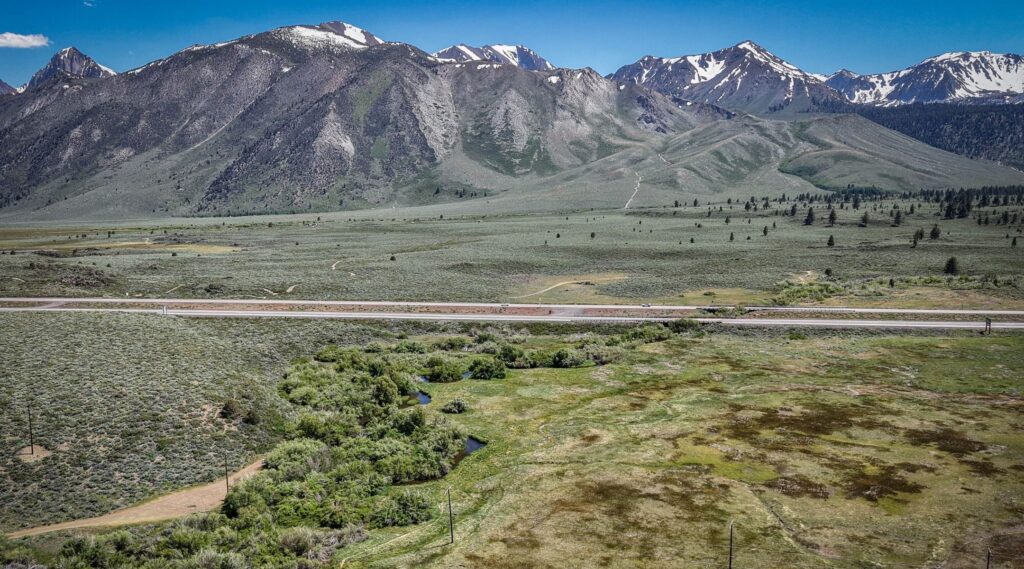
Lower Mammoth Creek Restoration Project
Read more →: Lower Mammoth Creek Restoration ProjectReconnecting 100+ acres of Lower Mammoth Creek’s meadow and riparian habitat to restore cold-water trout habitat and build…
-
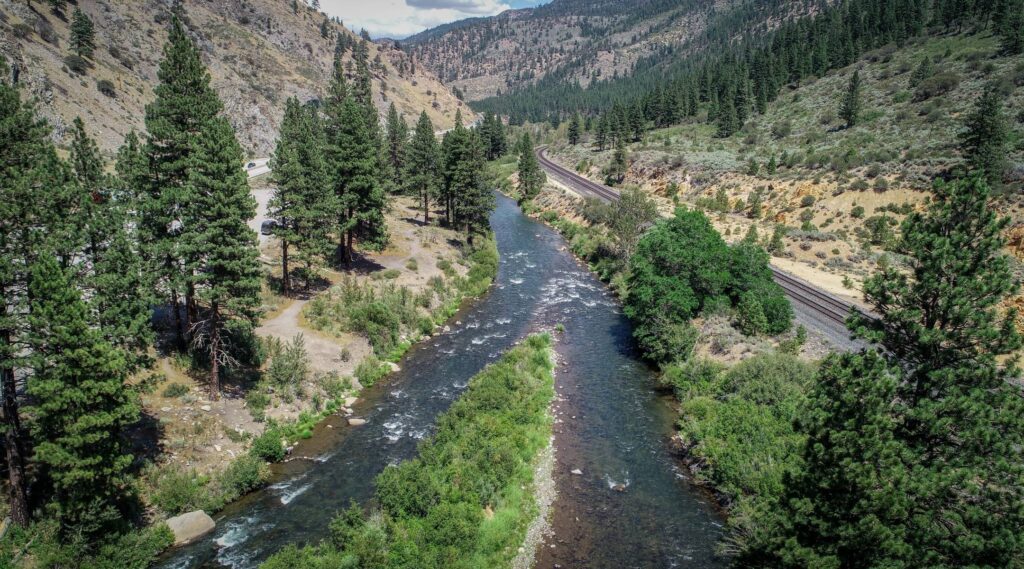
Truckee River Bank Stabilization and Angler Access Project
Read more →: Truckee River Bank Stabilization and Angler Access ProjectBuilt terraced boulder steps to stabilize an eroding Truckee River bank, cutting sediment pollution while giving anglers and…
-
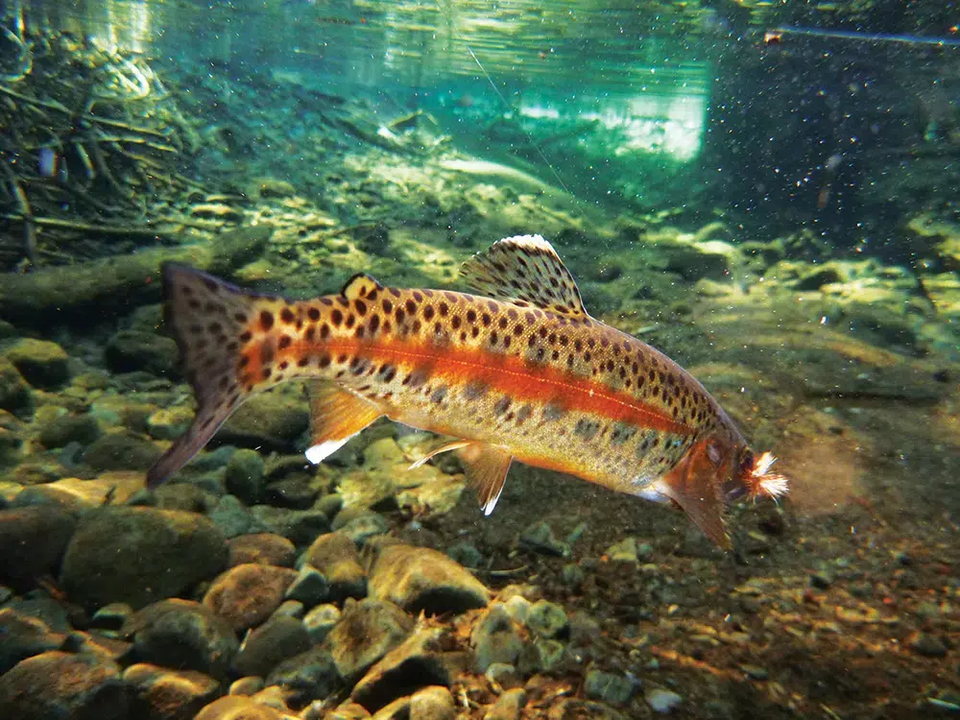
McCloud River Redband Trout Refuge Pool Enhancement
Read more →: McCloud River Redband Trout Refuge Pool EnhancementConstructed refuge pools on two McCloud River tributaries to help California’s only native Redband Trout survive drought.
-
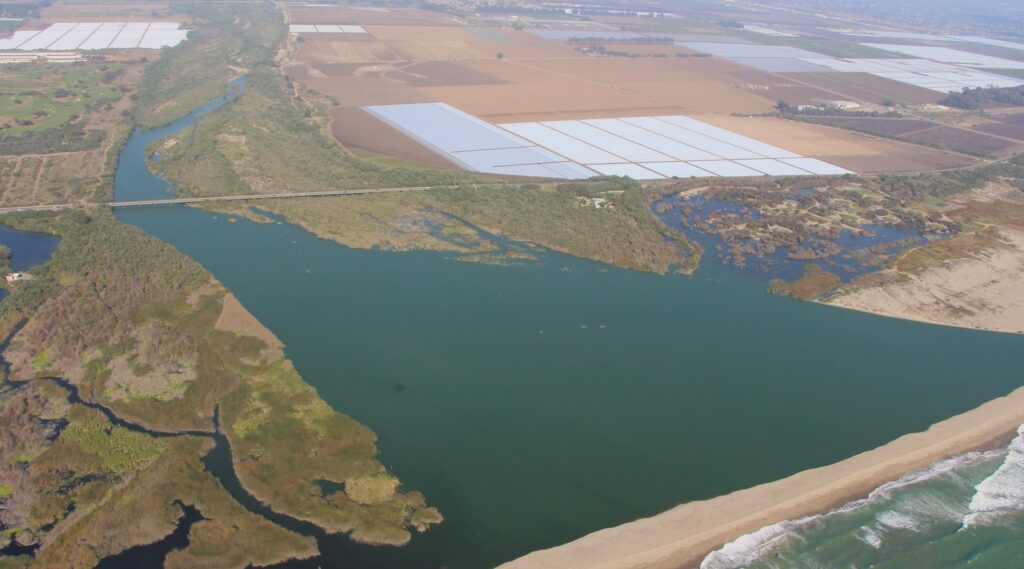
Santa Clara River Floodplain Restoration
Read more →: Santa Clara River Floodplain RestorationRemoved invasive plants to restore 30 acres of riparian habitat along the Santa Clara River, reestablishing critical floodplain…
-
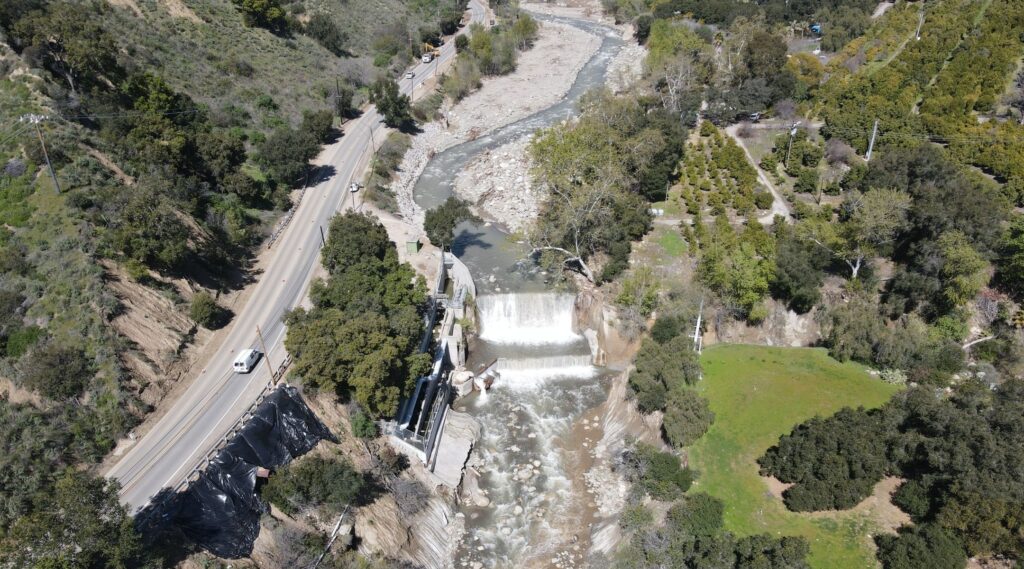
Harvey Diversion Fish Passage Project, Santa Paula Creek
Read more →: Harvey Diversion Fish Passage Project, Santa Paula CreekRemoving a complete fish passage barrier on Santa Paula Creek reconnects up to 18.5 miles of historic habitat…
-
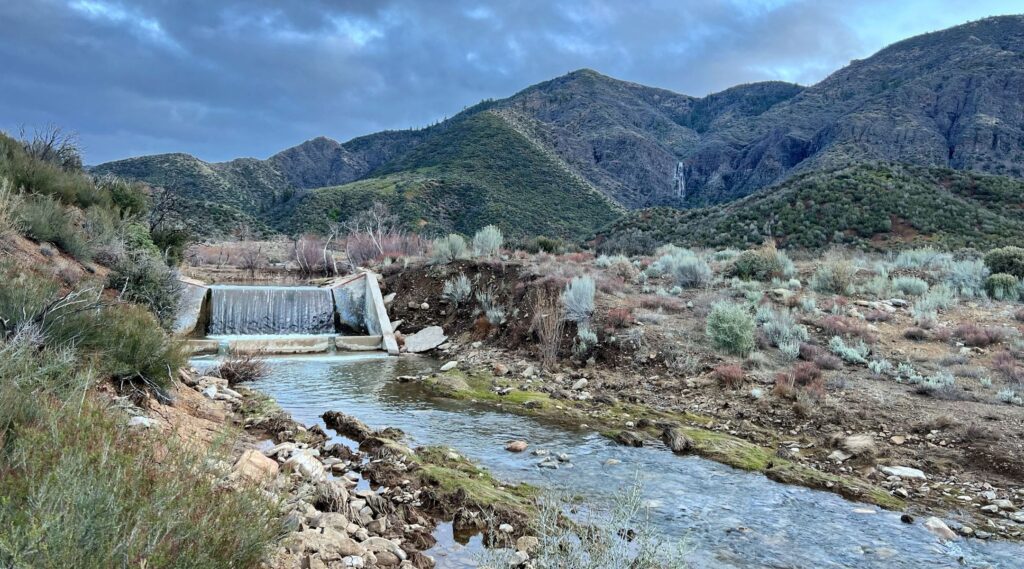
Rose Valley Creek Stream Restoration Project
Read more →: Rose Valley Creek Stream Restoration ProjectRestoring Rose Valley Creek’s spring-fed waters, a Sespe Creek tributary within California’s longest undammed river, to recover endangered…
-
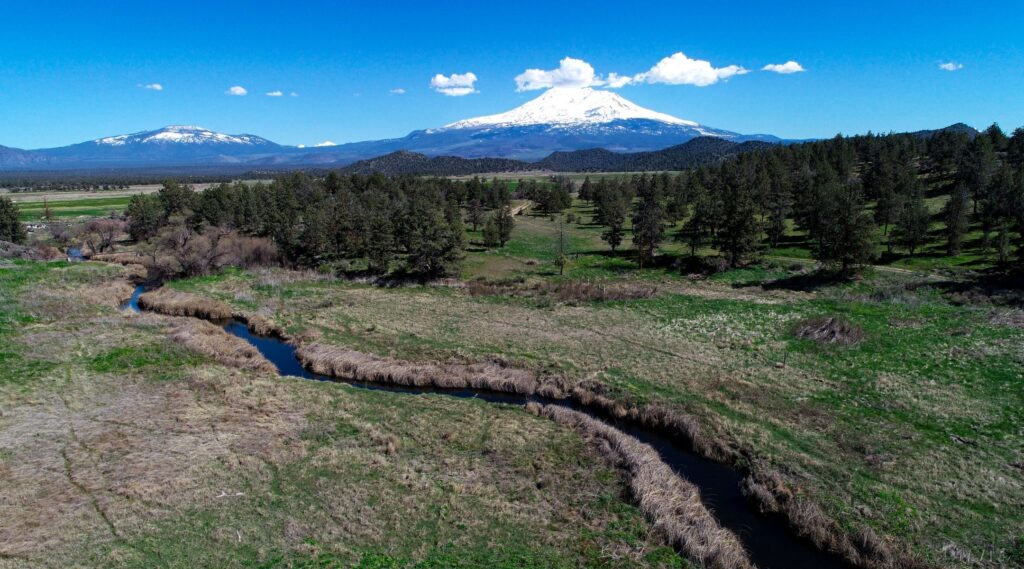
Parks Creek Cardoza Ranch Fish Passage & Flow Enhancement Project
Read more →: Parks Creek Cardoza Ranch Fish Passage & Flow Enhancement ProjectRemoved a century-old diversion dam and relocated irrigation intake on Parks Creek reopening 16 miles of habitat and…
-
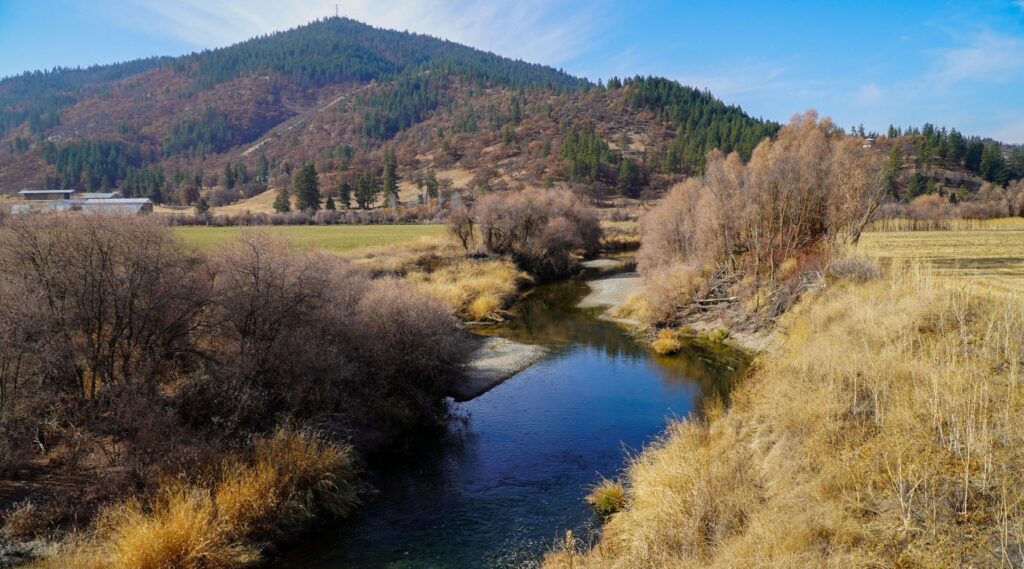
Mill-Shackleford, Scott River Bridge Fish Passage Project
Read more →: Mill-Shackleford, Scott River Bridge Fish Passage ProjectReplaced a culvert crossing with a new bridge to reopen Mill-Shackleford Creek to coho salmon while keeping timber…
-
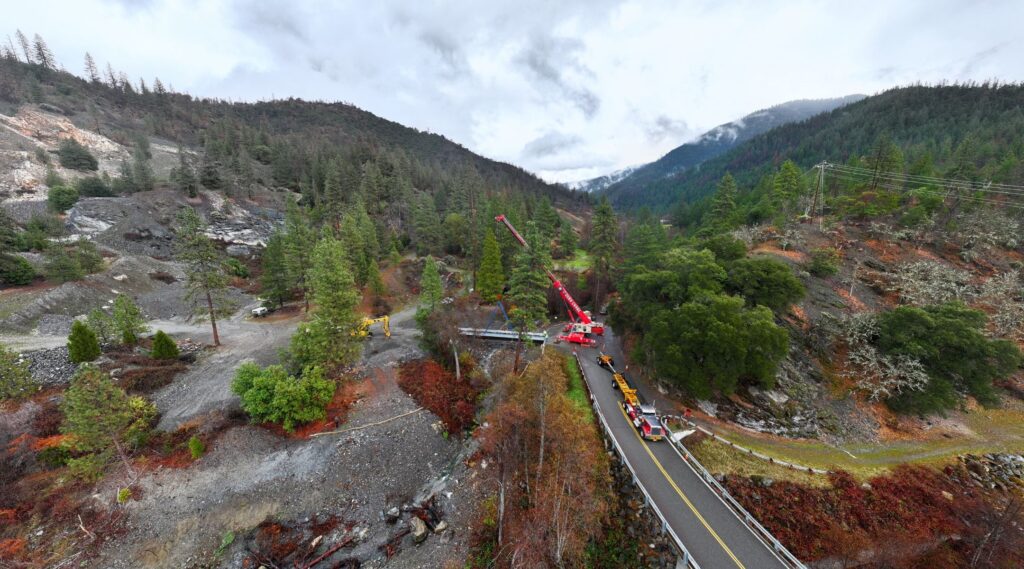
Scott Bar Fish Passage Project
Read more →: Scott Bar Fish Passage ProjectReplaced a blocked road crossing on Mill Creek to reopen three miles of Scott River coho and steelhead…
-
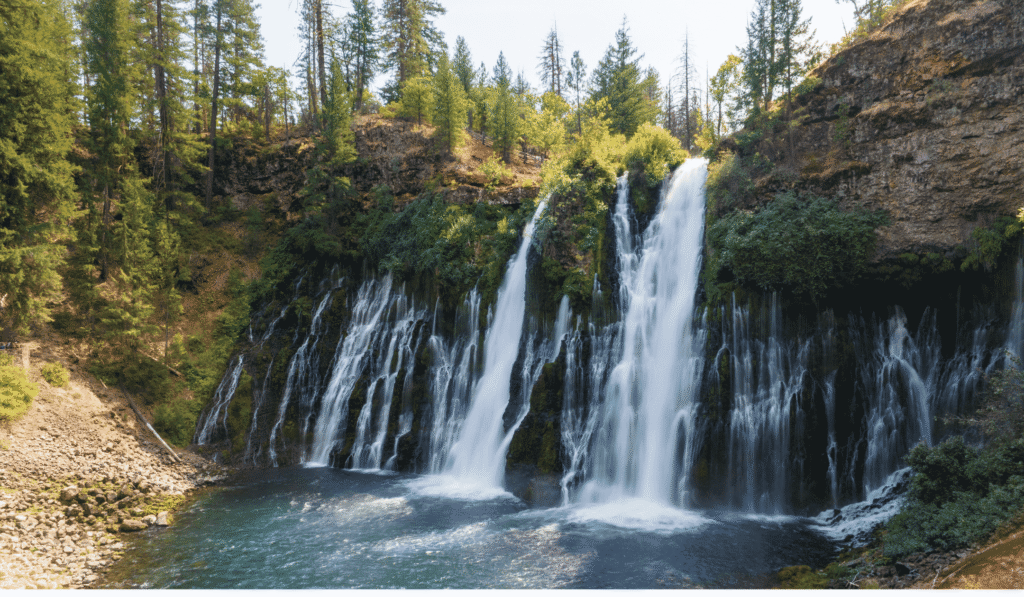
Upper Sacramento Basin Source Waters Science Study
Read more →: Upper Sacramento Basin Source Waters Science StudyBuilding the science needed to understand and protect the cold spring waters that sustain the Upper Sacramento Basin’s…
-
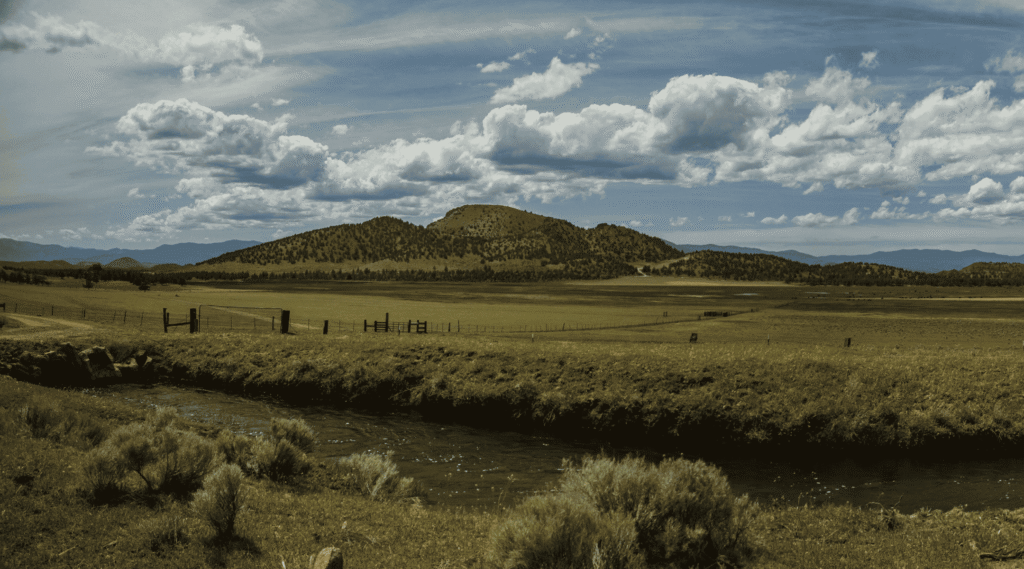
Little Shasta River Flow Enhancement Project
Read more →: Little Shasta River Flow Enhancement ProjectImproved irrigation infrastructure at Hart Ranch, enabling this key landowner to dedicate meaningful water savings back into the…
-
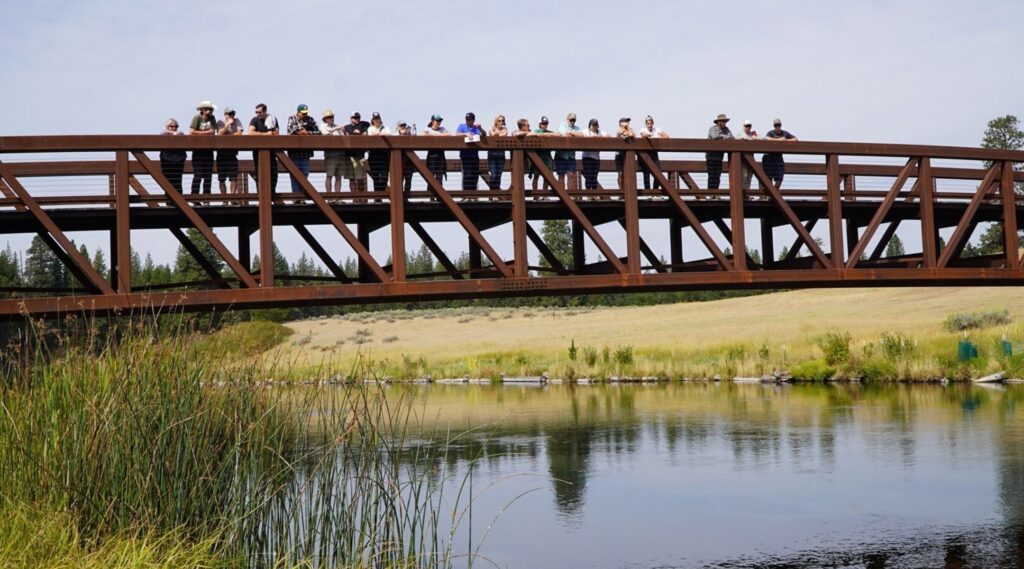
Hat Creek Restoration
Read more →: Hat Creek RestorationRebuilt Hat Creek’s channel with large woody debris to restore 1.5 miles of wild trout habitat while protecting…
-
Evans Springs Flow Restoration to Little Shasta River
Read more →: Evans Springs Flow Restoration to Little Shasta RiverRestoring 160 years of diverted spring flow to the Little Shasta River, returning up to 1,710 acre-feet of…
-
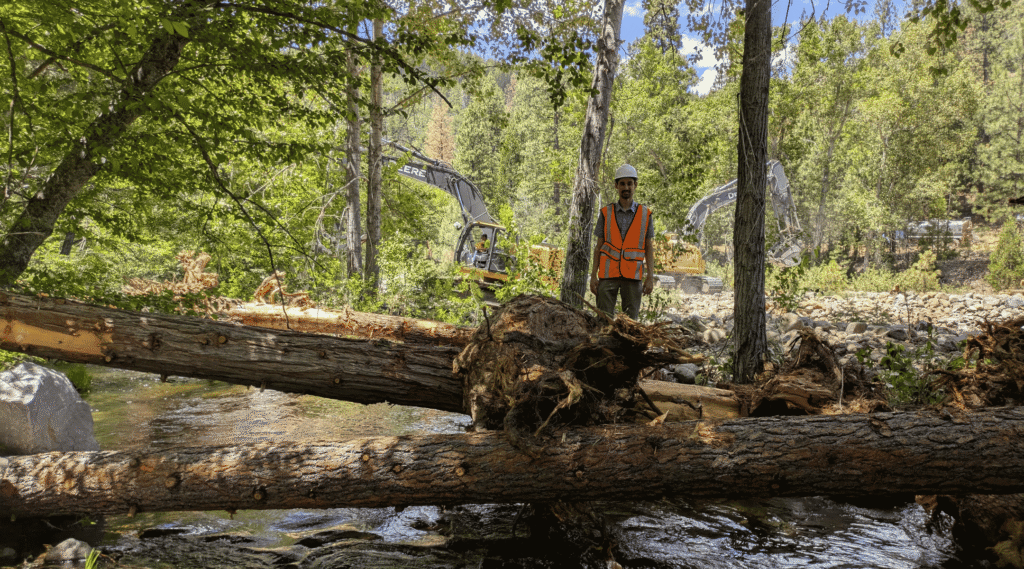
South Fork Scott River, Floodplain & Instream Restoration
Read more →: South Fork Scott River, Floodplain & Instream RestorationRestored prime nursery habitat for juvenile salmon on the South Fork Scott River.
-
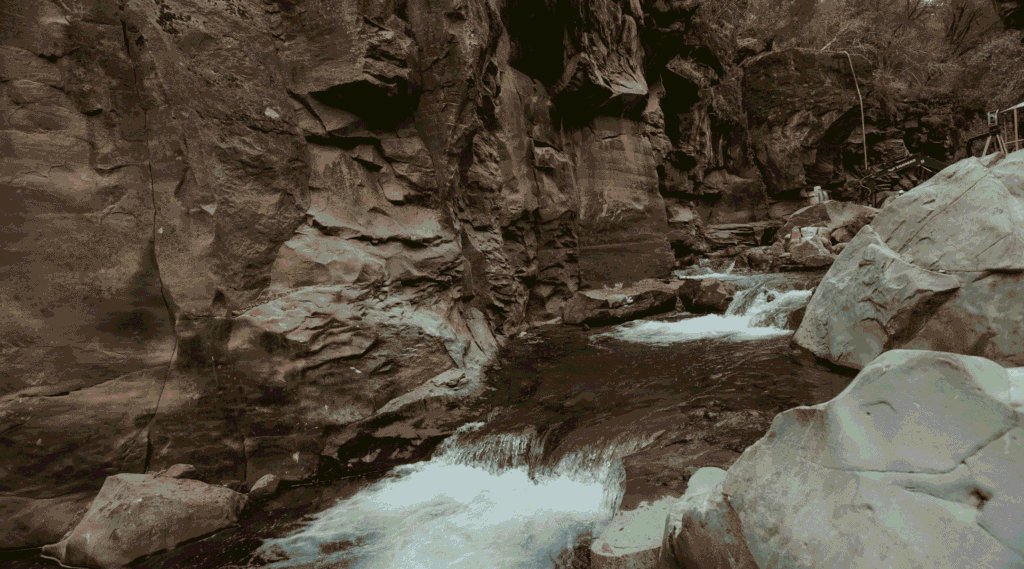
Eagle Canyon Fish Passage Project, Battle Creek
Read more →: Eagle Canyon Fish Passage Project, Battle CreekOpened access to more than eight miles of spring-fed spawning and rearing habitat for salmon, steelhead, and other…
-
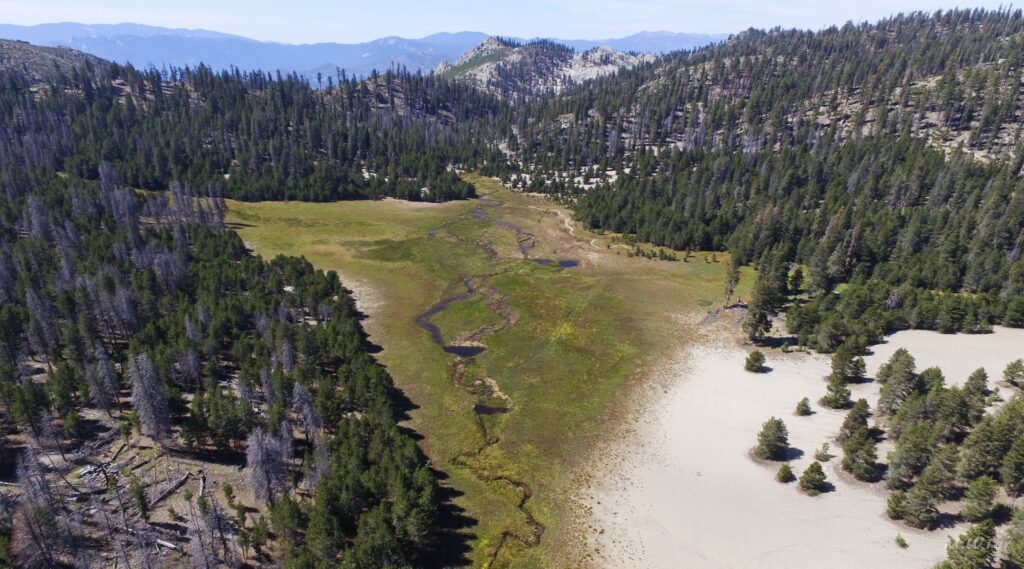
Osa Meadow Research and Restoration
Read more →: Osa Meadow Research and RestorationRestored Osa Meadow to build climate resilience and support Kern River Rainbow Trout recovery, while studying how restoration…
-
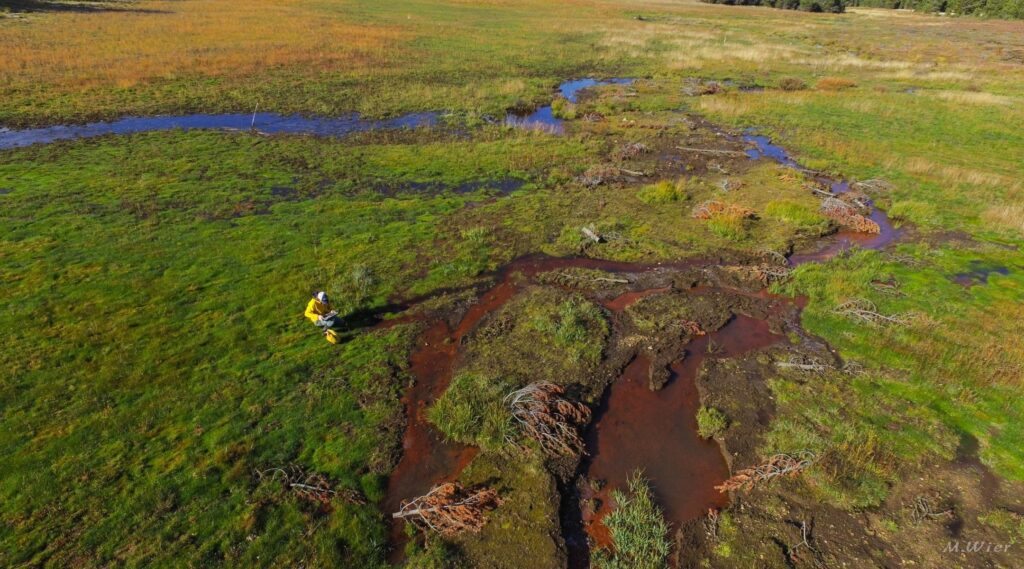
Sierra Meadow Wetland Riparian Area Monitoring Plan
Read more →: Sierra Meadow Wetland Riparian Area Monitoring PlanA standardized monitoring program tracking meadow health before and after restoration across the Sierra Nevada headwaters that supply…
-
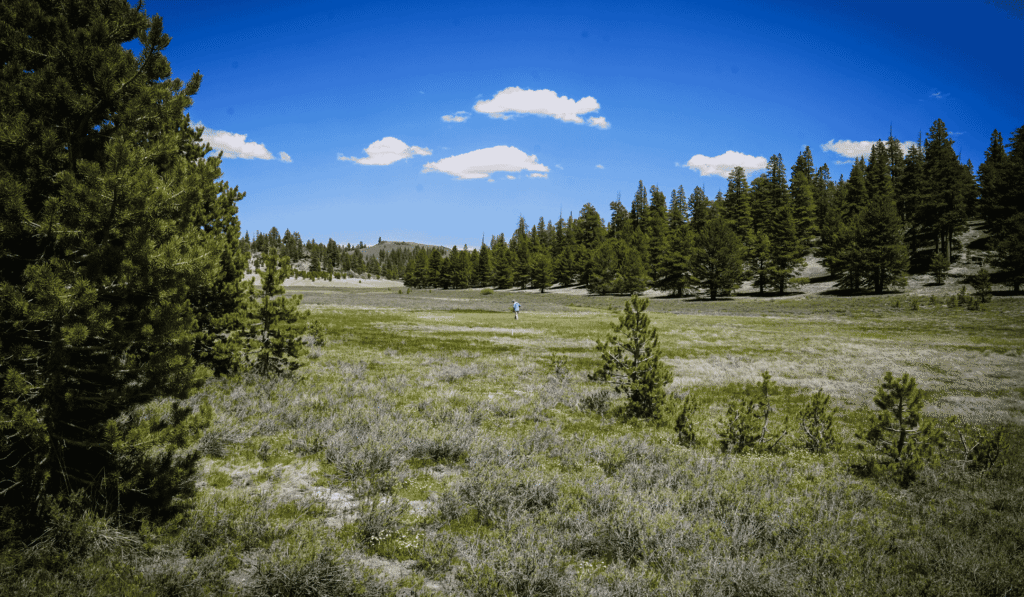
Prioritizing and Restoring Sierra Meadows
Read more →: Prioritizing and Restoring Sierra MeadowsRestore 30,000 meadow acres in the Sierra Nevada to ensure sustainable water supply for Californians and native species…
-
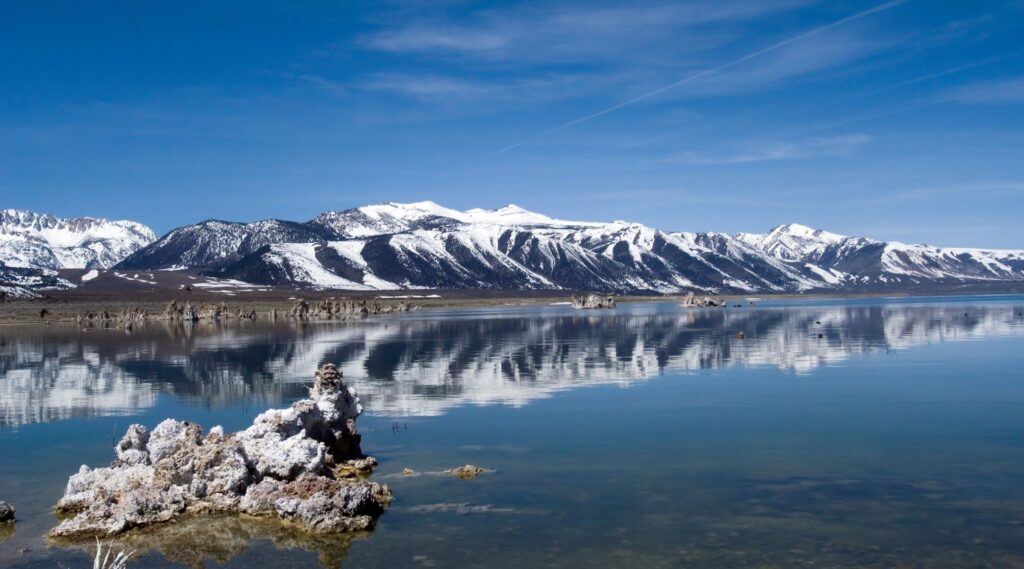
Mono Basin Protection
Read more →: Mono Basin ProtectionEnding an 80-year water fight, a landmark settlement is restoring flows to Mono Lake’s four tributary creeks and…
-
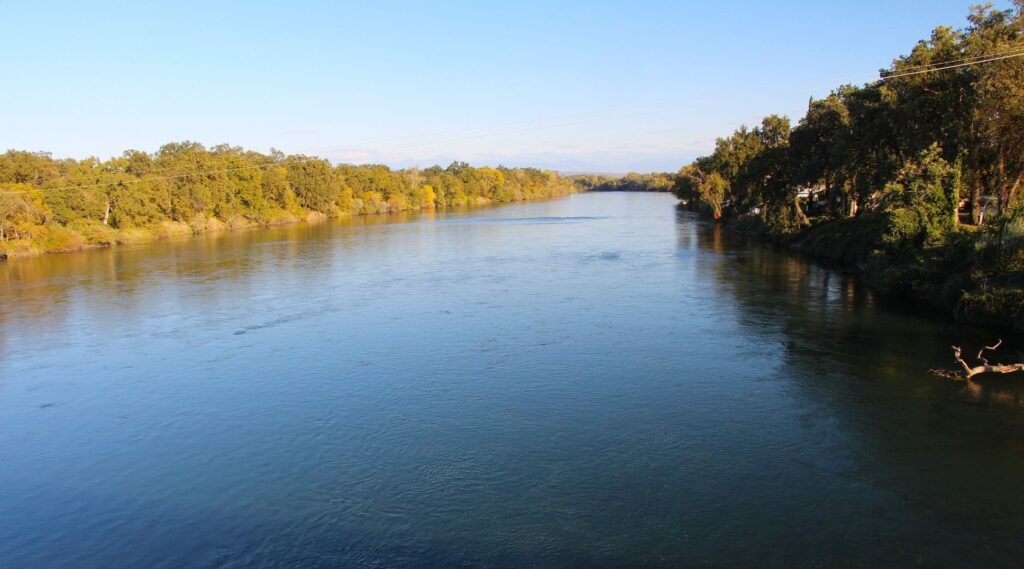
Sacramento Valley String of Pearls Floodplain Restoration Program
Read more →: Sacramento Valley String of Pearls Floodplain Restoration ProgramStitching together disconnected floodplain habitat along 300 miles of the Sacramento River, from Redding to Rio Vista, into…
-
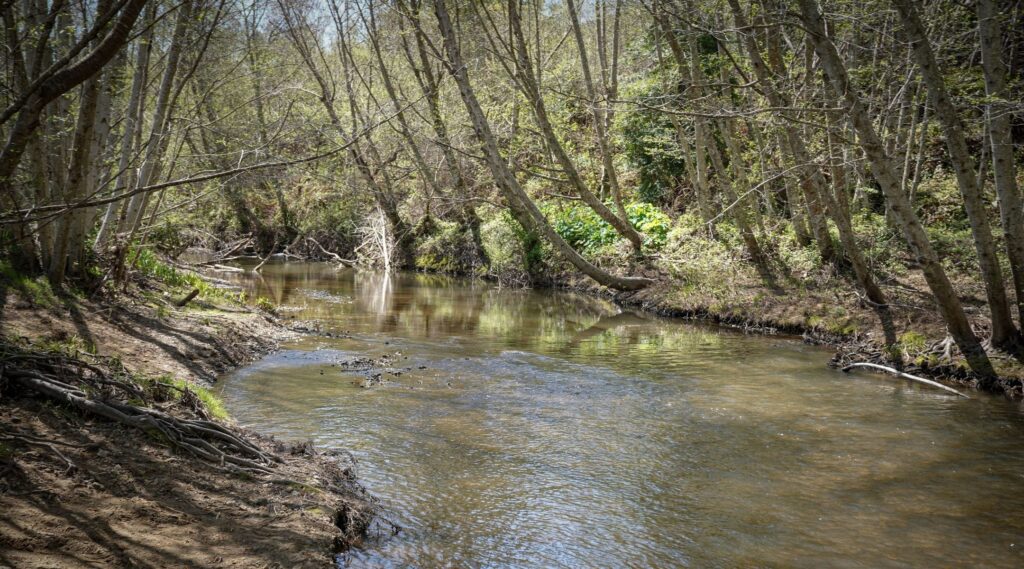
Walker Creek Outreach and Education Program
Read more →: Walker Creek Outreach and Education ProgramWork with partners to inspire the next generation of environmental stewards through stream study focused on watershed health…
-
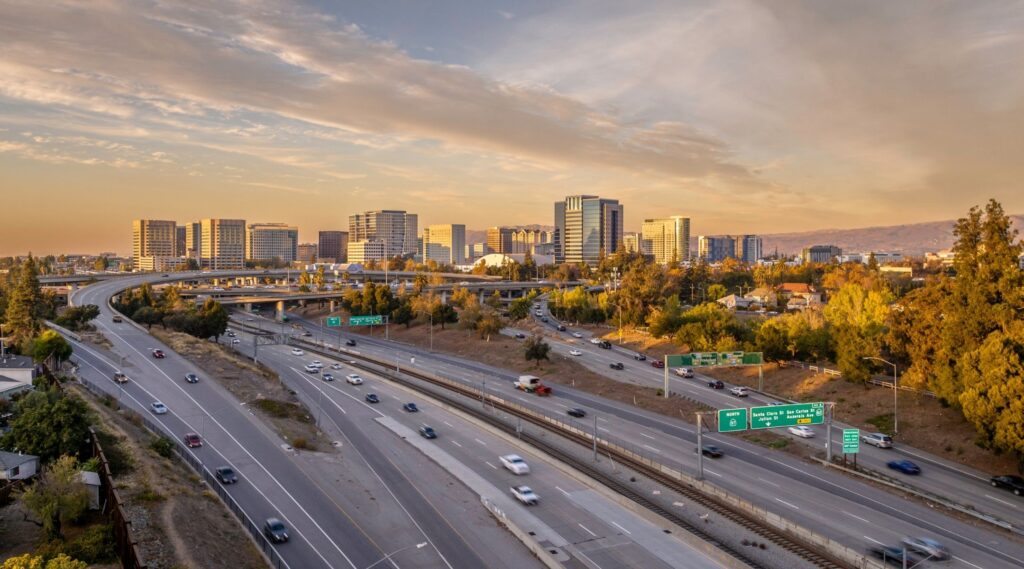
Securing South Bay Stream Flows for Bay Area Steelhead
Read more →: Securing South Bay Stream Flows for Bay Area SteelheadA nearly 30-year fight to restore fish-sustaining flows to Silicon Valley’s Stevens Creek, Coyote Creek, and Guadalupe River…
-
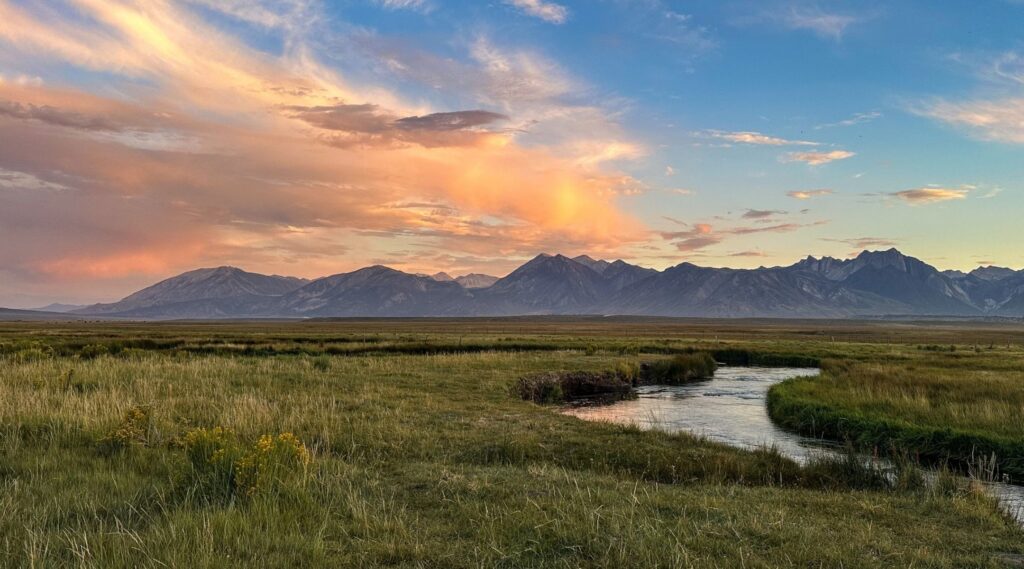
Owens River Protection
Read more →: Owens River ProtectionHolding Los Angeles and Mammoth Lakes water agencies to their 2013 settlement commitments to keep enough water flowing…
-
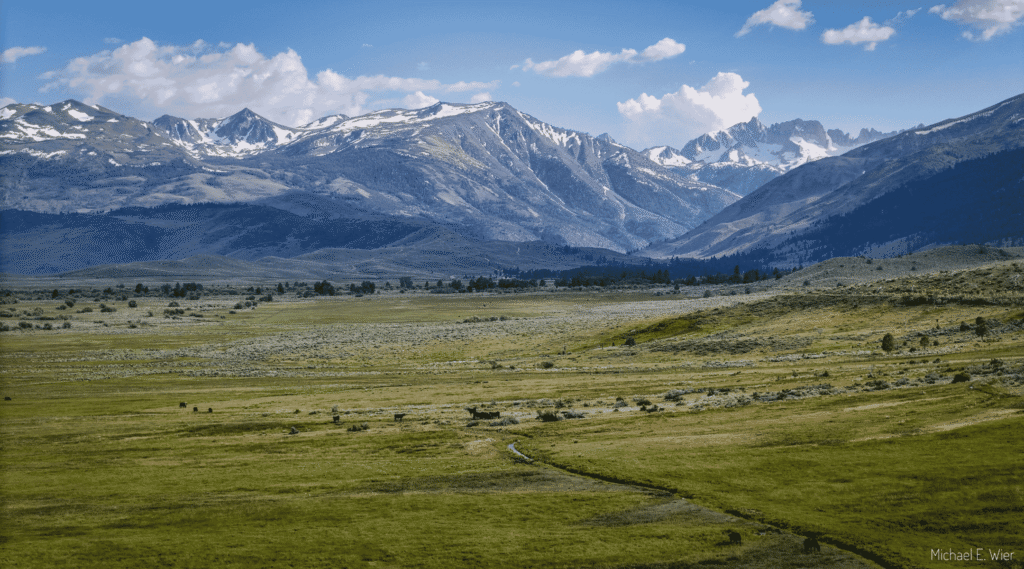
By-Day Creek Forest Health Project
Read more →: By-Day Creek Forest Health ProjectThinned an overly dense forest understory in Mono County’s Sierra headwaters to guard against catastrophic wildfire and protect…
-
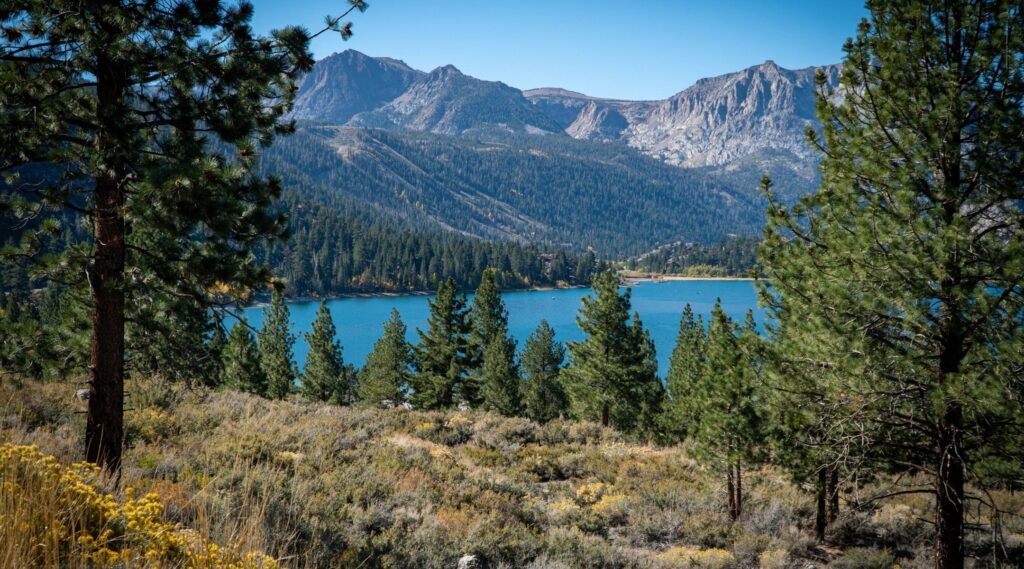
June Mountain Forest Health Project
Read more →: June Mountain Forest Health ProjectThinned beetle-killed and drought-stressed forest above June Lake to protect Rush Creek’s wild trout waters from catastrophic wildfire.
-
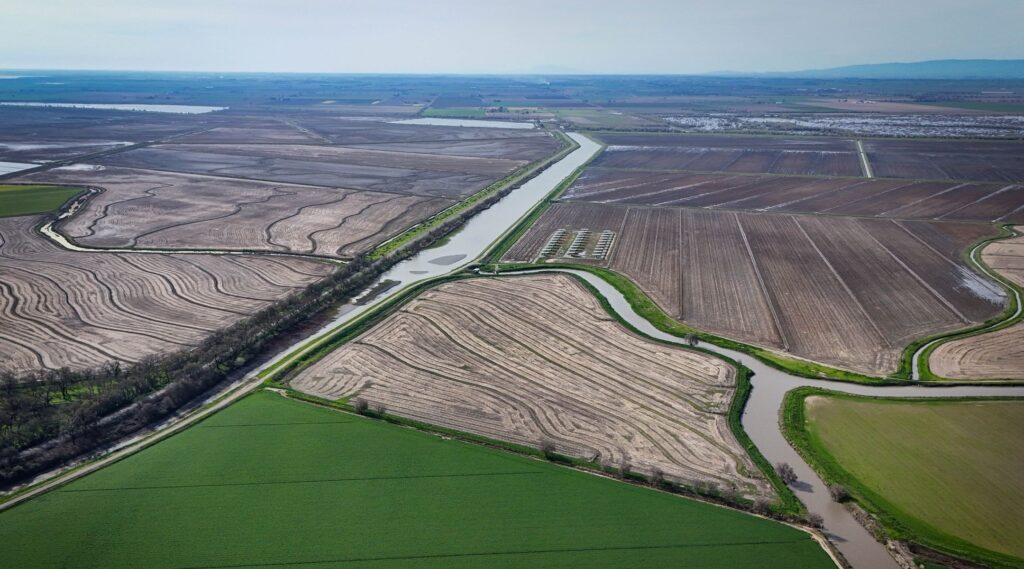
Floodplain Forward Coalition
Read more →: Floodplain Forward CoalitionA coalition of farmers, water agencies, and conservationists working to reconnect Sacramento Valley floodplains at scale for salmon,…
-
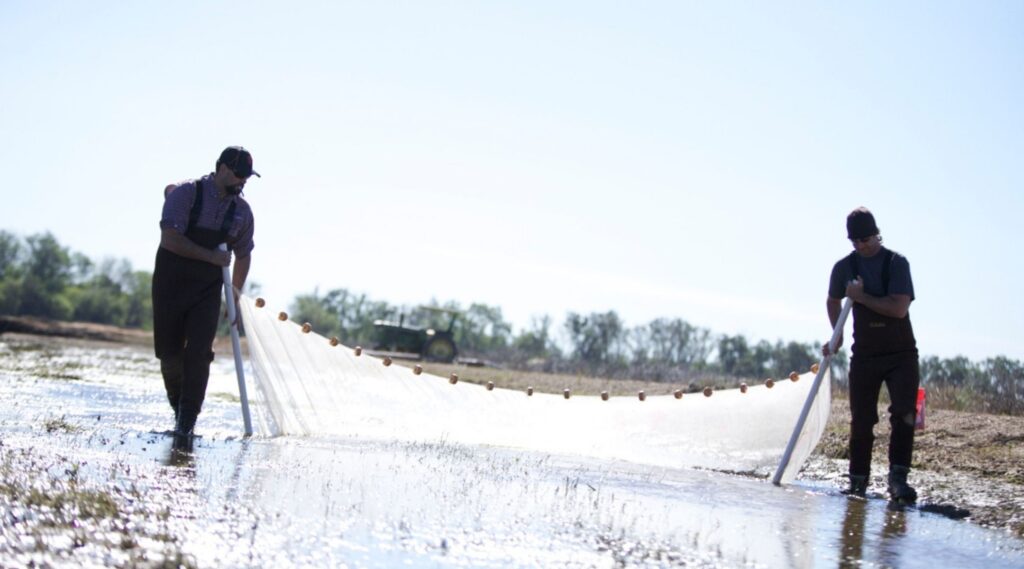
Nigiri Project
Read more →: Nigiri ProjectTesting whether winter-flooded rice fields can recreate the floodplain nurseries that once helped Central Valley salmon grow fast…
-
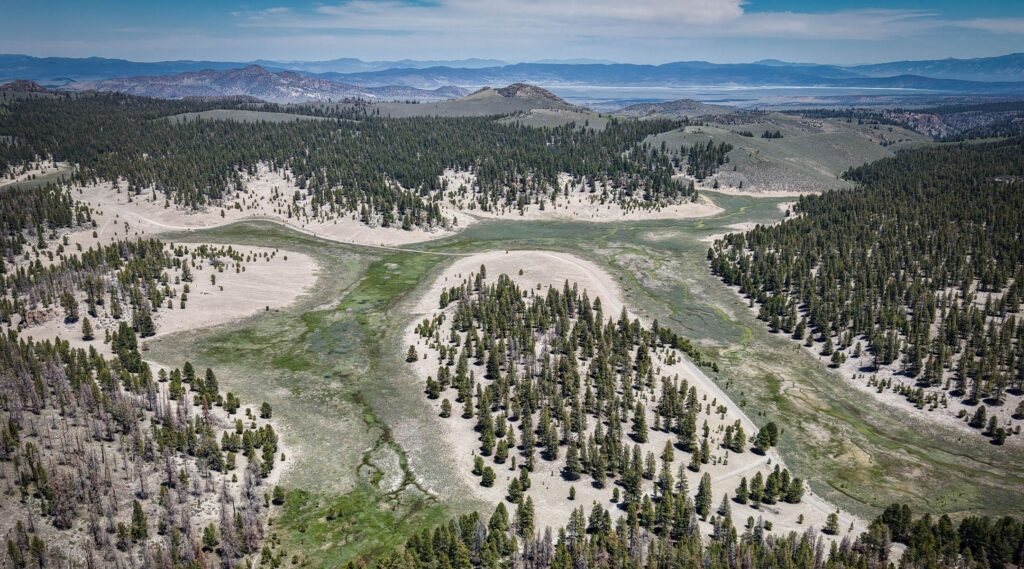
Glass Mountain Meadow Restoration
Read more →: Glass Mountain Meadow RestorationRestoring 300+ acres of Sierra Nevada meadows and forest to secure water supplies, sequester carbon, and bring back…
-
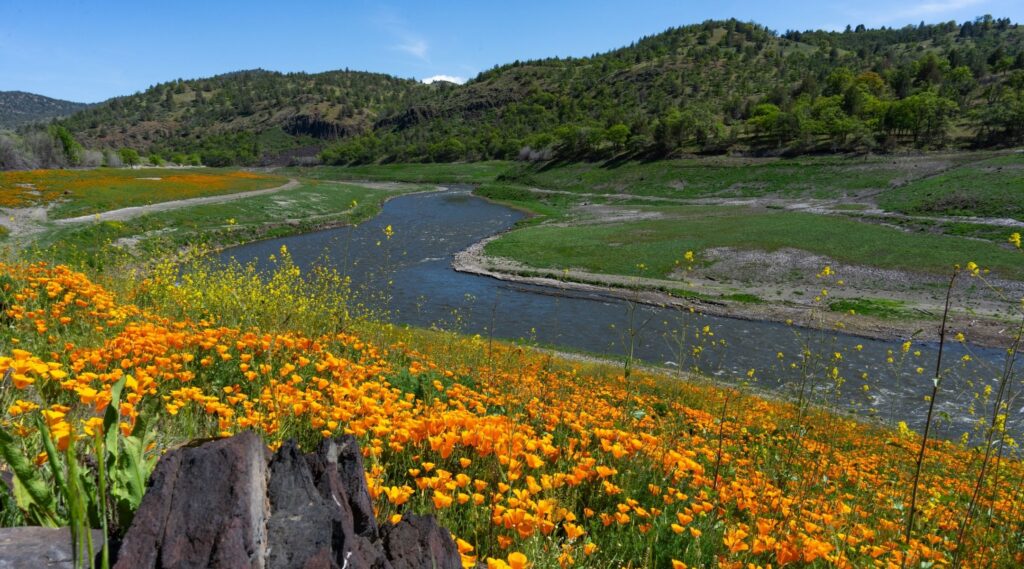
Klamath River Dam Removal
Read more →: Klamath River Dam RemovalRemoving four dams on the Klamath River to reopen more than 400 miles of historic salmon and steelhead…
Support climate solutions
California’s climate future depends on healthy watersheds. Help us make it happen.
Join us in the fight for a climate-resilient California.