Wild fish tell the story of California’s waters.
California’s salmon, steelhead, and trout are among the most sensitive indicators of watershed health. When they thrive, rivers are working. When they disappear, it’s a warning that the water systems sustaining communities are under stress.
Why this matters now
California is home to one of the most diverse collections of salmon and trout.
California sits at the southern edge of the Pacific salmon’s range and is home to 32 distinct native salmon, steelhead, and trout populations — including species, subspecies, and ecotypes — each uniquely adapted to a specific river, creek, lake, or watershed. Together, they represent one of the most diverse cold-water fisheries on the West Coast.
Today, that extraordinary biodiversity is at risk of disappearing. CalTrout’s State of the Salmonids II (2017) found that nearly half of California’s native salmonids are likely to be extinct within 50 years if current trends continue.
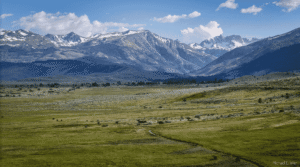
But these fish represent far more than biodiversity. Because they require clean, cold, connected rivers, they are among the best indicators of watershed health. Every salmon, steelhead, and trout spends its life testing California’s rivers. When fish thrive, watersheds are functioning. When they struggle, it’s a signal that the water systems supporting people, agriculture, and wildlife are under increasing pressure.
The good news is that when rivers recover, native fish recover too. Across California, we’re seeing salmon return to newly reopened habitat, coho rebound where cold water habitat has been restored, and trout persist where healthy watersheds remain protected.
It’s Not About the Fish
32
Distinct native salmon, steelhead, and trout populations — including species, subspecies, and unique ecotypes — call California home.
1
of the 32 species, Bull Trout, extirpated from the state
45%
Likely to be extinct within 50 years if current trends continue (as of 2017)
#1
California is the most biodiverse trout state in the nation
Species stories
Every fish has something to teach us.
A symbol of what we stand to lose
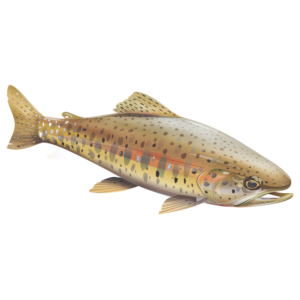
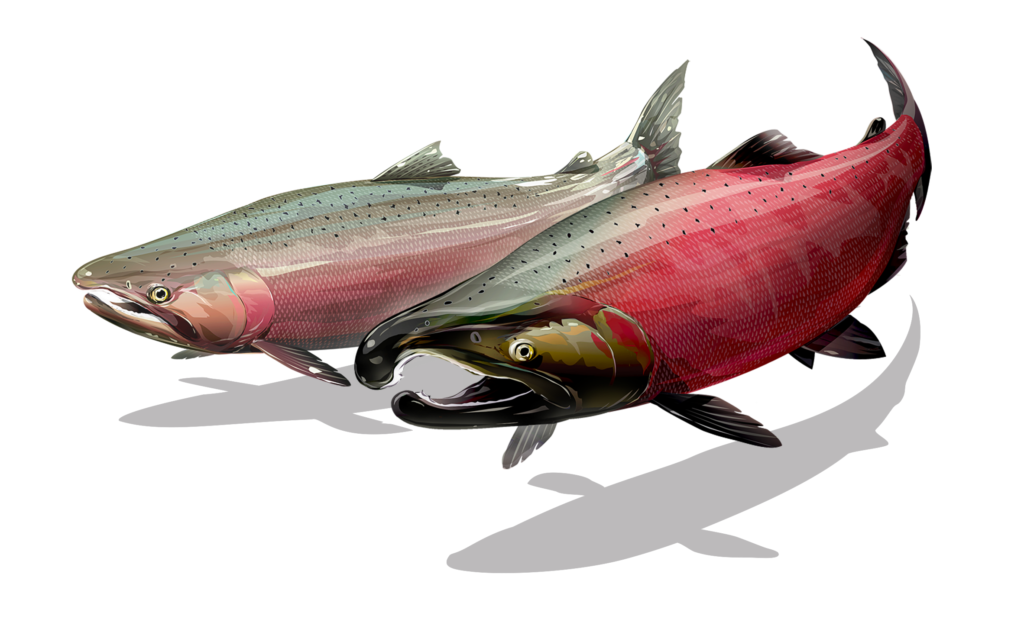
California Golden Trout
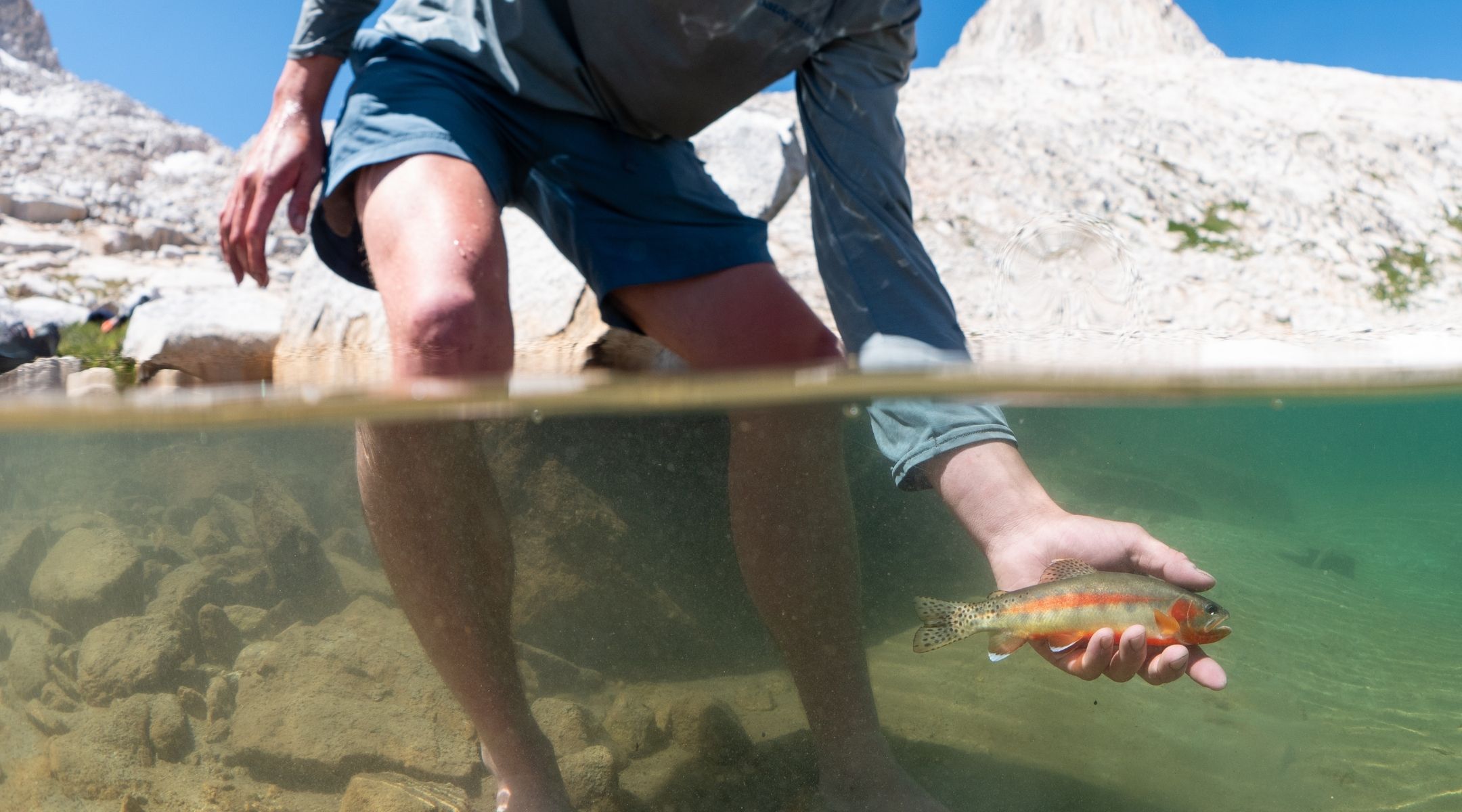
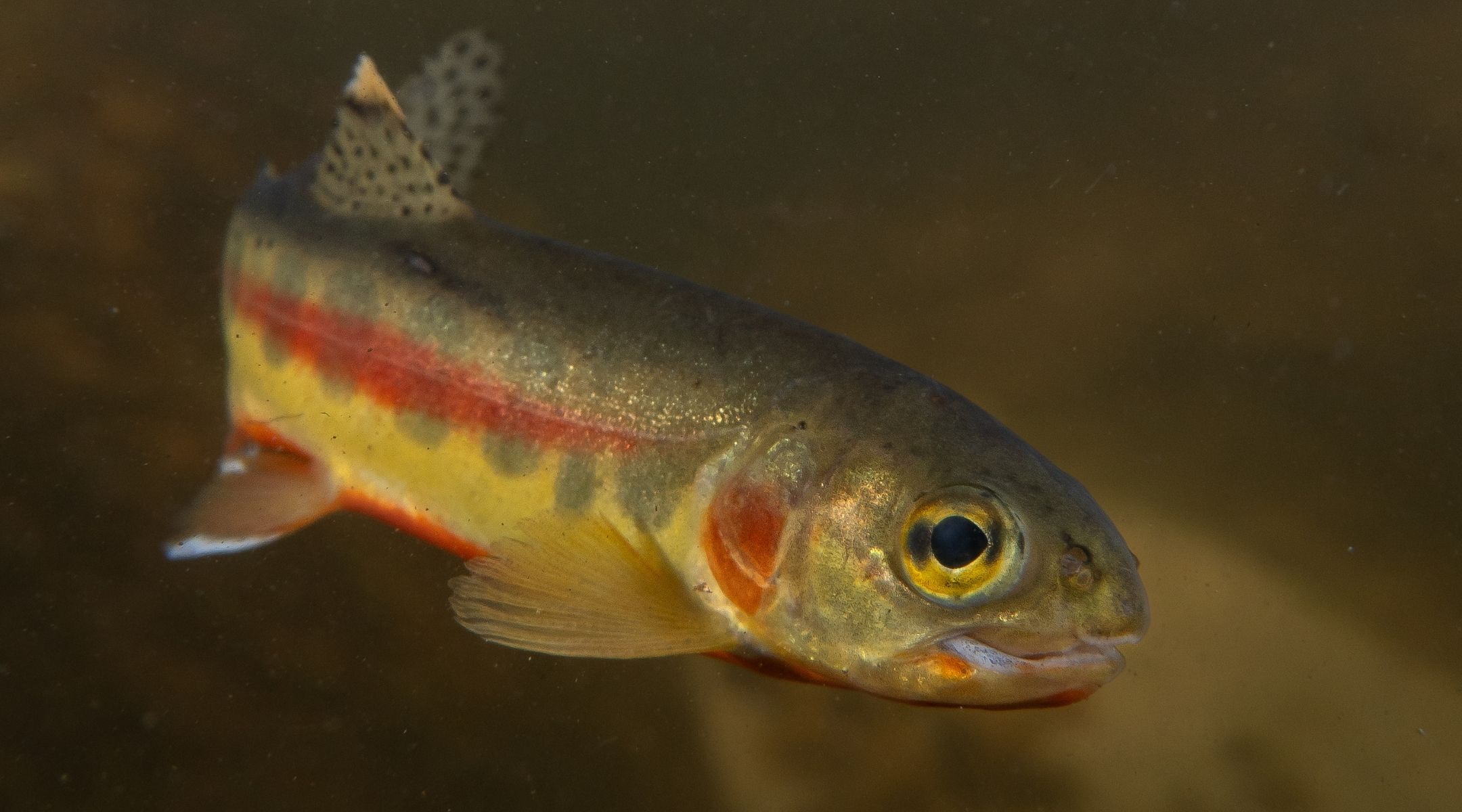
Found nowhere else on Earth, the California Golden Trout evolved in the cold, clear headwaters of the South Fork Kern River and Golden Trout Creek. Today it faces warming streams, habitat degradation, and hybridization with non-native trout. Its future depends on protecting the high-elevation watersheds it calls home.
Proof that restoration works
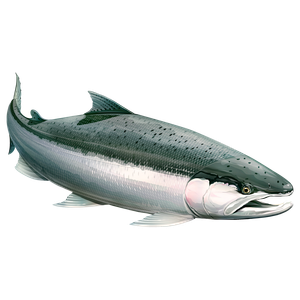
California Coastal Coho Salmon
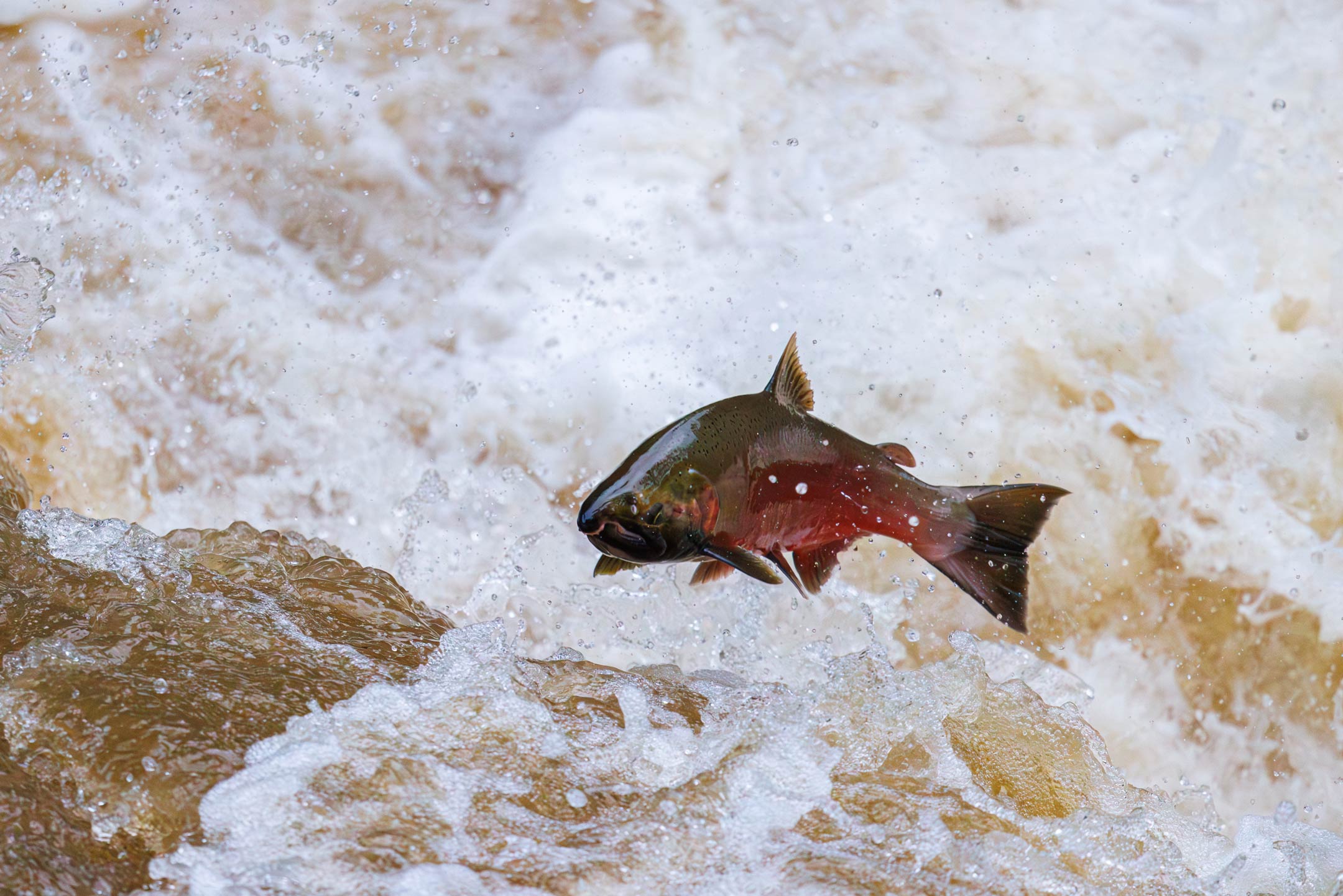
Coho salmon require some of the coldest, cleanest water in California. Decades of habitat restoration, improved management, and local partnerships are beginning to reverse declines in parts of the North Coast. Their recovery demonstrates that when we restore healthy watersheds, fish will respond.
A warning we cannot ignore
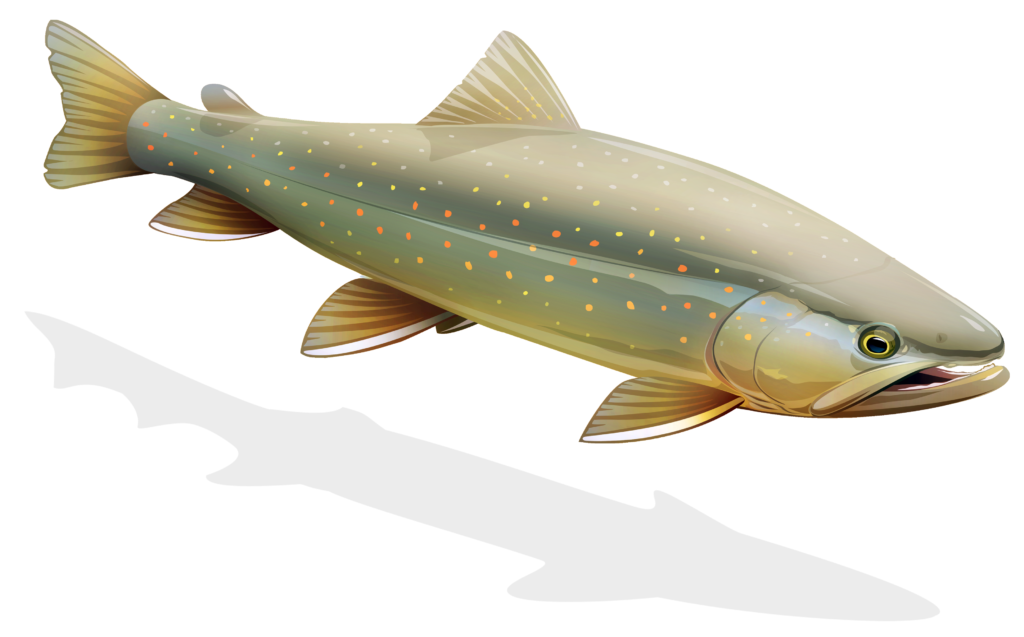
Bull Trout
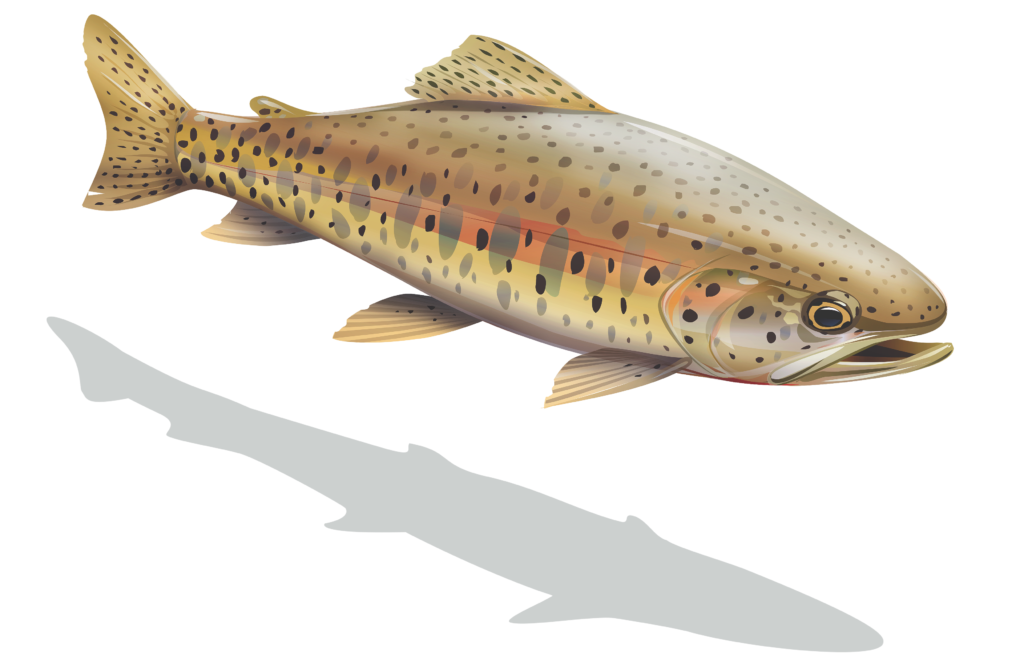
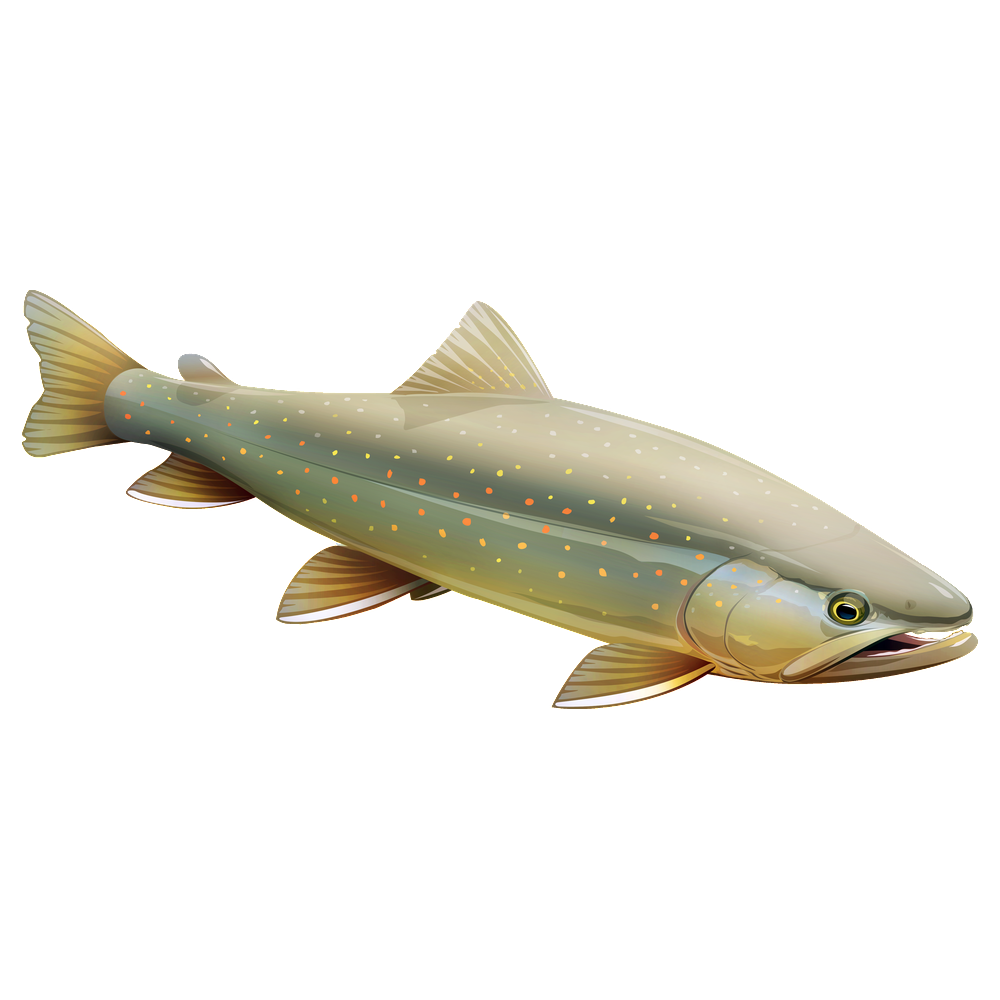
Bull Trout once inhabited the cold spring-fed waters of the McCloud River. By the 1970s they had disappeared from California. Their loss reminds us that once rivers are disrupted, recovery may no longer be possible.
Native Salmonids
Explore California’s native fish.
Browse all 32 native salmon, steelhead, and trout, learn what each one reveals about California’s rivers, and discover the work CalTrout is doing to bring back the most vulnerable.
-
Bull Trout
-
California Coastal Chinook Salmon
-
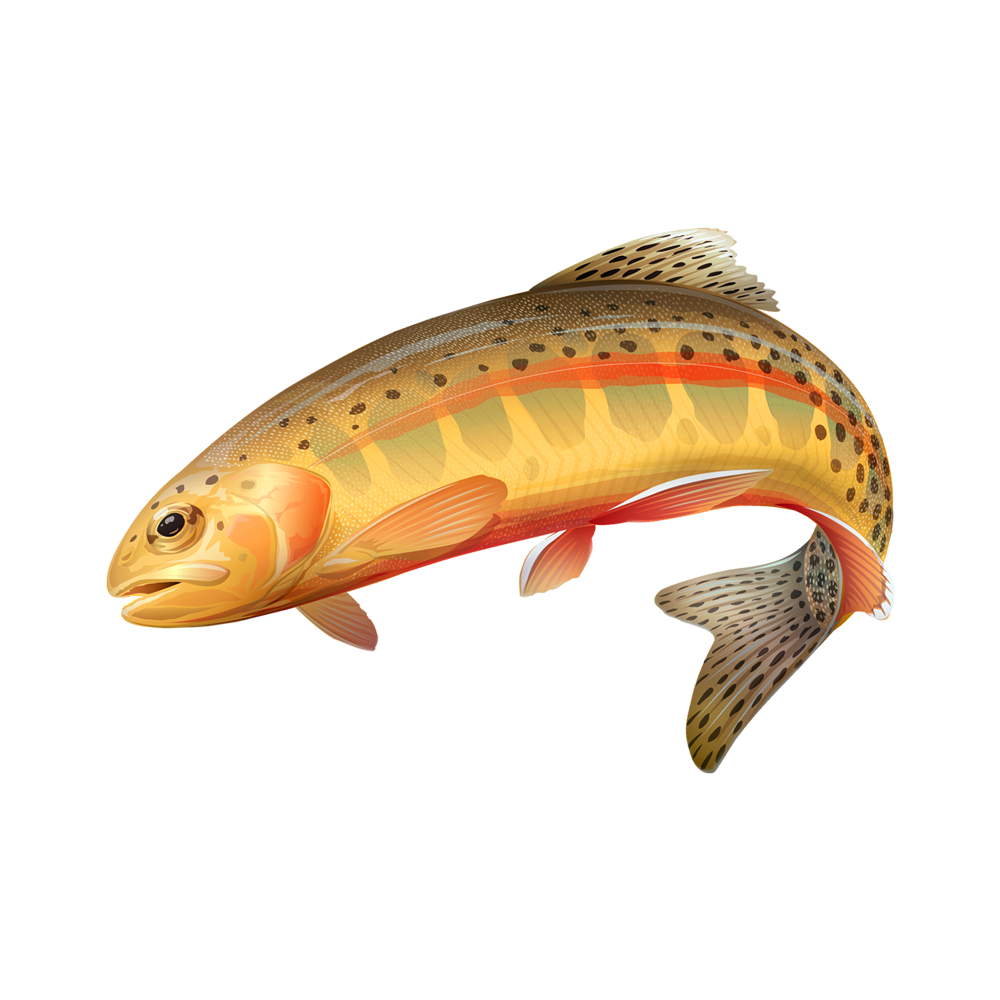
California Golden Trout
-
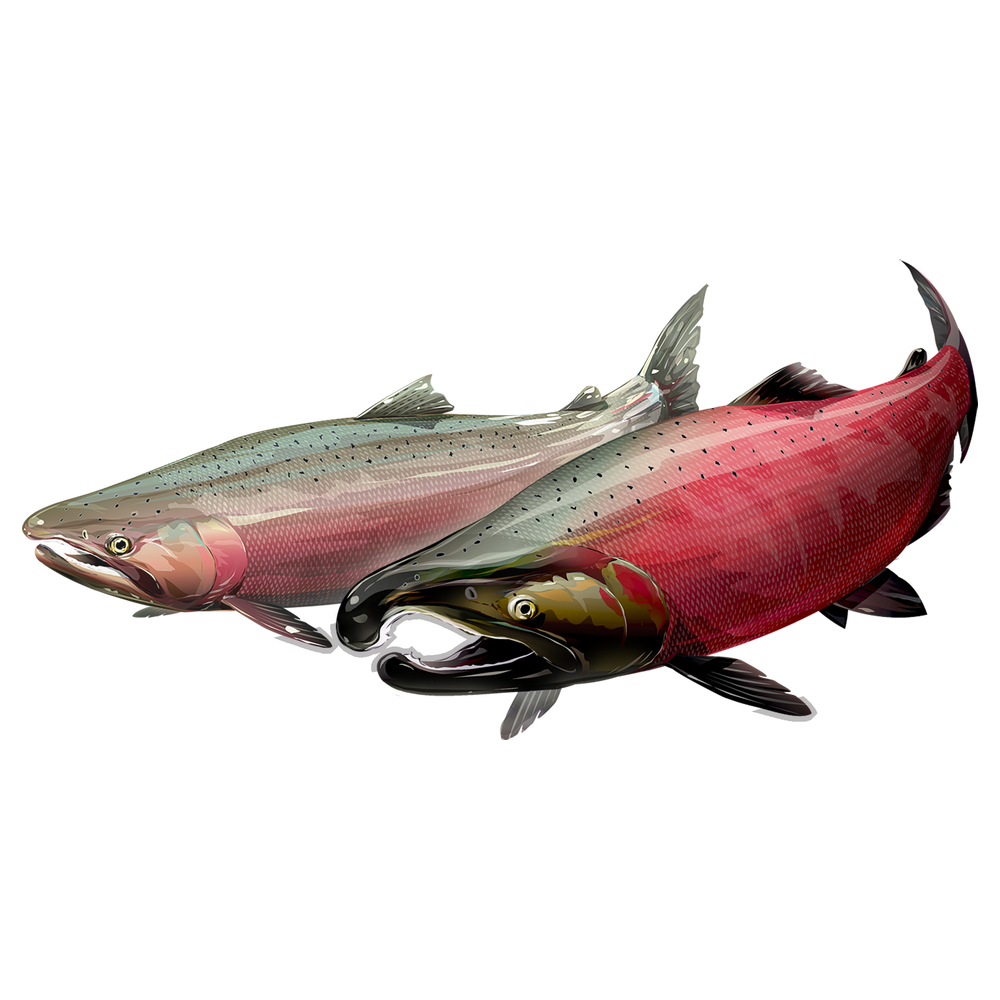
Central California Coast Coho Salmon
-
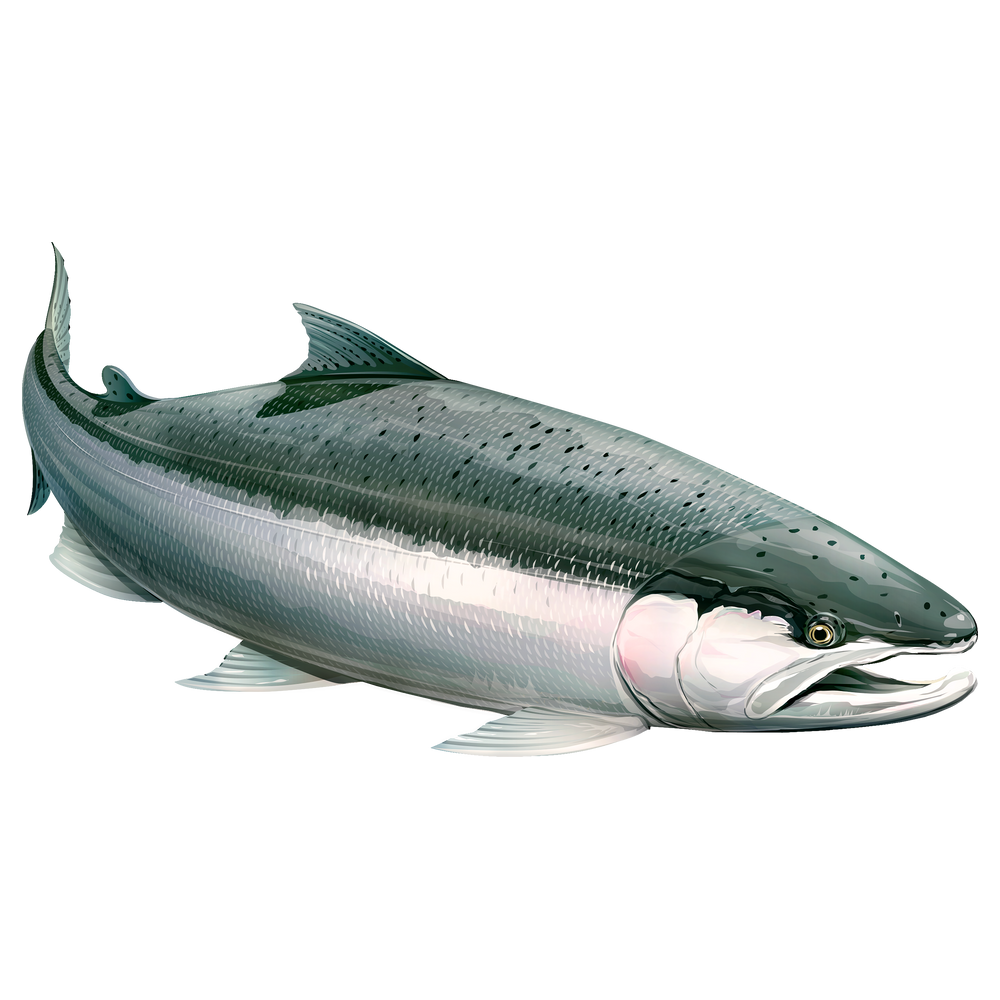
Central California Coast Steelhead
-
Central Valley Fall-Run Chinook Salmon
-
Central Valley Late Fall-Run Chinook Salmon
-
Central Valley Spring-Run Chinook Salmon
-
Central Valley Steelhead
-
Chinook Salmon
-
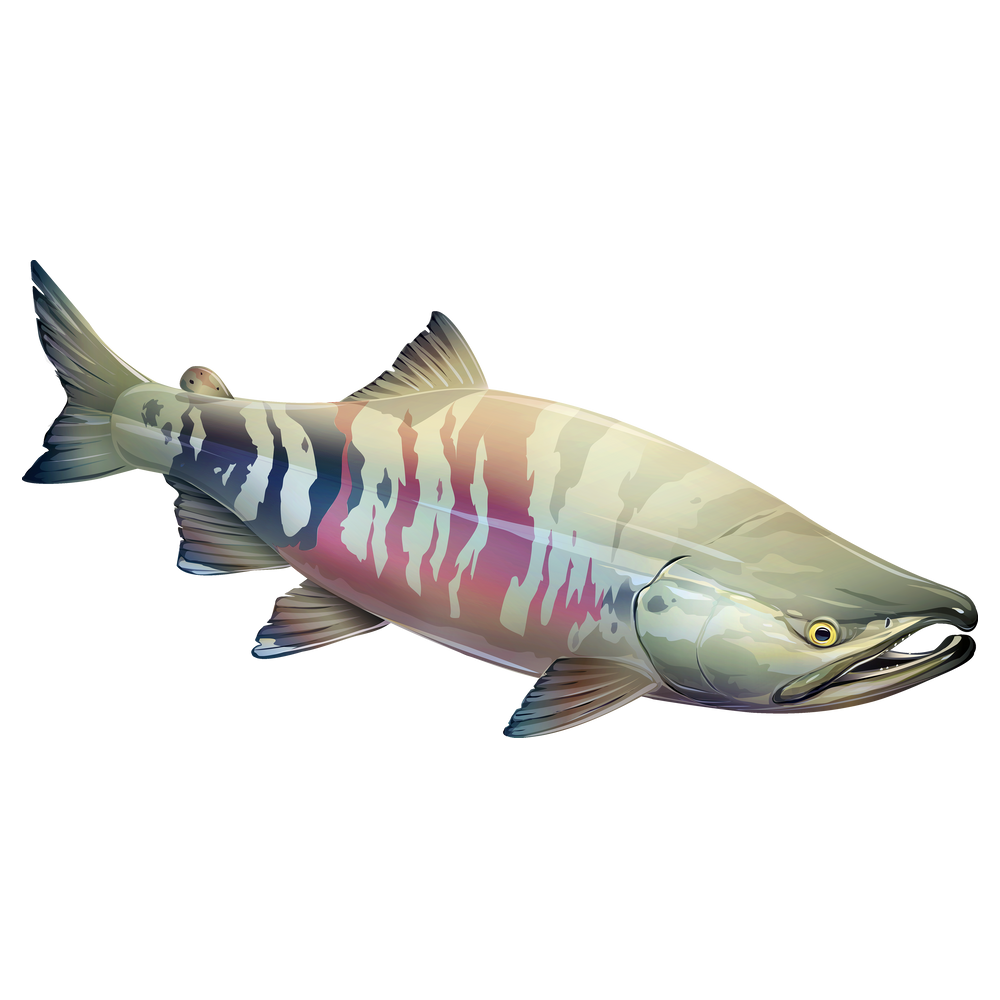
Chum Salmon
-
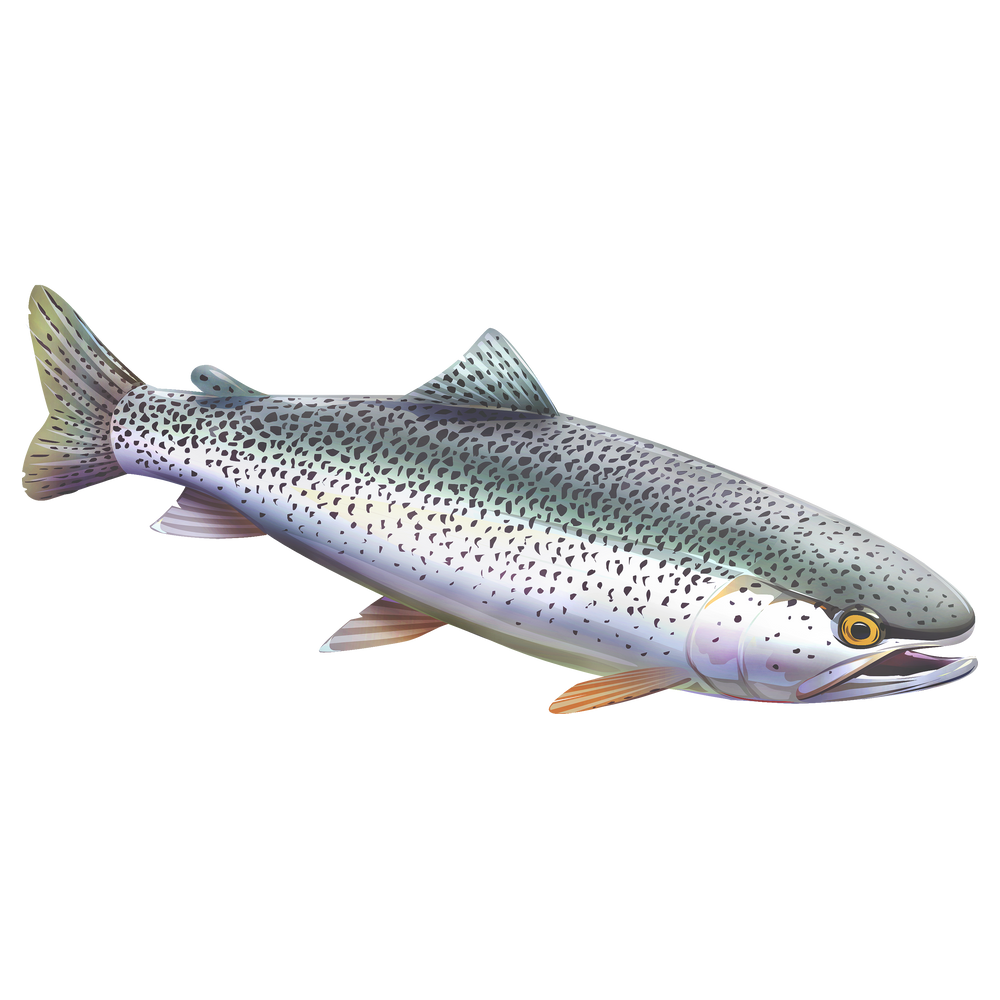
Coastal Cutthroat Trout
-
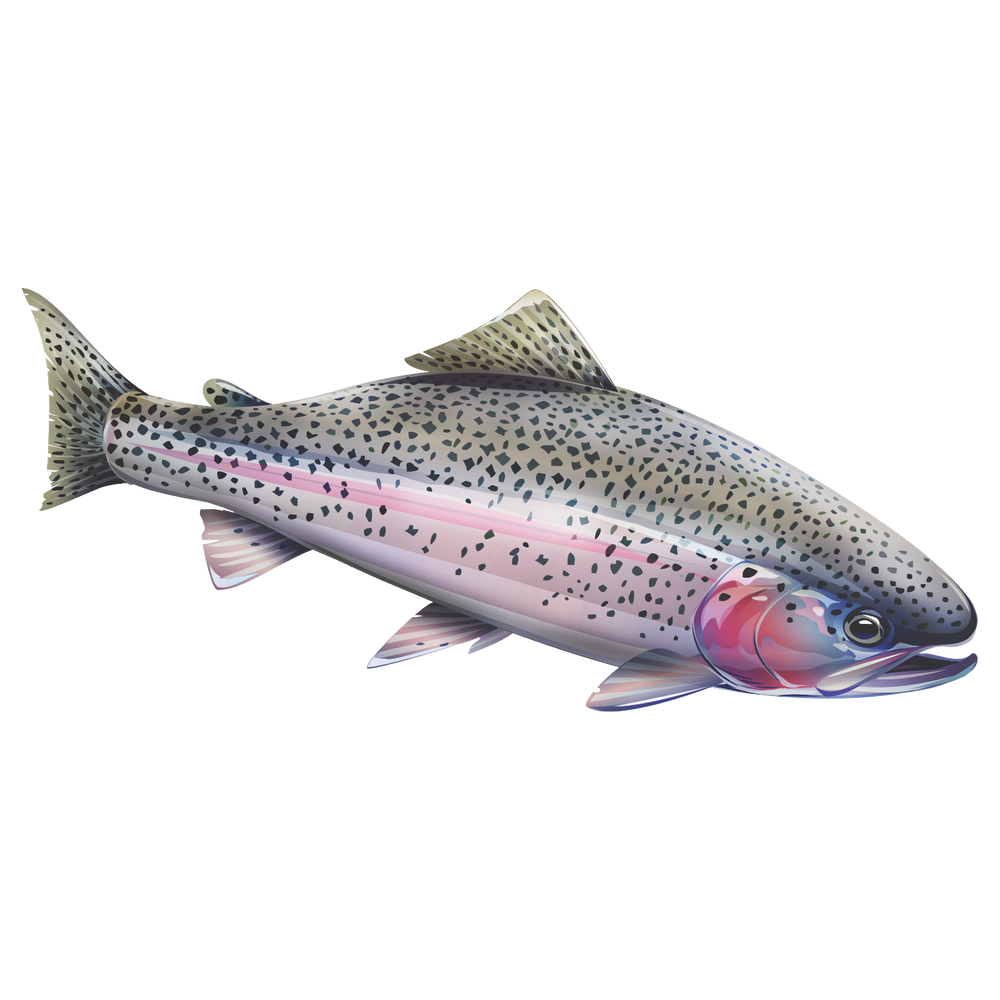
Coastal Rainbow Trout
-
Coho Salmon
-
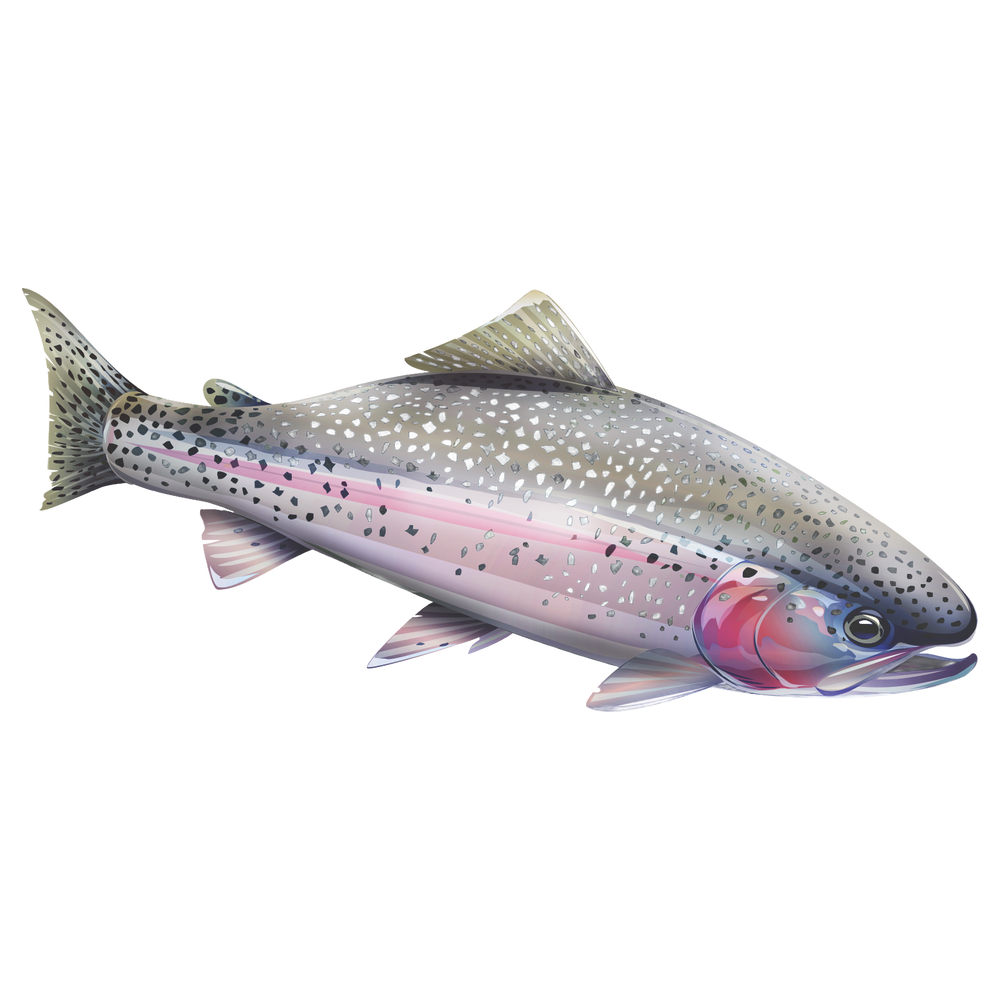
Eagle Lake Rainbow Trout
-
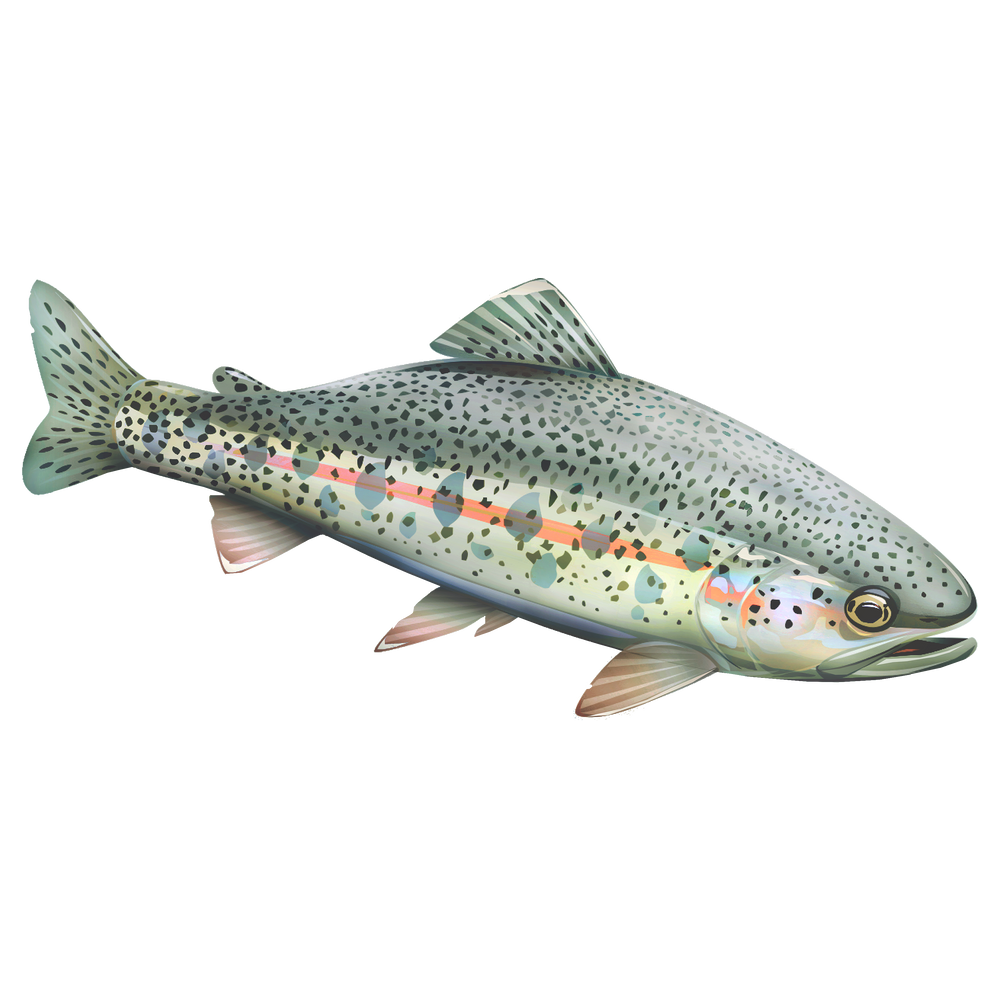
Goose Lake Redband Trout
-
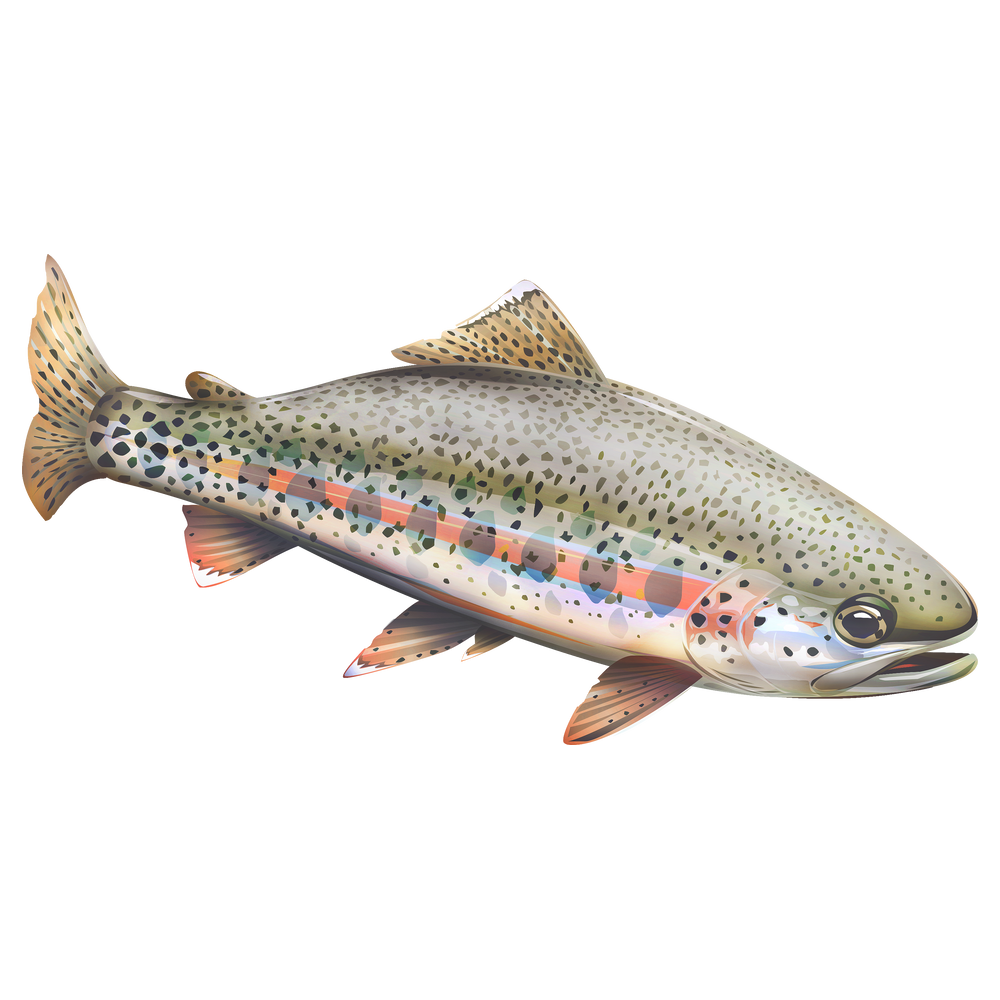
Kern River Rainbow Trout
-
Klamath Mountains Province Summer Steelhead
-
Klamath Mountains Province Winter Steelhead
-
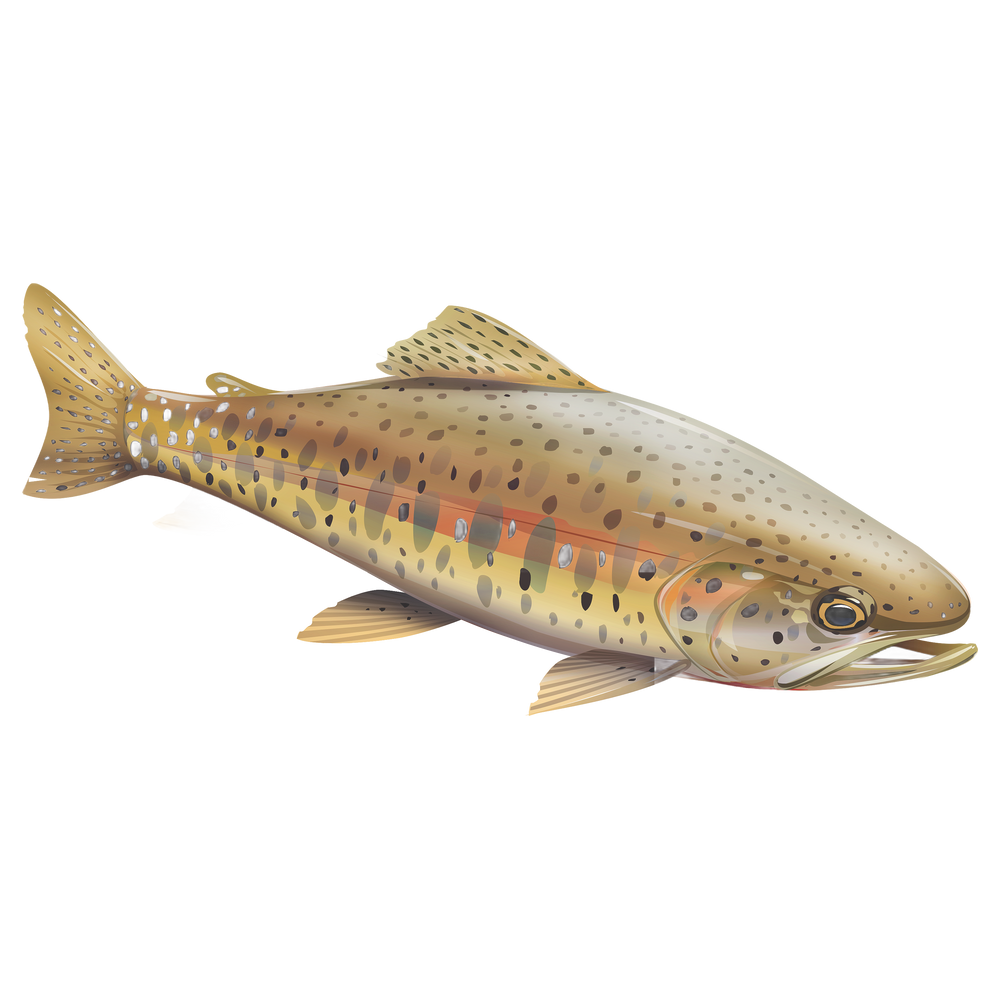
Lahontan Cutthroat Trout
-
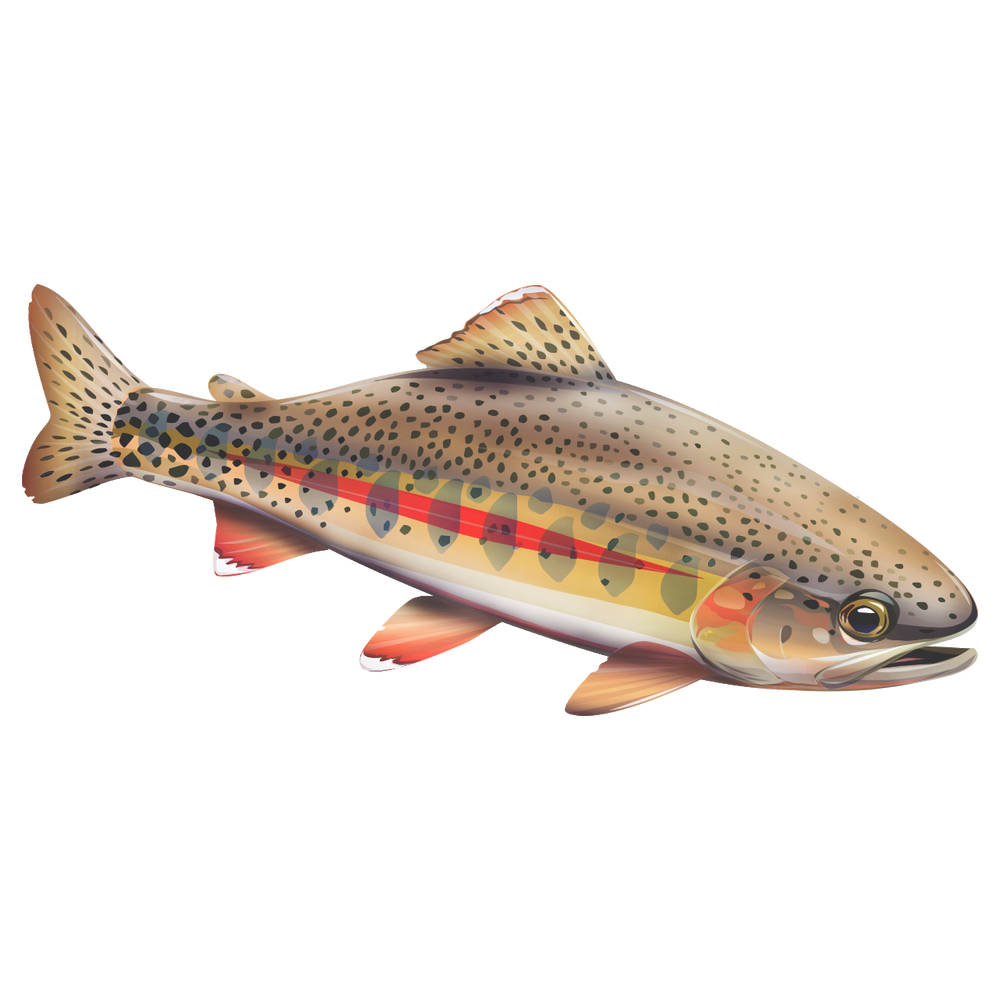
Little Kern Golden Trout
-
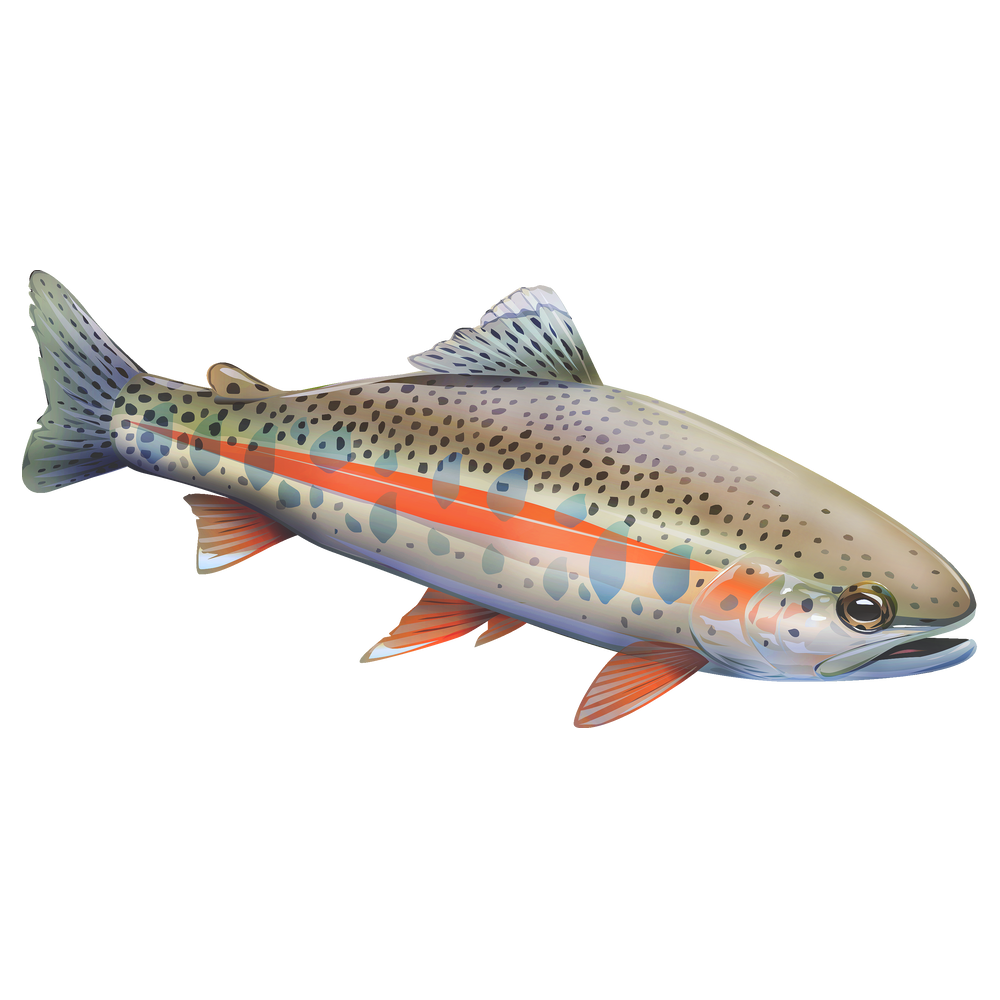
McCloud River Redband Trout
-
Northern California Summer Steelhead
-
Northern California Winter Steelhead
-
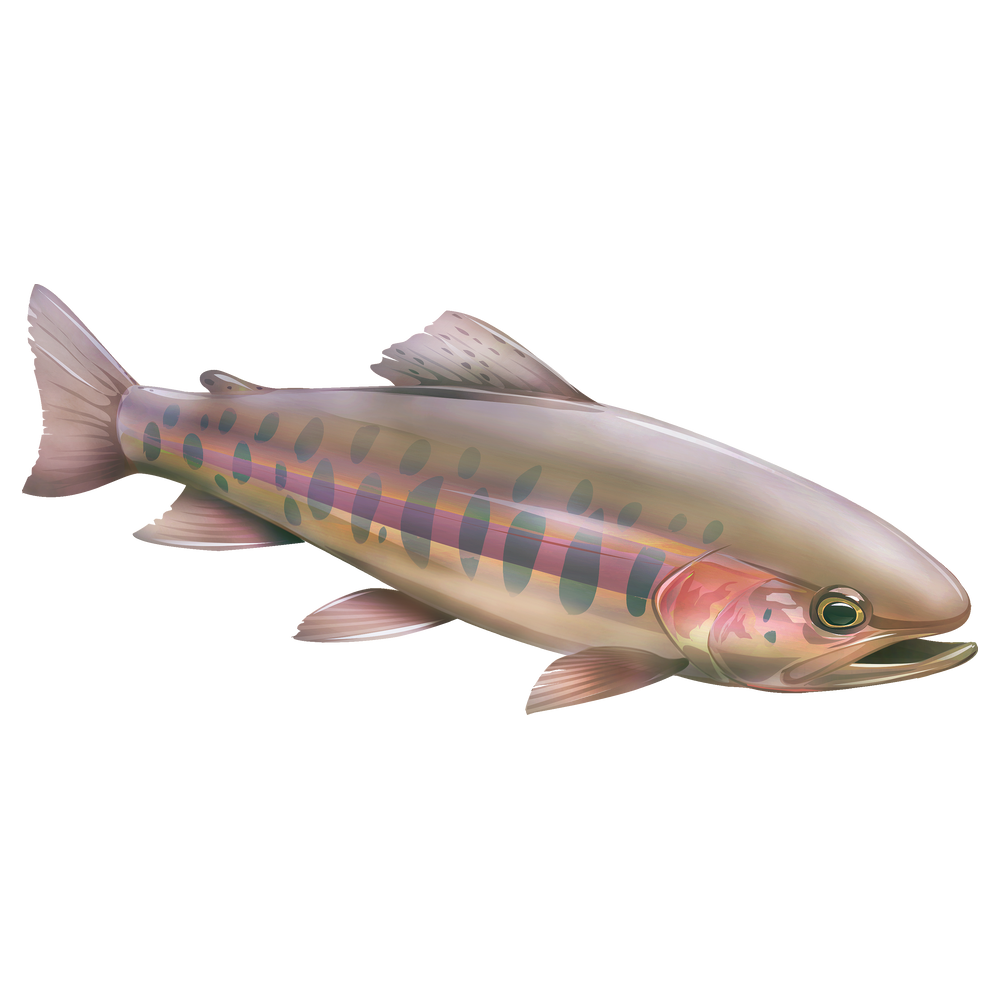
Paiute Cutthroat Trout
-
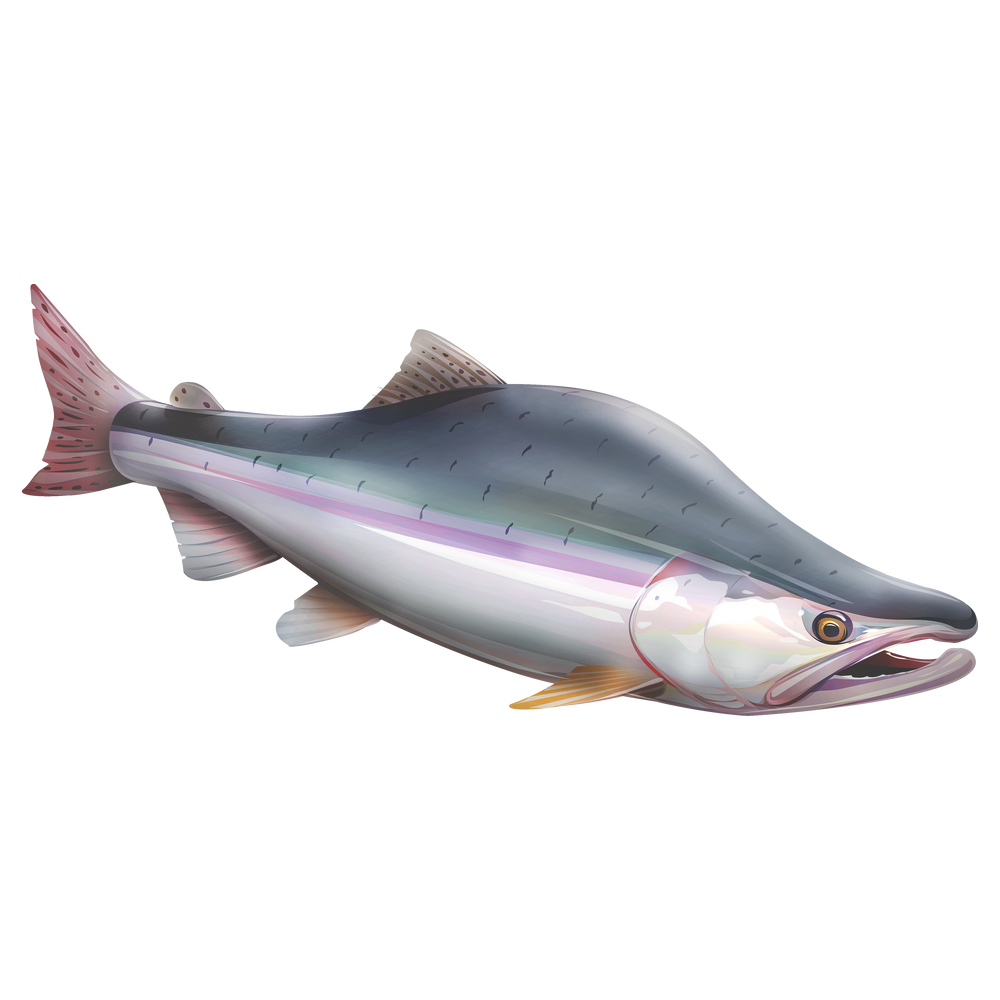
Pink Salmon
-
Sacramento River Winter-Run Chinook Salmon
-
South-Central California Coast Steelhead
-
Southern Oregon/Northern California Coast Chinook Salmon
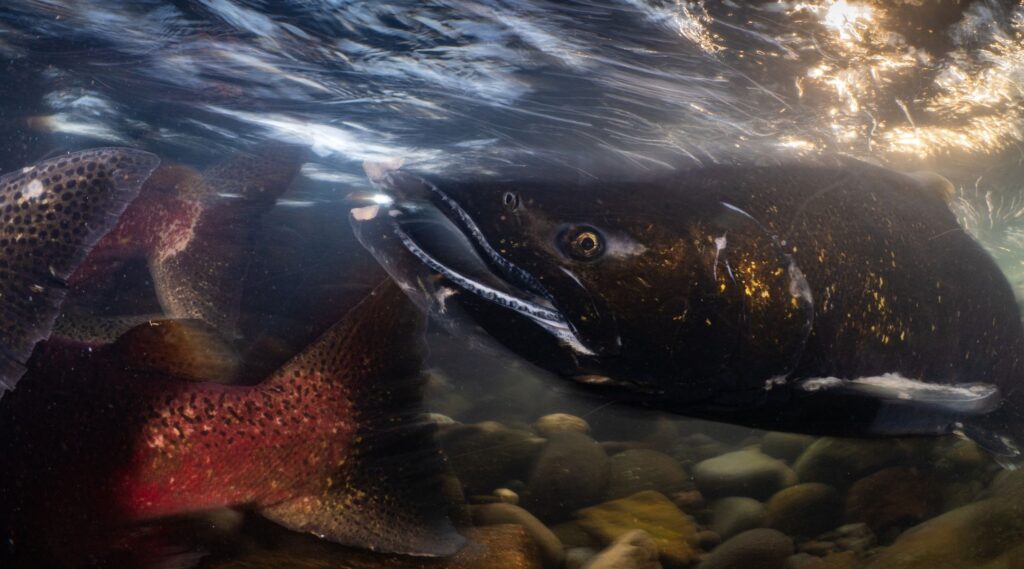
WATCH · REMARKABLE MIGRATION JOURNEYS
Salmon swim anywhere from hundreds to thousands of miles in their journey from river to ocean and back.
Not all fish perform this daring feat — but the ones that do like steelhead and salmon are called anadromous. Watch the video to learn more about the incredible migratory lifecycles of anadromous fish as they move from river to estuary to ocean and back again.
Headwaters
Where Fish Are Born & Water Begins
Headwaters are where many wild salmon, steelhead, and trout begin their lives — and where much of California’s water supply originates. Healthy forests, meadows, and springs capture snowmelt, keep rivers cold, and sustain flows throughout the year. Restoring these landscapes supports fish while strengthening water supplies for downstream communities.
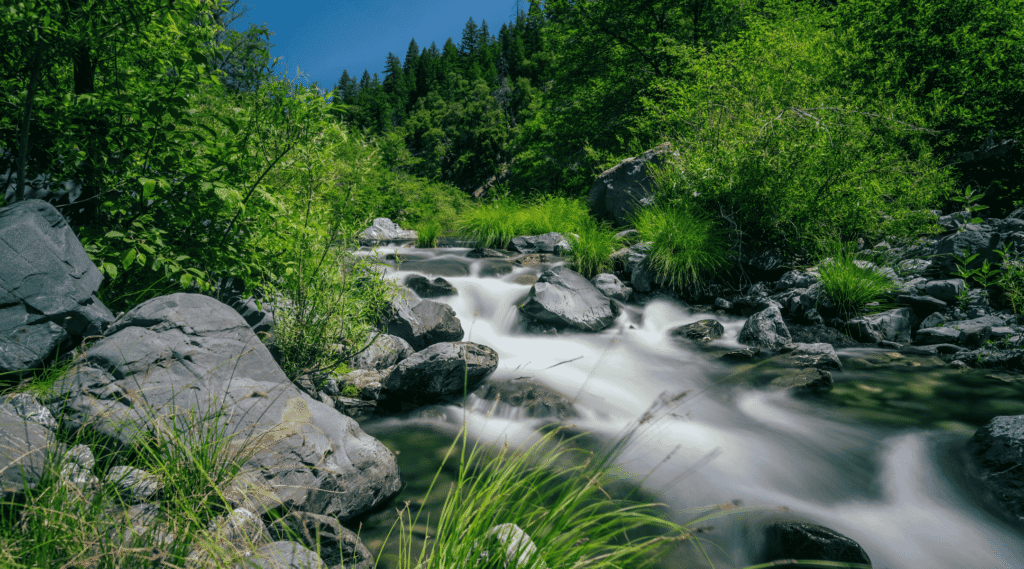
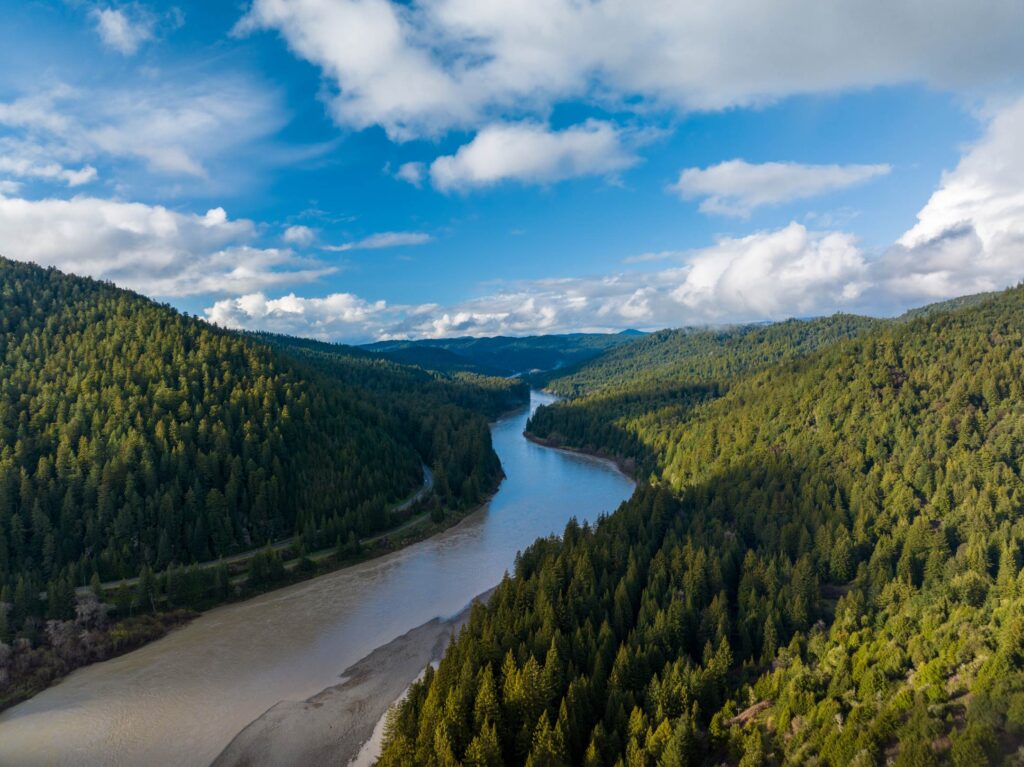
River Channels
Where Fish Migrate & Water Flows
Salmon, steelhead, and trout depend on connected rivers to reach spawning and rearing habitat. Dams, undersized culverts, and other barriers fragment rivers, limiting fish migration and disrupting natural river processes. CalTrout reopens rivers to restore healthier watersheds for fish and people alike.
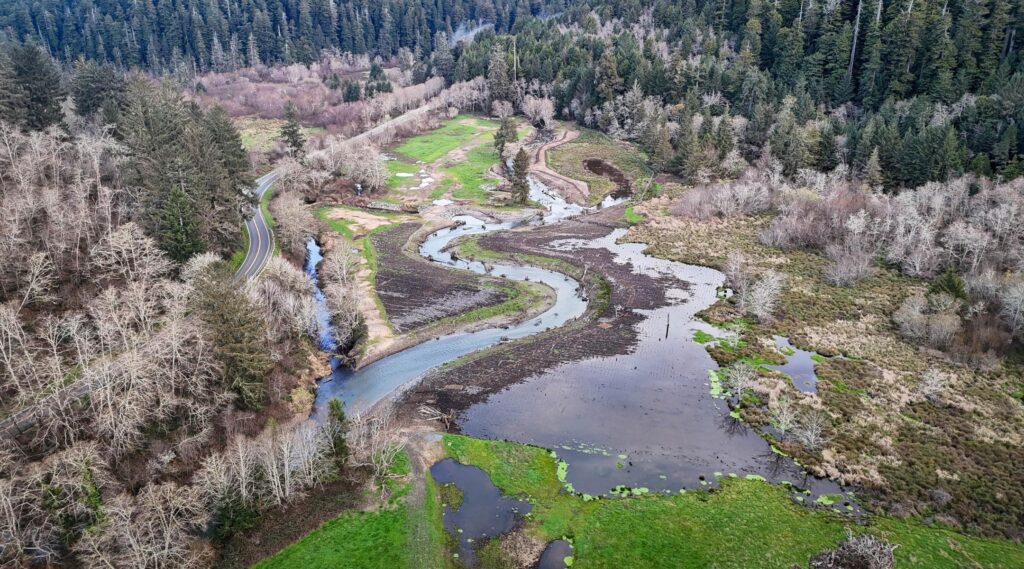
Floodplains
Where Fish Grow & Floodwaters Spread Safely
Floodplains provide young fish with abundant food while enhancing habitat diversity, slowing water down and naturally storing floodwaters to replenish groundwater. Reconnecting rivers to their floodplains strengthens fish populations and builds healthier, more resilient communities.
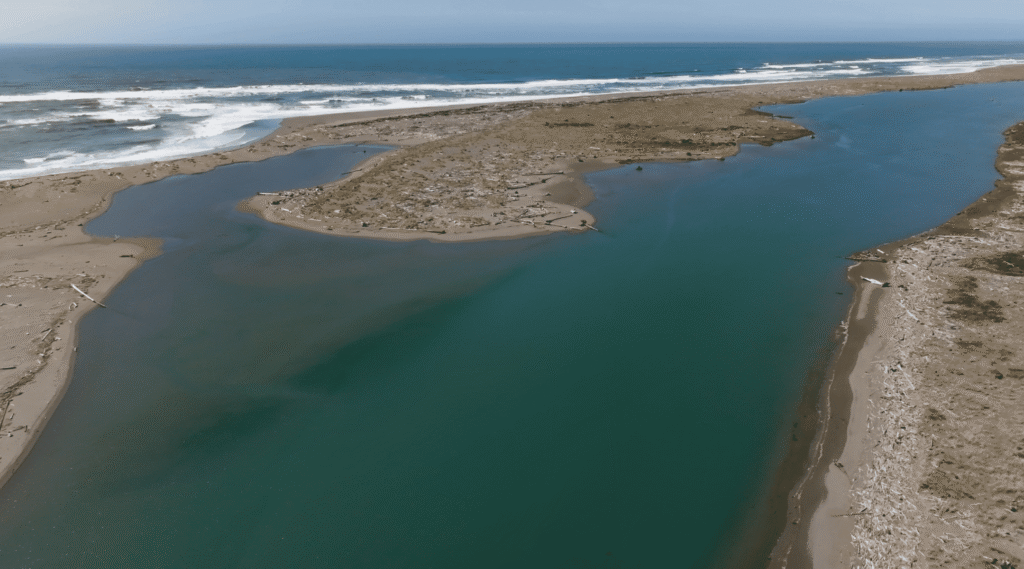
Estuaries
Where Fish Prepare for the Ocean & Communities Build Coastal Resilience
Estuaries give young fish the food, shelter, and time they need before entering the ocean. Restoring these productive ecosystems improves water quality, supports fish and wildlife, and strengthens California’s coastal communities’ resilience to extreme weather events.
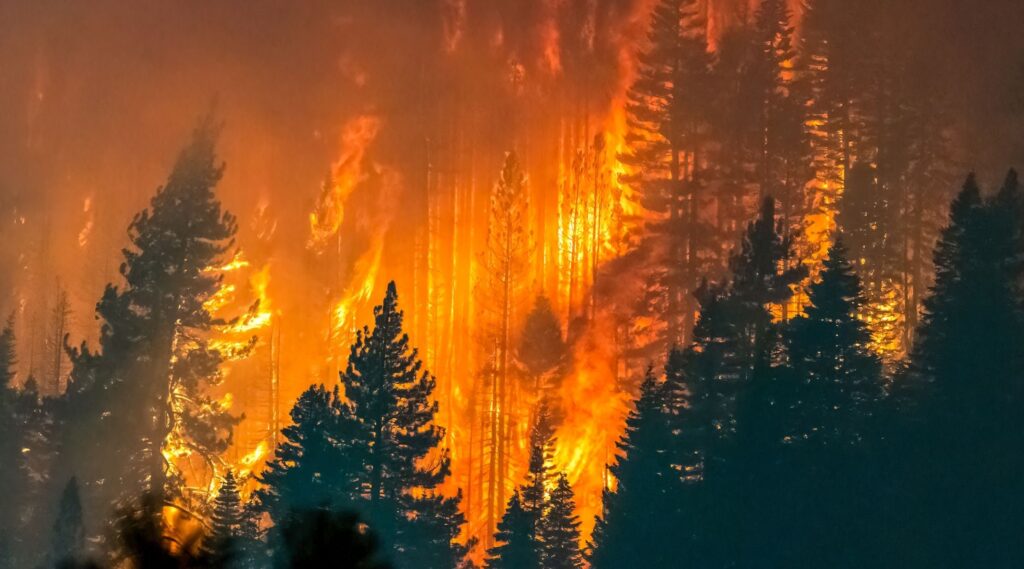
Climate Change
The Force Reshaping Every River
Climate change threatens nearly 90% of California’s native salmon, steelhead, and trout species through warmer streams, more severe droughts, larger wildfires, and unpredictable snowpack. By restoring healthy watersheds, CalTrout helps rivers stay cooler, store more water, and provide climate refuges that give fish a better chance to adapt.
A Reason for Hope: Klamath River Recovery
When rivers recover, fish return.
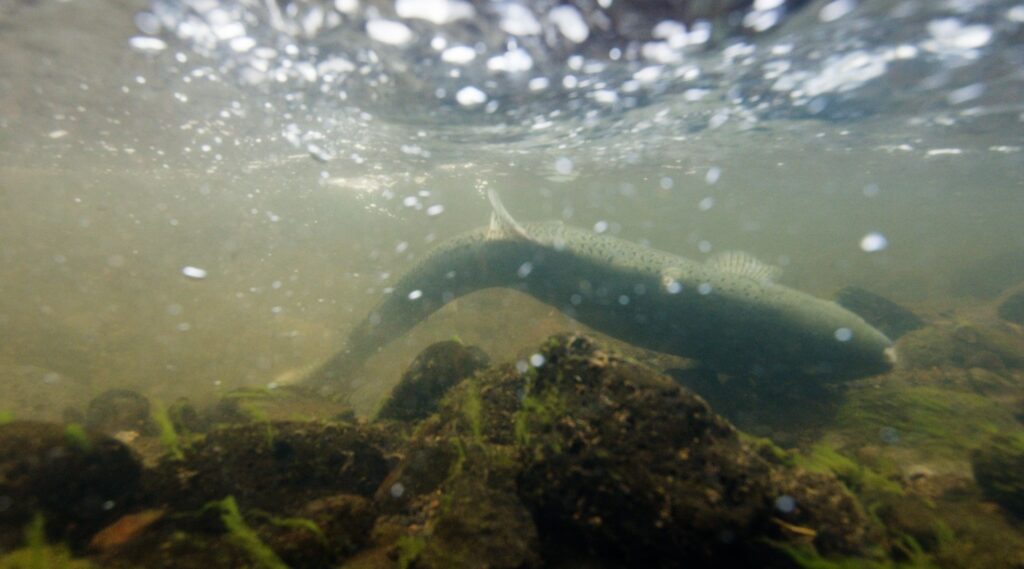
In 2024, the removal of four dams on the Klamath River reopened hundreds of miles of historic salmon habitat. Soon after, CalTrout and our partners installed a monitoring station near the former Iron Gate Dam site to document the river’s recovery.
Within months, thousands of Chinook salmon were recorded migrating into habitat that had been inaccessible for more than a century. The Klamath demonstrates what’s possible when science, restoration, Tribal leadership, and long-term partnerships come together. Rivers can recover — and wild fish can too.
from our science program
“Salmon, steelhead, and trout are indicators of watershed health, and their fate is inseparable from the future of California itself.”
Darren Mierau/Director of Science, CalTrout
SOS · A ONCE-A-DECADE REPORT
The only statewide assessment of California’s native salmon, steelhead, and trout.
CalTrout, in collaboration with academic partners, has produced two once-a-decade State of the Salmonids reports — comprehensive scientific assessments of all 32 native salmon, steelhead, and trout species in California.
These reports are the only analyses of their kind. Their message is clear: without action, California risks losing its wild fish.
In 2027, CalTrout will release SOS III, building on assessments from 2008 and 2017 to track trends over time — using a proven, peer-informed methodology trusted by agencies and academic institutions.
32
Species Assessed
160
Citations by academics, legislators, policymakers, foundations, and nonprofits
45%
of California salmonids likely to be extinct in next 50 years if current trends persist
Our work in action
Restoring rivers & California’s wild fish across the state
-
Klamath River Salmon & Steelhead Monitoring Program
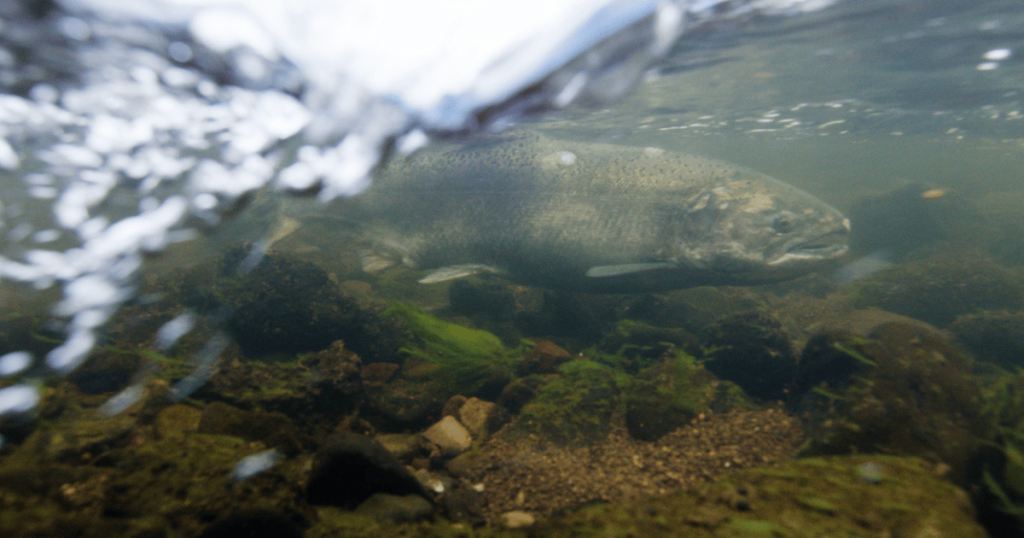
Read more →: Klamath River Salmon & Steelhead Monitoring ProgramMonitoring how salmon and steelhead are reclaiming 400 miles of habitat reopened by the world’s largest dam removal…
-
East Fork Scott River Restoration
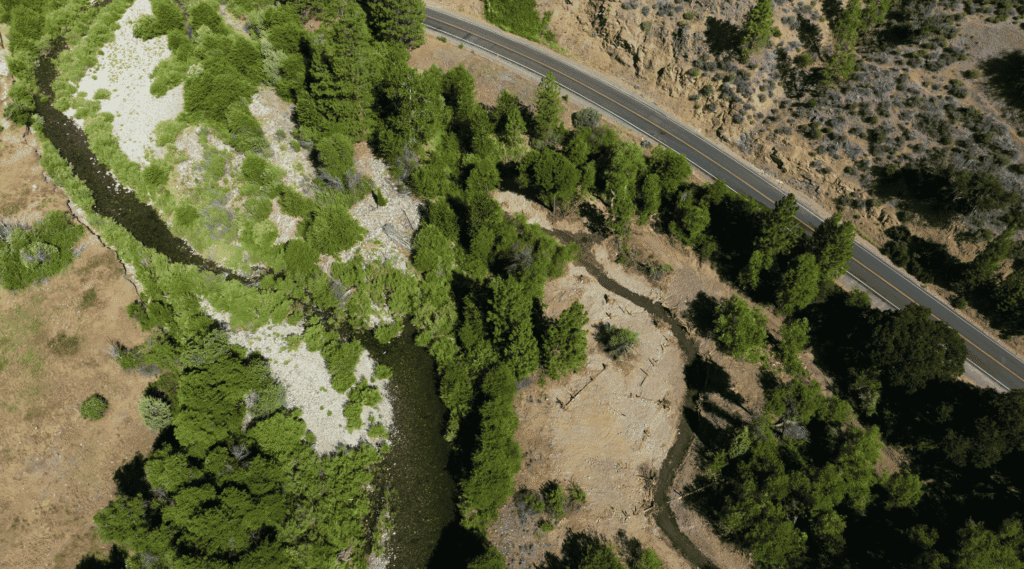
Read more →: East Fork Scott River RestorationRestoring 6.7 miles of the East Fork Scott River and its tributaries to recover coho salmon, Chinook salmon,…
-
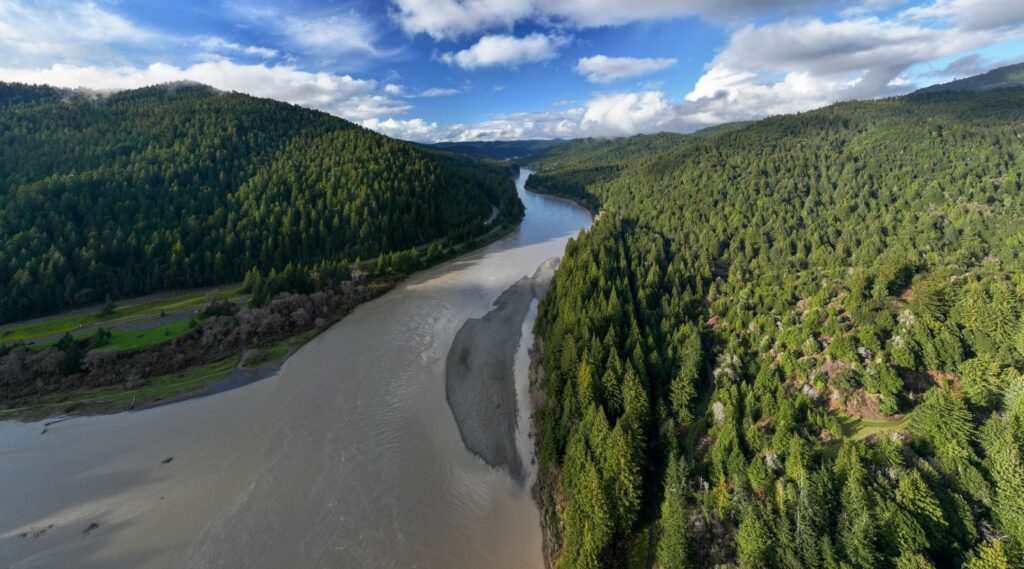
Eel River Watershed Restoration & Conservation Program
Read more →: Eel River Watershed Restoration & Conservation Program950-acre estuary restoration + the upcoming removal of Scott and Cape Horn dams.
-
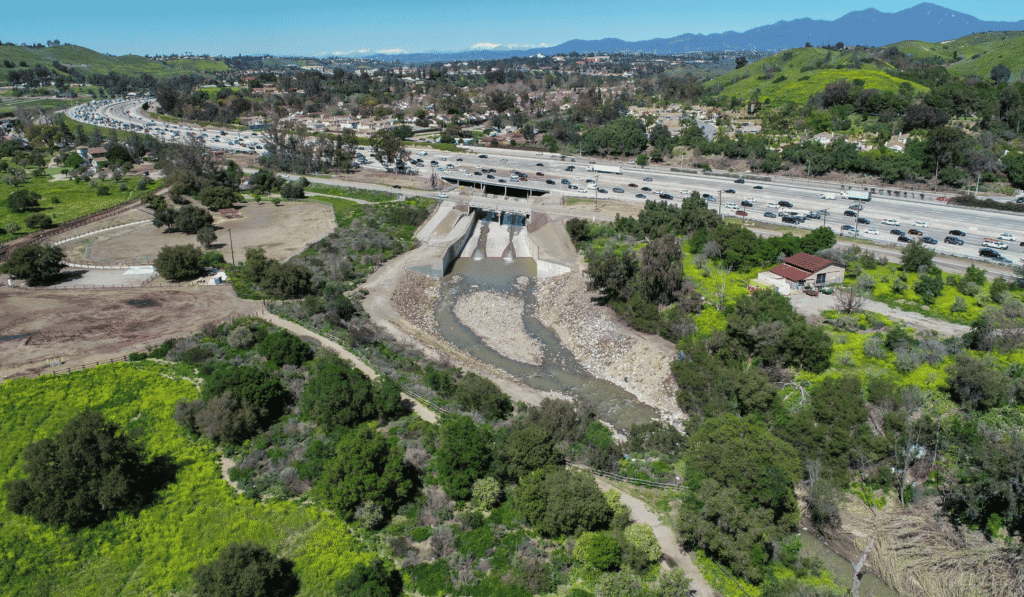
I-5/Trabuco Creek Fish Passage Project
Read more →: I-5/Trabuco Creek Fish Passage ProjectRemoving two urban fish passage barriers on Trabuco Creek to reconnect endangered steelhead to 15 miles of historic…
-
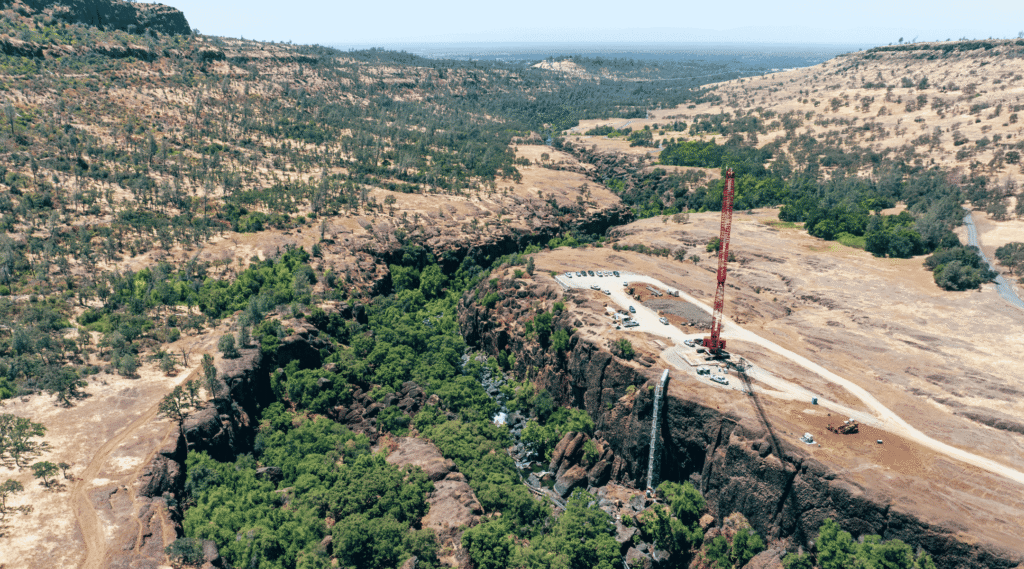
Iron Canyon Fish Passage Project, Big Chico Creek
Read more →: Iron Canyon Fish Passage Project, Big Chico CreekRestoring natural fish passage through Iron Canyon to reopen 8.5 miles of salmon and steelhead habitat on Big…
-
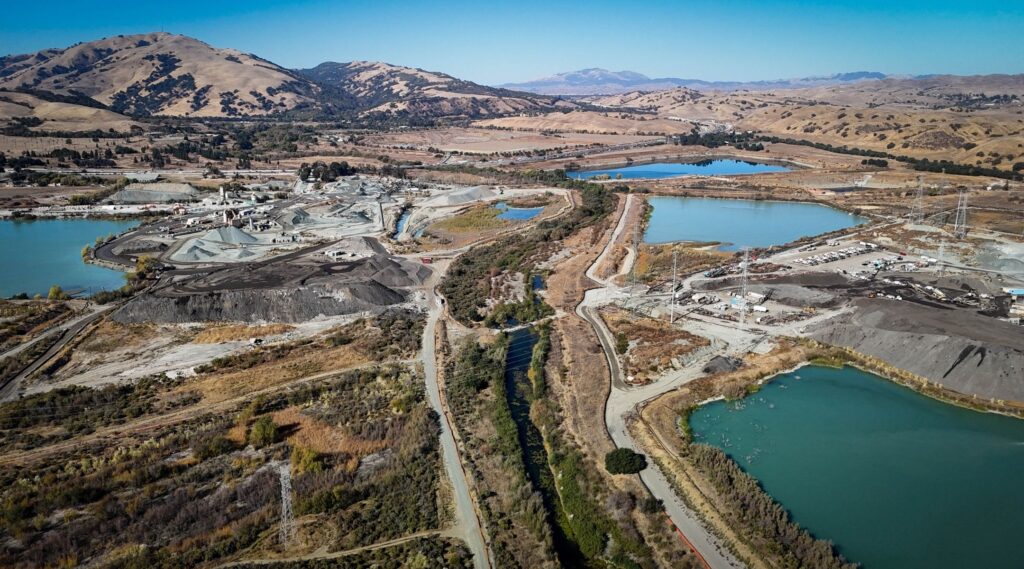
Sunol Valley Fish Passage Project, Alameda Creek
Read more →: Sunol Valley Fish Passage Project, Alameda CreekRelocating a gas pipeline to remove the last fish passage barrier on Alameda Creek and reopen 20+ miles…
-
Eel River Forum
Read more →: Eel River ForumA 22-organization coalition is committed to the holistic restoration of the Eel River.
-
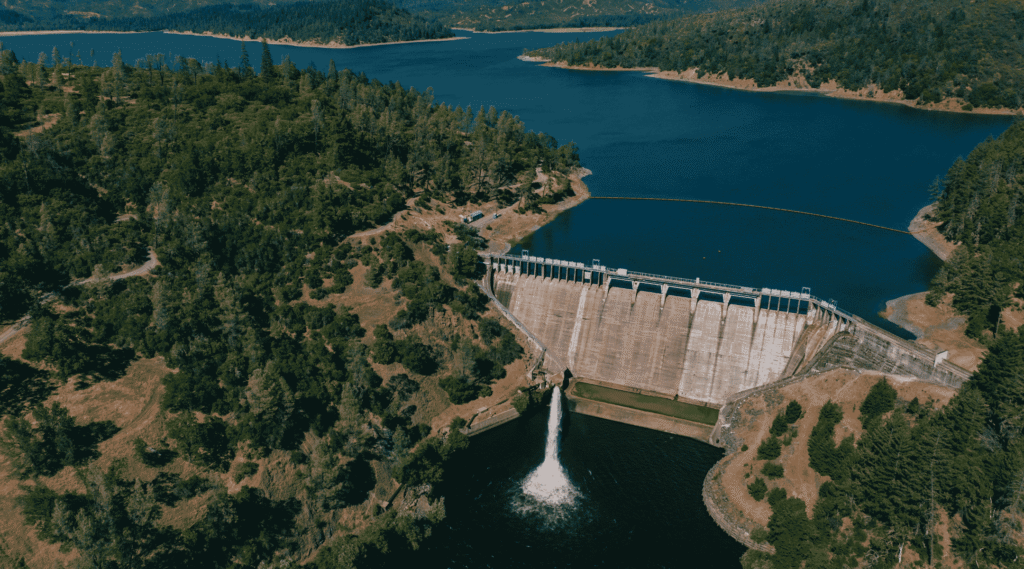
Eel River Dam Removal
Read more →: Eel River Dam RemovalRemoving two century-old dams to reconnect salmon and steelhead to nearly 300 miles of the Eel River’s cold-water…
-
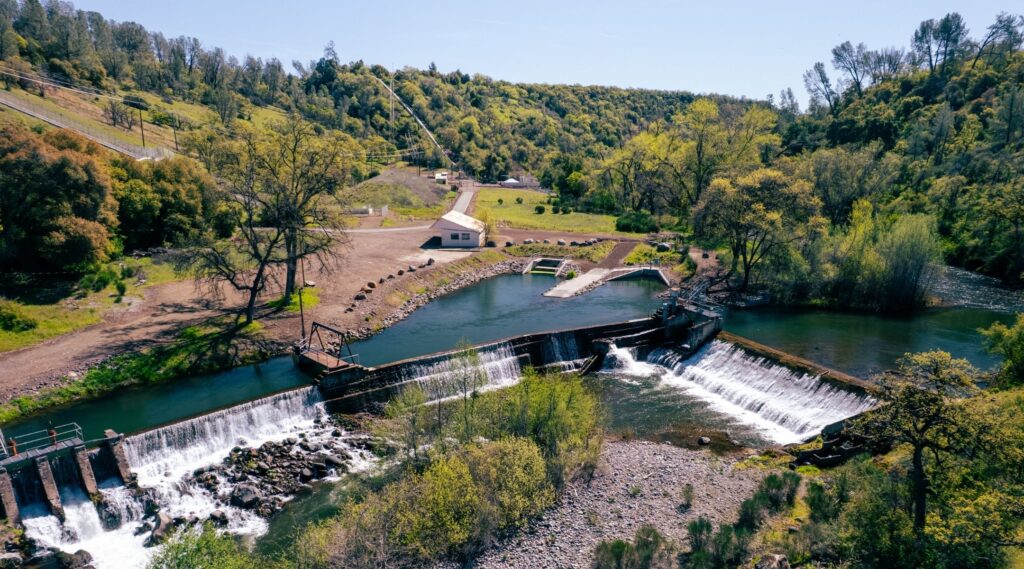
Battle Creek Dam Removal
Read more →: Battle Creek Dam RemovalRemoving eight remaining dams on Battle Creek would reconnect 48 miles of habitat for endangered Winter-run and Spring-run…
-
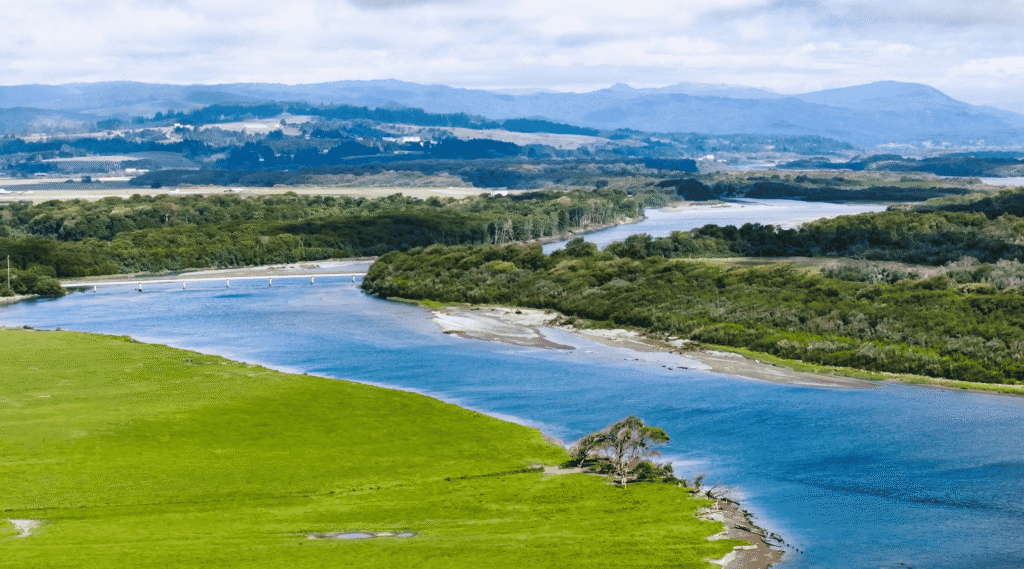
Cannibal Island, Eel River Estuary Restoration Project
Read more →: Cannibal Island, Eel River Estuary Restoration ProjectRestoring 950 acres of tidal marsh at the Eel River’s mouth to revive salmon habitat and buffer nearby…
-
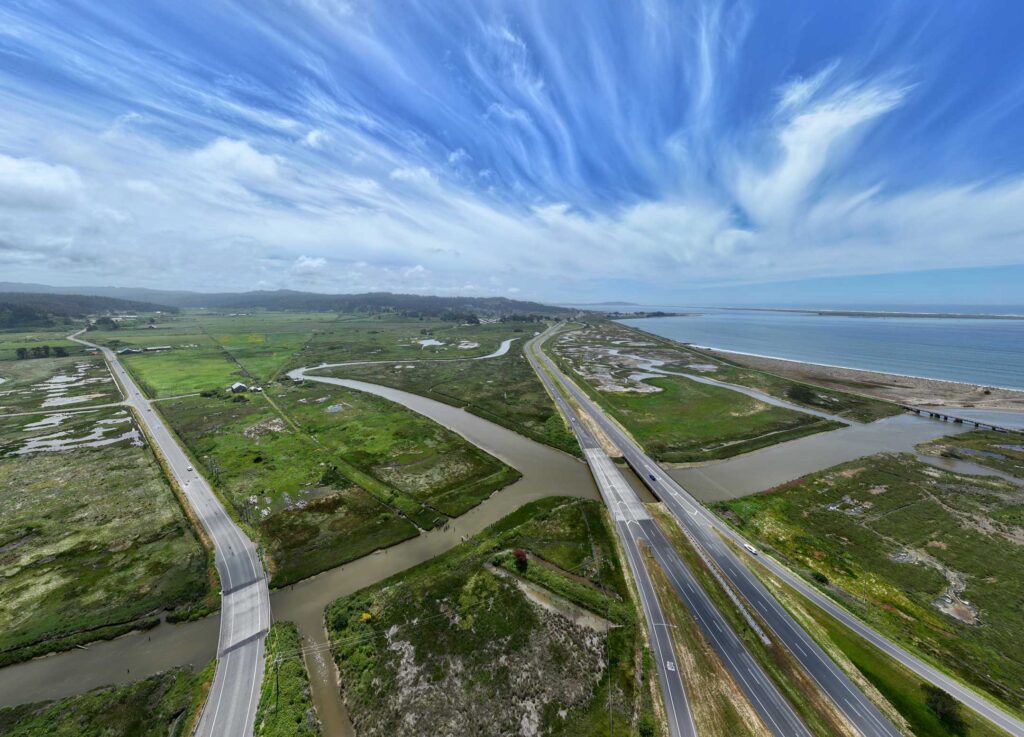
Elk River Recovery Program
Read more →: Elk River Recovery ProgramRestoring the Elk River’s watershed and estuary to revive salmon habitat, filter water naturally, and buffer nearby communities…
-
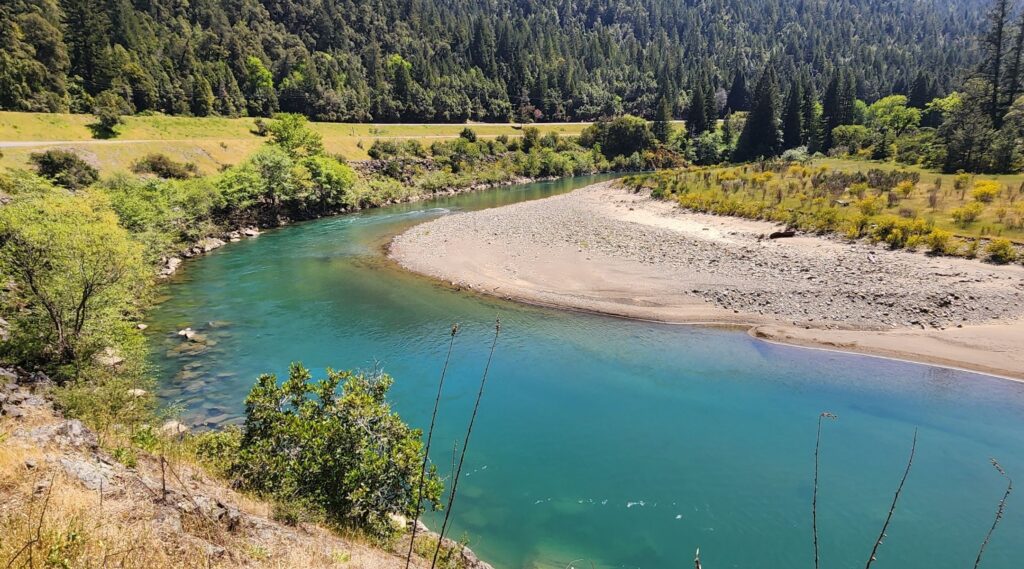
South Fork Eel River Science & Monitoring Program
Read more →: South Fork Eel River Science & Monitoring ProgramMonitoring juvenile salmon and steelhead on the South Fork Eel River to understand what’s working, and studying an…
-
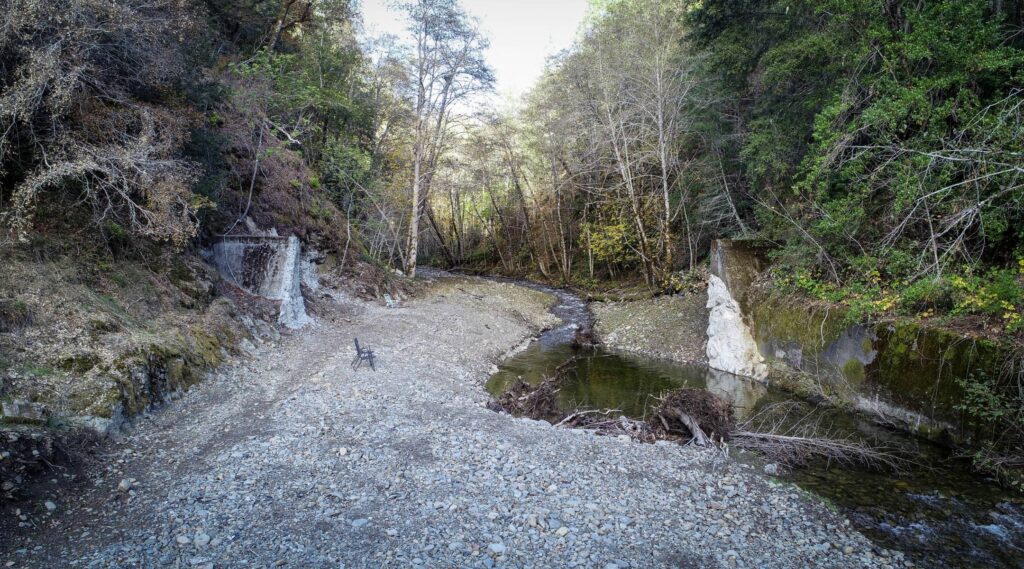
Cedar Creek Barrier Removal
Read more →: Cedar Creek Barrier RemovalRemoved a defunct 60-year-old dam on Cedar Creek reopening nine miles of habitat and cold-water refuge for salmon…
-
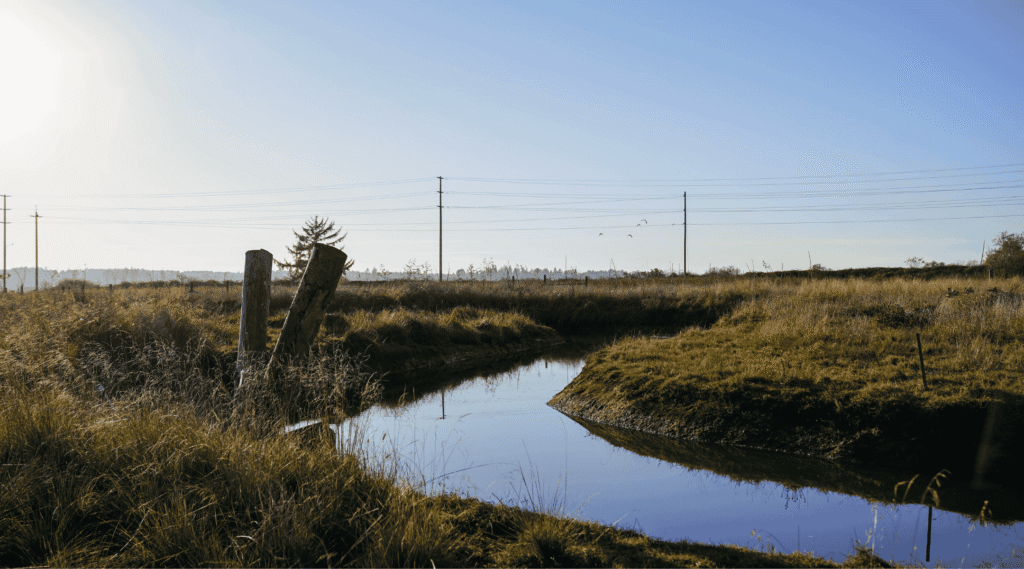
Cochran Creek Fish Passage and Channel Restoration
Read more →: Cochran Creek Fish Passage and Channel RestorationReplaced a century-old tidegate near Humboldt Bay reopened Cochran Creek’s estuary to coho salmon and steelhead — and…
-
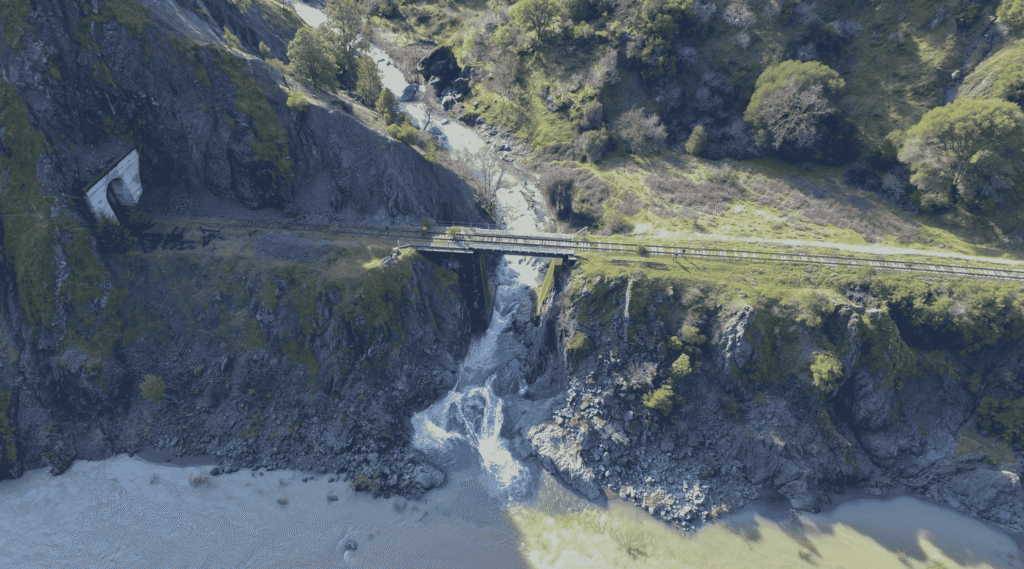
Woodman Creek Project
Read more →: Woodman Creek ProjectRemoved a century-old railroad barrier on Woodman Creek reopens up to 14 miles of habitat for steelhead, Chinook,…
-
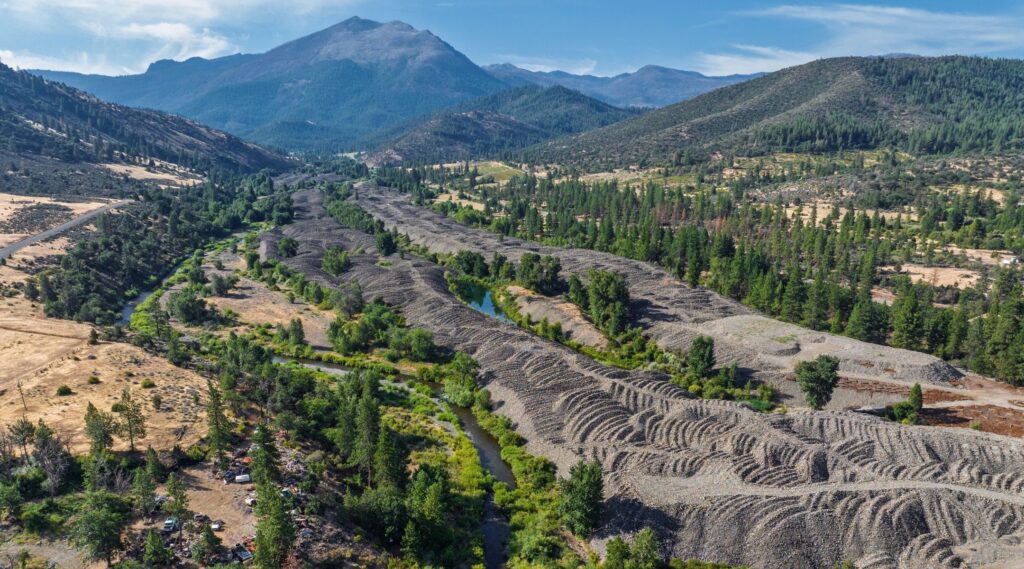
Scott River Mainstem Restoration & Flow Enhancement Project
Read more →: Scott River Mainstem Restoration & Flow Enhancement ProjectRestoring a flood-damaged diversion on the Scott River to improve fish passage and water reliability for farms and…
-
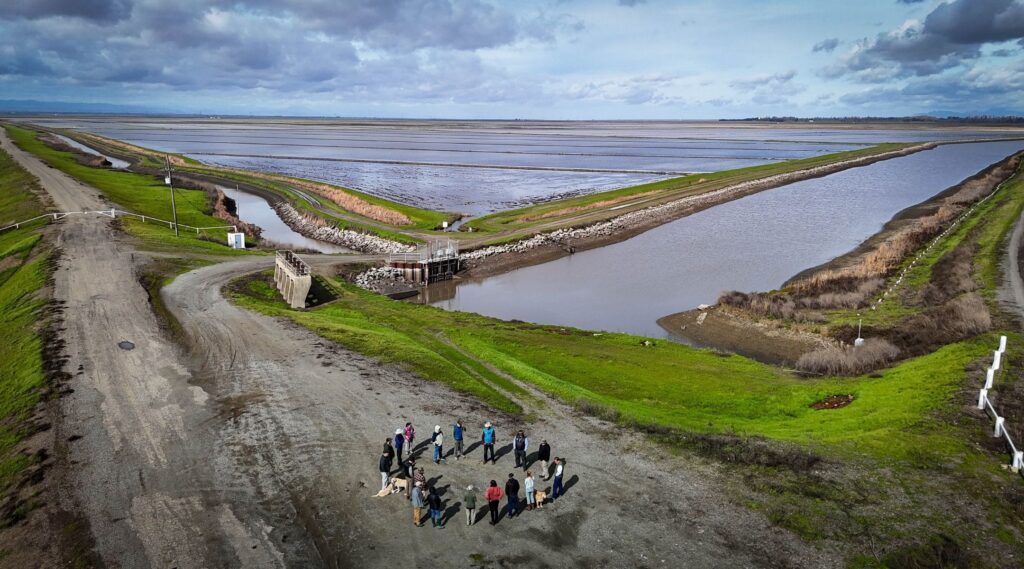
Central Valley Salmon Habitat Partnership
Read more →: Central Valley Salmon Habitat PartnershipThe Salmon Partnership drives science-based recovery of Central Valley Chinook salmon and steelhead, sustaining healthy runs for both…
-
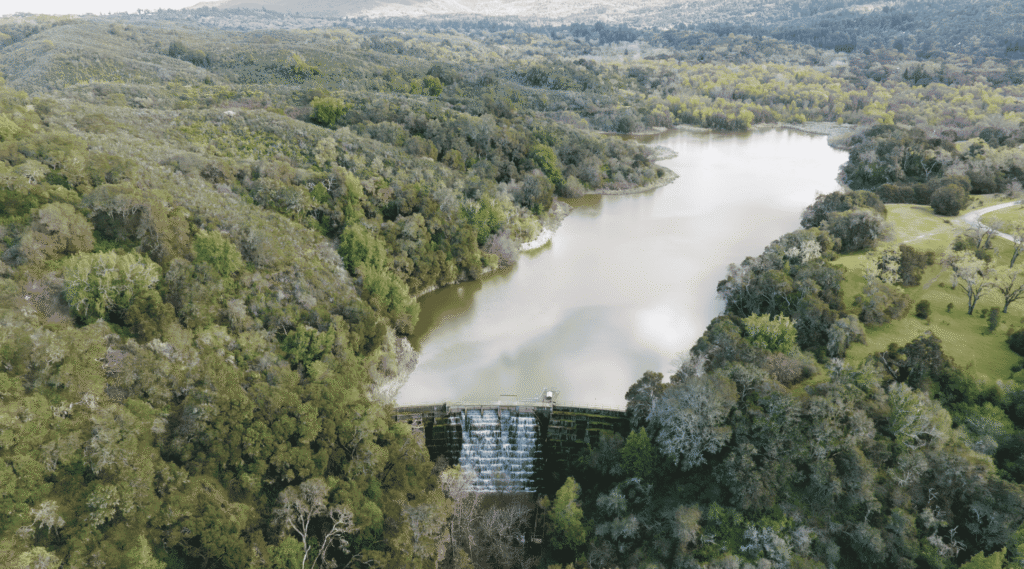
Searsville Dam Removal
Read more →: Searsville Dam RemovalWorking to remove a century-old, high-hazard dam blocking steelhead migration on San Francisquito Creek at Stanford University.
-
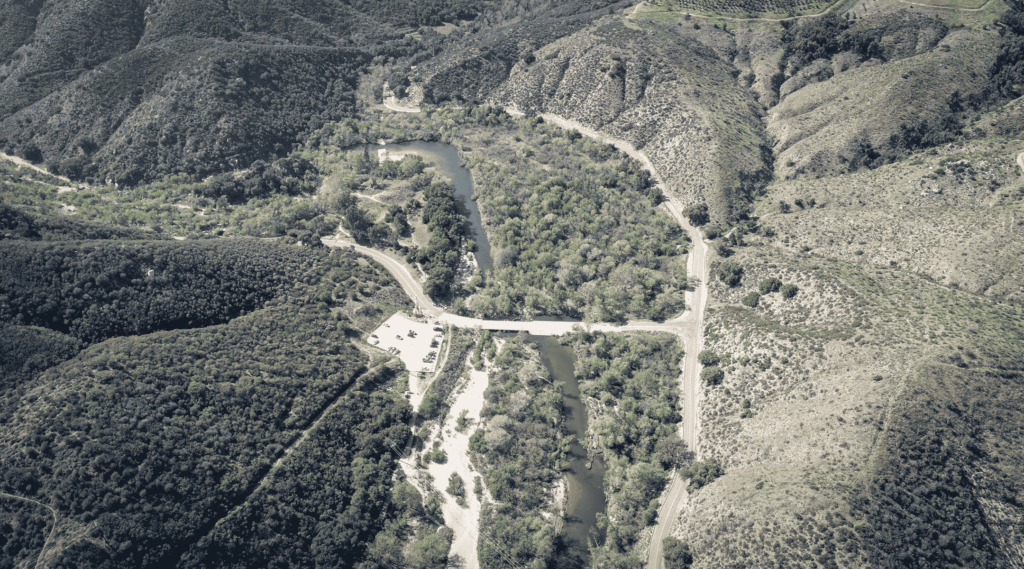
Santa Margarita River Bridge Replacement & Fish Passage Project
Read more →: Santa Margarita River Bridge Replacement & Fish Passage ProjectReplacing a bridge on the Santa Margarita River to reconnect steelhead to habitat and protect a busy crossing…
-
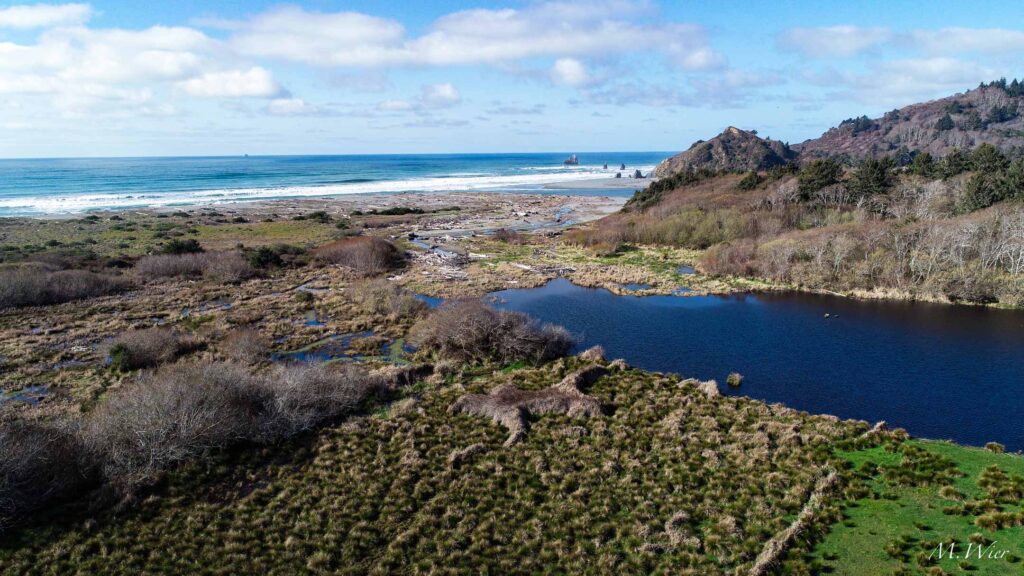
Redwood Creek Estuary Restoration
Read more →: Redwood Creek Estuary RestorationReconnecting Redwood Creek’s estuary to the sediment and floodplain processes it lost to a 1968 flood control project,…
-
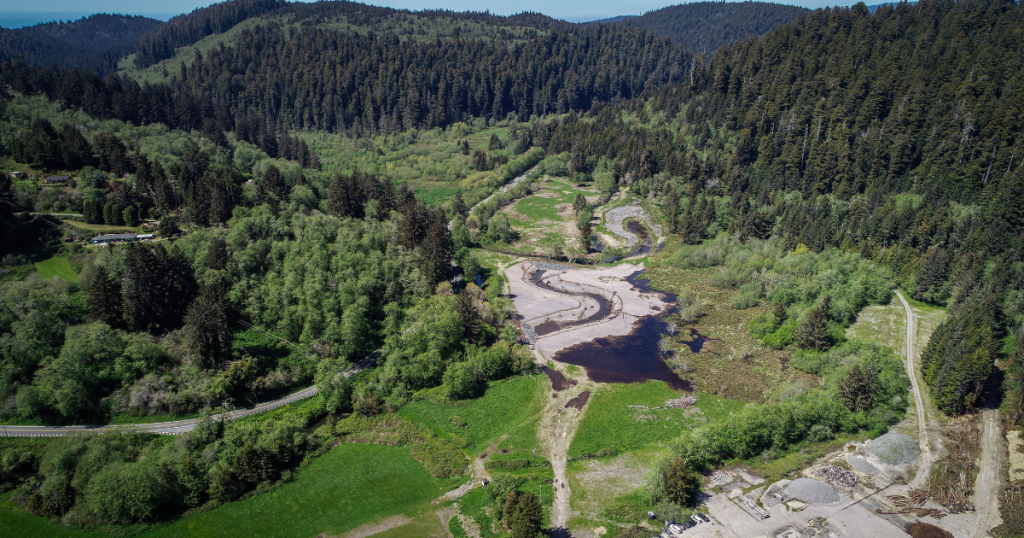
Prairie Creek Floodplain Restoration
Read more →: Prairie Creek Floodplain RestorationRestored 125 acres of floodplain habitat at Prairie Creek to give salmon and steelhead their last rearing grounds…
Support WILD FISH
Wild fish cannot help themselves — they need us and they need you.
Nearly half of our fish are likely to be extinct within 50 years if current trends continue, and when fish collapse it means our water systems are at risk too. We can all play a role in protecting California’s wild fish and our state’s water future.