From headwaters to estuaries — every link in the chain.
We focus on restoring every component of a stream — so our watersheds are functional and vibrant, capable of supporting fish and people for generations to come.
The state of California’s streams
California’s rivers and streams are the arteries of our state.
They provide water for drinking, agriculture, commerce — and habitat for salmon, steelhead, and trout. Today, many rivers’ headwaters, floodplains, and estuaries are disconnected or degraded. CalTrout is working to fix that, identifying the highest priority streams that need our help and making large-scale restoration happen on the ground.
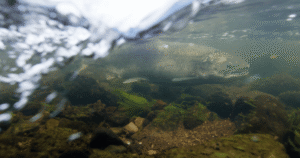
Without access to healthy headwaters, fish lose critical climate refuge from summer heat — and the impacts ripple downstream throughout the entire watershed, affecting not just fish but all water users. Disconnected floodplains cut fish off from the food web that fuels their journeys up and down rivers, reducing habitat diversity and eliminating the slow-water refuges they need to survive high flows while exacerbating extreme flood risks for human communities. Without healthy estuaries, young fish lack a place to transition from freshwater to saltwater and coastal communities are less resilient to flooding and other extreme weather events.
Our team is working across the state and across every link in the chain — from headwaters to floodplains to estuaries and all the stream in between — to recover California’s wild fish populations. We’ve been doing this work for more than 50 years, and we know how to solve large, complex environmental challenges.
Where Rivers Begin
Headwaters
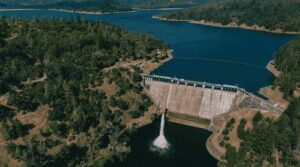
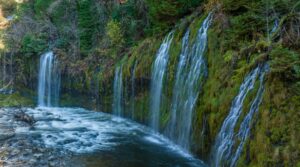
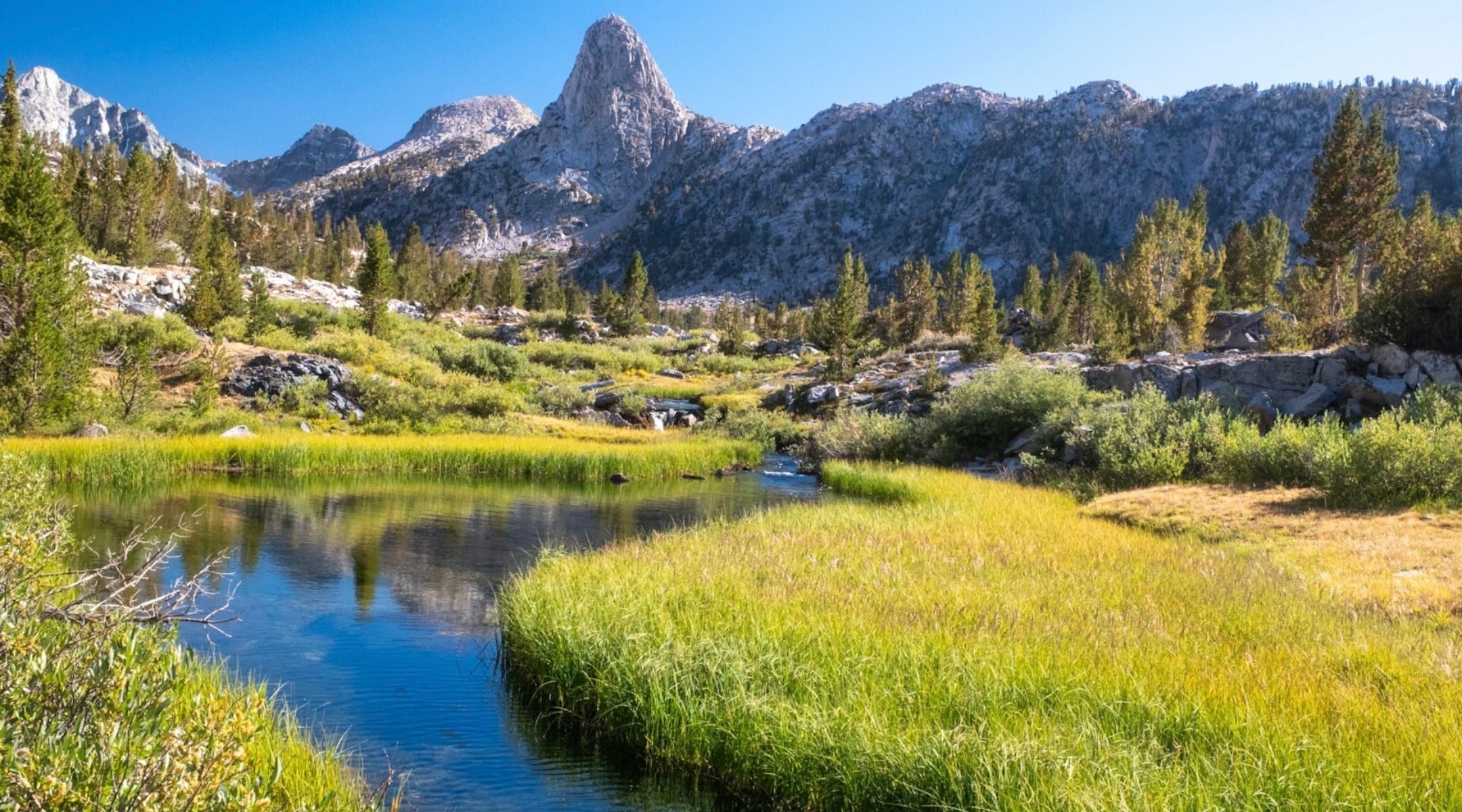
Headwaters are where rivers are born — and where California’s water supply begins. While some headwaters have been cut off from downstream rivers by dams and other barriers (explore our work to Reopen Rivers), many remain connected but are no longer functioning as healthy ecosystems. Healthy headwaters have forests, meadows, and springs that capture, store, and slowly release clean, cold water to sustain fish, wildlife, farms, and communities downstream. But catastrophic wildfire, meadow degradation, and a changing climate have disrupted these natural systems, reducing their ability to support the watershed and its communities downstream. CalTrout studies and restores headwater landscapes to rebuild these natural processes, ensuring they continue producing the cold, reliable water that native fish — and millions of Californians — depend on.
Recent Successes
June Mountain Forest Health Project
By-Day Creek Forest Health Project
Upper Sacramento River Source Waters Science Study
active & Upcoming
Glass Mountain Meadow Restoration
McCloud Redband Trout Protection
Lahontan Cutthroat Trout Recovery
Where Rivers Slow Down & Feed Fish
Floodplains
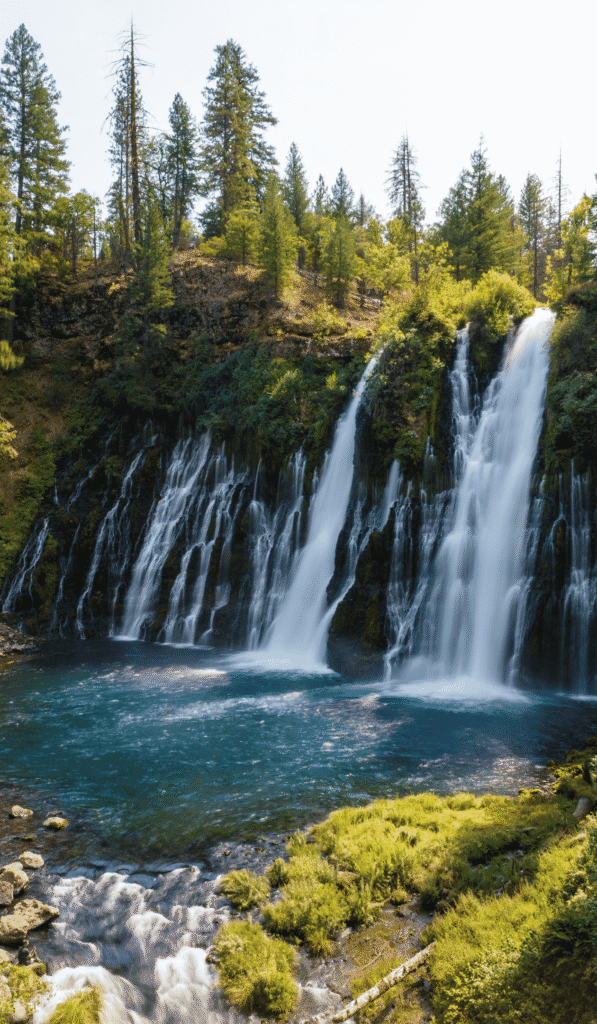
California’s floodplains were once among the state’s most productive ecosystems, generating the abundant food that fueled thriving wild fish populations, providing habitat diversity for aquatic wildlife, and slowing down water during floods so both fish and people could thrive. Over the past 150 years, levees and development have disconnected rivers from these seasonal wetlands, cutting fish off from the food they need to survive and reducing the habitat diversity they need to thrive. CalTrout is reconnecting rivers to their floodplains, restoring the natural food web that helps young fish grow stronger before migrating to the ocean, enhancing habitat diversity, and creating slow-water refuge for fish during floods — while also improving flood protection and groundwater recharge for surrounding human communities
Recent Successes
Prairie Creek Floodplain Restoration at ‘O Rew
Bull Creek, Hamilton Reach Floodplain Restoration
active & Upcoming
String of Pearls, Sacramento River Floodplain Restoration
Floodplain Forward Coalition
Fish Food on the Floodplains
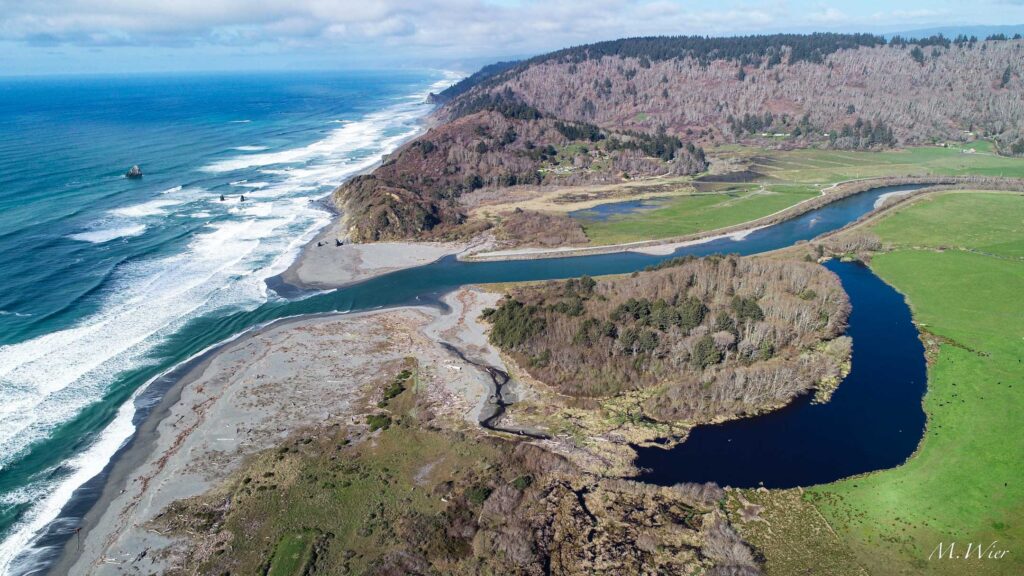
Where Rivers Meet the Sea
Estuaries
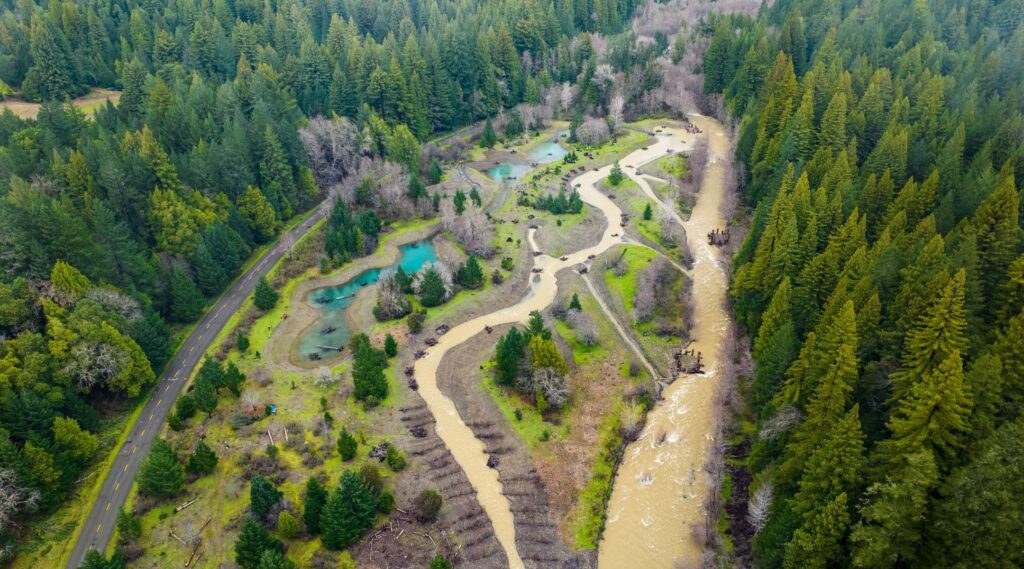
Estuaries, where freshwater rivers meet the ocean, are among California’s most productive ecosystems. These food-rich habitats give young salmon and steelhead the time and nourishment they need to grow stronger and adapt to saltwater before beginning life in the ocean. But development, altered river flows, and habitat loss have disconnected many estuaries from the natural processes fish depend on. CalTrout restores these vital transition zones so fish can successfully complete one of the most important stages of their journey while improving water quality, supporting coastal wildlife, and strengthening the resilience of California’s coastal communities.
Recent Successes
Baduwa’t (Mad River) Estuary Restoration
Pescadero Marsh (post-restoration monitoring)
active & Upcoming
Cannibal Island, Eel River Estuary Restoration
Elk River Estuary Restoration
Redwood Creek Estuary
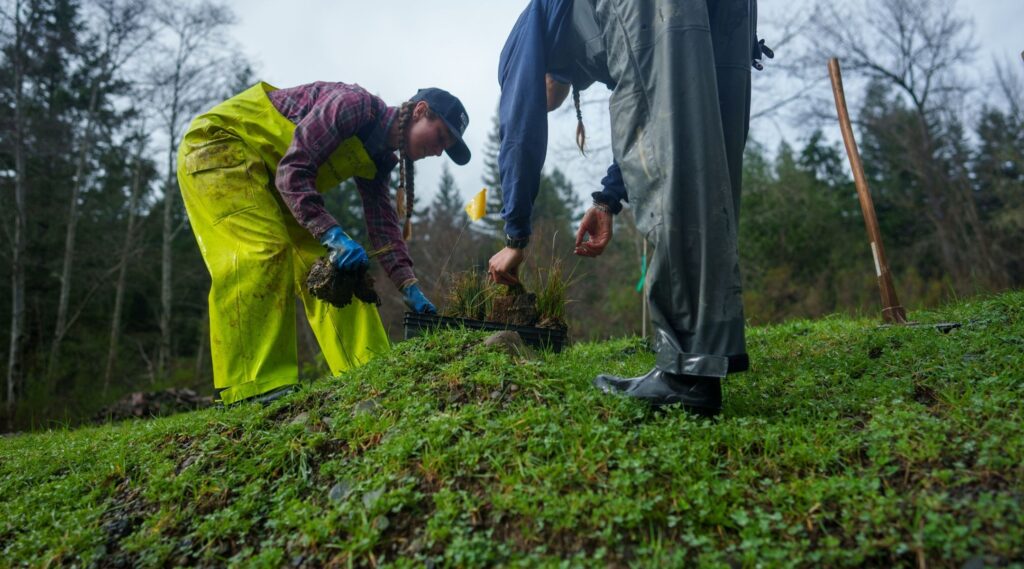
WATCH · Restoration Amidst the Redwoods on Bull Creek
Watch our work in action.
Nestled in the world’s largest remaining old-growth redwood forest, Bull Creek is once again becoming a place where endangered coho can thrive, thanks to floodplain and habitat restoration completed in 2023.
Our work in action
Restoring and protecting streams across California.
From the coastal streams of the North Coast to the Upper Sacramento River basin springs to High Sierra mountain meadows, our stream restoration portfolio spans the state and leaves no link in the chain unaddressed.
-
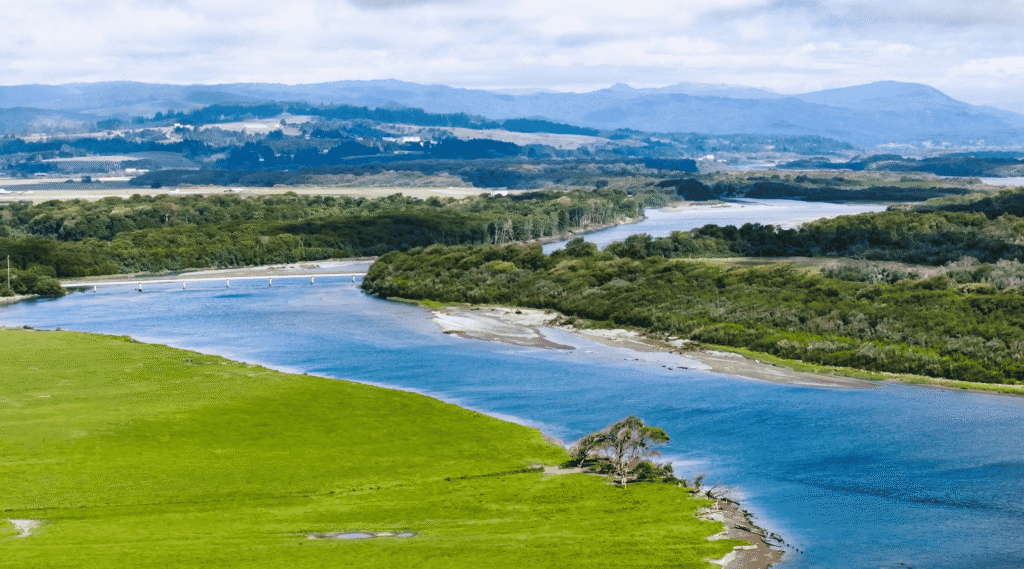
Cannibal Island, Eel River Estuary Restoration Project
Read more →: Cannibal Island, Eel River Estuary Restoration ProjectRestoring 950 acres of tidal marsh at the Eel River’s mouth to revive salmon habitat and buffer nearby…
-
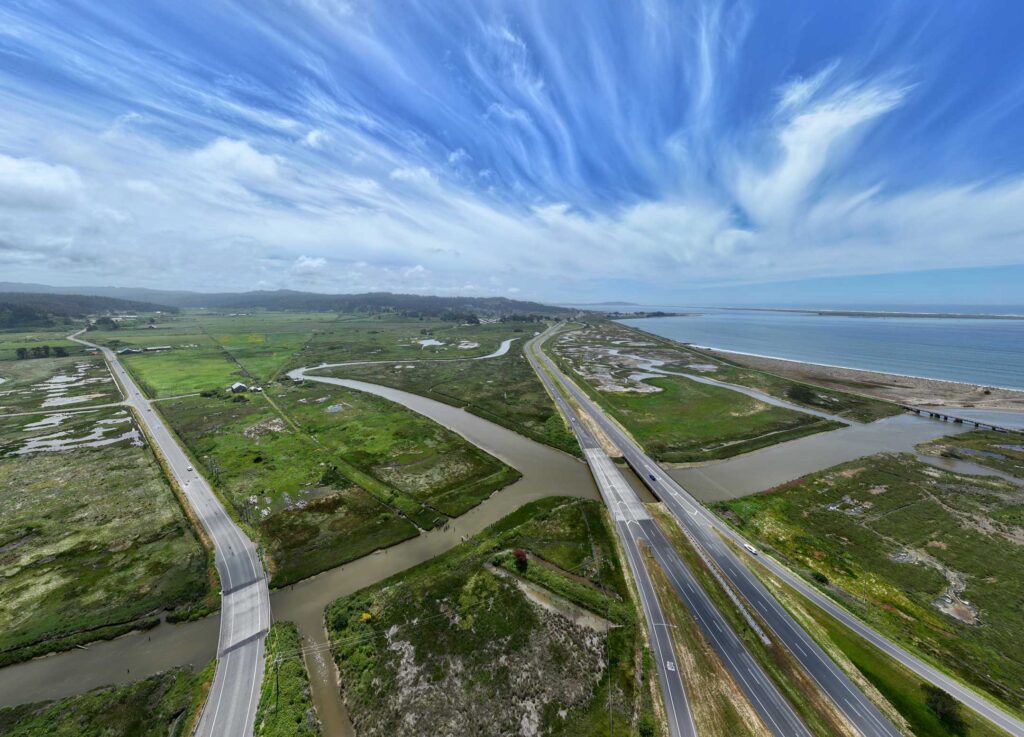
Elk River Recovery Program
Read more →: Elk River Recovery ProgramRestoring the Elk River’s watershed and estuary to revive salmon habitat, filter water naturally, and buffer nearby communities…
-
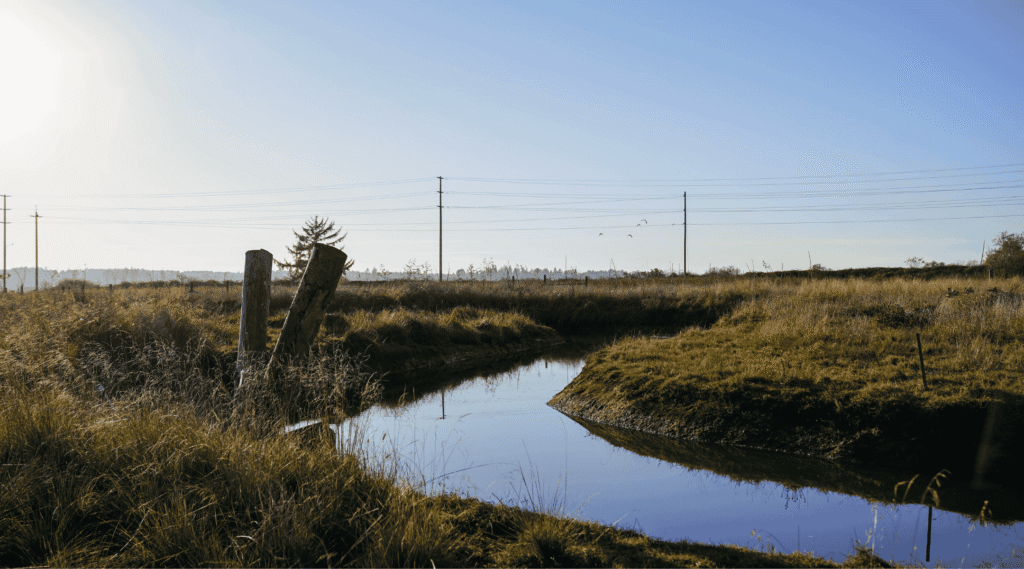
Cochran Creek Fish Passage and Channel Restoration
Read more →: Cochran Creek Fish Passage and Channel RestorationReplaced a century-old tidegate near Humboldt Bay reopened Cochran Creek’s estuary to coho salmon and steelhead — and…
-
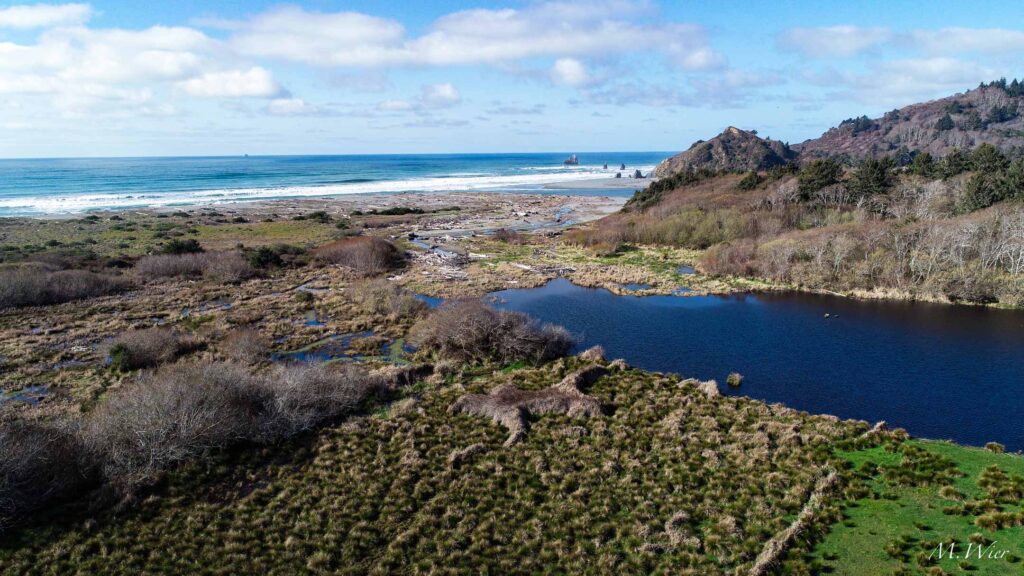
Redwood Creek Estuary Restoration
Read more →: Redwood Creek Estuary RestorationReconnecting Redwood Creek’s estuary to the sediment and floodplain processes it lost to a 1968 flood control project,…
-
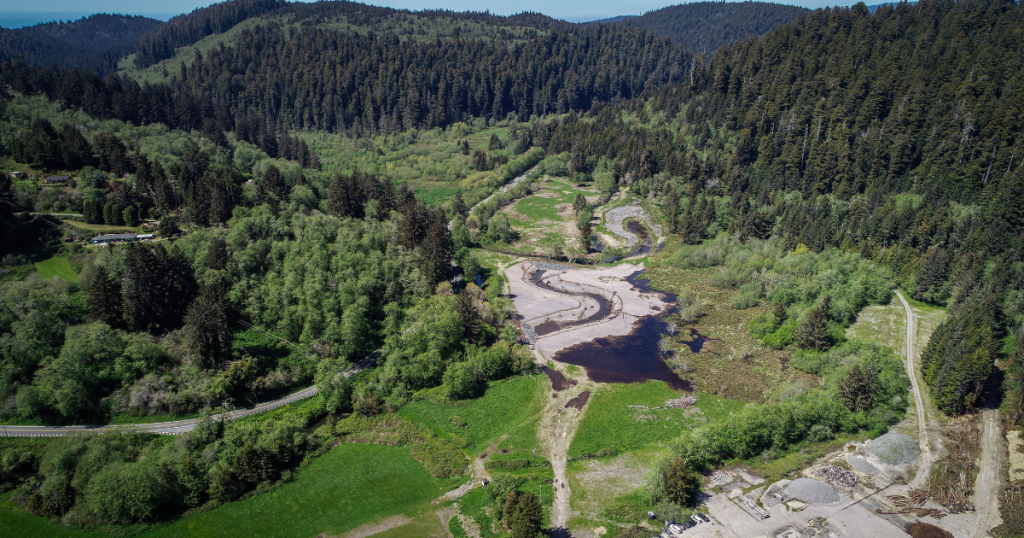
Prairie Creek Floodplain Restoration
Read more →: Prairie Creek Floodplain RestorationRestored 125 acres of floodplain habitat at Prairie Creek to give salmon and steelhead their last rearing grounds…
-
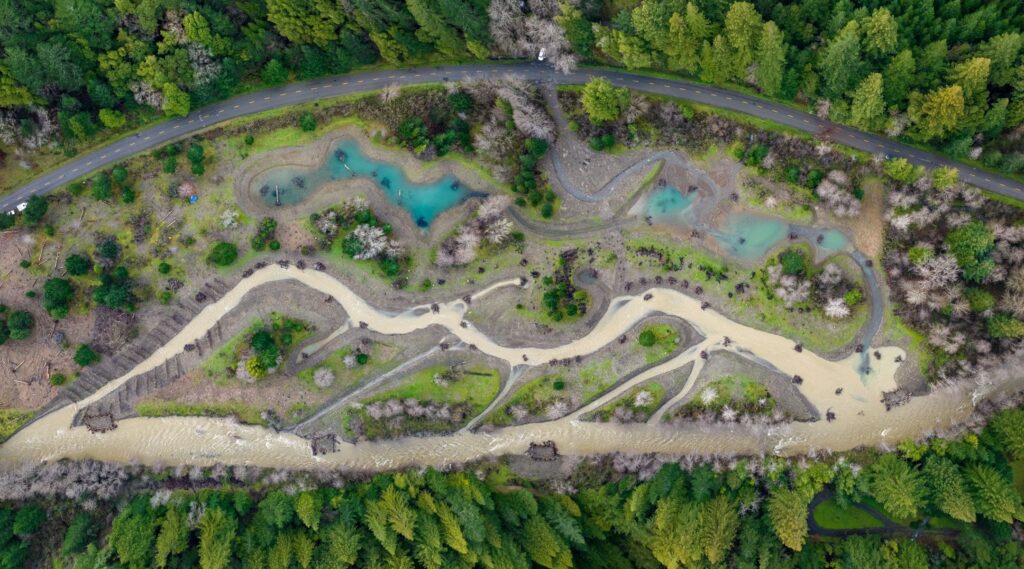
Bull Creek, Hamilton Reach Restoration Project
Read more →: Bull Creek, Hamilton Reach Restoration ProjectRebuilt lost pools, side channels, and shade along Bull Creek in Humboldt Redwoods State Park to give coho…
-
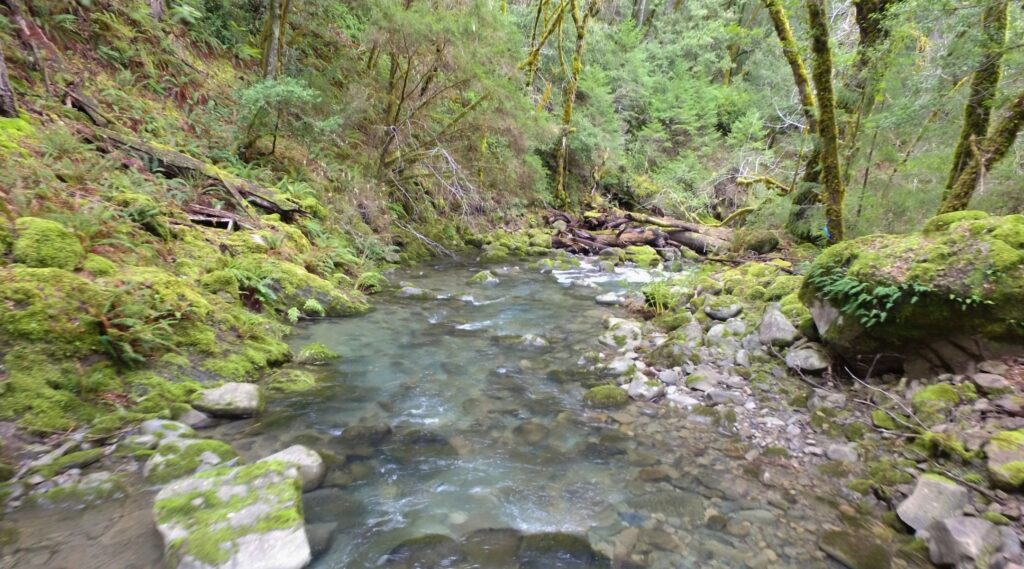
Cedar Creek and Elder Creek Legal Protection
Read more →: Cedar Creek and Elder Creek Legal ProtectionSeeking the Clean Water Act’s strongest protection for Cedar and Elder Creeks, cold-water refuges steelhead need to survive…
-
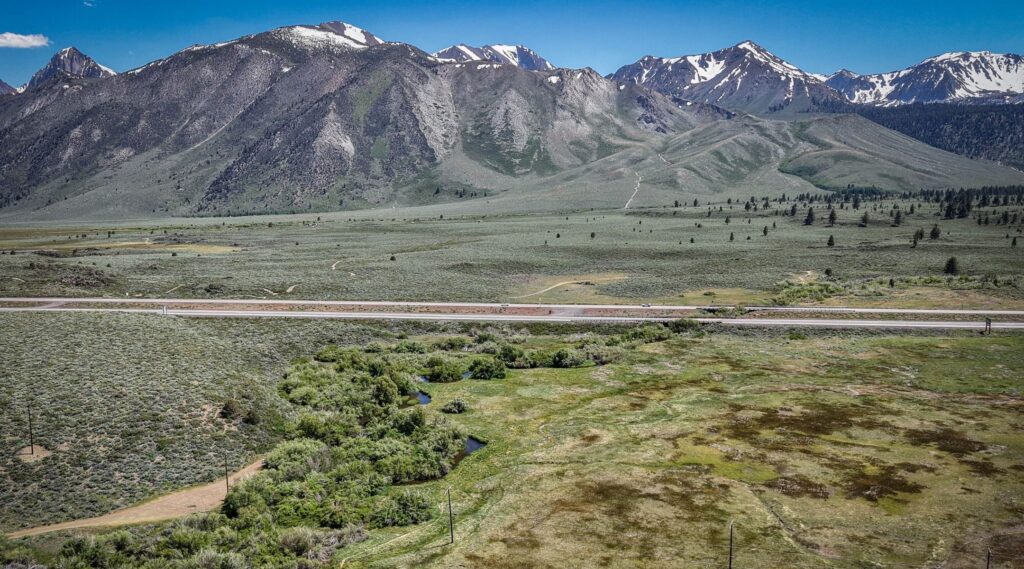
Lower Mammoth Creek Restoration Project
Read more →: Lower Mammoth Creek Restoration ProjectReconnecting 100+ acres of Lower Mammoth Creek’s meadow and riparian habitat to restore cold-water trout habitat and build…
-
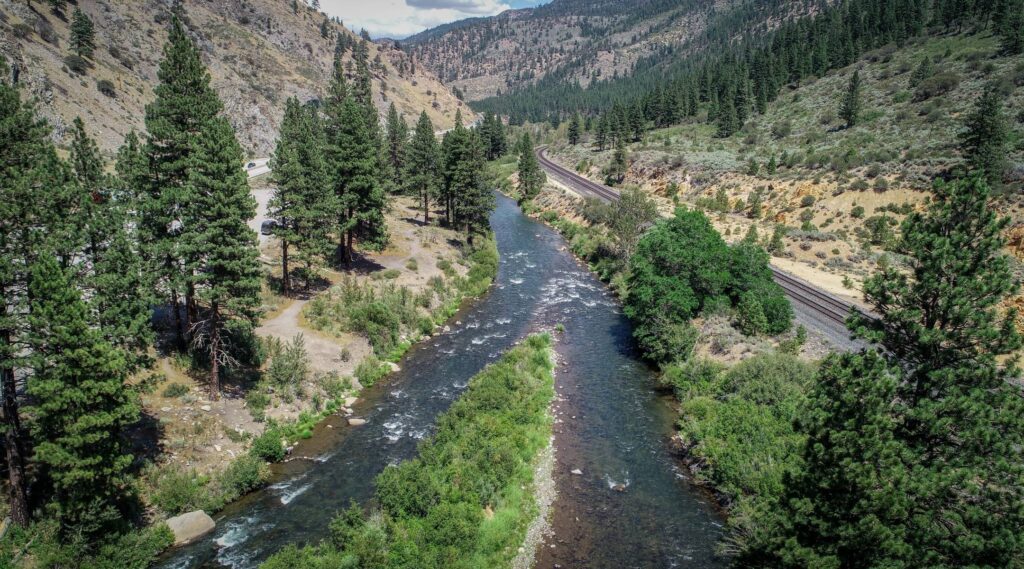
Truckee River Bank Stabilization and Angler Access Project
Read more →: Truckee River Bank Stabilization and Angler Access ProjectBuilt terraced boulder steps to stabilize an eroding Truckee River bank, cutting sediment pollution while giving anglers and…
-
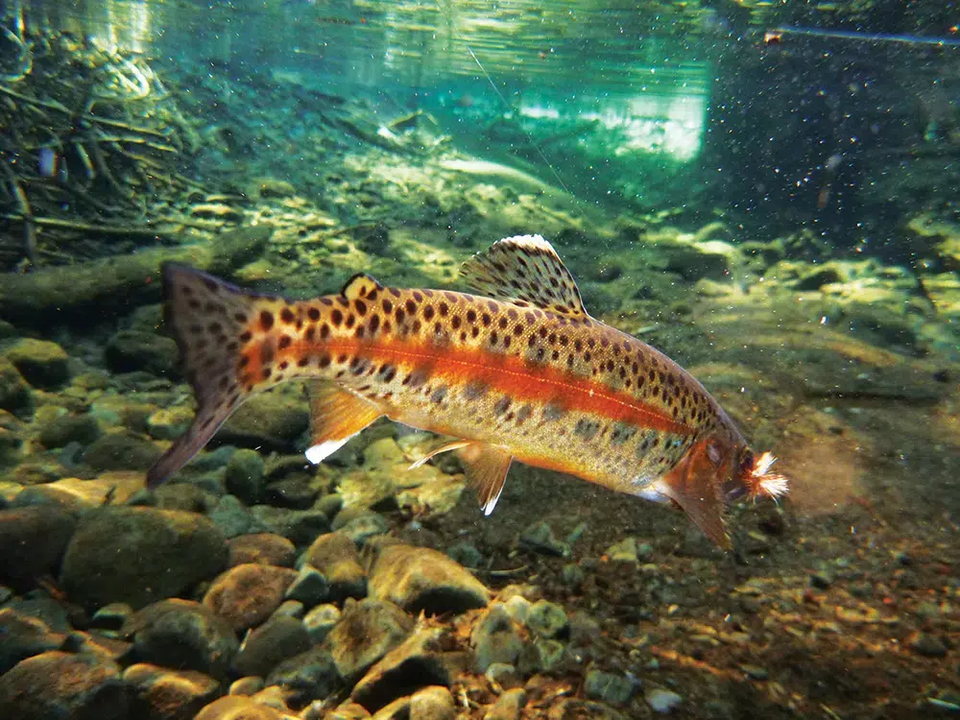
McCloud River Redband Trout Refuge Pool Enhancement
Read more →: McCloud River Redband Trout Refuge Pool EnhancementConstructed refuge pools on two McCloud River tributaries to help California’s only native Redband Trout survive drought.
-
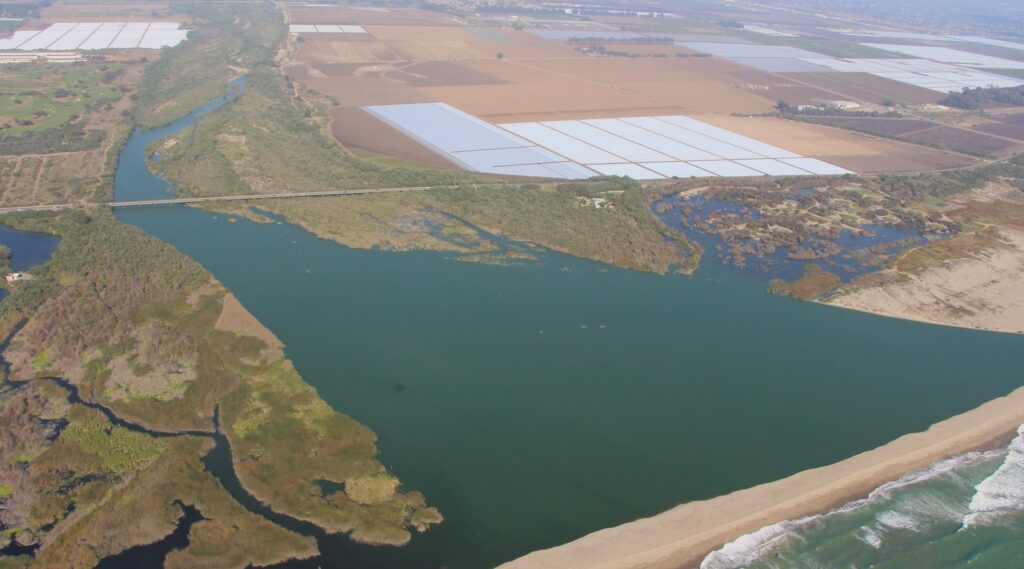
Santa Clara River Floodplain Restoration
Read more →: Santa Clara River Floodplain RestorationRemoved invasive plants to restore 30 acres of riparian habitat along the Santa Clara River, reestablishing critical floodplain…
-
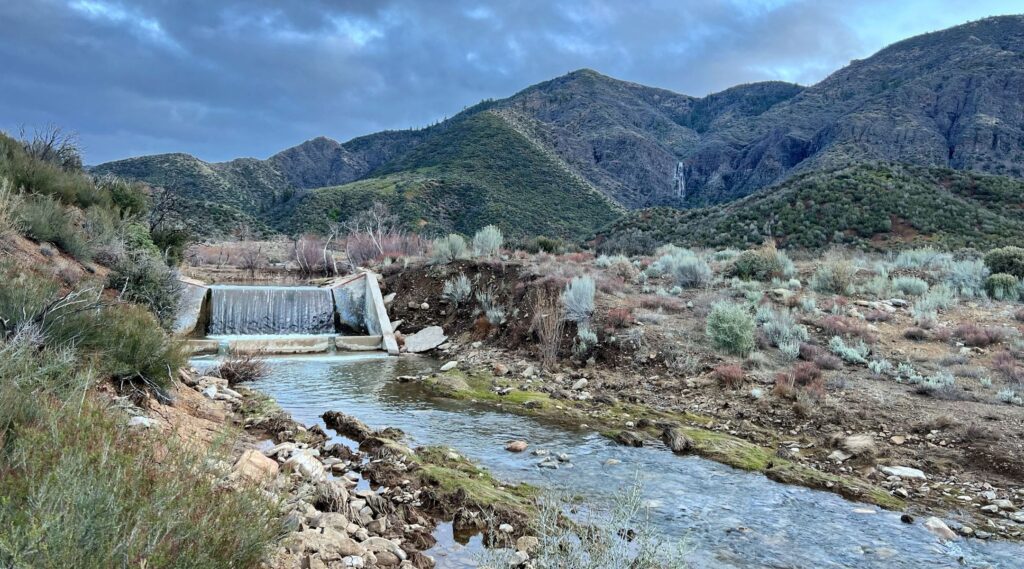
Rose Valley Creek Stream Restoration Project
Read more →: Rose Valley Creek Stream Restoration ProjectRestoring Rose Valley Creek’s spring-fed waters, a Sespe Creek tributary within California’s longest undammed river, to recover endangered…
-
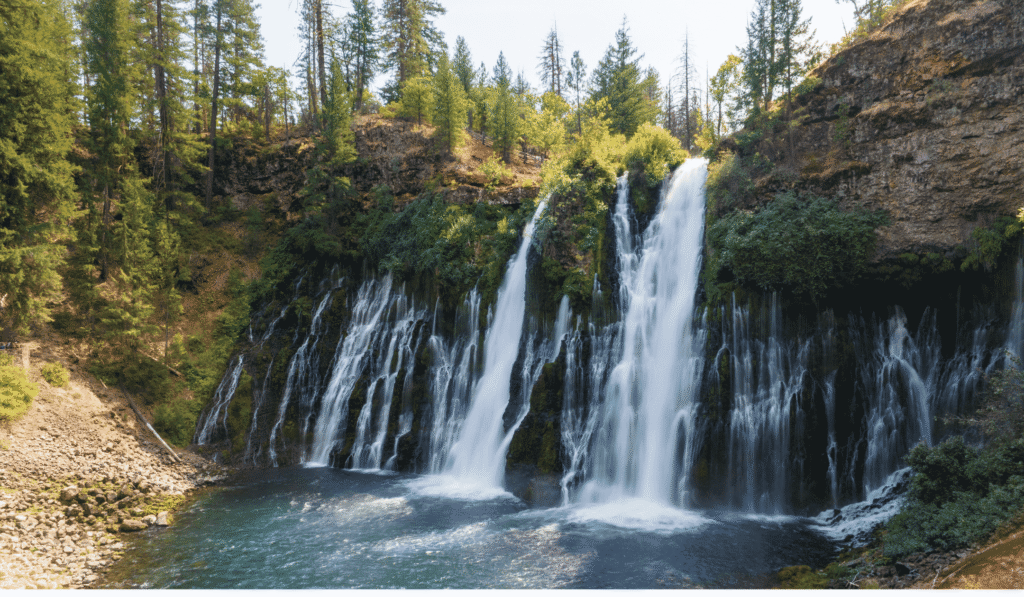
Upper Sacramento Basin Source Waters Science Study
Read more →: Upper Sacramento Basin Source Waters Science StudyBuilding the science needed to understand and protect the cold spring waters that sustain the Upper Sacramento Basin’s…
-
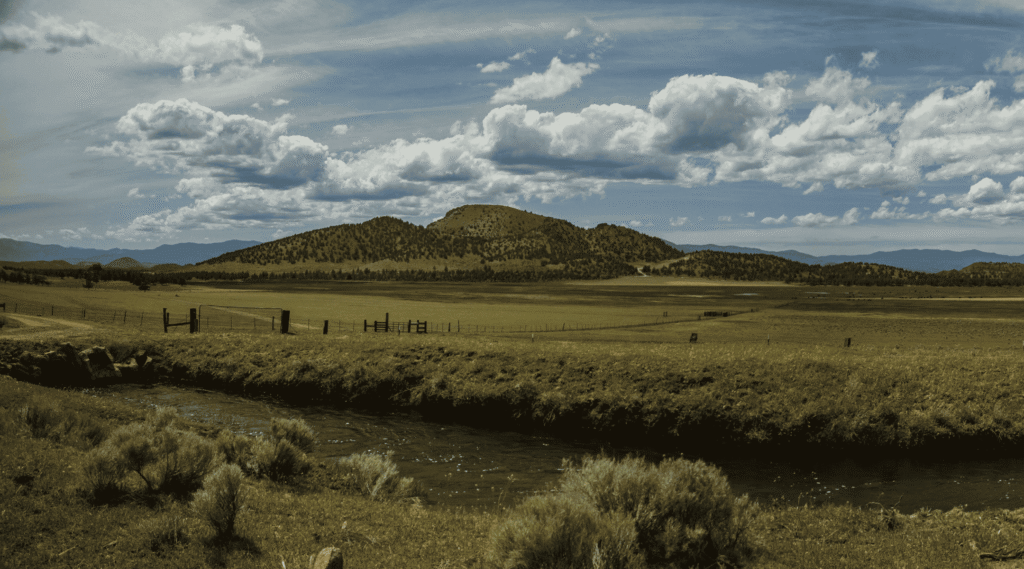
Little Shasta River Flow Enhancement Project
Read more →: Little Shasta River Flow Enhancement ProjectImproved irrigation infrastructure at Hart Ranch, enabling this key landowner to dedicate meaningful water savings back into the…
-
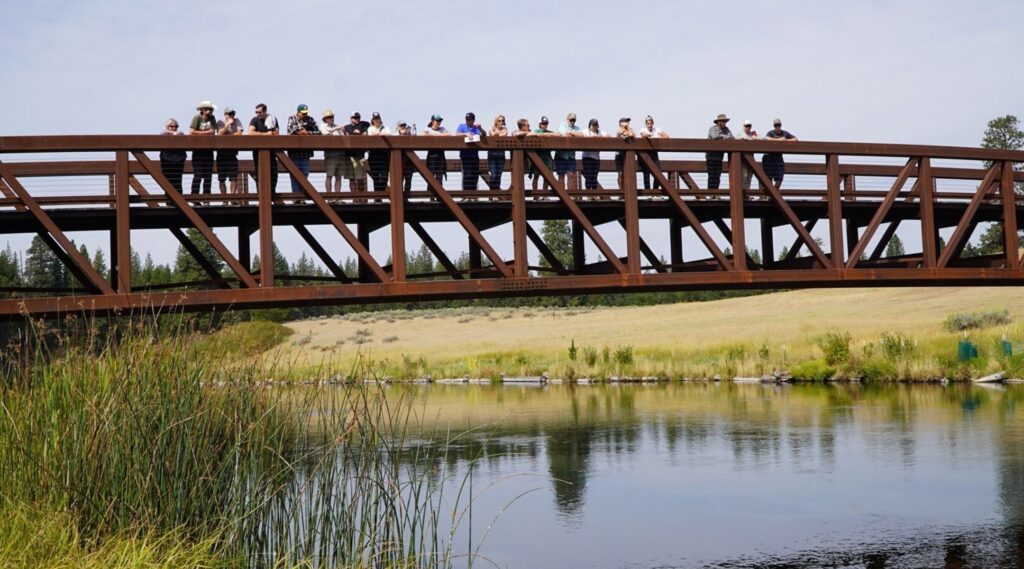
Hat Creek Restoration
Read more →: Hat Creek RestorationRebuilt Hat Creek’s channel with large woody debris to restore 1.5 miles of wild trout habitat while protecting…
-
Evans Springs Flow Restoration to Little Shasta River
Read more →: Evans Springs Flow Restoration to Little Shasta RiverRestoring 160 years of diverted spring flow to the Little Shasta River, returning up to 1,710 acre-feet of…
-
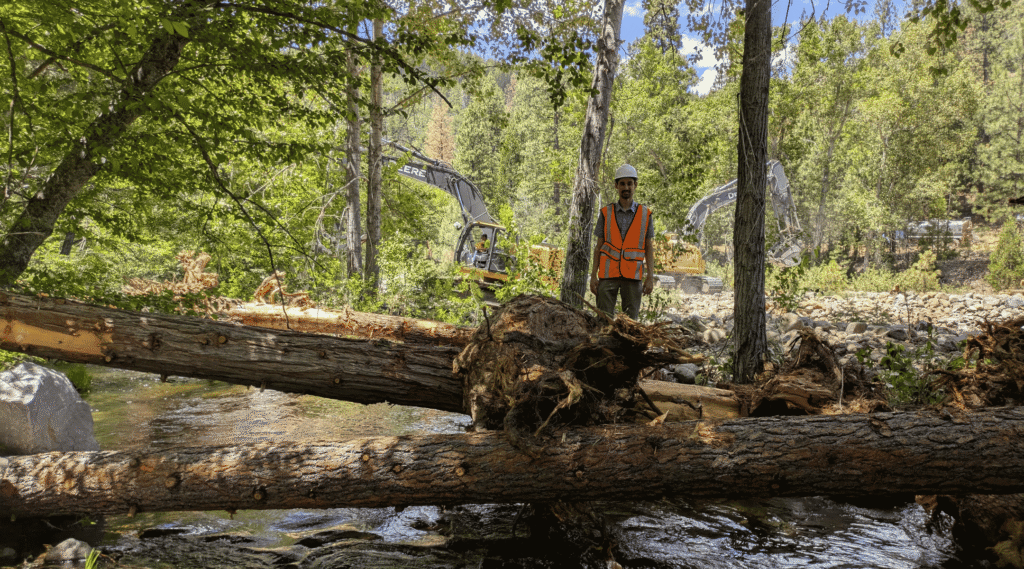
South Fork Scott River, Floodplain & Instream Restoration
Read more →: South Fork Scott River, Floodplain & Instream RestorationRestored prime nursery habitat for juvenile salmon on the South Fork Scott River.
-
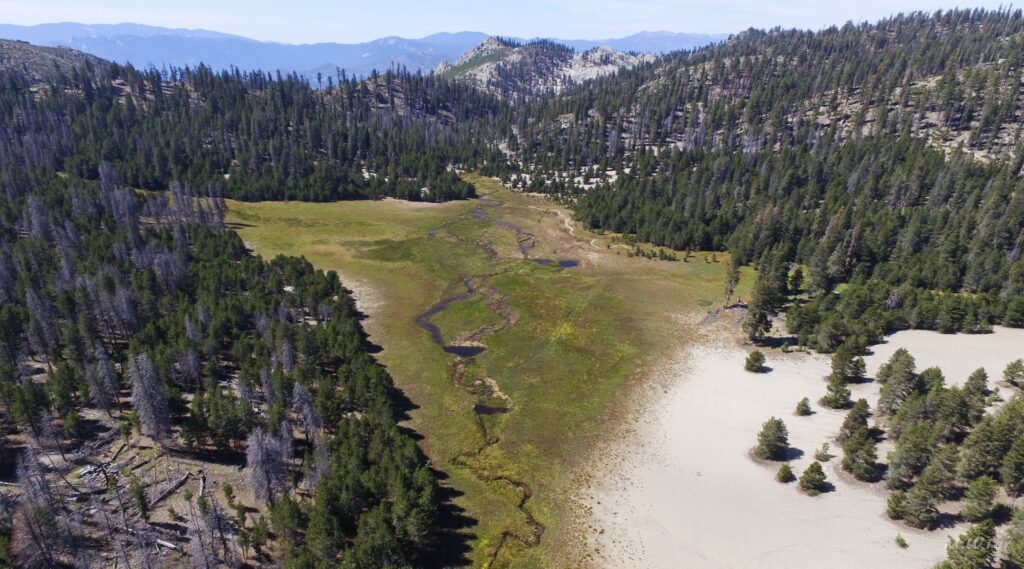
Osa Meadow Research and Restoration
Read more →: Osa Meadow Research and RestorationRestored Osa Meadow to build climate resilience and support Kern River Rainbow Trout recovery, while studying how restoration…
-
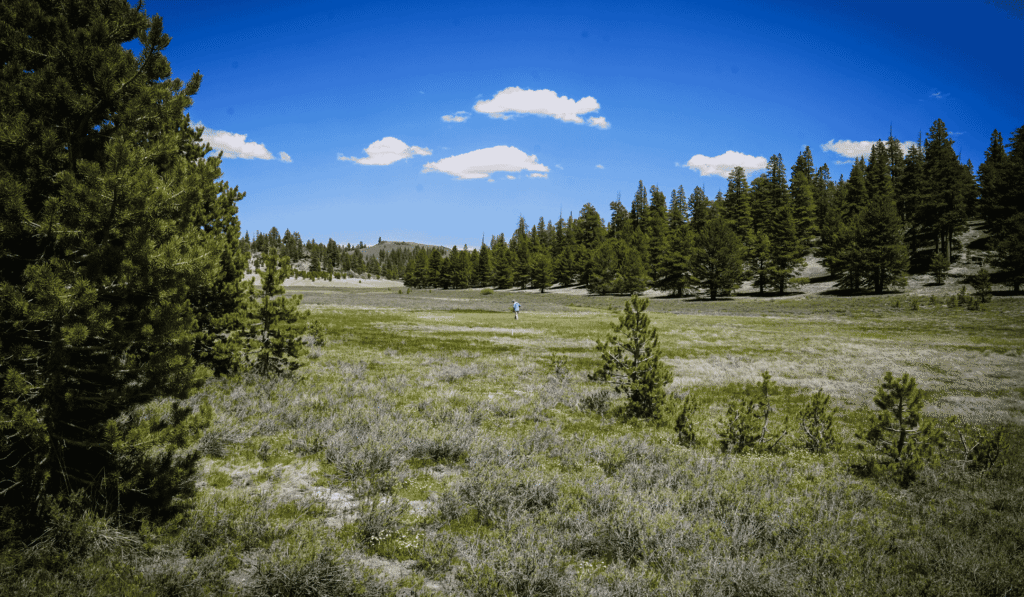
Prioritizing and Restoring Sierra Meadows
Read more →: Prioritizing and Restoring Sierra MeadowsRestore 30,000 meadow acres in the Sierra Nevada to ensure sustainable water supply for Californians and native species…
-
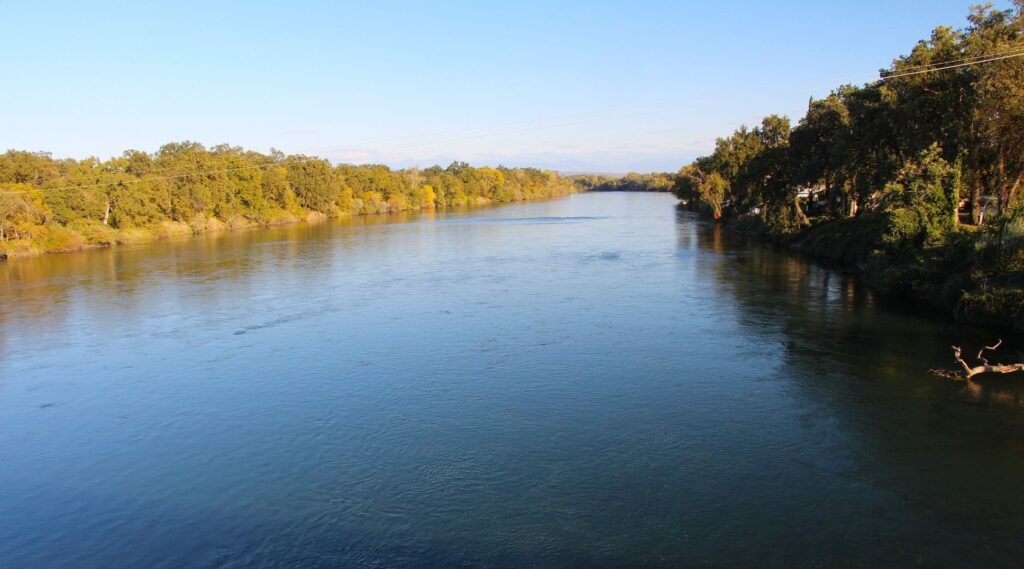
Sacramento Valley String of Pearls Floodplain Restoration Program
Read more →: Sacramento Valley String of Pearls Floodplain Restoration ProgramStitching together disconnected floodplain habitat along 300 miles of the Sacramento River, from Redding to Rio Vista, into…
-
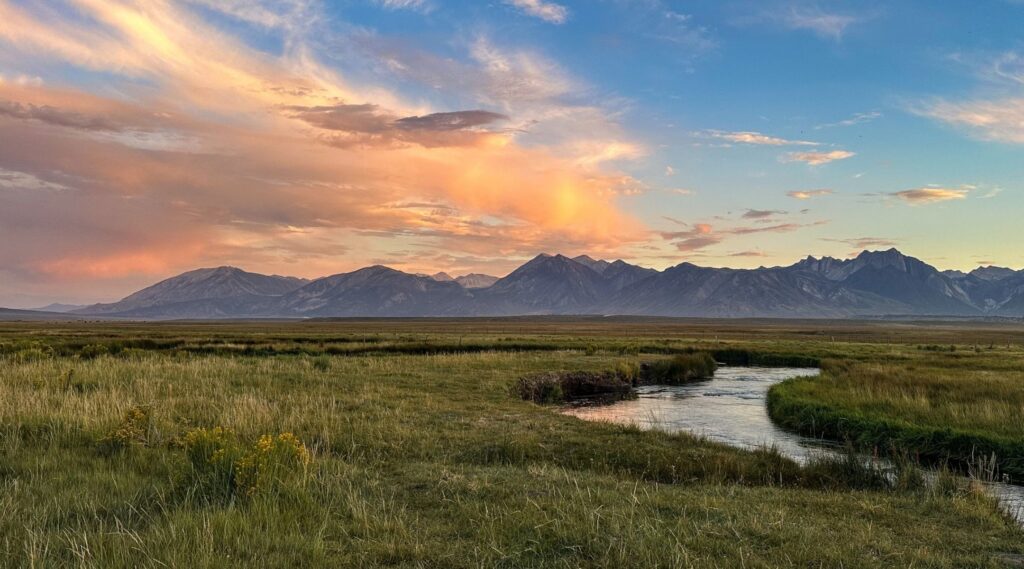
Owens River Protection
Read more →: Owens River ProtectionHolding Los Angeles and Mammoth Lakes water agencies to their 2013 settlement commitments to keep enough water flowing…
Support Caltrout
We can’t take California for granted.
At CalTrout, our goal is to restore vibrance and abundance to California’s freshwater ecosystems, and to keep them that way for years to come. With the help of local and national partners, we are building a future where wild fish and flowing rivers remain a defining part of California.