Why Fish?
Trout, salmon, and steelhead matter — not just as iconic species, but as some of the clearest signals we have of a watershed’s health. Where they thrive, watersheds are healthy, water is clean, communities are resilient, and ecosystems are functioning. Where they disappear, something larger is breaking down. At CalTrout, our work is not just about the fish. It’s about everything their presence, or their absence, tells us about the rivers, communities, and future we all depend on.
It’s not about the fish
Why this matters now
When Fish Are Healthy, Everything Else Follows
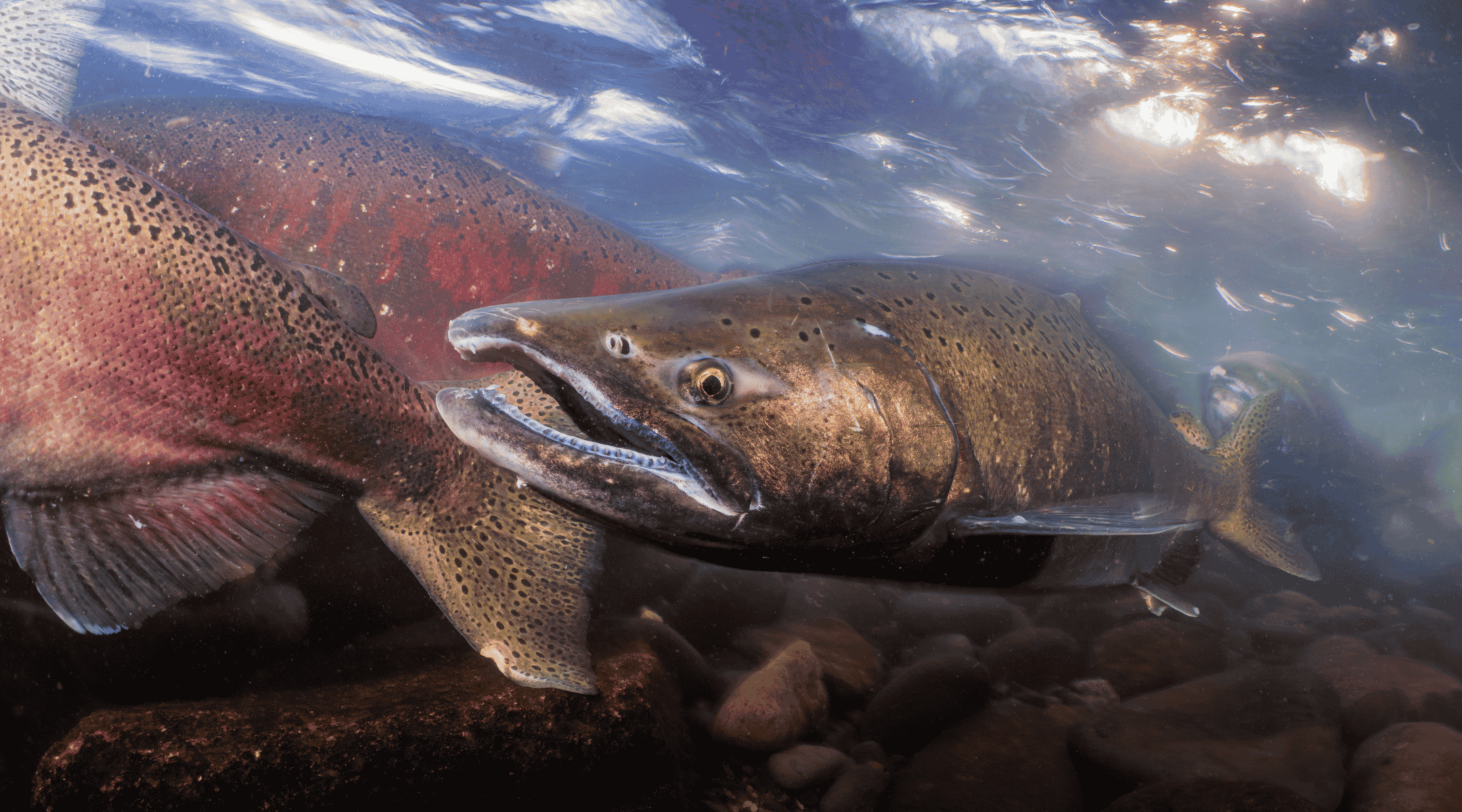
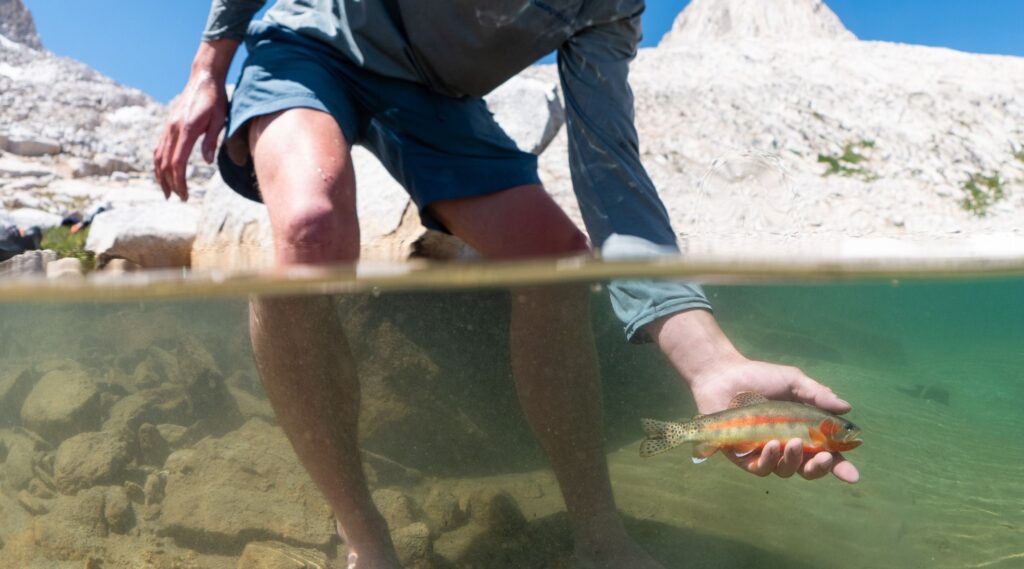
California’s trout, salmon, and steelhead are iconic and culturally significant — but they also serve as critical indicators of ecosystem health. As indicator species, their presence or absence reflects the condition of the entire watershed: water temperature, flow, habitat complexity, food web integrity, and more. A river healthy enough to support wild fish is a river healthy enough to support biodiversity, other wildlife, and the communities we live in.
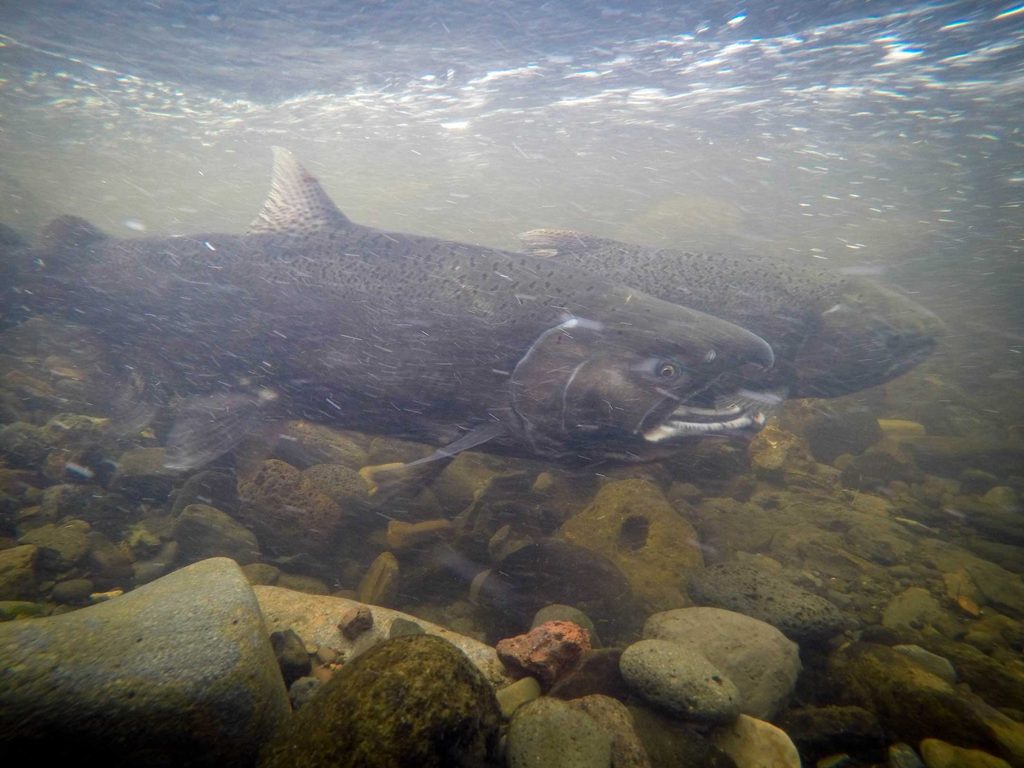
Their influence extends well beyond the water’s edge. When salmon return from the ocean to spawn, they carry marine nutrients deep into forested landscapes — feeding everything from streamside vegetation to bears to songbirds. A single salmon can fertilize up to 5,000 square feet of forest, more than four tennis courts’ worth of nutrients in one fish. When rivers run cold and clear through intact floodplains, they recharge the groundwater that sustains farms, communities, and fire-resilient landscapes long after the rains stop. The fish are the signal. The ecosystem is the story.
Water Security
Healthy watersheds that support wild fish filter and store water naturally. One healthy river system with strong salmon runs filters more than 250 million gallons of water daily — enough to fill 380 Olympic swimming pools. Functioning floodplains recharge aquifers, a key source of California’s drinking water. Cold, shaded streams naturally stay clean. Restoring rivers for fish means building the water infrastructure California will need as the climate shifts.
Climate Resilience
Intact riparian corridors sequester carbon, buffer against flood and drought, and moderate stream temperatures. Fish passage projects and dam removals reconnect rivers to their floodplains, restoring natural processes that no engineered system can fully replicate or sustain without constant human intervention.
Community Health
The rivers where steelhead spawn are the same rivers that flow through backyards, supply municipal water systems, and define the character of the places we call home. When those rivers degrade, communities feel it — through degraded water quality, increased flood risk, diminished recreation, and the loss of a landscape that once felt alive.
Cultural Continuity
For Tribal Nations across California, salmon and steelhead are central to identity, ceremony, and sovereignty. Their decline is not just an ecological threat, but a cultural one. The recovery of healthy fish populations is inseparable from justice.
Economic Vitality
Commercial fishing, recreational angling, tourism, and outdoor recreation industries — worth over a trillion dollars — all depend on healthy rivers and native fish populations. So do the farming communities that rely on water flowing from intact watersheds. Protecting California’s watersheds is as much an economic imperative as an ecological one.
Native Salmonids
Explore California’s native fish.
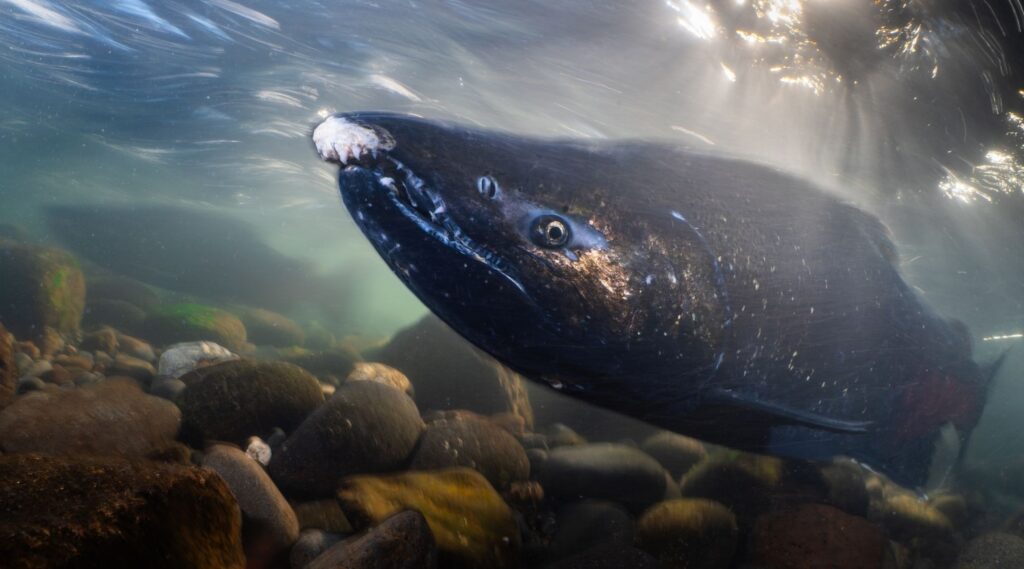
From steelhead to coastal cutthroat, California’s native fish are essential to healthy rivers and thriving ecosystems.
-
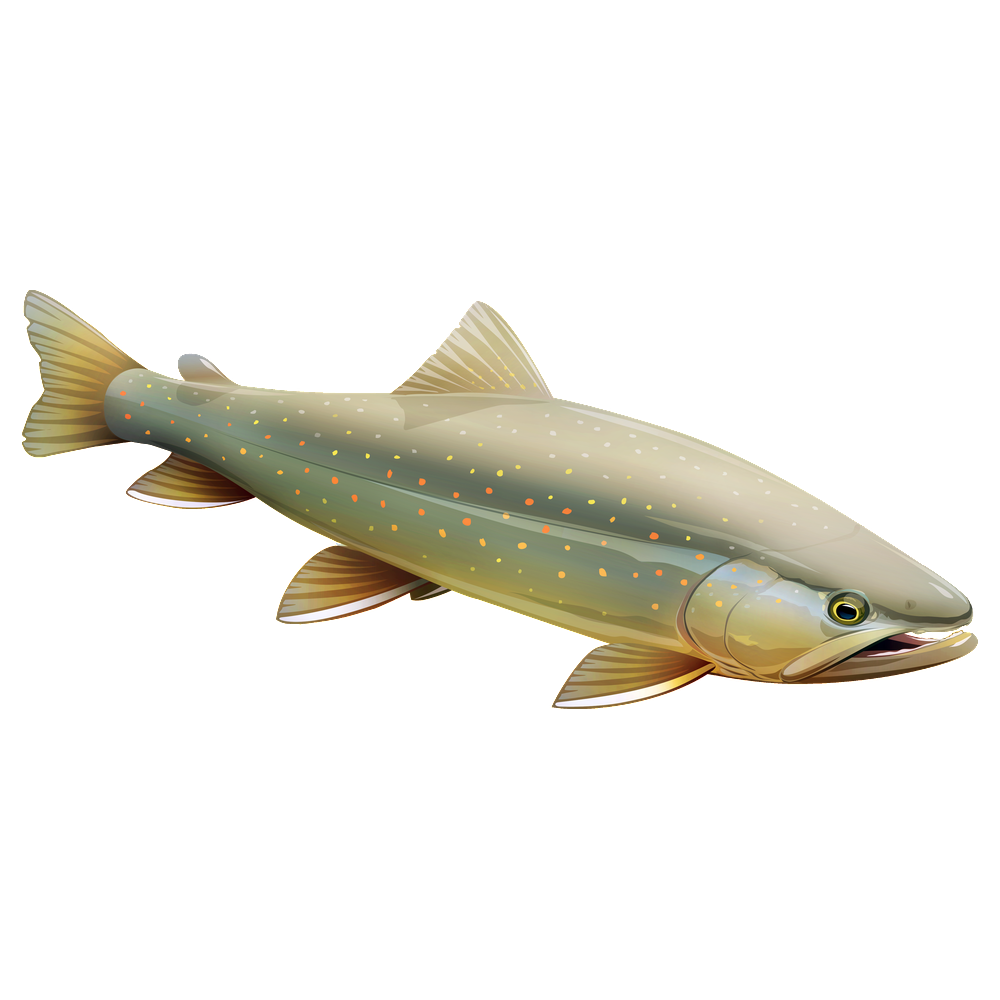
Bull Trout
-
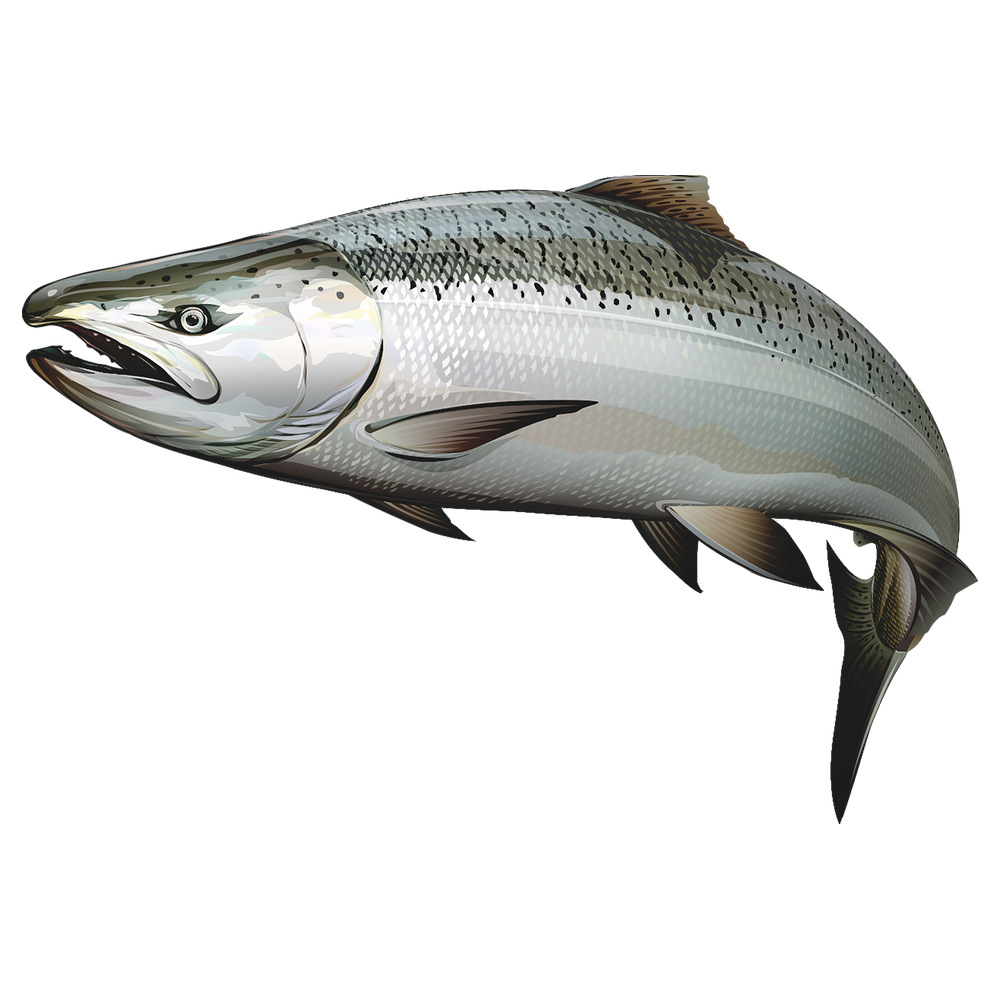
California Coastal Chinook Salmon
-
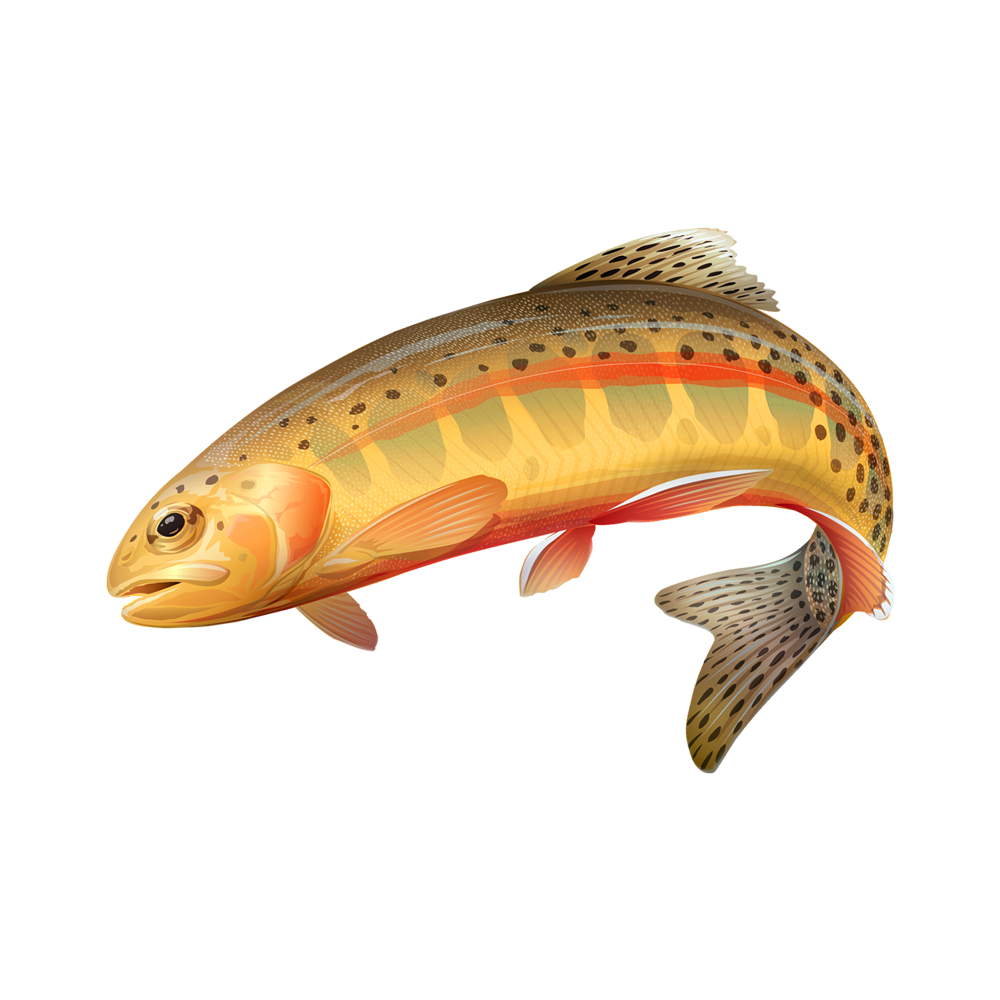
California Golden Trout
-
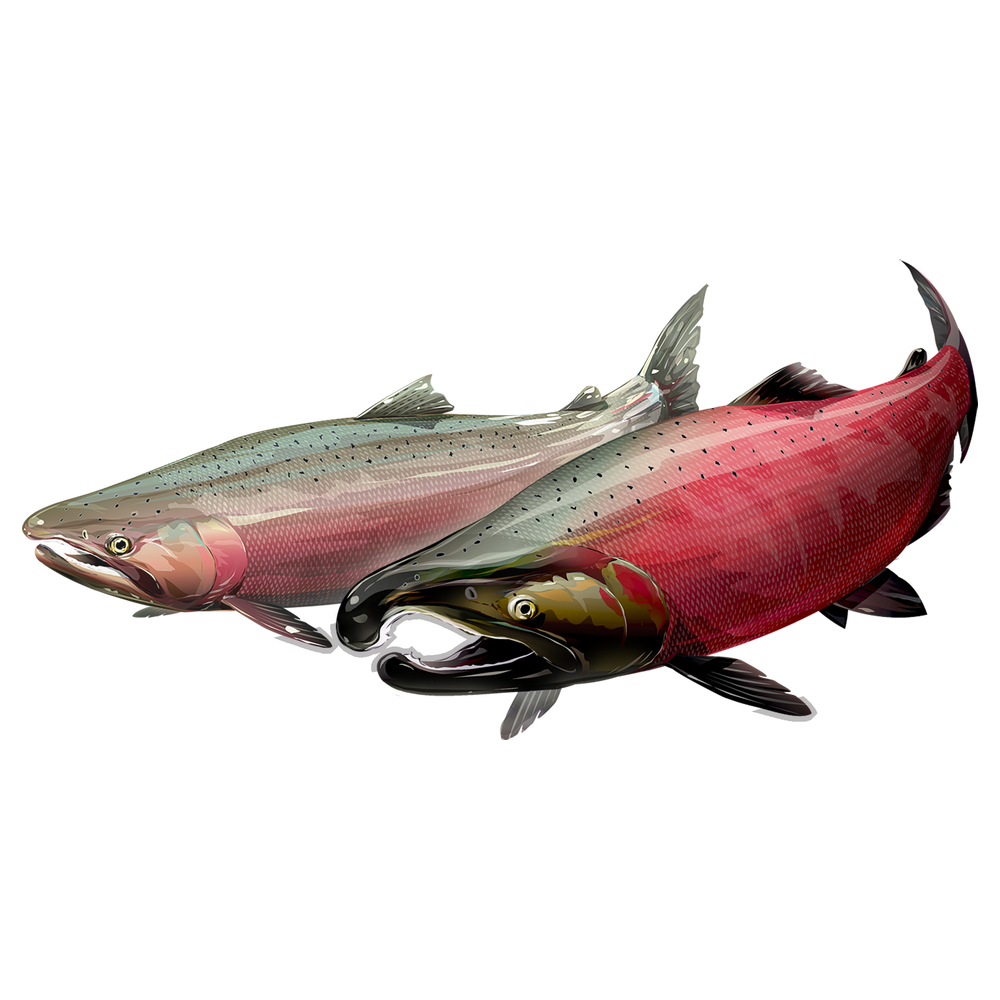
Central California Coast Coho Salmon
-
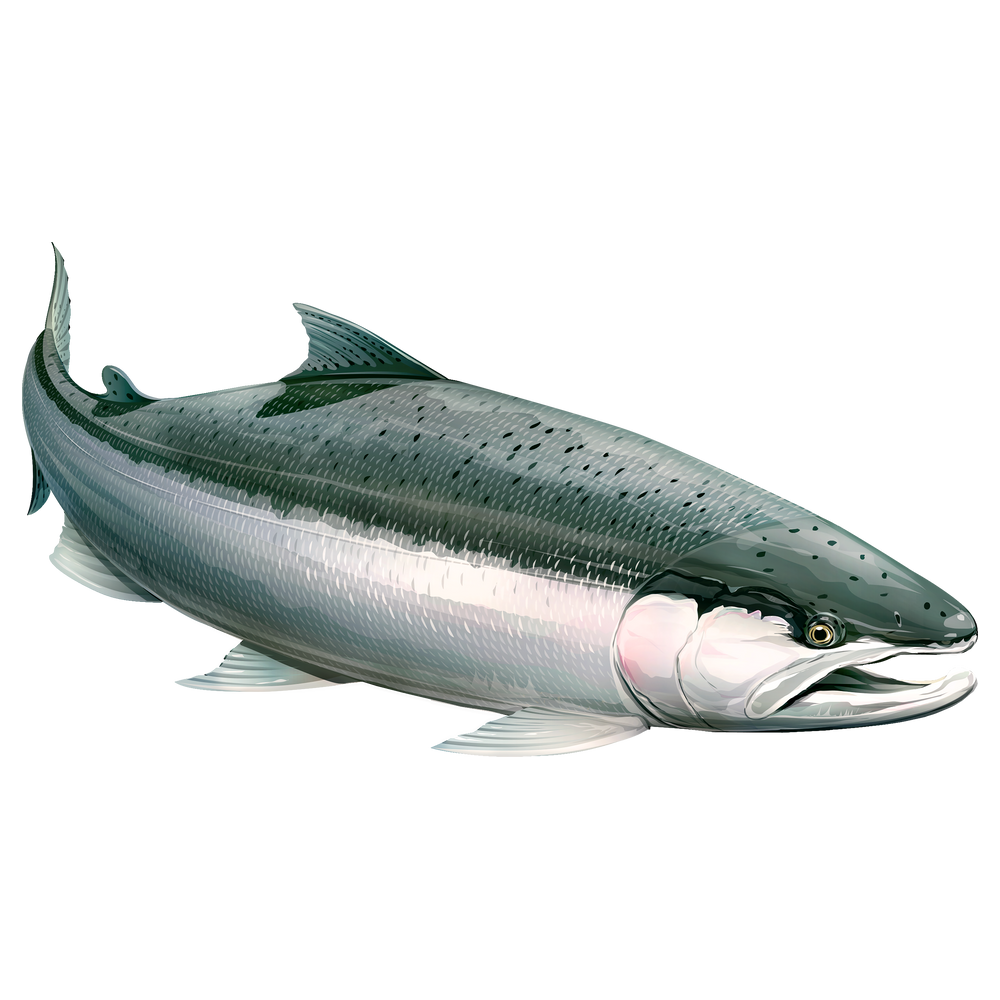
Central California Coast Steelhead
-
Central Valley Fall-Run Chinook Salmon
-
Central Valley Late Fall-Run Chinook Salmon
-
Central Valley Spring-Run Chinook Salmon
-
Central Valley Steelhead
-
Chinook Salmon
-
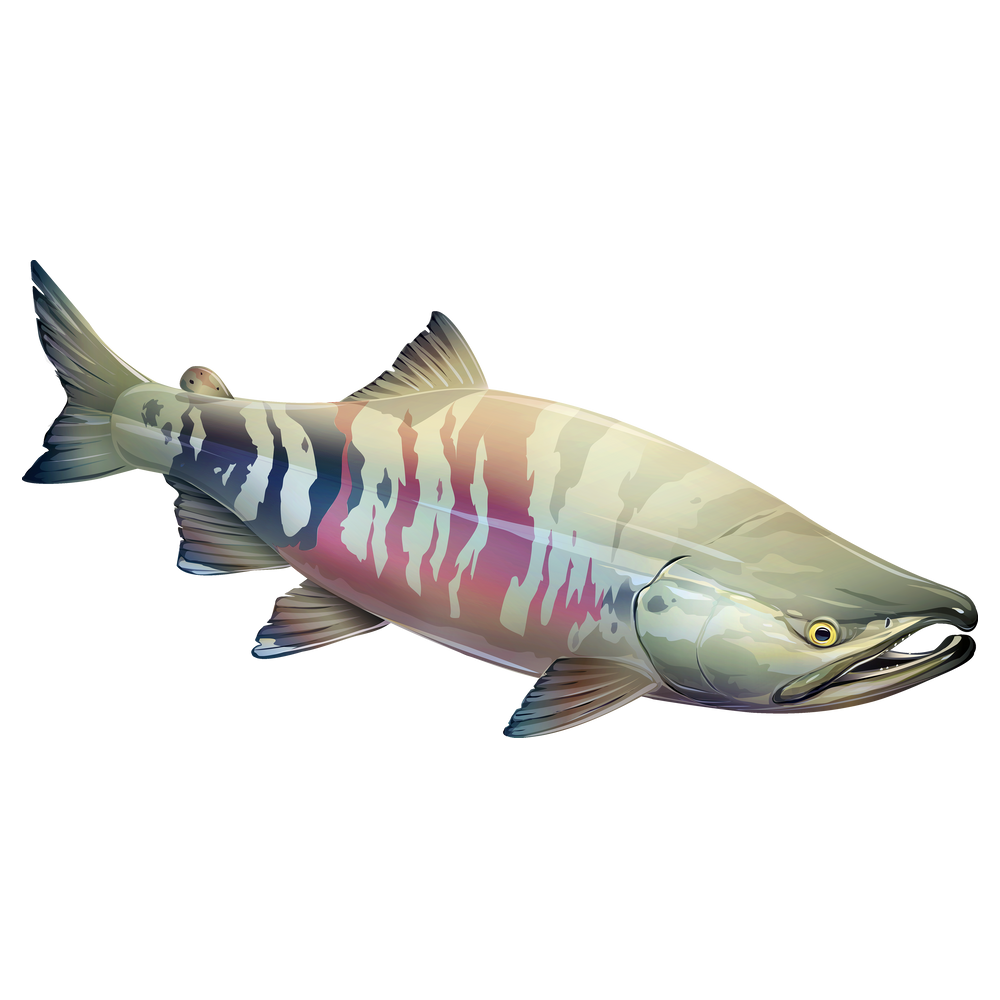
Chum Salmon
-
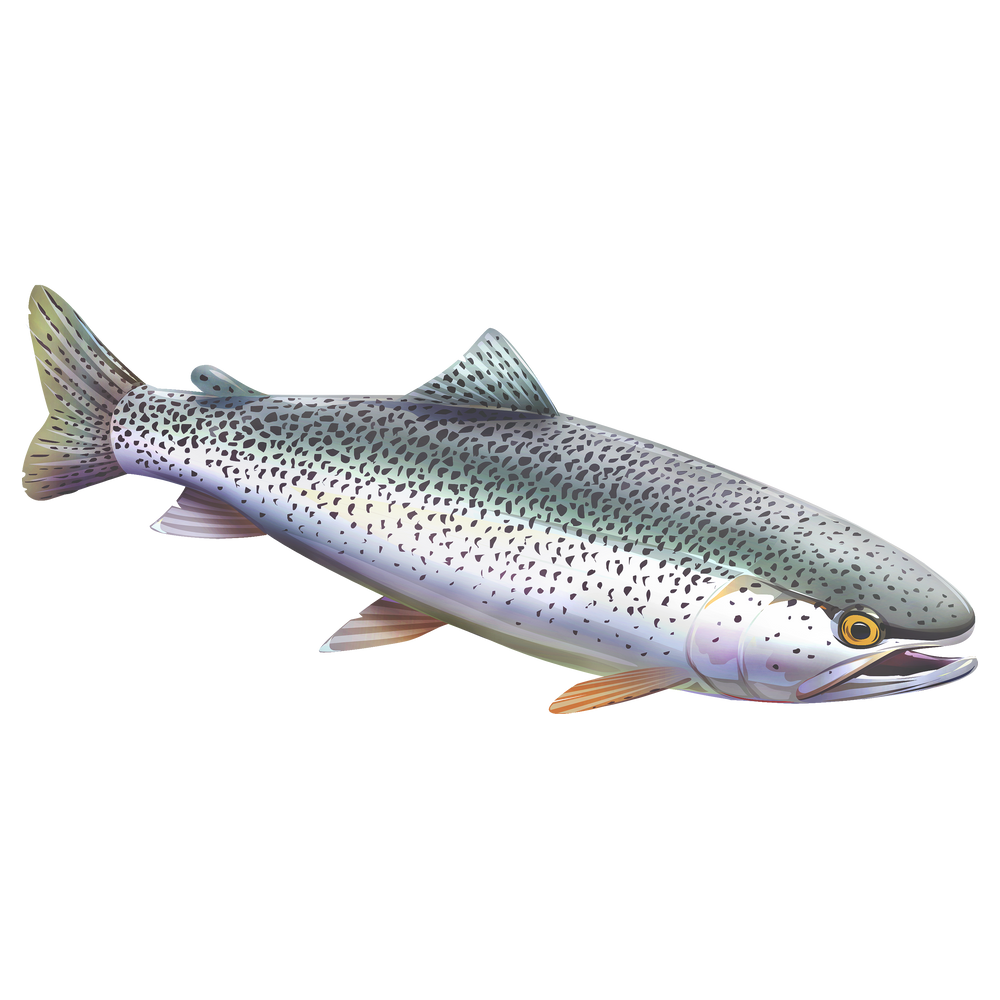
Coastal Cutthroat Trout
-
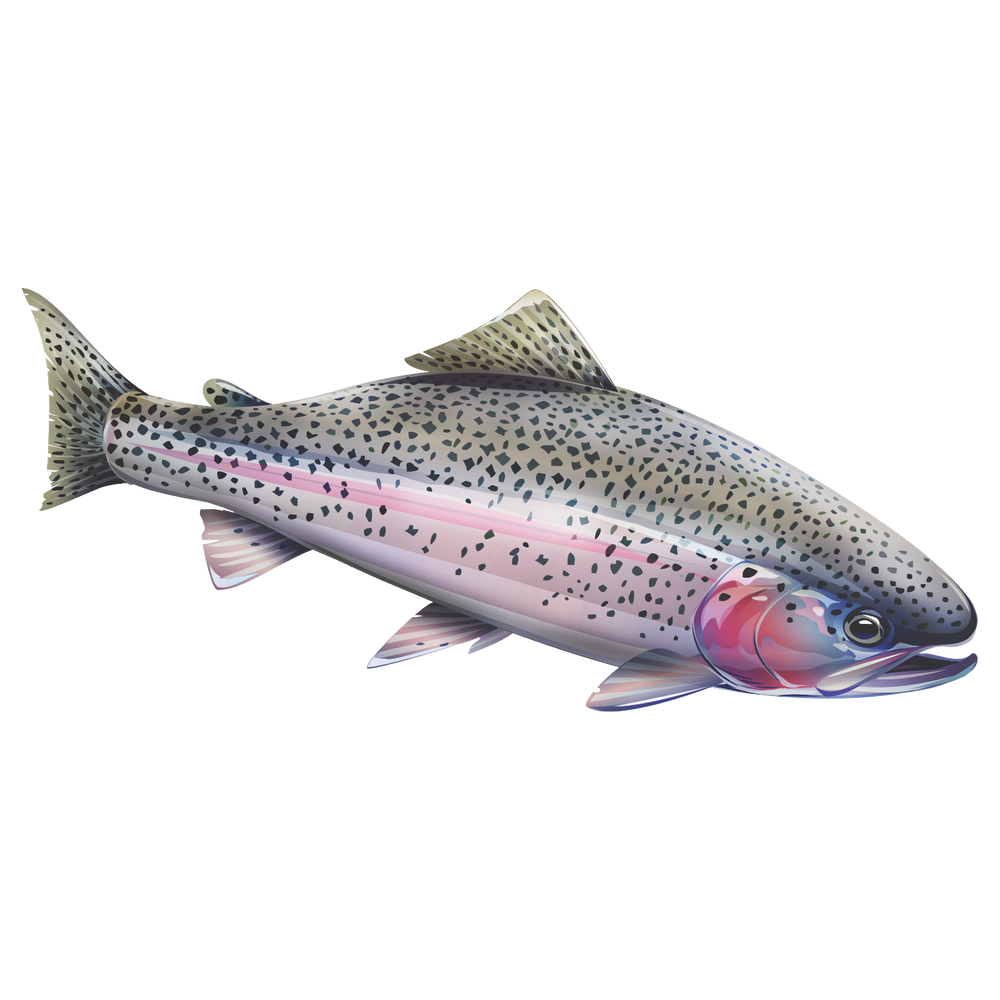
Coastal Rainbow Trout
-
Coho Salmon
-
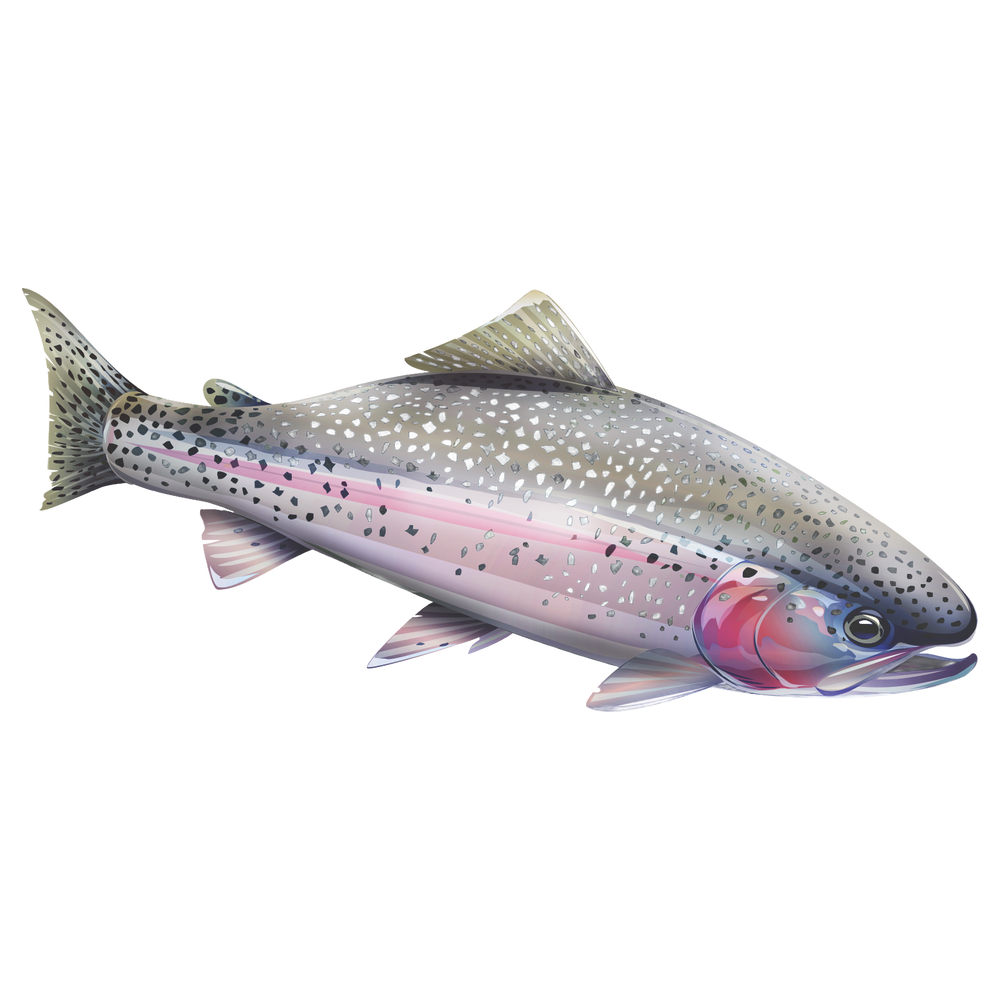
Eagle Lake Rainbow Trout
-
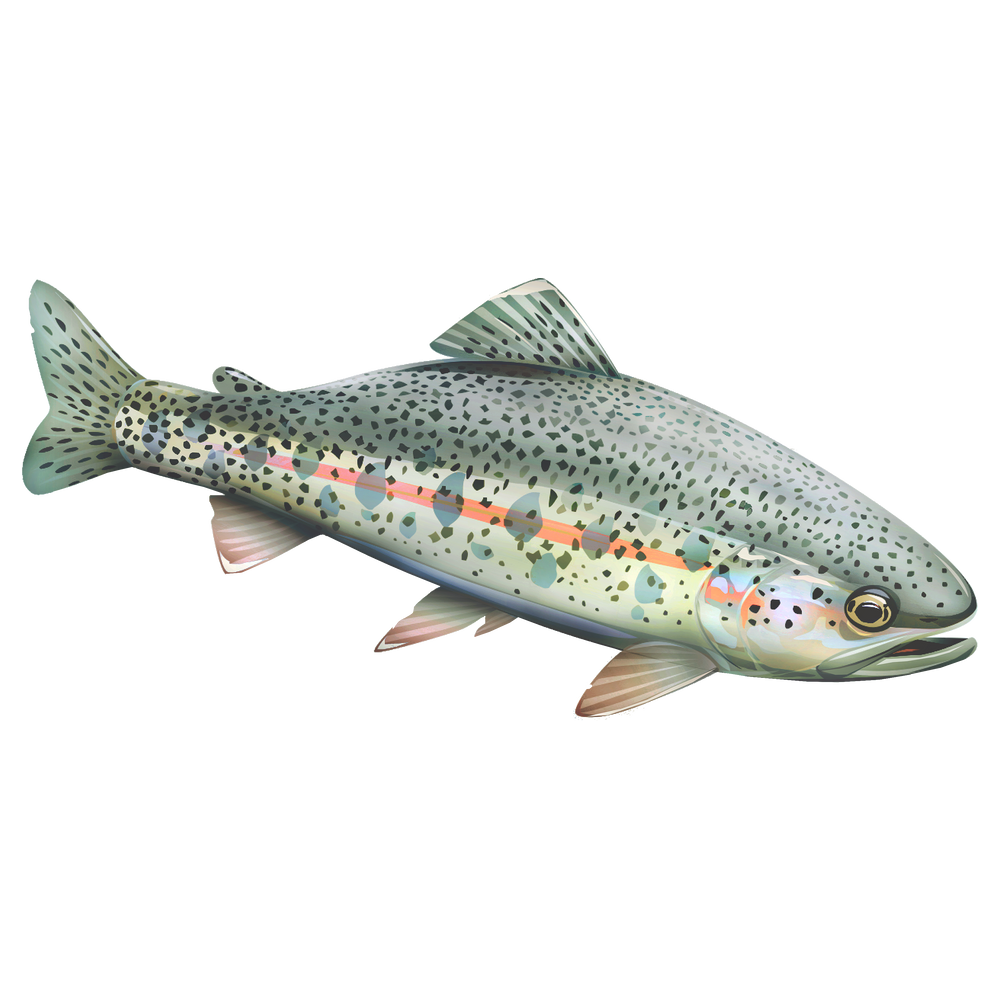
Goose Lake Redband Trout
-
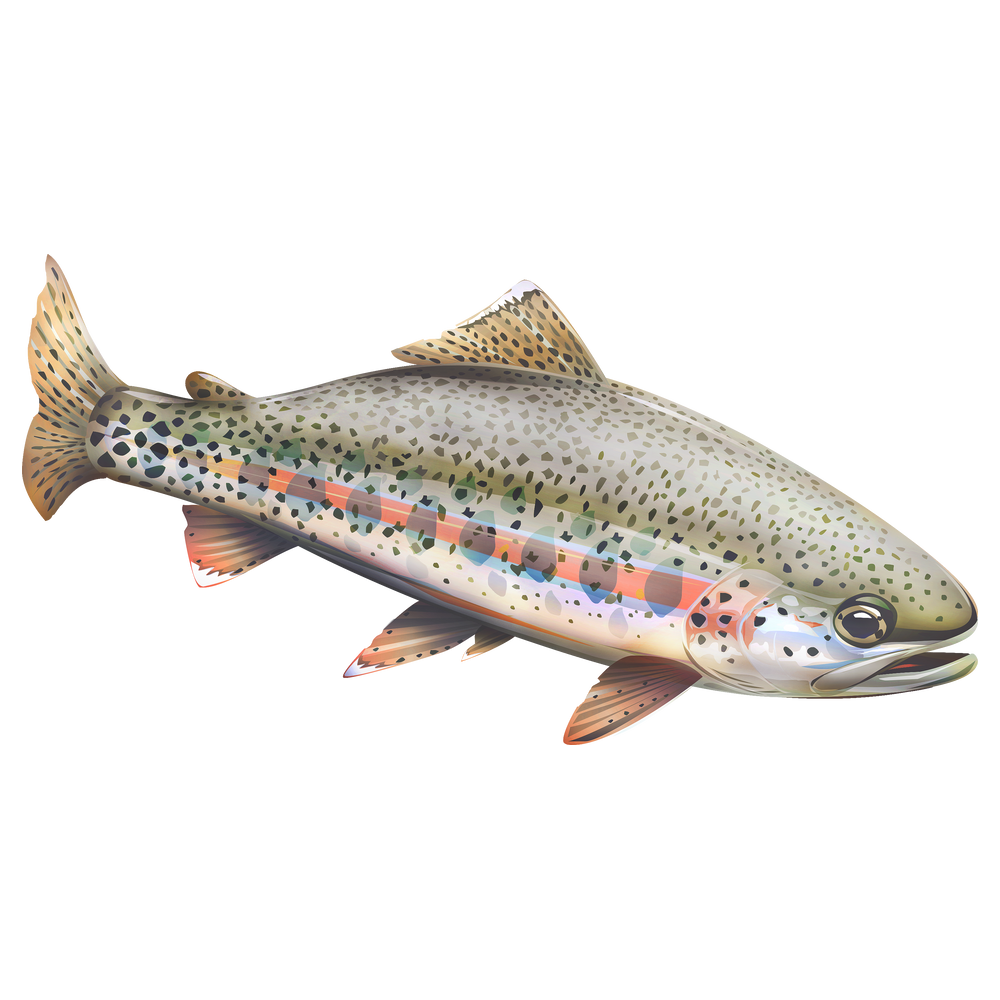
Kern River Rainbow Trout
-
Klamath Mountains Province Summer Steelhead
-
Klamath Mountains Province Winter Steelhead
-
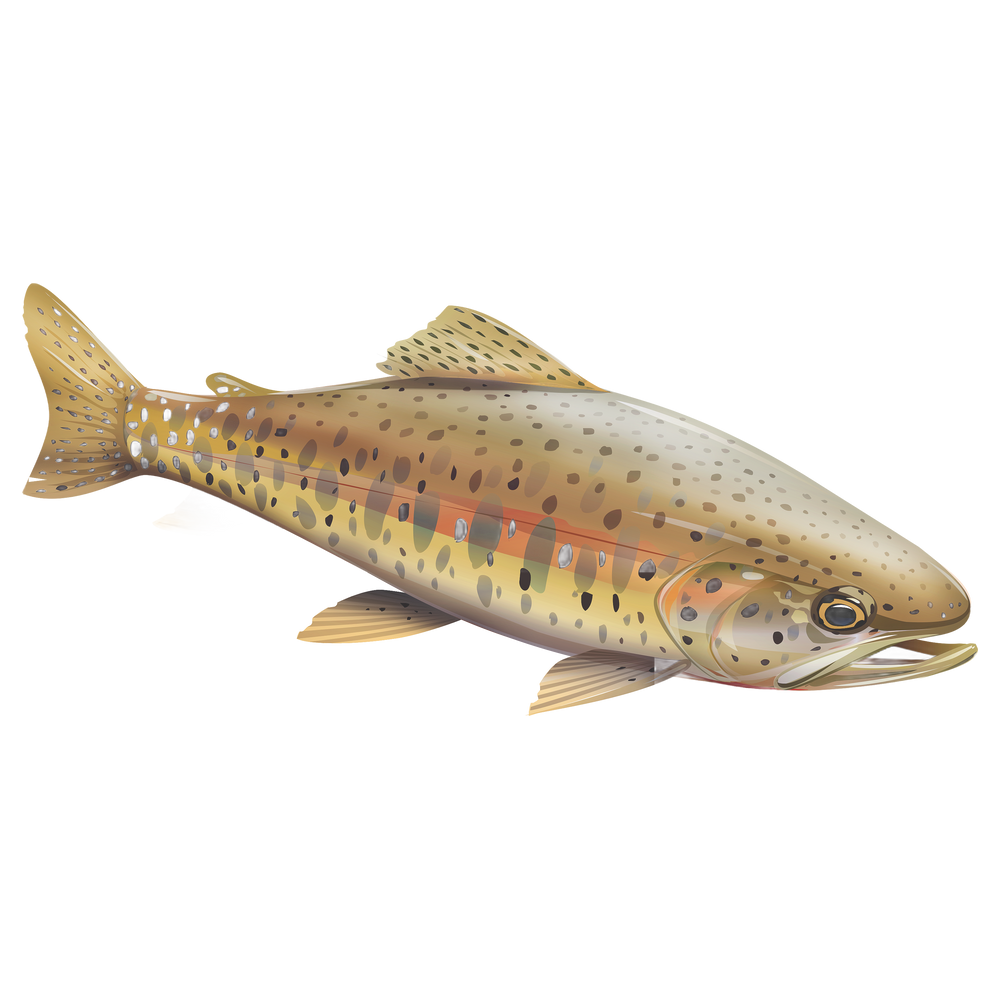
Lahontan Cutthroat Trout
-
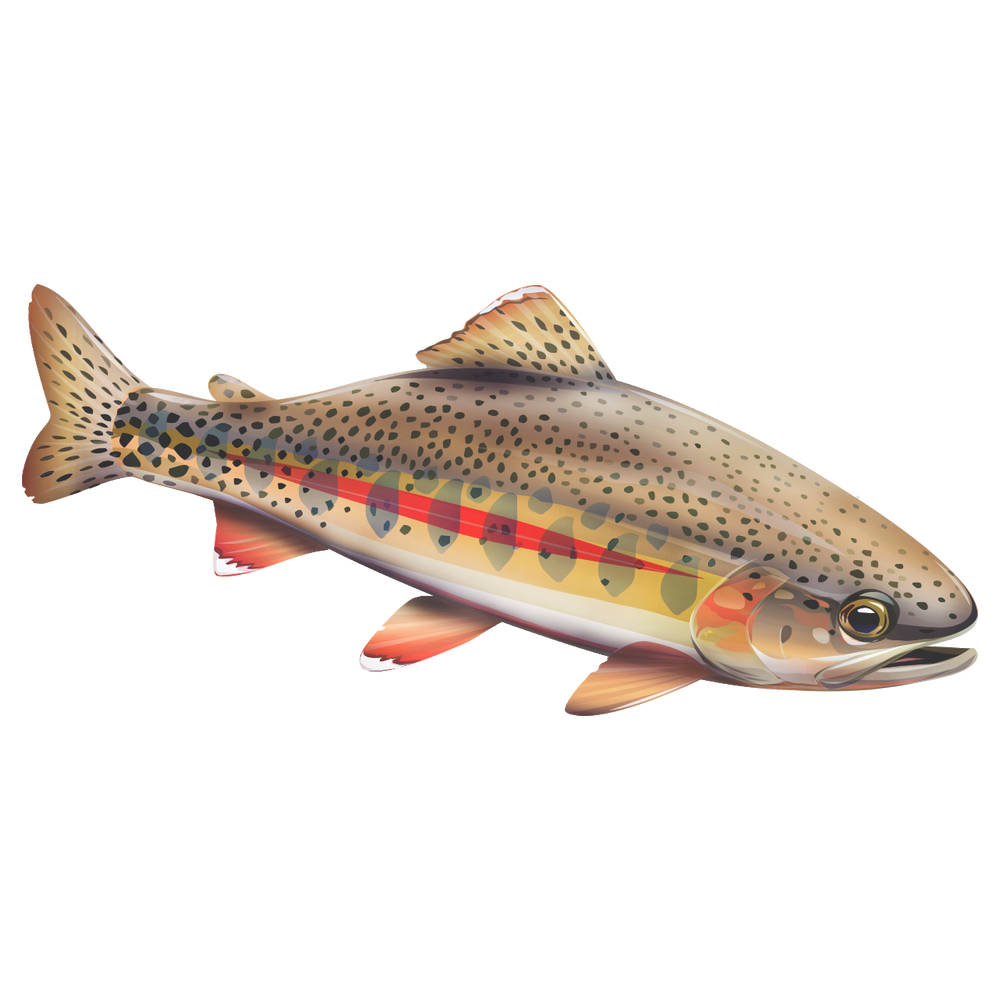
Little Kern Golden Trout
-
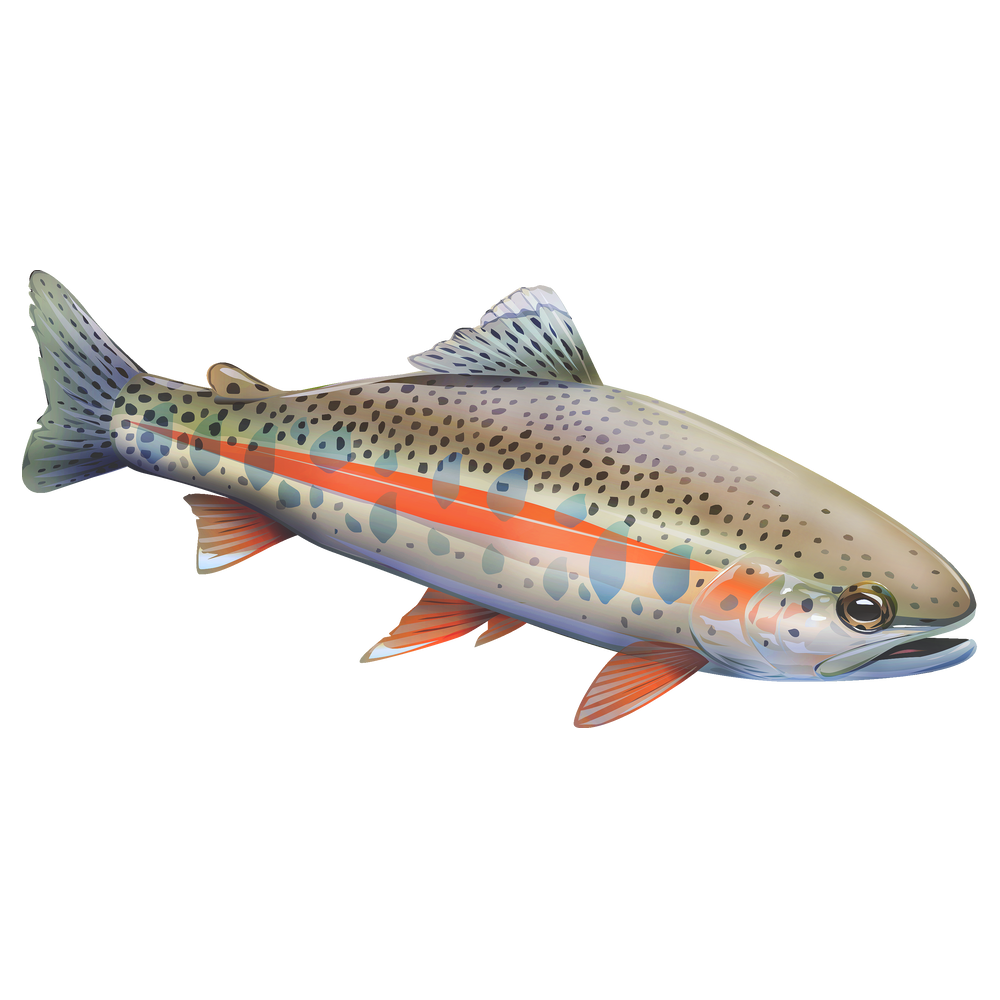
McCloud River Redband Trout
-
Northern California Summer Steelhead
-
Northern California Winter Steelhead
-
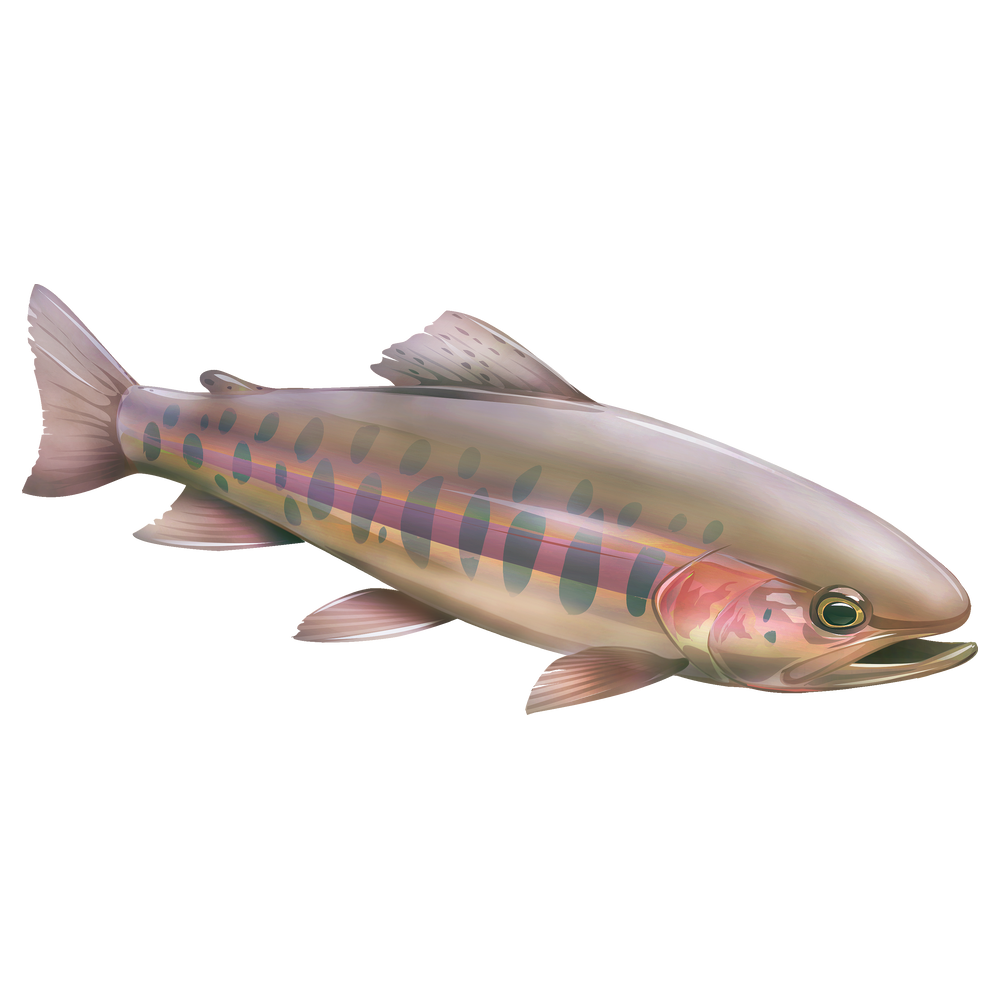
Paiute Cutthroat Trout
-
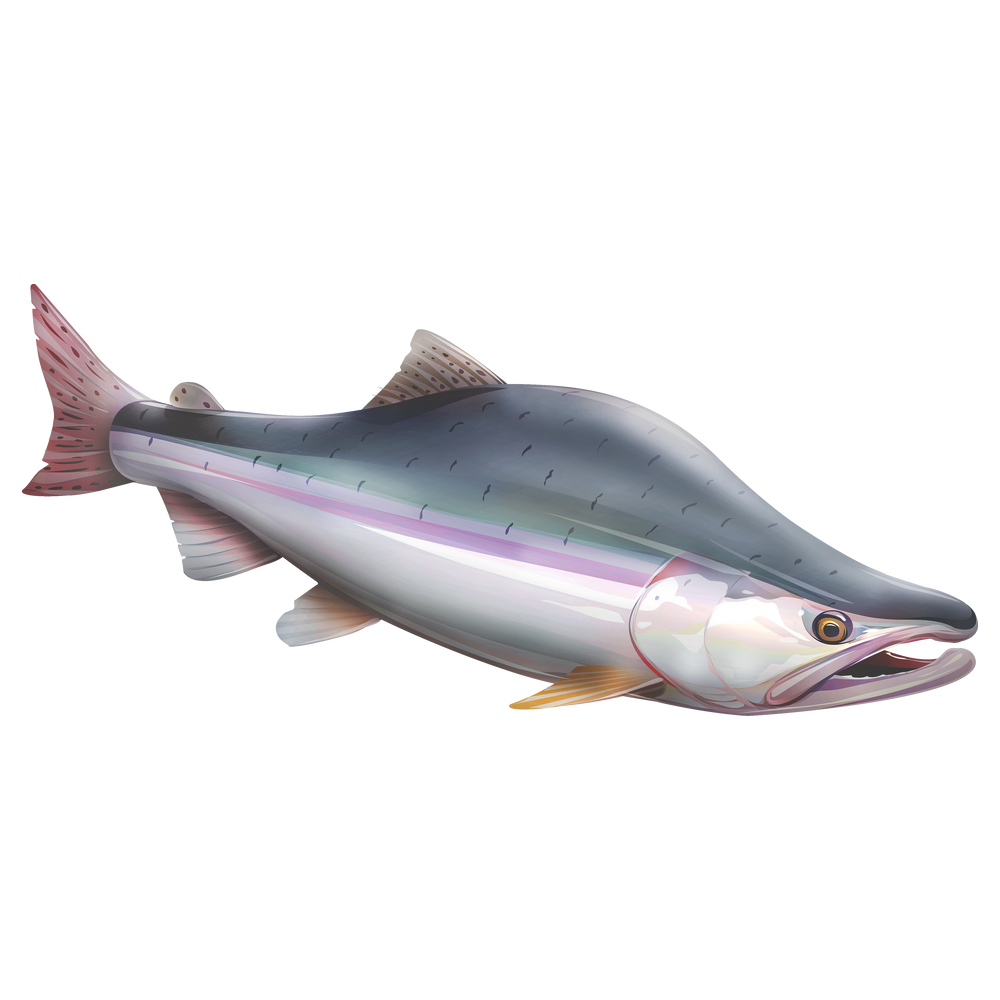
Pink Salmon
-
Sacramento River Winter-Run Chinook Salmon
-
South-Central California Coast Steelhead
-
Southern Oregon/Northern California Coast Chinook Salmon
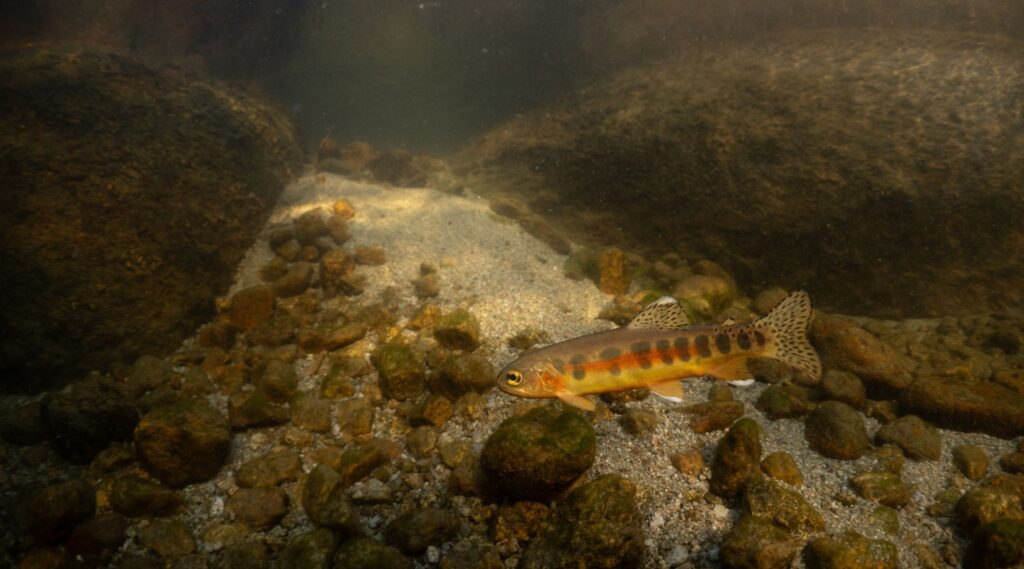
We Protect Fish Because Protecting Fish Means Protecting California
CalTrout was founded more than 50 years ago by a group of anglers who knew that everything they loved about California was tied to healthy fish populations. Wild fish abundance might be the goal, but that’s because we know what it means for California as a whole. Every dam we remove, every culvert we replace, every instream flow we restore, every acre of riparian habitat we bring back strengthens the communities that make California incredible. It cleans water. It reduces flood risk. It stores carbon. It honors Tribal relationships with land and water that predate statehood by millennia. It makes the places people live more resilient to the climate change impacts already being felt today.
The vision behind everything we do is science-driven conservation that recovers fish populations and, in doing so, revives the health of entire watersheds, landscapes, and communities. The fish tell us how we’re doing. We must listen — California’s future depends on it.
Our work in action
Restoring California’s wild fish through statewide watershed restoration work
-
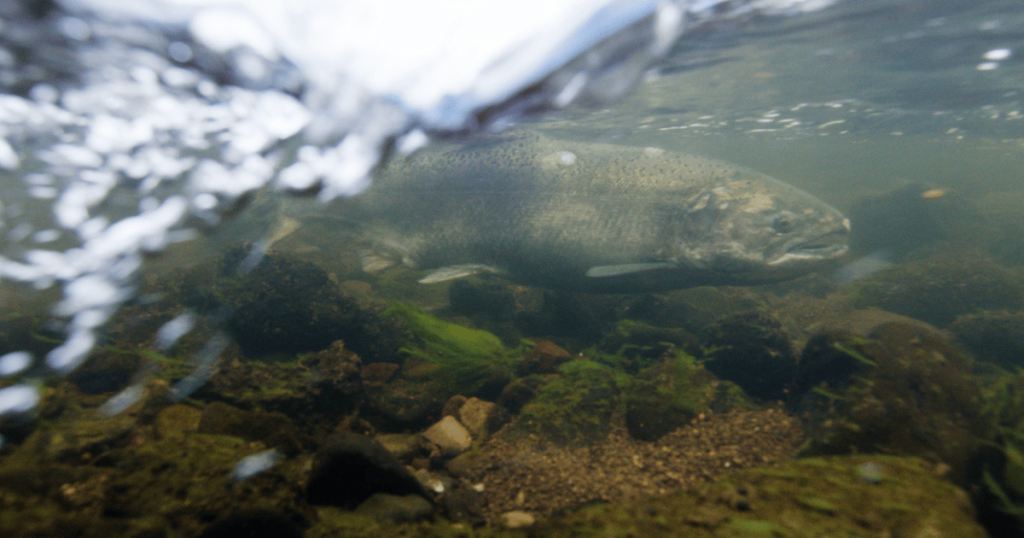
Klamath River Salmon & Steelhead Monitoring Program
Read more →: Klamath River Salmon & Steelhead Monitoring ProgramMonitoring how salmon and steelhead are reclaiming 400 miles of habitat reopened by the world’s largest dam removal…
-
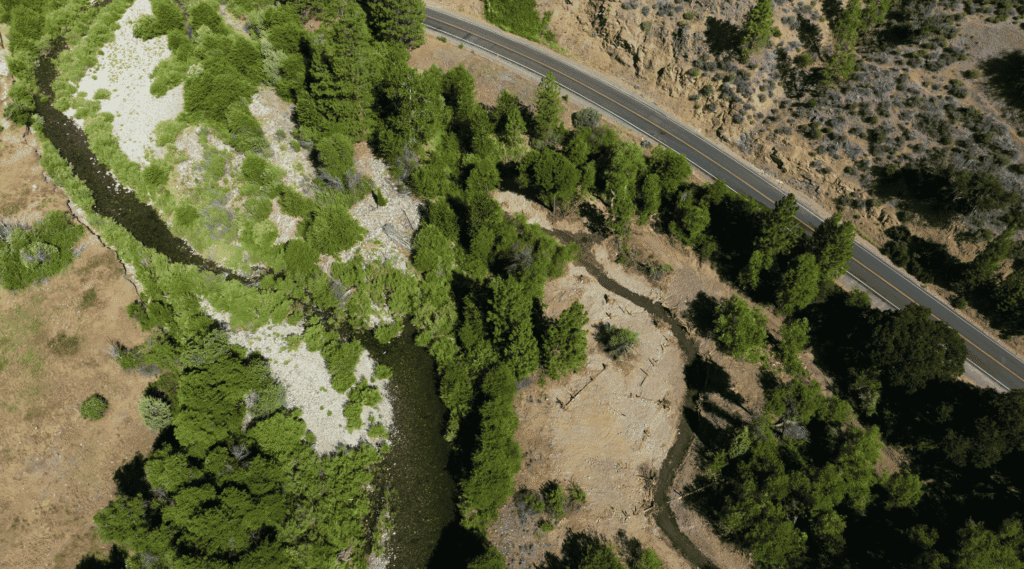
East Fork Scott River Restoration
Read more →: East Fork Scott River RestorationRestoring 6.7 miles of the East Fork Scott River and its tributaries to recover coho salmon, Chinook salmon,…
-
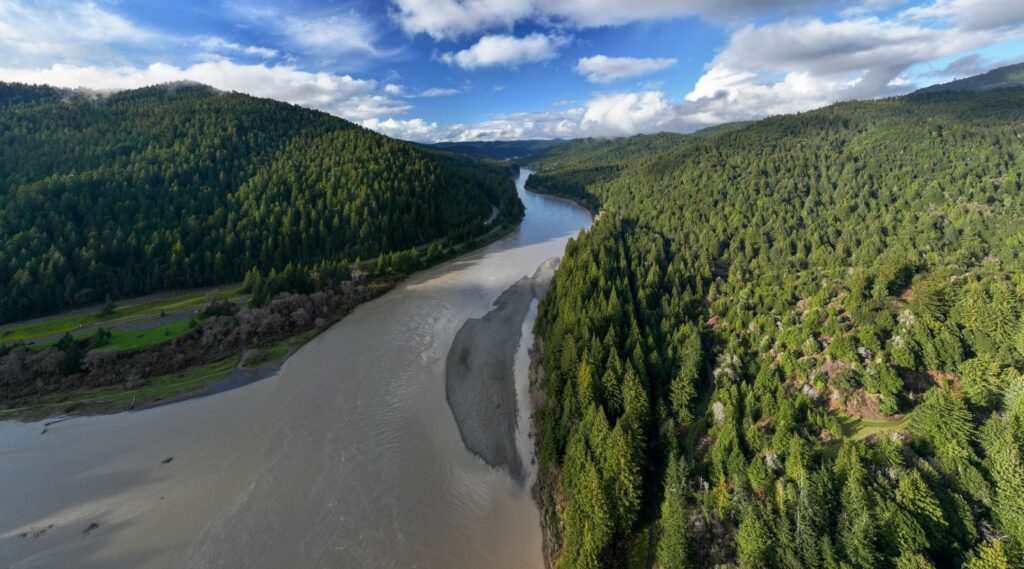
Eel River Watershed Restoration & Conservation Program
Read more →: Eel River Watershed Restoration & Conservation Program950-acre estuary restoration + the upcoming removal of Scott and Cape Horn dams.
-
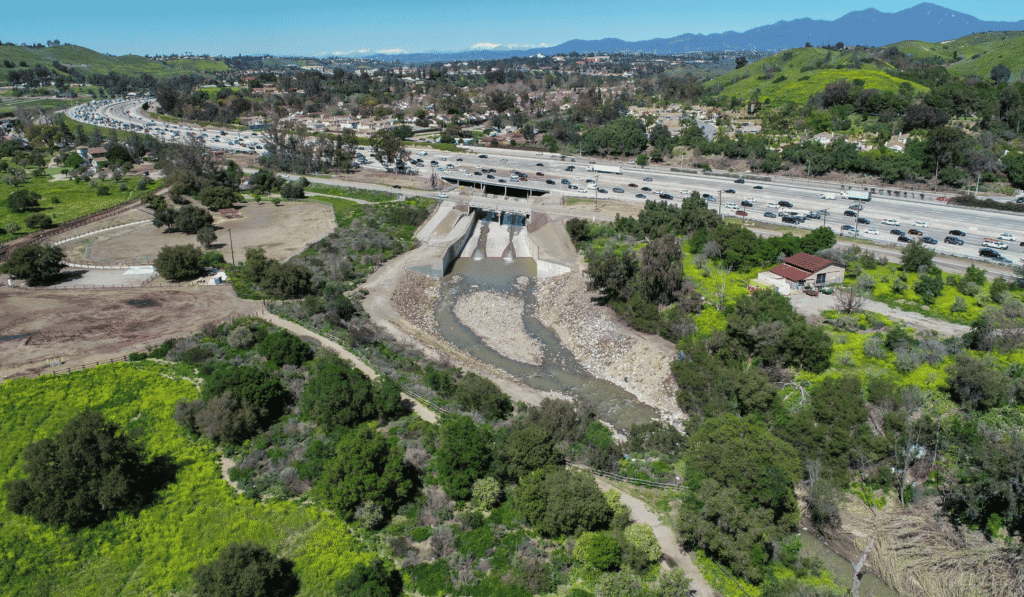
I-5/Trabuco Creek Fish Passage Project
Read more →: I-5/Trabuco Creek Fish Passage ProjectRemoving two urban fish passage barriers on Trabuco Creek to reconnect endangered steelhead to 15 miles of historic…
-
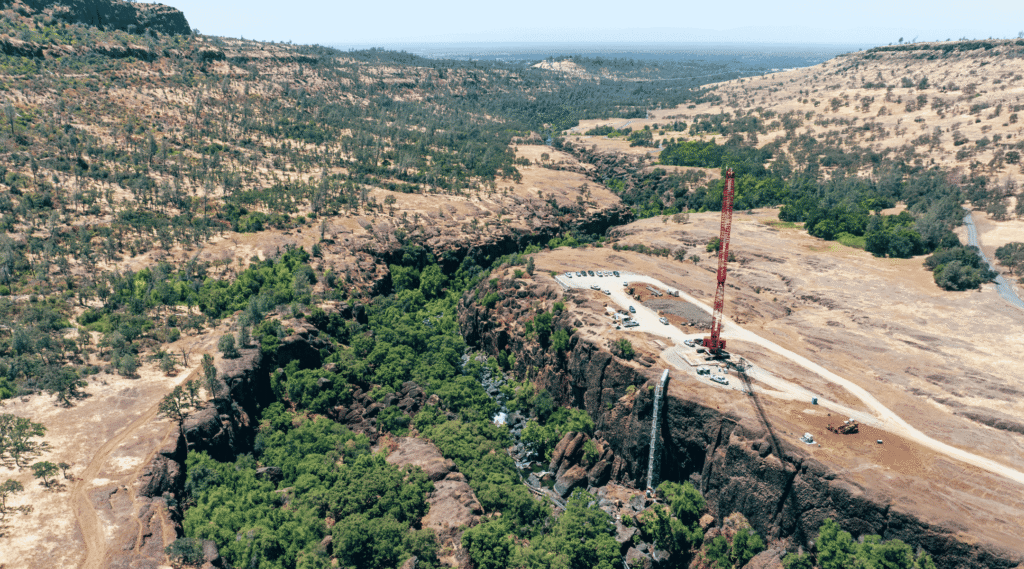
Iron Canyon Fish Passage Project, Big Chico Creek
Read more →: Iron Canyon Fish Passage Project, Big Chico CreekRestoring natural fish passage through Iron Canyon to reopen 8.5 miles of salmon and steelhead habitat on Big…
-
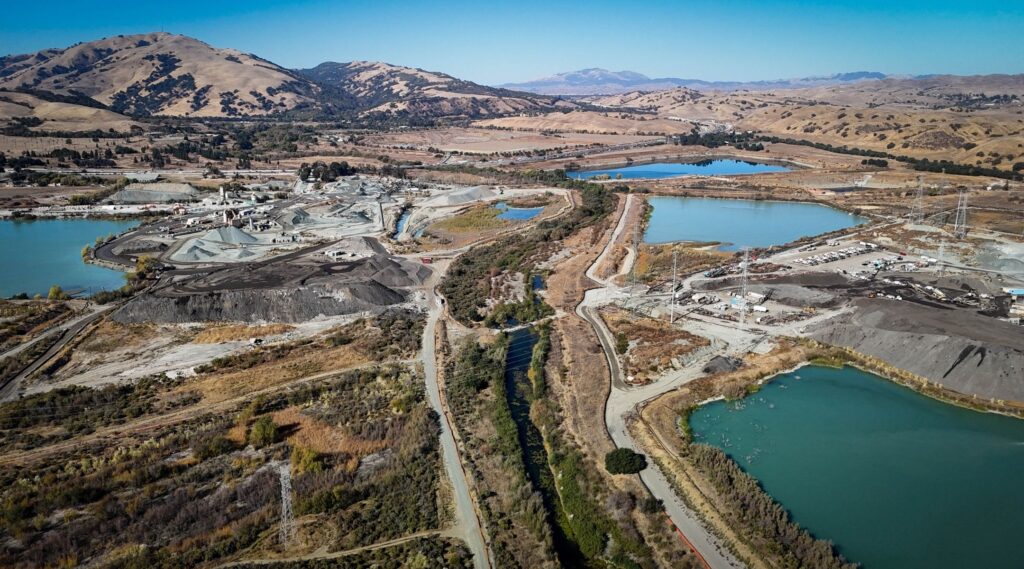
Sunol Valley Fish Passage Project, Alameda Creek
Read more →: Sunol Valley Fish Passage Project, Alameda CreekRelocating a gas pipeline to remove the last fish passage barrier on Alameda Creek and reopen 20+ miles…
-
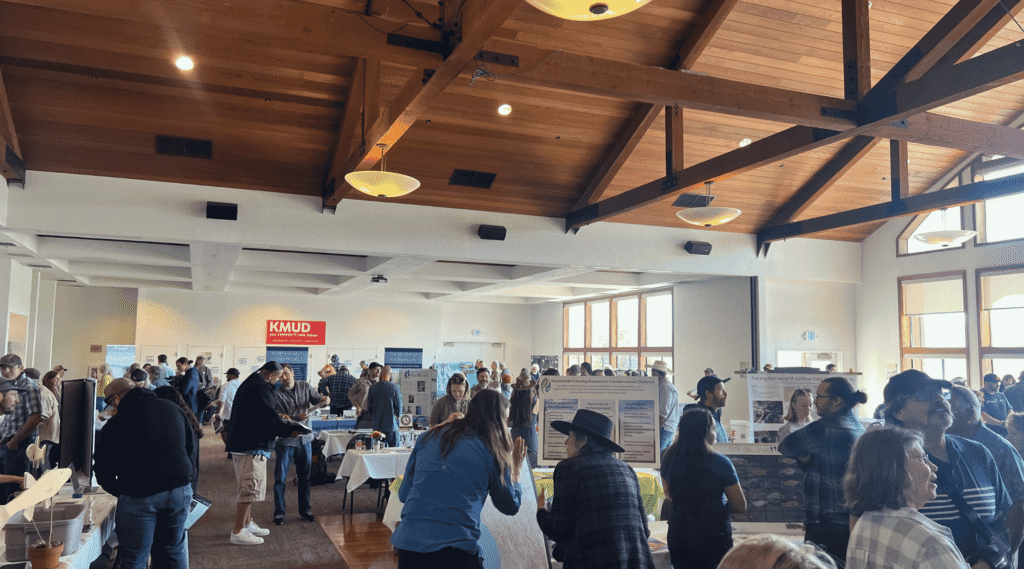
Eel River Forum
Read more →: Eel River ForumA 22-organization coalition is committed to the holistic restoration of the Eel River.
-
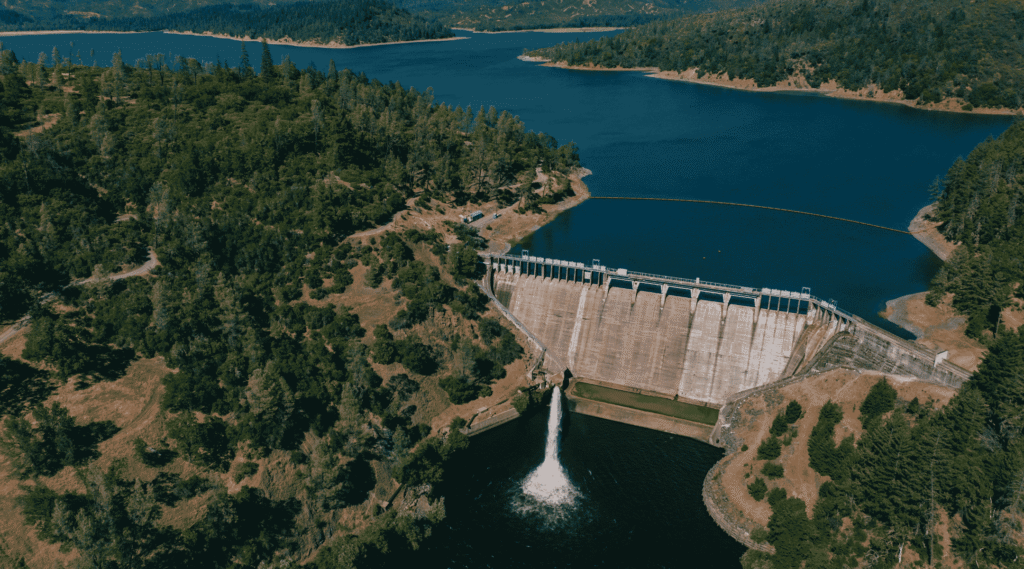
Eel River Dam Removal
Read more →: Eel River Dam RemovalRemoving two century-old dams to reconnect salmon and steelhead to nearly 300 miles of the Eel River’s cold-water…
-
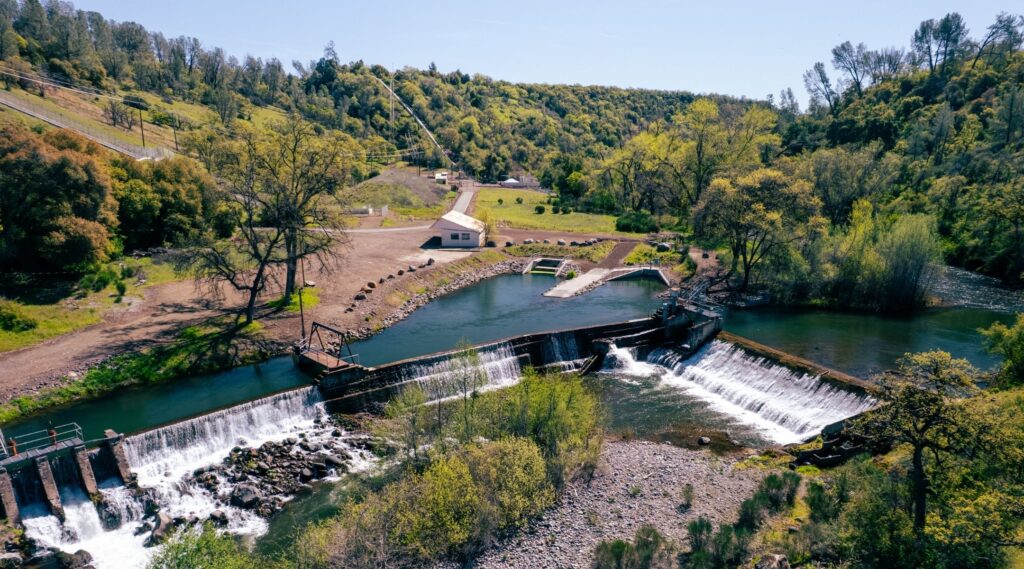
Battle Creek Dam Removal
Read more →: Battle Creek Dam RemovalRemoving eight remaining dams on Battle Creek would reconnect 48 miles of habitat for endangered Winter-run and Spring-run…
-
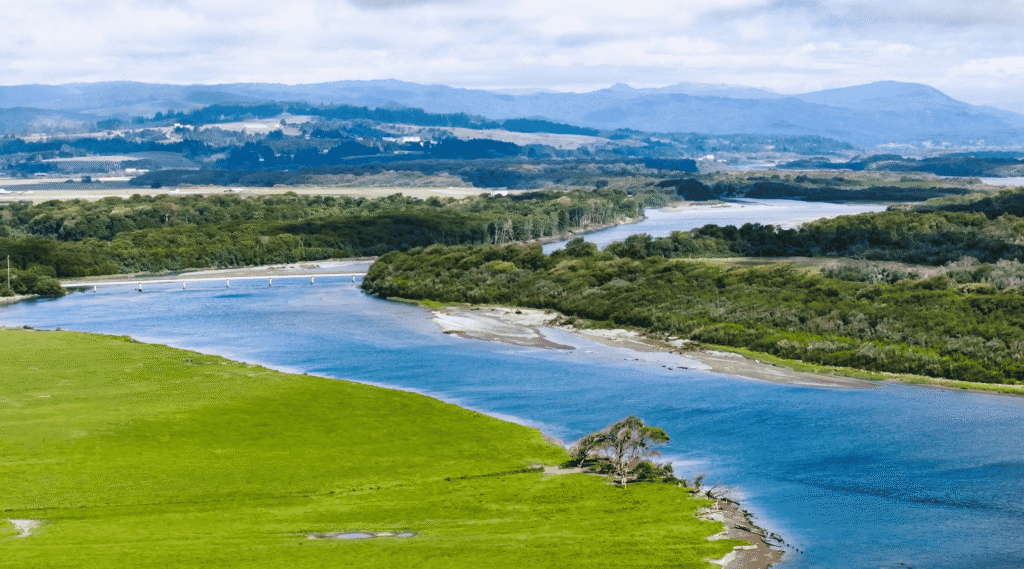
Cannibal Island, Eel River Estuary Restoration Project
Read more →: Cannibal Island, Eel River Estuary Restoration ProjectRestoring 950 acres of tidal marsh at the Eel River’s mouth to revive salmon habitat and buffer nearby…
-
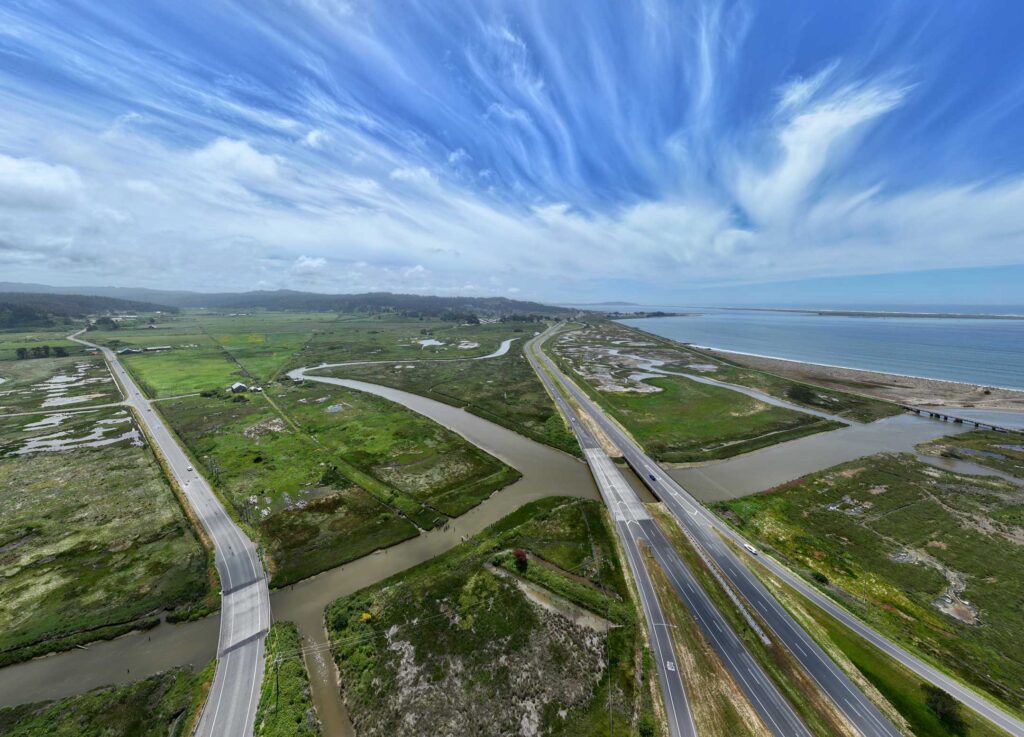
Elk River Recovery Program
Read more →: Elk River Recovery ProgramRestoring the Elk River’s watershed and estuary to revive salmon habitat, filter water naturally, and buffer nearby communities…
-
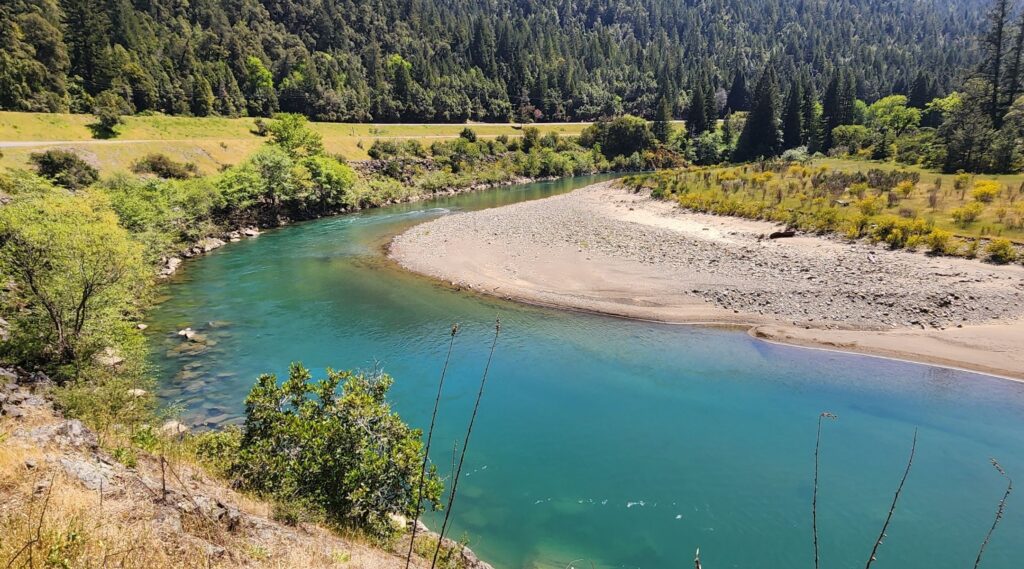
South Fork Eel River Science & Monitoring Program
Read more →: South Fork Eel River Science & Monitoring ProgramMonitoring juvenile salmon and steelhead on the South Fork Eel River to understand what’s working, and studying an…
-
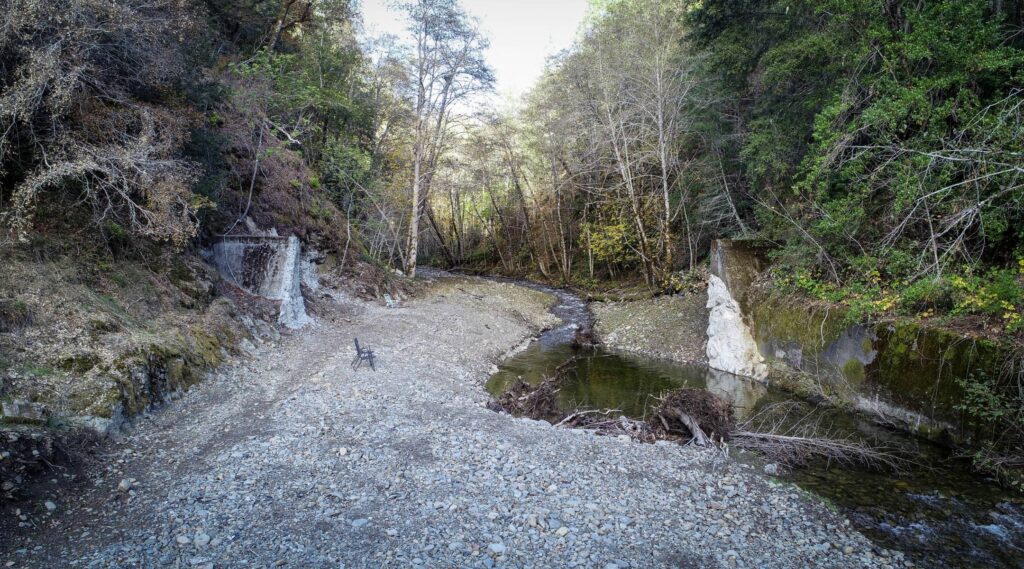
Cedar Creek Barrier Removal
Read more →: Cedar Creek Barrier RemovalRemoved a defunct 60-year-old dam on Cedar Creek reopening nine miles of habitat and cold-water refuge for salmon…
-
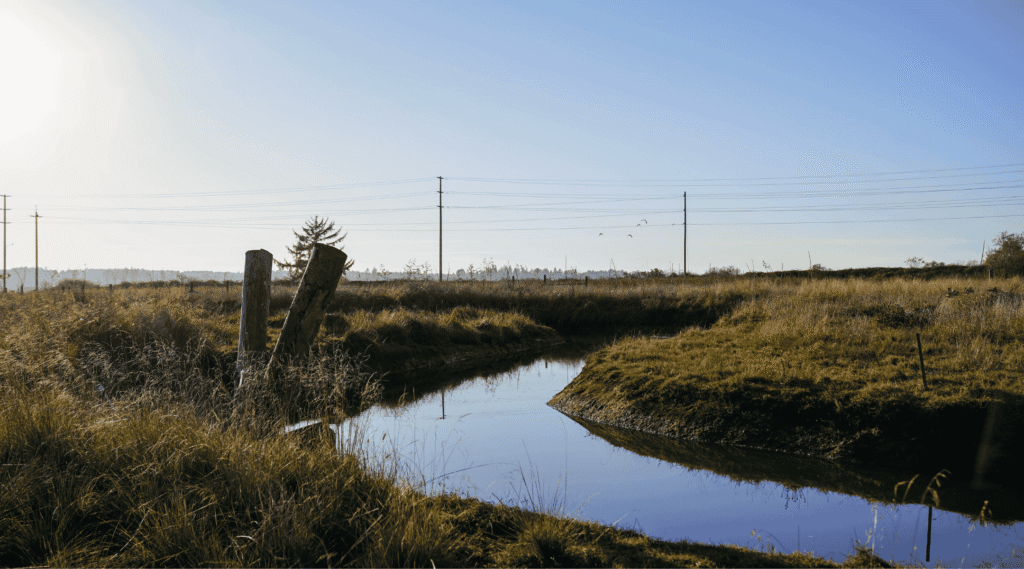
Cochran Creek Fish Passage and Channel Restoration
Read more →: Cochran Creek Fish Passage and Channel RestorationReplaced a century-old tidegate near Humboldt Bay reopened Cochran Creek’s estuary to coho salmon and steelhead — and…
-
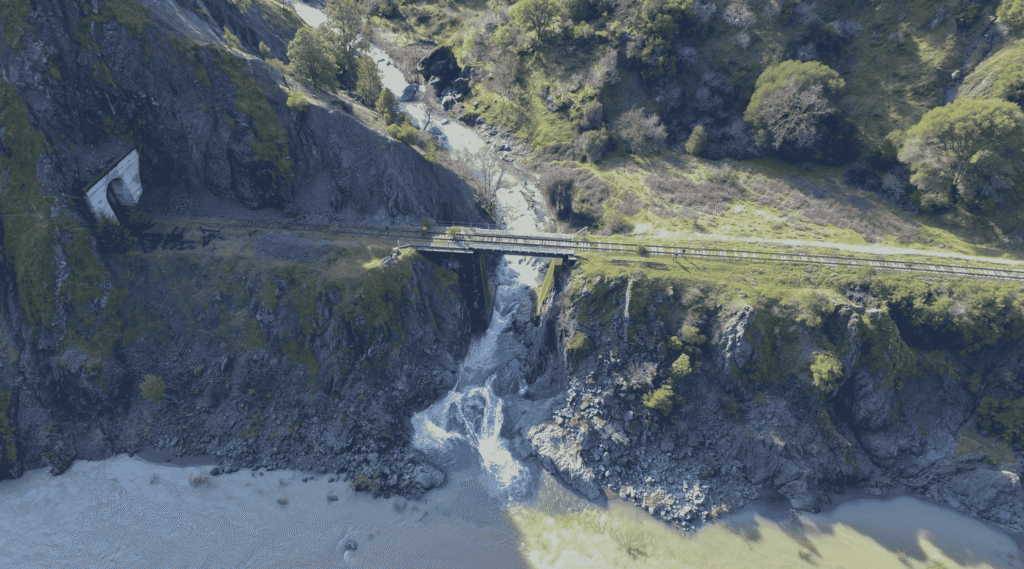
Woodman Creek Project
Read more →: Woodman Creek ProjectRemoved a century-old railroad barrier on Woodman Creek reopens up to 14 miles of habitat for steelhead, Chinook,…
-
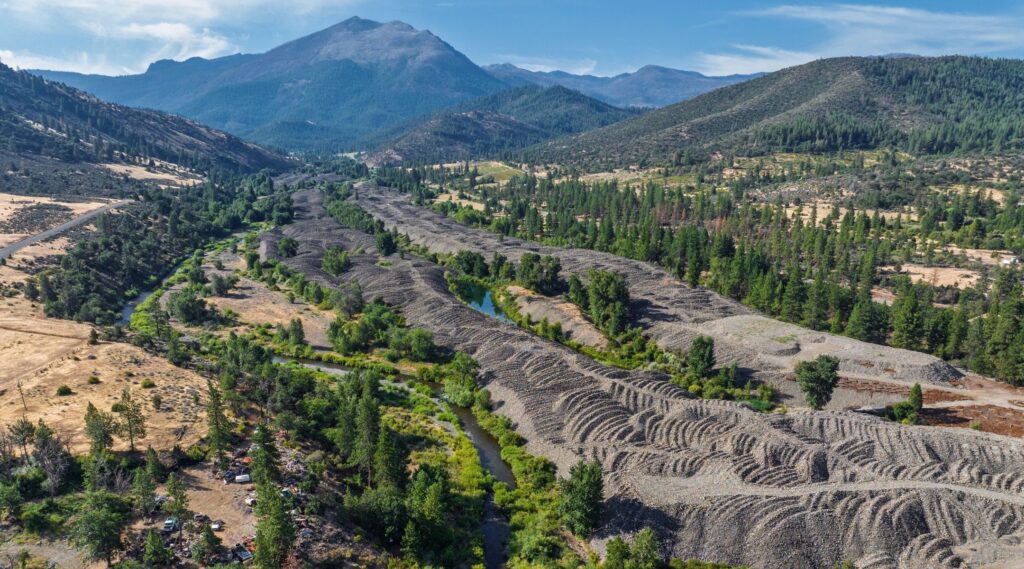
Scott River Mainstem Restoration & Flow Enhancement Project
Read more →: Scott River Mainstem Restoration & Flow Enhancement ProjectRestoring a flood-damaged diversion on the Scott River to improve fish passage and water reliability for farms and…
-
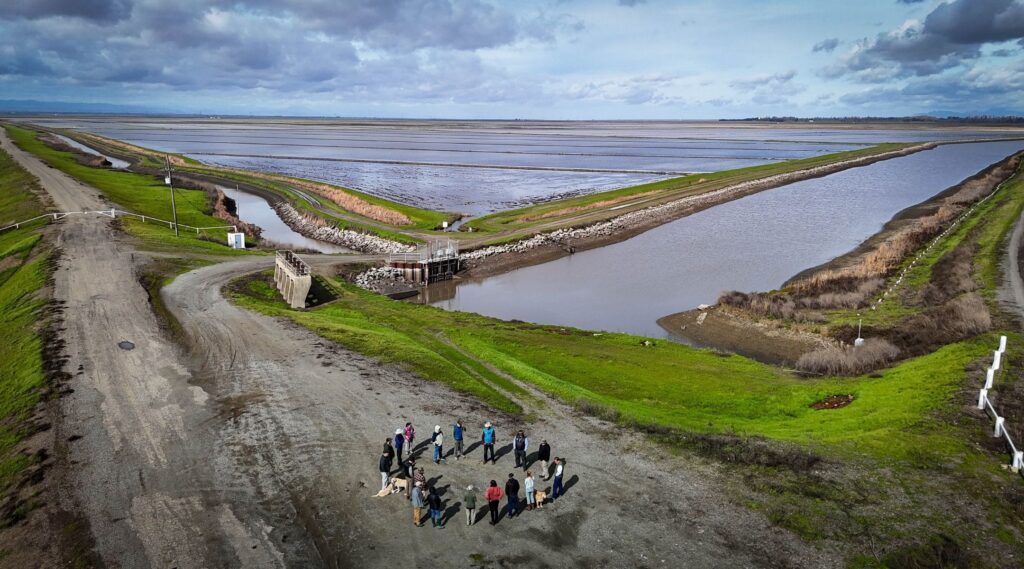
Central Valley Salmon Habitat Partnership
Read more →: Central Valley Salmon Habitat PartnershipThe Salmon Partnership drives science-based recovery of Central Valley Chinook salmon and steelhead, sustaining healthy runs for both…
-
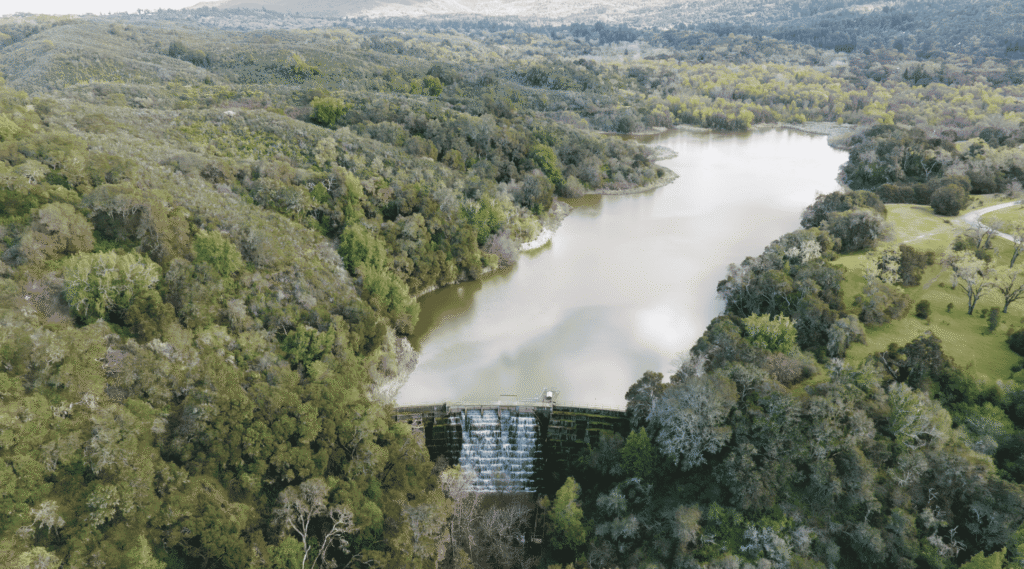
Searsville Dam Removal
Read more →: Searsville Dam RemovalWorking to remove a century-old, high-hazard dam blocking steelhead migration on San Francisquito Creek at Stanford University.
-
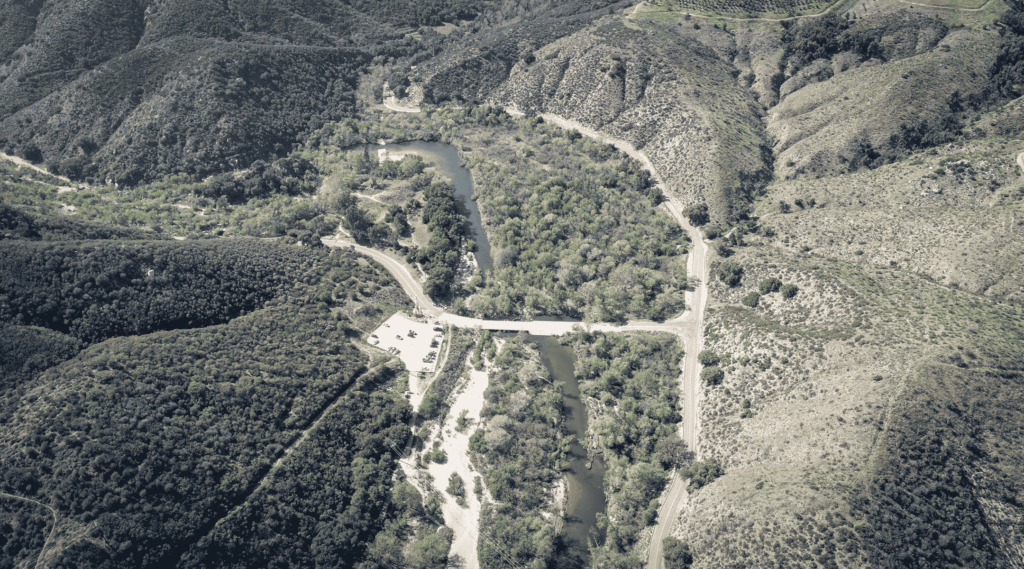
Santa Margarita River Bridge Replacement & Fish Passage Project
Read more →: Santa Margarita River Bridge Replacement & Fish Passage ProjectReplacing a bridge on the Santa Margarita River to reconnect steelhead to habitat and protect a busy crossing…
-
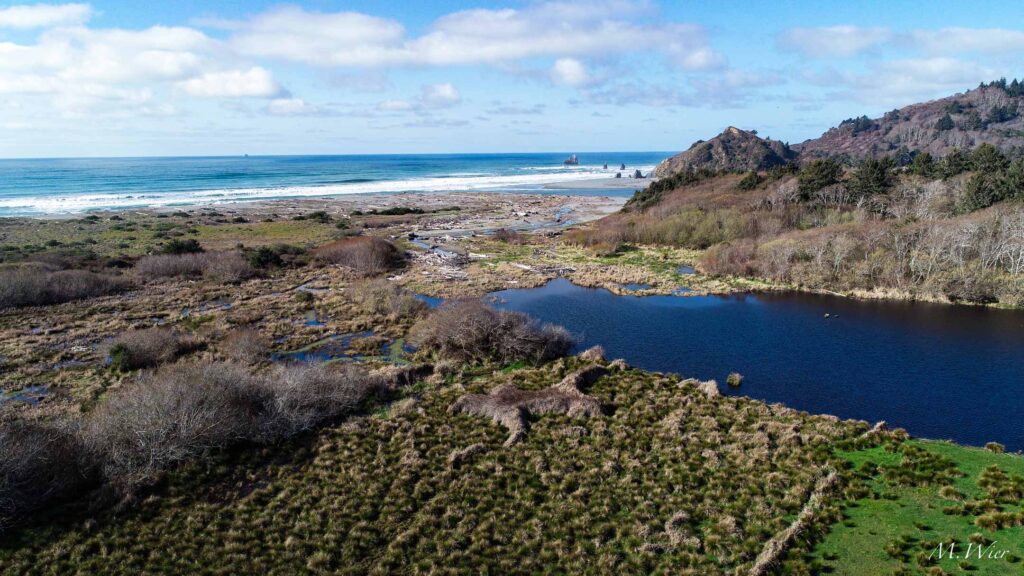
Redwood Creek Estuary Restoration
Read more →: Redwood Creek Estuary RestorationReconnecting Redwood Creek’s estuary to the sediment and floodplain processes it lost to a 1968 flood control project,…
-
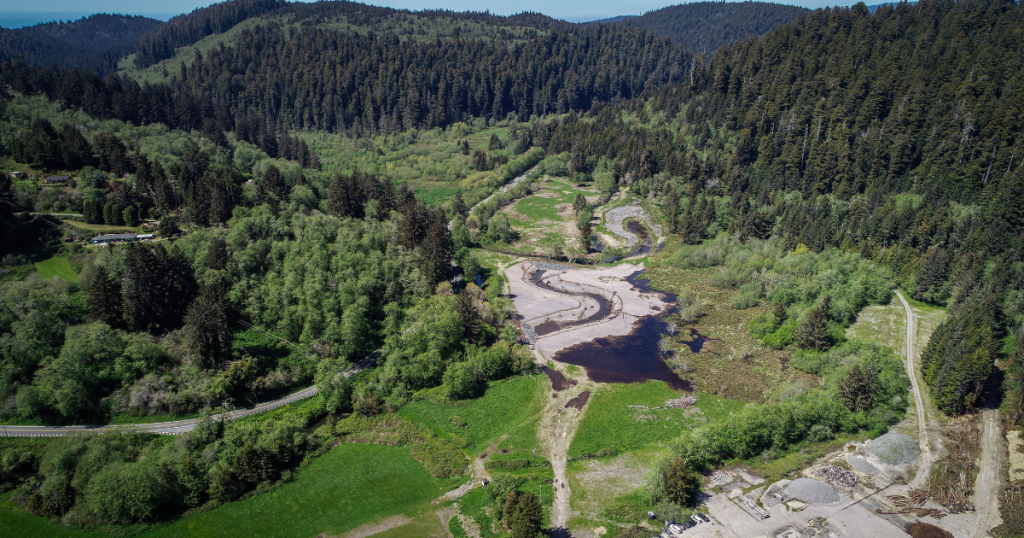
Prairie Creek Floodplain Restoration
Read more →: Prairie Creek Floodplain RestorationRestored 125 acres of floodplain habitat at Prairie Creek to give salmon and steelhead their last rearing grounds…
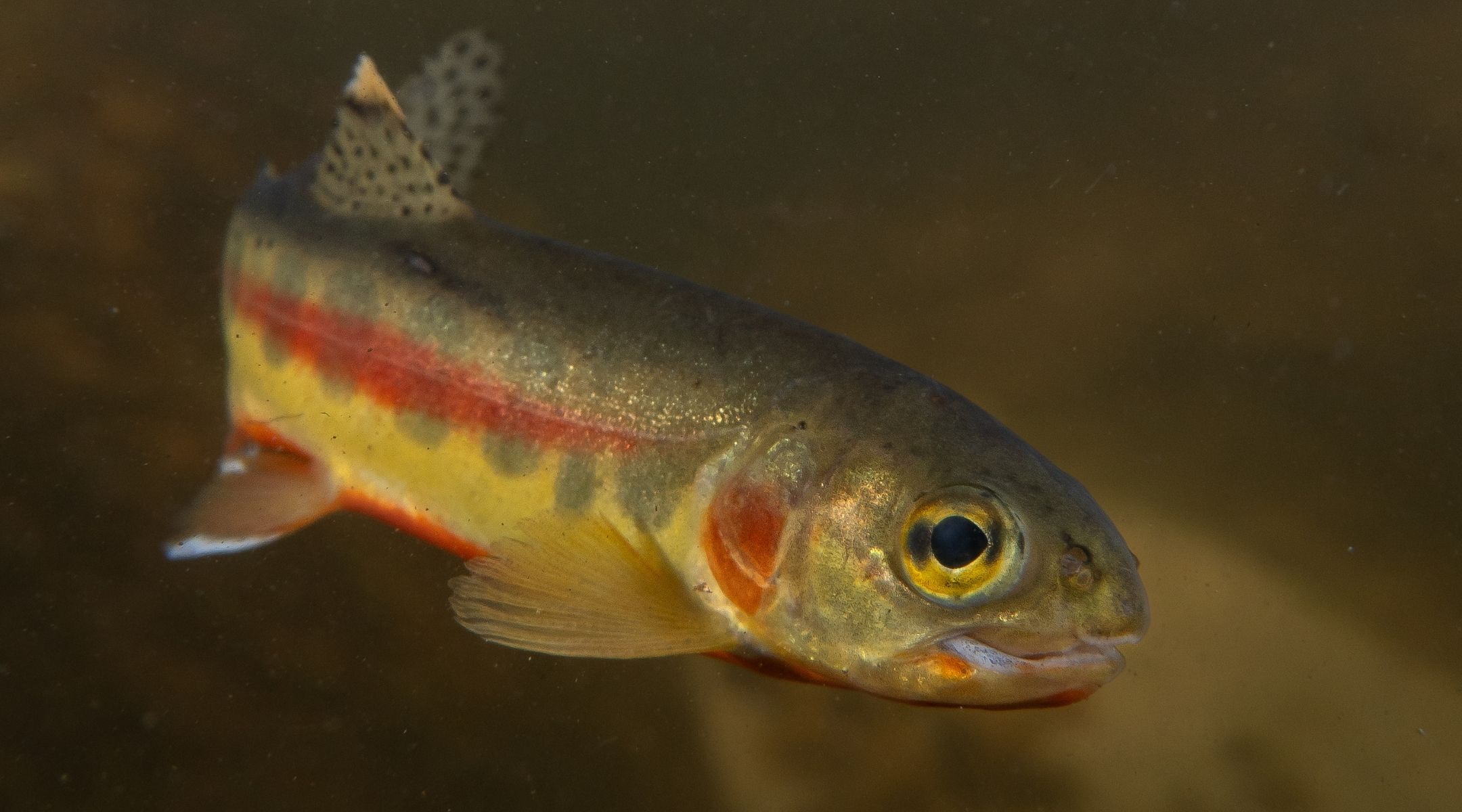
Support WILD FISH
Wild fish cannot help themselves — they need us and they need you.
Nearly half of our fish are likely to be extinct within 50 years if current trends continue, and when fish collapse it means our water systems are at risk too. We can all play a role in protecting California’s wild fish and our state’s water future.