50 years of dedication
Fish. Water. People.
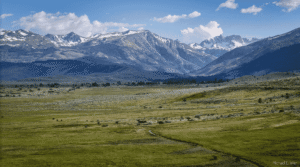
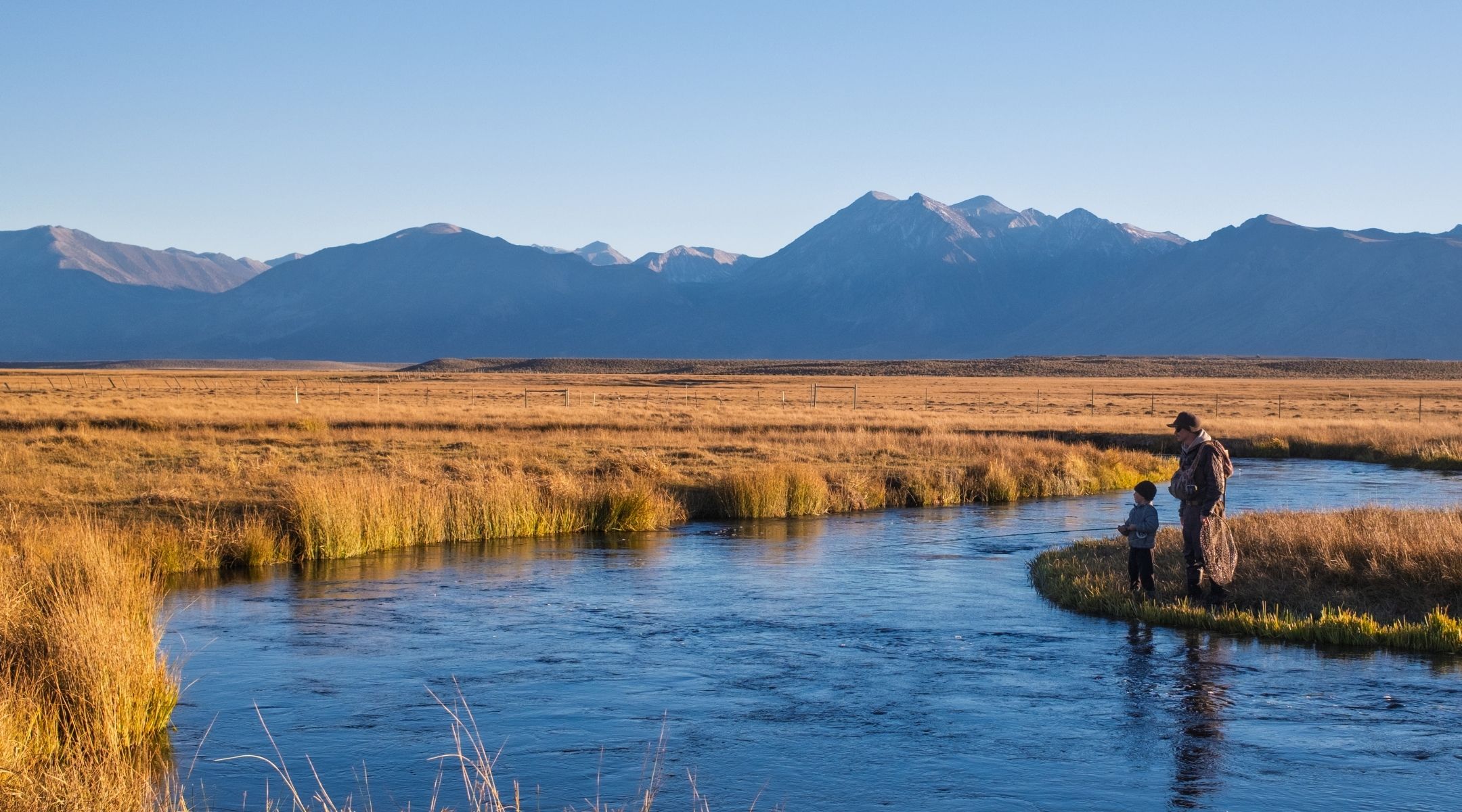
For more than fifty years, CalTrout has worked at the confluence of California’s rivers, the fish that depend on them, and the people whose lives they shape and support.
WHAT WE DO
Five ways we get the work done.
From reopening rivers to legislation to advancing freshwater science — these are the five ways we translate our mission into measurable impact.
Reopen Rivers
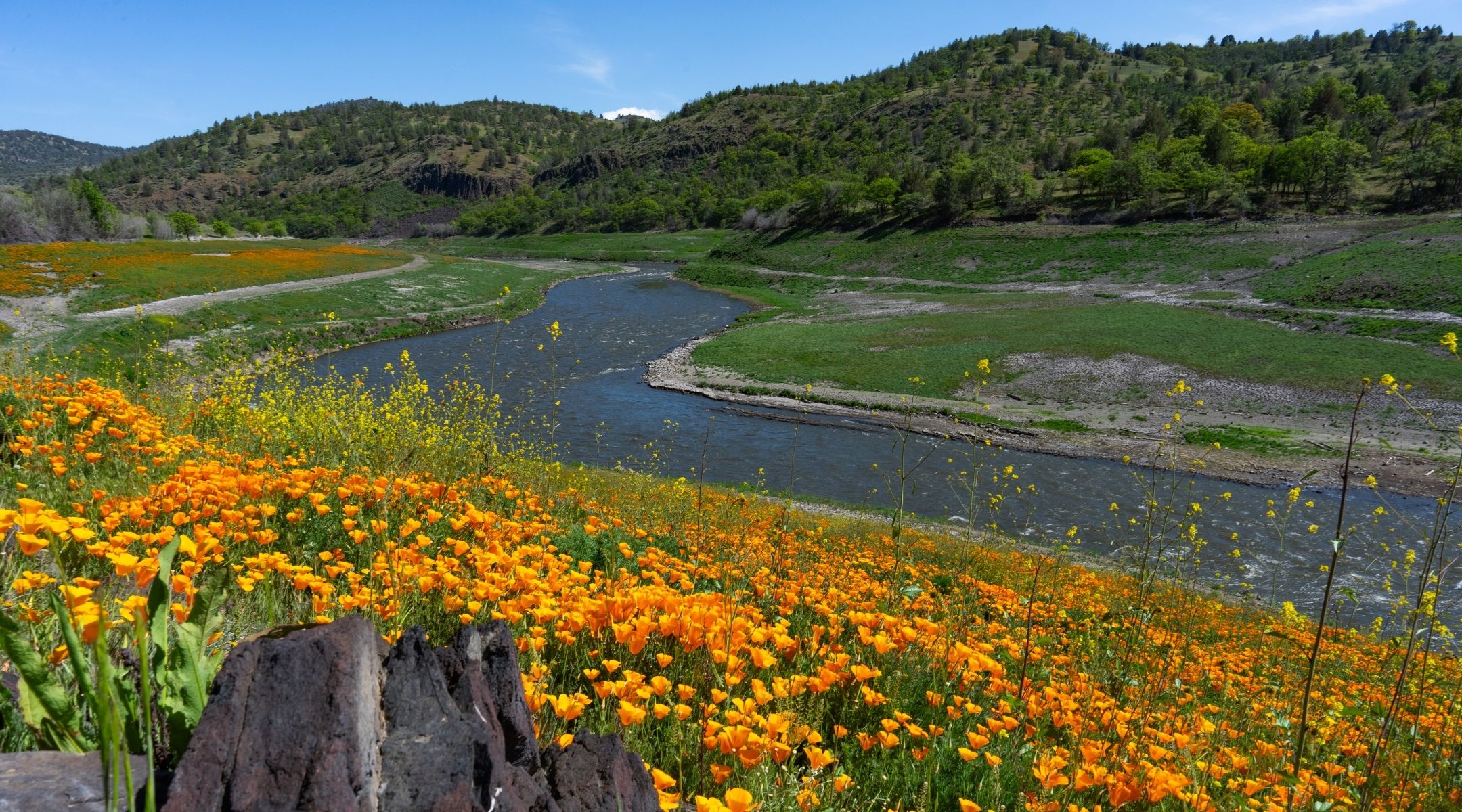
California’s rivers hold thousands of miles of wild fish habitat that are out of reach. We’re opening them back up.
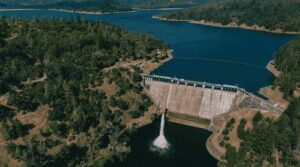
Over the past century, people built dams, roads, and other infrastructure that fractured those journeys. CalTrout works across the state to strategically identify and advance removal or redesign of barriers in key watersheds, so fish can migrate and rivers can flow freely.
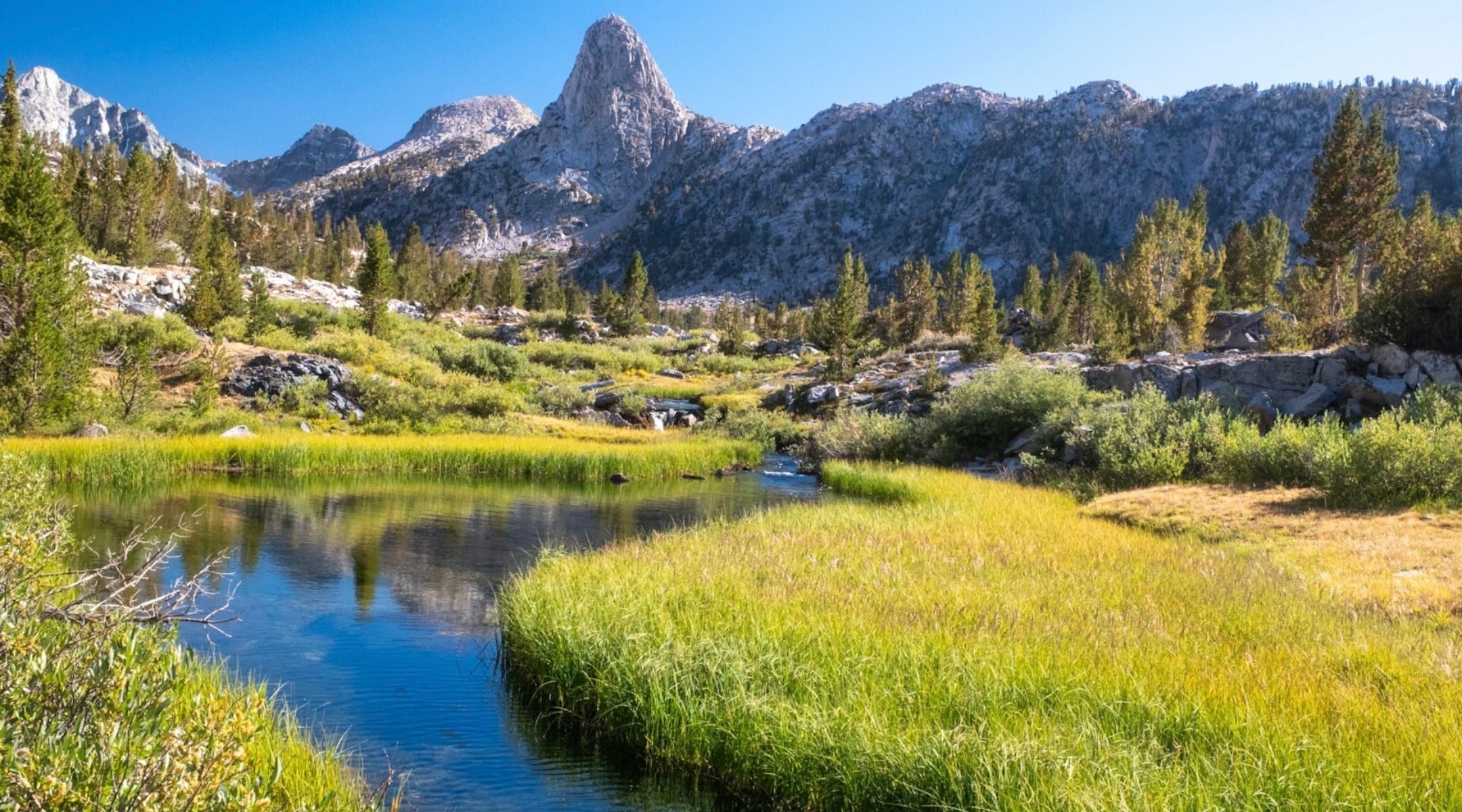
RESTORE & PROTECT STREAMS
From headwaters to estuaries — every link in the chain.
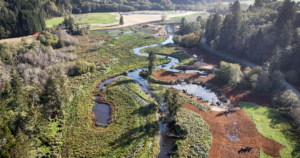
From headwaters to floodplains to estuaries, we focus on restoring every component of a stream — so our watersheds are functional and vibrant, capable of supporting fish and people for generations to come.
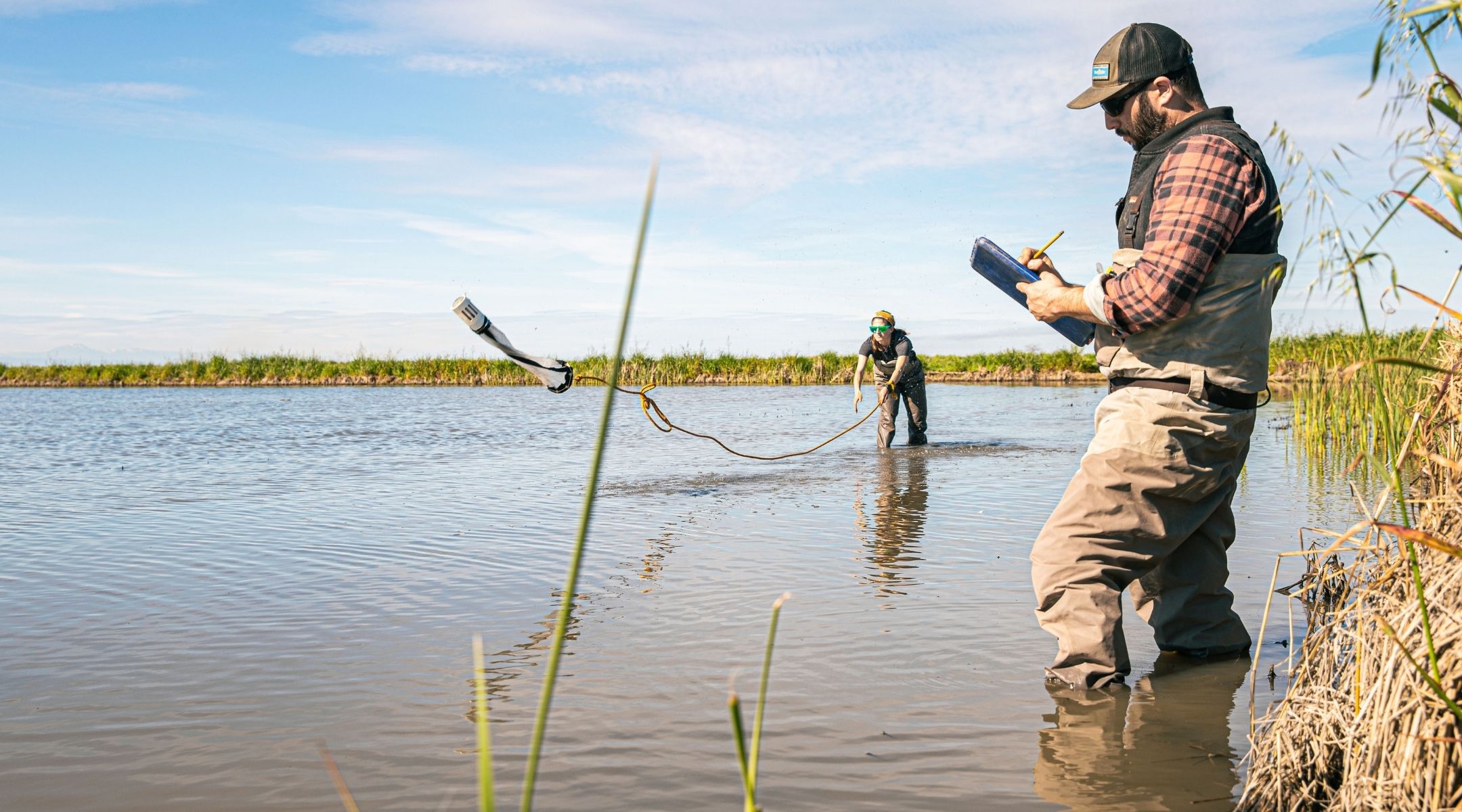
ADVANCE SCIENCE
We don’t guess. We measure.
Restoration without science isn’t restoration. It’s guesswork. We lead with science in everything we do: from a dedicated Science Program, to the State of Salmonids, a decadal assessment of all California salmonids and the only report of its kind, to one of the most comprehensive salmon monitoring program in the West in action on the Klamath River.

ADVOCATE & Shape Policy
Conservation is not possible without policy.
Since 1971, CalTrout has been at the forefront of advocacy in California — and in 2025, we expanded advocacy efforts to Washington, D.C. We protect flows, wield legal mechanisms like the Endangered Species Act, advocate for water budgets, and stand up in court when necessary.
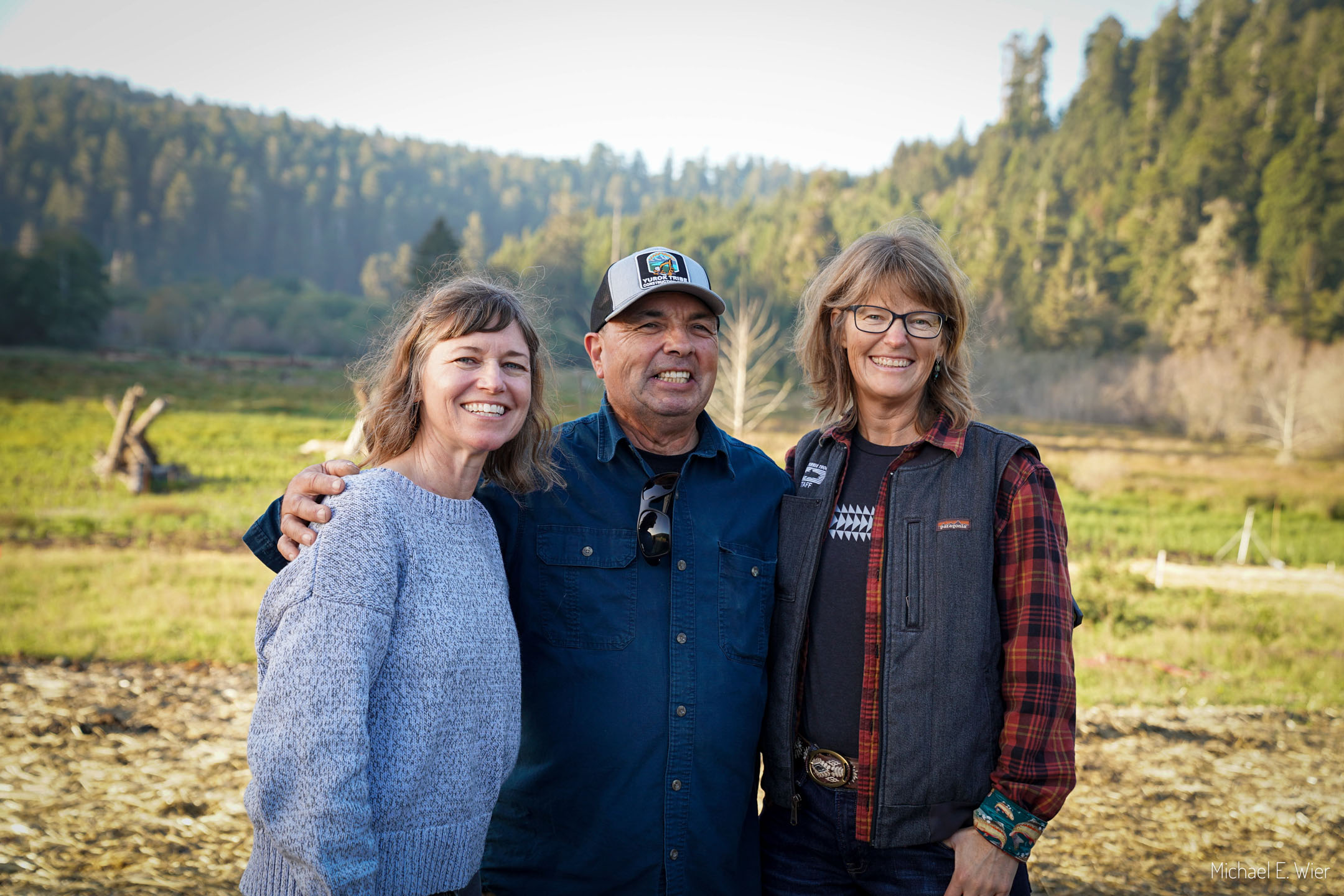
BUILD PARTNERSHIPS
Restoration relies on relationships.
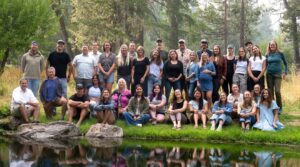
Community has been at the heart of CalTrout’s work since day one — and over more than 50 years, we have built a reputation for bringing people together from Tribes to ranchers to universities to communities. This work can’t happen alone, and when we invest in and partner with communities, the impact of restoration grows.
Where we work
Four regions. One connected state, fueled by water.
CalTrout works across the full extent of California — from the Klamath River at the Oregon border to the Southern Steelhead streams of Southern California. Each region carries its own ecology, its own communities, and its own conservation challenges — but the throughline is the same: healthy watersheds capable of supporting wild fish.
WHY IT MATTERS
The case for healthy rivers.
California’s rivers connect everything — wild fish, clean water, thriving communities, and a climate resilient future. Protecting and restoring them is crucial.
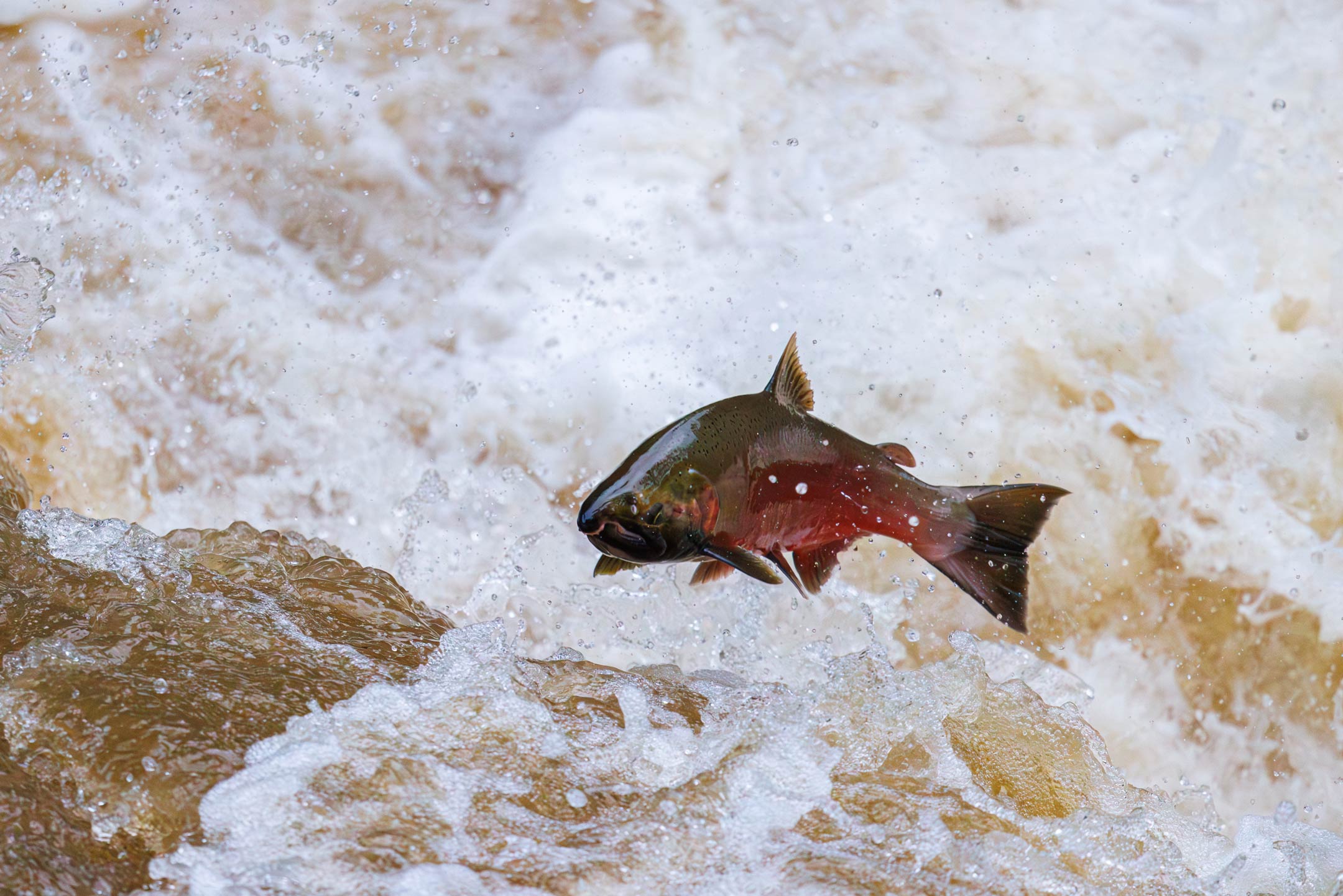
HEALTHY Wild FISH
Wild fish tell us when a river is healthy.
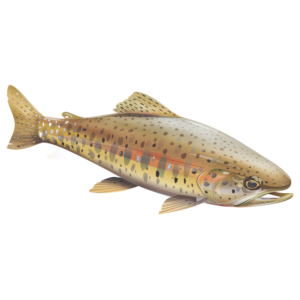
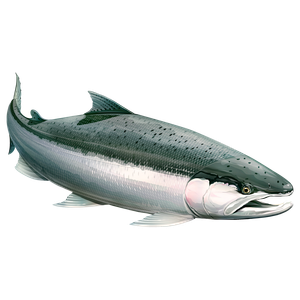
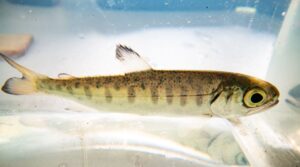
California is home to 32 native salmon, steelhead, and trout — the most diverse collection of salmonids in the country. But these species are disappearing: nearly half are at risk of extinction within 50 years if current trends continue. Protecting wild fish means protecting the rivers, cold water, and healthy ecosystems that all Californians depend on.
WATER FOR ALL CALIFORNIANS
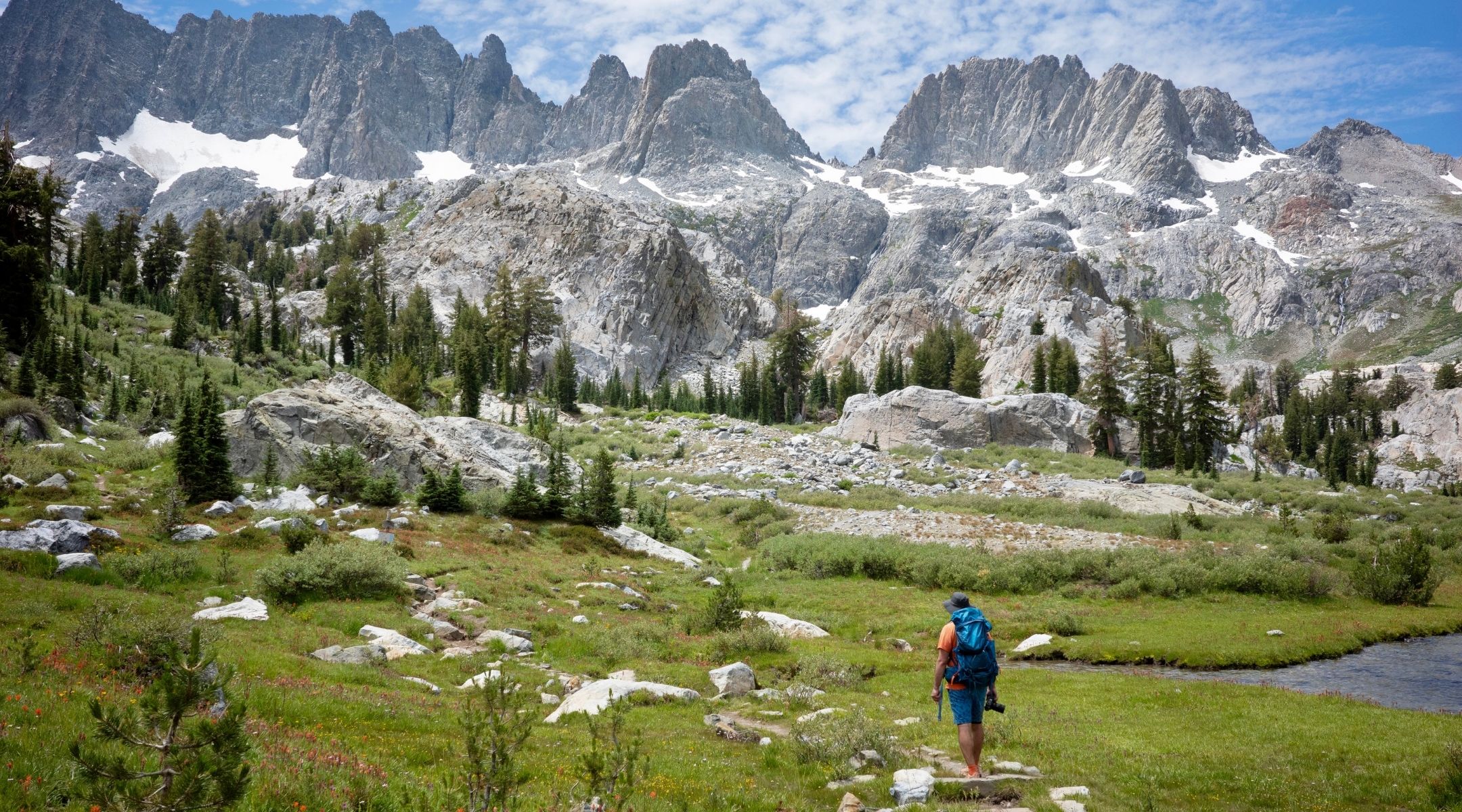
Water is the lifeblood of California — and every community deserves access to the benefits healthy rivers provide.
The same rivers that support salmon, steelhead, and trout also provide drinking water, recharge groundwater, sustain agriculture, reduce flood risk, and support communities across the state. When we restore healthy rivers, we strengthen the natural water infrastructure that every Californian depends on.
CLIMATE resilience
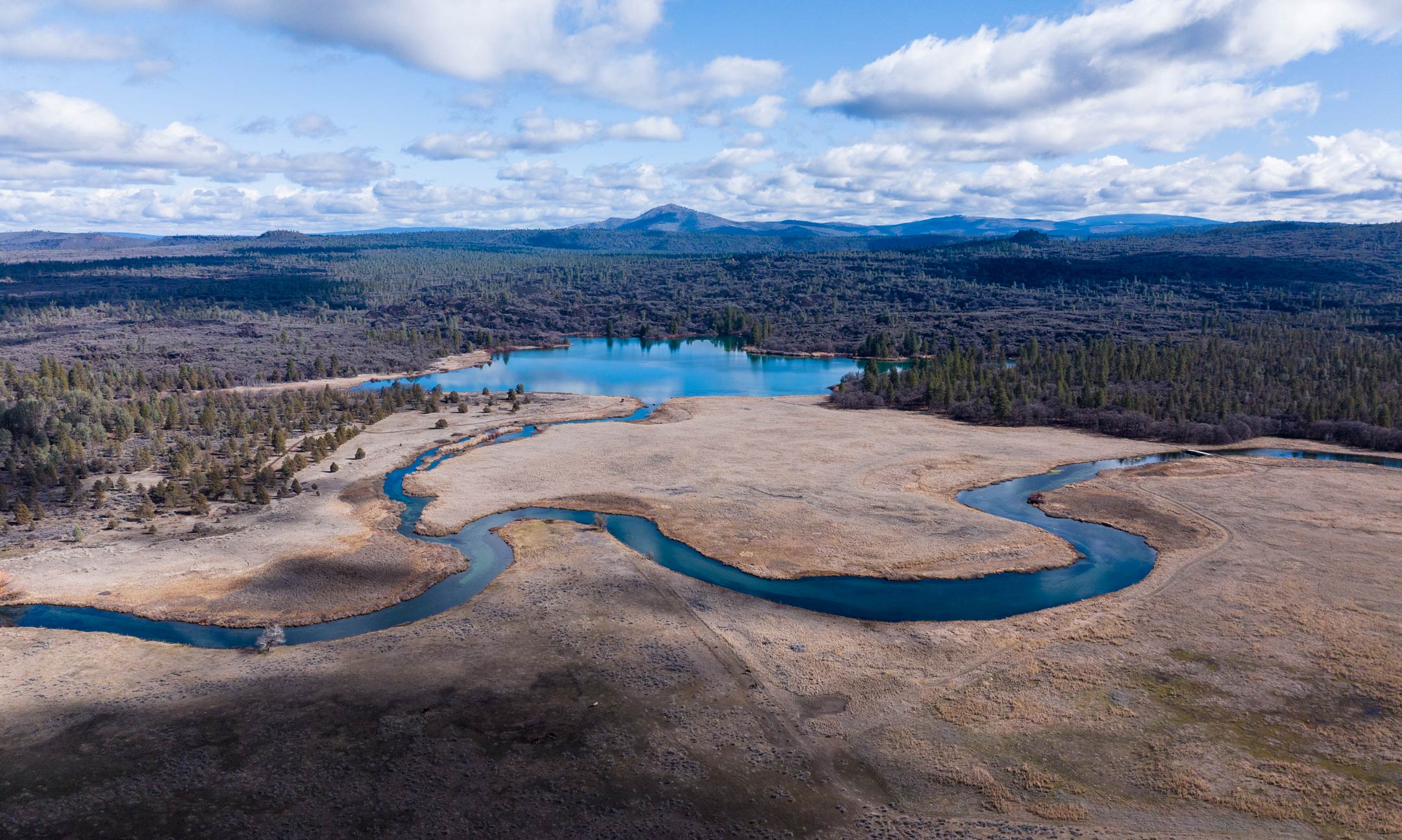
One of California’s best climate solutions: healthy rivers.
Climate change is reshaping California with hotter temperatures, shrinking snowpack, larger wildfires, longer droughts, and more extreme floods. By restoring healthy watersheds, we’re helping rivers — and the people and wildlife that depend on them — adapt to a changing future.
get involved
The work continues — join us.
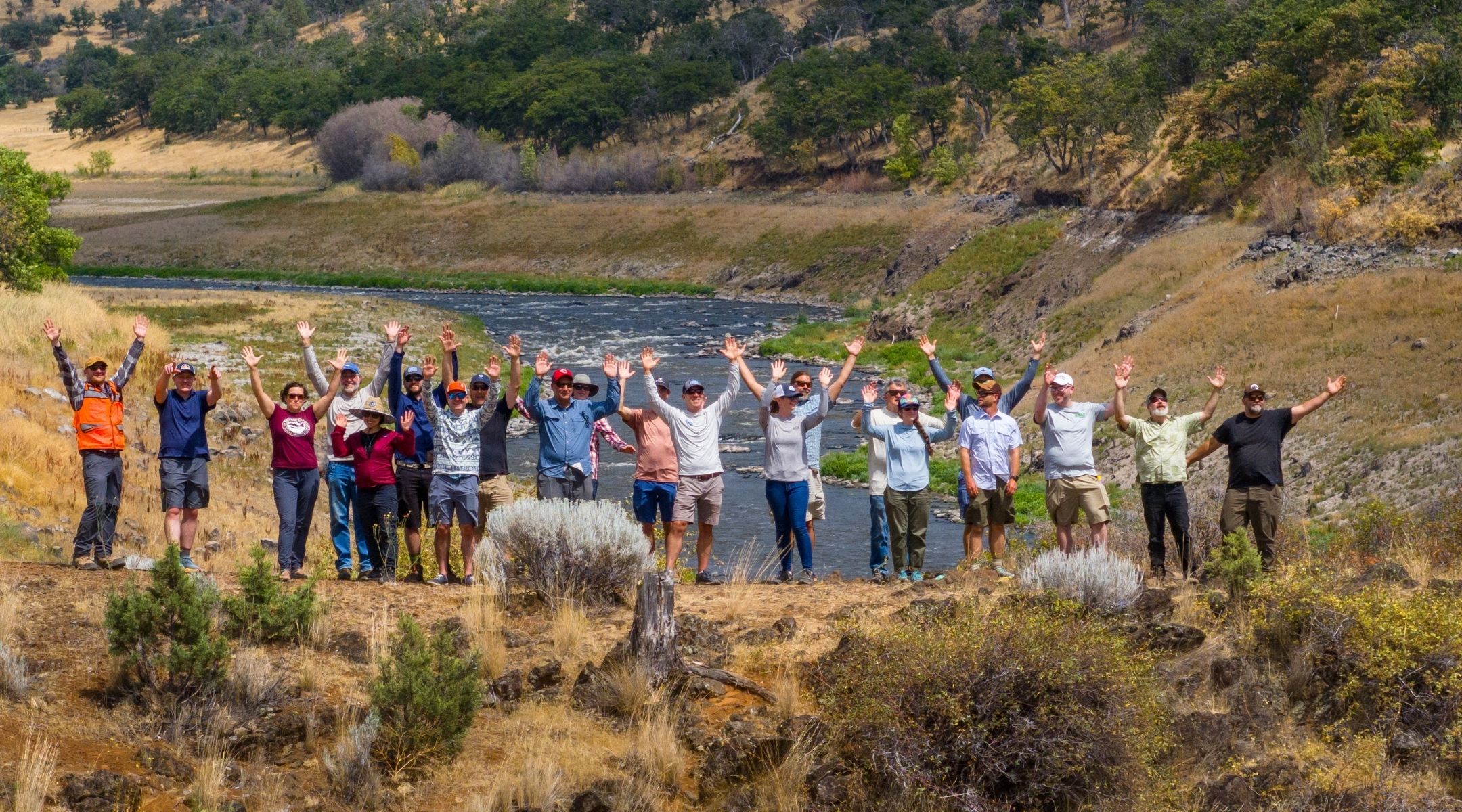
CalTrout is a community for everyone. Whether you want to donate, learn more about our work, or meet fellow supporters who also love California and want to protect it — there’s a place for you here.