A Field Note from Big Mill Creek, a Tributary to the Scott River
by Serena Doose
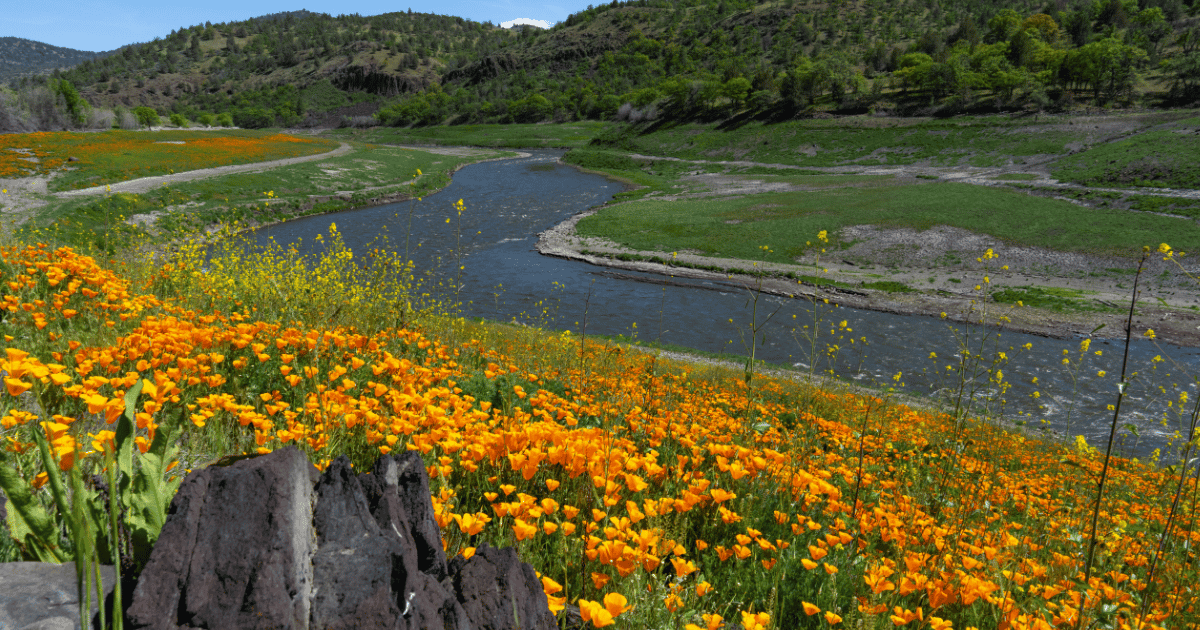
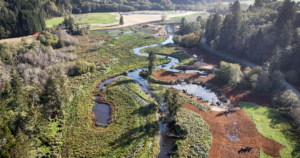
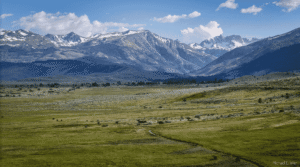
It’s late September, and the persistently hot and dry weather is starting to turn cooler, a relief for humans and fish alike. Damon Goodman (CalTrout Mt. Shasta-Klamath Region Director) and I are preparing to conduct a snorkel survey at a new restoration project site. We pull on the classic uniform of fisheries biologists: thick wetsuits and felt bottom wading boots. Grabbing our snorkels and neoprene hoods, we walk beneath ponderosa pines and incense cedars, slipping a bit on the needles and pine cones underfoot. We are in the headwaters of the Scott River, a ranching community, where crop production and river health are constantly vying for balance – especially in a time of severe drought. A gated, barbed wire fence is the only obstacle between us and our destination: Big Mill Creek, a cold-water tributary to the East Fork of the Scott River.
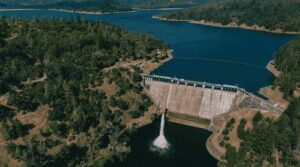
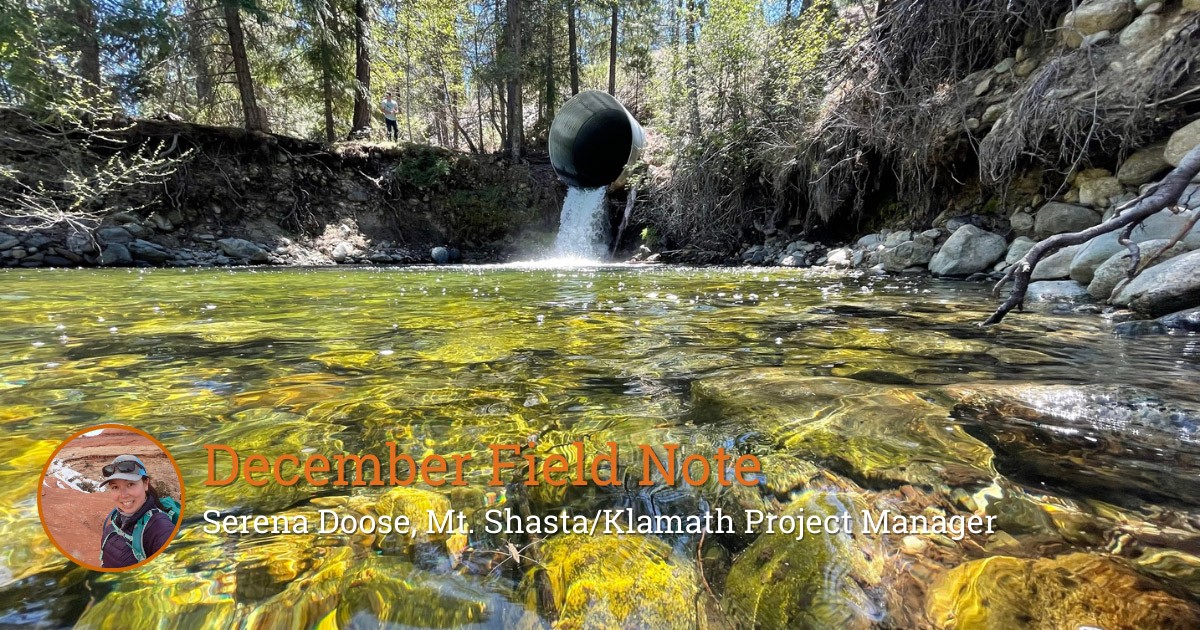
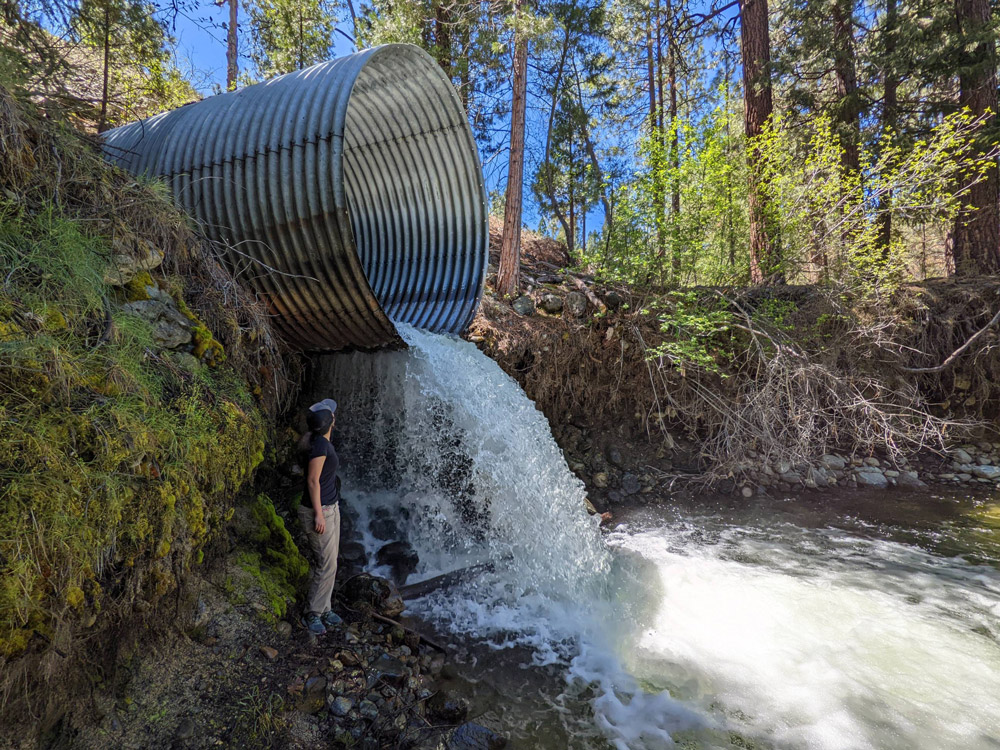
Past the fence, we’re greeted with the sight of what most would consider a fabulous swimming hole. Emerald green, circular, and deep, the pool beckons. However, almost eight feet above the surface of the pool, a large metal pipe juts out, water spilling into the air. This pipe, known as a culvert, moves Big Mill Creek’s water beneath Highway 3. During rainstorms or spring runoff events, the culvert is completely full of water, pressurized like a garden hose. The pressurized flow acts as a thunderous waterfall, eroding the stream below and scouring a larger pool, creating more and more distance between the surface of the pool and the culvert. The culvert was installed in 1969: In 1994, the height from the culvert to the pool was two feet, in 2000, six feet, and in 2022, close to eight feet.
This increasing distance creates an insurmountable height for fish to jump, resulting in a complete barrier to any aquatic animal attempting to swim upstream. Above the culvert, on the upstream side of Highway 3, miles of clean, cold water interspersed with deep pools could provide optimal habitat for both juvenile and adult fishes, particularly coho salmon and steelhead. However, this pristine habitat is currently inaccessible and has been for decades since installing the culvert.
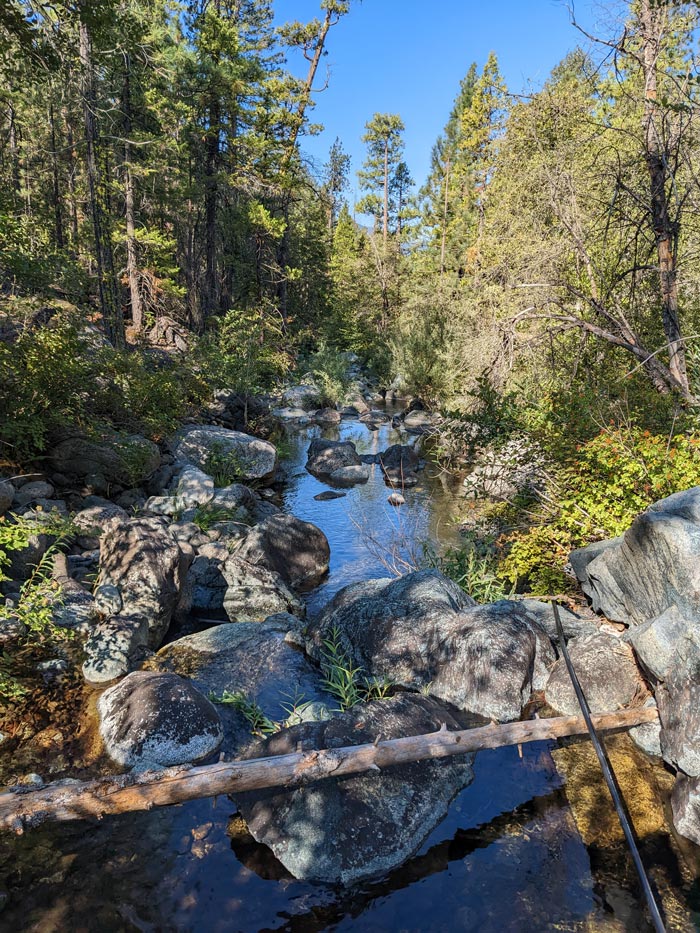
In the next few years, CalTrout will prepare to implement a project to restore fish access to this upstream habitat. Recognizing the opportunities for ecological restoration, streamflow enhancement and conservation outcomes, the property was recently acquired by The Wildlands Conservancy (TWC) and renamed the Beaver Valley Headwaters Preserve. As a landowner that stewards 22 nature Preserves throughout California and Oregon, TWC serves as an integral partner on this project. This past summer, with the support of TWC, CalTrout received funding from CalTrans to begin the planning and design phases of the project.
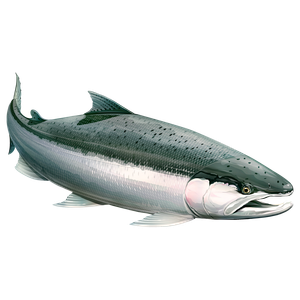
In the Scott River, biologists are always on the lookout for the federal/state threatened coho salmon, a species that requires a full year of residence in freshwater after emerging from the gravel in the spring. Summer residence is a difficult feat in the Scott, when the mainstem river often disconnects and large patches of the river and its tributaries go dry. However, Big Mill Creek is a perennial tributary, meaning that it flows year-round. Summer temperatures in the creek hover between 50-60 degrees Fahrenheit, representing a critical refuge for coho when the mainstem can reach 70-80 degrees Fahrenheit. In drought conditions, this thermal refugia is a key link to saving salmon populations and offers important ecological resilience to impacts of climate change.
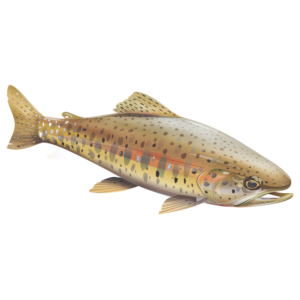
The goal of our outing is to observe whether or not coho and other species are using the habitat below the culvert. Upstream of the culvert, we found only low densities of juvenile rainbow trout, but as expected, no coho. These fish have likely been resident trout for decades. Our observations will inform the biological importance of fixing the fish passage barrier for this threatened species and others. Though snorkel surveys earlier in the summer on the nearby East Fork Scott River resulted in observations of thousands of juvenile coho, we’re not quite sure what we’ll find.
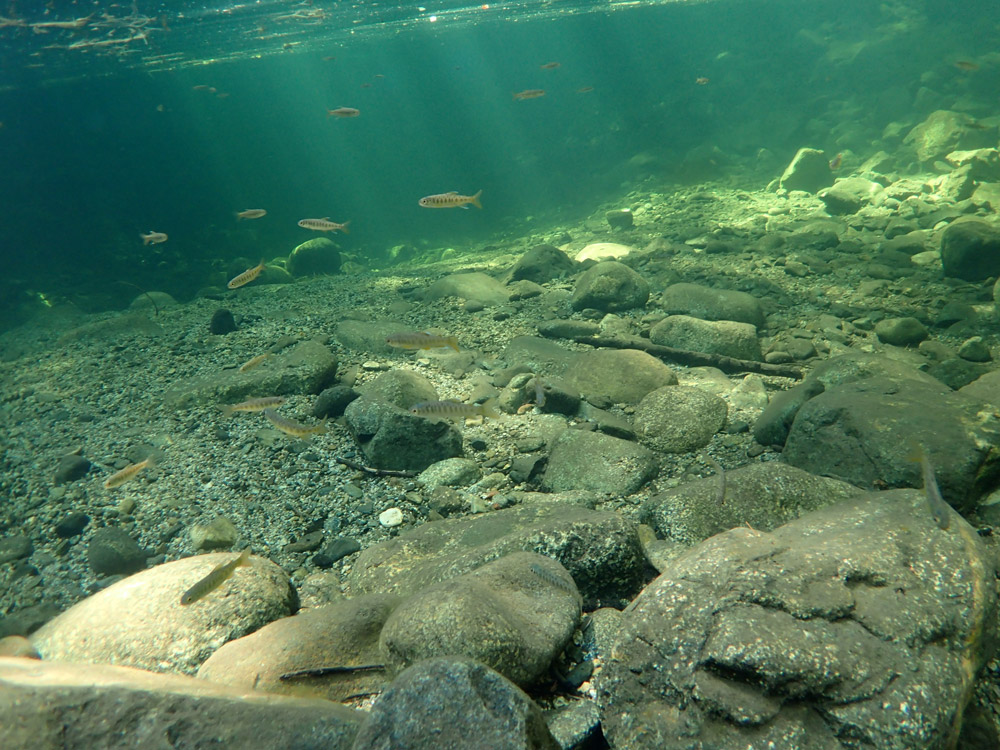
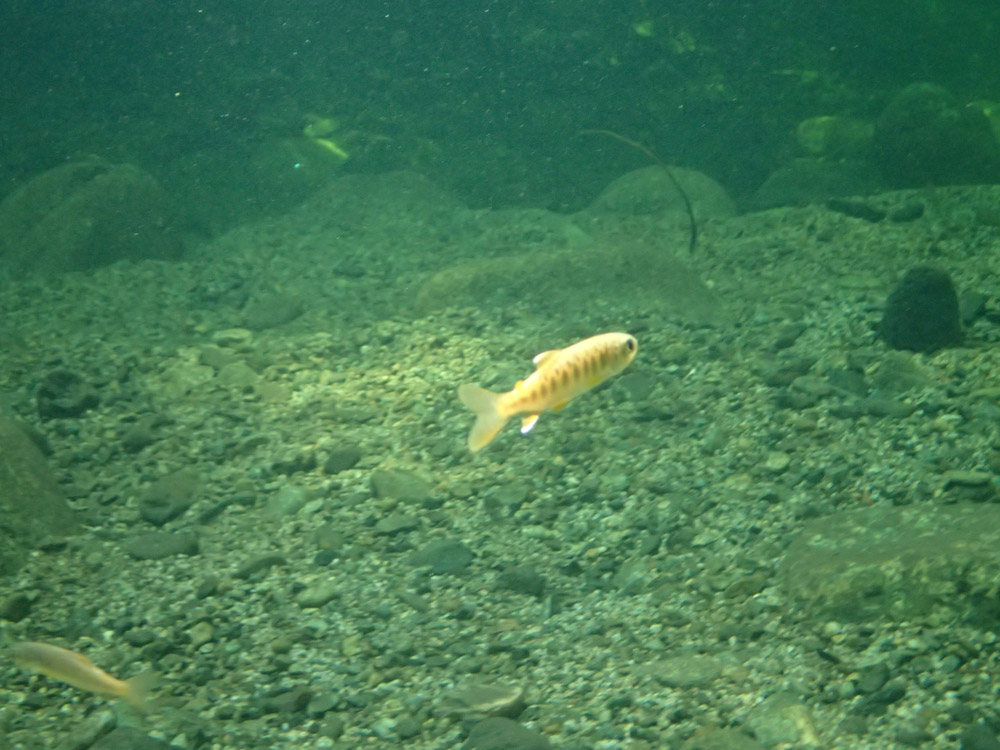
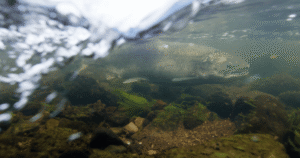
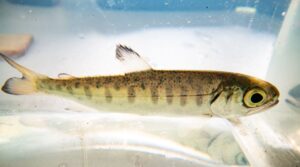
Lowering our bodies into the cold, clear water in the pool below the culvert, we let the sounds of air and land recede and succumb to our new watery world. As our eyes adjust to the filtered light, we see them. Hundreds of juvenile coho, mixed with some juvenile rainbow trout. We let ourselves float in near silence, just the sound of our breathing through the snorkels. The fish are here, and they’re telling us they want to use this habitat. Now it’s our job to fix the fish passage barrier and provide access for these fish to miles of cold, clean river upstream.
Stay tuned for more information about the launch of this new restoration project on Big Mill Creek.