ACTION ALERT
Speak Up to Protect California’s Wild Rivers & Fish by Voicing Your Support for the Roadless Rule
The U.S. Forest Service is moving forward with its effort to unravel the protections that keep our national forests intact, releasing a draft environmental impact statement (DEIS) on the proposal to rescind the Roadless Rule. The public comment period is open now through September 21. This is a critical moment for the future of California’s watersheds, clean water, wild fish, and the communities that depend on healthy rivers.
Advocacy
Protect Our Public Lands
Today, nearly half of California’s land and freshwater is protected as public land.
At CalTrout, we’re working to ensure that number only grows—because these landscapes are essential to the health of our rivers, our fish, and our communities.
Public Lands
Public lands represent what many of us love most about California. They are the places we go to swim, fish, hike, bike, and hunt—where we reconnect with nature, our communities, and something bigger than ourselves.
A range of protections help keep these lands in public hands—from national monuments and national forests to state parks and city parks. Together, they safeguard the headwaters, rivers, and wild landscapes that define California.
the facts
A Crucial Lifeline for Native Fish
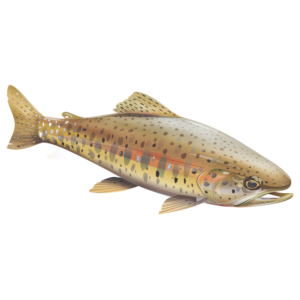
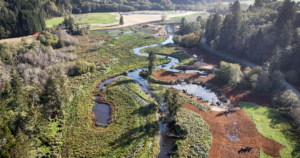
Public lands are critical to the survival of California’s native fish, much of it in cold, clean headwater streams. These areas play an outsized role in maintaining water quality, regulating flows, and supporting healthy ecosystems. From the Sespe to the Sierra Nevada to the headwaters of the Eel River, intact and roadless landscapes provide essential refuge—especially in the face of climate change. These areas help keep streams cool, sustain natural flow patterns, and protect habitat during increasingly hot and dry conditions.
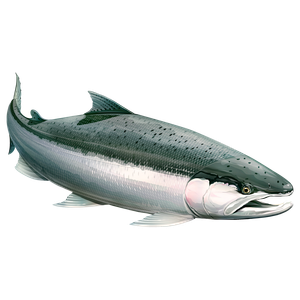
When lands remain public, they are far less vulnerable to intensive development—like road building, mining, and water diversions—that can permanently damage watersheds and the fish that depend on them. And fish are just one piece of the story. Protecting public lands also supports entire ecosystems—from insects and birds to mammals and forests. In fact, salmon themselves help feed terrestrial wildlife and forests, linking land and water in powerful ways.
70%
of remaining native trout habitat is found on public lands
WATCH the VIDEO
Protecting Our Public Lands Takes All of Us
FOR ALL OF US
It’s Not Just About the Fish.
Where people connect
Anglers cast a line, hunters track game, and families gather along rivers and lakes to create lasting memories.
Economic engines
Outfitters, ranchers, guides, and small businesses depend on access to these landscapes—an outdoor recreation economy worth over a trillion dollars.
Natural climate solutions
Protected from intensive development and extraction, public lands store carbon, support biodiversity, and build climate resilience.
Public Lands are Personal
Hear directly from a few Californians.
Tom Lippen, Fly Fishing Guide
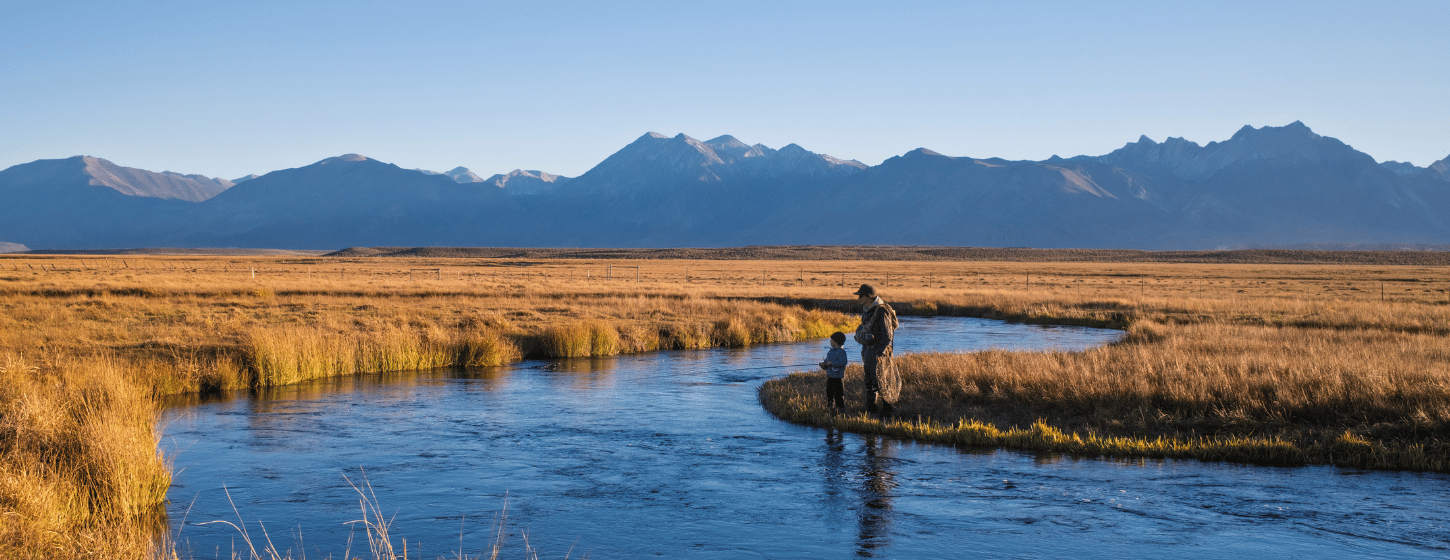
Tom learned to fly fish on the Owens River. As a full-time fly fishing guide in the Mammoth Lakes region of the Eastern Sierra, the Owens is not only his place to connect with nature and his home, but it is also his workplace. He guides almost entirely on public lands. He is passionate about protecting these places, keeping them vibrant and accessible, and teaching clients proper fish handling etiquette to ensure that California’s wild fish survive and thrive for future generations to experience.
Elizabeth Jean Younce, Artist & Educator
Elizabeth is the owner of Mustard Beetle, a company based in Los Angeles where she illustrates nature-based designs. Living in an urban place like Los Angeles, Elizabeth understands the crucial role that public lands play in her life and the lives of those around her. Much of her artistic work begins on public lands, and she strives to create art about the natural world that connects others with it in a way that builds empathy.
Seth Blackamore, Outdoorsman
Seth Blackamore lives in Bishop, CA, in the Eastern Sierra, and most of his life is spent on public lands—hunting, camping, fly fishing, and even working. While not everyone enjoys the same level of immediate access as Seth, he sees the Eastern Sierra as a place where so many people from different walks of life and backgrounds can come together and enjoy these remarkable spaces. It’s “the medicine of the outdoors”.
Jason Fitzgibbon, Mountain Biker & Ecologist
Jason Fitzgibbon is a terrestrial ecologist based in Southern California who spends a lot of his time thinking about how we can conserve native species. Growing up fishing and mountain biking on public lands across the West planted an early interest in ecology. Now, he frequently spends time on or near public lands—whether for recreation or work. In Southern California, a place that many describe as sprawling development, the public lands that do exist are crucial.
How CalTrout is protecting public lands:
1
Partner with federal agencies
CalTrout works alongside federal agencies to defend and strengthen protections for the public lands that keep fish and water healthy.
2
Support science-based management
Decisions about how public lands are managed are grounded in research on what actually keeps rivers and fish healthy.
3
Advocate against rollbacks
Whether it’s safeguarding headwater streams or ensuring responsible land management, the goal is simple: protect the places that sustain California’s fisheries and communities.

SUPPORT CALTROUT
Support CalTrout & Protect the Places that Make California Remarkable
Because once public lands are lost, they are incredibly difficult to restore. But if we get this right, we can ensure that California’s rivers, fish, and wild places continue to thrive—for generations to come.