California’s freshwater ecosystems face growing pressures from climate change, prolonged drought, habitat loss, and increasing demands on water resources.
At the same time, shifting environmental priorities at the federal level make it even more important to stay grounded in credible, independent science.
Our commitment is clear: use the best available science to protect and restore California’s freshwater ecosystems.
State
of the
Salmonids
The only statewide reckoning of California’s native salmon, steelhead, and trout.
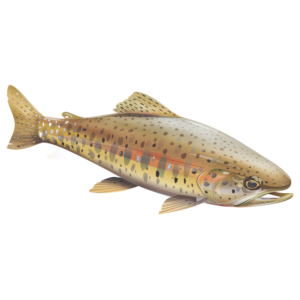
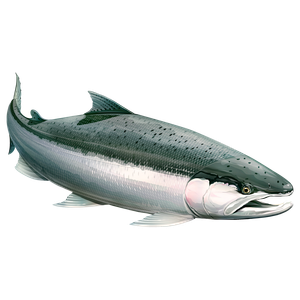
CalTrout, in partnership with UC Davis, has produced two once-a-decade State of the Salmonids reports — comprehensive scientific assessments of all 32 native salmon, steelhead, and trout species in California.
These reports are the only analyses of their kind. Their message is clear: without action, California risks losing its native fish.
In 2027, CalTrout will release SOS III, building on assessments from 2008 and 2017 to track trends over time — using a proven, peer-informed methodology trusted by agencies and academic institutions.
Why science is at the center of CalTrout’s work.
Without grounded, independent science, we are guessing. Our job is to make sure California’s water decisions are made with the best information available.
Salmon, steelhead, and trout are indicators of watershed health, and their fate is inseparable from the future of California itself.
We don’t walk away after the ribbon cutting.
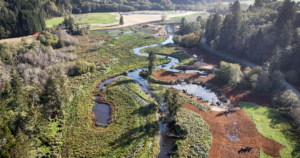
As we implement restoration projects across the state, we don’t walk away once they are complete. We study them to see how restoration actions performed and how rivers and fish respond.
When our findings are novel, we pursue publication to share our key takeaways with the broader scientific community.
Browse publications & reportsDifferent rivers, different questions, different tools.
Each watershed presents a different scientific puzzle. Our monitoring methods are matched to the questions and the place.
PIT-tag tracking
Passive integrated transponder tags let us track individual fish in real time as they move through the watershed — survival, residency, and timing.
Acoustic telemetry
Acoustic tags and receivers track fish over long distances — across hundreds of river miles and into the ocean.
Sonar imaging
Sonar stations count salmon as they pass — newly enhanced with AI to dramatically improve speed and accuracy.
eDNA
Environmental DNA samples reveal which species are present without ever seeing them — essential for endangered Southern steelhead.