Meet Board Member Drew Bassak
Drew first hear of CalTrout from an old-school paper copy of the Streamkeeper’s Log from the long-gone Fly Fishing Outfitters shop on Bush Street in San Francisco. From his early days on Lake Michigan to his post-grad solo fishing trek cross-continent, Drew brings a dedication to conservation and a passion for angling board. He has been an integral member since 2013, holding multiple leadership roles throughout, including being the most immediate past chairman.
When did you first become involved in CalTrout and why?
I first found out about CalTrout in 1993 when I picked up a pre-internet, old-school paper copy of CalTrout’s Streamkeeper’s Log from the long-gone Fly Fishing Outfitters shop on Bush Street in San Francisco.
I grew up in the Chicago suburbs close to Lake Michigan. My grandfather initially taught me how to fish when I was in grade school from the shore of Lake Michigan and on family vacations on Illinois and Wisconsin lakes. By the time I was in middle school, I was hooked, often getting up pre-dawn on summer and winter weekends to ride my bike to Lake Michigan to fish at sunrise.
I began fly-fishing in 1992 during a long driving trip through Wyoming, Montana, and Alberta after I finished grad school. With poor equipment, slick rubber-soled hip boots, and no idea what I was doing, it was tough going. But I really enjoyed the challenge of fishing moving water, and with some instruction and tips, soon I was exploring Northern California streams learning to crack the code and match the hatch.
What is your favorite angling memory?
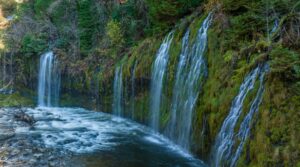
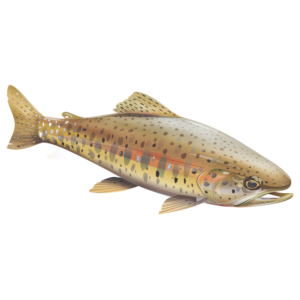
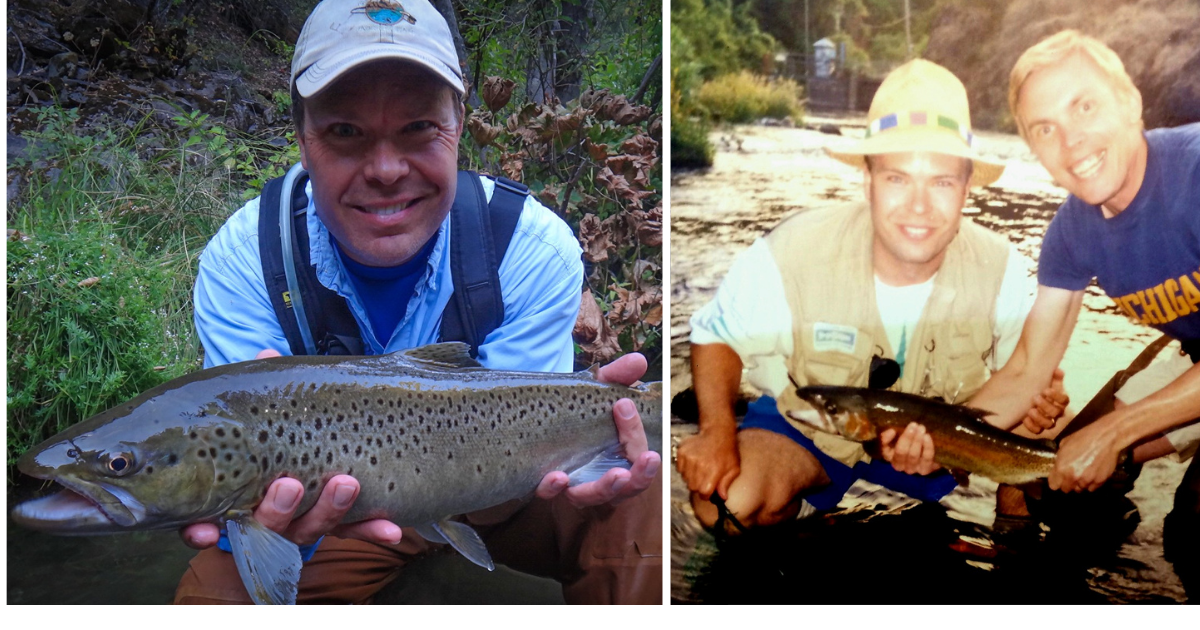
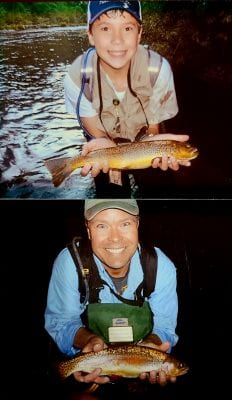
There are so many, it is hard to pick just one. But one evening with my son stands out. My son had learned to fish shortly after he learned to walk, and at about age 10 he started to learn how to fly-fish. As any parent fly angler knows, this means I spent a few seasons investing a lot of fishing time helping to tie knots, and untangling line from trees and rocks. My son (and I) had just gotten to the point where he was fishing independently, and we were fishing the evening rise on the McCloud River at Nature Pool. As dusk settled in, we each hooked chunky fish simultaneously. Wanting to help him land his fish, I edged upstream towards my son while I was fighting the fish on my line. Ultimately we each netted the other’s fish, mine a nice ‘bow, and his a beautiful brown trout that would be a memorable fish for anyone. While keeping the fish wet in our nets, we took turns snapping quick photos before releasing both fish. That moment was perfection, and we reflexively gave each other a huge hug, yelling, laughing, and then slapping high fives. My son now is twenty-two, and although that evening was more than a decade ago now, I still have those pictures in a dual-frame on my desk to this day.
Which CalTrout project or initiative interests or excites you the most and why?
CalTrout’s work to help Nestle decide to leave the Town of McCloud was among the most personally and professionally satisfying projects I have been a part of. That said, there are many ongoing CalTrout projects that I am very excited about, and I will highlight two.
CalTrout’s current Hat Creek restoration project ties together so much of what CalTrout was founded to do and continues to do today. CalTrout’s initial restoration of Hat Creek was the organization’s inaugural project 50 years ago, and that project created a world-class blue-ribbon trout stream that I was able to fish many time before its more recent decline. CalTrout’s ongoing second restoration of Hat Creek brings together science to understand how to address the loss of fish habitat, while the project connects the creek restoration work with the interests of multiple stakeholder groups, including the cultural importance of the area to the Pit River Tribe, and by providing recreational and employment opportunities for local residents. The positive results of CalTrout’s work are already starting to show, and I am excited to continue to track the progress of this project.
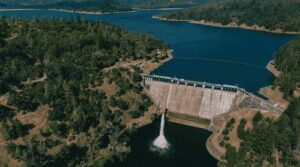
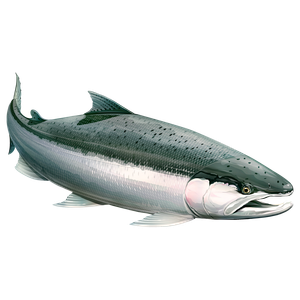
Finally, CalTrout’s work on the dam relicensing for the Potter Valley Project on the Eel River is a testament to the scale of projects CalTrout can take on and accomplish as a mature organization. It is astounding to me that CalTrout now has the expertise, reputation, and backing to partner with several other interested parties to submit a complex plan to the Federal Energy Regulatory Commission to decommission and to remove the massive aged and uneconomic Scott Dam, opening up as much as 300 miles of steelhead and salmon spawning habitat. When I first became involved with CalTrout more than twenty-five years ago, this project would have been too audacious to consider. To see CalTrout leading, managing, and directing this effort with its partners today, and the magnitude of the project and its impact is something that everyone who is a supporter of CalTrout should be very proud of.
What is it about CalTrout’s work that you find most inspiring?
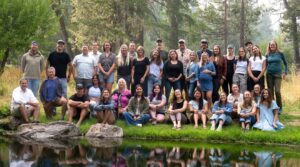
There are two things that are the most inspiring to me about CalTrout. First, the people who are associated with CalTrout – the staff, the board, and CalTrout’s partners – are of the highest quality, character, and talent. Their passion for CalTrout’s mission energizes me and is infectious. Second, the quality of CalTrout’s people leads CalTrout to find and take ownership of and execute amazing, impactful projects across the state. CalTrout’s work is paying off in so many ways, and it is inspiring to see the tangible results in real-time of my and others’ contributions to CalTrout.
What does being a CalTrout member mean to you?
Outside of our families, there are few things most people have a chance to do during their lives that create a lasting legacy. As a CalTrout member, I know that CalTrout’s work is creating a lasting legacy that will benefit generations of people I will never meet who are (or who will be) passionate about California’s cold-water rivers and streams, and the fish that inhabit them.
What is your favorite river in California and why?
The McCloud River is, in my view, unparalleled. Because it takes an investment of time and effort to access its rugged terrain, the riparian habitat along the McCloud is largely unspoiled. I have found few other places where I can feel as far removed from everyday life. That the McCloud is sacred to the Winnemem Wintu Indian Tribe is no surprise to anyone who has spent a few nights on the river. It is a magical place. And, yes, the fishing is really good too.