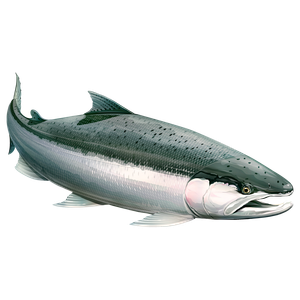
CalTrout is helping fund a study on Northern California’s Shasta River and Big Springs Creek — one which promises to teach us about the value of cold, clean spring water to juvenile coho salmon.
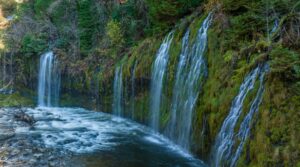
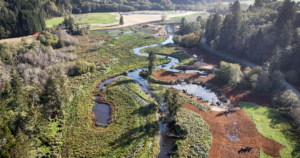
Both the Shasta River and 2.2 mile Big Springs Creek flow through the Nature Conservancy’s Big Springs Ranch and empty into the Klamath River. And both provide critical rearing habitat to coho salmon — which once produced the west coast’s third-largest salmon runs.
Today, the Klamath’s coho salmon are endangered — their numbers reduced to nearly nothing by decades of water diversions and habitat destruction — and these two tributaries provide a home to most of its few remaining coho salmon.
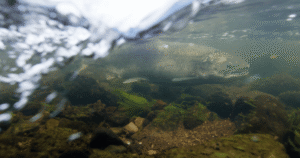
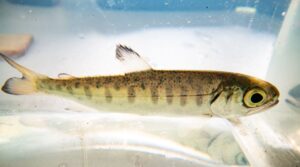
From now until September, UC Davis Center for Watershed Sciences researchers are testing how proximity to springs — and their cold, nutrient-laden water — affects growth of juvenile salmon.
Recent studies tell us that one of the key factors of salmon survival in the ocean is the size of the juvenile salmon, so if springs offer salmon a sizable boost in growth rates, then we know more about another piece of the salmon puzzle.
From the California Water Blog:
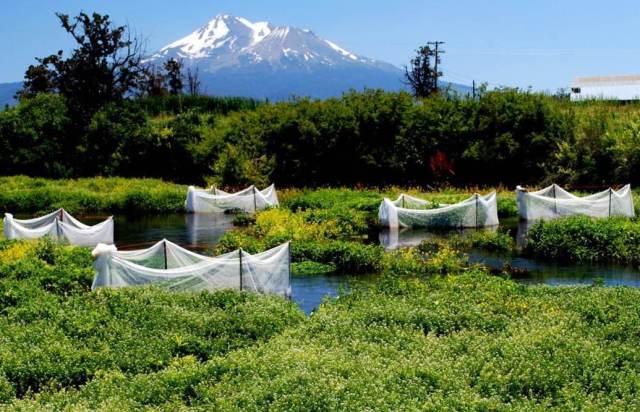
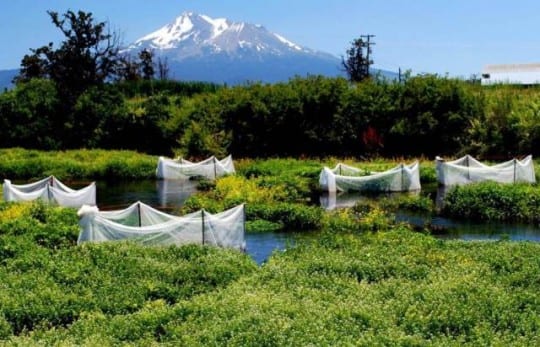
Previous monitoring in the study area has shown that nutrient levels in summer decline with distance from springs, as do the densities aquatic plants and insects that provide habitat and food for fish. Fish growth would seem to be similarly influenced by proximity to springs, the prime source of the nutrients nitrate and phosphorous. To put this hypothesis to the test, the UC Davis researchers built five fish enclosures at each of five sites spanning a 10-mile stretch downstream of the source springs. They stocked the enclosures with hatchery-raised juvenile coho salmon for eight weeks of study.
Previous monitoring in the study area has shown that nutrient levels in summer decline with distance from springs, as do the densities aquatic plants and insects that provide habitat and food for fish.
Fish growth would seem to be similarly influenced by proximity to springs, the prime source of the nutrients nitrate and phosphorous.
To put this hypothesis to the test, the UC Davis researchers built five fish enclosures at each of five sites spanning a 10-mile stretch downstream of the source springs. They stocked the enclosures with hatchery-raised juvenile coho salmon for eight weeks of study.
CalTrout has been very active in the Klamath watershed, where overpromised water supplies and ongoing legal battles have led to irrigation water shutoffs, massive fish kills, and uncertainty for ranchers.
Right now, the Klamath — which suffered and extremely poor snowpack and precipitation over the winter — is in crisis again. The cost of “managing” these rolling crisis is enormous, and CalTrout joined 41 other stakeholders in creating the Klamath Basin Agreements, which now function as a starting point for efforts to resolve the Klamath’s longtime water issues.
To read more about the UC Davis Big Springs and Shasta River salmon project, click here.