





The Klamath River’s annual toxic algae bloom has appeared; the state is urging boaters and swimmers to avoid contact with the blue-green algae, and have posted health advisories on the water.
This press release from the California Regional Water Quality Control Board outlines the issues:
Sacramento – Due to its potential health risks, federal, state, and tribal agencies are urging swimmers, boaters and recreational users to avoid contact with blue-green algae (cyanobacteria) now blooming in Copco and Iron Gate Reservoirs on the Klamath River in Northern California. The reservoirs have been posted with health advisories warning against human and animal contact with the water. Cyanobacteria (Microcystis aeruginosa) cell counts and toxin levels in Copco Reservoir and toxin levels in Iron Gate Reservoir exceeded the public health advisory threshold during recent public health monitoring. … “As blue-green algae (cyanobacteria) can pose health risks, especially to children and pets, we urge people to be careful where they swim when visiting Copco and Iron Gate Reservoirs,” said Matt St. John, Executive Officer of the North Coast Regional Water Quality Control Board. “We recommend that people and their pets avoid contact with the blooms, and particularly avoid swallowing or inhaling water spray in an algal bloom area.”
Sacramento – Due to its potential health risks, federal, state, and tribal agencies are urging swimmers, boaters and recreational users to avoid contact with blue-green algae (cyanobacteria) now blooming in Copco and Iron Gate Reservoirs on the Klamath River in Northern California. The reservoirs have been posted with health advisories warning against human and animal contact with the water.
Cyanobacteria (Microcystis aeruginosa) cell counts and toxin levels in Copco Reservoir and toxin levels in Iron Gate Reservoir exceeded the public health advisory threshold during recent public health monitoring.
…
“As blue-green algae (cyanobacteria) can pose health risks, especially to children and pets, we urge people to be careful where they swim when visiting Copco and Iron Gate Reservoirs,” said Matt St. John, Executive Officer of the North Coast Regional Water Quality Control Board. “We recommend that people and their pets avoid contact with the blooms, and particularly avoid swallowing or inhaling water spray in an algal bloom area.”
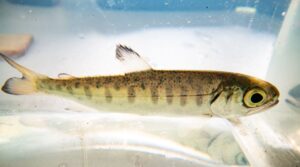
Illustrating the water quality issues created by the two lowest Klamath River dams; In past years the toxin plume reached all the way to the ocean.
Opponents of dam removal sometimes suggest the dams actually improve water quality through settling, but they heat the Klamath’s water and create toxic algae blooms.
As the economic benefits of dam removal become clear — and the economic losses associated with keeping the Klamath dams become more apparent — it’s time for the charade to end.