For Immediate Release: May 9th, 2013
Contact: Meadow Barr, 530-859-1411
Siskiyou County-CA
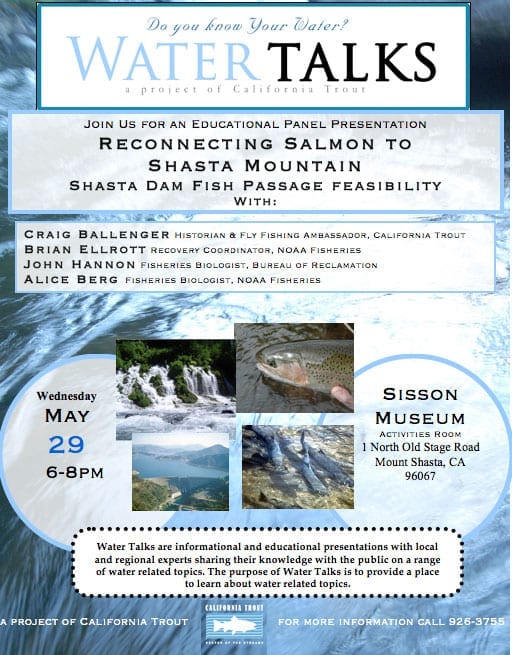
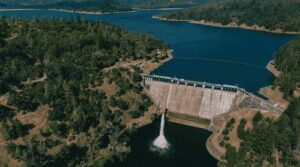
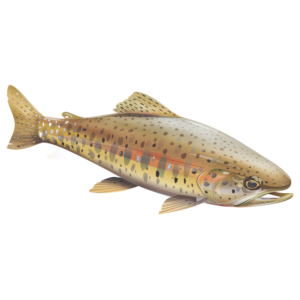
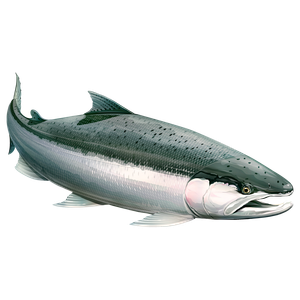
Did you know that four runs of salmon, and steelhead existed in the Upper Sacramento, McCloud and Pit Rivers prior to the building of Shasta Dam? Come learn about why salmon reintroductions are being considered, and steps being taken to assess the feasibility of accomplishing reintroductions above Shasta Dam.
The public is invited to an educational presentation, “Water Talks: Reconnecting Salmon to Shasta Mountain: Shasta Dam Fish Passage Feasibility” on Wednesday May 29th 2013 from 6:00 pm to 8:00 pm at the Mount Shasta Sisson Museum located at 1 North Old Stage Road in Mount Shasta. The informational Water Talks are free and open to the public.
“Water Talks: Reconnecting Salmon to Shasta Mountain: Shasta Dam Fish Passage Feasibility” will feature presentations from:
- Craig Ballenger Historian, Author and Fly Fishing Ambassador, California Trout
- Brian Ellrott Recovery Coordinator, NOAA Fisheries
- John Hannon Fisheries Biologist, Bureau of Reclamation and
- Alice Berg Fisheries Biologist, NOAA Fisheries.
Local historian and California Trout’s fly fishing ambassador Craig Ballenger, will provide an introduction to the evening’s topic with a short history of the salmon and steelhead runs on the McCloud, Upper Sacramento and Pit Rivers. “The spring fed rivers that flow into Shasta Dam once supported four runs of salmon and runs of steelhead,” he said.
Brian Ellrott, the Central Valley Chinook salmon and steelhead Recovery Coordinator for NOAA Fisheries, will discuss the importance of providing salmon with more spawning habitat. “Historically, there were four independent populations of winter-run Chinook salmon spawning in the Sacramento River basin; today, there is only one population and it is on a path to extinction”, Brian stated. “To avoid extinction and ultimately recover winter-run Chinook salmon, the feasibility of returning these fish to their historic spring-fed spawning areas must be explored.”
“It’s been a long time since anadromous fish had access to the habitat above Shasta Dam and watershed conditions have changed since then,” said John Hannon, a Fisheries Biologist with the Bureau of Reclamation. “We’re looking at the habitat to make sure it’s still compatible with the targeted salmon runs and will be working with other agencies and interested stakeholders to design and conduct studies to learn whether we may be able to feasibly reintroduce salmon back into some of their historic habitat above Shasta Dam,” he explained.
“Stakeholders in regions above large head dams have concerns about how reintroducing endangered species could affect them,” said Alice Berg, who is a fisheries biologist and an Endangered Species Act Specialist for NOAA Fisheries. “While we are still in the early stages of identifying what tools may be applicable above Shasta Dam, I will explain the suite of tools used to address these concerns as well as a case study on how these tools have been used in other regions in the Pacific Northwest,” she said.
Attendees can expect to come away with a better understanding the history of salmon runs above Shasta Dam, why the National Marine Fisheries Service is considering the possibility of reintroducing salmon above Shasta Dam, and the process and timeline of studying the feasibility of reintroductions.
Water Talks are an ongoing series of informational and educational presentations with local and regional experts sharing their knowledge with the public on a range of water related topics. The purpose of Water Talks is to provide a place to learn about water related topics. Water Talks is a project of California Trout. California Trout is a nonprofit organization dedicated to seeking workable solutions for fisheries restoration throughout California.” For more information contact Meadow Barr, California Trout Outreach Consultant at 530-859-1411 or mbarr@www.caltrout.org.