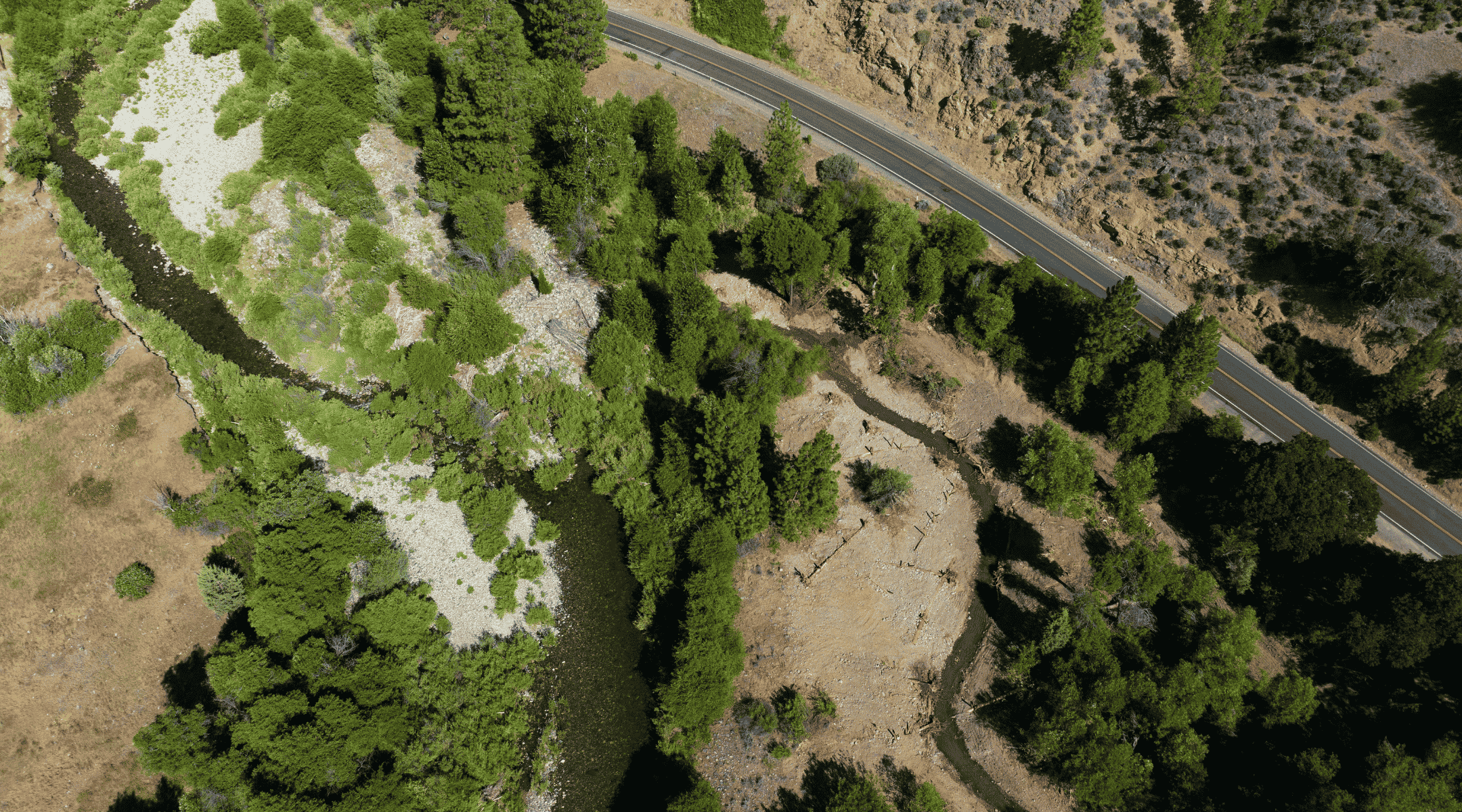
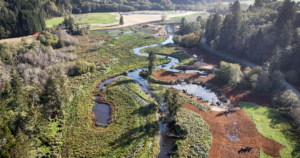
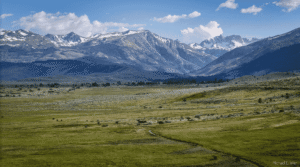
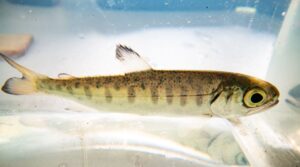
The Shasta River is an important and productive spring creek tributary to the Klamath River. As the last major tributary to the Klamath River before Iron Gate Dam, the salmon and steelhead populations here will be the primary sources to recolonize above the Klamath dams once they are removed in 2020. Populations of coho salmon are low and there is increased pressure for private landowners to take action to improve habitat for this species.
To address this conflict, CalTrout, The Nature Conservancy and the Farm Bureau have been working with 10 landowners to identify incentives for private landowners to improve conditions for coho salmon through a state and federal Safe Harbor Agreement.
The success story of Big Springs Creek, a tributary to Shasta River, as reported in the California WaterBlog, is a harbinger of the things to come from CalTrout’s and partners’ current work.
With habitat recovery in Shasta Basin now underway, other basin landowners can help sustain it. Salmon restoration efforts in the region already enjoy broad support and collaboration among public, private and non-profit entities. Several measures are already established, including controls on irrigation runoff, removal of barriers to fish passage and water transactions that increase streamflows for fish at biologically important times. Conservation activities at the basin scale are necessary to develop and maintain salmon and steelhead habitat. However, certain ecologically important river reaches are paramount to successful recovery. Good stewardship of these critical reaches leverages the value of all conservation efforts in the basin.
With habitat recovery in Shasta Basin now underway, other basin landowners can help sustain it. Salmon restoration efforts in the region already enjoy broad support and collaboration among public, private and non-profit entities. Several measures are already established, including controls on irrigation runoff, removal of barriers to fish passage and water transactions that increase streamflows for fish at biologically important times.
Conservation activities at the basin scale are necessary to develop and maintain salmon and steelhead habitat. However, certain ecologically important river reaches are paramount to successful recovery. Good stewardship of these critical reaches leverages the value of all conservation efforts in the basin.