

On a frigid day at the beginning of March, all the sponsors of the Bay Area Classroom Aquarium Education Program (or as it’s affectionately known, Trout in the Classroom) gathered at the Berkeley Marina to collect trout eggs from CDFW. Once safely packed away in coolers, the next step was to distribute them to classrooms throughout the larger Bay Area Region.
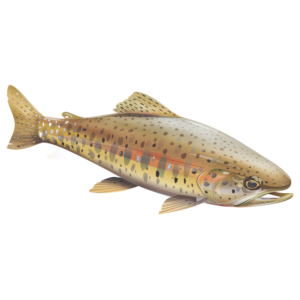
Some exciting challenges marked the beginning of this year’s program – heavy snowfall blocked the roads out of the Shasta hatchery where eggs come from. Due to the wait for roads to be cleared, this batch of eggs was shifted to what was available under the new timeline – Eagle Lake trout eggs!
With this unique batch of eggs packed into tiny styrofoam cups on ice, sponsors headed off to deliver them to dozens of classrooms throughout the region.
On arrival, youth gathered around aquariums and carefully scooped their eggs out into the pre-chilled water, watching them softly float to the gravel below.
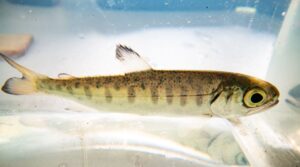
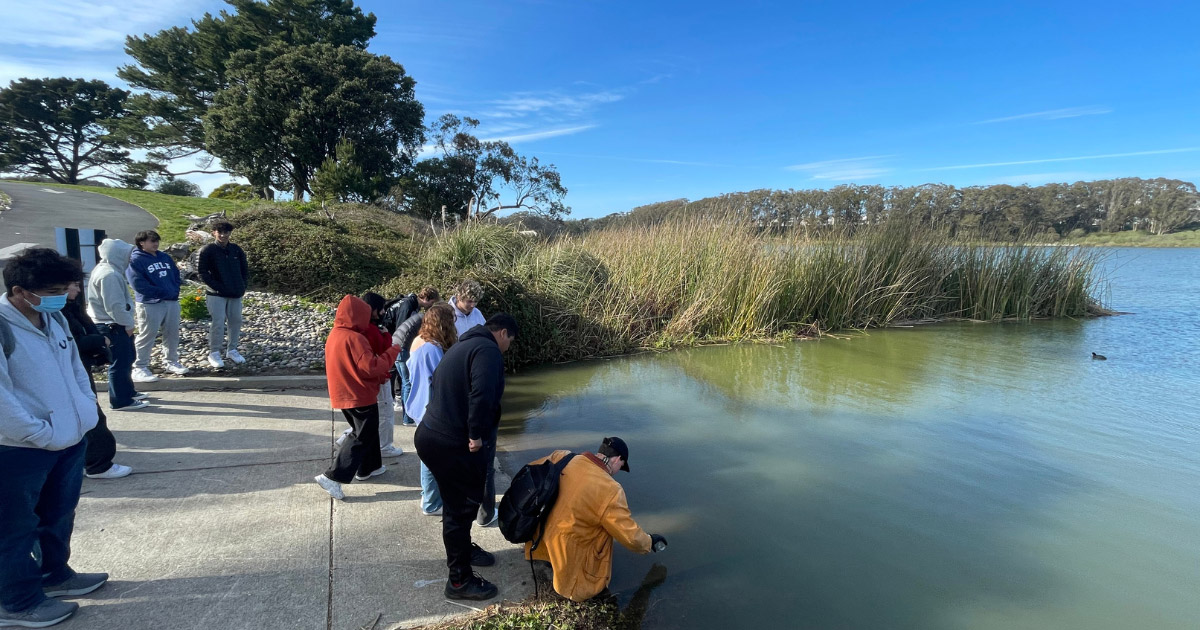
A short six to eight weeks later, with those same eggs hatched and reared, volunteers and teachers loaded the fry up into five-gallon buckets and travelled with students to CDFW-designated waterways to release them. For some students, release day is emotional — they’ve invested time and care into these small creatures and have high hopes for their survival and wellness!
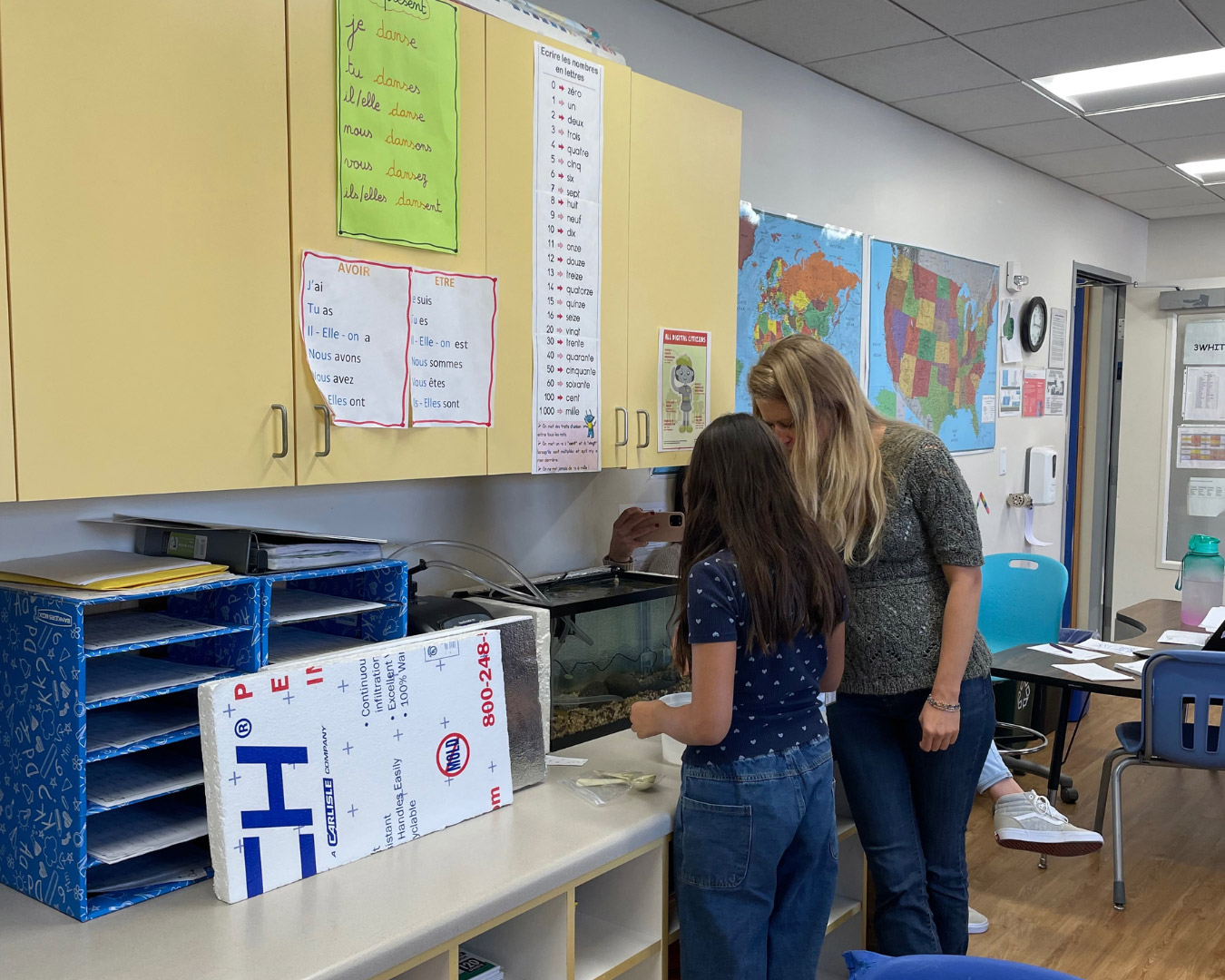
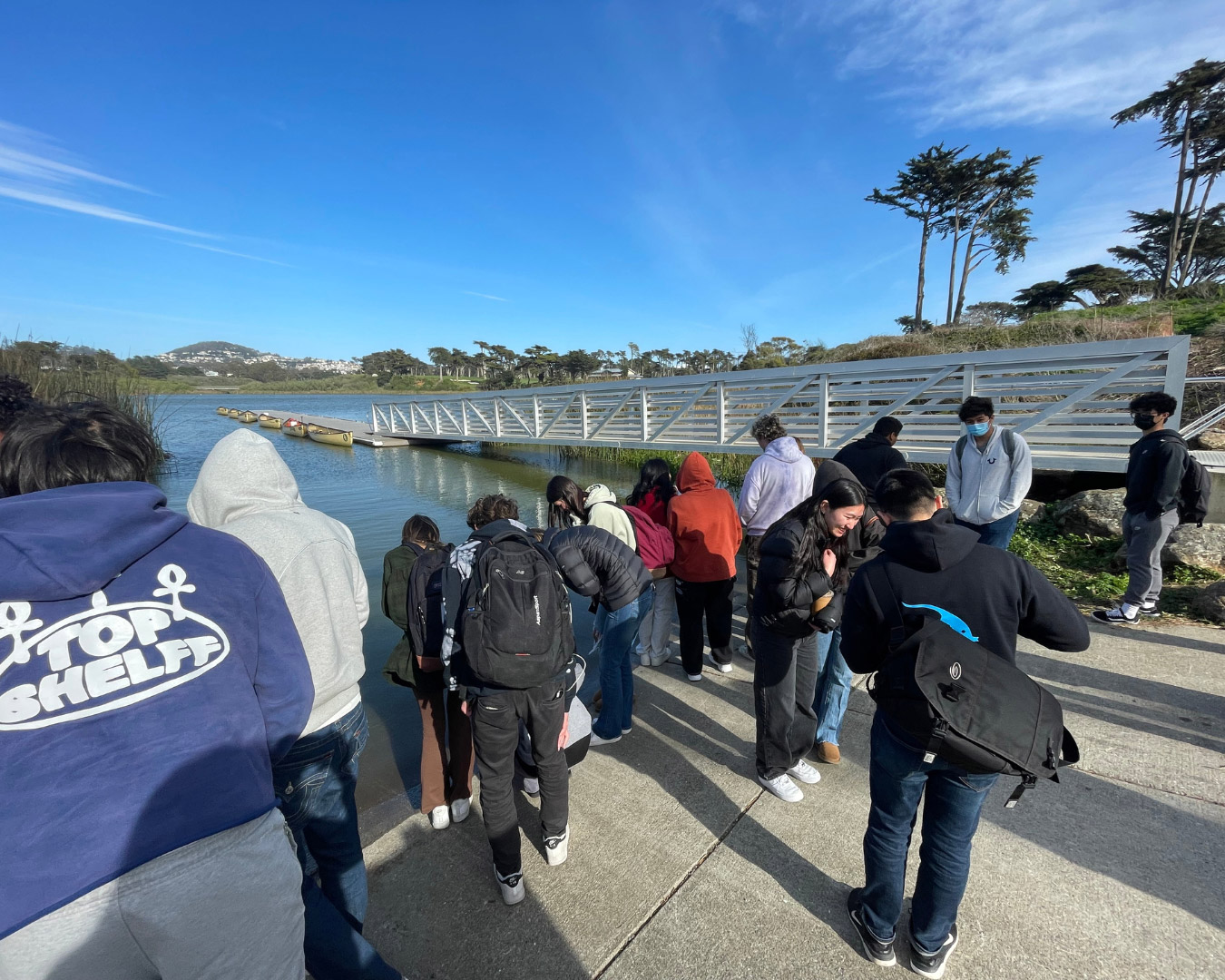
In many ways, this is a core goal of the Trout in the Classroom program – to create a sense of connection for the students to these fish that then stokes an interest in deeper connection to the natural world. A hatching of both trout eggs and our community’s next generation of conservationists.
At our release days in mid-April, along the shoreline of Lake Merced, I had the privilege to speak with the young people from CalTrout-sponsored classrooms about the things salmonids need to be well – cold, free-flowing, clean water – and about native aquatic plants and the shelter and nutrients they can provide.
After students from our 3rd grade classes released their trout, we did a short exercise. I asked them to close their eyes and imagine themselves as the tiny trout they just released. How did it feel to enter into the lake from the bucket or cup you were in for transport? Does the water feel cool on your gills? What do you see and feel in this new environment , and where do you think you’ll go next?
Now it’s late April, and trout release day has come and gone again. Along with the students, I hope that a handful of those tiny trout are thriving. We look forward to next season with anticipation.