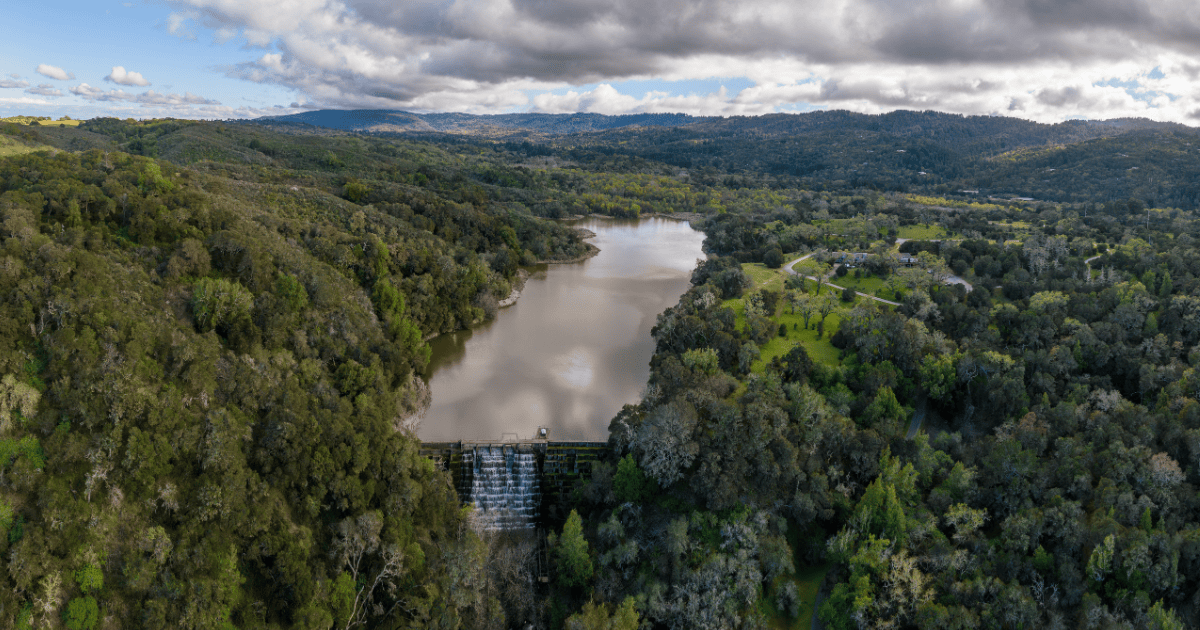
In a recent article from Stanford University’s Woods Institute, CalTrout is encouraged to see Dan Reicher and Felicia Marcus, Stanford University water experts from the Woods Institute and Center for the West respectively, examining the impacts of dams that have outlived their useful lifespan and the opportunities their removal can create for rivers and communities.
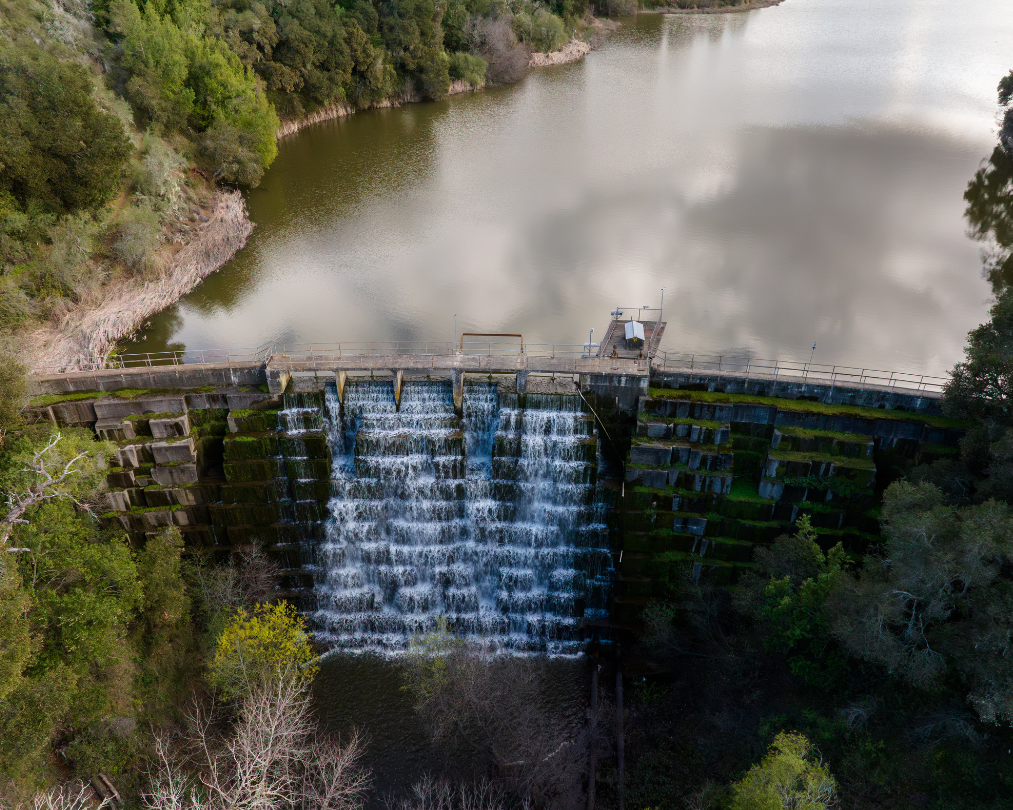
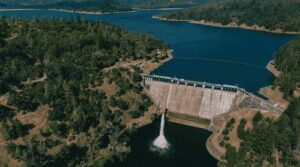
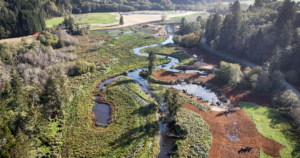
In their commentary, they highlight the Potter Valley Project on the Eel River as a candidate for removal, but another prime candidate is the Stanford University-owned Searsville Dam, which has long ago surpassed its useful lifespan of storing water. Searsville Reservoir is now over 90% filled in with sediment. The aging dam, built in the 1890s, is classified as a “High Hazard” dam by the U.S. Army Corps and poses a serious dam failure risk to people and property downstream. It is also a prime candidate for removal to achieve large-scale ecosystem restoration, water quality improvement, and reduced methane emissions. In this era of increasingly unprecedented climate impacts including catastrophic flood risk from atmospheric river precipitation events, public safety is of the utmost importance.
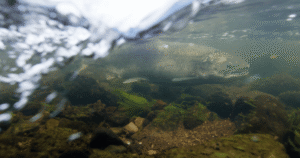
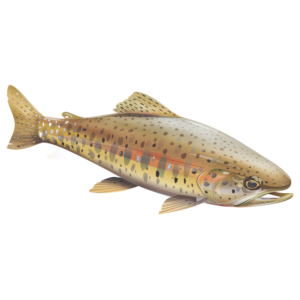
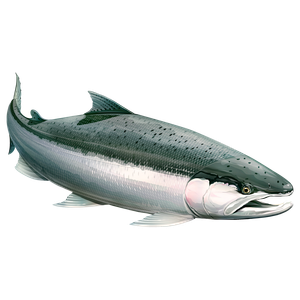
Just like on the Eel River, there is a damless solution on San Francisquito Creek that ensures a more reliable and responsible water supply for Stanford University while providing unimpeded migration for threatened steelhead trout and other native species.
CalTrout, along with other Beyond Searsville Dam coalition partners, have presented such a vision to Stanford that would be an unprecedented research opportunity and model. The coalition has submitted public comments on the initial Notice of Preparation filed by Stanford and is anticipating the release of the university’s forthcoming environmental impact report on their plans for Searsville Dam this winter. We look forward to working with the university and resource agencies to find a solution that replaces their aging infrastructure with better and modernized alternatives that balance the needs of both fish and people alike.
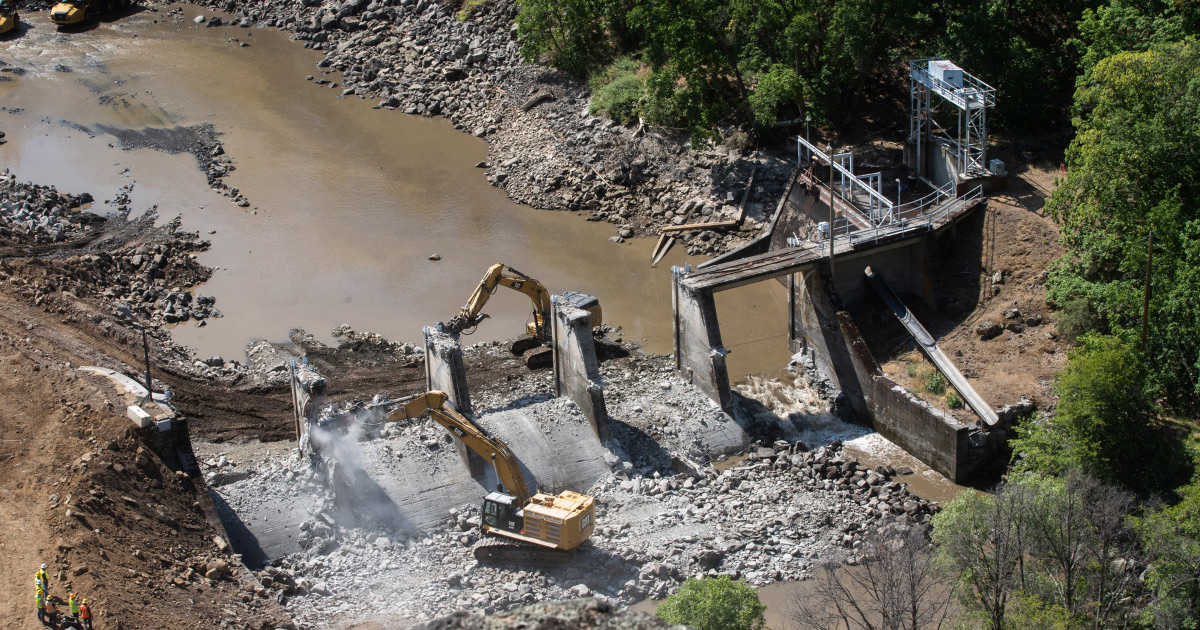
Read the full Woods Institute article HERE.
Learn more about how CalTrout is leading efforts to remove obsolete dams in California HERE.
Thank you for your interest in Big Chico Creek and the Iron Canyon Fish Passage Project! We looking forward to sharing project updates, news, and stories with you from the Big Chico Creek watershed as they develop.
Thank you for your interest in Big Chico Creek and the Iron Canyon Fish Passage Project! One of our staff members will do their best to get back to you as soon as possible. However, please note that due to limited capacity we may not be able to respond to all questions or fulfill all requests.
Thank you for your interest in the Elk River! One of our North Coast Region staff members will do their best to get back to you as soon as possible. However, please note that due to limited capacity we may not be able to respond to all questions or fulfill all requests.
Sign up to hear from California Trout! CalTrout’s mission is to ensure healthy waters and resilient wild fish for a better California. Hear about our work and how to get involved through our monthly newsletter, The Streamkeeper’s Blog, “Trout Clout” action alerts, article from our e-magazine, The Current, event invites, and much more! We respect your privacy and will never sell or share your information with other organizations.

Peter Moyle is the Distinguished Professor Emeritus in the Department of Wildlife, Fish and Conservation Biology and Associate Director of the Center for Watershed Sciences, at UC Davis. He is author or co-author of more than 240 publications, including the definitive Inland Fishes of California (2002). He is co-author of the 2017 book, Floodplains: Processes and Management for Ecosystem Services. His research interests include conservation of aquatic species, habitats, and ecosystems, including salmon; ecology of fishes of the San Francisco Estuary; ecology of California stream fishes; impact of introduced aquatic organisms; and use of floodplains by fish.
Robert Lusardi is the California Trout/UC Davis Wild and Coldwater Fish Researcher focused on establishing the basis for long-term science specific to California Trout’s wild and coldwater fish initiatives. His work bridges the widening gap between academic science and applied conservation policy, ensuring that rapidly developing science informs conservation projects throughout California. Dr. Lusardi resides at the UC Davis Center for Watershed Sciences and works closely with Dr. Peter Moyle on numerous projects to help inform California Trout conservation policy. His recent research interests include Coho salmon on the Shasta River, the ecology of volcanic spring-fed rivers, inland trout conservation and management, and policy implications of trap and haul programs for anadromous fishes in California.

Patrick Samuel is the Conservation Program Coordinator for California Trout, a position he has held for almost two years, where he coordinates special research projects for California Trout, including the State of the Salmonids report. Prior to joining CalTrout, he worked with the Fisheries Leadership & Sustainability Forum, a non-profit that supports the eight federal regional fishery management councils around the country. Patrick got his start in fisheries as an undergraduate intern with NOAA Fisheries Protected Resources Division in Sacramento, and in his first field job as a crew member of the California Department of Fish & Wildlife’s Wild and Heritage Trout Program.