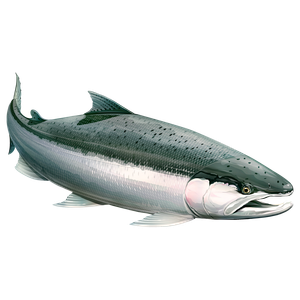
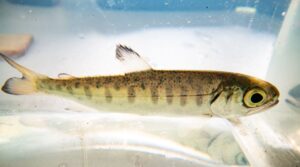
Last week the Bureau of Reclamation (BOR) announced that it would release additional water from Trinity Reservoir for the lower Klamath River to help protect returning adult fall run Chinook salmon from a disease outbreak and mortality. Supplemental flows from Lewiston Dam would commence on August 21 and extendinto late September. That’s good news for salmon. Read the BOR’s announcement here.
But not so fast. Shortly after the announcement, the San Luis & Delta-Mendota Water Authority along with Westlands Water District filed a lawsuit in federal court to stop the Bureau of Reclamation from releasing Central Valley Project water from the Trinity Division to the Klamath River. In their joint statement, they claim
“The decision by the Bureau of Reclamation to repurpose precious Central Valley Project water resources to augment Klamath flows for non-endangered fish, an action that is of questionable benefit, is both irresponsible and incomprehensible.”
“The decision by the Bureau of Reclamation to repurpose precious Central Valley Project water resources to augment Klamath flows for non-endangered fish, an action that is of questionable benefit, is both irresponsible and incomprehensible.”
We find their choice of the word ‘repurpose’ ironic given that the original ‘purpose’ of the water is to flow down the river, or be ‘flushed down’ as they put it.
Yes, farmer’s are being impacted by the current drought. But they’re not the only ones. As we and The Nature Conservancy mentioned in our letter to the BOR,
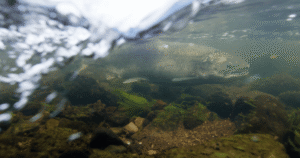
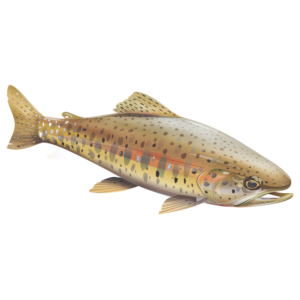
The low flows of 2002 resulted in the largest die off of adult salmon ever recorded in the United States. It is estimated that between 38,000 – 75,000 fish died during this period, mostly fall run Chinook salmon that were just beginning their spawning migration. This preventable event devastated the commercial fishing industry and severely impacted the local Tribes who rely on the fishery as a source of food, as well as centerpiece of their cultural heritage.
The low flows of 2002 resulted in the largest die off of adult salmon ever recorded in the United States. It is estimated that between 38,000 – 75,000 fish died during this period, mostly fall run Chinook salmon that were just beginning their spawning migration. This preventable event devastated the commercial fishing industry and severely impacted the local Tribes who rely on the fishery as a source of food, as well as centerpiece of their cultural heritage.
The water districts filed a similar lawsuit last year when increased flows were announce and lost. Yesterday, the court denied the Temporary Restraining Order allowing for the increased flows from Trinity Reservoir to the Lower Klamath. You can read their ruling here.
Let it flow!
Your gifts makes it possible for CalTrout to engage and ensure there is enough water to sustain healthy, wild fish. Donate now to support this and efforts like it.