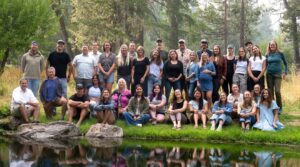
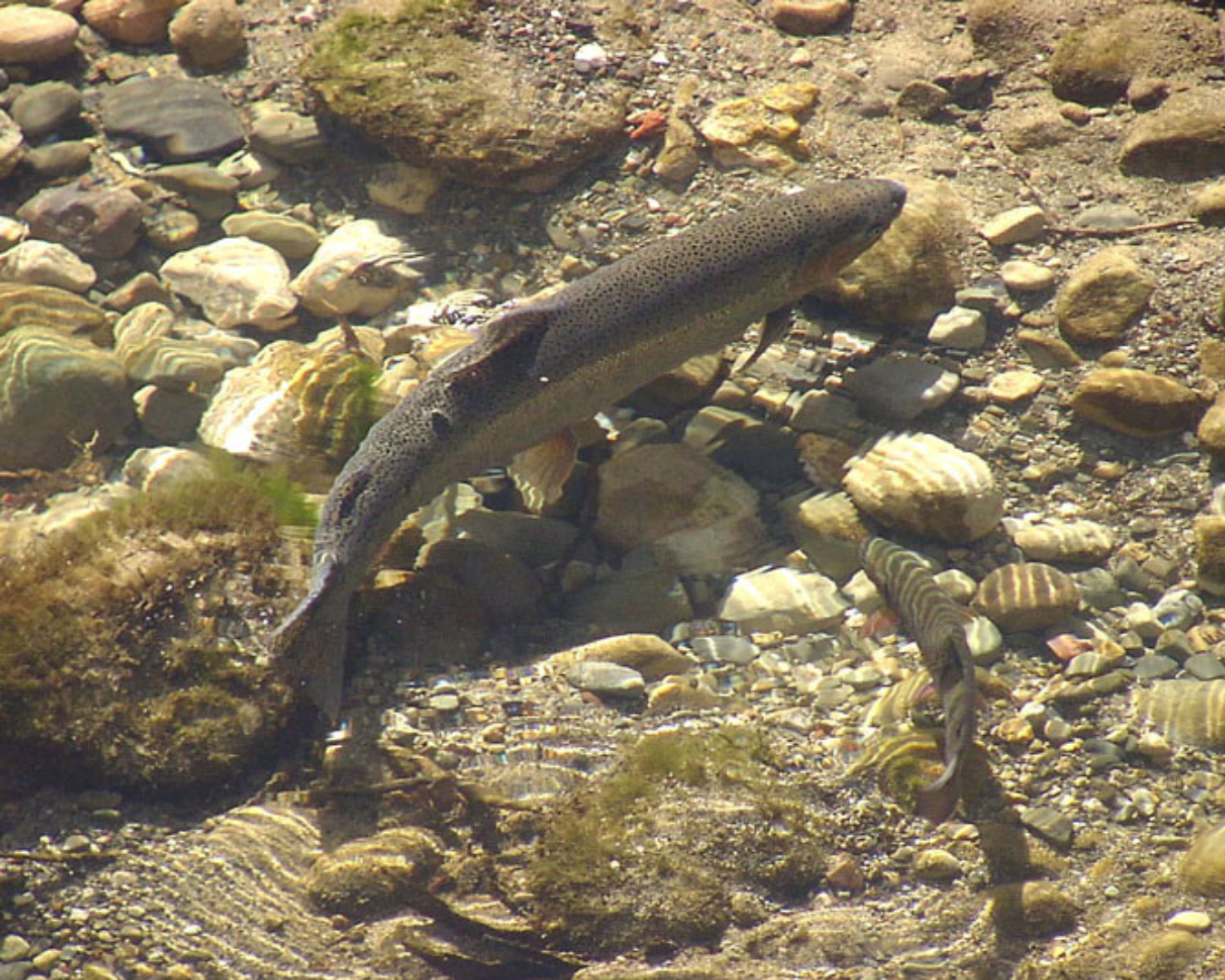
The Southern Steelhead Coalition (SSC) recently gathered 80+ steelhead experts, advocates, scientists, and community leaders for the first-ever Southern Steelhead Symposium. The dynamic Coalition brings together organizations across agencies and the private sector to increase the pace, scale, and scope of watershed restoration projects to recover endangered Southern steelhead populations in high-priority rivers. This effort could not come at a more critical time. Where there were once runs in the tens of thousands of returning adults on major Southern California rivers, today experts estimate there may be less than 500 adults that exist in any given year.
Why This Symposium Matters
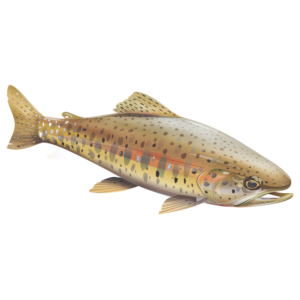
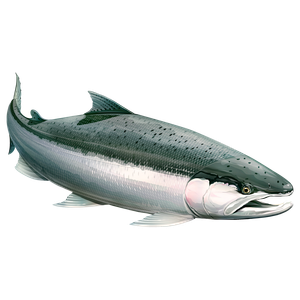
Steelhead are iconic and culturally significant, but their importance is not JUST about the fish — they are keystone species that serve as both important predators and prey within their ecosystems. As watershed indicators, their presence signals the overall health of an entire watershed. But Southern steelhead face mounting challenges that mirror the struggles of the urbanized environment they call home: habitat loss, passage barriers, degraded water quality, climate change, and even poaching.
As Camali Lopez, Tribal Liaison, Southern Steelhead Coalition shared in his opening remarks at the Symposium, “This gathering is able to bring together our dreams, our different speculative reasonings, our understandings of the world and build that into the future.” For a species whose range stretches from Santa Maria to Mexico, traversing both aquatic and marine environments, collaboration across this vast geography is essential for species recovery. The needs of steelhead in San Diego differ significantly from those in Santa Barbara, making multi-stakeholder coordination critical for recovery efforts.
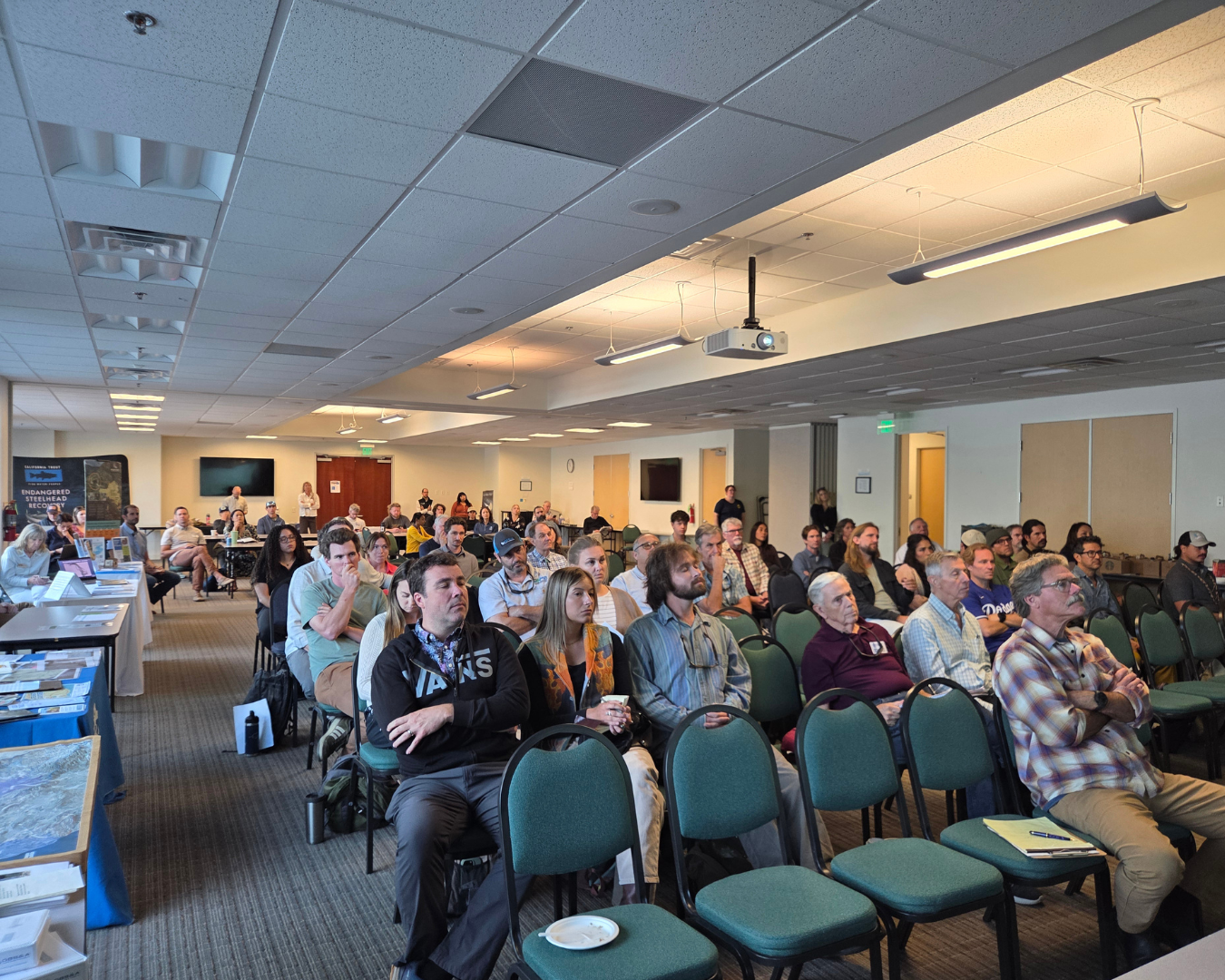
A Day of Connection, Knowledge-Sharing, and Problem-Solving
The symposium brought together leading voices in Southern steelhead conservation. Connor Everts of the Southern California Watershed Alliance traced the history of Southern steelhead, from the species’ origins through times of abundance to early conservation organizing and current restoration projects. Rosi Dagit from the Santa Monica Mountains Resource Conservation District (SMMRCD) shared a compelling story of community mobilization, bringing together multiple agencies and groups to rescue steelhead from debris burial following rainstorms after the Palisades Fire. This effort was documented in the new short documentary, Fish for the Future by Matthew Benton.
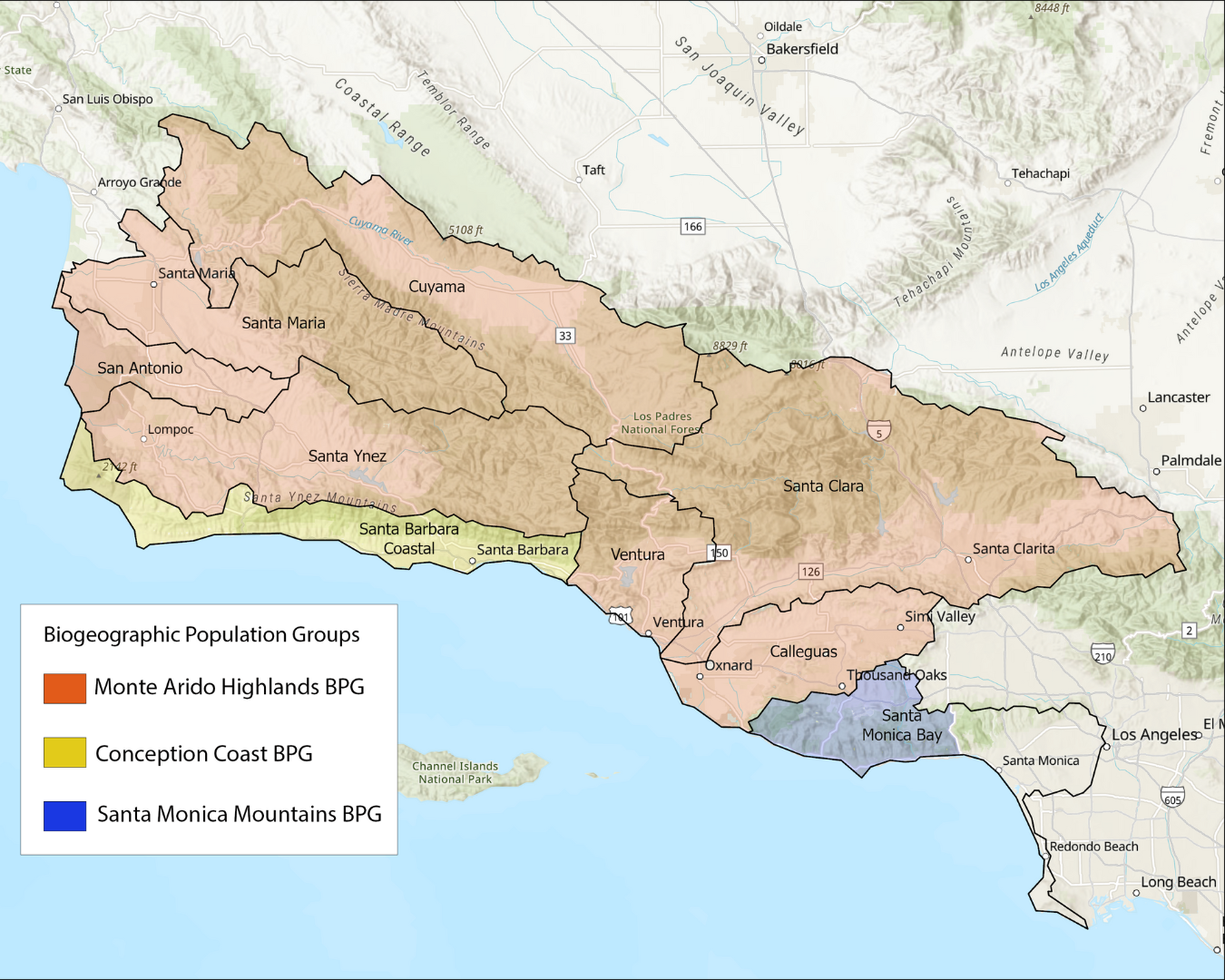
R.J. Van Sant from California State Parks delivered an update on the timeline for the Rindge Dam removal on Malibu Creek and other implementation strategies for the Malibu Creek Ecosystem Restoration Project. This ambitious project aims to restore ecosystem functions and reconnect critical creek habitat by removing the dam, opening up miles of spawning and rearing habitat for endangered steelhead.
Mark Capelli of the National Marine Fisheries Service presented fascinating research challenging conventional wisdom about estuarine management. His work suggests we’ve historically misunderstood how these critical habitats function – insights that could reshape conservation approaches throughout the region.
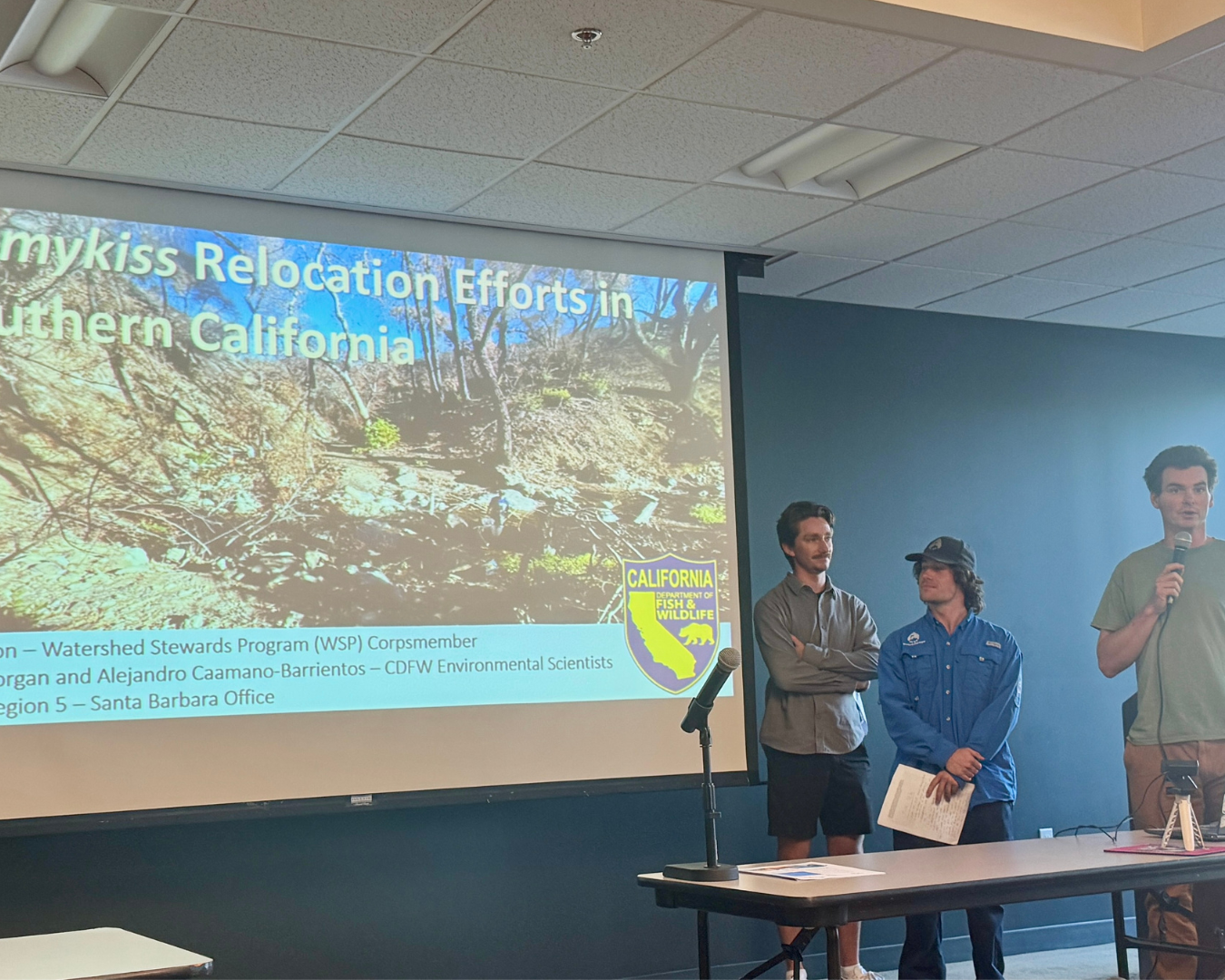
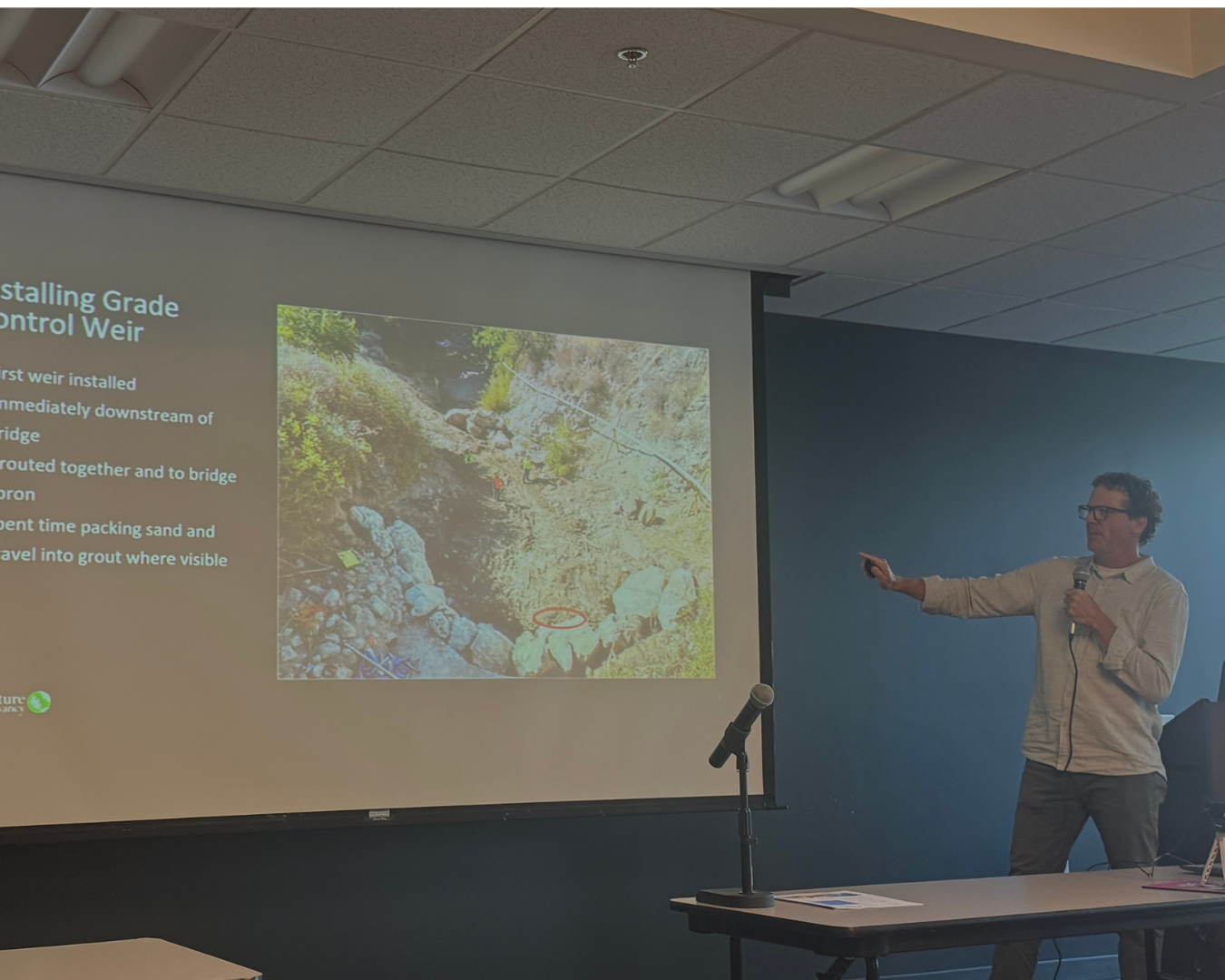
Representatives from The Nature Conservancy and UC Santa Cruz showcased their nearly watershed-wide restoration of Jalama Creek, creating ideal habitat for steelhead and riparian flora and fauna. Meanwhile, CDFW and the California Conservation Corps discussed innovative new methods for safely relocating endangered steelhead, demonstrating the innovative approaches being developed across the region.
Building Connections Across Southern California
Perhaps the symposium’s greatest achievement was bringing people together for a day of focused knowledge-sharing, connection, and action. The Southern steelhead Distinct Population Segment (DPS) spans an enormous geographic area, and its community of stakeholders comes from diverse backgrounds and locations. As Lopez reminded attendees, “It’s easy to travel somewhere to fight but we all have to fight where we stand. We each have our place where we’re doing our work, where we can do what we can do.”
The event allowed professionals from the northern and southern ends of the DPS to exchange ideas and problem-solve together in person without distraction, opportunities that are rare for this geographically dispersed community. Breakout sessions, including Mac Heebner’s strategic planning kick-off for the SSC’s 5-Year Plan, facilitated both DPS-wide discussions and hyper-local problem-solving.
New partnerships emerged from these conversations, including connections with Tribal partners and organizations working across the southern DPS. Participants also explored how multi-species conservation approaches can support steelhead survival, with presentations like the Gaviota Coast Biodiversity Collaborative demonstrating the power of landscape-scale conservation.
The Path Forward
A clear consensus was affirmed by the end of the day’s discussions: Southern steelhead populations will not recover unless we work together. Without collaboration and timely information sharing, critical conservation opportunities will be lost, and resources will be wasted. As Lopez emphasized, “The task we have today is building the future,” not just for the steelhead but for the communities and ecosystems that rely on them.
Southern steelhead populations are running out of time, but it’s not too late for coordinated efforts to create impact. The symposium demonstrated what’s possible when a community comes together with shared goals and mutual commitment.
Are you interested in learning more about and protecting Southern steelhead? There are multiple ways to get involved!
The next Southern Steelhead Coalition meeting is scheduled for February 11, 2026. If you’d like to join the coalition or attend a meeting, please email: southernsteelheadcoalition@caltrout.org.
The SSC will also be tabling at the CA Native Plant Fair on January 24, 2026, and at the Santa Barbara Museum of Natural History on February 22, 2026.
Connect with us the Coalition on Instagram HERE!