Landscape-scale pilot in Glass Mountains will transform meadow and forest restoration into measurable benefits for water supply, climate resilience, and local communities
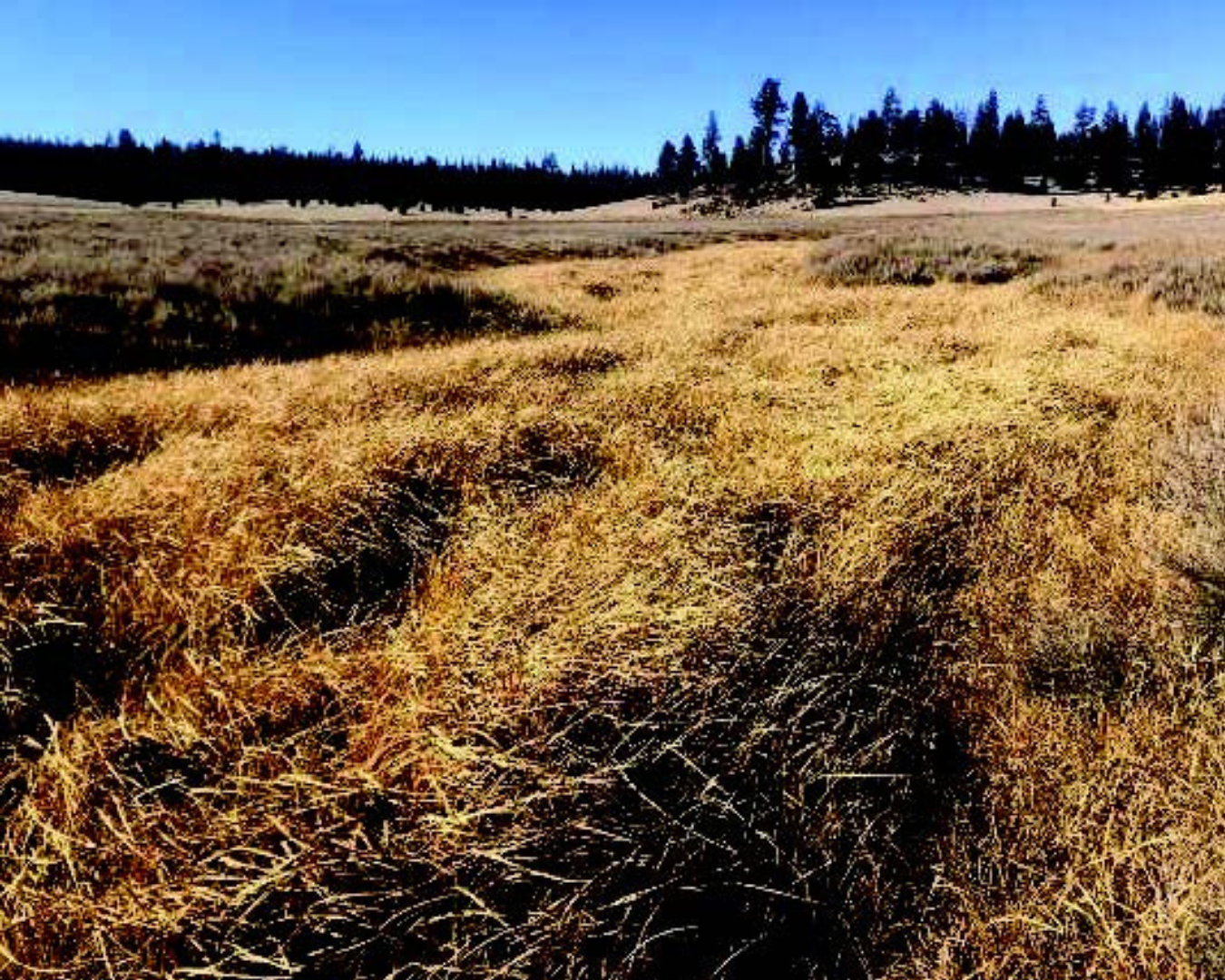
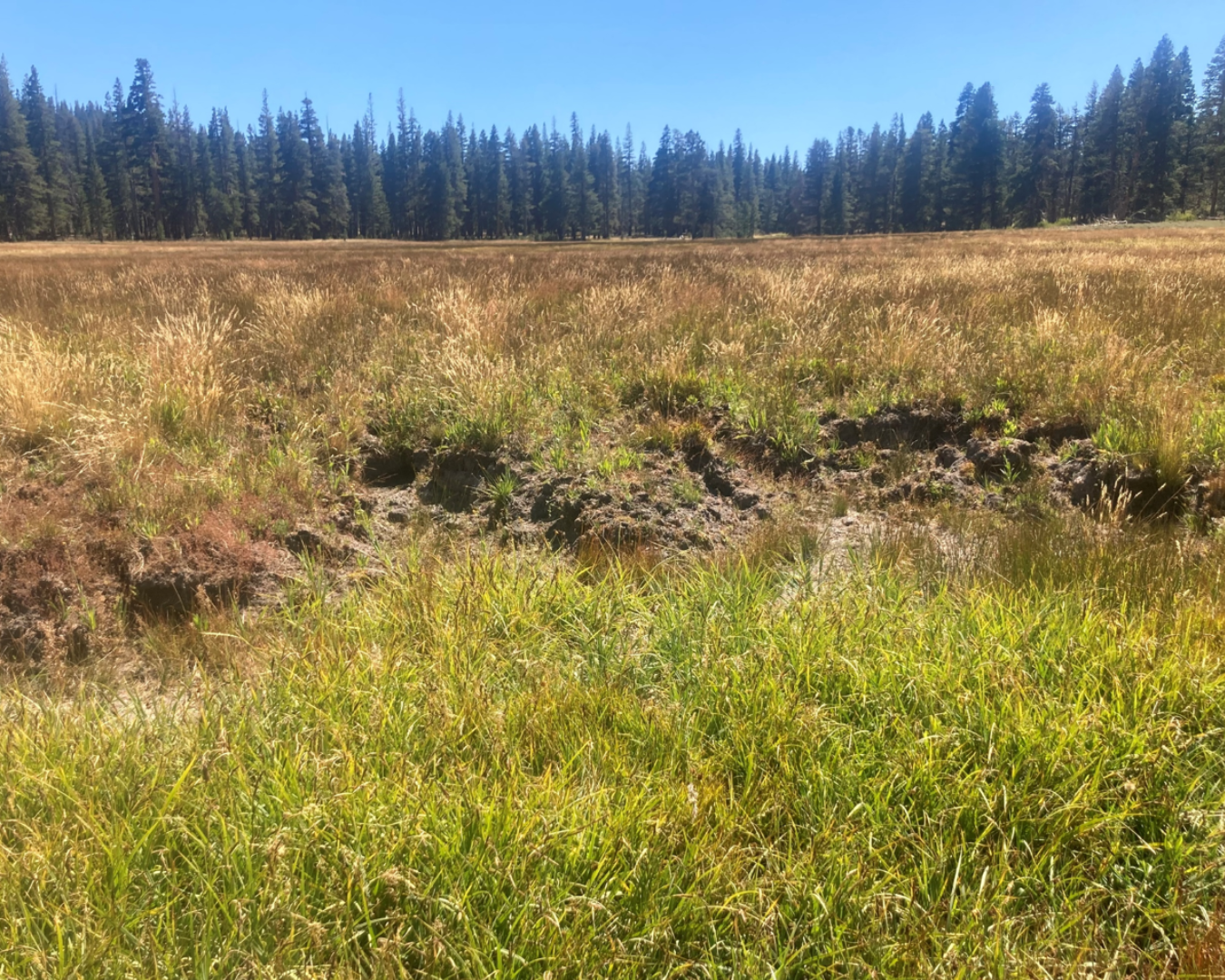
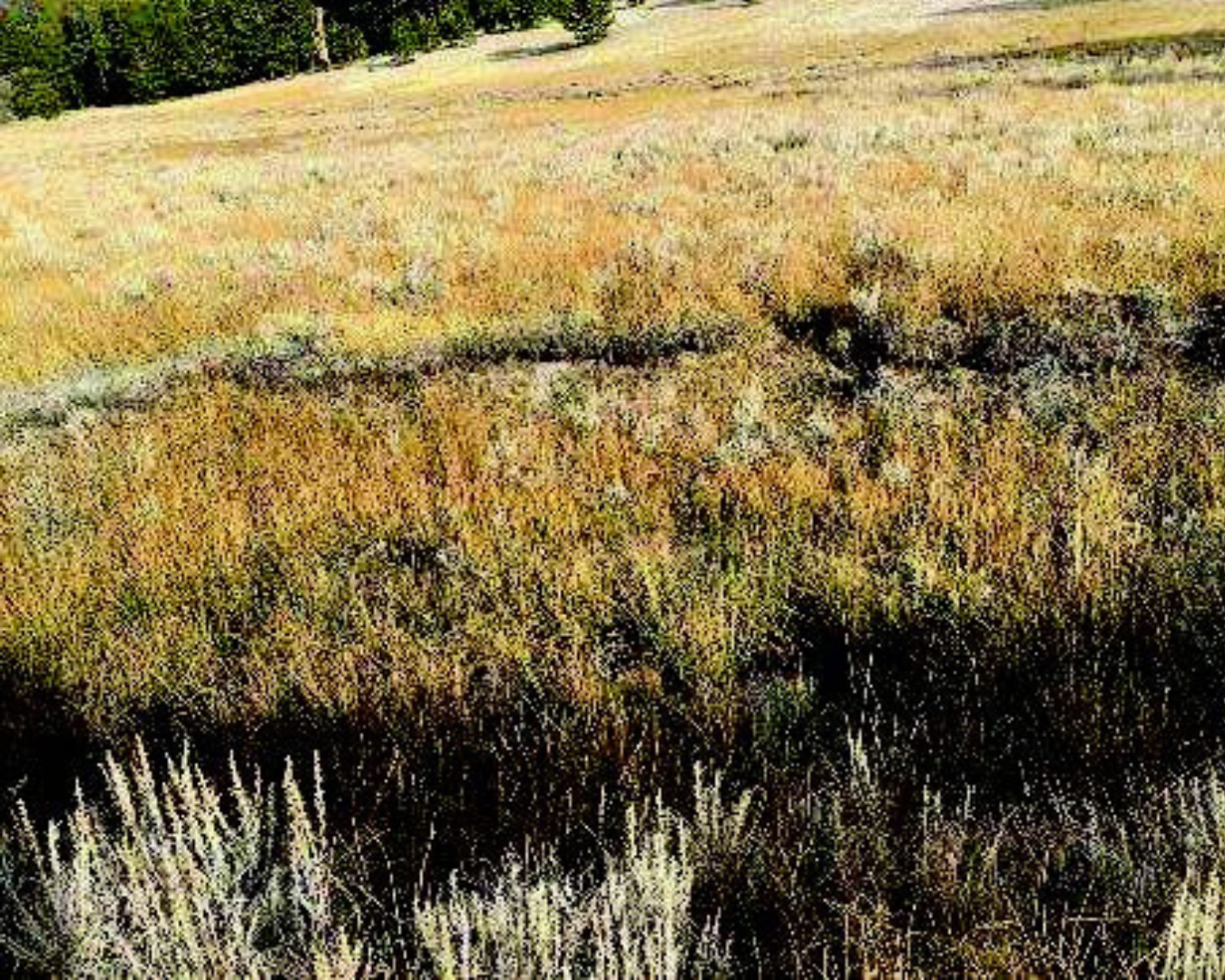
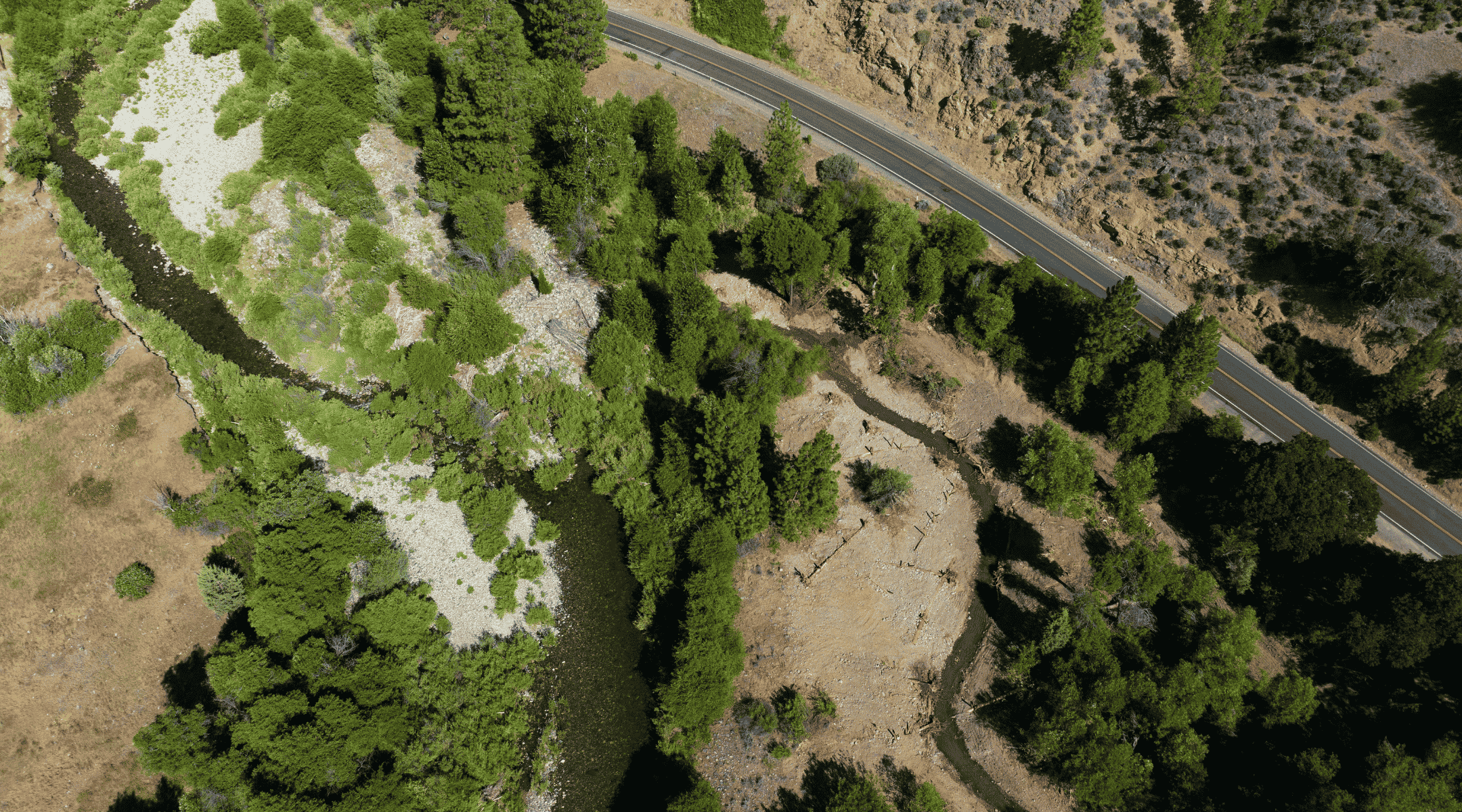
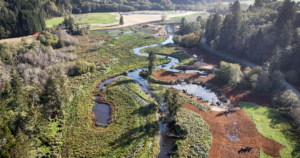
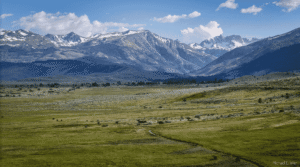
CalTrout has secured $1.8 million in funding from the California Department of Fish and Wildlife (CDFW) for a groundbreaking project that will restore over 300 acres of meadows in the Inyo National Forest within the Mono Basin. The landscape-scale pilot transforms meadow, stream, and forest habitat restoration into quantifiable carbon, water, and energy benefits bringing about direct benefits for California’s environment, economy, and communities.
“The Sierra Nevada region is recognized internationally for its natural beauty and recreational opportunities, but it is much more than that – it is critical natural infrastructure,” said Dr. Sandra Jacobson, Director for the South Coast and Sierra Headwaters regions at CalTrout. “This region provides more than 60% of our state’s developed water supply, attracts millions of visitors annually to world-class parks and recreational areas, and serves as a backbone of California’s biodiversity. When we restore the Sierra’s ecosystems, we’re protecting resources that every Californian relies on.”

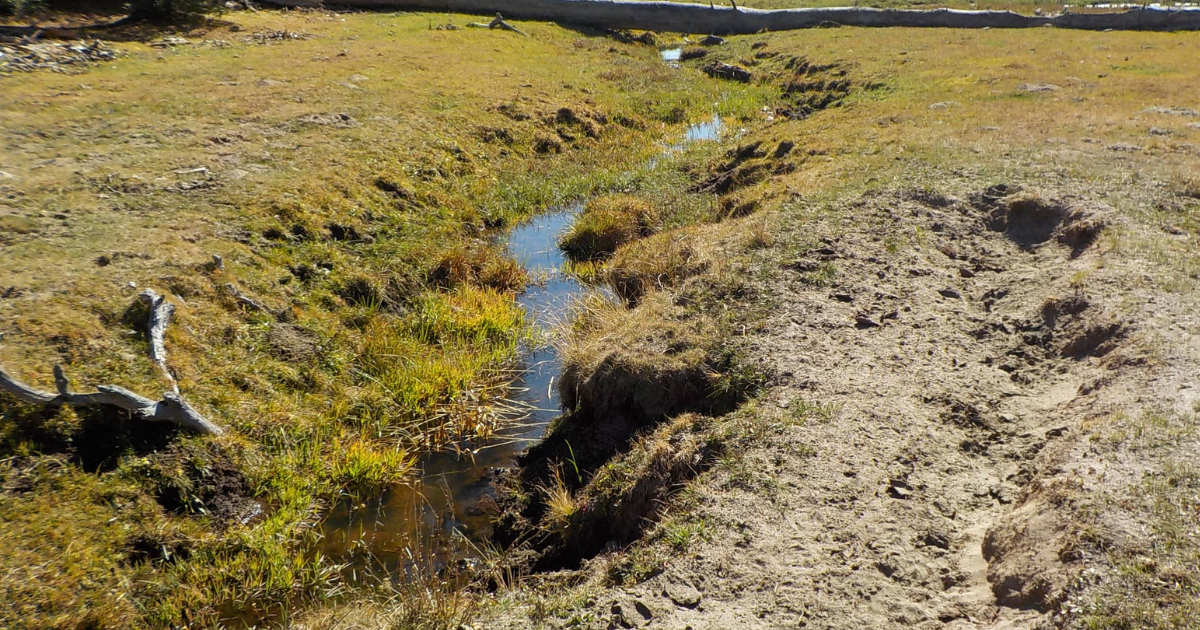
Climate change threatens this vital region with increased drought, rising temperatures, and catastrophic wildfires. Approximately 70% of Sierra meadows are currently degraded, diminishing their natural ability to store and gradually release water during dry periods—a function that becomes increasingly essential as California faces more extreme weather patterns.
CalTrout’s approach to this newly funded project differs significantly from traditional restoration efforts by addressing multiple ecological challenges while simultaneously delivering quantifiable benefits:
- Water Security: Restored meadows act as natural water banks, capturing snowmelt and rainfall, then gradually releasing it during dry summer months when California needs it most.
- Climate Resilience: Healthy meadows sequester significant amounts of carbon below ground, and strategic forest and watershed management prevent catastrophic wildfires that would release massive carbon emissions while storing removed biomass in the soil through use of biochar and other effective and efficient restoration tactics.
- Local Energy Solutions: Instead of wasting forest thinning byproducts, this project will convert biomass from hundreds of acres of forest thinning into renewable energy for the local grid.
- Economic Benefits: The project creates local jobs while preserving the natural beauty that drives tourism in the Eastern Sierra.
- Public Safety: Reducing wildfire risk protects communities and improves air quality throughout the state.
The four-year project will restore over 300 acres of meadows in the Inyo National Forest within the Mono Basin, an area renowned for its natural beauty and ecological importance. These restored meadows will provide crucial refuge for wildlife facing increased stress from drought and fire while preserving the internationally recognized landscapes that attract visitors from around the world.
“Healthy meadows and forests are California’s natural solution to multiple challenges—from water security to climate change,” said Lindsay Britton, Sierra Headwaters Project Coordinator at CalTrout. “This project shows how we can work with nature rather than against it to build a more resilient California for all.”
The project will be implemented in partnership with the U.S. Forest Service – Inyo National Forest, Bishop Paiute Tribe, and CDFW. By developing a science-based accounting system to measure these benefits, the project will create a blueprint that can be scaled across the Sierra Nevada and other mountain regions.
For more information about CalTrout’s work restoring meadows in the Glass Mountains of the Sierra Nevada, check out our deep-dive HERE.