After years of unprecedented closures, California is reopening parts of its ocean salmon fishery — bringing welcome relief to commercial and recreational fishing communities and renewed optimism that some salmon runs are beginning to rebound. But as climate change continues to drive increasingly unpredictable conditions, restoration efforts and science-based management will be more important than ever.
Where and How Ocean Fisheries Are Reopening
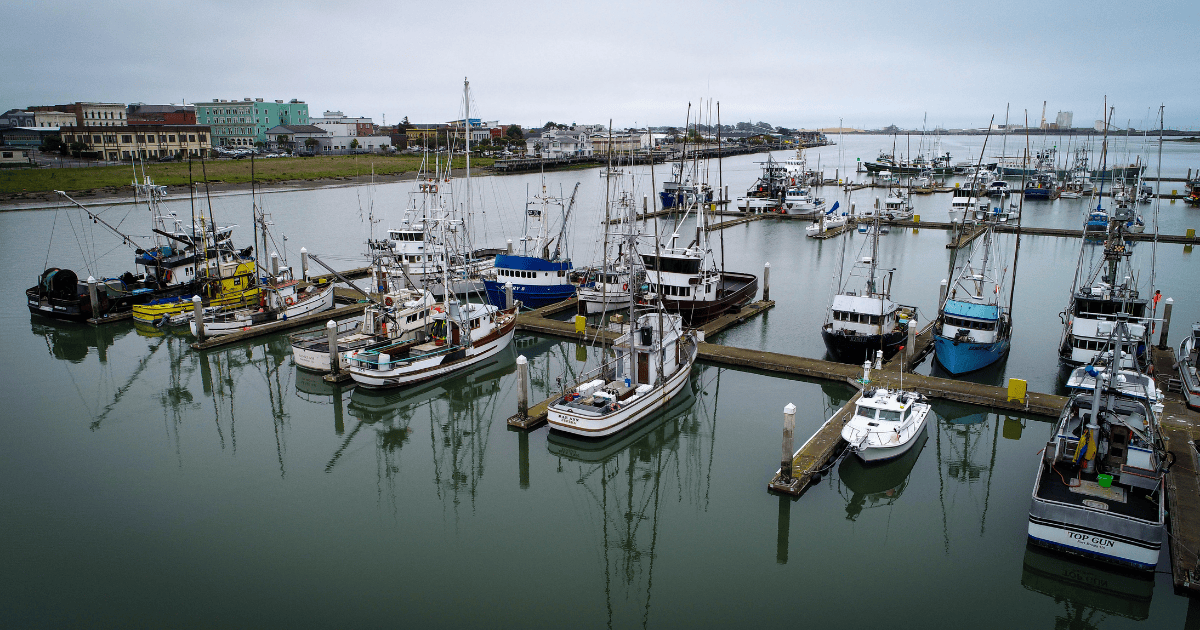
The commercial troll fishery will be reopened for the first time in three years in the San Francisco and Monterey regions but remains closed in Fort Bragg, Eureka, and Crescent City regions due to weaker abundances of Chinook salmon from the Klamath River and the presence of threatened California Coastal Chinook salmon in these waters. Recreational sport fisheries will be open throughout the state but will be limited in the northern half of the state.
Uneven Recovery Across Salmon Runs
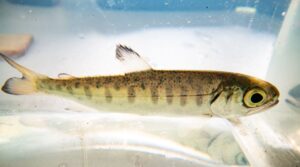
This year’s season structure announced by the Pacific Fishery Management Council reflects a high forecasted abundance of fall-run Chinook salmon from the Sacramento River but a relatively low abundance of Chinook salmon from the Klamath River in the north. Since 2018, Klamath River Chinook salmon have been designated as “overfished” due to low spawner abundances from poor river conditions for juvenile salmon, ocean heatwaves, and fisheries management that overestimated fish abundance and underestimated the harvest to occur. For the first time since 2017, Klamath River Chinook salmon are no longer considered overfished; however, their abundances have yet to reach the management target goal but appear to be trending in a positive direction.
While Chinook salmon abundances are forecasted to be greater than in previous years due to favorable climate and fishery closures, the long-term threats to these populations, such as more frequent and intense drought, disease, and warming ocean conditions, remain. The 2026 fishery season will aim to achieve the maximum harvest allowed for Klamath Chinook salmon while the population is below the abundance goal. This is of concern as the stock has yet to completely rebuild from low abundances, and fisheries modeling errors in the past have resulted in the fisheries exceeding harvest targets. However, fishery regulators have introduced more controls, such as daily landing limits and in-season monitoring to achieve the harvest targets.
Full Recovery Demands a New Approach
To our commercial and recreational fishing partners: we see you. Your patience through closures and your commitment to doing this right have helped make this moment possible. It’s good to see boats back on the water. We also recognize that this year’s quotas are below what was typically harvested before the closure — and for many, they’re not enough to stay afloat or turn a profit. At CalTrout, we’ll continue to play our role by advancing science, restoring habitat, and pushing for abundant and healthy salmon populations.
This isn’t a return to normal. It’s a test of whether we can manage fisheries while rebuilding salmon runs for the long term. Strong Sacramento numbers are worth celebrating, but we can’t afford to overharvest stocks that are still regaining their footing. As climate change continues to reshape conditions for native fish and their watersheds in unprecedented ways, we need to step into a new era of fishery management — one defined by science-based management and meaningful reforms that promote resilience for fisheries and salmon populations.