In our work to ensure healthy waters for all Californians, we recognize that no one tool or strategy is sufficient. Our staff works across the state to employ a variety of different strategies and tools to protect California’s freshwater resources. Outstanding National Resource Waters (Outstanding Waters) designations are an underutilized opportunity for resource protection in California that CalTrout is advocating to expand.
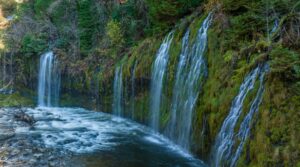
Along with our partners, CalWild, Trout Unlimited, and the Pew Charitable Trusts, we recently identified and filed petition to the Regional Water Quality Board to designate two key tributaries of the upper South Fork Eel River — Elder Creek and Cedar Creek — to be protected as Outstanding Waters. These two creeks possess significant ecological value. Both are spring-fed headwater tributaries, and as the climate continues to rapidly warm, they represent resilience for flow and temperature regulation in California rivers.
What are Outstanding Waters?
Outstanding National Resource Waters (Outstanding Waters) are rivers, streams, wetlands, and lakes that have been designated for heightened protection under the Clean Water Act because they support exceptional values that rely on water quality. Examples of these values include unique recreational opportunities, significant cultural values, and ecological productivity.
The Outstanding Waters designation is distinct from other resource protections in that it is specifically focused on water quality. No permanent degradation of the quality of Outstanding Waters is allowed, although some temporary degradation may be permitted for short-term activities such as emergency measures and habitat restoration. An Outstanding Water designation does not affect existing activities such as farming, ranching, fishing, or boating, provided such uses do not diminish water quality below current levels.
Outstanding Waters in California
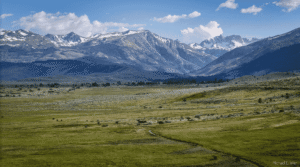
While other states have designated extensive reaches of Outstanding Waters within their borders, there are currently only two designated Outstanding Waters in California: Lake Tahoe and Mono Lake. We believe many other waters in the state deserve the same level of protection for their outstanding natural resource values.
After an extensive search, our groups identified Elder Creek and Cedar Creek, key tributaries of the upper South Fork of the Eel River, as candidates that meet Outstanding Waters criteria and deserve the protections provided by this designation under the Clean Water Act.
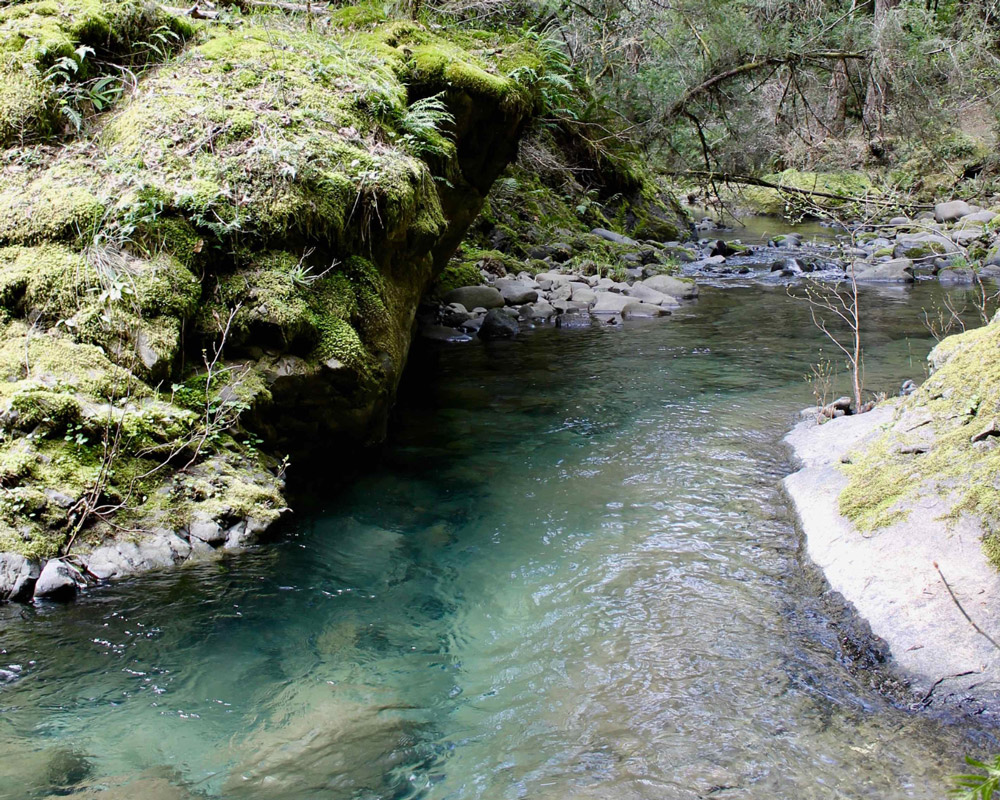
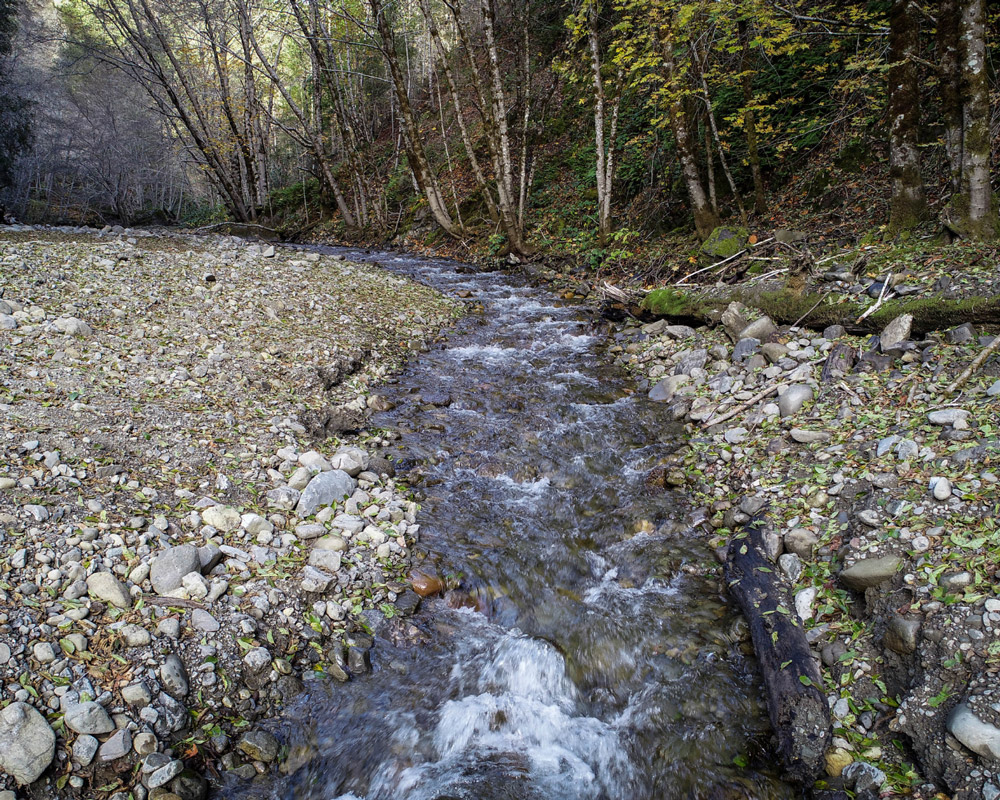
Elder Creek
Elder Creek is one of the most studied stream segments in California, if not the world. The ecological value is well documented through decades of UC funded research, and is designated as a United Nations Biosphere Preserve. A portion of Elder Creek flows through the Angelo Coast Range Reserve, which is managed by UC Berkeley for scientific research. The Bureau of Land Management (BLM) identified Elder Creek as eligible for National Wild and Scenic River Protection.
Cedar Creek
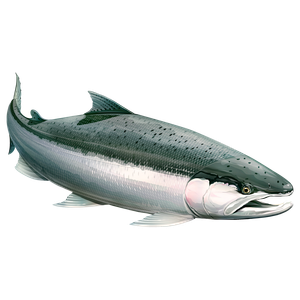
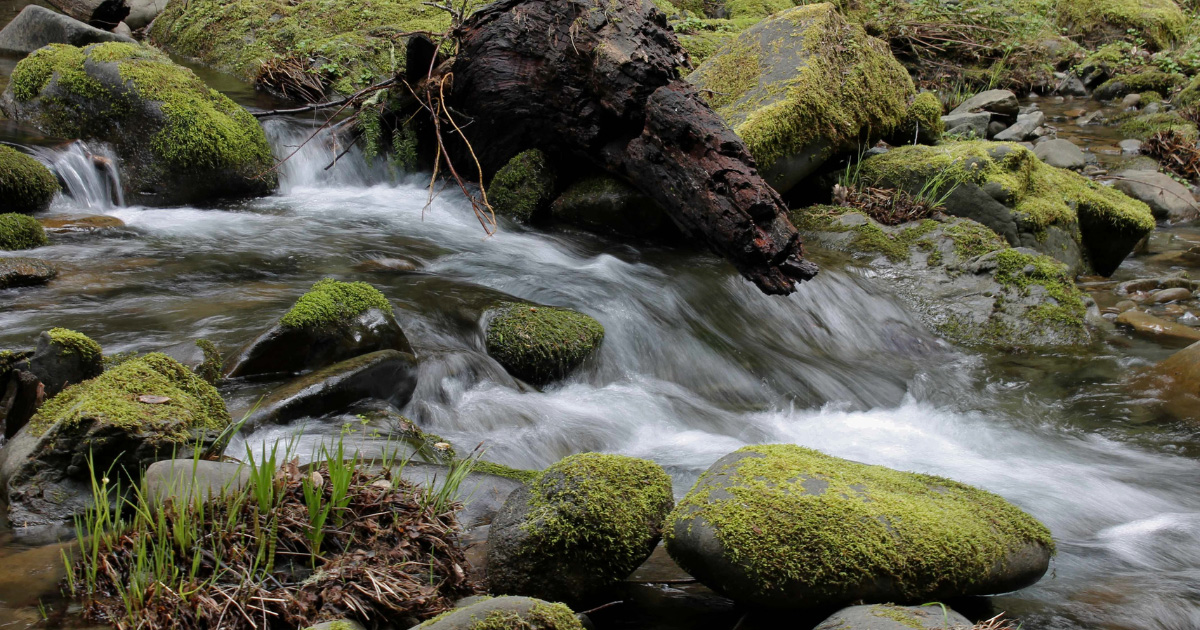
Due to its unique geology, Cedar Creek produces reliable, prolific summer baseflow even in critically dry years. In late summer and fall, this tributary contributes a majority of the stream flow in the South Fork of the Eel River, producing clean, cold water that provides a vital refuge for fish and other species during the hottest time of year. A recent dam removal project near the confluence will allow salmon and steelhead access to this cold, clean water for the first time in decades. A portion of Cedar Creek flows through the state’s Little Red Mountain Ecological Reserve, managed by CDFW. BLM also identified Cedar Creek as eligible for National Wild and Scenic River Protection.
As the warming climate rapidly diminishes flows and elevates water temperatures in many watersheds in California, it is vital that we strengthen protections for our best remaining waters with exceptional quality. Many of these waters may be found in small spring-fed headwater tributaries such as Cedar Creek and Elder Creek.
California Trout, CalWild, Trout Unlimited, and the Pew Charitable Trusts are committed to working with local communities, resource agencies, Tribes, and other stakeholders to identify additional candidates for protection as Outstanding Waters.