At CalTrout, science guides our conservation projects on the ground. We also share our work with the larger science community by participating in annual science conferences. One conference we participate in is the Salmonid Restoration Conference held by the Salmond Restoration Federation (SRF).
The 38th Annual Salmonid Restoration Conference was set to be held on March 31 – April 3, 2020 but was postponed due to COVID-19. Eight CalTrout scientists and speakers were set to present on a variety of topics including dam removal, southern steelhead recovery, and fish food webs. In lieu of the conference, the Salmonid Restoration Federation decided to host some of their symposium talks virtually in a series of webinars.
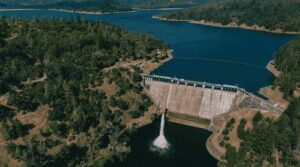
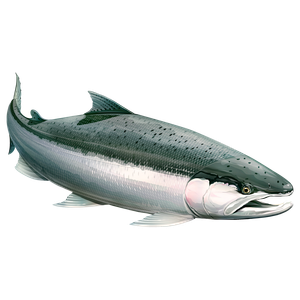
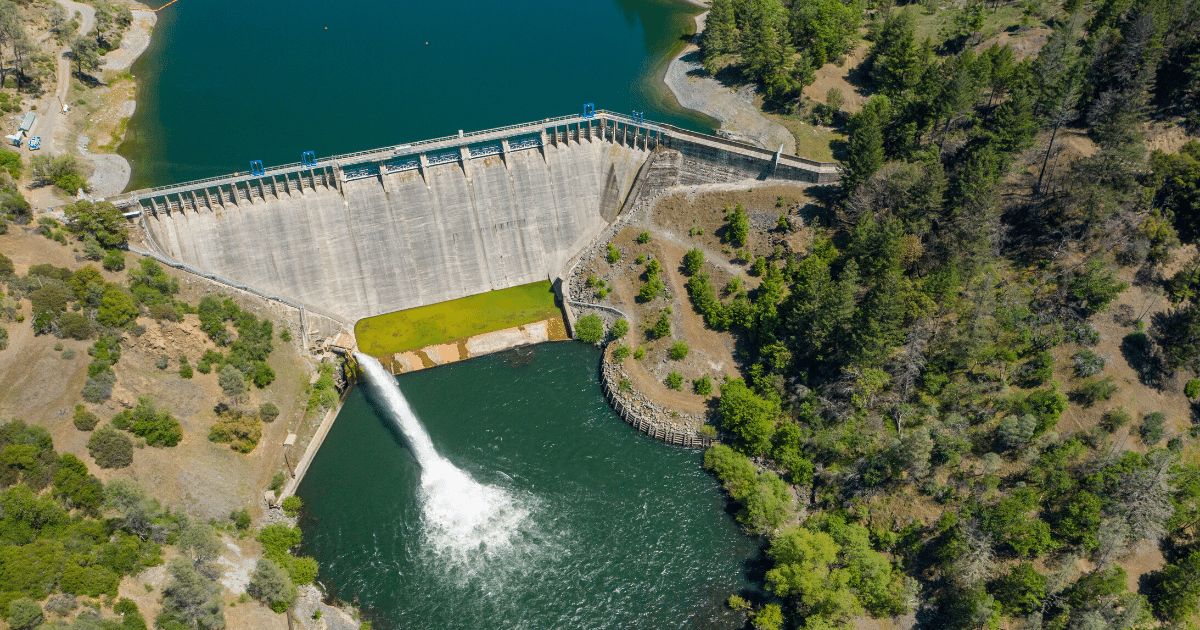
Last month, North Coast Regional Director Darren Mierau presented to an audience of 228 participants about the Potter Valley Project. Two aging dams on the upper Mainstem Eel River, owned by Pacific Gas and Electric (PG&E), currently impede (Cape Horn Dam) or completely block (Scott Dam) migratory access to several hundred miles of habitat for federally listed Chinook salmon and Steelhead. The Federal Energy Regulatory Commission (FERC) license for the Potter Valley Project (PVP) expires in 2022. In 2019 PG&E made a paramount decision to not relicense the Project.
This webinar will describe the Feasibility Study Report and Project Plan submitted to FERC in May of 2020 by a coalition of five regional entities including CalTrout to acquire the license for the Potter Valley Project. The Project Plan includes the removal of Scott Dam, modification of Cape Horn Dam, continued power generation, and winter “run-of-the-river” water diversions. The Project plan would result in unimpeded migratory access for salmon and steelhead into the upper Eel River, along with continued diversion of Eel River water to the Russian River. You can watch the presentation here or below.
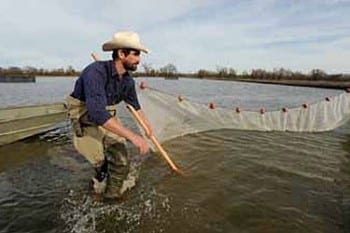
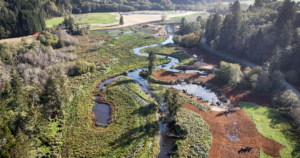
The presentation demonstrated how multi-species multi-benefit land uses can cultivate ecological solutions on actively farmed agricultural landscapes by mimicking the historical flood patterns that restore the ecological functions to which California’s native fish species are adapted.
More about the Nigiri Project:
The Fish Food Story: https://caltrout.orgarticle/the-fish-food-story
No Going Back: https://www.youtube.com/watch?v=Mmo5eHbQ-fk
The New Way Forward: Wetlands: https://www.youtube.com/watch?v=PDvk8fSAdh4&t=2s