FOR IMMEDIATE RELEASE
May 5, 2015
CONTACT
Severn Williams, sev@publicgoodpr.com
O: 510-336-9566
C: 415-336-9623
$922k GRANT GIVEN TO CALIFORNIA TROUT TO LAUNCH SIERRA MEADOW CARBON SEQUESTRATION PROJECT
Funded through California’s cap-and-traded program, project will establish protocol measuring greenhouse gas reductions associated with restoring meadows in the Sierra Nevada Mountains
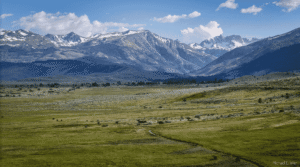
Mammoth Lakes, Calif. – How does a robust Sierra meadows ecosystem help fight climate change? That is a question that non-profit group California Trout is preparing to answer. The organization received a grant for $922,000 from the California Department of Fish and Wildlife as part of a package of $21 million in funding aimed at reducing greenhouse gases statewide. The funding comes from California’s Greenhouse Gas Reduction Fund, which is supported by the state’s cap-and-trade auction proceeds.
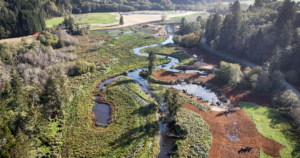
San Francisco-based California Trout will leverage the grant to develop a protocol for measuring carbon sequestration associated with restoring meadows in the Eastern Sierra. In addition to sequestering carbon, meadows play an important role in supporting healthy watershed systems throughout the Sierra Nevada that are so critical to California’s water supply. Sierra watersheds also provide essential habitat critical to the recovery and survival of native fish and other wildlife in the state.
“For more than forty years, California Trout has been working to protect and recover our state’s native trout, steelhead and salmon,” said executive director Curtis Knight. “With this project, our organization is taking its first step into the larger arena of addressing climate change, the most complex ecological problem of our time.”
The recent grant from CDFW will allow California Trout, with core partners Plumas Corporation and Stillwater Sciences, to lead a new multi-organizational effort to create a standard quantification protocol for measuring greenhouse gas dynamics in Sierra Nevada meadows. This effort evolved out of ongoing conversations among a broad coalition of groups, academic institutions and agencies working to support conservation in the Sierra. These groups include Sierra Foothill Conservancy; American Rivers; Sierra Streams Institute; Spatial Informatics Group – Natural Assets Laboratory; South Yuba River Citizens League; Truckee River Watershed Council; University of Nevada, Reno; University of California, Merced; University of California, Davis; California State University, Chico; Tahoe National Forest; and, Sequoia National Forest.
As a result of this project and the support of the California Department of Fish & Wildlife, the Sierra Meadow Restoration Research Partnership will be established and will develop a tool to measure and credit carbon sequestration associated with restoring meadows throughout the Sierra Nevada mountain range. The partnership will coordinate with groups working throughout the Sierra with the goal of increasing ecological resilience and recovering species and habitat associated with alpine meadow systems – all while capturing climate-disrupting emissions on a meaningful scale.
“The interconnection between healthy ecosystems and addressing the threat of climate change is becoming more and more clear,” noted Dr. Mark Drew, Director of the Sierra Headwaters Program with California Trout. “It’s exciting for us and we feel fortunate to be in a position to take a leadership role in this effort, working with key partners to improve watershed health in Sierra Nevada that is so critical to California’s water supply.”
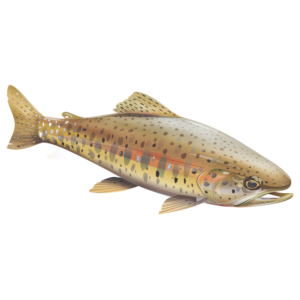
The partnership’s work will, in part, respond to the needs identified in the California State Water Action Plan to restore Sierra Nevada meadow systems. It will work to restore multiple meadow systems across the Sierra, including Osa Meadow, a 90 acre meadow system supporting Kern River rainbow trout, Mountain Yellow Legged Frog and local communities downstream.
California Trout is a non-profit conservation organization that strives to solve complex resource issues while balancing the needs of wild fish and people through science-based advocacy. Some of its landmark achievements include legal victories that helped to restore the streams that feed the iconic Mono Lake and cutting-edge research aimed at recreating wetland habitat on off-season Central Valley farmland to support imperiled native salmon. With headquarters in San Francisco, the organization has six regional offices, including one in the Eastern Sierra Nevada.
###