
California Trout (CalTrout) has received a grant from the California Wildlife Conservation Board (WCB) to implement priority habitat restoration projects at Big Springs Ranch Wildlife Area, one of the highest-priority spring-fed reaches in the Shasta River watershed. The award moves years of watershed-scale planning into on-the-ground action, advancing CalTrout’s Upper Shasta River Habitat Improvement effort with measurable benefits for Chinook and Coho salmon, steelhead, and other native species.
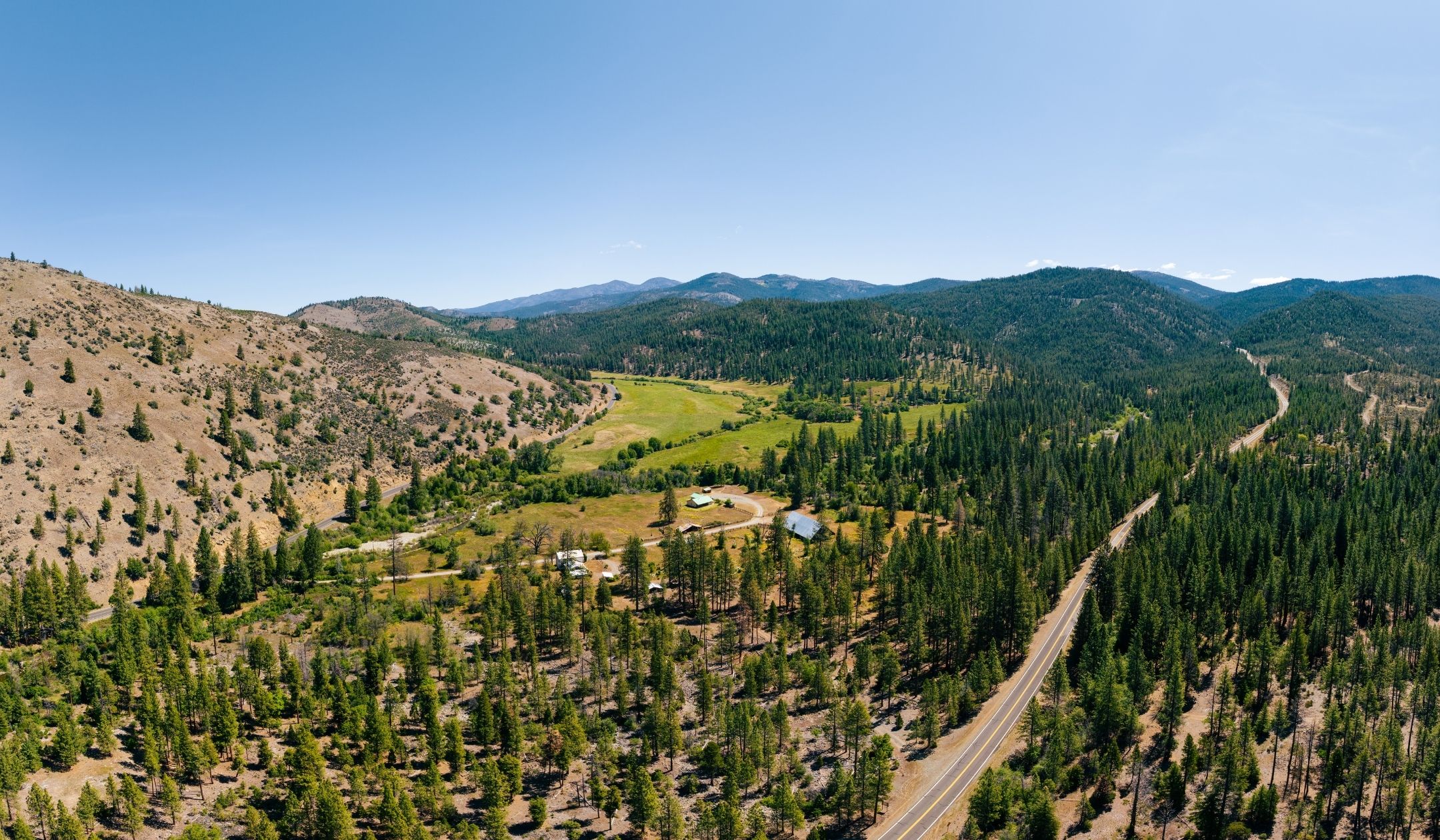
Big Springs Ranch Wildlife Area sits on California State lands managed by the California Department of Fish and Wildlife (CDFW) and offers an immediate opportunity to improve instream habitat conditions for wild salmon and steelhead. With this grant, CalTrout and partners will carry out two shovel-ready projects on the property over the course of the next two years, with completion expected by late fall of 2028.
“The Big Springs Ranch project represents exactly the kind of on-the-ground impact CalTrout has been working toward in the Shasta River watershed. This shovel-ready phase of our Upper Shasta River Habitat Improvement effort turns years of careful, watershed-scale planning into real restoration — improving instream habitat in one of the most critical spring-fed reaches for salmon and steelhead recovery. Partnering with the state to advance this work on Big Springs Ranch Wildlife Area is a meaningful step toward a healthier Shasta River.”
Damon Goodman/CalTrout’s Shasta Cascade Regional Director.
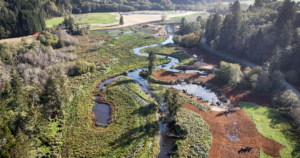
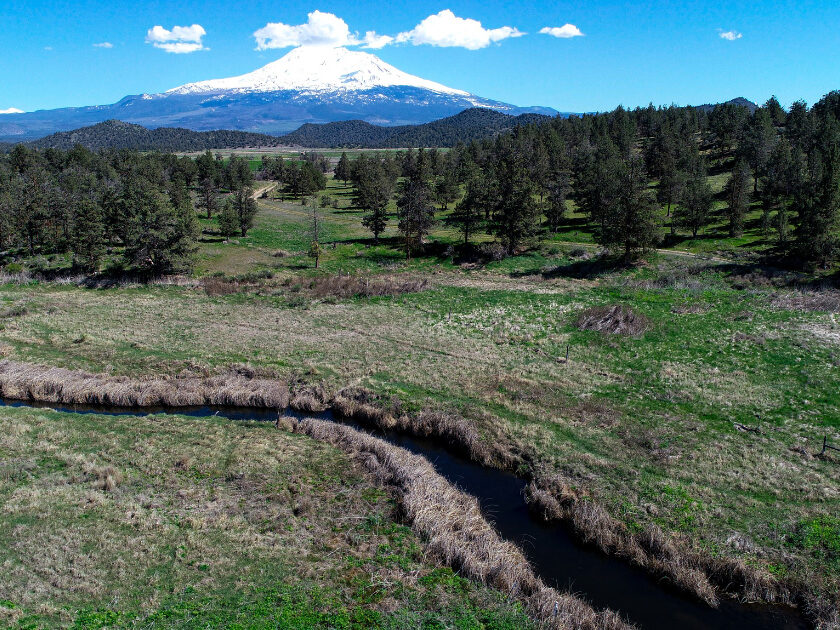
Due to its cold, spring-fed water, this reach of the Shasta River — including Big Springs Creek — was historically core habitat for coho salmon. Decades of changing land use have since raised water temperatures and degraded critical spawning and rearing habitat throughout the watershed. Today, Big Springs Creek runs wide and shallow, a channel shape that drives up water temperatures over short stretches because of increased solar exposure.
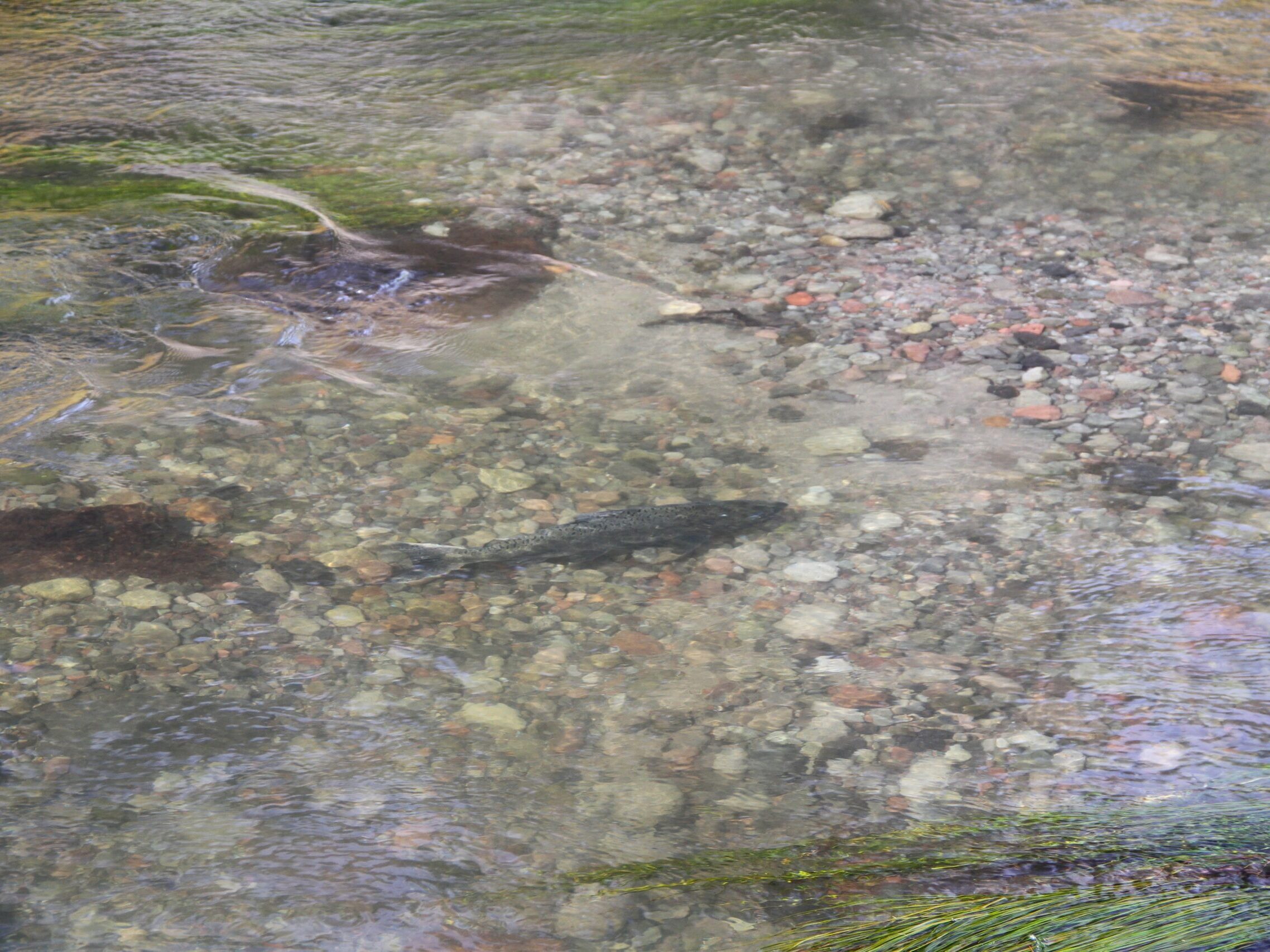
At the lower Big Springs Creek Site, a major tributary to the Shasta River, CalTrout’s work will increase habitat complexity and spawning habitat availability while concentrating and speeding water flow to reduce sun exposure and keep water colder. Suitable spawning gravel will be added at select locations to provide immediate spawning benefits and to create deposits that naturally disperse to nearby reaches over time. Large wood and boulder structures will be installed within Big Springs Creek to concentrate flow patterns and improve spawning and rearing habitat by providing cover, increasing hydraulic complexity, and supporting the natural fluvial geomorphic processes that build channel complexity and sort bed material.
At the Hole in the Ground Creek site just above Big Spring Creek on the Shasta River, the focus shifts to summer rearing habitat. Currently, many of the springs and alcoves are disconnected from the Shasta River at lower flows. Beaver Dam Analog (BDA) features will be installed in Hole in the Ground Creek spring and in two alcoves connected to the Shasta River channel to improve rearing habitat and keep these features connected and wet longer in dry seasons. Large wood and boulder structures will also be placed within the Shasta River at an existing channel split downstream of the Parks Creek confluence, increasing habitat diversity and improving bed material sorting into spawning habitat.
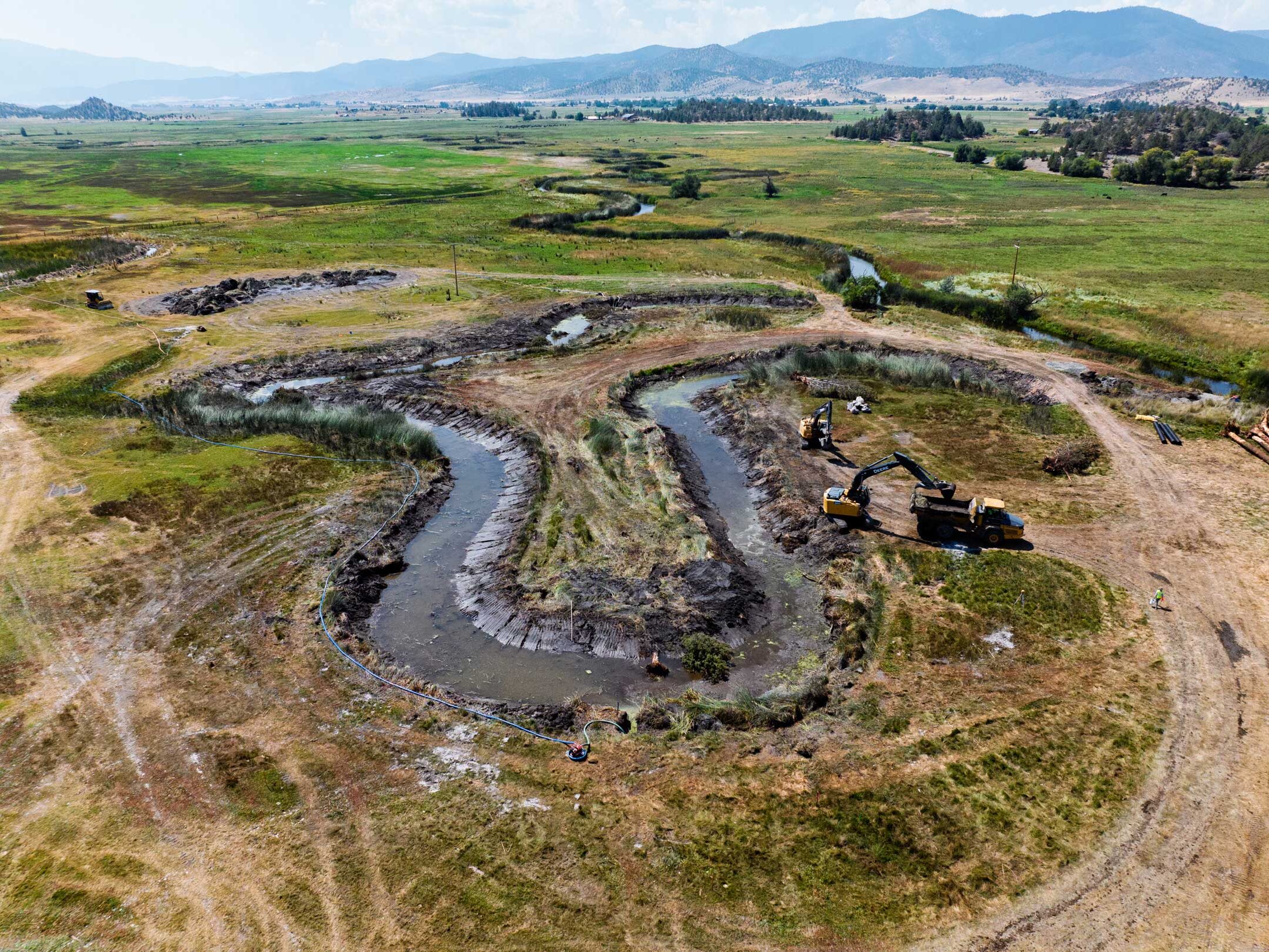
The grant also funds pre- and post-construction monitoring at both sites, including the Mid-Shasta Oxbow Reconnection site, which CalTrout restored in fall 2025. Results will help CalTrout determine whether the projects are achieving their intended effects, refine designs for future restoration work, and identify other locations on the Shasta River that could benefit from similar habitat improvements.
“Restoring these cold-water streams gives salmon and steelhead a real chance to recover,” said Jennifer Norris, executive director of the Wildlife Conservation Board. “Projects like this help us rebuild habitat on public land where it can do the most good.”
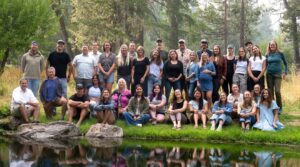
This project reflects broad support, including letters from CDFW as landowner, the North Coast Regional Water Quality Control Board, the Karuk Tribe Fisheries Habitat Restoration Program, and the Yurok Tribal Fisheries Department. It builds on other recent momentum in the watershed, including the Mid-Shasta Oxbow Reconnection site restoration completed in fall 2025 and CalTrout’s ongoing partnership with The Nature Conservancy to restore Parks Creek Ranch, upstream of the Hole in the Ground Site. CalTrout, in partnership with CDFW, will also continue building community connections to this work through the 2026 Big Springs Youth and Community Days, hosted this year between October 20-28. During the week, we will bring Siskiyou County middle school classrooms out for hands-on educational programming — including salmon viewing, fish dissection and gyotaku printing, macroinvertebrate exploration, and a rotary screw trap demonstration — and on the weekend, the site will be open to the public for a community open house at Big Springs Ranch Wildlife Area.
“Creating long-term restoration impact for wild fish and rivers isn’t possible without partnership,” Goodman added. “We’re grateful to work alongside the Wildlife Conservation Board, CDFW, our tribal partners, and neighboring landowners to build lasting impact as we work toward our mission of revitalizing waters for resilient wild fish and a better California.”
Watch how ranchers, fisheries professionals, and Tribes are working together to bring salmon back to California’s Shasta Valley: